
Reviewed · MACHU PICCHU
10-Day Discover Peru: Lima, Arequipa, Puno, Cusco & Machu Picchu
What makes this 10-day Peru trip so interesting is the way it stitches together totally different worlds, from Lima’s UNESCO streets to Andes high passes, then ends at Machu Picchu by train. You get the big-name sights, but also the context that helps you understand what you are seeing. Machu Picchu is the obvious finale, yet the route builds momentum.
I especially like two things about how this tour runs. First, it keeps the group small (max 15), so you get more personal guidance than on the huge cattle-car tours. Second, it uses bilingual English-Spanish guiding across the days when you really need clarity, like museums, city walks, and the Sacred Valley.
One possible drawback is the pace plus altitude. You will be going from sea level down to high Andean points, including passes around 4,900 m, and there are long transport blocks like a 6.5-hour bus day and a full Machu Picchu day that lasts about 12 hours.
Key highlights worth getting excited about
- Max 15 travelers, so even busy places like Cusco feel more manageable.
- Lima UNESCO start with a deep dive into San Marcos history at Santo Domingo and a museum stop at Larco.
- Colca Valley over high passes (up to about 4,900 m) with vicuña habitat at Pampa Cañahuas.
- Lake Titicaca by boat to Uros and Taquile, with music and a community lunch.
- Sacred Valley power day featuring Chinchero textiles, Moray microclimates, and Ollantaytambo temples.
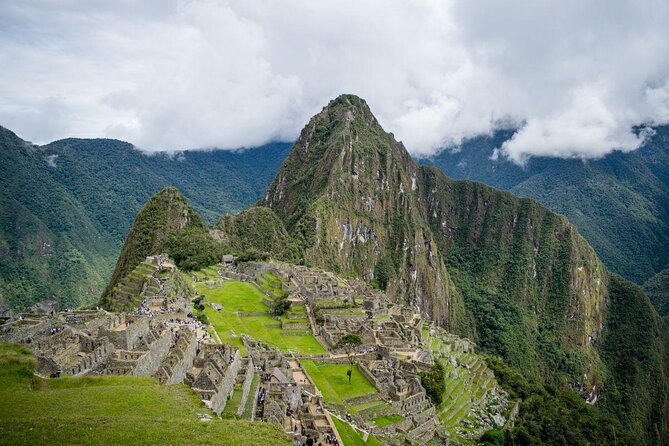
- Machu Picchu visitor circuits handled in advance, with Route 2 prioritized and ticket confirmation tied to your choice.
Lima’s UNESCO start: Santo Domingo, Plaza Mayor, and Larco Museum
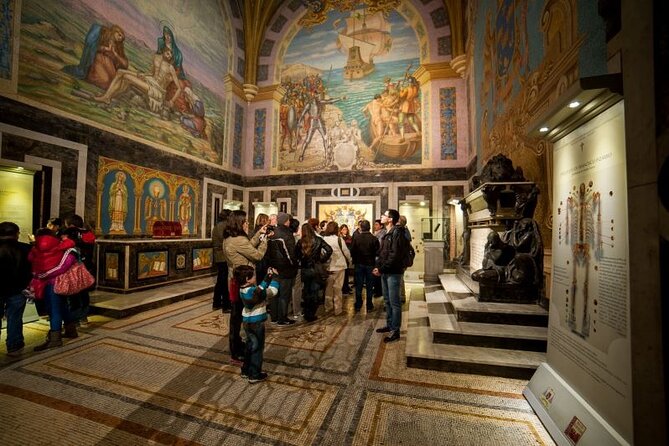
Lima opens in a smart way: you begin with history before you get tired. The tour starts at the Convent of Santo Domingo, which sits on a site tied to Peru’s oldest university, Universidad Mayor de San Marcos. You also get a look at rare XV-century books and the church choir stalls, plus the remains of notable saints. It is the kind of stop that helps you see Lima as more than a layover city.
Then you walk into Plaza Mayor, where the Government Palace, Municipality, and Cathedral frame the colonial-era art and architecture you will keep noticing later in Peru. This is a good moment to slow down, because the rest of the trip jumps between regions fast.
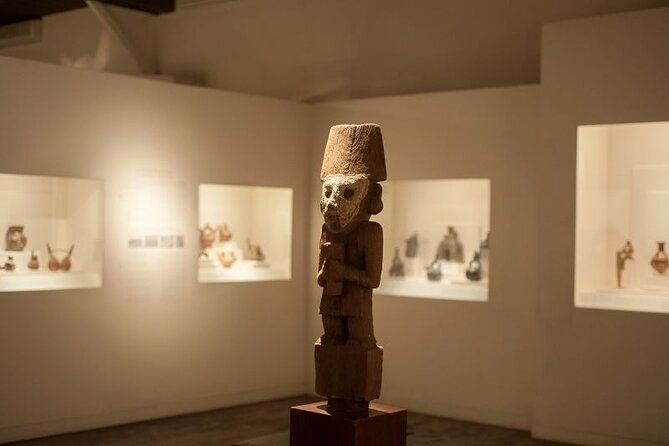
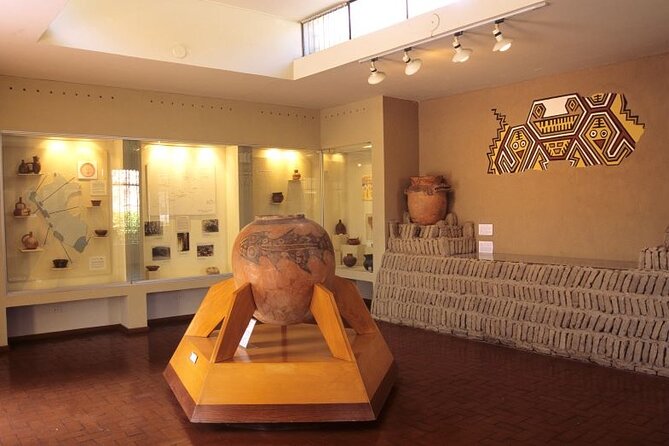
The Larco Museum is a strong finale to Day 1. You will see ancient Peruvian cultures through gold artifacts, textiles, and erotic ceramics. What I like is that you do not just do the standard galleries, you also get access to the museum’s warehouse for a more in-depth look at artistic heritage. That extra layer makes the museum feel like research, not just sightseeing.
Practical note: Lima days often involve a lot of walking, so wear comfortable shoes. You will want energy for museum time that is more focused than a quick photo stop.
More ways to reach Machu Picchu:
- 7-Day New Dawn in Machu Picchu: Lima, Cusco & Sacred Valley
★ 5.0 · 220 reviews - 7-Day Lima and Cusco Tour with Sunrise at Machu Picchu
★ 4.5 · 218 reviews - 6-Day Peru, Connect your Energies: Lima, Cusco & Machu Picchu
★ 5.0 · 138 reviews
Arequipa’s white city walk: San Lázaro, Carmen Alto, Yanahuara, Santa Catalina
Arequipa is one of those cities where the streets feel different the moment you arrive. You start in the San Lázaro neighborhood where the city was founded, then move into a walking loop that layers viewpoints and iconic neighborhoods.
One of the best segments is the Carmen Alto viewpoint. From there, you get panoramic views of the agricultural terraces and the volcano lineup: Misti, Chachani, and Picchu-Picchu. Even if you are not a “volcano person,” it helps you understand why Arequipa became a hub.
Next you head to Yanahuara, famous for its Andalusian-style church and an arched observation point. Then comes Santa Catalina Monastery, with narrow lanes and gardens that feel reminiscent of Sevilla or Granada. I like this contrast because it shifts the day from city views to enclosed, human-scale spaces where you can actually breathe.
You wrap with Plaza de Armas and the surrounding arches, plus a visit to Iglesia de la Compañía de Jesús, including the Dome of San Ignacio. It is a lot in one day, but it is all in a tight, connected zone, so it feels like a coherent Arequipa story.
Colca Valley by land: Patapampa pass, vicuñas at Pampa Cañahuas, and thermal time
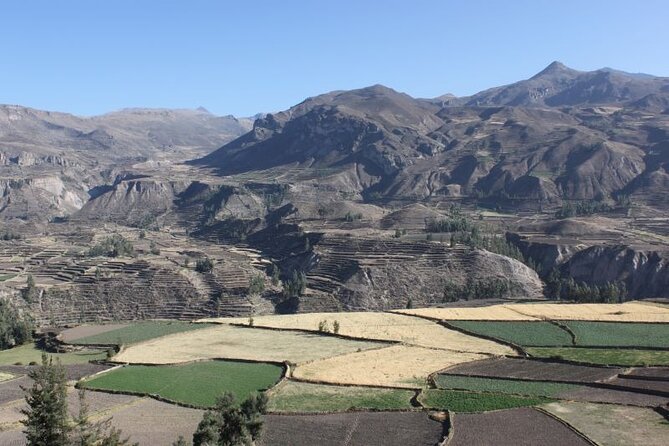
Colca Valley is where the trip starts feeling properly dramatic. You head out by land along the route of the volcanos, traveling up by the side of Chachani, with big views of Misti and Picchu volcanoes.
A highlight is the stop at the vicuña reserve of Pampa Cañahuas, high Andean habitat where vicuñas are protected. Then the drive climbs to Patapampa, reaching about 4,900 m. From there you can appreciate active volcano Sabancaya. That combination, animals plus big-altitude scenery, is what makes Colca more memorable than a simple canyon-view day.
Once you descend into the Colca Valley, you arrive for lodging, and lunch is served at the hotel. The tour also builds in free time, including an option to enjoy thermal waters in the area. I find that this is a smart design. After high altitude and long roads, you actually need a decompression block.
Practical consideration: at higher elevations, it is common to feel short of breath or chilled. Keep layers handy and do not push hard on the first evening.
Cruz del Cóndor at dawn, then Puno: condors, canyon scale, and a long bus ride
You head to Cruz del Cóndor early, which is exactly when you want to be there. Condors glide through the air near this point, and the view shows just how large the canyon is. It is one of the world’s deepest canyon areas, and from a viewpoint you can see why people come here even when it is cold.
After the condor time, you visit the towns of Maca and Yanque, both known for preserving colonial churches. This is a nice change from just looking at nature, because you get a sense of how locals live with the geography instead of trying to beat it.
Lunch is in a local restaurant, then you transfer to Puno by bus for a 6.5-hour and a half trip. This is the kind of day where you will appreciate good sleep the night before. A long ride can make the next day feel rushed if you are tired.
A few more Lima days worth comparing
- Premium Paracas & Huacachina Day Trip from Lima with Sunset Toast
★ 5.0 · 7,380 reviews - Full Day Tour From Lima: Paracas and Huacachina Oasis
★ 5.0 · 3,694 reviews - Lima Ultimate Peruvian Food Tour
★ 5.0 · 1,845 reviews - Lima Half-Day City Walking Tour (Small Groups)
★ 5.0 · 1,508 reviews
Lake Titicaca: Uros by motorboat and Taquile with real community life
The Lake Titicaca day starts on the water with a motorboat ride to the Uros. These are the people who historically sought refuge inside the lake to escape incoming domination from other cultures. You get to see how their communities continue building islands using ancient techniques, and you learn how visitors fit into their livelihood today.
Then you keep sailing toward the Island of Taquile. Taquile is known for traditions that remain strong, including clothing and daily life, and there are Quechua communities here in a region that is essentially Aymara. You will be welcomed with music and dances, which makes this stop feel like culture, not just a photo opportunity.
Lunch comes from a community restaurant. The meal is described as simple, but rich in nutrients, and I think that is the key. You are eating in the place you are learning about.
After lunch, you walk around the surrounding areas to enjoy the lake views. Then you return to the port of Puno and transfer to the hotel.
Practical tip: bring something for wind and sun. Lake Titicaca can feel cooler than you expect, and you will be outside a fair bit.
Cusco bound: Pucará lithics, La Raya watershed, Racchi, and Andahuaylillas
The journey to Cusco is more than driving. You break it up with meaningful stops that connect the past to the Andes world you are moving into.
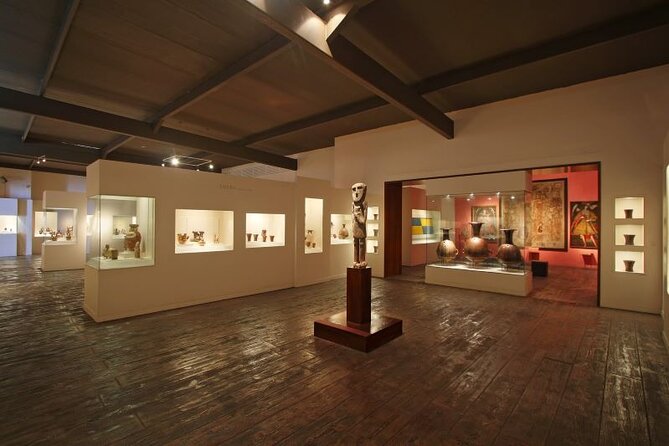
First is the Museo de Lítico de Pucará. Here you see Pucará culture artifacts like monoliths and animal-shaped sculptures. You also spot the colorful toritos de Pucará, which symbolize protection and fertility. That symbolism matters because it shows how Andean culture often mixes belief, agriculture, and everyday life.
Next you stop at La Raya, around 4,335 meters, where the watershed marks the divide between the Lake Titicaca side and the Amazonas basin. It is a geography lesson you can feel in your body.
After lunch, you go to Racchi, where you explore ruins of a temple dedicated to the god Wiracocha. Then the day ends with the church of San Pedro Apóstol de Andahuaylillas, known as the Sistine Chapel of America for its elaborate ceilings and wall paintings. You arrive in Cusco afterward and transfer to your hotel.
Altitude note: Cusco can hit you differently depending on where you started. Take your first evening easy, hydrate, and give yourself time before doing a lot of stairs.
Cusco without crowds: Sacsayhuaman, Q’enqo, San Pedro Market, Qorikancha, San Blas
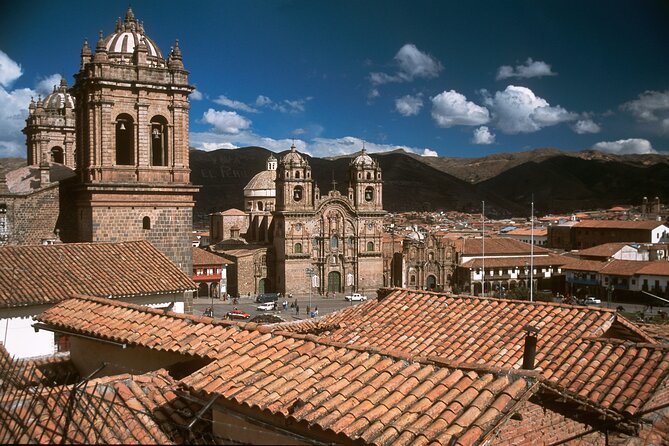
Cusco day is structured so you get the big monuments, but you also get local life. You start with Sacsayhuaman, a citadel with massive stone structures that integrate into the landscape. The scale is hard to understand from a brochure, but up close it feels like a deliberate engineering statement.
Then you visit Q’enqo, an Inca site with a rock-carved altar for sacrifices. After that comes the Puca Pucará lookout and Tambomachay, which is described as integral to Andean cosmology. I like that the stops are not random. They give you a sense of how Inca sites relate to belief and environment.
In the afternoon, you shift into a more city-centered tour. You get panoramic views from San Cristóbal Square, then head to San Pedro Market for local flavors and products. This is a practical stop too. It helps you understand what you might want for snacks later.
Next is Qorikancha Temple, once covered in gold. Then comes San Blas, known for artisans, and the walk down Hatun Rumiyoc Street to see the Inca Roca Palace and the famous Twelve Angled Stone. You finish back at Plaza de Armas and the Cathedral, where colonial artwork is a big focus.
Language and pace note: because guiding is bilingual English-Spanish, you may hear mixed language depending on the guide. For many people, that is fine, but if you need full English the entire time, it is worth knowing your preference upfront.
Sacred Valley magic with planning: Chinchero textiles, Moray microclimates, Ollantaytambo temples
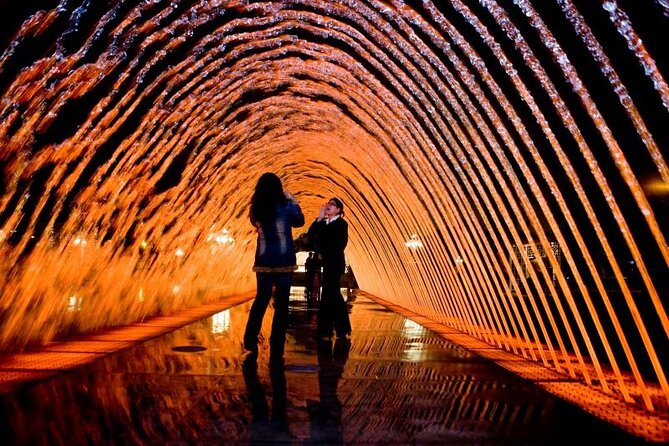
The Sacred Valley day is a highlight of the whole trip because it mixes hands-on craft, scientific-feeling archaeology, and lived-in Inca remains.
You start at Chinchero, described as the most typical and colorful village of the Sacred Valley, with weaving women. Then you visit a textiles center to see old Inca techniques for dyeing and spinning using alpaca wool. Even if you do not buy anything, this helps you understand why textiles matter here. They are not just souvenirs.
Next, you visit the Inca plaza with its colonial church, then continue to Moray. Moray is made up of concentric agricultural terraces that served as a lab to recreate microclimates. That detail changes how you look at the ruins. It stops being scenic and starts feeling intentional.
Lunch comes, then you go to Ollantaytambo. It is described as the last living village of the Incas, and you explore major sites including the Temple of the ten windows, the Bath of the princess, and the Sun Temple. The day ends with postcard views from the heights of Ollantaytambo, which is exactly the kind of scenery that makes the Sacred Valley feel worth slowing down for.
You stay overnight in the area, which helps because it sets you up for the next day’s Machu Picchu transport.
Machu Picchu: train day, bus up the winding road, and visitor circuit Route 2 priority
This is the day most people picture. You board at Ollantaytambo station, take the selected train to Machu Picchu station, then meet staff support to board the bus up the winding road. The ride includes spectacular views of the Urubamba River as it forms a deep canyon. That first look at the approach helps you understand why Machu Picchu feels dramatic even before you walk the site.
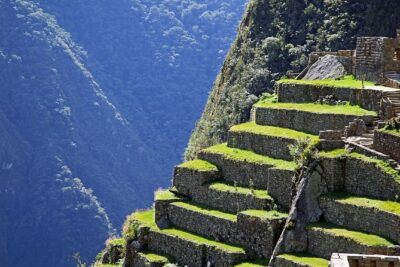
Once you arrive, Machu Picchu greets you with terraces, staircases, ceremonial sites, and urban areas. The tour includes lunch and then you return by train to Cusco.
Two details matter a lot for your planning. First, the tour includes admission ticket access, and it notes Machu Picchu has new visitor circuits with three main routes. The Route 2 circuit is given priority. If Route 2 is not available, you are informed that the alternatives are Circuit 3B or Circuit 1B, and you confirm before tickets are issued. That means you can make a decision instead of getting stuck after the fact.
Second, the Machu Picchu admission ticket is not refundable, and date changes or amendments are not accepted. So if your flight plans or weather plans are shaky, protect yourself early.
Train note: your train ticket is included and will be Expedition or Vistadome depending on availability. The listing does not spell out differences, so if train class matters to you, ask before booking.
Price and comfort: hotels, transfers, and what a max-15 group means in real life
The price is $1,577 per person for a 10-day loop across multiple regions, ending with Machu Picchu. You are not paying just for one city highlight. You are paying for intercity movement, daily breakfast for nine nights, admissions, and guided time in places where doing it on your own would be more complicated.
Included transfers also matter. You get private transfers from airport to hotels, plus shared transfer to the train station. That reduces the “where do we go next?” stress when you are landing in Lima and then later switching travel modes for the Machu Picchu day.
Accommodation is listed as nine nights in selected hotels, with different accommodation classes available. That is a real value lever. If you choose the higher class, you are paying for comfort during the nights when you need to recover from long days.
Small group size is the part that most affects the vibe. With a maximum of 15 travelers, you are more likely to feel like you are traveling with a team instead of waiting for a big busload to regroup. In the Cusco and Machu Picchu sections, that can be the difference between a rushed feeling and an organized flow.
One more practical thing: lunch is included on 6 days, but not every day. So plan on budgeting some extra meals on non-lunch days, especially in places like Cusco where you might want to try simple local options.
Should you book this 10-day Discover Peru route?
Book it if you want a structured Peru sampler that covers Lima, Arequipa, Colca, Lake Titicaca, Cusco, the Sacred Valley, and Machu Picchu without having to manage every ticket and transfer. The small group size, bilingual guidance, and handled Machu Picchu logistics make it a good choice when you want confidence and less friction.
Skip it, or at least reconsider if you are sensitive to altitude or you hate long travel days. This trip includes high elevations, including a pass around 4,900 m, plus a long bus segment to Puno and a full Machu Picchu day that runs about 12 hours.
If you do book, lock in your Machu Picchu date carefully, because the admission ticket is not refundable and changes are not accepted. And pack for temperature swings, because Peru does not read your packing list.
FAQ
What cities and key regions does the tour cover?
It covers Lima, Arequipa, the Colca Valley area, Puno and Lake Titicaca, Cusco, the Sacred Valley, and Machu Picchu. It also includes the related sightseeing stops in each region.
How many travelers are in the group?
This experience has a maximum of 15 travelers.
What languages are the guides?
Guiding is provided in bilingual service, with Spanish and English.
Are meals included?
Daily breakfast is included. Lunch is included on 6 days, while drinks are not included.
What train is included for the Machu Picchu day?
You receive an Expedition or Vistadome train ticket depending on availability. The train segment is included as part of the Machu Picchu visit day.
How are Machu Picchu visitor circuits handled?
Machu Picchu uses new visitor circuits with three main routes. Route 2 is prioritized, and if it is not available you are offered Circuit 3B or Circuit 1B, with you confirming before tickets are issued.
Is the Machu Picchu ticket refundable?
No. The Machu Picchu admission ticket is not refundable, and date changes or amendments are not accepted.
Are flights included in the price?
No. International and domestic flight tickets are not included. The tour includes transfers and on-the-ground travel components, plus hotel stays and admission tickets.
Recently reviewed around Lima
- Lima Highlights! – City Tour & Miraflores, Barranco & San Isidro★ 5.0 · 29 reviews
- Lima Surf Trip★ 5.0 · 29 reviews
- Modern and Colonial Lima City Tour.★ 4.5 · 29 reviews
- Full day Tour Paracas Ica & Huacachina from Lima.★ 5.0 · 29 reviews
- Bohemian and artistic ravine walking tour★ 5.0 · 29 reviews
- Discover Barranco’s Nightlife with Bar Crawl Lima★ 5.0 · 29 reviews
- Cooking Class + Market Tour + City Walking Tour (Full Day).★ 5.0 · 30 reviews
- Machu Picchu, Cusco & Lima 7-Day Tour★ 5.0 · 30 reviews
Machu Picchu, compared.
Classic Inca Trail Trek 4D/3N to Machu Picchu (Group Service)
Read our review →
4-Day Inca Trail Trek with Panoramic Train Ride
Read our review →
2-Day Inca Trail to Machu Picchu with Panoramic Train
Read our review →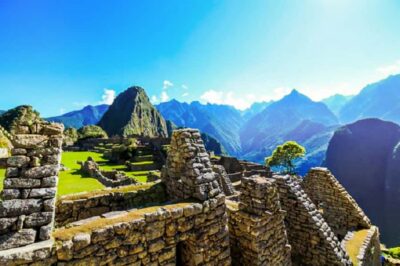

2-Day Tour: Sacred Valley and Machu Picchu by Train
Read our review →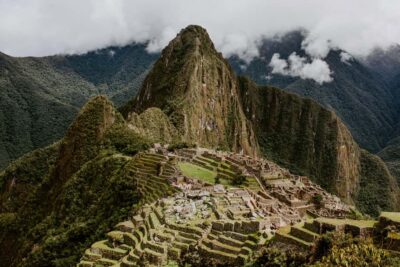
Browse the lists this tour appears in