Reviewed · LIMA TOURS
15-Day Great Inca Expedition
This 15-day Great Inca Expedition is interesting because it chains together Peru’s biggest “wow” stops, while still giving you time to breathe between them. I like that the trip feels tight and organized, not stressful. I also like the small-group size and the amount of guided stops you get, from Lima’s colonial corners to Machu Picchu’s terraces.
The one drawback to plan around is the pace. You’ll spend a lot of days in transit at elevation, so if you hate early starts or you’re prone to altitude issues, this route can be a test.
Here’s what you’ll really care about.
Key things that make this trip work
- All logistics handled: transfers, most major excursions, and hotel nights are included.
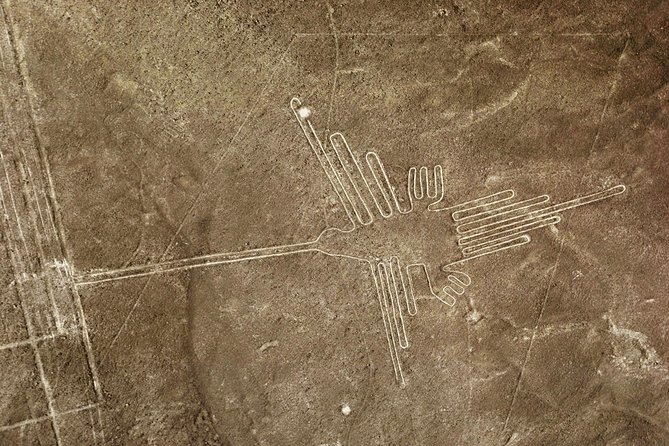
- Nasca Lines overflight included from Pisco (in a small plane).
- Dawn Colca Canyon with a strong chance to see condors at Cruz del Cóndor.
- Lake Titicaca culture time: Uros floating islands and Taquile with community lunch.
- Cusco without the chaos: Sacsayhuaman, Qorikancha, Q’enqo, Tambomachay, plus local markets and viewpoints.
- Machu Picchu guided day with train and bus coordination, plus clear circuit guidance.
First Stop: Lima, Colonial Old Town and Museum Gems
Lima is not just a gateway here. It’s a full day of orientation, history, and smart cultural hits, with logistics that keep you from wandering around tired and lost.
Day 1 is a classic arrival setup: meet and greet at the airport, then a transfer to your hotel. Day 2 is built for you to understand Peru’s layers quickly. You start at Plaza de Armas (Plaza Mayor), the UNESCO-listed historic downtown core. It’s free and easy to absorb, and it gives you an immediate sense of where the city grew from.
Then come three museum and religious anchors that are unusually worth your time:
- Museo Larco: Expect standout art, including gold pieces, textiles, and even erotic pottery. The museum’s warehouse is open during the visit, so you see more of how pieces were expressed and stored.
- Cathedral of Lima: This includes the crypt of Francisco Pizarro.
- Convent of Santo Domingo: You get the burial sites of Santa Rosa de Lima, San Martín de Porres, and San Juan Masías, plus access to a library with books printed in the 15th century. San Marcos University being tied to this place is a fun historical connection.
If you’re the type who likes museums that teach you something in plain language, Museo Larco is a highlight. If you prefer pure scenery, you might wish for more time outdoors, but Lima is the place to learn the setting before you chase mountains.
Nasca Lines Flight and Paracas Islands: The Best Kind of Jaw-Drop Day
After Lima, the route swings you into the desert and the sea. This is one of those combinations that makes Peru feel like it’s changing costumes every day.
Day 3 brings your Nasca Lines overflight. The day is structured so you travel by bus toward the Paracas area, then transfer to Pisco for the flight. From the air, you’ll see enormous animal and insect figures like a monkey, hummingbird, condor, and spider. The narration connects the figures to an astronomy-calendar idea created by ancient desert communities. That framing matters, because it prevents the overflight from feeling like just a photoshoot.
A practical note: the plane holds up to 12 passengers, and the overflight is not recommended for children under 8.
Day 4 is pure nature entertainment. You head to Paracas early for a motorboat ride to the Ballestas Islands. Along the way, you’ll spot the “Candelabro,” a huge sand-hill carving. On the islands, keep an eye out for Humboldt penguins, seals, and migratory birds. This is the kind of excursion where you feel like you didn’t “work for the views,” you just got lucky and the ocean did the rest.
In the afternoon, you bus back toward Lima to reset your sleep and gear up for the highland jump.
A few more Lima days worth comparing
- Premium Paracas & Huacachina Day Trip from Lima with Sunset Toast
★ 5.0 · 7,380 reviews - Full Day Tour From Lima: Paracas and Huacachina Oasis
★ 5.0 · 3,694 reviews - Lima Ultimate Peruvian Food Tour
★ 5.0 · 1,845 reviews
Arequipa and the “White City” Streets: Colonial Charm with Volcano Views
Arequipa earns its nickname. It looks and feels different from Lima the moment you arrive, and the itinerary uses that well.
Day 5 is a guided walking day that mixes neighborhoods, viewpoints, and big monuments. You start in San Lázaro, a colonial area linked to the city’s founding. The route through colorful streets is also a chance to notice the geranium-lined rhythm of the city.
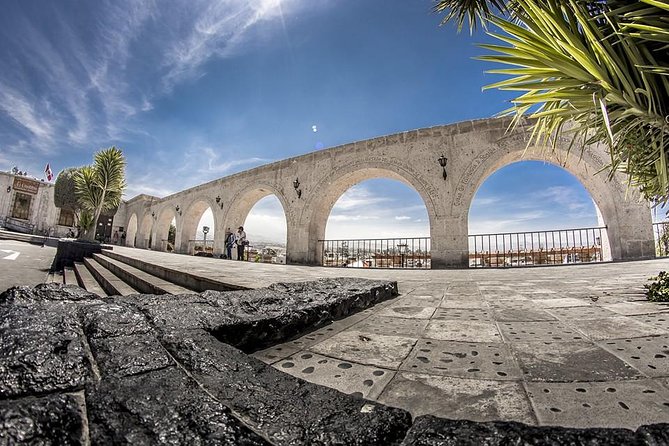
Then you head to Carmen Alto for a view that explains why Arequipa matters: you can see volcanoes including Misti, Chachani, and Picchu-Picchu. After that, Yanahuara and its viewpoint keep the scenery moving without turning the day into a grind.
Santa Catalina Monastery is the most “wow” stop in the middle of the day. You’ll see narrow streets, squares, and gardens that recall parts of Seville or Granada. It was closed for nearly 400 years, so it feels like a time capsule, not a museum exhibit.
Finally, you return to the Plaza de Armas area for the cathedral and nearby Jesuit-era church connections.
If you’re worried about motion sickness or tiring legs, this day is manageable because the stops are spaced with viewpoints, and you’re on a guided route rather than trying to figure out bus routes.
Colca Canyon by Land: Patapampa Pass, Thermal Time, and Condors at Dawn
Colca Canyon is one of the Andes’ big highlights, and this itinerary treats it like a centerpiece instead of a checkbox.
Day 6 starts with a land route through the Colca Valley. You travel along volcanic views and climb toward Patapampa, hitting a pass at about 4,900 meters. From there, you can appreciate the active Sabancaya volcano. You also pass the vicuna-protected area of Pampa Cañahuas, which matters because you’re seeing wildlife within a conservation context, not just wildlife on a random roadside.
Once you descend into the Colca Valley, you check in, eat lunch, and get free time. This is where the trip gives you a breather, including the option of thermal waters in the area.
Day 7 is early and worth it. You go to Cruz del Cóndor at dawn to look for condors gliding in the canyon. Even if you don’t get perfect condor timing, the canyon itself is massive, and the viewpoint concept makes it feel like a real event. Then you visit towns including Maca and Yanque, where colonial churches are still part of daily life. Lunch rounds it out, and then you transfer by bus toward Puno.
If you’re hoping for long hikes, this is more viewpoint and driving-based, not a trekking-heavy Colca day. The tradeoff is you get the big moments with less exhausting walking.
Lake Titicaca: Uros Islands and Taquile with a Real Community Lunch
Puno and Lake Titicaca are the kind of stop that can go shallow if you’re not careful. This itinerary tries to keep it grounded.
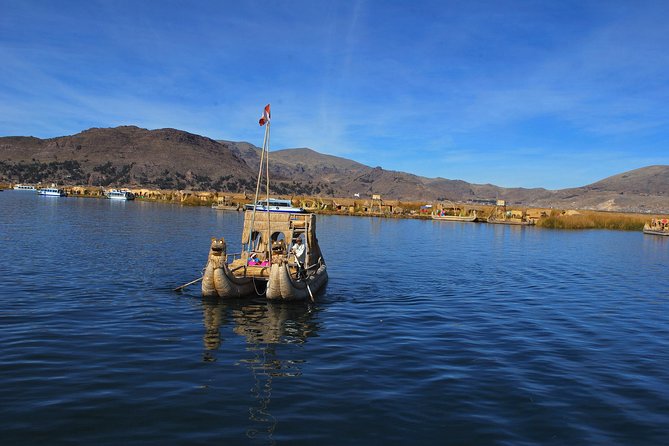
Day 8 begins with a motorboat ride to visit the Uros. The Uros are described as a refuge community who built islands on Lake Titicaca using ancient techniques, passing knowledge through generations and living off visitors. You’re not just looking at a sight. You’re meeting a community system.
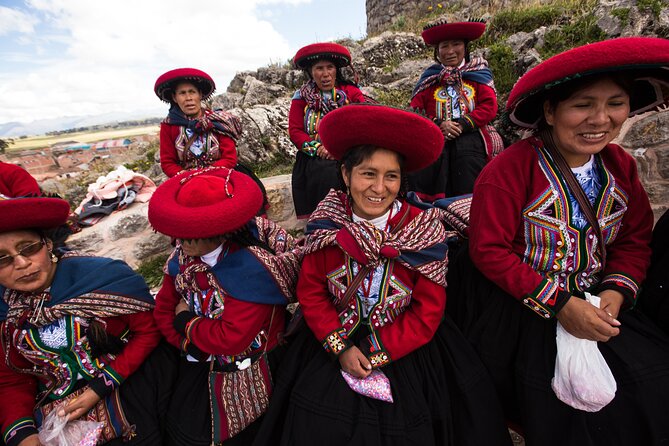
Then you sail to Taquile. Taquile keeps a lot more tradition intact, including clothing and daily life. You’ll watch or join music and dances, then you eat lunch at a community restaurant. The meal is described as simple but nutrient-rich, and it’s one of those touches that makes the day feel respectful rather than extractive.
After lunch, you walk around for lake views and return to port, then transfer to your hotel in Puno.
This is a good day for you if you like people-focused travel. If you’re only in it for scenery, you might wish for more time exploring on your own, but the itinerary already gives you the main framework and timing.
A different kind of day out of Lima:
- Lima Half-Day City Walking Tour (Small Groups)
★ 5.0 · 1,508 reviews - Paracas and Huacachina Exclusive Sunset Picnic Tour
★ 5.0 · 1,398 reviews - Unmissable Visit To Paracas, Huacachina And Sunset In The Oasis
★ 5.0 · 1,138 reviews - Paracas, Ballestas Islands and Huacachina Guided Tour
★ 5.0 · 1,100 reviews
Cusco on Purpose: Markets, Sun-Worship Sites, and Getting Out of Crowd Mode
Cusco is where the trip really leans into Inca and pre-Inca sites, but it also includes local city life so you don’t feel like you’re only on monuments.
Day 9 is a long transfer day from Puno to Cusco with big stops on the way. You stop at the Lithic Museum of Pucará, with monoliths, stelae, and animal-shaped sculptures, plus toritos de Pucará crafts. You then hit La Raya Pass at about 4,335 meters, which is also a geographic divide between watersheds heading to Lake Titicaca and the Vilcanota river basin. You’ll have lunch there, then visit Racchi to see the temple of Wiracocha, including a stone base that hints at how grand the structure was. The day ends at Andahuaylillas, also called the Sistine Chapel of America for the painted ceilings and walls.
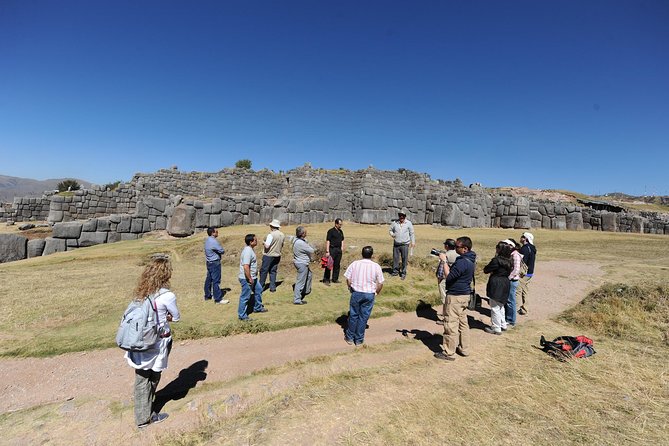
Day 10 is a Cusco “big sites and city” combo. Early on, you visit Sacsayhuaman in a way that tries to get you out of crowd mode. After that, you continue to Q’enqo for an altar for sacrifices embedded in the rocky formation. Tambomachay follows, described as an architecturally excellent monument tied to Andean cosmology.
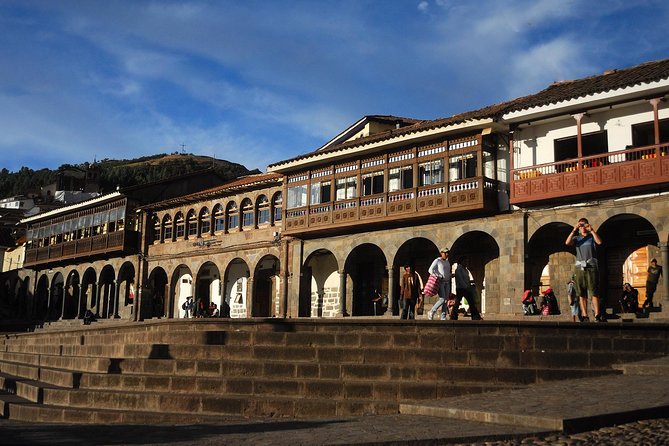
Then the day shifts to more human Cusco. You get time in Mercado Central de San Pedro, where you can sample local flavors and see what the region actually eats and sells. You also stop at Mirador de San Cristóbal for a panoramic overview. Then comes Qorikancha, the temple whose walls once had gold. You finish with a walk on Hatun Rumiyoc Street to see the Twelve Angled Stone, plus Cusco Cathedral visits at the Plaza de Armas.
One caution: if you get cold easily, Cusco evenings can feel sharp. Bring a layer for the moments you step out of warm interiors, especially at viewpoints.
Sacred Valley Intro: Pisac, Workshops, and a Less-Complicated Way to Shop
Days 11 and 12 are all about the Sacred Valley, but the itinerary avoids making it only about ruins.
Day 11 starts at Pisac, an Inca village archaeological site. You get a view down from the mountain, and the schedule includes time to walk and take in the scale. Then you move into the colonial village area with time at Pisac Market for artisan shopping.
The cultural add-ons help here:
- Museo Inkariy focuses on pre-Hispanic cultural representations.
- Yucay Live Culture Center is about practical craft: weaving and dyeing of traditional textiles, adobe-making, preparation of chicha, and close contact with llamas and alpacas.
This is one of the better days for you if you want souvenirs that come with meaning, like textiles tied to a teaching process, not just mass-produced items in a stall.
Moray, Maras, and Ollantaytambo: Engineering That Looks Like Magic
Day 12 is where you see “Inca thinking” made physical.
You start at Moray, described as terraces built to recreate microclimates. The idea is that different areas helped agriculture across the empire. Even if you don’t get scientific details, you’ll feel the logic of the design quickly because it’s visual.
Then you go to Salinas de Maras, the salt mines with white wells against clay ground. It’s a landscape made of patterns, and it’s also active, since the mines are still exploited. Lunch keeps you on schedule, and then you head to Ollantaytambo.
In Ollantaytambo, you tour the living village streets, plazas, and terraces, then enter an archaeological site where you can see stoneworking techniques and a Sun temple left partially built. Later, you train toward Machu Picchu, staying overnight in the area.
If you’re sensitive to schedule changes, this day is timed tightly. Still, it’s the kind of tight that works because you’re not left guessing.
Machu Picchu Day: Trains, Bus Up the River Canyon, and Visitor Circuits
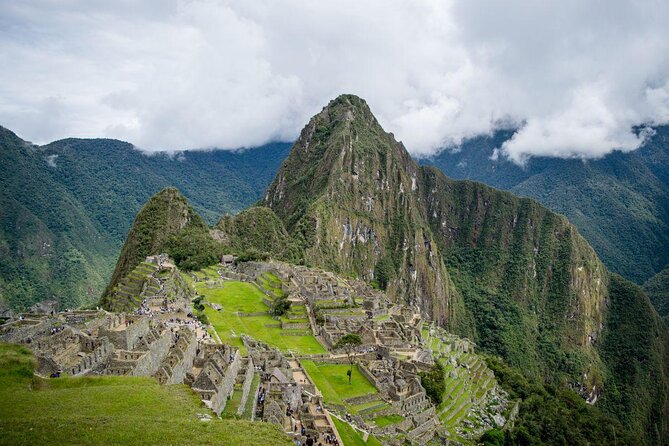
Day 13 is the big one. You travel from Ollantaytambo to Machu Picchu by train, then take a bus up a winding road with views of the Urubamba river canyon. When you arrive, the terraces, staircases, ceremonial sites, and urban areas feel like the place is still breathing.
Lunch is included, and then you return by train and get transferred back to Cusco.
Two things I think you should take seriously here:
- Entry times and circuits: Machu Picchu has visitor circuits, with three main routes and specific differences. The itinerary prioritizes circuit 2 when possible, and if it’s not available, you’re told about options like circuit 3B or circuit 1B so you can confirm before tickets are issued.
- Ticket changes are not accepted: Machu Picchu admission is not refundable and date changes or amendments are not accepted. That means if your schedule depends on a tight connection or a delayed flight, plan extra buffer time.
If you want photos without stress, go early in the day and don’t wait for a perfect moment. The light can change fast, and the place can feel crowded depending on your circuit.
A Cusco Free Day That Actually Helps: Rainbow Mountain or Paddling on Huaypo Lake
Day 14 gives you a true breather: a free day in Cusco. You’re encouraged to reserve activities in advance, and the itinerary suggests options:
- Vinicunca (Rainbow Mountain) at about 5,000 meters.
- Kayak on Huaypo Lake, with snowcapped mountains as a backdrop and lunch by the lake banks.
This free day is useful because it lets you shape the trip. If you want more altitude beauty, Rainbow Mountain fits. If you want lower-energy and a sanity break, kayaking is a good counterbalance.
Keep in mind you’re already at altitude. Either option can be tiring, just in different ways.
Return to Lima: One Last Transfer and Time to Wander
Day 15 is a simple wrap-up. You transfer to the airport and fly back to Lima, then get arrival assistance and a transfer to your hotel. The rest of the day is free, so you can explore on your own.
This last day works well if you want an easy finish after Machu Picchu. It also prevents the trip from ending right when your energy goes.
Value for Money: Why This Price Can Feel Worth It
At $2,397 per person for about 15 days, this is not a budget trip. But it includes a lot of the stuff that usually makes South America expensive once you add it up: transfers, 14 nights of accommodation, many guided excursions, and a Nasca Lines overflight that is a major standalone cost.
You also get guide support in live Spanish and English, and the tour caps at 12 travelers, which is part of why the experience tends to feel smooth.
The train choice matters too. If you book Economy or Tourist Class, you get the Expedition or Voyager train. If you book First or Deluxe Class, you get Vistadome or Machu Picchu 360. That can change your comfort and viewing experience, especially on the way to Machu Picchu.
One important cost not included is flights, plus a Pisco airport tax noted as $5 per person for Lima. Also, meals and drinks are not included beyond what’s specified (breakfast 14 times and lunch 7 times).
If you like paying once and not re-planning every move, this pricing structure makes sense. If you prefer totally independent travel, you could likely build a cheaper route yourself, but you’d be doing the hard work this tour handles for you.
Who This Trip Suits (and Who Should Rethink It)
This is a good fit for you if:
- You want logistics handled so you can focus on sites and photos.
- You like a small group and guided stops, not long self-guided stretches.
- You’re okay with a busy schedule and you don’t mind early starts.
- You want the full Peru arc from coast to Andes to Machu Picchu.
You might rethink it if:
- You have a strong sensitivity to altitude. The itinerary explicitly warns to bring medicine or ask your doctor for advice.
- You’re expecting a slow, lounging style of travel.
- You’re traveling with young kids and planning Nasca overflight, since it is not recommended under age 8.
Should you book the 15-day Great Inca Expedition?
If you want the biggest highlights of Peru in one clean package, I think this is a solid choice. The best part is that the trip is built around major experiences that are hard to coordinate alone: Nasca overflight, Colca condor timing, Lake Titicaca community visits, and Machu Picchu train plus bus.
Book it if you’re the kind of traveler who hates decision fatigue. You’ll also appreciate the small group limit and the strong sense of punctual execution that makes these long routes feel less chaotic.
I’d only skip if altitude concerns or a slower travel style are your top priorities. Otherwise, this itinerary is a practical way to see a lot of Peru without constantly re-planning day by day.
FAQ
What’s included in the tour price?
The tour includes all transfers between airport and hotels, train and bus stations, all tours and excursions in the itinerary, 14 nights accommodation, the Nasca Lines overflight from Pisco Airport with Aerodiana airlines, a live bilingual Spanish and English guide service, train service to Machu Picchu depending on class, plus lunch 7 times and breakfast 14 times.
Are flights included?
No. Domestic and international flights are not included. The tour provider can assist with flight ticket planning.
What train do I take to Machu Picchu?
For Economy or Tourist Class options, you get the Expedition or Voyager train. For First or Deluxe Class options, you get the Vistadome or Machu Picchu 360 train.
Is the Nasca overflight included, and are there restrictions?
Yes, the overflight of the Nasca Lines from Pisco Airport is included. The plane holds up to 12 passengers. Overflight is not recommended for children less than 8 years old.
How many people are in the group?
This tour has a maximum of 12 travelers.
How does Machu Picchu entry work?
The tour uses coordinated shifts for Machu Picchu entry, with shared tour shifts listed from 6 am to 2 pm. The shared tour uses 9 am, 10 am, and 11 am when available. Machu Picchu also uses visitor circuit routes, and the itinerary prioritizes circuit 2 when possible, with other circuit options explained if circuit 2 is not available.
Can I change my Machu Picchu ticket date later?
No. Machu Picchu admission is not refundable, and date changes or amendments are not accepted. If you need a different date, you would need to purchase a new entrance ticket.
Can I cancel for a full refund?
Yes, free cancellation is available. You can cancel up to 24 hours in advance for a full refund, and cut-off times are based on the local time of the experience.
Recently reviewed around Lima
- Lima Highlights! – City Tour & Miraflores, Barranco & San Isidro★ 5.0 · 29 reviews
- Modern and Colonial Lima City Tour.★ 4.5 · 29 reviews
- Lima Surf Trip★ 5.0 · 29 reviews
- Full day Tour Paracas Ica & Huacachina from Lima.★ 5.0 · 29 reviews
- Bohemian and artistic ravine walking tour★ 5.0 · 29 reviews
- Discover Barranco’s Nightlife with Bar Crawl Lima★ 5.0 · 29 reviews
- Cooking Class + Market Tour + City Walking Tour (Full Day).★ 5.0 · 30 reviews
- Machu Picchu, Cusco & Lima 7-Day Tour★ 5.0 · 30 reviews
Lima Tours, compared.

Premium Paracas & Huacachina Day Trip from Lima with Sunset Toast
Read our review →
Full Day Tour From Lima: Paracas and Huacachina Oasis
Read our review →
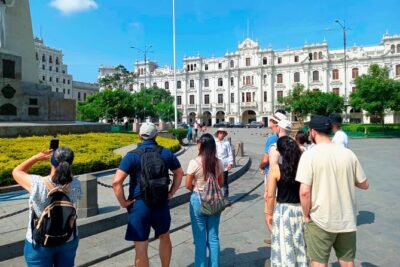
Lima Half-Day City Walking Tour (Small Groups)
Read our review →
Paracas and Huacachina Exclusive Sunset Picnic Tour
Read our review →
Unmissable Visit To Paracas, Huacachina And Sunset In The Oasis
Read our review →
Paracas, Ballestas Islands and Huacachina Guided Tour
Read our review →