
Reviewed · MACHU PICCHU
2 Day Hiking Short Inca Trail to Machu Picchu
Two days on the Inca Trail sounds almost too short, until you realize this one is built for the big finale. You hike the classic end-route, including Wiñay Wayna and your approach toward the Sun Gate, then you land in Aguas Calientes for a hotel night.
I like the tight focus on what most people actually come for. I also love that the day is guided end to end by professional staff, with the guide explaining what you’re seeing when the ruins matter most, including that long Machu Picchu walkthrough led by guides like José and Carlos.
One drawback to plan around: the day starts early, at 5:00 a.m., and you’re hiking at altitude (including around 2,900 m near Wiñay Wayna). If you’re not comfortable with high-altitude effort and a possible rain day, this is where the trip can feel like work instead of fun.
Key highlights to expect
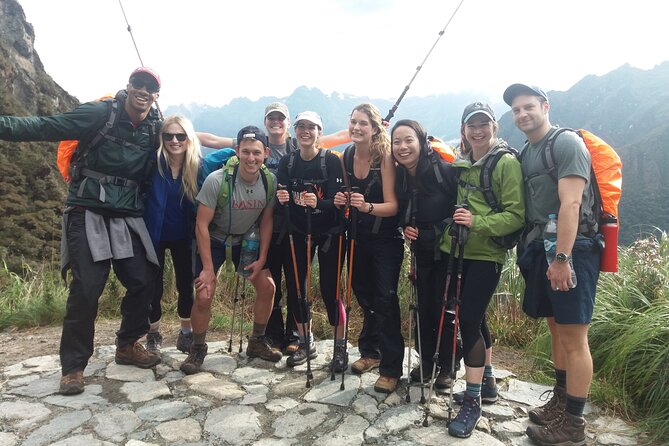
- Sun Gate approach in a true 2-day format, not a rushed one-hour add-on
- Wiñay Wayna remains that stay well maintained along the route
- Waterfalls on the way in, especially as you near Sun Gate and the Machu Picchu area
- A guided Machu Picchu visit of about two hours, followed by time to explore on your own
- Optional Huaynapicchu climb, listed as 1 hour up and 1 hour down
- Small group size, max 16 travelers, which usually helps keep the pace manageable
Why this Short Inca Trail route makes sense for 2 days
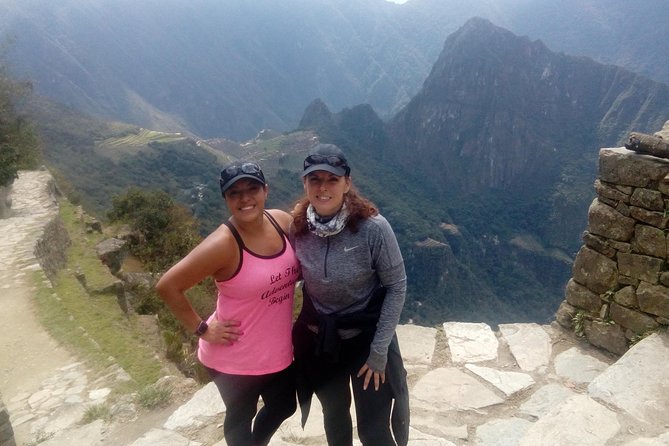
This is the kind of itinerary I recommend when you want the Inca Trail feel but you cannot or do not want to take the full multi-day slog. The route is shorter, but it still connects you to the real rhythm of the trail: train in, hike out, time at key ruins, then you finish at Machu Picchu with a guided story and room to roam.
The biggest value is how it organizes your time around the moments that are hardest to replicate on your own. You are not just moving between viewpoints. You are hiking the end section, reaching the Sun Gate area on day one, then returning the next morning to Machu Picchu for the main reveal.
You also get the comfort of having the “hard parts” handled: permits, tickets, and transfers. That means less spreadsheet stress and more time thinking about your next step, your water, and whether the clouds are going to behave.
More Hiking & Trekking in Cusco
- Classic Inca Trail Trek 4D/3N to Machu Picchu (Group Service)
★ 5.0 · 8,653 reviews - Machu Picchu: 4-Day Inca Trail Trek with Panoramic Train Ride
★ 5.0 · 4,568 reviews - Salkantay Classic Trek 5 Days from Cusco
★ 5.0 · 4,062 reviews
Getting there on Day 1: Cusco to Ollantaytambo, then up to km 104
Day one begins with a hotel pickup in Cusco and a transfer to the train station. You take the expedition train from Ollantaytambo to km 104, which is where the hiking portion starts.
This train segment matters more than it sounds. It compresses the trek into a doable 2-day window, while still leaving you with enough hiking time to feel like you earned the final entrance. It also reduces the amount of time you spend simply traveling, which helps when your body is already adjusting to altitude.
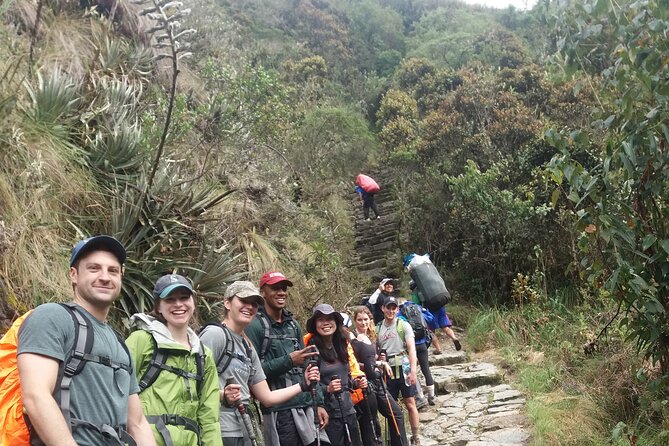
After you meet the guide at km 104, you begin hiking for about 3 hours toward Wiñay Wayna. This is the first major altitude checkpoint on your route, with Wiñay Wayna noted at roughly 2,900 m. Plan to move steadily, not fast. In this altitude zone, steady is what keeps you smiling.
Day 1 hiking from km 104 to Wiñay Wayna, then onward to Sun Gate
From km 104 to Wiñay Wayna, the trail is long enough to feel like a real Inca journey, but short enough to keep it within reach for many travelers with moderate fitness. The route takes about 3 hours to reach the well-preserved ruins.
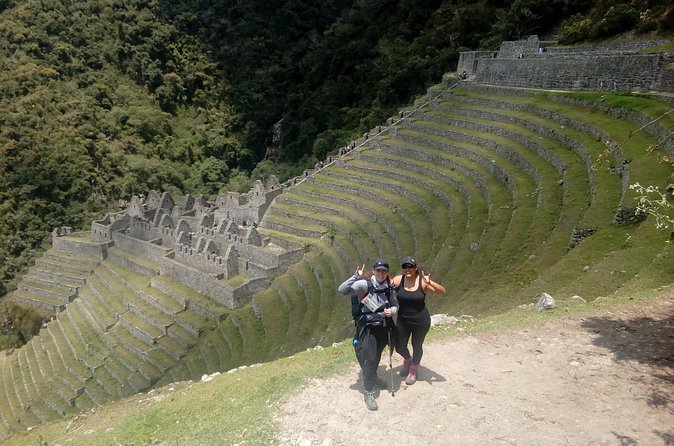
What I’d watch for here is the mix of stonework and nature. You pass through an area where waterfalls show up during the hike, which makes the scenery feel more alive than just a sequence of ruins. It’s one of the reasons this route feels less like a museum line and more like a working landscape you’re moving through.
You’ll have lunch after reaching Wiñay Wayna. Then you continue hiking for about 2 more hours to reach the Sun Gate area. This second push is shorter than the morning section, but it often feels steeper because your legs are already awake and your pace has adjusted.
Reaching Sun Gate is the psychological payoff of day one. You arrive at the end-route viewpoint that frames the Machu Picchu area, and then you descend down to Aguas Calientes (Machu Picchu town). That descent is part of the design. You sleep closer to the main site, so day two starts with an early walk rather than another long travel day.
Practical note on timing
Day one is long in total time. The tour starts at 5:00 a.m., so you want to be ready the night before. If you’re the type who needs a relaxed morning routine, this is where you have to trade comfort for schedule. It’s early, but it’s early for a reason.
More Inca Trail departures:
- Short Inca Trail to Machu Picchu 2D/1N
★ 5.0 · 3,007 reviews - 2-Day Inca Trail to Machu Picchu with Panoramic Train
★ 5.0 · 1,876 reviews - Inca Trail 4-Day 3-Night Trek to Machu Picchu with Expert Guides
★ 5.0 · 733 reviews - Cusco: 4-Day Inca Trail to Machu Picchu with Accommodation
★ 4.8 · 432 reviews
The Wiñay Wayna portion: why those ruins are worth the effort
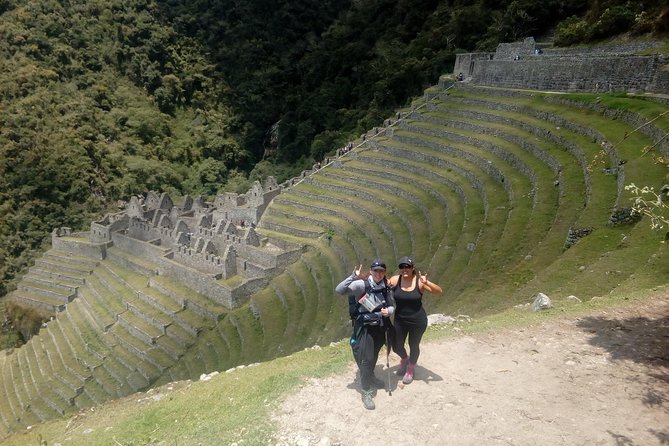
Wiñay Wayna is the key ruins stop that turns a hike into a story. On this route, it’s described as well maintained, which matters because you’ll actually be able to follow what the guide is pointing out instead of squinting at half-lost structures.
You’re also at a meaningful altitude here, so your body feels the location. The air feels thinner, your breathing is louder, and everything makes you slow down. That slowdown can be a good thing because it gives you time to look at details instead of just passing through.
And because waterfalls show up around the route, this stop tends to feel like more than a quick photo stop. When you’re tired, water and green cues can keep the trail from feeling monotonous. It also makes the stone-and-terrace views feel more dramatic than a dry, high-altitude walk.
Day 2: the early walk into Machu Picchu, guided for about two hours
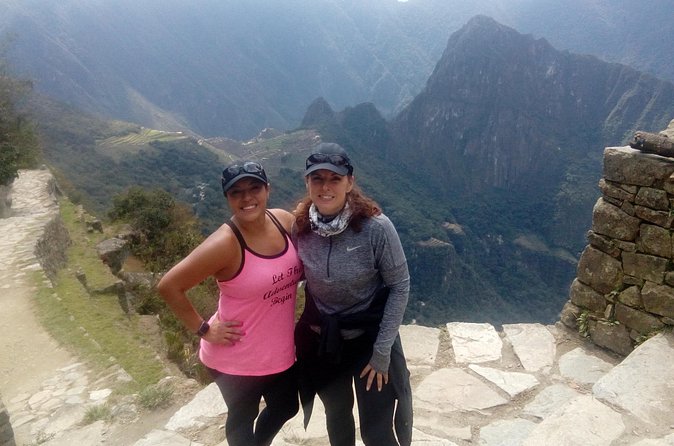
After breakfast, you start early on day two and walk for about 1.5 hours to Machu Picchu. The goal is simple: arrive where the main site opens up and enjoy that big first view.
This is where the guide time pays off. You’ll get about two hours of explanation while you’re inside the complex, with your guide building context for what you’re seeing. If you’ve ever stood in front of ruins and wished someone could connect the dots, this is that part of the day.
Guides such as José and Carlos are specifically praised for knowing the material and keeping the experience smooth. The tone you want is practical and clear, and that’s what these guides are described as delivering, with patience as well as detail.
Free time after the guide
Once the guided explanation ends, you get free time to explore on your own. You’ll have plenty of time to wander, take photos, and move at your own pace through the parts you want to see more than once.
This matters because Machu Picchu is not one view. It’s many angles, terraces, and alignments. If you rush, you miss chances to slow down for the postcard spots and the quiet corners.
Optional Huaynapicchu: the “yes” that needs real planning
If you want the extra challenge, you can climb Huaynapicchu Mountain. It’s listed as taking about 1 hour up and 1 hour down.
This option can be a great match if you’re a strong hiker and you like viewpoints. It can also be a problem if you’re already tired from two days of altitude and walking, or if weather conditions make the steps slick.
The key is your schedule buffer. You must be back at Aguas Calientes station to catch the train and then bus back to Cusco. The tour lays out the timing in a way that assumes everyone makes it back. If you choose Huaynapicchu, do it with a plan, not a hope.
Food on the trail and in town: what is covered, what to confirm
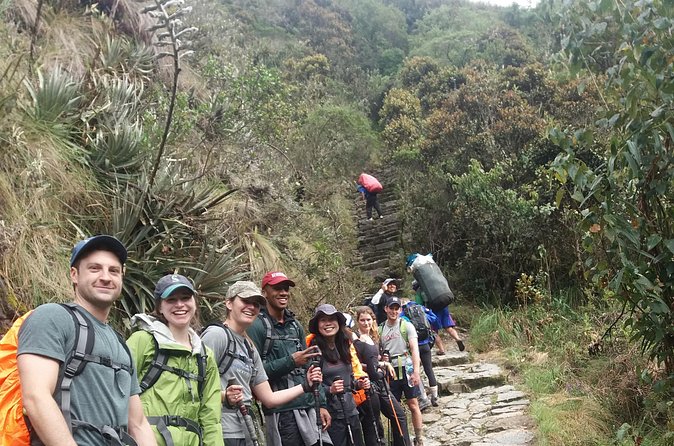
The inclusion list states 1 breakfast, 2 lunches, and 1 dinner, with a vegetarian option at no extra cost. That’s a big help because hiking days in Peru can turn meal hunting into wasted energy.
At the same time, the notes say breakfast day 1 and lunch day 2 are not included. That is confusing, and it matters because it changes how you should budget and what you should pack.
My advice: treat the meal info as “needs confirmation.” Ask the operator what meals you receive on day one and day two for your departure. Even a quick message can save you from realizing too late that you need to buy lunch.
For hiking comfort, plan to carry some snacks just in case. The tour provides meals, but nothing beats having a backup when your body wants extra calories mid-hike.
Pace and fitness reality check (the part people are glad they considered)
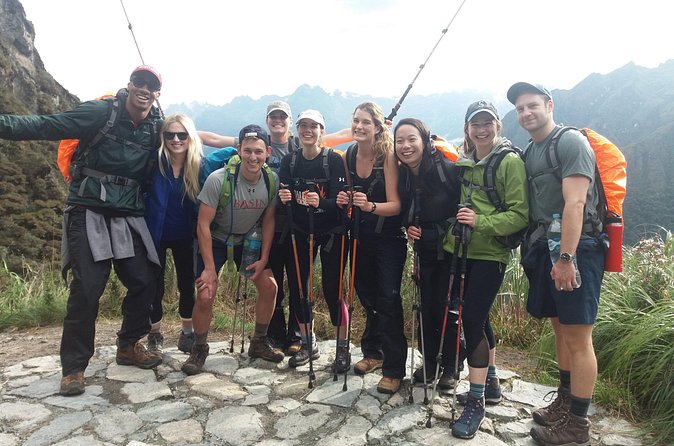
This tour is built for travelers with moderate physical fitness. That’s not a scare label. It just means you should be comfortable with long walking days and altitude.
On day one, you hike roughly 3 hours to Wiñay Wayna, then about 2 more hours to Sun Gate. On day two, you walk about 1.5 hours to Machu Picchu, plus exploration time, and possibly Huaynapicchu.
Altitude is the quiet complication. Wiñay Wayna is listed at around 2,900 m. Even if you feel okay at first, your body will ask for patience as the day goes on. Hydrate, move slowly, and keep your expectations realistic.
What to pack for this Short Inca Trail (using the tour’s list as your base)
The provided packing guidance is solid because Inca Trail weather can shift fast. Here’s what I’d treat as must-haves based on their list and the reality of early starts and mountain rain:
- Bring a rain poncho or rain jacket. Wind and rain can hit without warning near the Sun Gate area and around Machu Picchu.
- Wear layers: a wind stopper jacket and a lightweight sweater help for mornings that feel chilly.
- Pack trekking poles if you use them. They can make the descents and uneven stone steps easier on your knees.
- Bring a headlamp or torch for the early start and any low-light moments.
- Use good socks, and bring proper footwear. The list mentions used trekking boots, which signals you should avoid brand-new shoes.
The list also includes water and purification tools like a water bottle and water sterilizing tablets (Micropur). That’s practical. Even when you find water sources, treating water is a smart habit on hiking itineraries.
One odd item in the packing list is a sleeping bag rated to very cold temperatures. Since the tour includes one night in a hotel in Aguas Calientes, you should ask the operator whether the sleeping bag is truly needed or if it’s a carryover list item. Better to confirm than to lug extra weight for no reason.
Guides and group size: why max 16 keeps it comfortable
The group cap is 16 travelers. That matters on a site like Machu Picchu because too many people can turn your experience into a traffic jam, especially when you’re trying to follow a guide and get photos without stress.
The tour also runs with professional guiding. You’ll likely feel the difference in how information is delivered and how the pace stays manageable. The guide names that show up in praised experiences include José and Carlos, and there are also stories of guides like Nildo and Henry showing real dedication when logistics get complicated, like a train delay handled quickly.
That kind of competence is not just a nice perk. It reduces the chance that you spend your energy on confusion instead of on the hike.
Price and value: what you’re paying for at $761.91 per person
At $761.91 per person, this is not a budget hike. But it does bundle several expensive and time-sensitive pieces: Machu Picchu permits and tickets, train segments (including the move to km 104 and the return plan), hotel night in Aguas Calientes, and a guided itinerary with meals.
The value is not only the total cost. It’s the reduction of headaches. Machu Picchu logistics are strict, permits are not casual, and the timing can be unforgiving. Paying for an organized package is often cheaper than paying in time, stress, and wrong turns.
If you’re comparing options, look at the whole picture:
- Do you get the permits and tickets handled for you?
- Do you get the right trains and bus connection back to Cusco?
- Do you get a hotel night so you can start day two early?
- Do you have a guide to interpret what you’re seeing?
On those points, this itinerary checks the boxes for a lot of people, which is why it tends to satisfy the “I want the real experience” crowd.
Who should book this Short Inca Trail to Machu Picchu
This tour is a great fit if you want:
- The Inca Trail experience in two days
- A focus on key ruins like Wiñay Wayna and a guided Machu Picchu visit
- Help handling permits, tickets, and transportation between Cusco, Ollantaytambo, km 104, and Aguas Calientes
- A group size that stays small enough for reasonable pacing
It may not be your best choice if you know you cannot handle early mornings, altitude walking, and the extra effort of optional climbs like Huaynapicchu.
Should you book it?
I’d book this Short Inca Trail if your priority is a guided, structured route to Machu Picchu that still feels like a hike, not a sightseeing bus tour. The combination of Wiñay Wayna, the Sun Gate approach, and the guided two-hour explanation at Machu Picchu is exactly the formula that makes the whole experience feel complete.
Two cautions before you pay: confirm the meal details for day one and day two (the notes list a mix of included and not included items), and remember this trip is listed as non-refundable and not changeable. If your dates are firm and you’re ready for early starts and altitude work, this is one of the most efficient ways to get the Inca Trail finale in just 2 days.
FAQ
What time does the tour start?
The meeting time is 5:00 a.m., with hotel pickup included.
Are Machu Picchu permits and tickets included?
Yes. Inca Trail permits and Machu Picchu permits and tickets are included.
How do the train and bus transfers work?
You get a transfer from Cusco to the Ollantaytambo train station. The tour includes train expedition segments to km 104 and from Aguas Calientes back to Ollantaytambo, plus a bus return to Cusco.
Where do I stay overnight?
You stay one night in a hotel in Aguas Calientes.
What meals are included?
The tour lists 1 breakfast, 2 lunch, and 1 dinner, with a vegetarian option at no extra cost. However, the notes also say breakfast day 1 and lunch day 2 are not included, so you should confirm exactly what you receive for your departure.
Do I get free time at Machu Picchu, and can I hike Huaynapicchu?
Yes. After about two hours with the guide, you get free time to explore Machu Picchu. You can also climb Huaynapicchu, listed as 1 hour up and 1 hour down.
How big is the group?
The tour states a maximum of 16 travelers.
More Ways to Reach Machu Picchu
- From Cusco: Full-Day Group Tour of Machu Picchu
★ 4.7 · 1,767 reviews - Machu Picchu Day Trip from Cusco
★ 4.5 · 1,644 reviews - 2-Day Tour: Sacred Valley and Machu Picchu by Train
★ 5.0 · 1,127 reviews - Machu Picchu: Full-Day Tour from Cusco with Optional Lunch
★ 4.6 · 927 reviews
Recently reviewed around Cusco
- Cusco Cooking Class by ChocoMuseo in Cusco★ 5.0 · 29 reviews
- ATV Adventure to Moray and Maras Salt Mines – Half Day★ 4.5 · 29 reviews
- 1-day excursion to Machu Picchu from Cusco★ 5.0 · 29 reviews
- Private Tour Sacred Valley, Chinchero, Maras Moray, Ollantaytambo★ 5.0 · 29 reviews
- From Cusco: Humantay Lake with Breakfast and Buffet Lunch★ 4.5 · 29 reviews
- 4 Day – Inca Jungle to Machu Picchu★ 5.0 · 29 reviews
- 2-Day Machu Picchu Tour by Train from Cusco★ 4.5 · 29 reviews
- 2-Day Sacred Valley and Machu Picchu Tour By Train★ 4.5 · 29 reviews
Machu Picchu, compared.
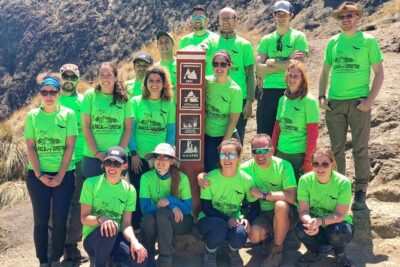
Classic Inca Trail Trek 4D/3N to Machu Picchu (Group Service)
Read our review →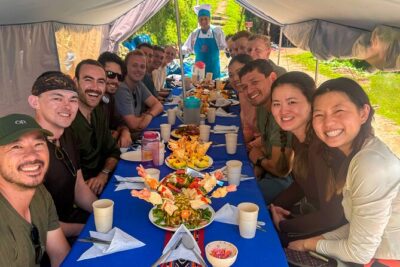
4-Day Inca Trail Trek with Panoramic Train Ride
Read our review →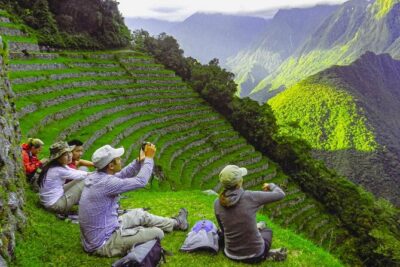
2-Day Inca Trail to Machu Picchu with Panoramic Train
Read our review →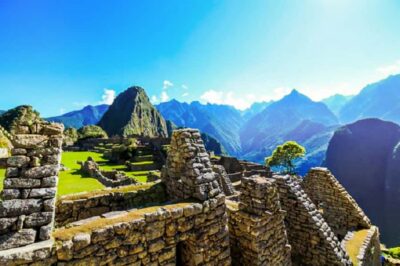

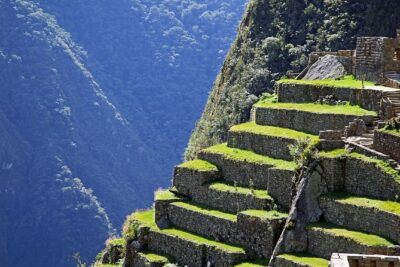
2-Day Tour: Sacred Valley and Machu Picchu by Train
Read our review →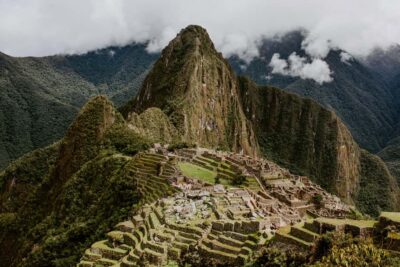
Browse the lists this tour appears in