
Reviewed · MACHU PICCHU
2 Days Sacred Valley Private Tour and Sunrise in Machu Picchu
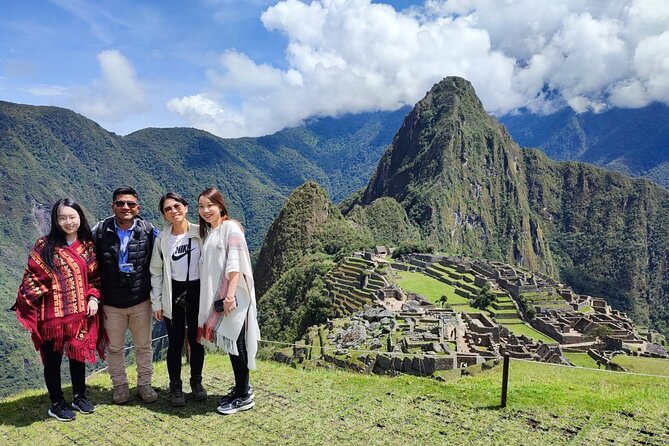
This 2-day Sacred Valley and Machu Picchu plan is interesting because it strings together Inca farming, salt production, and a focused visit to the stone city. I love that you get a private certified guide, so the day feels shaped around your questions instead of a script.
Another thing I love is that train round-trip, hotel for the night near Machu Picchu, and the bus to the citadel are built into the package. The main drawback is the pace, with an early pickup on day two and a lot of movement in just 48 hours, so you will want moderate fitness and comfortable shoes.
Key Points Before You Go
- Private guide, real Q&A: You are not just listening to dates, you are getting answers and help all day.
- Sacred Valley highlights in one loop: Taray, Pisac, Maras, Moray, Ollantaytambo.
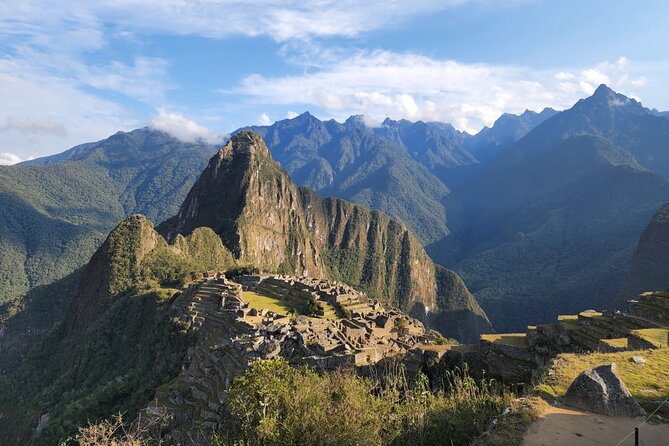
- Machu Picchu circuit included (01 or 02): A full visit with time for the upper viewpoints and photos.
- Stay overnight near Machu Picchu: Less scramble, more breathing room before you head up.
- Guide support in Aguas Calientes: Pick-up timing, what to wear, and practical planning for Machu Picchu.
- Logistics handled: Train, transfers, entrances, and the round-trip bus are part of what you pay.
Sacred Valley Day One: Big Views, Ruins, and the Inca Lab at Moray
Day one is the heart of the Sacred Valley story. You start with a panoramic introduction to the region, then you move through sites that show how the Incas built for food, trade, and power. It is a lot to pack into one day, but the structure keeps you from feeling lost.
I like this style of touring because it connects the dots. You see terraces and irrigation logic before you learn about salt harvesting, then you end up at Ollantaytambo, which is closely tied to how people reach Machu Picchu today.
The pace is still active. Expect short stops with quick explanations, plus longer time at Pisac and Machu Picchu later on.
More Sacred Valley days:
- From Cusco: Sacred Valley & Maras Salt Mines Tour with Lunch
★ 4.8 · 2,227 reviews - 2-Day Tour: Sacred Valley and Machu Picchu by Train
★ 5.0 · 1,127 reviews - Cusco: Sacred Valley, Pisac, Ollantaytambo, Salt Mines Moray
★ 4.6 · 1,058 reviews
Taray Lookout: A Quick Start With the Sacred Valley in View
Your first stop is Taray lookout, about 10 minutes. This is not the time for a deep museum-style lesson. It is a fast orientation moment, with views of the snow-capped mountains and the Willcamayu River, plus a practical picture-taking window.
Why it matters: Taray gives you a sense of where you are. Once you can picture the valley shape, the terraces and waterways you will see later make more sense.
Pisac: Inca Ruins and the Market Factor
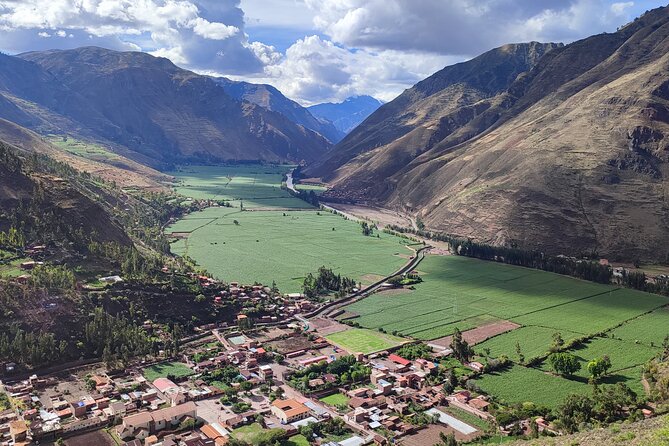
Next up is Pisac, with about 2 hours on-site. The ruins sit on a hill above the town and include agricultural terraces, residential areas, and ceremonial buildings. The tour frames them as Inca-era work associated with Pachacuti in the 15th century.
Pisac is also where the schedule can get fun. The market runs every Sunday, and it draws vendors from across the region with textiles, handicrafts, jewelry, and local food. If your day matches Sunday, you get an extra layer beyond ruins, with real trade energy right in the middle of the visit.
Practical note: if your travel dates do not land on Sunday, you will still get the archaeological portion. So you are not stuck hoping for the market to make the stop worthwhile.
Maras Salt Mines: Thousands of Pools, Hand Harvesting, Old Traditions
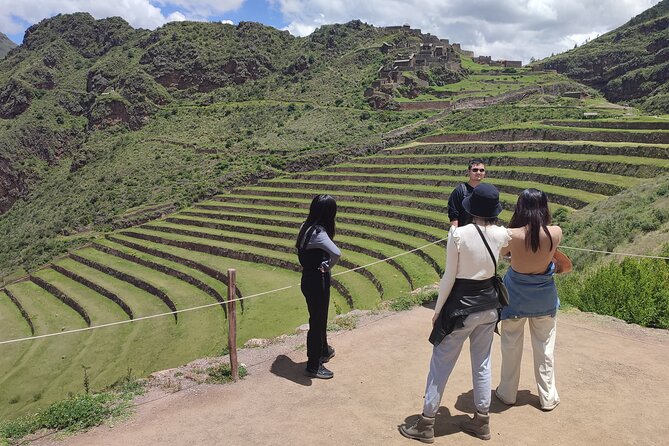
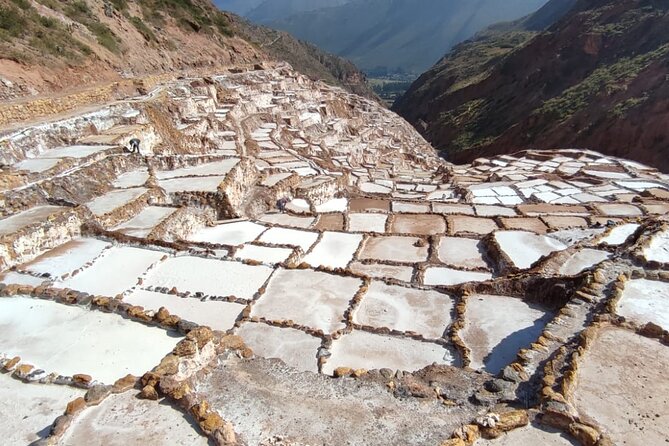
Then you head to Maras, about 30 minutes. The salt mines are famous for the thousands of small salt pools carved into the mountainside. They fill from a nearby natural spring, then the sun evaporates the water and leaves crystallized salt.
This stop earns its time because it is more than a photo spot. The history here stretches back to pre-Inca times, and the harvesting methods have stayed largely traditional. The result is a living production scene, where the landscape you see is tied directly to work that still happens.
If you like hands-on details, ask your guide to point out how the pools are managed and why the salt is harvested by hand. That is the kind of thing that turns a quick visit into a memorable one.
More ways to reach Machu Picchu:
- Classic Inca Trail Trek 4D/3N to Machu Picchu (Group Service)
★ 5.0 · 8,653 reviews - Machu Picchu: 4-Day Inca Trail Trek with Panoramic Train Ride
★ 5.0 · 4,568 reviews - Short Inca Trail to Machu Picchu 2D/1N
★ 5.0 · 3,007 reviews - 2-Day Inca Trail to Machu Picchu with Panoramic Train
★ 5.0 · 1,876 reviews
Moray: Circular Terraces and Microclimates Up to 15°C
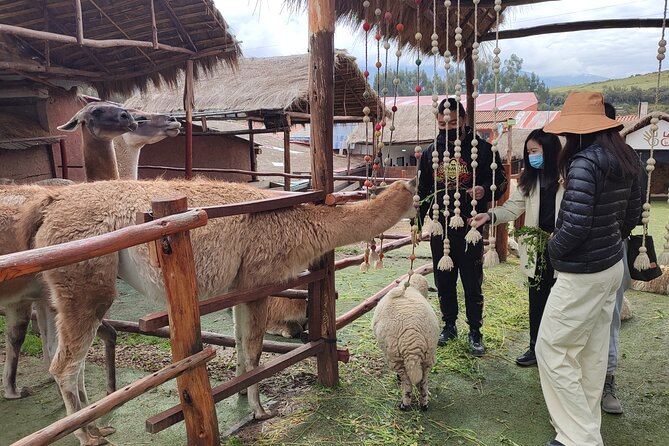
After Maras, you visit Moray, another 30 minutes stop. This is the Inca science side of the day. The site features circular terraces that look like an amphitheater, with concentric rings that step down into the ground.
The big idea: Moray is believed to have been used for agricultural experimentation. The terraces create microclimates, with temperature differences reported up to 15°C (27°F) between the top and bottom levels. That means the Incas could test crops under different conditions and fine-tune what worked where.
Even with a short visit, Moray tends to stick with people because it feels like a puzzle the Incas solved using engineering, not guesswork. You also get beautiful views around the site, so it does not feel like a rushed stop in the middle of nowhere.
Ollantaytambo: Fortresses, Water Channels, and the Gateway to Machu Picchu
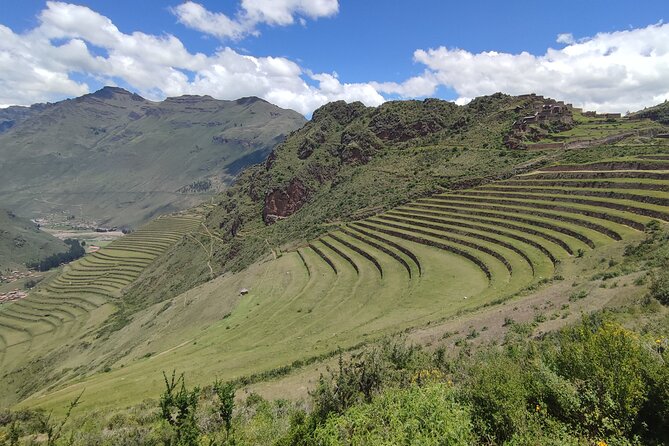
Next is Ollantaytambo, about 1 hour. The ruins here include a massive fortress and temple complex built with large stone blocks quarried and transported from distant locations. You also see steep terraces, stone walls, and water channels, which the tour connects to both military and religious functions.
Ollantaytambo also gets practical in modern travel. It is known as a gateway to Machu Picchu because it is a starting point for the Inca Trail, and it is where many people begin the train route that connects to the Machu Picchu area.
This stop is also a culture bridge. The region is known for traditional Andean music, dance, and handicrafts, so even if you do not plan a separate show, you get the context for why people still live their traditions here.
Aguas Calientes Check-In: Your Guide Becomes Your Day-Two Planner
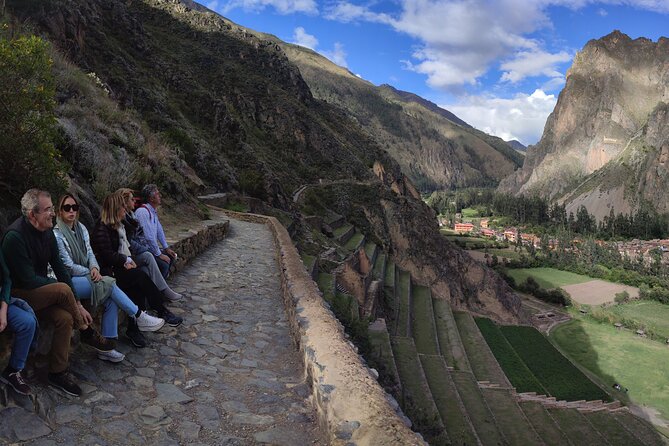
Once you arrive in the Machu Picchu area, you move to Aguas Calientes. Your guide meets you when you reach the station, helps you with the transfer to your designated hotel, and then lays out day two details.
This is one of the smarter parts of the itinerary because it reduces stress. Your guide covers pick-up time for Machu Picchu, what to wear, what to bring, and they share recommendations for where to taste Peruvian cuisine.
In other words, the touring does not end at the ruins. You are set up to succeed the next morning.
Day Two: Early Lift-Up to Machu Picchu, Then a Focused Circuit
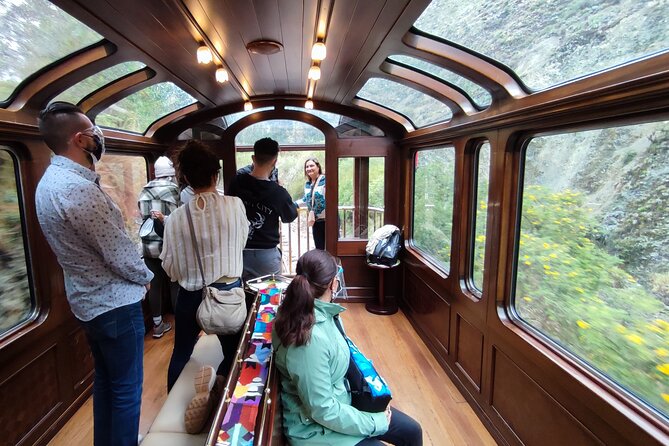
Day two starts with an early morning pickup from your hotel. You board the bus up to the Machu Picchu entrance, a ride of about 30 minutes.
You get a guide along the bus journey, which helps because the day is timed. It is not a casual wander. When you arrive, you are ready to use your energy well.
If your goal is photos and clear explanations, this is a good format. You are not left to interpret the site on your own, and you have a set amount of time so you can move at a comfortable speed rather than sprinting.
Machu Picchu Circuit 01 or 02: Upper Platform Time and Hiram Bingham History
At Machu Picchu, you get about 3 hours with your guide. The plan includes exploring the upper platform for strong photo opportunities and receiving detailed explanations about what you are seeing.
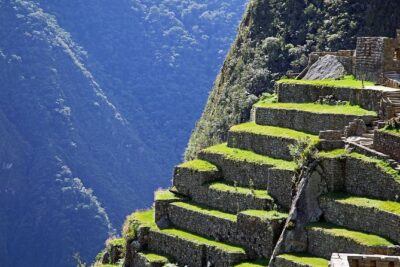
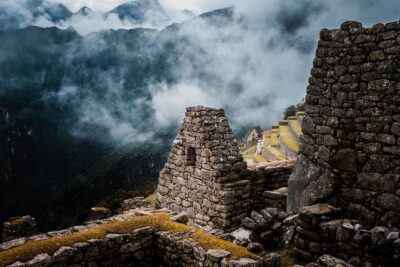
The tour connects the site to Pachacuti, describing Machu Picchu as a royal estate built in the 15th century. It highlights that the citadel has more than 200 structures, including temples, palaces, and residences. You also get the engineering angle, with massive stone blocks built without mortar.
Timing and altitude matter too. The tour notes Machu Picchu sits around 2,430 meters (7,970 feet) above sea level. If you take that seriously and pace yourself, you will enjoy the circuit more.
One of the most memorable teaching moments included in this style of tour is the guide showing pictures taken in 1911 by Hiram Bingham. It helps you understand how the site entered the global imagination, and it adds a historical layer beyond architecture alone.
The Ride Back: Train to Ollantaytambo, Then Cusco Transfer
After the Machu Picchu portion, you head back by train to Ollantaytambo. Then you transfer back to Cusco, with about 1 hour in Cusco to finish at the meeting point area.
This closing rhythm is useful. It means you do not spend your last hours guessing transit options. Your energy is conserved, and you can focus on wrapping up the trip calmly.
Price and Value: What $700 Buys You (and What It Covers)
The price is $700 per person for a private, two-day package. That number can look steep at first, but the inclusions explain why it can be good value.
This tour includes:
- Sacred Valley entrance tickets
- 1 night hotel in the Machu Picchu area (Aguas Calientes)
- Train ticket round trip between Ollantaytambo and the Machu Picchu area
- Bus up and down between Aguas Calientes and Machu Picchu
- Machu Picchu ticket circuit 01 or 02, full visit
- 2 dinners and 2 breakfasts
- Transfers back to Cusco from Ollantaytambo
What that means for you: the big expensive pieces of a Machu Picchu trip are already handled. Most headaches come from separating trains, buses, and ticket types across different vendors. Here, you pay once and let the plan do the work.
Meals are not fully free-for-all. The package covers dinners and breakfasts, but it does say meals are not included beyond that, and alcoholic drinks are not included. That is normal for tours, but it is worth planning a budget for lunch and any extra snacks.
If you are comparing prices, do not just compare the tour price. Compare what is included for tickets, train, and the Machu Picchu circuit, because those are the items that tend to inflate the final cost when you book everything separately.
Logistics and Comfort: The Little Things That Save Your Day
A well-run private tour is not only about the stops. It is about how you feel during the transitions.
Here are the practical strengths you should expect from this setup:
- You start at Plaza de Armas de Cusco and end back there.
- You travel as a private group, so the timing is easier than with large shared tours.
- You get clear guidance in Aguas Calientes before Machu Picchu, including what to wear and what to bring.
- The itinerary includes built-in time at major sites, like 2 hours at Pisac and 3 hours at Machu Picchu, rather than a token walkthrough.
Also, the tour calls for moderate physical fitness. That matters because you will be walking at ruins and navigating altitude. You do not need to be an athlete, but you do need to be comfortable moving at elevation.
The Guide Factor: Why Jesús-Style Tutoring Can Make Machu Picchu Feel Personal
The standout theme from the best experiences with this operator is the guide approach. Many guests mention Jesús for his organization, his patience, and his ability to answer questions without rushing people.
That is not just a personality bonus. It changes the site experience. At Machu Picchu, it is easy to miss what you are looking at if you only have a map and a camera. A guide who spends time on explanations and takes your pace into account helps you see more, not less.
People also talk about the guide being strong with logistics and proactive communication before arrival. That is the behind-the-scenes work that helps you show up ready for each timed step.
One more plus mentioned in feedback: professional-quality photo support. Even if you bring your own camera, you will likely appreciate having someone who knows where to stand for angles and how to manage the flow so you do not feel like you are waiting in the way.
Who This Tour Fits Best (and Who Might Want Something Different)
This private 2-day plan is a strong match if:
- You want end-to-end help for train, hotel, tickets, and transit.
- You like a guide who talks through the meaning, not just the dates.
- You want the Sacred Valley stops to connect thematically into a bigger story before Machu Picchu.
It may not be the best fit if:
- You are looking for a very slow, low-stress pace.
- You get worn out by early starts. Day two is built around getting up and going.
- You want totally independent dining. Lunch is not stated as included, and alcohol is not included.
That said, the structure is pretty reasonable for a short trip. It is intense, but it is organized intensity.
Should You Book This 2-Day Private Sacred Valley and Machu Picchu Tour?
I would book it if you want the biggest names in the Sacred Valley plus a guided Machu Picchu circuit, with the major transport pieces already handled. The value improves if you are not excited about planning Machu Picchu tickets, matching train times, and coordinating bus schedules.
I would think twice if you prefer a relaxed, self-paced schedule or if you struggle with the walking and altitude element. In that case, you might be happier with a slower format or a longer stay around Cusco.
If you book, do two simple things: bring comfortable walking shoes and treat day two like a timed mission. With that mindset, you will get more than photos. You will get understanding.
FAQ
Where does the tour start?
The meeting point is Plaza de Armas de Cusco, Del Medio 123, Cusco 08000, Peru.
Is this a private tour?
Yes. It is a private tour/activity, and only your group participates.
How long is the tour?
It is listed as 2 days approximately, and the duration includes travel time.
What is included for Machu Picchu tickets?
You get a Machu Picchu ticket circuit, either Circuit 01 or Circuit 02, described as a full visit.
Do I stay overnight near Machu Picchu?
Yes. The package includes 1 night of hotel in the Machu Picchu area.
How do I get to Machu Picchu on day two?
On day two, you get picked up from your hotel in Aguas Calientes and take the bus up to the main entrance. The up and down bus tickets are included.
How much time do we spend at Machu Picchu?
You get about 3 hours at Machu Picchu with your guide.
Are meals included?
Yes. Breakfast is included for 2 days and dinner is included for 2 days. Meals are not included beyond that, and alcoholic drinks are not included.
Is there a fitness requirement?
The tour suggests a moderate physical fitness level.
What is the cancellation policy?
Free cancellation is available up to 24 hours in advance for a full refund. If you cancel less than 24 hours before the experience’s start time, the amount paid is not refunded.
Recently reviewed around Cusco
- 6-Day ||All Included|| Excursion – MachuPichu & Rainbow Mountain-Humantay Lake★ 4.5 · 8 reviews
- Horseback Riding thru the Mountains of Cusco★ 5.0 · 8 reviews
- Cuzco City Tour and Archaeological Ruins in Half Day★ 5.0 · 8 reviews
- Full Day – Rainbow Mountain tour – Group Service★ 5.0 · 8 reviews
- Half Day Tour in Cusco: Exploring the City and Four Ruins★ 4.5 · 8 reviews
- Machu Picchu and Sacred Valley 2 Day Tour★ 5.0 · 8 reviews
- Cusco 4 Days Machu Picchu and Sacred Valley | All included★ 5.0 · 8 reviews
- Walking Tour in Legendary & Historical Cusco City★ 4.5 · 8 reviews
Machu Picchu, compared.
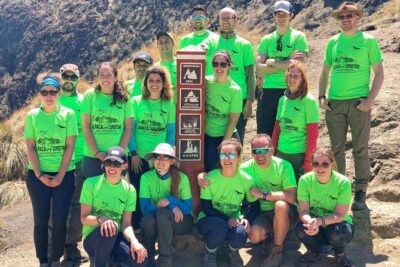
Classic Inca Trail Trek 4D/3N to Machu Picchu (Group Service)
Read our review →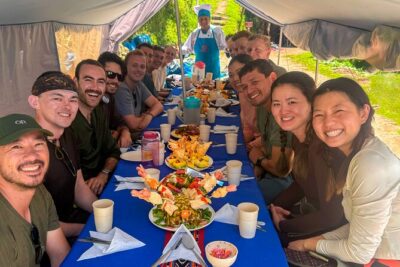
4-Day Inca Trail Trek with Panoramic Train Ride
Read our review →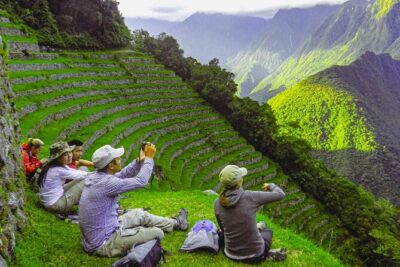
2-Day Inca Trail to Machu Picchu with Panoramic Train
Read our review →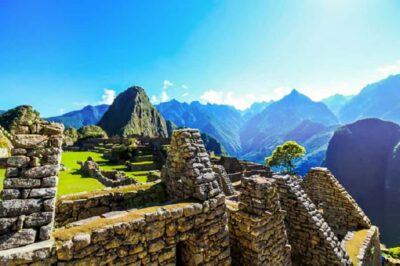

2-Day Tour: Sacred Valley and Machu Picchu by Train
Read our review →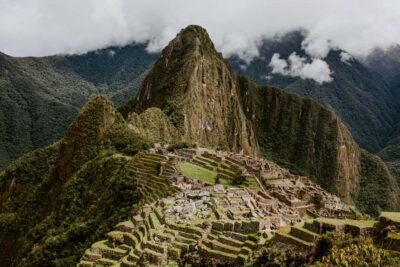
Browse the lists this tour appears in