
Reviewed · MACHU PICCHU
4-Day Classic Inca Trail to Machu Picchu
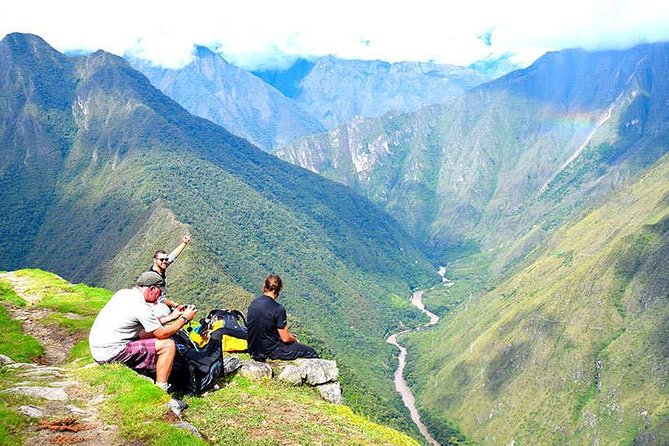
The classic Inca Trail still has that wow factor, mainly because you hike in a small group and reach Inti Punku (Sun Gate) early, so Machu Picchu hits you like a movie scene. You are not just walking between checkpoints. You are traveling through Sacred Valley history, step by step, with a real sense of pacing.
I also like that this trip is built around an English-speaking guide and not a handoff. The pickup and drop-off make the start and finish feel calm, even when the trek days are anything but.
One real consideration is effort at high altitude, plus how you handle comfort gear. You will carry your own inflatable mattress unless you arrange a personal porter, and you should plan to move slowly when your body asks for it.
Key highlights to know before you go
- Small-group feel on the trail, with a maximum of eight people (and a tour cap of 15)
- English-speaking guidance that adds meaning to every ruin and pass
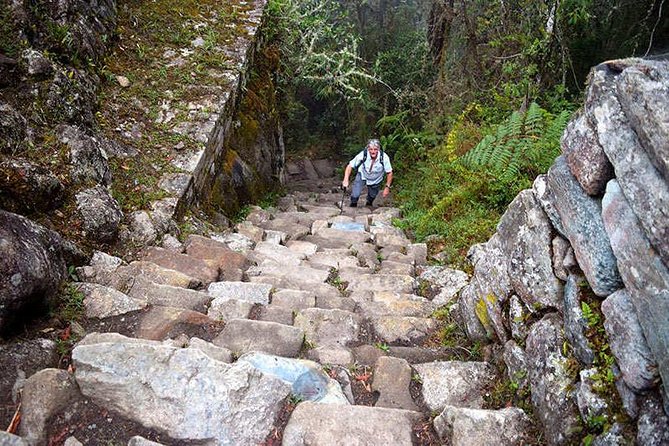
- Classic route highlights: Wilka Rakay, Dead Woman’s Pass, Runkurakay, Sayacmarca, and Wiñayhuayna
- Early arrival at Inti Punku, with sunrise views possible if weather cooperates
- Real camp support: porters, chef, tents, and an inflatable sleeping mattress
- Regulated trail limits: only 500 people per morning, including staff
The classic Inca Trail feels different when the group stays small
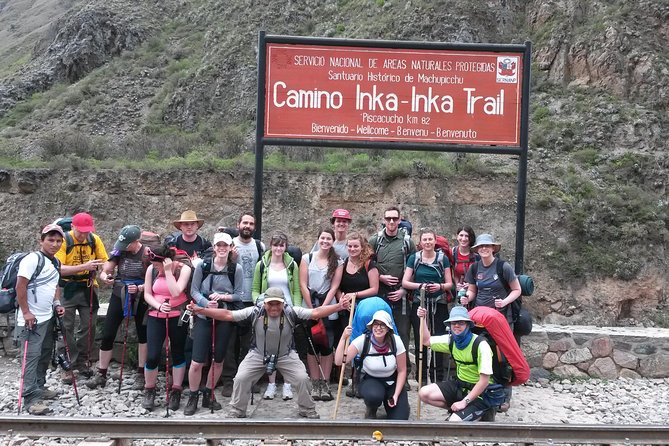
A lot of Inca Trail trips feel like a conveyor belt. This one aims for the opposite. With a maximum of eight people on the hike, you get more breathing room at viewpoints, more time to ask questions, and less of that constant shuffling you get on bigger departures. The day still has structure. It just feels more human.
I also like how the guide role is treated as central, not optional. On this route you may be led by guides such as Paul Cano, Edwin, or Freddy, and the consistent pattern is clear English plus solid context about Inca culture and what you are actually seeing. That matters, because the trail can look like a collection of ruins unless someone helps you connect the dots.
The regulated nature of the Inca Trail adds another layer. Since the trail has limits (only 500 people are permitted each morning, including guides, porters, and cooks), you will experience a controlled flow rather than endless crowds. You still meet people, but it does not turn into a tourist stampede.
More Inca Trail departures:
- Classic Inca Trail Trek 4D/3N to Machu Picchu (Group Service)
★ 5.0 · 8,653 reviews - Machu Picchu: 4-Day Inca Trail Trek with Panoramic Train Ride
★ 5.0 · 4,568 reviews - Short Inca Trail to Machu Picchu 2D/1N
★ 5.0 · 3,007 reviews
Getting to Km 82: Sacred Valley roads and Wilka Rakay’s first payoff
Day 1 starts early, with a 5:30 am meeting time and hotel pickup. Then it is a private bus ride toward the Sacred Valley, passing through Chinchero, Urubamba, and Ollantaytambo before you reach Km 82, the official starting point of the Inca Trail.
After about 2.5 hours of scenic driving, your hike begins with an ascent to Wilka Rakay. This is one of those moments where your legs are doing the work and your eyes get rewarded. The views stretch toward Patallacta and the Kusichaca Valley, and you get a sense of how the Incas were reading the land.
By late afternoon, you arrive at Wayllabamba (about 3,000 masl / 9,842 ft.) to set up camp. Day 1 is listed as an 8-hour day, so it is not a casual stroll, but it is also not the toughest day. The practical win is that you end in time to rest while your team sets up camp and dinner. You will feel tomorrow more than you think, so protecting your energy today is smart.
Dead Woman’s Pass and the cloud forest rhythm on Day 2
Day 2 is where most people realize the Inca Trail is not just scenic hiking. After breakfast, the morning starts with about an hour climb to Tres Piedras (The Three Stones). From there, you enter the cloud forest zone. The air can feel cooler and wetter, and the trail gets thick with plant life.
Then comes the big moment: Abra de Warmihuañusca, known as Dead Woman’s Pass at 4,215 masl / 13,828 ft. This is the highest point on the route in this classic 4-day itinerary. You cross wide high-altitude grassland, and the views open up over rugged terrain. It feels exposed, but it is also one of the most satisfying milestones because you can physically mark the climb as finished.
After celebrating the pass, you descend steeply to Pacaymayo (about 3,600 masl / 11,811 ft.) for the night. This day is again around 8 hours, so you are putting in consistent effort. The payoff is the contrast, cloud forest texture, then open grassland, then dramatic descent.
What helps you enjoy Day 2 is pacing. Take it slow on the ascent, sip water when you can (and note that the tour provides water except for the first 4 hours of the trek), and keep your breathing steady. Altitude does not care about your willpower.
Runkurakay, Sayacmarca, and the ridge-to-Machu Picchu reveal on Day 3
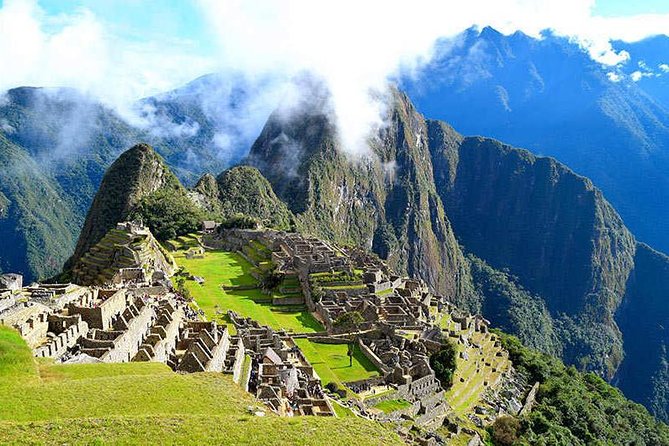
Day 3 starts with a shorter ascent to Runkurakay, an ancient Inca resting site used by travelers. Then you climb again to Runkurakay Pass at 4,000 masl / 13,123 ft., which is the second-highest point of the trek. This day is about rhythm, a sequence of climb, pause, explore, and keep moving.
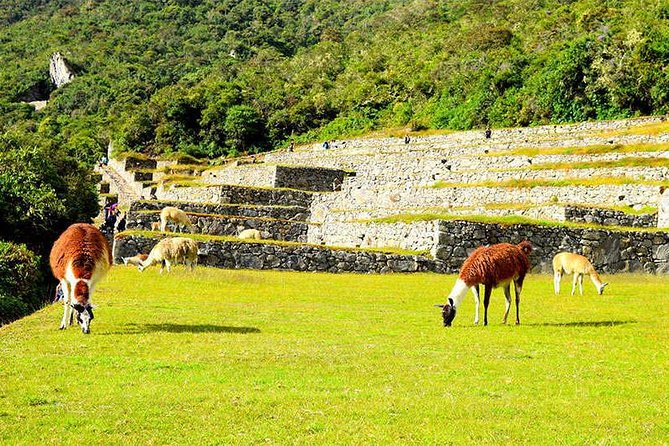
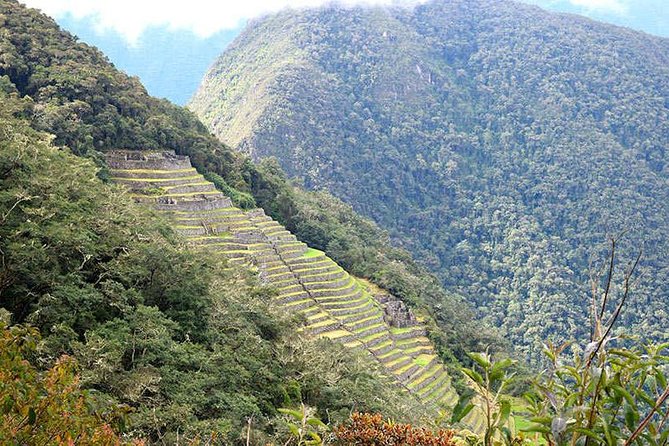
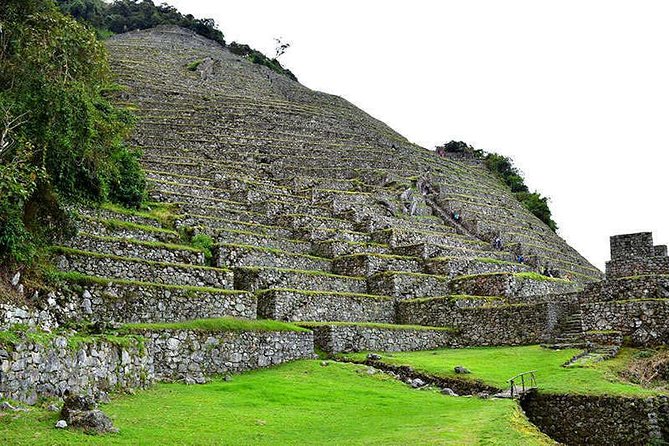
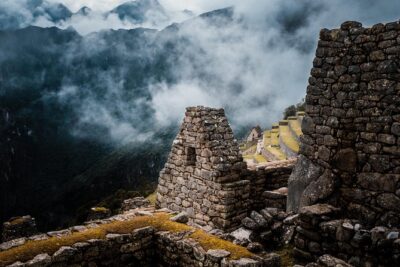
From the pass, you descend toward Sayacmarca, a set of ruins built on a steep mountainside. Exploring these stone structures in person changes how you see the trail. It is not random. The Inca sites you pass are often placed where movement through the terrain makes sense.
At Chaquicocha you stop for lunch, and then the trail enters more cloud forest. Later you take a narrow ridge toward Phuyupatamarca Pass, where the views can be the kind you remember for years: Sacred Valley in the distance, towering peaks, and in the right conditions, Machu Picchu getting closer and more real.
You end the day at Wiñayhuayna, your final campsite before reaching the legendary city. This is another 8-hour day, but it tends to feel less like a fight and more like a transition into the finish. The scenery and ruins keep coming, and the end point is right there in your head.
More ways to reach Machu Picchu:
- 2-Day Inca Trail to Machu Picchu with Panoramic Train
★ 5.0 · 1,876 reviews - From Cusco: Full-Day Group Tour of Machu Picchu
★ 4.7 · 1,767 reviews - Machu Picchu Day Trip from Cusco
★ 4.5 · 1,644 reviews - 2-Day Tour: Sacred Valley and Machu Picchu by Train
★ 5.0 · 1,127 reviews
Inti Punku sunrise, photo terraces, and inside Machu Picchu on Day 4
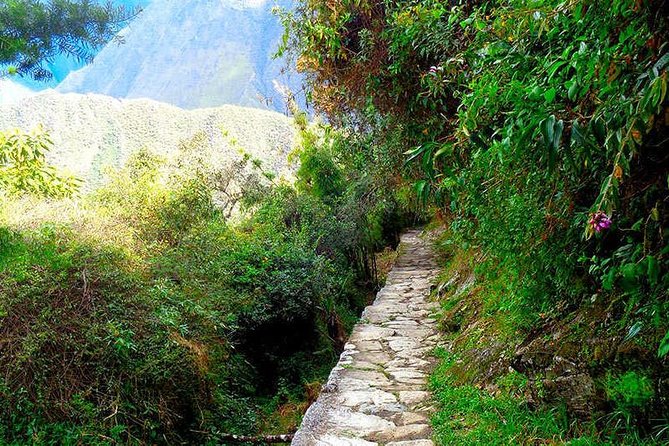
Day 4 is a payoff day. You wake up early and hike the final stretch to Inti Punku (Sun Gate), the traditional entrance to Machu Picchu. This section is described as relatively easy, about one hour, which is a huge morale boost after three intense trek days.
Inti Punku is where you hope for sunrise. Weather permitting, you may see the first light over the Andes. Even if the clouds roll in, arriving at the Sun Gate is still a dramatic moment, because Machu Picchu suddenly feels like it is fully in front of you, not just an idea.
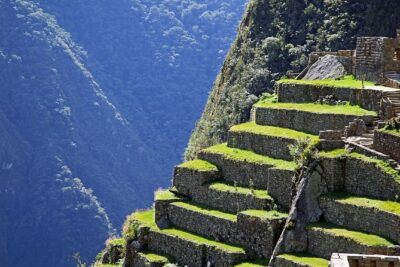
After Inti Punku, you descend for about 45 minutes to the upper terraces, often where the classic photos happen. Then you return to Aguas Calientes for a break and lunch.
Important practical note: entrance inside Machu Picchu is described as free on the included day, but re-entry may require an extra ticket if you want to go back in. Also, if you want a guided visit inside the citadel, your guide leads the tour of temples, ceremonial sites, terraces, and storage structures when the inside entry is arranged.
You also have potential optional hikes if you pre-book: Huayna Picchu or Machu Picchu Mountain. Those add time and require advance planning, because availability changes fast.
After Machu Picchu time, you board your train to Ollantaytambo, then a private van returns you to Cusco. The logistics are part of the value here. You do not have to figure out the train on your own with sore legs.
Camp life that makes the hard days feel doable
The camp setup is where this itinerary earns its keep. You have porters carrying cooking and camping equipment, plus a chef preparing meals. You sleep in a 4-man tent for every 2 trekkers, and you get an inflatable sleeping mattress. There is also an oxygen bottle and first-aid kit, which is reassuring when altitude and cold nights are in the mix.
One thing I really appreciate is how the food is handled. Multiple guides and chefs have been recognized for strong results, including chefs like Fabian and Herminio cooking in the field. Since you eat multiple times each day, the goal is not just survival calories. It is meals that help you recover so you can hike again the next morning.
You also get structure around eating: 3 breakfasts, 3 lunches, 3 afternoon snacks (happy hour), and 3 dinners. Day 1 breakfast is not included, and Day 4 breakfast and lunch or dinner specifics follow the trek schedule, so eat before Day 1 if your package timing allows, and expect a full day of meals during the trail portion.
The only camp-related friction is personal gear. A sleeping bag is not included, though it can be hired from the operator. And unless you pay for a personal porter (listed as $80), you will carry that inflatable mattress. It is manageable, but it is not free.
Price and logistics: what $850 buys, and what you still plan for
At $850 per person, this is not a budget trek. But it is not just paying for steps on a map either. You are paying for the full package: guide, private bus to Km 82, return transport by train and van, porters, chef, camp setup, tents, mattresses, and safety supplies like oxygen and a first-aid kit.
You also get the type of planning that matters for the Inca Trail: regulated capacity, a clear entry point at Km 82, and a daily schedule that builds toward Inti Punku. That is hard to replicate by yourself without already knowing the permit system and logistics.
What you still need to budget for includes:
- A sleeping bag if you do not hire one
- A personal porter if you want help carrying your mattress
- Optional Huayna Picchu or Machu Picchu Mountain
- The first 4 hours of trek water, since water is excluded then
- Travel insurance (strongly recommended)
Booking timing matters too. Permits can sell out, so booking at least 5 months in advance is strongly suggested. This also helps you avoid getting stuck with the wrong start dates for your acclimatization schedule.
Packing and altitude tips that keep you moving
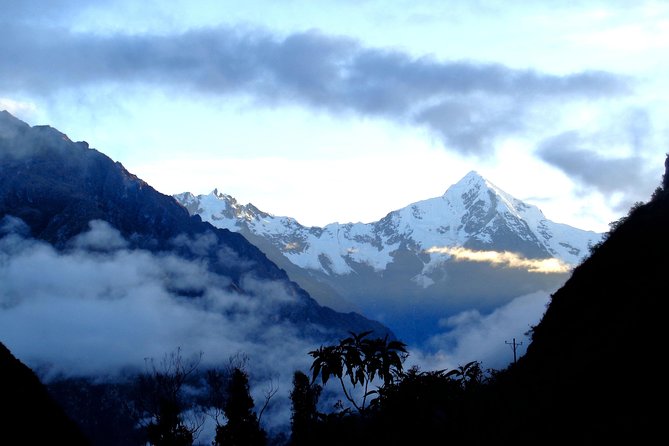
You do not need fancy mountaineering gear, but you do need the basics handled well. Use strong walking boots, and pack rain gear because conditions can change fast. You are given a clothing list that includes waterproof jacket or a rain poncho, warm jacket, hat and gloves, and comfortable trousers. Sunscreen with factor 35 or higher is a must, plus insect repellent.
For small essentials, bring hand sanitizer and toiletries. Cameras are common, and having a torch with spare batteries helps, since you may be moving in low light around camp and early mornings.
Altitude reality check: the route climbs to 4,215 masl at Dead Woman’s Pass and stays high for multiple days. You should have moderate physical fitness. Take the climbs steadily, and if you are prone to altitude symptoms, you will be grateful this package includes an oxygen bottle and first-aid kit.
Also, plan your hydration. You bring water for the first 4 hours of the trek each day, then water is provided afterward. In practice, that means you need to keep track of your start-of-day supplies.
Who this trek fits best, and who should rethink it
This is a great fit if you want the classic Inca Trail experience with fewer people around you, plus the kind of guiding that turns ruins into stories. If you like having an English-speaking expert explain what you see, this itinerary leans into that, with guides like Paul Cano, Edwin, and Freddy repeatedly praised for their support and clear communication.
It also suits you if you want camp comfort handled by a team. Between porters, tents, an inflatable mattress, and a chef, you are not trying to play logistics manager for four straight days.
You might reconsider if you are not comfortable with sustained hiking at altitude. Even with a supportive team, the passes are high and the days are long. It is also not the place to assume you can skip gear. A sleeping bag is missing, and your comfort depends on what you bring or hire.
If you are traveling with dietary needs, you can request vegetarian meals or special dietary requirements at no extra cost. Just make sure your operator has the details early. Life-threatening allergies are not accepted, so plan accordingly.
Should you book this Classic Inca Trail to Machu Picchu?
I would book this if your top priorities are a classic route, a small-group vibe, strong English guidance, and camp support that makes the trek feel human instead of purely survival-based. The combination of a dawn arrival at Inti Punku, plus guided time inside Machu Picchu when entry is arranged, is a powerful finish to four days of effort.
I would skip it or at least think hard if you want a relaxed hike, hate altitude work, or you expect all comfort gear to be included automatically. The Inca Trail is physical. This package helps you handle it. It does not remove the mountain.
If you are ready to climb, pace yourself, and enjoy the fact that your day is scheduled but your experience feels personal, this is a solid value for what it includes.
FAQ
What time does the trek start?
You meet at 5:30 am.
How long is the trip?
It runs for about 4 days.
Where do you start hiking?
You travel by bus to Km 82, the official starting point of the Inca Trail.
Is Machu Picchu entrance included?
Machu Picchu entrance is listed as free, but if you need re-entry to Machu Picchu, you may need an optional extra ticket.
Is Huayna Picchu included?
Huayna Picchu is not included. It is optional and costs extra if you pre-book.
What transportation is included after the trek?
You take a train from Machu Picchu to Ollantaytambo, then a private van returns you to Cusco, and you also take a bus from Machu Picchu to Aguas Calientes.
Are meals included?
Yes. The trek includes 3 breakfasts, 3 lunches, 3 afternoon snacks, and 3 dinners.
Do I need my own sleeping bag?
Yes. A sleeping bag is not included, but you can hire one from the tour operator.
Is water provided?
Water is provided except for the first 4 hours of the trek, when you need to bring your own.
Can I request vegetarian meals or dietary accommodations?
Yes. Vegetarian meals and special dietary requirements can be arranged at no extra cost if you share details when booking. Life-threatening allergies are not accepted.
Recently reviewed around Cusco
- Cusco Cooking Class by ChocoMuseo in Cusco★ 5.0 · 29 reviews
- 1-day excursion to Machu Picchu from Cusco★ 5.0 · 29 reviews
- Private Tour Sacred Valley, Chinchero, Maras Moray, Ollantaytambo★ 5.0 · 29 reviews
- ATV Adventure to Moray and Maras Salt Mines – Half Day★ 4.5 · 29 reviews
- From Cusco: Humantay Lake with Breakfast and Buffet Lunch★ 4.5 · 29 reviews
- 4 Day – Inca Jungle to Machu Picchu★ 5.0 · 29 reviews
- 2-Day Machu Picchu Tour by Train from Cusco★ 4.5 · 29 reviews
- 2-Day Sacred Valley and Machu Picchu Tour By Train★ 4.5 · 29 reviews
Machu Picchu, compared.
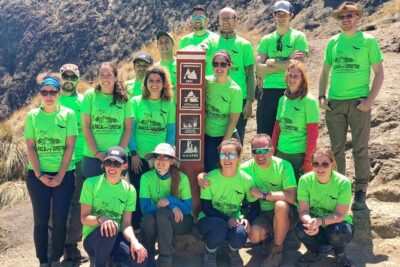
Classic Inca Trail Trek 4D/3N to Machu Picchu (Group Service)
Read our review →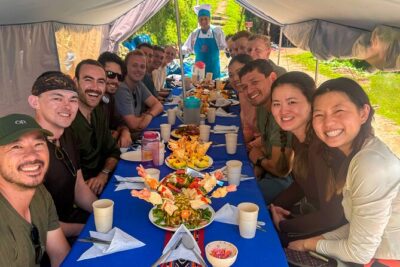
4-Day Inca Trail Trek with Panoramic Train Ride
Read our review →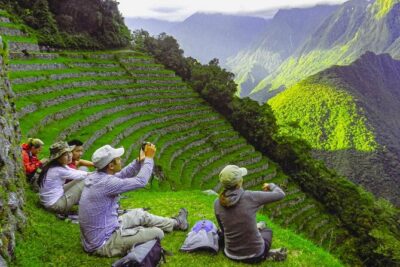
2-Day Inca Trail to Machu Picchu with Panoramic Train
Read our review →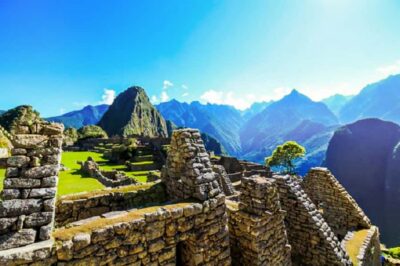

2-Day Tour: Sacred Valley and Machu Picchu by Train
Read our review →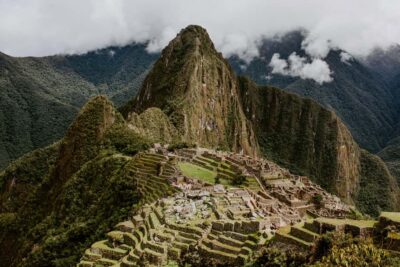
Browse the lists this tour appears in