
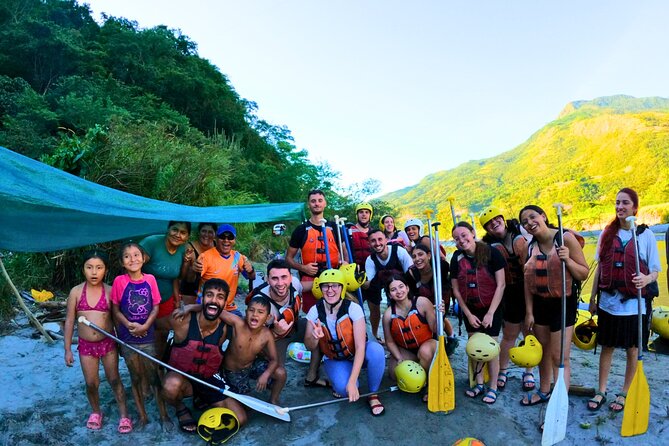
Reviewed · MACHU PICCHU
4 Day – Inca Jungle to Machu Picchu
This is interesting because it turns the usual Machu Picchu scramble into a full-on route through the Inca Jungle. You start in the Sacred Valley, drop down by bike, sweat through cloud forest trails, soak in hot springs, then you still earn a pre-dawn sunrise at Machu Picchu.
I especially like the way the days are mixed: the big adrenaline hit on day 1 (downhill biking), then the slower payoff of hiking beside the Vilcanota River and over old Inca paths. I also like that key ticket pieces are already included, including Machu Picchu entrance fees and the train segment back to Ollantaytambo.
One consideration: you need to be comfortable with altitude and long days. The itinerary stacks early starts and hikes that can run 7 to 8 hours, plus there are extra paid add-ons along the way (zip-line, rafting, Huayna Picchu, and hot springs).
Key highlights if you want the quick pitch
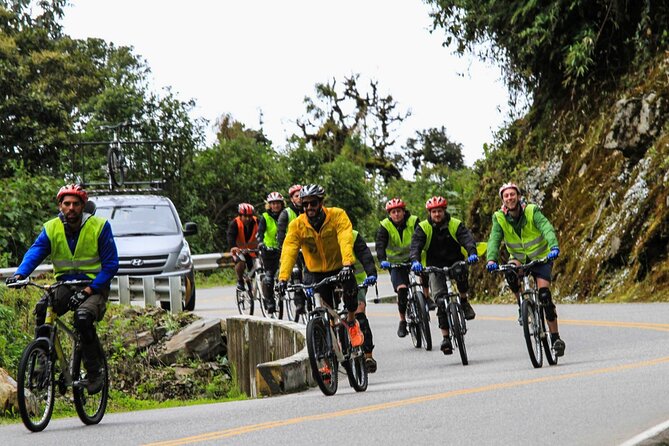
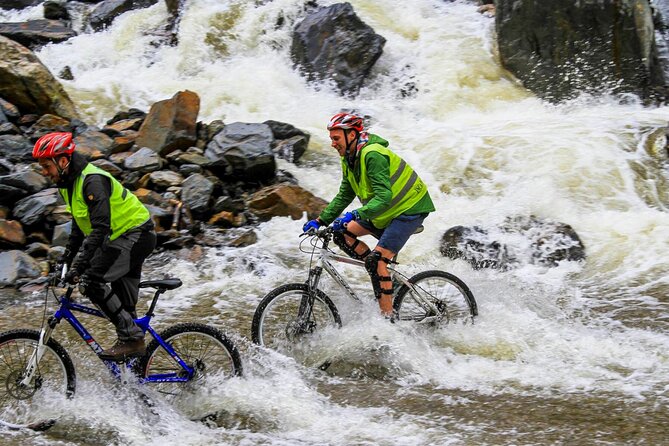
- Downhill bike from Malaga Pass (about 55 km, roughly 3 hours), with protective gear and changing climates from cold dry to hot humid
- Cloud-forest hiking with coca, coffee, cacao stops and time at a local family house (Pispitayoq family)
- Vilcanota River route including a monkey bridge crossing and a lunch stop at Qellomayu
- Aguas Calientes arrival by late afternoon with a hostel stay that has private bathrooms and hot water
- Sunrise climb and guided Machu Picchu tour (about 2 hours), with optional Huayna Picchu climbing for an extra fee
- Small group size (maximum 15 travelers), which usually means a smoother pace
The Inca Jungle route: why it feels more real than a straight transfer to Machu Picchu
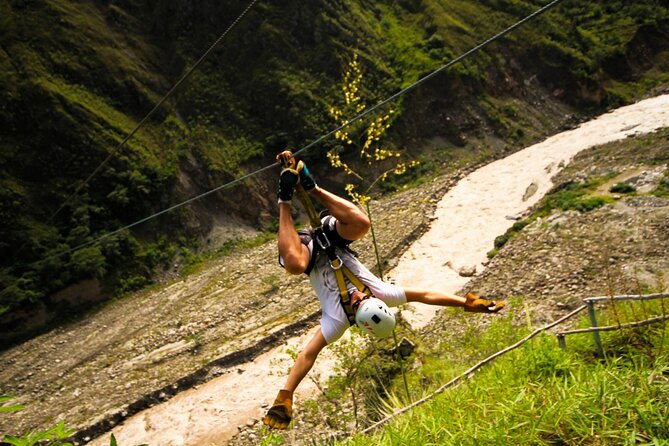
This tour is built for people who want Machu Picchu, yes, but also want to experience how the region changes on the way there. Instead of just riding a bus and calling it an adventure, you move through multiple climate zones: high Andean passes, then cloud forest, then warmer river valleys around Santa Teresa and Aguas Calientes.
The format also makes the big moment land better. You are tired (in a good way) from biking and hiking, so sunrise at Machu Picchu does not feel like a random checklist item. It feels earned.
And one more plus: the tour stays practical about safety and comfort. You get bike safety gear (helmets, knee pads, gloves, and body armor) and a bilingual guide, and the plan is paced so you have time to eat, rest, and take photos without constantly rushing.
More Inca Jungle treks:
- 4-Day Inca Jungle Trail to Machu Picchu Hiking and Biking Tour
★ 5.0 · 438 reviews - 4-Day Adventure Tour: Inca Jungle Trail to Machu Picchu
★ 5.0 · 426 reviews - 4-Day Inca Jungle Tour: Machu Picchu Biking, Rafting, and Zipline
★ 5.0 · 241 reviews
Day 1: Sacred Valley bus ride, Malaga Pass bike, and optional Vilcanota rafting from Santa Maria
Your day begins with a hotel pickup at 7:00 a.m. and a roughly 90-minute bus ride through the Sacred Valley. You pass places like Chinchero, Urubamba, and Ollantaytambo, then you stop for about 30 minutes before climbing higher toward Malaga Pass (4350 meters).
Why this day matters: the bike portion is the tour’s signature. You start above the trees, on cold, dry air, then the ride drops you into a world that quickly feels hotter and more humid. You bike for about 3 hours covering around 55 km as far as Wamanmarca, with mountain and cloud-forest scenery along the way.
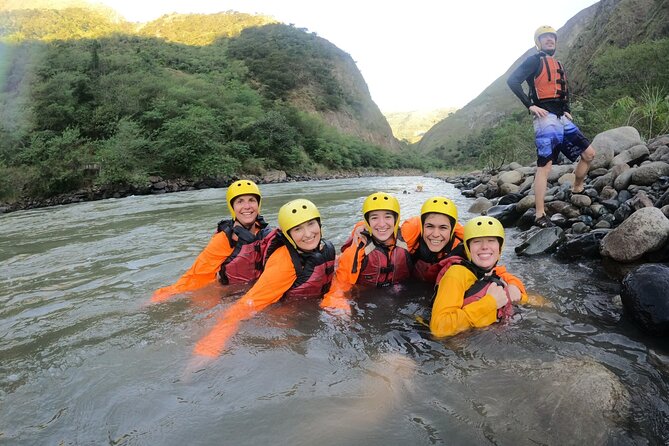
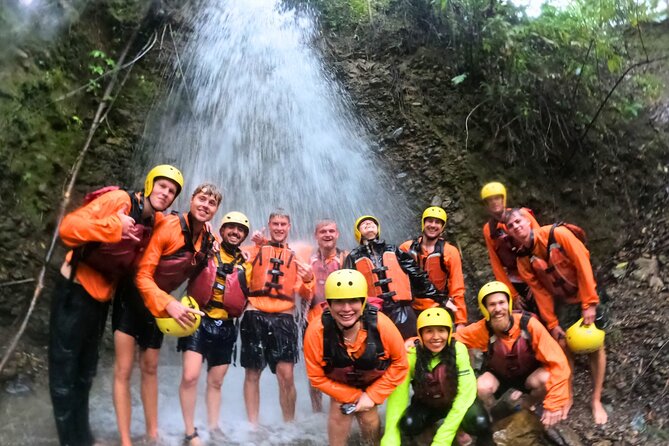
You end up in the town of Santa Maria, at a much lower elevation, and that’s when the itinerary gives you an extra choice. There’s an option for an additional rafting tour on the Vilcanota River (not included). If you like water chaos and calm-but-pretty scenery, this is the moment to say yes, because rafting fits the momentum of day 1.
What to watch for on day 1: bring a mindset that the ride is long, even if the downhill portion is fun. Your legs are doing real work, and the altitude early in the day can make everything feel harder at first.
Day 2: Cloud forest hike to Cocalmayo hot springs, Inca Trail segments, and coca-to-cacao learning
Day 2 starts early too. Breakfast is at 6:30 a.m., then you hike into the cloud forest. The first hour is mostly flat, then you get around 2 hours of uphill climbing. You also get a sense of how people live here by seeing plantations of coca, coffee, cacao, and tropical fruits.
One of my favorite parts of this day is the way the itinerary slows down briefly for human-scale interaction. You stop at the house of the Pispitayoq family for about 20 minutes, which makes the farming and plant sights feel less like a drive-by photo stop.
Then comes a standout for history without turning the day into a lecture: you cross the original Inca trail and then continue into the valley you are hiking toward. After that, the pace gets easier. You reach Qellomayu after about another 90 minutes, where lunch is served.
Afternoon hiking is mostly about the river and the change of scenery. You hike along the banks of the Vilcanota River for about 3 hours, then cross by monkey bridge. Finally, after roughly 7 to 8 hours total hiking, you arrive at the Cocalmayo hot springs and then continue on to Santa Teresa (1540 meters).
Two practical notes:
- Hot springs entry is not included. The price listed is US$3, but you should still budget more than that to avoid disappointment.
- It’s a long day. Pack snacks and hydration habits that work for you, because the payoff is real but you will earn it.
Day 3: Santa Teresa hike to the hydroelectric plant, railroad track walking, and Machu Picchu sightings from afar
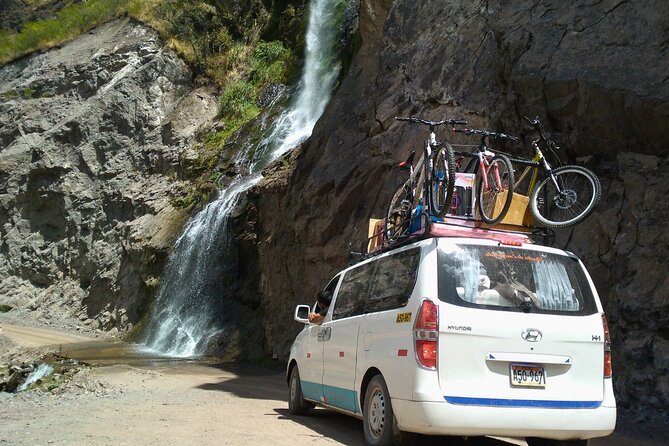
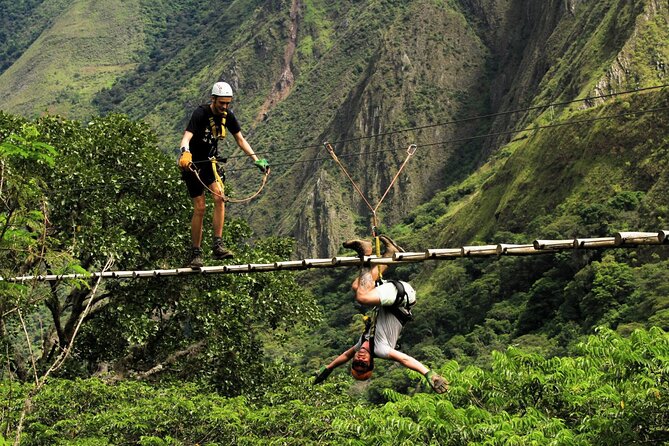
After breakfast at 7:00 a.m., day 3 has another optional adrenaline moment. Before your main hike, you can choose zip-lining (not included). If you did not do the zip-line on day 2, day 3 is your chance.
The core hike runs about 6 hours total, split into two parts:
1) Around 3 hours on a dirt trail to a hydroelectric plant, with lunch there
2) Another 3 hours walking along the railroad track
The best part of this track walk is the view build-up. As you move along, you can see the ruins of Machu Picchu in the distance. It’s not the full reveal yet, but it changes the hike. Suddenly you are not just hiking to get to a town, you are hiking toward a specific shape in the distance that gets clearer as you go.
You arrive in Aguas Calientes at about 5:00 p.m. and sleep in a hostel with private bathrooms and hot water. That matters more than it sounds. After days of activity, having real hot water and privacy helps you recover instead of just collapsing.
More ways to reach Machu Picchu:
- Classic Inca Trail Trek 4D/3N to Machu Picchu (Group Service)
★ 5.0 · 8,653 reviews - Machu Picchu: 4-Day Inca Trail Trek with Panoramic Train Ride
★ 5.0 · 4,568 reviews - Short Inca Trail to Machu Picchu 2D/1N
★ 5.0 · 3,007 reviews - 2-Day Inca Trail to Machu Picchu with Panoramic Train
★ 5.0 · 1,876 reviews
Day 4: The 4:20 a.m. Machu Picchu sunrise climb, guided tour, and train back to Cusco
Day 4 is the big day, and it starts fast. At 4:20 a.m., you begin a hike of about 90 minutes up to Machu Picchu. The goal is sunrise over the ruins, so plan for cold early air and a steady pace.
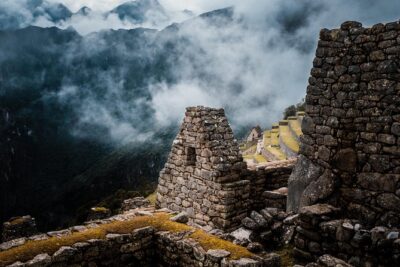
Once you get there, you get a 2-hour guided tour of the citadel. After the guide time, you have free time to explore, and you can also choose to climb Huayna Picchu for an additional fee.
Then you shift gears into getting back down. After Machu Picchu, you catch the train back to Ollantaytambo, followed by a 2-hour bus ride to Cusco.
What to consider on day 4: the “workout” is the sunrise climb. It is not a sightseeing stroll. If you can keep a steady pace without sprinting, you will have the energy to enjoy the guided tour and walk around afterward.
What’s included vs what you’ll likely pay extra in real life
The tour includes a lot of the expensive and time-consuming parts. You get:
- Bikes and protective gear (helmets, knee pad, gloves, body armor)
- Bilingual (Spanish-English) guide
- Machu Picchu entrance fees
- Train from Aguas Calientes to Ollantaytambo
- Bus from Ollantaytambo to Cusco
- 3 nights accommodation
- Dinner (3), breakfast (3), lunch (3)
- Private transport from Cusco to the Malaga Pass/Santa Maria
- A briefing the night before the tour
Extras and add-ons are clearly listed:
- Hot springs entrance (listed at US$3.00, but double-check your budget)
- Bus to Machu Picchu (US$12.00 listed as not included)
- Breakfast on the first day and lunch at Machu Picchu (not included)
- Rafting (US$25.00)
- Zip-line (US$25.00)
- Huayna Picchu climbing fee (only mentioned as a fee if you want to climb)
One small but important reality check: if you want to fully avoid surprises, budget for at least the spring entrance and one of the add-ons unless you are skipping them. Day 2 and day 3 give options, and the tour style is built around making those choices in the moment.
Guides and safety: where the experience usually rises above the plan
This route lives or dies by the guide. The quality shows in two ways: safety organization and storytelling.
Good guides keep the bike day from feeling chaotic. You are given serious protective gear, and your route is handled with a plan that includes stops and transitions between vehicle, bike, and hike segments. In one guide-led experience, the guide role also included juggling details across grouped operators once the tour started, so it did not turn into a day-long confusion session.
The best part is cultural context. Strong bilingual guides explain what you are seeing without turning it into a classroom. Guides have shared knowledge of Quechua culture and history along the way, and they also offer practical choices like the best trails, snack stops, and how to pace the hikes.
If your style is “tell me what this place is and how to move through it,” you should fit well here.
Price and value check: does $450 make sense for this mix of transport, tickets, and lodging?
At $450 per person for an approximately 4-day trip, this is not a bare-bones Machu Picchu package. You are paying for a bundle of elements that are usually separate costs and separate hassles.
Here’s what helps the value:
- Machu Picchu entrance fees are included
- The train from Aguas Calientes to Ollantaytambo is included
- You get 3 nights accommodation, and Aguas Calientes includes a hostel with private bathrooms and hot water
- You get bikes with safety gear and a bilingual guide
- Meals are largely included, including dinner 3 times and breakfast 3 times
The costs that could still add up are the hot springs, possible bus fee listed for Machu Picchu, and the optional zip-line or rafting. But even with those extras, you’re not paying separately for every leg of the journey.
Also, this tour tends to sell well, with an average booking window around 38 days in advance. That’s often a sign the schedule is popular enough that you should not wait too long if you have fixed dates.
Who should book this, and who should think twice
This tour is a strong fit if you want:
- Moderate physical fitness and you do not mind long days
- An adventure mix: downhill biking, cloud-forest hiking, river crossings, and early Machu Picchu mornings
- A guided experience that covers the big sights and practical details
It might not be for you if:
- You dislike altitude, early mornings, and physical effort on consecutive days
- You want a mostly relaxed sightseeing pace
- You hate paying separate fees for optional add-ons (zip-line, rafting, Huayna Picchu) and hot springs entry
If you come with hiking shoes you trust, layers for cold morning air, and a plan to stay hydrated, you will have a much easier time enjoying the ride.
Should you book the 4-Day Inca Jungle to Machu Picchu tour?
I’d say book it if you want Machu Picchu but also want the journey to feel like the main event. The downhill bike, the cloud forest hike with the Inca Trail crossing, and the guided sunrise arrival are a great combo for people who like movement and scenery.
Skip it or choose something gentler if you’re looking for low-effort travel or if the extra paid activities would stress your budget. With this one, you get a lot included, but you should be ready for a couple of add-on costs and long hiking days.
FAQ
FAQ
What city does the 4-day tour start in?
It starts in Cusco, Peru.
Where do we meet in Cusco?
The start meeting point is Plaza de Armas, Cusco (08000).
How long is the tour?
The duration is listed as 4 days (approx.).
What time is the pickup on day 1?
You are picked up from your hotel at 7:00 a.m. on day 1.
Are Machu Picchu entrance fees included?
Yes, Machu Picchu entrance fees are included.
Is the hot springs entrance fee included?
No. Hot springs entrance is not included and is listed as US$3.00.
Are zip-line and rafting included?
No. Zip-line (US$25.00) and rafting (US$25.00) are listed as not included.
What are the main meals included?
The tour includes 3 dinners, 3 breakfasts, and 3 lunches, but it lists that breakfast on the first day and lunch at Machu Picchu are not included.
Is there an extra fee for Huayna Picchu?
Yes. Climbing Huayna Picchu has a fee.
Is the tour good for people with limited mobility?
The tour says travelers should have a moderate physical fitness level, and the itinerary includes long hikes, so it is not described as an easy-mobility option.
Recently reviewed around Cusco
- Cusco Cooking Class by ChocoMuseo in Cusco★ 5.0 · 29 reviews
- ATV Adventure to Moray and Maras Salt Mines – Half Day★ 4.5 · 29 reviews
- 1-day excursion to Machu Picchu from Cusco★ 5.0 · 29 reviews
- Private Tour Sacred Valley, Chinchero, Maras Moray, Ollantaytambo★ 5.0 · 29 reviews
- From Cusco: Humantay Lake with Breakfast and Buffet Lunch★ 4.5 · 29 reviews
- 2-Day Machu Picchu Tour by Train from Cusco★ 4.5 · 29 reviews
- 2-Day Sacred Valley and Machu Picchu Tour By Train★ 4.5 · 29 reviews
- Rainbow Mountain Perú Full Day Group Shared Service★ 5.0 · 30 reviews
Machu Picchu, compared.
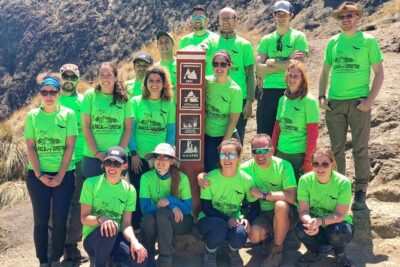
Classic Inca Trail Trek 4D/3N to Machu Picchu (Group Service)
Read our review →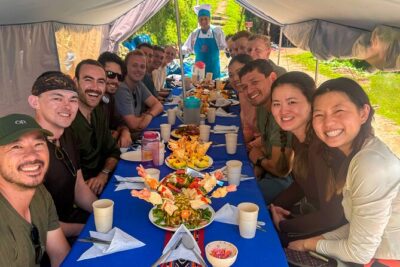
4-Day Inca Trail Trek with Panoramic Train Ride
Read our review →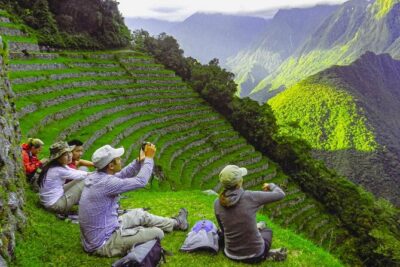
2-Day Inca Trail to Machu Picchu with Panoramic Train
Read our review →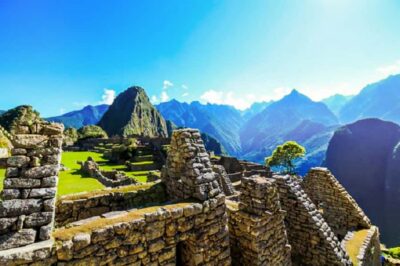
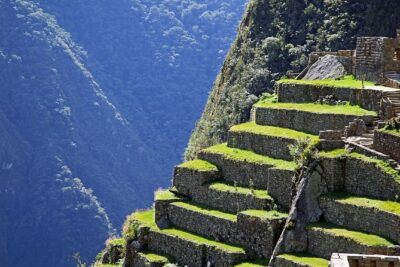
2-Day Tour: Sacred Valley and Machu Picchu by Train
Read our review →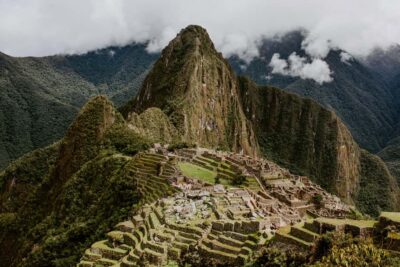
Browse the lists this tour appears in