
Reviewed · MACHU PICCHU
4-Day Inca Trail Tours to Machu Picchu
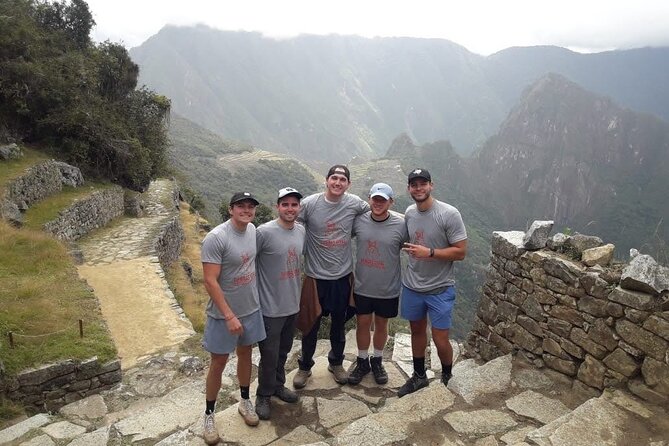
This trek is interesting because it turns Machu Picchu from a photo into a moment you earn, step by step, over three night camps on the Inca Trail. I love the small-group setup and personal pace, and I love that permits and Machu Picchu tickets are included, so you are not scrambling to piece together logistics at the last minute. One fair consideration: this is a serious altitude and uphill challenge, starting early and climbing to high points around 4,200 m.
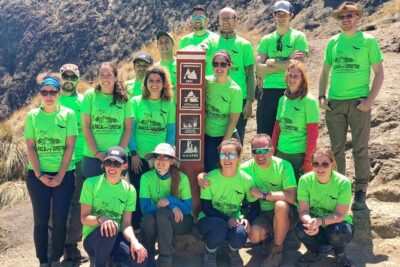
You should also know what the day-to-day feels like. Expect guided archaeology at major stops, then a real camp experience with porters, cooking staff, and meals that actually work for trekking. If you go in expecting a stroll, you will be disappointed, because the route is physically demanding even with a great team carrying camp gear.
Key highlights you will actually feel on the trail
- Small group, private participation: only your group is involved, so the pace and explanations stay personal.
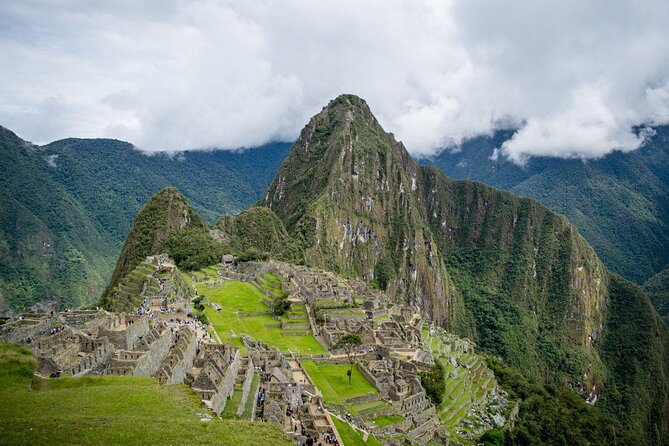
- Guided Inca sites along the way: Llactapata, Runkuraqay, Phuyupatamarca, Wiñayhuayna, and Machu Picchu itself get interpretation, not just photos.
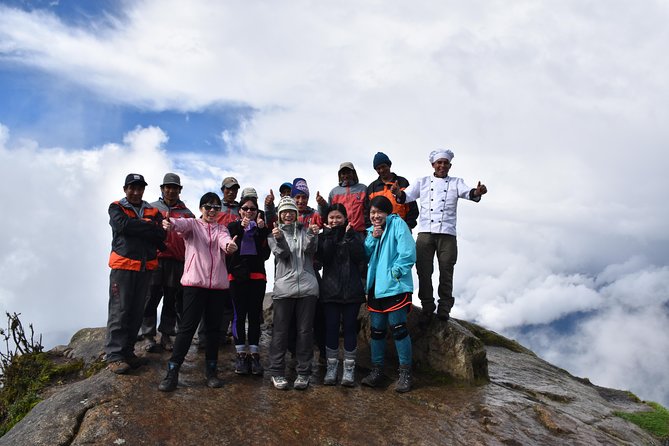
- High points with payoff views: Warmiwañusca is around 4,200 m, and the payoff is a huge panoramic moment.
- Camp comfort that is not fantasy: double tents for greater comfort, air roll mattresses, and daily water after the early morning window.
- Food and staff support: an experienced bilingual guide plus a trekking chef and porters handle the heavy lifting, and meals are a big part of why the trek feels doable.
A 4-day Inca Trail that builds up to Sun Gate
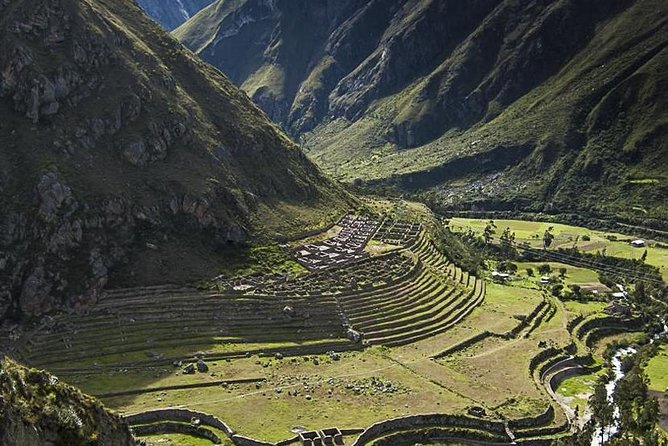
If you want Machu Picchu to feel like a finale, this format works. You start from the trail access point around Km 82, spend two full days walking through classic Inca landscapes and ruins, sleep three nights in camp, then finish with the forest walk to Inti Punku (Sun Gate). That last morning matters because you crest the trail and then see the citadel layout in one sweep.
This is also a practical “systems” trek. You have transport to the start, your Inca Trail permits and Machu Picchu entry ticket are handled, and you get a train connection back from Aguas Calientes to Ollantaytambo, plus a bus transfer onward to Cusco. In other words, you spend your energy on the trail, not on coordinating pieces.
More Inca Trail departures:
- Classic Inca Trail Trek 4D/3N to Machu Picchu (Group Service)
★ 5.0 · 8,653 reviews - Machu Picchu: 4-Day Inca Trail Trek with Panoramic Train Ride
★ 5.0 · 4,568 reviews - Short Inca Trail to Machu Picchu 2D/1N
★ 5.0 · 3,007 reviews
Day 1: Hotel pickup, Km 82 document checks, and Llactapata at the right rhythm
Your morning starts early, with pickup from your hotel and a drive through towns like Chincheros, Urubamba, and Ollantaytambo before heading to Chilca or Km 82. Before you walk, there is an explanation and a documentation check connected to the Inca Trail entry rules. This is not the fun part, but it is the part that keeps the whole experience legitimate and smooth.
You get a lunch stop for about 1 hour and 30 minutes at the start area. Then you begin trekking to the first camp at Wayllabamba. The first day’s walking is a setup day, not a grind day, and that is smart for altitude. You are working your legs and finding your pace without burning out.
The guided portion at Llactapata Archaeological Group is a key reason to book a guided trek. It is easy to arrive at ruins and only see stones. With a guide, you get the context behind what you are looking at and how it likely functioned within the larger Inca network.
Day 2: Warmiwañusca (Dead Woman) at 4,200 m, then Pacaymayo camp life
Day 2 is where you feel the trek earn its reputation. After breakfast, you start with a steep climb, then keep walking for about three hours to reach Warmiwañusca, the highest point on this route at roughly 4,200 m.
This is the moment that changes how you walk. At altitude, every decision feels bigger: how fast you breathe, how long you pause, how carefully you place your steps. When you reach the viewpoint, it is not only about the photo. It is the satisfaction of reaching the top and looking out over the whole area.
After a well-deserved rest, you descend to Pacaymayo for lunch, camp, and dinner. The best part of a well-run trek is what comes next: you can focus on recovering instead of managing your setup. A trekking chef, cooking setup, and porters handle the camp machinery so you can rest and reset for day 3.
Day 3: Runkuraqay, Sayacmarca, and Phuyupatamarca in cloud-forested country
Day 3 is often the emotional peak for people, even when it is physically tough. You begin with an energetic breakfast, then start ascending again to around 3,800 m for the second high section of the route.
You also get more ruins with interpretation. The guided tour of Runkuraqay helps you connect the dots between walking paths and how the Incas staged places across changing terrain. Then you continue to Sayacmarca for lunch, and you start to feel a shift in the environment. The route transitions from dry, mountainous character toward greener, more tropical scenery.
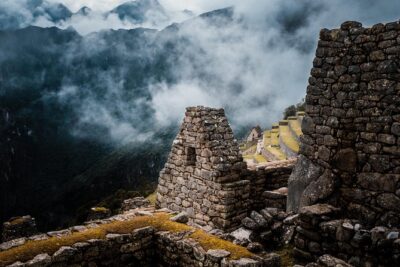
One of the most memorable stops on day 3 is Phuyupatamarca, often described as a village in the clouds. Even if the clouds do not fully show up the way you imagine, the idea is real: your perspective changes, and the air feels different. It is a reminder that this is not just a line on a map. It is a lived landscape.
You walk a bit more and arrive at the final campsite, Wiñayhuayna, where you spend the night and have dinner. This night matters because tomorrow is the last morning. You want sleep, not chaos, so the camp setup and staff support are a big deal here.
More ways to reach Machu Picchu:
- 2-Day Inca Trail to Machu Picchu with Panoramic Train
★ 5.0 · 1,876 reviews - From Cusco: Full-Day Group Tour of Machu Picchu
★ 4.7 · 1,767 reviews - Machu Picchu Day Trip from Cusco
★ 4.5 · 1,644 reviews - 2-Day Tour: Sacred Valley and Machu Picchu by Train
★ 5.0 · 1,127 reviews
Day 4: Forest walk to Inti Punku, guided Machu Picchu, then train home
After breakfast on the final day, you walk about one hour through the forest to Inti Punku (Sun Gate). This is the classic first reveal of Machu Picchu, viewed from above and framed by the surrounding greenery and stonework.
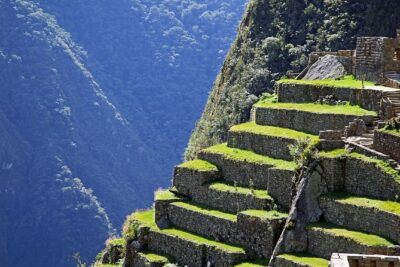
Then you arrive at Machu Picchu for a guided tour of the citadel. You will move through major areas including the Main Square, the Circular Tower, the Sacred Solar Clock, the royal quarters, the temple of the Three Windows, and the cemeteries. Having a guide here is huge. Machu Picchu can feel like a maze of walls if you only have a guidebook. With interpretation, you start to understand how the spaces relate.
After the guided time is done, you descend to Aguas Calientes to catch the train back to Ollantaytambo. From there, a representative meets you for the transfer back to Cusco.
One logistics note to understand: the shuttle bus from Machu Picchu to Aguas Calientes is not included. Your itinerary describes the descent and train connection, so you will have a plan for getting down, but if you are the kind of person who always uses shuttles, confirm what option you are expected to use on the day.
Small-group comfort is the secret ingredient, not a marketing line
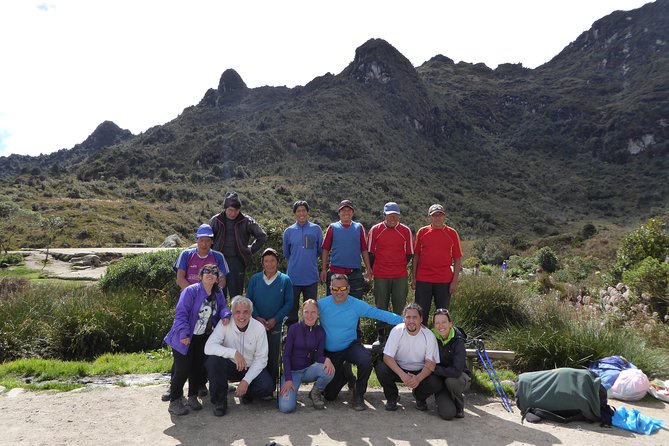
This tour calls itself private for your group, and that shows in how the experience can feel. When you are not mixed into a large crowd, you get room for questions. Your guide also can manage pacing better when someone needs a slower rhythm at altitude.
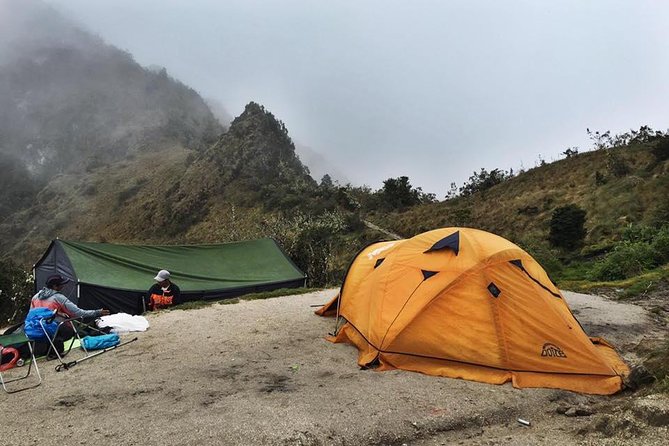
You also get proper camping support. You sleep in personal double tents described as a four-person tent setup for greater comfort. You will have air roll mattresses, plus tables and chairs, and separate tents for dining and toilets. That matters more than people expect. At the end of a steep day, “good enough” sleep is the difference between day 4 feeling inspiring or feeling like punishment.
The staff structure is also built for real trekking. You travel with an experienced bilingual guide, plus a trekking chef. Porters carry food, camping gear, and cooking equipment, so your pack can focus on what you personally need.
Food on the trail: more than fuel, it helps you keep moving
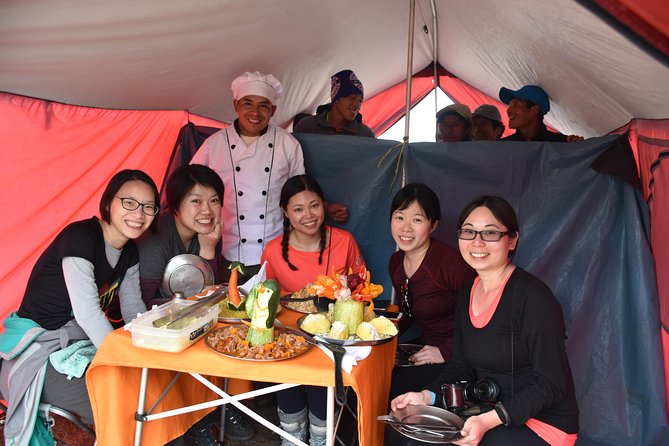
Food is one of the most praised parts of this trek. Past trekkers talk about the meals feeling like high-quality cooking, not the usual sad camping buffet. The idea is that you get energy you can actually use for steep walking.
Your included meals are 3 breakfasts, 3 lunches, and 3 dinners, plus afternoon hot beverages. That rhythm matters. On a trek, snacks and warm drinks are not a luxury. They are part of preventing you from slowing down too early.
One memorable detail from prior guests: one trek ended with an iced cake as part of a usual four-course meal on the last night. I do not promise you will get that exact dessert, but it does signal a style of camp service that takes morale seriously.
Price and value: what $825 really buys you
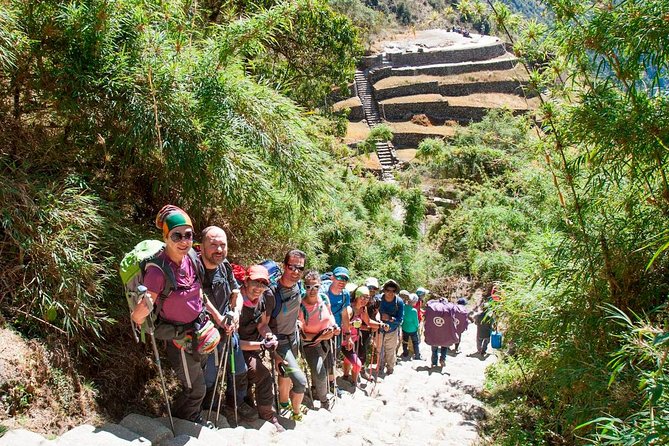
At $825 per person, this trek is not cheap. But it also includes the expensive and complicated parts that often inflate the true cost of “DIY” trekking: Inca Trail permits, Machu Picchu tickets, and the key transport back from Aguas Calientes to Ollantaytambo plus the transfer to Cusco.
It also includes the human infrastructure that makes the trail manageable: a bilingual guide, a trekking chef, and porters to carry the camping and cooking load. For many people, that is the difference between finishing and regretting.
What you should factor separately is what is not included: breakfast on day 1 and the last lunch in Aguas Calientes, plus travel insurance, tips, and an optional extra porter up to 7 kg for personal belongings. Also note missing gear: sleeping bag and hiking poles are not included.
So the value question is simple. If you want permits handled, a guided interpretation of the ruins, camp set up, and train return planned, this price starts to make sense. If you plan to do those pieces separately, you might beat the price, but you will lose time and certainty.
What to pack: water timing, missing gear, and smart altitude prep
The trek includes water every day, but with an important exception: you do not get water for the first four hours of the trek, so you need to bring your own for that early window. That is the kind of detail that can save your morning.
Gear-wise, you should plan for this not being a complete kit. Sleeping bag and hiking poles are not included, so bring what works for you. If you are unsure what temperature rating to choose for your sleeping bag, ask your outfitter based on Andean camping nights and expect cool conditions.
Altitude is also explicitly addressed in the tour notes. If you suffer from altitude sickness, bring any necessary medicine and consult your doctor before you go. That is not dramatic. It is practical. The route reaches high points around 3,800 m to 4,200 m, and early starts can make it feel even higher.
Altitude and fitness reality check, so you finish strong
This is a challenging hike. Day 2 includes the steep climb to Warmiwañusca at around 4,200 m. Day 3 climbs again to around 3,800 m. If you live at sea level, you should train for a steady uphill effort and accept that your pace will be slower than normal.
The good news is that you are not doing it alone. Guides are built into the experience, and porters handle camp load. Also, the hiking strategy is typically to go at the pace that your body can handle, and the kind of guiding that comes with this company is described as patient and focused on explanations, not rushing.
Still, be honest with yourself. If you want a trek that feels like an easy hike with occasional viewpoints, this is not that. If you want a physically demanding day-by-day adventure with meaningful rewards, this is built for you.
Who this trek fits best, and who might reconsider
This trek fits best if you:
- want a guided Inca experience rather than walking with only a map
- enjoy structured days with camp service and real meal breaks
- can handle altitude and steep hiking at high elevation
- travel as a couple or family, including ages 12 and up
It may be less fitting if you:
- have trouble with steep climbs or altitude, even with pacing
- rely on a shuttle-bus style of transport and do not want to think about logistics on the mountain side
- expect all camping comfort to replace the need for basic trekking readiness (sleeping bag and poles are on you)
Should you book this 4-day Inca Trail to Machu Picchu?
If you want the classic Inca Trail experience with solid camp support, guided ruins, and a clean handoff from trail to Machu Picchu to train back, I would book this kind of small-group package. The big strengths are the personal service, the way camp comfort is handled with air mattresses and setup, and the fact that key permissions and tickets are included.
I would only hesitate if your altitude tolerance is uncertain or if you are planning to go in undertrained. This trek is worth it when you respect the difficulty and use the structure to your advantage. If you prepare for the early start, bring the missing gear, and pace yourself on the climb, you give yourself the best shot at turning Machu Picchu into a real memory instead of a struggle.
FAQ
What time does the trek start?
The trek starts at 4:30 am. Pickup happens from your hotel, then you travel to the trail starting point at Km 82.
What does the tour include for camping and meals?
You get camping for 3 nights, plus meals including 3 breakfasts, 3 lunches, 3 dinners, and afternoon hot beverages.
Are Inca Trail permits and Machu Picchu tickets included?
Yes. Inca Trail permits and Machu Picchu tickets are included, along with the train from Aguas Calientes to Ollantaytambo and the bus transfer from Ollantaytambo to Cusco.
What should I bring since some gear is not included?
Sleeping bag and hiking poles are not included. Also note that you need to bring your own water for the first 4 hours of trekking.
What altitude and exertion should I expect?
The route includes major high points such as Warmiwañusca at about 4,200 m on day 2 and another high section around 3,800 m on day 3. The days include steep climbs and several hours of uphill walking.
Is vegetarian food available?
If you are vegetarian, you should advise at the time of booking.
What happens if I cancel?
This experience is non-refundable and cannot be changed for any reason. If you cancel or request an amendment, the amount you paid will not be refunded.
Recently reviewed around Cusco
- Cusco Cooking Class by ChocoMuseo in Cusco★ 5.0 · 29 reviews
- ATV Adventure to Moray and Maras Salt Mines – Half Day★ 4.5 · 29 reviews
- 1-day excursion to Machu Picchu from Cusco★ 5.0 · 29 reviews
- Private Tour Sacred Valley, Chinchero, Maras Moray, Ollantaytambo★ 5.0 · 29 reviews
- From Cusco: Humantay Lake with Breakfast and Buffet Lunch★ 4.5 · 29 reviews
- 4 Day – Inca Jungle to Machu Picchu★ 5.0 · 29 reviews
- 2-Day Machu Picchu Tour by Train from Cusco★ 4.5 · 29 reviews
- 2-Day Sacred Valley and Machu Picchu Tour By Train★ 4.5 · 29 reviews
Machu Picchu, compared.
Classic Inca Trail Trek 4D/3N to Machu Picchu (Group Service)
Read our review →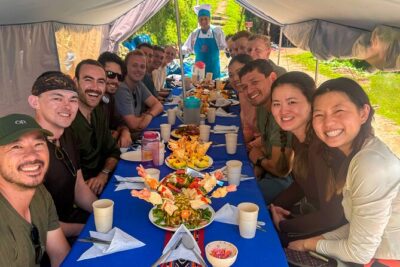
4-Day Inca Trail Trek with Panoramic Train Ride
Read our review →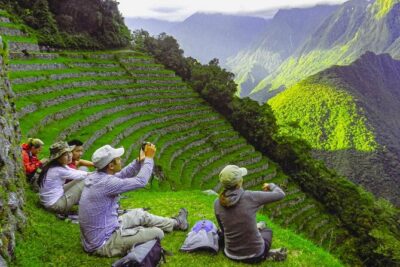
2-Day Inca Trail to Machu Picchu with Panoramic Train
Read our review →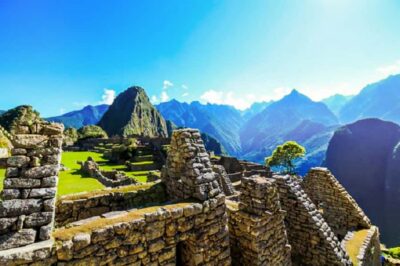

2-Day Tour: Sacred Valley and Machu Picchu by Train
Read our review →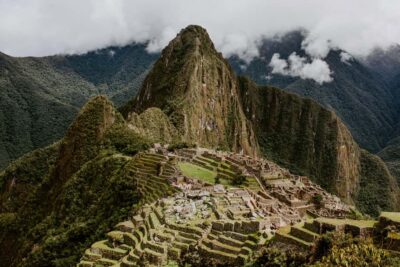
Browse the lists this tour appears in