
Reviewed · SALKANTAY TREK
4-Day Salkantay Trek with Sky Camp Stay
This trek is interesting because it trades the famous Inca Trail crowd pattern for a tougher, higher, more varied route to Machu Picchu, starting with Humantay Lake and ending with an early visit to the citadel. I like that it’s run as a small group (listed as up to 10, with some departures capped at 12), so your guide can actually keep an eye on the group. I also love the included Sky Camp night in glass-roofed igloos, built for stargazing after a big day.
My one big caution is that this is a challenging trek with a high pass and real altitude time. You’ll get the help you need from experienced staff, including guides like Freddy Apaza and Marcos who are praised for energy and attention, but you still need good fitness and a weather-friendly plan for Machu Picchu days.
Key highlights you’ll feel in real life
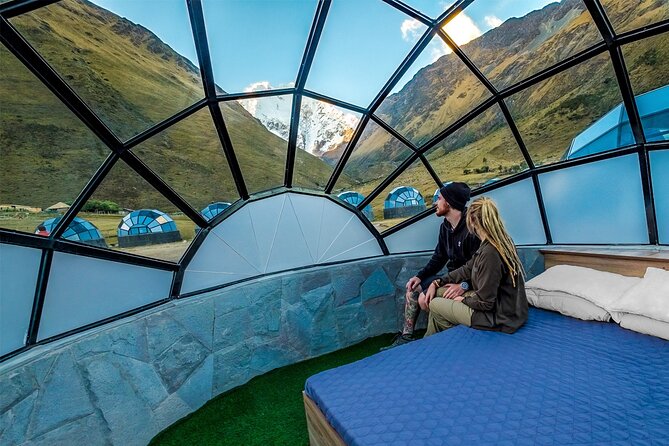
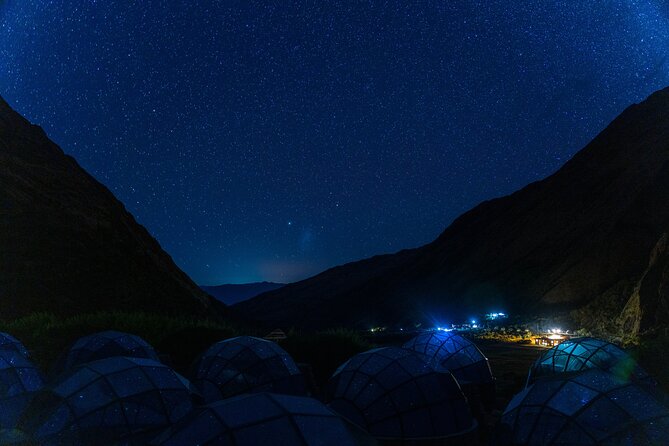
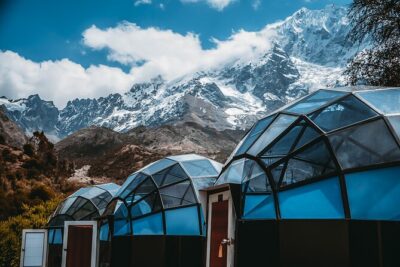
- Sky Camp’s glass-roofed igloos make night sky viewing part of the experience, not an afterthought
- Small-group pacing keeps things more personal on long days and in tighter spots
- Salkantay Pass at 4,630 m (15,190 ft) gives you big photo reward after hard effort
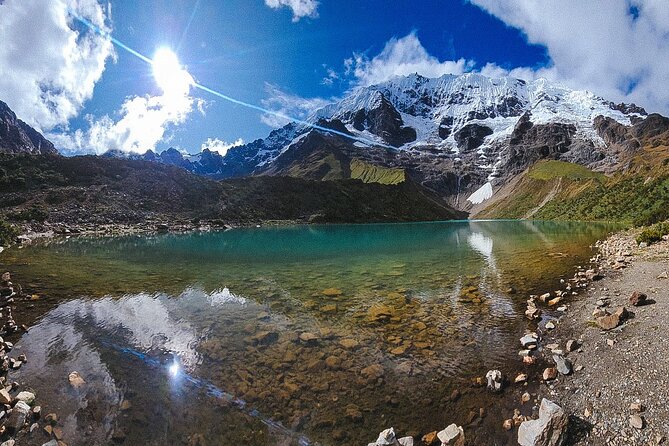
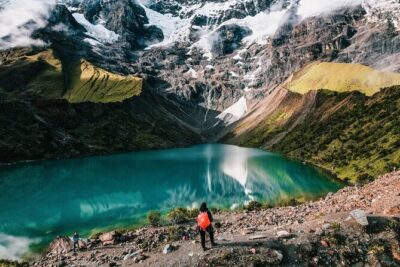
- Humantay Lake is a glacier-fed payoff hike with glacier and mountain views
- Machu Picchu early bus timing helps you beat the first big crowd wave
- Included porterage plus gear (like poles and sleeping bag) reduces what you carry
Why the Salkantay route changes the whole Machu Picchu experience
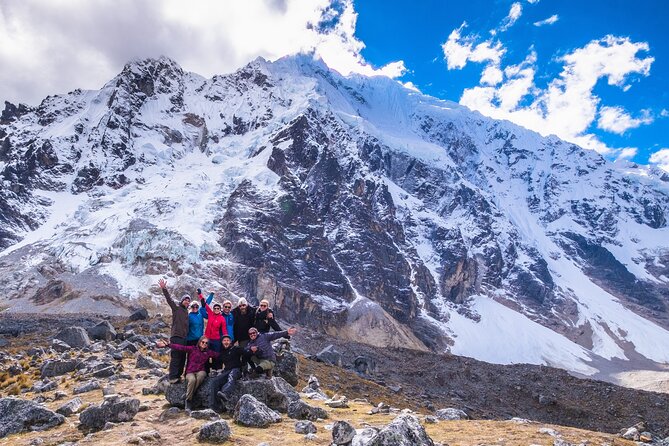
Most people think Machu Picchu starts when you reach Aguas Calientes. On this trek, Machu Picchu starts much earlier, in the gradual shift from Andean valleys to snow peaks, then down toward the humid cloud-forest edge. That matters because you arrive with your legs tired, your senses tuned, and the citadel feels earned.
The Salkantay approach also tends to feel more “you are moving through real terrain” and less like a queue with hiking boots. On a small-group format, your guide can manage the rhythm, stop for photos without rushing, and keep everyone pointed in the right direction when the route gets steep.
Just know that the route is physically serious. The itinerary includes long days, plus the highest moment on Salkantay Pass. If you want a gentle stroll, this is not it.
More Hiking & Trekking in Cusco
- Classic Inca Trail Trek 4D/3N to Machu Picchu (Group Service)
★ 5.0 · 8,653 reviews - Machu Picchu: 4-Day Inca Trail Trek with Panoramic Train Ride
★ 5.0 · 4,568 reviews - Salkantay Classic Trek 5 Days from Cusco
★ 5.0 · 4,062 reviews
Sky Camp igloos: the night you’ll remember when the hiking fades
The Sky Camp night is one of the clearest reasons to choose this exact style of Salkantay. You’re not just sleeping somewhere basic and calling it a day. You’re staying in igloos designed for stargazing, and the glass roof means the sky is part of your bedtime routine.
Day 1 ends with a full arc: you hike to Humantay Lake, then return to camp for dinner and sleep with a clear view of stars. That combination is a big value win because it turns a logistics stop into a memory maker.
Practical note: high-altitude nights can get cold. Even though the package provides a sleeping bag and you’ll be fed, dress as if it will be chilly and you might be outside briefly before crawling into your bag.
Day 1: Challacancha, valley views, then Humantay Lake
Day 1 starts early. You’ll travel for breakfast to Mollepata, then continue to the trek starting point at Challacancha. One detail to plan for: breakfast on Day 1 is listed as not included, even though you have a breakfast stop en route, so bring cash or check how your operator handles that stop.
The morning hike is about 3 hours on a moderate trail with valley views. You reach Soraypampa, where you settle into your igloo for the night. This is a good warm-up day: challenging enough to feel the mountains, not so punishing that you’re cooked before the lake.
In the afternoon, you tackle Humantay Lake. The itinerary lists a 3-hour round trail to the top. The payoff is glacier scenery and views of Humantay Mountain, which makes the climb feel purposeful instead of just uphill for the sake of it.
Back at camp, dinner and stargazing roll together. If you’re the kind of person who loves quiet moments after effort, this is where you’ll get them.
Day 2: Salkantay Pass at 4,630 m, then a climate shift
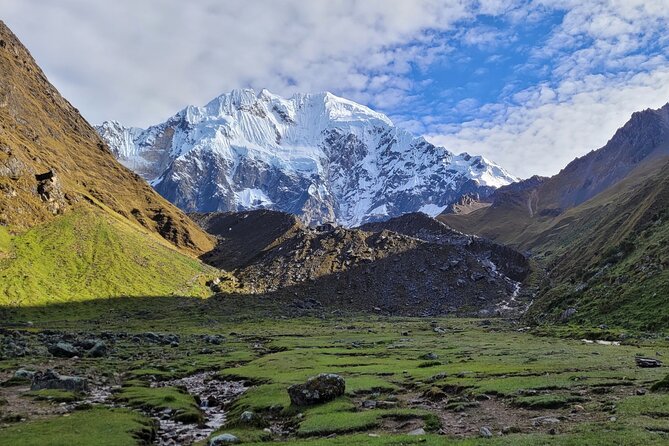
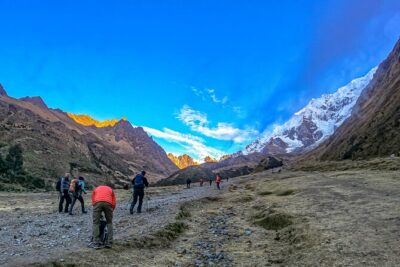
Day 2 is the hard day. You climb toward Salkantay Pass (4,630 m / 15,190 ft), and the top segment is listed as taking about 4 hours to reach. This is the moment when the trek stops being “a hike” and becomes “a test,” even if your pace is steady and your breaks are frequent.
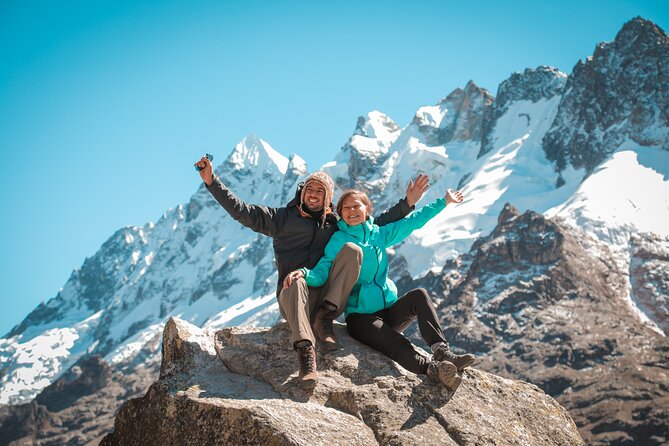
When you get up there, you’re rewarded with views of Salkantay Mountain and surrounding peaks, plus time for photos. Don’t underestimate how long it takes to feel normal at altitude once you start descending. Build in patience. You’ll be excited, but your body may still be adjusting.
After the pass, the route drops toward the green borders of the cloud forest. The itinerary calls out a drastic climate change between snow peaks and the edge of jungle. In real terms, expect your temperature and vegetation to shift fast, which can feel surprising if you packed only for one type of weather.
After a midway lunch, you finish at Chaullay for dinner and sleep in Andean huts. This is also the day where having a guide who reads the group matters. Small-group management helps, especially when you’re moving from cold to warmer air and your energy levels change.
More Salkantay treks:
- Salkantay Trek 5D/4N with Glass Cabins, Domes and Hobbit House
★ 5.0 · 2,488 reviews - 5-Day Premium Salkantay Trek
★ 5.0 · 788 reviews - Ultimate Salkantay Trek to Machu Picchu 5 Days
★ 5.0 · 588 reviews - Salkantay Trek to Machu Picchu 5 Days / 4 Nights by Glamping
★ 5.0 · 401 reviews
Day 3: High jungle wildlife, coffee farm time, and Hidroelectrica choices
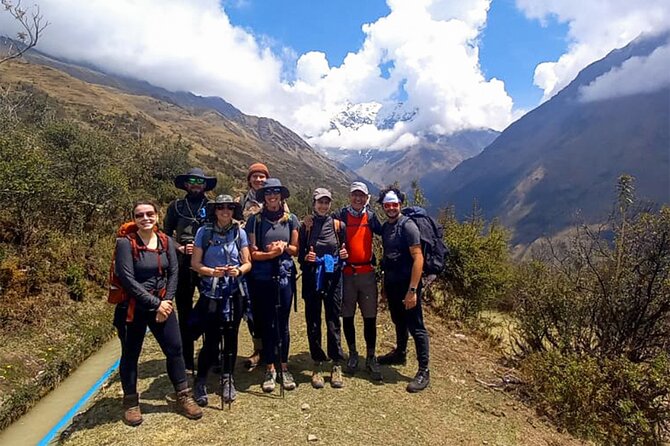
Day 3 starts with a hike to La Playa, and the route is described as crossing high jungle. The practical angle here is that the day can feel different from earlier: more living detail around you. The itinerary specifically notes you may spot birds and wild orchids found only there.
After lunch in La Playa, you stop at a nearby farm tied to coffee. You learn about coffee production, and you can join locals during harvest time, plus grind grains for your own cup. This is one of the best “culture in motion” moments because it’s not a museum stop. It’s hands-on and tied to how people actually make a living in these elevations.
Then comes the Hidroelectrica transfer, where you choose how you want to finish the day. You drive to the Hidroelectrica train station. From there, the itinerary offers two options:
- Continue with a 3-hour scenic hike on the rail tracks along the Urubamba River
- Or take the train to Aguas Calientes for an extra fee
That choice is real strategy. If you want a more active finish, the rail-track walk is scenic, but it can also feel like a long slog once you’re already tired. If you prefer to conserve energy for Machu Picchu morning, choose the train.
Once you arrive in Aguas Calientes, you’ll check in to your hotel or explore town, eat dinner at a restaurant, and rest early so you can wake before sunrise.
Day 4: Early Machu Picchu, optional mountain hikes, then back to Cusco
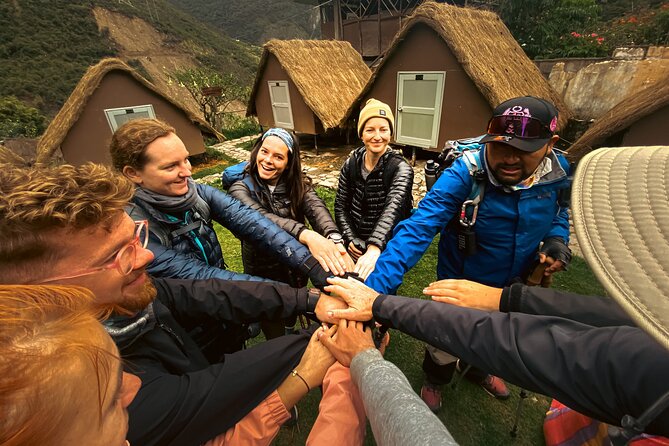
Day 4 is all about Machu Picchu, with timing that helps you beat the biggest crowd waves. The plan is to rise before dawn for the first bus to the citadel. That early start matters because you see key areas before the densest rush, and your guide can cover the “must-see” spots without feeling like you’re being swept along.
You get a 2 to 3 hour tour in the morning with your guide. It’s designed to hit the crucial parts, then you’ll have more time for photos. This structure is great for independent time, because you understand what you’re looking at before you wander.
You can also add a mountain hike if you want more views. The itinerary lists options for Huayna Picchu or the Machu Picchu mountain hike, but booking depends on availability. If you’re even slightly tempted, ask early, because permits and timing can be tight.
In the afternoon, you head down to Aguas Calientes for lunch at a restaurant, then board the tourist class train to Ollantaytambo. From there, you’ll have private transport back to your hotel in Cusco.
Price and what you truly get for $695
At $695 per person, this trek can feel like a lot until you look at what’s bundled. This price includes:
- An experienced mountain guide
- Hotel pickup and drop-off in Cusco
- Private transport and transfers during the tour
- Camping facilities and equipment for the trek
- Multiple nights of lodging (Sky Camp, Andean huts, and a hotel)
- Experienced cooks and porters
- 7 kg porterage for your personal gear (including a duffle bag)
- Water, snacks, and tea time
- Round-trip bus Aguas Calientes to Machu Picchu
- Tourist class train Aguas Calientes to Ollantaytambo
- Machu Picchu entrance ticket (Circuit 2, subject to availability)
- Safety gear: first aid kit, oxygen supply, and emergency satellite phones
- Trekking poles, sleeping bag, backpack cover, rain poncho
- Entrance ticket backup plan: if Circuit 2 is sold out, you get Circuit 1 or 3 at no extra cost (subject to availability)
- Most meals are included
Where you can save money is in the stuff that usually costs extra on many trekking packages. Here, gear, meals, transfers, and key entry logistics are baked in.
The one thing to be mindful of is what is not included. The package notes breakfast on Day 1 is not included, and lunch and dinner on Day 4 are not included. Also, the train option from Hidroelectrica to Aguas Calientes is an extra fee. These are not deal-breakers, but they are budget items you should plan for.
Pace, altitude, and fitness: be honest before you go
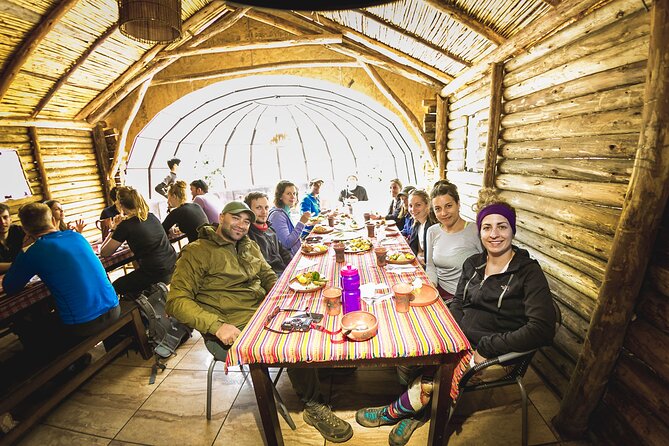
This is listed as a strong fitness trek, and the schedule backs that up. You’re hiking for roughly 4 hours to climb the pass on Day 2, then doing long mileage across multiple days, with around 9 to 10 hours on the tougher days.
The operator recommends arriving in Cusco at least 2 days before the trek to adjust to altitude. That advice is not a suggestion to skip. Cusco sits high, and your body needs time to acclimate before your first big climb.
Also, the start time is 4:30 am. That means you’ll be in motion early, and you’ll want to be in good shape before the first day even begins.
One review note worth taking seriously: people found the trek intense and said the difficulty level was not clear enough until later. So I’d treat this as fully challenging from the start. If you are unsure, you can also ask about support options. One review mentioned some hikers choose to make certain sections easier with horses for an extra cost, but that is not listed as included, so confirm in advance if you want that option.
Gear and safety on a real mountain: what’s covered
The kit list is practical. The tour provides:
- Trekking poles
- A sleeping bag
- Backpack cover
- Rain poncho
You also get 7 kg porterage, which is a huge help. Instead of you carrying everything, your bag and gear move with the porters within that weight limit. That gives your legs a better chance of feeling strong on the steep parts.
On safety, the package includes a first aid kit, oxygen supply, and emergency satellite phones. That doesn’t remove the risk of altitude or bad weather, but it does mean you are not trekking in a “hope it’s fine” situation.
Machu Picchu tickets and circuits: how to plan without stress
Machu Picchu entrance is included, and Circuit 2 is the default when available. If Circuit 2 is sold out on your date, you’ll get access to Circuit 1 or 3 at no additional cost, subject to availability.
That backup plan matters because Machu Picchu is one of those places where timing and access can be picky. If you’re traveling in a busy season, you’re already playing a schedule game, and having a built-in fallback reduces stress.
You still should think about the day before you go to Machu Picchu. This itinerary sends you to an early morning visit, so you’ll want a calm night before, not late plans in town.
Who this trek is for, and who should skip it
This trek suits you if you want a real hike that ends at Machu Picchu, and you like routes that feel varied day to day. It’s also a good match if you enjoy small-group attention and you want time for photos without feeling like you are sprinting.
You should consider skipping if you do not feel confident with strenuous hiking, long days, and altitude exposure. This is not a casual weekend plan. The package also notes it requires good health and physical shape to enjoy the adventure fully.
Should you book the 4-day Salkantay Trek with Sky Camp Stay?
I’d book it if your idea of a great trip includes hard scenery, early mornings, and a night where you can actually look up at the stars after earning it. The value is strong because the price covers guides, gear, porterage, lodging, most meals, and the core Machu Picchu transport and ticketing.
I would not book it if you want flexible last-minute changes, or if your fitness level is more “I can do a long walk” than “I can handle steep altitude days.” Also, since the experience is non-refundable and cannot be changed for any reason, take your dates seriously. If weather turns bad and the operator cancels due to poor conditions, you should get offered a different date or a full refund, but you still need to choose with care.
If you want Machu Picchu with a story that starts in the clouds and ends in stone, this is the kind of plan that delivers.
FAQ
What time does the trek start?
The meeting point/start time is 4:30 am.
Is pickup included in Cusco?
Yes. The tour includes hotel pickup and drop-off.
How many people are in the group?
It’s listed as a small-group experience, with a maximum of 10 in the highlights, and a maximum of 12 in the additional info.
Where do you sleep each night?
You have 1 night at Sky Camp (igloos), 1 night at Andean huts, and 1 night at a hotel.
Are Machu Picchu entrance tickets included?
Yes. Entrance is included, with Circuit 2 subject to availability. If Circuit 2 is unavailable, you’ll receive Circuit 1 or 3 at no extra cost, subject to availability.
Can I hike Huayna Picchu or Machu Picchu mountains?
Yes, but it’s not included. You can book extra mountain hikes (Huayna Picchu or Machu Picchu) subject to availability.
What gear and safety items are provided?
You get trekking poles, a sleeping bag, a backpack cover, and a rain poncho. Safety includes a first aid kit, oxygen supply, and emergency satellite phones. Porterage of 7 kg for personal gear is also included.
Recently reviewed around Cusco
- Cusco Cooking Class by ChocoMuseo in Cusco★ 5.0 · 29 reviews
- ATV Adventure to Moray and Maras Salt Mines – Half Day★ 4.5 · 29 reviews
- 1-day excursion to Machu Picchu from Cusco★ 5.0 · 29 reviews
- Private Tour Sacred Valley, Chinchero, Maras Moray, Ollantaytambo★ 5.0 · 29 reviews
- From Cusco: Humantay Lake with Breakfast and Buffet Lunch★ 4.5 · 29 reviews
- 4 Day – Inca Jungle to Machu Picchu★ 5.0 · 29 reviews
- 2-Day Machu Picchu Tour by Train from Cusco★ 4.5 · 29 reviews
- 2-Day Sacred Valley and Machu Picchu Tour By Train★ 4.5 · 29 reviews
Salkantay Trek, compared.
Salkantay Trek 5D/4N with Glass Cabins, Domes and Hobbit House
Read our review →
Ultimate Salkantay Trek to Machu Picchu 5 Days
Read our review →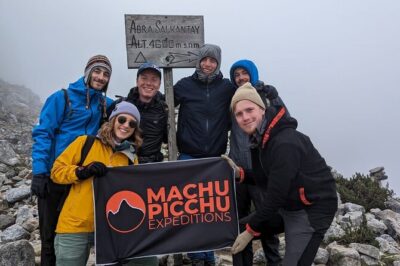
Salkantay Trek to Machu Picchu 5 Days / 4 Nights by Glamping
Read our review →
Humantay Lake and Salkantay Pass Trek – 2 Days / 1 Night
Read our review →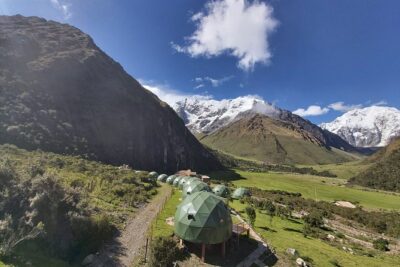
Salkantay Trek 5 days to Machu Picchu by Glamping Sky Lodge Dome
Read our review →Browse the lists this tour appears in