
Reviewed · MACHU PICCHU
4 Days Inca Trail To Machu Picchu
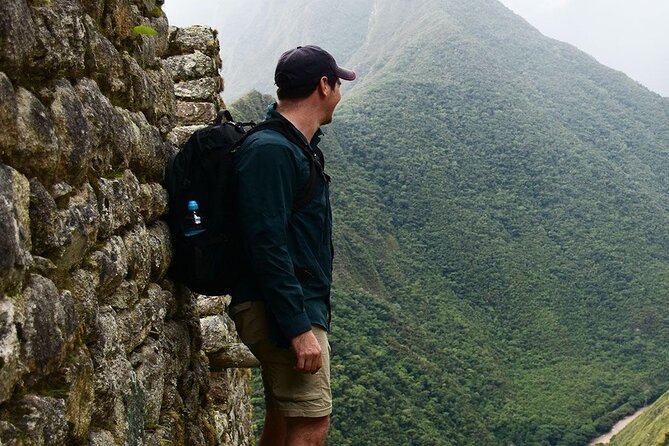
This 4-day Inca Trail experience is interesting because it blends real high-altitude hiking with real guided time at Machu Picchu, including your approach through the Sun Gate. You get the full arc, early-morning checkpoints, Inca passes, camp nights, then the payoff of arriving at Machu Picchu after 4 days of effort.
I love that you start with a very organized early pickup in Cusco and a clear plan for day-to-day walking. I also love the guided structure at Machu Picchu, where you get a long guided tour, then time to wander and take photos.
One possible drawback is that this trek takes moderate physical fitness seriously. Day 2 includes the hardest climb up to the trail’s high pass, and you should also expect basic camp conditions with no hotel comfort.
Key highlights to know before you go
- Small group size (max 15) helps keep the pace manageable and the experience personal.
- Hotel pickup around 4:20 am means an early start, but it also means you are on trail at the right time.
- 3 nights tent camping are included, with a tent for two and a foam mattress per person.
- Warmiwañiusca Pass and altitude work are the real test of the itinerary.
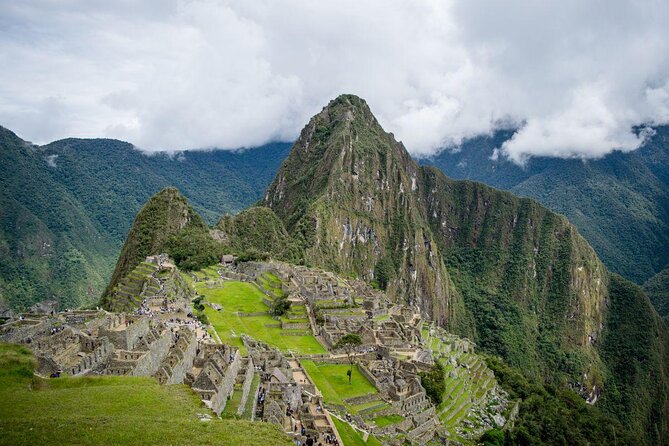
- Sun Gate approach to Machu Picchu plus guided tours and photo time gives you both context and freedom.
- Transfers via train and bus are included, so you focus on hiking and sites, not scheduling.
Value and price: what $725.20 really covers
At $725.20 per person for roughly 4 days, you are not just buying a hike. You are buying logistics, safety in a controlled group, and the two big-ticket site components: Inca Trail access and Machu Picchu entry (tickets included subject to availability). When you compare that to DIY travel, the cost starts to look more reasonable because the trek depends on permits, schedules, and timing.
What stands out as good value is that the price includes core “on the trail” basics: 3 breakfasts, 3 dinners, 4 lunches, and snacks (3 times). It also includes your sleeping setup with a tent and foam mattress, plus the round-trip train and bus transport used to move between Aguas Calientes, Machu Picchu, and the train connection back toward Cusco.
What is not covered is the usual add-on stuff. Sleeping bags and walking sticks are not included, though they can be rented. And meals not specifically listed as included are on you. Finally, tips for the team are optional, but you should budget a little mental space for that if you want to thank the guide, porters, and chef.
More Inca Trail departures:
- Classic Inca Trail Trek 4D/3N to Machu Picchu (Group Service)
★ 5.0 · 8,653 reviews - Machu Picchu: 4-Day Inca Trail Trek with Panoramic Train Ride
★ 5.0 · 4,568 reviews - Short Inca Trail to Machu Picchu 2D/1N
★ 5.0 · 3,007 reviews
Cusco pickup, passport check, and why your morning starts so early
You’ll get picked up from your hotel in Cusco around 4:20 am. From there, the group heads toward the trail access point at km 82, where you go through a checkpoint and show your passport before walking starts.
Here’s why this matters for your trip. The earlier you start, the more you avoid the worst crowds and heat later in the day. Also, the Inca Trail is time-based and permit-based, so starting when scheduled is not a detail, it is the trip.
Once you begin walking, expect the first day to feel like an “intro,” not a full-day suffer-fest. You walk for about 2 hours to Patallacta, where you meet porters and partners and have lunch. Then you continue on to camp at Huayllabamba for dinner and the night.
Day 1 from Km 82 to Huayllabamba: Patallacta lunch and gentle altitude prep
Day 1 is built to get you moving without crushing you immediately. After pickup and the km 82 checkpoint, you walk for roughly 2 hours to Patallacta. This is where you “reset” as a group, meet your team, and refuel.
At Patallacta, you’ll have lunch and then keep walking until you reach Huayllabamba camp, where dinner is served and you sleep. You are still working at altitude, so it is not a stroll, but it is the day you can use to find your pace.
A practical tip: keep your effort steady and slightly underpowered. The Inca Trail rewards rhythm more than speed. Save your legs for the pass day.
Day 2 Warmiwañiusca Pass: the hardest climb and the big emotional payoff
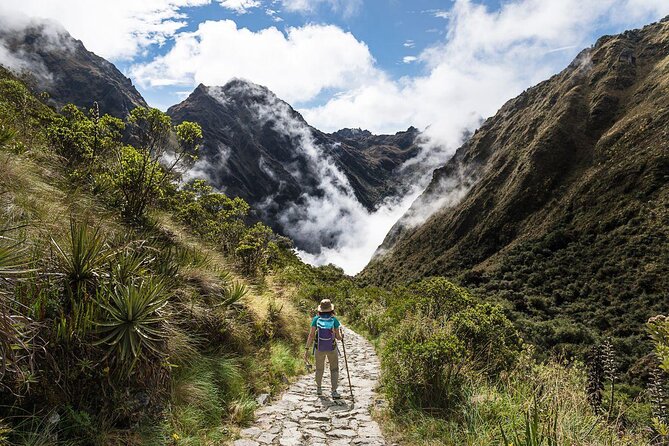
Day 2 is the day most people remember. After breakfast, the itinerary heads into the toughest stretch toward the trail’s high point at 13,779 feet. After about 3 hours of walking, you reach Warmiwañiusca, a pass often associated with the meaning dead woman.
Once you reach the top, you’ll feel that classic reward moment: breath back under control, pride rising, and the sense that the hardest work is done for the trip. Then you’ll have lunch and begin descending toward Pacaymayo, where you eat dinner and sleep.
The key consideration here is not bravery. It is pacing and energy management. If you go out too hard, the pass day becomes harder than it needs to be. If you walk consistently, take short breaks, and treat the climb like a series of steps rather than one giant wall, you will set yourself up for a stronger day 3 and an easier arrival into the final day.
More ways to reach Machu Picchu:
- 2-Day Inca Trail to Machu Picchu with Panoramic Train
★ 5.0 · 1,876 reviews - From Cusco: Full-Day Group Tour of Machu Picchu
★ 4.7 · 1,767 reviews - Machu Picchu Day Trip from Cusco
★ 4.5 · 1,644 reviews - 2-Day Tour: Sacred Valley and Machu Picchu by Train
★ 5.0 · 1,127 reviews
Day 3: Runcurakay, Chaquicocha, Phuyupatamarca, and Wiñaywayna
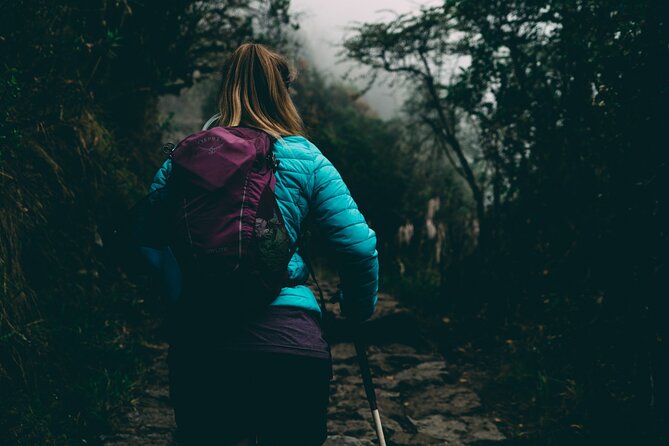
Day 3 has the mix that makes the Inca Trail feel like more than a workout. You’ll have breakfast, then walk for about 15 kilometers. Along the way you pass Runcurakay and Chaquicocha, stopping for lunch at Chaquicocha.
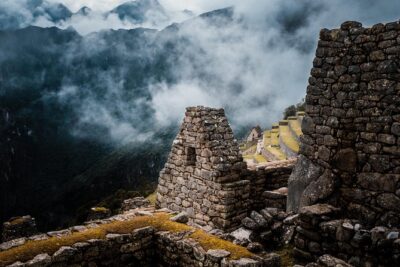
From there, you continue to Phuyupatamarca, often described as the city above the clouds. It’s one of those places where the altitude and weather can change your experience quickly, so be ready for shifting visibility. After Phuyupatamarca, you reach Wiñaywayna, where dinner is served and you spend the night.
The best part of this day is how it layers Inca sites with your daily effort. You are still hiking, but the route keeps rewarding you with ruins and viewpoints. The less-good part is that day 3 can still feel like work, even if it is not the pass-day. If you can, keep your hydration consistent and avoid letting the day’s miles sneak up on you.
Day 4: Inti Punku Sun Gate, Machu Picchu guided time, and Aguas Calientes lunch
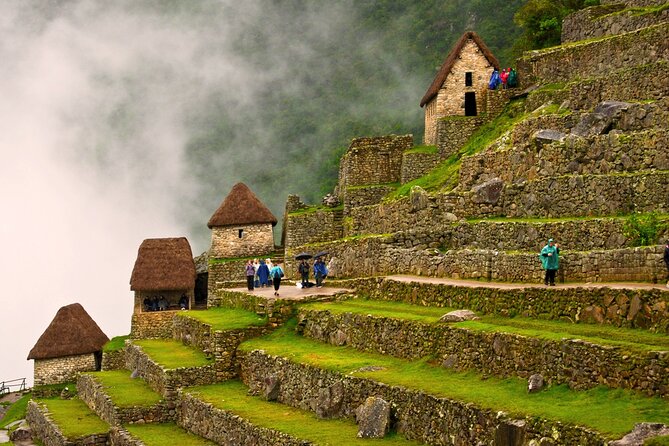
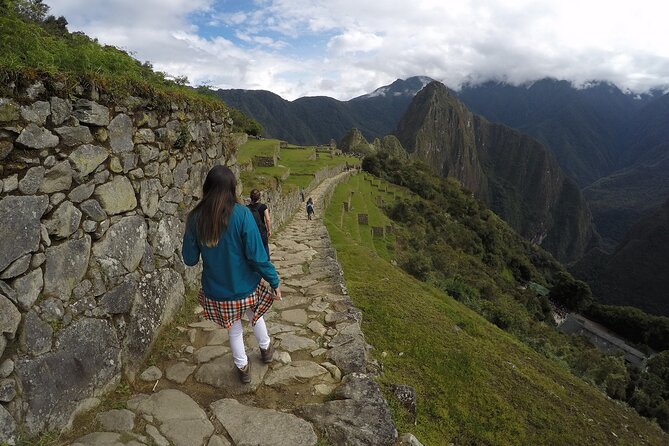
Day 4 starts with the moment you came for. You’ll walk through Inti Punku, the Sun Gate, which acts like the ceremonial entrance point to the Machu Picchu citadel. Then you head down toward Machu Picchu at about 7,970 feet.
You’ll show your entry ticket, then get a guided tour lasting 2 hours and 30 minutes. After that, you’ll have free time to explore on your own and take photos.
Next comes another guided block: the Historic Sanctuary of Machu Picchu, with a tour lasting about 3 hours. The day includes more time to take photos and explore again afterward, which is a big deal. A long guided session gives you context, but the best photos often come from wandering for a bit once you understand what you are looking at.
After Machu Picchu, you return to Aguas Calientes for lunch. Then you head to the train station and ride the train back to Ollantaytambo. A representative from Chullos Travel Peru waits with a sign for your group and handles the onward transfer back to Cusco and your hotel.
A practical note: Machu Picchu days can feel long, even when the hike part is “over.” You are still moving on schedule, so plan to keep your energy up with snacks, water, and simple layers.
Guides and camp meals: where this trip earns its 5-star momentum
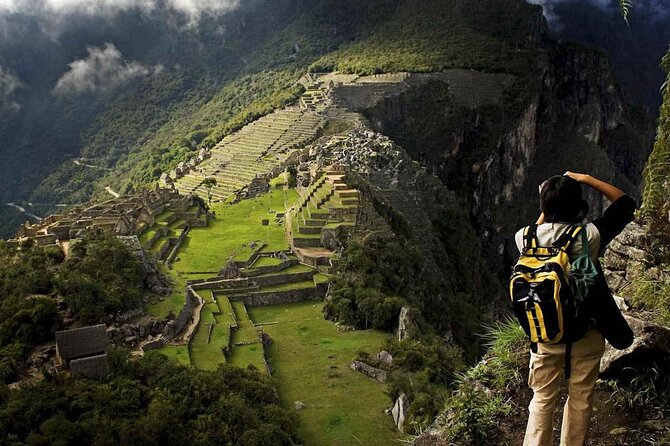
The organization on this trek tends to be a big part of why people rate it so highly. You’re hiking with a group guide, plus a team on the logistics side, and that is exactly what you want on the Inca Trail. The reviews tie strong service to guides who speak fluent English and stay upbeat, which makes a real difference when you are tired.
Food is another standout. The meals are substantial, and the structure is clear: breakfast, lunch, dinner. In one group, the chef Dante prepared multi-course meals that felt more like a restaurant experience than simple camp food. Even if you do not get Dante, the point is the same: this company seems to prioritize quality and variety, not just calories.
For camp conditions, keep expectations realistic. One recurring theme is that facilities are basic, with limited comfort. You might find bathrooms and showers, but you should expect an adventure vibe and no electrical convenience like you would get in a hotel.
Tents, sleeping setup, and the gear you may still need
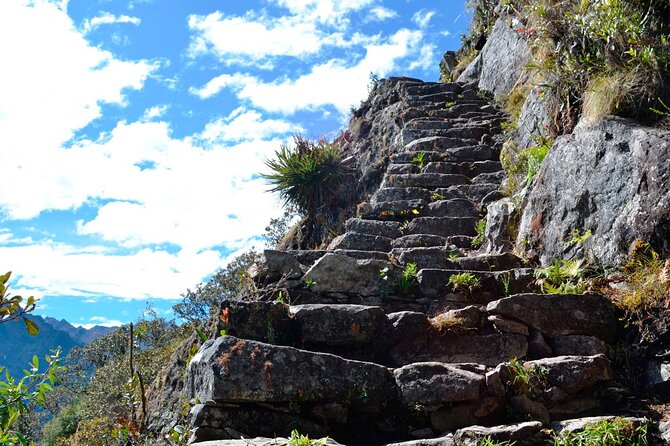
Your sleeping setup is included with a tent for two travelers and a foam mattress per person. That is helpful because it reduces the packing burden.
But you should plan for what is missing. A sleeping bag is not included, and walking sticks can be rented from the provider. On a mountain trek, that matters. Cold nights at altitude can be a shock if your sleeping system is weak.
I recommend you bring layers that you can compress in your day bag, plus rain protection if you run into wet conditions. The trail can be unpredictable, and you do not want to be stuck with one damp layer.
Also, pack for day use. You will be hiking multiple days, and you’ll appreciate a system that lets you access water, snacks, and a warm layer quickly.
Train and bus connections: less stress after you earn your Machu Picchu moment
Most people picture the Inca Trail hike as the whole story, but the ending matters too. This itinerary includes the train ticket between Ollantaytambo and Aguas Calientes, plus the bus ticket used for the Machu Picchu route area.
That’s the value of having transport handled for you. After day 4, you are already tired. The last thing you want is extra ticket hunting or confusing timetables.
The handoff at Ollantaytambo is also a relief. You will have a representative from Chullos Travel Peru waiting with your group’s sign and names, then you’ll transfer back to Cusco.
Who this Inca Trail to Machu Picchu trek is best for
This trek is best for you if you want a guided Inca Trail that ends with a serious Machu Picchu experience. The group size cap of 15 travelers helps keep things from turning chaotic, and the guided tours at Machu Picchu give you the “what am I seeing?” answers that make photos much better.
You should have moderate physical fitness. The itinerary is not described as casual, and day 2 includes a major climb to a very high pass. If you can hike several hours steadily and you understand that altitude changes effort, you are a good match.
If you want a lighter day by day experience, you might feel more comfortable choosing a different trek style. But if you are excited by the idea of arriving at Machu Picchu through Sun Gate, this one fits the vibe.
Should you book this 4-day Inca Trail to Machu Picchu tour?
I’d book it if your priority is a guided, well-paced trail experience with camp comfort basics included, plus long guided time at Machu Picchu. The pricing looks fair because it bundles entry access and the infrastructure around it, not just a walking route. And the camp meals add real value, especially if food is part of what makes travel memorable for you.
I would think twice if you do not want early mornings or you are not ready for a tough day 2 climb. Also note that entrance tickets are included subject to availability, so you should confirm details at booking.
One more reality check: this kind of trip books early. The tour is on average reserved about 99 days in advance, so if Machu Picchu timing matters to you, do not wait for the last minute.
FAQ
What fitness level do I need for the 4-day Inca Trail to Machu Picchu?
The tour says you should have a moderate physical fitness level. Day 2 includes the hardest part of the hike, walking up toward the highest point on the trail and crossing Warmiwañiusca pass.
What is included in the price?
The package includes 3 breakfasts, 3 dinners, 4 lunches, and snacks (3 times), plus a tent for two travelers and a foam mattress per person. It also includes Inca Trail and Machu Picchu entrance tickets (subject to availability), guided tours at Machu Picchu, and transport including a round train ticket Ollantaytambo to Aguas Calientes and a round bus ticket Aguas Calientes to Machu Picchu.
Do I need to bring a sleeping bag or walking sticks?
A sleeping bag and walking sticks are not included, but they can be rented from the provider. The itinerary includes a tent and a foam mattress, so you still need a sleeping bag for overnight comfort.
What time does the tour pickup happen in Cusco?
You are picked up from your Cusco hotel around 4:20 am on the first day.
Is there a limit on group size?
Yes. The tour/activity has a maximum of 15 travelers.
Can I cancel for a full refund?
Yes, you can cancel for free up to 24 hours in advance for a full refund. If you cancel less than 24 hours before the experience’s start time, the amount paid is not refunded.
Recently reviewed around Cusco
- Cusco Cooking Class by ChocoMuseo in Cusco★ 5.0 · 29 reviews
- ATV Adventure to Moray and Maras Salt Mines – Half Day★ 4.5 · 29 reviews
- 1-day excursion to Machu Picchu from Cusco★ 5.0 · 29 reviews
- Private Tour Sacred Valley, Chinchero, Maras Moray, Ollantaytambo★ 5.0 · 29 reviews
- From Cusco: Humantay Lake with Breakfast and Buffet Lunch★ 4.5 · 29 reviews
- 4 Day – Inca Jungle to Machu Picchu★ 5.0 · 29 reviews
- 2-Day Machu Picchu Tour by Train from Cusco★ 4.5 · 29 reviews
- 2-Day Sacred Valley and Machu Picchu Tour By Train★ 4.5 · 29 reviews
Machu Picchu, compared.
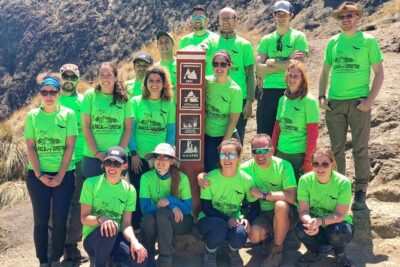
Classic Inca Trail Trek 4D/3N to Machu Picchu (Group Service)
Read our review →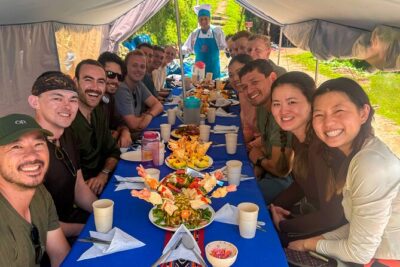
4-Day Inca Trail Trek with Panoramic Train Ride
Read our review →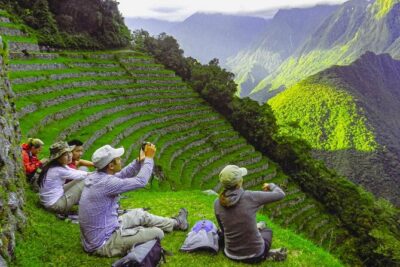
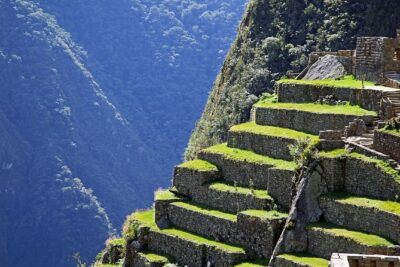
2-Day Inca Trail to Machu Picchu with Panoramic Train
Read our review →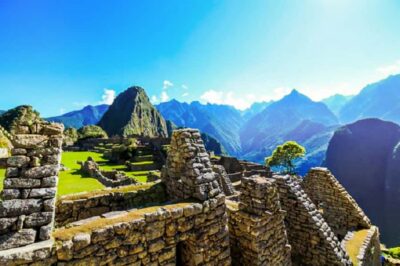

2-Day Tour: Sacred Valley and Machu Picchu by Train
Read our review →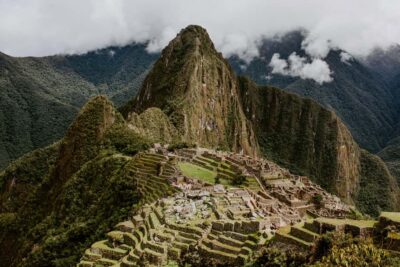
Browse the lists this tour appears in