
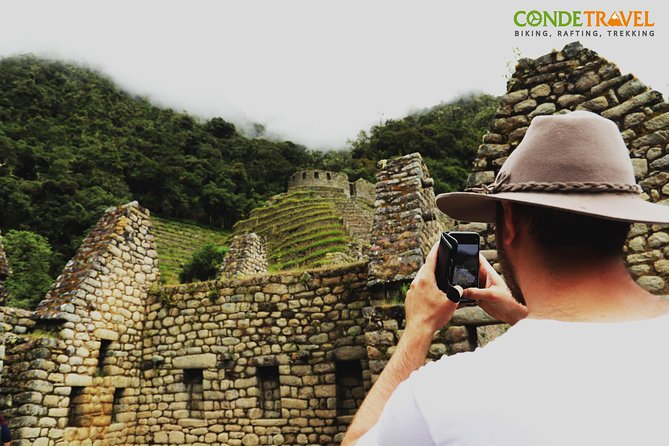
Reviewed · MACHU PICCHU
4-Days Inca Trail Trek to Machu Picchu
A 4-day Inca Trail trek is one of those rare trips that feels like both a workout and a museum walk at altitude, then ends with Machu Picchu from Inti Punku. It is a smart option when you want the classic feeling of the Inca Trail without committing to a longer trek.
I love the mix of real Inca ruins along the way, from Llactapata to Sayacmarca, so the hike stays interesting even when you are tired. I also love that you get real logistics support, with a bilingual guide, a private cook and assistants, and camping gear handled for you.
One thing to consider: you still face altitude and steep steps, and the camp setup is built around shared two-person tents, so privacy is not the strongest suit if you are a solo traveler or picky about sleeping arrangements.
Key highlights worth knowing
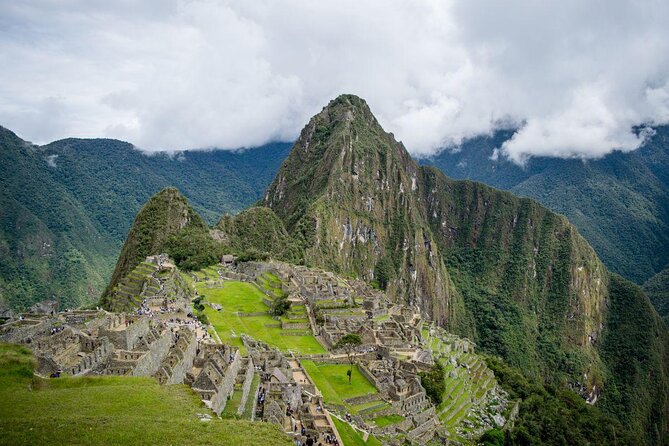
- Inti Punku before Machu Picchu: you reach the Sun Gate route first, with big views over Machu Picchu.
- High points and ecosystem changes: Warmiwañusca around 4200 mt sets up a shift from dry puna to higher jungle zones.
- Camp near the river in Pacaymayo Valley: classic “camping on the Inca Trail” rhythm, with the day ending in Wiñay Huayna or nearby.
- Smaller-group feel: a maximum of 15 travelers helps keep the pace and photo stops manageable.
- Food and comfort are included: chairs, dining tables, a dining tent, and multiple breakfasts, lunches, and dinners.
- Machu Picchu time with a guide: a 2-hour guided circuit plus free time to explore on your own.
Four Days of Inca Route, Ending at Machu Picchu from Inti Punku
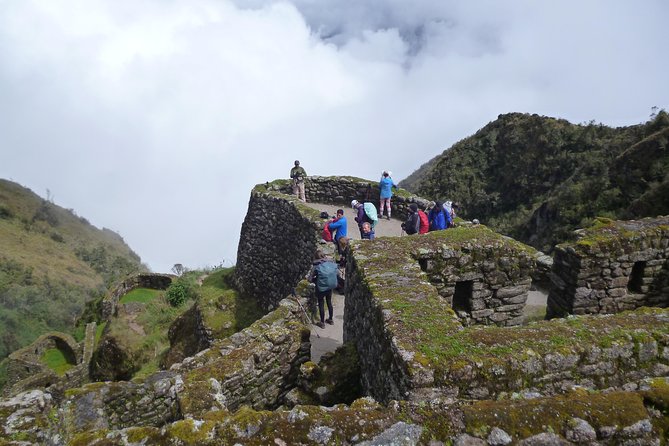
This trek is the kind of “big trip” that fits into a shorter window. You start in the Cusco region very early, hike over multiple high points, camp two nights on the trail, and finish with a guided Machu Picchu visit. The Inti Punku approach matters because it changes the first moment you see the site, giving you that top-down, almost cinematic view.
It is also set up as a family-friendly adventure in the sense that the route and support are designed for a range of ages and experience levels. The guide and porter team do a lot to make it feel organized, not chaotic. Still, it is not a walk in the park. You are hiking in thin air, on uneven ground, and often on stairs, so you want to go in with eyes open.
More Hiking & Trekking in Cusco
- Classic Inca Trail Trek 4D/3N to Machu Picchu (Group Service)
★ 5.0 · 8,653 reviews - Machu Picchu: 4-Day Inca Trail Trek with Panoramic Train Ride
★ 5.0 · 4,568 reviews - Salkantay Classic Trek 5 Days from Cusco
★ 5.0 · 4,062 reviews
Morning Logistics: Cusco pickup, Km 82, and the Llactapata warm-up
Plan for an early wake-up. The tour notes a start time around 4:00am, with hotel pickup in the Cusco area around 5:00am. That gap is normal in Cusco, where pickup times depend on where you are staying.
From there, you head toward Km 82 and begin your trek. Day 1 is an ascent for about 3 hours (around 10 km), ending at Llactapata, an archaeological site that works as a high-energy kickoff. You get lunch there, then continue for a short push toward Huayllabamba, an isolated Andean community.
Why Day 1 is a big deal: it is not just “warming up.” It gets your body moving before the harder passes, and it also gives you early Inca context. Sites like Piscacucho, Llactapata, and Huayllabamba help you understand that you are walking an Inca corridor, not just climbing mountains for a final reveal.
Dinner on Day 1 is made around 7:00pm, and vegetarian options are available. That matters because food quality and timing affect your next day’s energy more than people expect.
Day 2 Warmiwañusca to Pacaymayo Valley: high pass views and real trail work
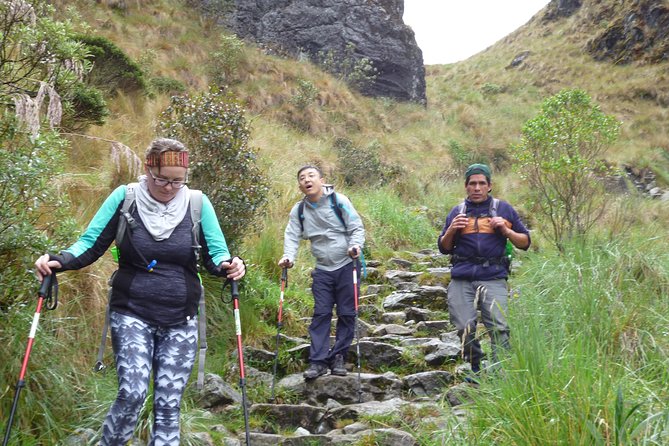
Day 2 starts with breakfast, then you climb for about 4 hours (around 10 km) to Warmiwañusca, around 4200 mt. This is the big altitude moment of the trek. The benefit of reaching the pass is that you start seeing different ecosystems. The route shifts from dry puna mountain grasslands to higher jungle zones, which keeps the scenery changing instead of turning into one long gray grind.
After lunch, you descend about 3 hours (around 9 km) into the Pacaymayo Valley. This is where you feel the trail’s texture: wooden bridges, tunnels, and rocky steps. It is a mix of wet footing, careful footing, and that slightly numb feeling your legs get when you are going down for a long stretch.
Then you camp near the river. You will have dinner and sleep in the Pacaymayo Valley campsite area (listed as around 3350 masl). For many people, this is the “real Inca Trail” feeling because camping is part of the experience, not an add-on.
Day 3 Ruins and rhythm: Runkurakay, Sayacmarca, and Wiñay Huayna camping
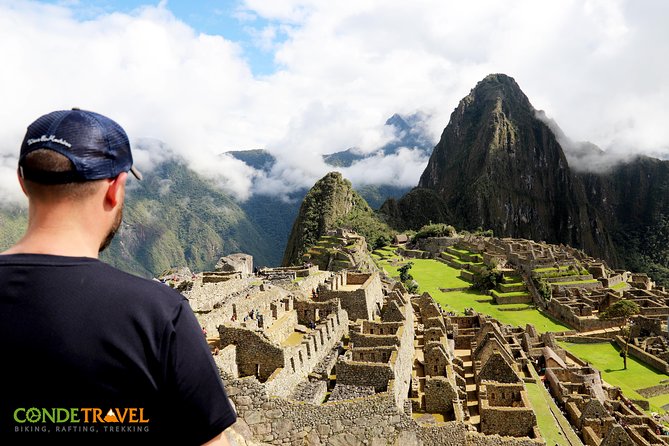
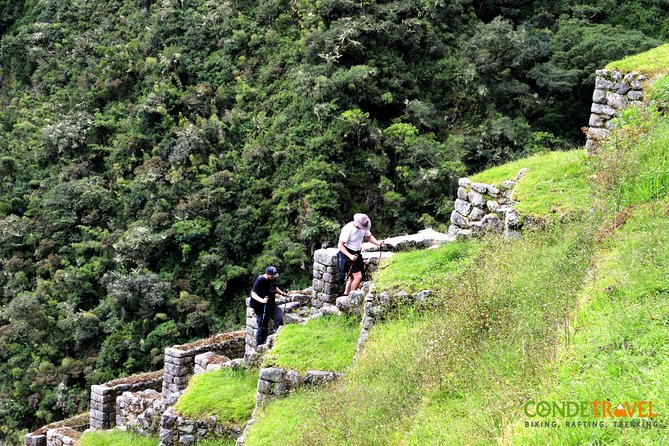
Day 3 begins with breakfast, and your morning is built around archaeology. You descend for about 45 minutes while exploring Runkurakay, then visit the Inca citadel of Sayacmarca. This is one of those sections where the hike slows down naturally because you are stopping to look and listen.
After that, the route heads toward Puya Patamarka for lunch. You then continue walking for around 2 hours until reaching Wiñay Huayna.
The camping part is important for planning: if you booked at least 6 months ahead, you may have the chance to set up camp at Wiñay Huayna. If not, you camp at Puyapatamarka instead. Either way, you end the day in an area close to the final Machu Picchu approach, which helps the last day feel like a natural finish rather than a sudden jump.
Dinner is served around 7:00pm. If you are the type who worries about “will we be fed well,” you should feel better about this tour. The included cooking team is one of the strong points, and multiple guide and chef comments in the feedback focus on how good the meals were after hard hiking days.
More Inca Trail departures:
- Short Inca Trail to Machu Picchu 2D/1N
★ 5.0 · 3,007 reviews - 2-Day Inca Trail to Machu Picchu with Panoramic Train
★ 5.0 · 1,876 reviews - Inca Trail 4-Day 3-Night Trek to Machu Picchu with Expert Guides
★ 5.0 · 733 reviews - Cusco: 4-Day Inca Trail to Machu Picchu with Accommodation
★ 4.8 · 432 reviews
Day 4 Inti Punku, Machu Picchu, then the run back to Cusco
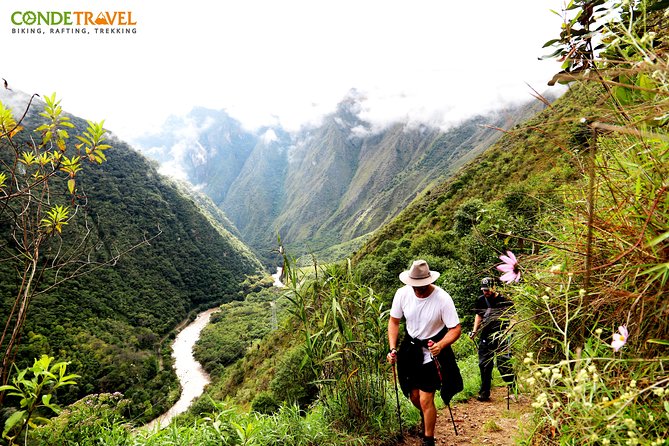
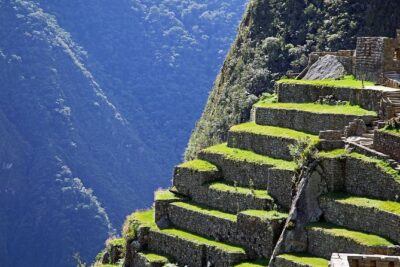
Wake up around 5:00am again, then after breakfast you hike about 1 hour, ascending through high jungle to Inti Punku, the Gate of the Sun. This is your alternative access point to Machu Picchu. When it works well, it feels like a reveal timed perfectly to your fatigue level: you get there, catch your breath, then see the full archaeological marvel spread out.
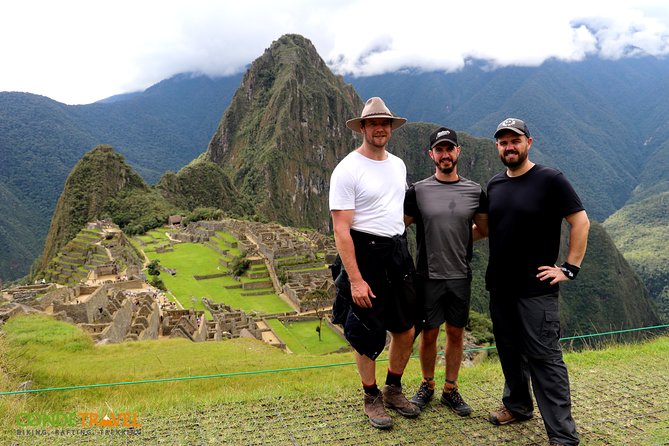
After arriving, you get a 2-hour guided tour of Machu Picchu. You visit the main sites, then you get free time to explore on your own. That split is practical. A guide helps you understand what you are looking at, and free time lets you revisit your favorite spots, take photos from the angles you care about, and pace yourself without listening to someone talk for every minute.
Later in the afternoon, you walk down to Aguas Calientes. Everyone meets at the train station about 30 minutes before departure to Ollantaytambo. From there, a private bus takes you back to Cusco, ending at the Plaza de Armas.
This “get you back on schedule” piece is one reason shorter Inca Trail options can be less stressful than planning everything yourself. You do still have a packed day, but you do not have to coordinate trains, local transport, and transfers while your legs are already tired.
What’s Included on Trekking Days, and What You Still Need to Bring
This trip handles a lot of the heavy lifting for you, literally. You get:
- Porters to carry camping equipment
- Chairs and dining tables
- Tents for 2 persons plus mattresses
- A roomy dining tent
- A private cook and assistants
- A first aid kit
- A bilingual professional guide specialized in the Inca Trail
- Dinner (3), breakfast (3), and lunch (3)
What you do not get:
- Sleeping bags
- Personal care items
- Tips for the guide and porters
- The first breakfast, lunch, and dinner on the last day are not listed as included
- Huayna Picchu entrance is not included unless you booked at least one month upfront (+ $60)
And there is a big packing reality: even with porter support, you still need a daypack. Bring a lightweight backpack, water bottle, sunscreen with UV factor 40 or higher, hat or cap, rain coat, insect repellent, toilet paper, a lantern, and your sunglasses. Walking shoes or tennis shoes that work on uneven stone are a must.
If you are wondering what “tents for two” means in real life, it means shared camping space is part of the bargain. One negative experience mentioned tent assignment and privacy concerns when a party needed unusual handling, so if you are traveling with nonstandard group sizes, confirm your sleeping arrangement expectations early.
Camp Life: the difference between “backpacking” and “proper supported trek”
The included setup is not just “a place to sleep.” The presence of chairs, dining tables, and a dining tent makes evenings more civilized. After a long day of climbing and stepping down rocky trails, those small comforts matter. You can actually sit, eat, and talk instead of stuffing food into your jacket while standing.
Your tent setup is also part of how you judge value. You get tents for two people plus mattresses. That helps, but it does not eliminate the fact that you are sleeping outdoors and the weather can be unpredictable at altitude. Bring the warm layers suggested in the packing list, because your body cools down fast after hiking.
How Hard Is It, for Families and First-Time Hikers?
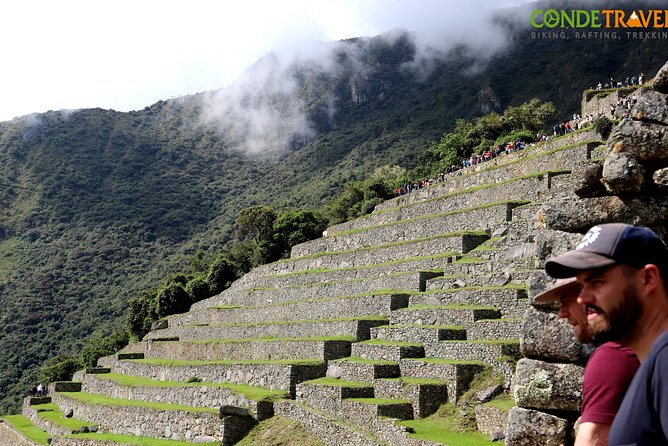
The tour says moderate physical fitness is the expectation. It is also described as perfect for all ages and skill level, which is a bit optimistic language, but the itinerary supports the idea of support and structure. You will hike uphill and downhill, but you have a rhythm: breakfast, climb, lunch, descent, camp, repeat.
The hardest physical parts are:
- The ascent to Warmiwañusca, around 4200 mt
- The long descent into the Pacaymayo Valley with bridges, tunnels, and rocky steps
- The repeated stair-style walking that builds up fatigue in your hips and knees
So who will like this most? People who want the Inca Trail experience but prefer a guided, supported trek with meals and camping gear handled. It is especially appealing for families, as the group size is small and the guide can keep the pacing organized.
If you are a beginner hiker, plan to take it slow and steady. You do not need to speed-run it. Your guide can help with timing and pacing, and the smaller-group format makes it easier to stay with your own pace.
Guides, Porters, and Food: why the human side drives the memory
This is where the feedback consistently gets emotional, and you should pay attention. The strongest praise centers on guides who bring history to life in a way that feels energetic, clear, and patient. Names showing up include Jose (and Jose Antonio), and other staff like Jhimmy, Walter, and Alfredo in different accounts connected to this provider.
You also hear praise for:
- Porter professionalism and support during the carry and camp setup
- Chef quality and how satisfying the meals were during tough days
- Small touches like birthday recognition with a cake arranged during the trek
Not every trip is guaranteed to include a cake moment, but the pattern matters. When the guide is good, you feel safer on the trail, you understand what you are seeing, and you keep a better pace. When the food is good, you recover better, which changes how you feel the next morning.
Price and Value: what you get for $880 and what to compare
At $880 per person for about 4 days, you are paying for a whole package: transfers, a bilingual guide, meals, camping tents and mattresses, porters for equipment, and a guided Machu Picchu visit plus free time.
To judge value, compare it to the real cost of doing this type of trek independently:
- Permits and timed entry planning
- Hiring a guide
- Securing porters and camping gear
- Feeding everyone for multiple days
- Handling the long return day to Cusco
This tour is priced to bundle those pieces, and the included meals and camping logistics reduce the headaches that crush beginners. The big cost you should still plan for is the optional Huayna Picchu ticket at $60 if you want it and meet the booking timing requirement.
One more value note: you are also paying for a group size cap of up to 15 travelers. Smaller groups often mean fewer delays at photo stops and more attention from the guide during tricky sections.
Should you book this 4-day Inca Trail trek?
Book it if you want a classic route experience with strong support, good meals, and a guided finish at Machu Picchu. This is a solid fit for families, first-time Inca Trail hikers, and anyone who wants the “walk the ruins, then see the marvel” payoff without extra planning stress.
Think twice before booking if privacy is your top priority, because tents are for two people and unusual party changes can create confusion. Also, be honest about your stamina. You do not need to be an athlete, but you do need to handle altitude and stairs comfortably.
If you do book, do two practical things:
- Pack warm layers and rain protection, even if the forecast looks friendly.
- Confirm your sleeping arrangement expectations for your specific group setup so you do not end up bargaining your way through camp logistics on Day 1.
FAQ
What time does the trek start in Cusco?
The start time is listed as around 4:00am, and hotel pickup is described as around 5:00am toward the start point at Km 82.
Where do we begin the hike?
You will be transported from Cusco to Km 82, then you begin the trek there on Day 1.
What camping equipment is included?
Porters carry the camping equipment, and the tour includes tents for two people plus mattresses, along with a dining tent plus chairs and dining tables.
Do I need to bring a sleeping bag?
Sleeping bags are not included, so you should plan to bring your own if you use one.
How many meals are included?
Meals included are breakfast (3), lunch (3), and dinner (3). The first meal on the last day is not listed as included.
Is Huayna Picchu included?
Huayna Picchu entrance is not included by default. It is available for an additional $60 if booked at least one month upfront.
How big is the group?
The maximum group size is 15 travelers.
Final verdict: is this the right trek for you?
If you want the Inca Trail experience with a structured itinerary, included camping support, and a guided Machu Picchu day, this is a strong choice for most travelers who can handle altitude and a full-day hike rhythm. Just respect the hiking demands, pack smart, and be clear about tent arrangements before you arrive at camp.
More Ways to Reach Machu Picchu
- From Cusco: Full-Day Group Tour of Machu Picchu
★ 4.7 · 1,767 reviews - Machu Picchu Day Trip from Cusco
★ 4.5 · 1,644 reviews - 2-Day Tour: Sacred Valley and Machu Picchu by Train
★ 5.0 · 1,127 reviews - Machu Picchu: Full-Day Tour from Cusco with Optional Lunch
★ 4.6 · 927 reviews
Recently reviewed around Cusco
- 6-Day ||All Included|| Excursion – MachuPichu & Rainbow Mountain-Humantay Lake★ 4.5 · 8 reviews
- Horseback Riding thru the Mountains of Cusco★ 5.0 · 8 reviews
- Cuzco City Tour and Archaeological Ruins in Half Day★ 5.0 · 8 reviews
- Full Day – Rainbow Mountain tour – Group Service★ 5.0 · 8 reviews
- Half Day Tour in Cusco: Exploring the City and Four Ruins★ 4.5 · 8 reviews
- Machu Picchu and Sacred Valley 2 Day Tour★ 5.0 · 8 reviews
- Cusco 4 Days Machu Picchu and Sacred Valley | All included★ 5.0 · 8 reviews
- City Tour Cusco With Qoricancha and 4 Ruins★ 5.0 · 8 reviews
Machu Picchu, compared.
Classic Inca Trail Trek 4D/3N to Machu Picchu (Group Service)
Read our review →
4-Day Inca Trail Trek with Panoramic Train Ride
Read our review →
2-Day Inca Trail to Machu Picchu with Panoramic Train
Read our review →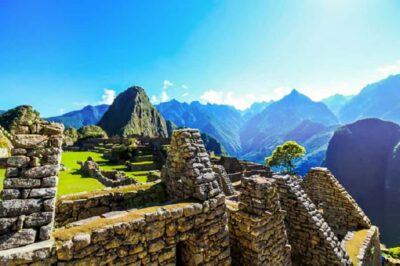

2-Day Tour: Sacred Valley and Machu Picchu by Train
Read our review →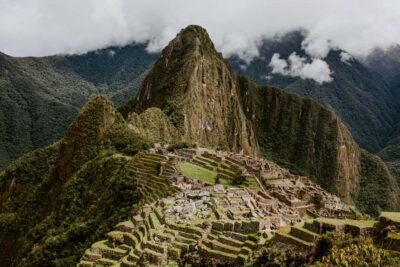
Browse the lists this tour appears in