
Reviewed · MACHU PICCHU
6-Day Best of Peru: Cusco, Machu Picchu, and Lake Titicaca Tour
This Peru route is interesting because it strings together the big three, Cusco, Machu Picchu, and Lake Titicaca, without making you stitch together trains and tours on your own. I like that you get guided context in the places that can feel overwhelming on your own, especially Machu Picchu and the Sacred Valley stops. I also like that the trip moves efficiently, with train timing and day tours set up so you can see a lot even with limited vacation time. One drawback to consider is the pace, it is an early-start, busy itinerary with not much true downtime.
What really makes it work is the handoffs. You meet a representative at the Cusco airport, there are name-sign meetups at stations, and your days are built around transport that is already scheduled. A lot of people loved the guides too, with names like David, Gary, Percy, Luis, and Bernado showing up in reviews as strong matches for first-timers who want clear explanations and good photo spots.
If you are sensitive to long days, stairs, and altitude, you should plan to take it slow when you can. Also, watch for small extra costs that are not included, like the Sacred Valley entry ticket and optional add-ons.
Key things that make this tour feel like good value
- A timed Machu Picchu day: shuttle up early, guided entry, then train back so you do not burn a whole day on logistics
- Sacred Valley in one sweep: Pisac, Ollantaytambo, plus a market stop and a local animal rescue visit
- Lake Titicaca with real island contrast: Uros floating reed islands and Taquile with a walking segment and lunch
- Small group size: up to 12 travelers, which tends to mean smoother coordination
- Name-sign meetups and handoffs: representatives meet you at key points, including station transfers
- Real-world comfort mix: 5 nights with private-bathroom hotels, plus one optional homestay night on the final stretch
A 6-day Best of Peru route that actually ties things together
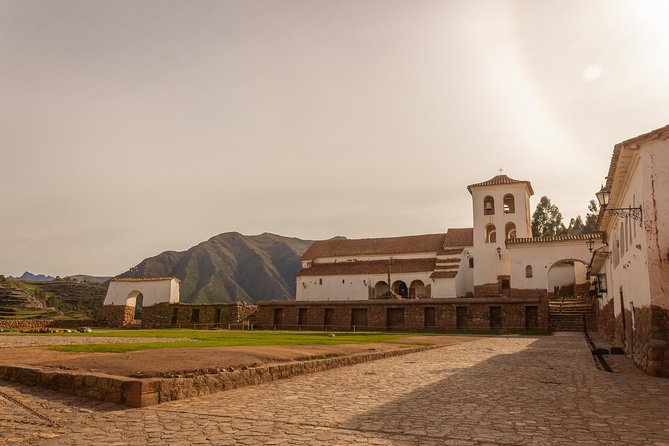
This tour is built around three geographic bases. You start in Cusco, sleep in Aguas Calientes for the Machu Picchu night, then finish in Puno (with one more night in the area before your flight from Juliaca).
That “base-to-base” setup matters. It reduces the number of times you are packing and unpacking, and it keeps you from getting stuck waiting on transport. It is also why you feel the busy schedule, every day has a job to do, see, learn, move, sleep.
Price is $799 per person. For most people, the value comes from what you do not have to organize: airport and hotel transfers, a guided Machu Picchu entry day, Sacred Valley and Sun Route sightseeing, train tickets round trip, and Lake Titicaca boat time. If you are the type who enjoys scheduling every detail, DIY can be cheaper. If you want a plan that runs on rails, this one is set up for that.
More Lake Titicaca days:
- Full Day Lake Titicaca Tour from Cusco
★ 4.5 · 91 reviews - From Cusco: 2-Day Lake Titicaca Tour
★ 4.4 · 74 reviews - From Cusco: Titicaca Lake – Full day tour with sleeper bus
★ 3.9 · 72 reviews
Day 1 in Cusco: arrival, check-in, then let the city slow you down
On arrival, you get picked up at Cusco airport by a representative holding a sign with your name. Then you transfer into the city center to a 3-star hotel with a private bathroom.
The rest of Day 1 is mostly yours. After check-in, you get leisure time, which is smart. Cusco is high, and your first job is not sightseeing, it is adjusting. Some folks recommend easy food, slow walks, and sipping warming drinks like coca tea, just because your body needs a little time.
Optional upgrade: there is a Cusco city tour with a walking element available for an extra charge. If it is your first time, this can help you orient around Plaza de Armas and understand the city’s layout before you rush out to the Sacred Valley.
Overnight: Cusco.
Day 2 Sacred Valley: Pisac and Ollantaytambo with the Urubamba River scenery
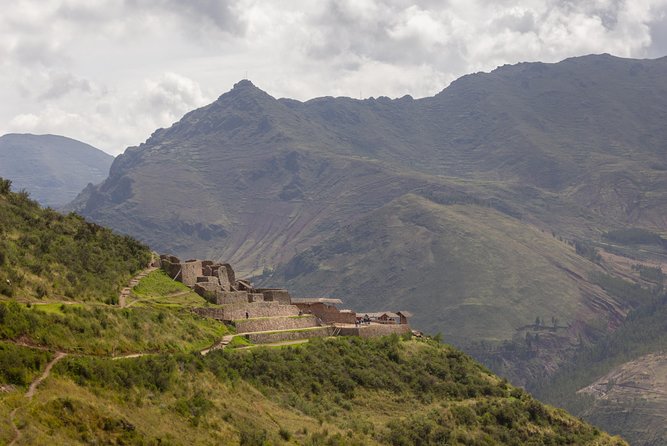
Day 2 begins early, after breakfast, you meet your guide in the hotel lobby and head into the Sacred Valley. The route is designed to stack impressive stops in a logical sequence, starting with viewpoints and ending with your train connection to Aguas Calientes.
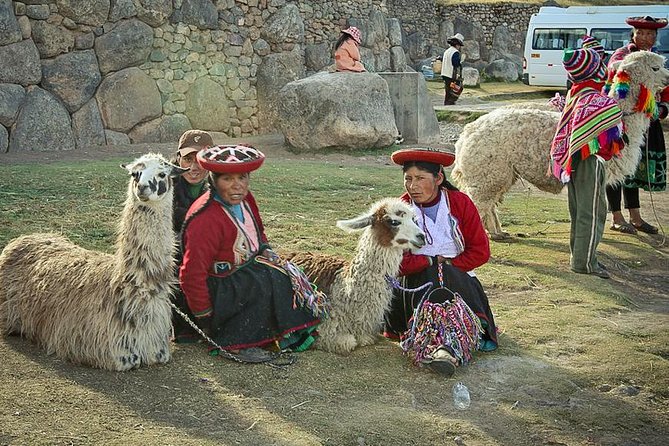
Manos de la Comunidad: alpacas, llamas, and vicuñas
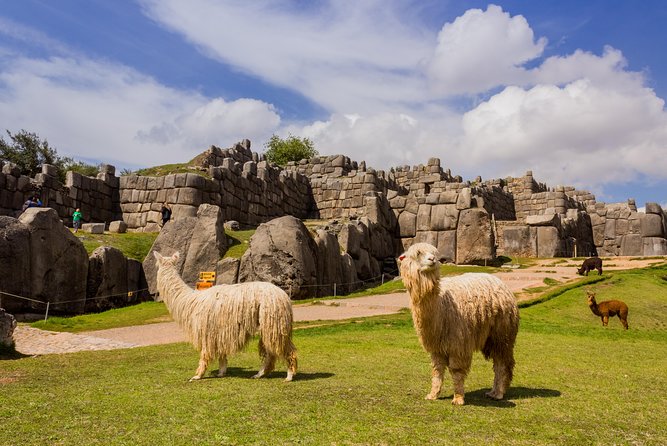
A standout early stop is the Manos de la Comunidad animal rescue center. You get up close with Andean camelids, including alpacas, llamas, and rare vicuñas. It is not just a quick look either, you get around 30 minutes here.
Why this works: it adds something human and local that is not another stone site. It also helps break up the day so you are not only staring at ruins.
More ways to reach Machu Picchu:
- Classic Inca Trail Trek 4D/3N to Machu Picchu (Group Service)
★ 5.0 · 8,653 reviews - Machu Picchu: 4-Day Inca Trail Trek with Panoramic Train Ride
★ 5.0 · 4,568 reviews - Short Inca Trail to Machu Picchu 2D/1N
★ 5.0 · 3,007 reviews - 2-Day Inca Trail to Machu Picchu with Panoramic Train
★ 5.0 · 1,876 reviews
Mirador Taray: the classic Sacred Valley photo angle
Next is Taray Viewpoint, a short photo pause built around getting panoramic views of the valley. At this hour, the light can be better for photos, and you are less likely to be stuck in midday haze.
Pisac Archaeological Park and the Pisac market
Then you hit Pisac Archaeological Park. The big appeal is the way Inca engineering shows off through agricultural terraces and ceremonial structures. Admission here is not included in the base list, so you should plan for an extra ticket.
Right after, you stop at Pisac village and market, where you can browse handicrafts and snacks and buy small souvenirs. This is one of the few parts of the itinerary where you can shop without it feeling like an obligation.
Urubamba lunch and the long scenic drive feel
Lunch is in Urubamba at a buffet, and it is not included in the basic description, but the tour does include lunch items across the trip. Either way, you are sitting down and eating before the final Sacred Valley anchor stop.
Ollantaytambo: fortress, sanctuary, and a living town
The final major site is Ollantaytambo, described in the itinerary as an Inca fortress, religious sanctuary, and living city. This is a key piece of context for understanding how Incas resisted conquest, and the stonework feels dramatic because the buildings cling to the mountain slope.
Then comes a practical moment: you are taken to the Ollantaytambo train station and board your train to Aguas Calientes. You travel about 40 minutes and get scenery along the Urubamba, also called Vilcanota, River.
Overnight: Aguas Calientes.
The train to Aguas Calientes: why your luggage matters for Machu Picchu
The train ride is one of those “slow down” parts of a fast itinerary. Even if you are excited, enjoy it, because Machu Picchu day is an early and physical one.
One planning note from real experience is luggage. Several visitors found out the hard way that it is easier to bring an overnight bag for the Machu Picchu night stay in Aguas Calientes, and leave extra luggage back in Cusco. If you show up with too many bags, you might be asked to pay at some point for extra storage. Build your day around minimal carry.
Practical move: pack a small day kit for Machu Picchu and keep it easy to grab. You want that bag to feel like a “grab and go,” not a moving truck.
After you arrive and check in, your afternoon is leisure. This is your chance to stroll around Aguas Calientes, find a meal, and prep for an early wake-up.
Day 3 Machu Picchu sunrise: shuttle timing, the guided tour, and the return train
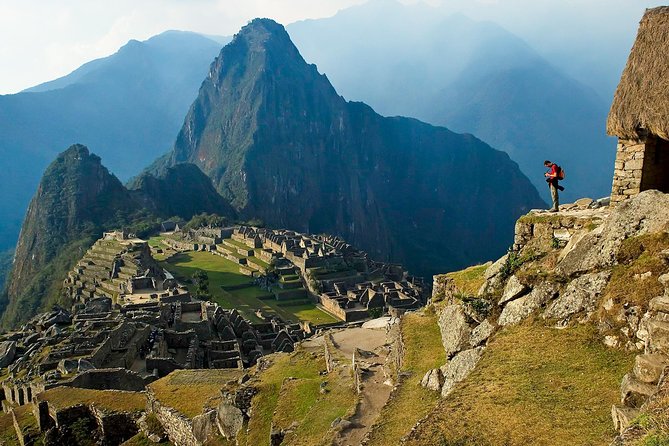
Machu Picchu day runs on purpose: you start early so you can enjoy the site with fewer people than later hours.
You have breakfast at around 5:30 a.m., then meet your guide to walk to the bus station. The shuttle bus heads up at about 6:20 a.m., and the main entry is around 7:00 a.m.
The guided portion: history, traditions, and photo spots
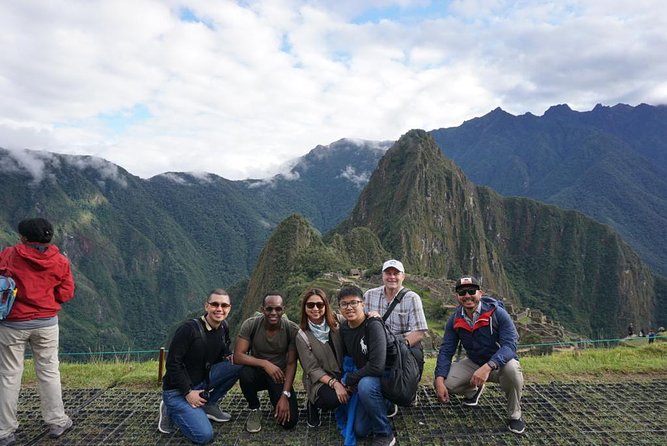
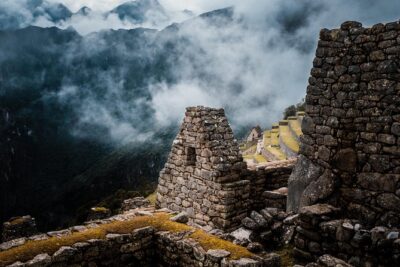
Your guide leads the Machu Picchu portion. Expect history and cultural context tied to the Inca citadel, plus guidance on what to look for and where to stand for photos. People praised guides like Gary, Fabrizio, and others for making the site make sense and for helping with picture angles.
Even if you think you know the basics, the guided layer changes the experience. Machu Picchu can look like a set of terraces until someone connects the structures to how people lived and believed.
After the guide: your time to explore on your own
The schedule gives you time after the guided part. You also return by bus to Aguas Calientes around late morning for lunch, which is not included in the itinerary description.
Return by train via Ollantaytambo, then back to Cusco
Your train back to Ollantaytambo is included, and you ride it around midday to early afternoon. After arrival, you transfer back to Cusco and drop off at your hotel.
This “train back the same day” approach is a big plus for limited time. You avoid staying a second night in Aguas Calientes and you keep the rest of the itinerary intact.
Day 4 Sun Route to Puno: Andahuaylillas to Raqchi to La Raya Pass
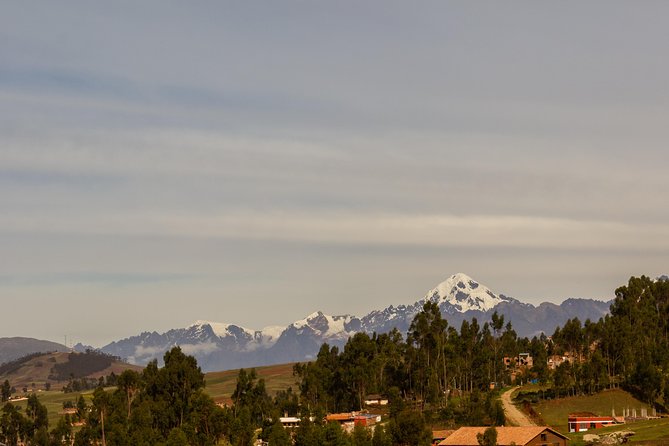
This is the longest feeling day because it is a bus tour across different stops, built to break the drive into Cusco to Puno with meaningful viewing.
You start around 5:30 a.m., then board the sightseeing bus. The “Sun Route” itself is about Andean baroque church artistry, Inca monumental building, museum culture, and high-altitude views.
San Pedro Apostol de Andahuaylillas: the Sistine Chapel of the Americas
First stop is Andahuaylillas, known for an opulent interior hiding a simple adobe exterior. The itinerary calls it the Sistine Chapel of the Americas, pointing to gold leaf, frescoes, and paintings blending Spanish and Indigenous Andean art.
Admission for this stop is included. If you like art history but do not want a full day in a museum, this is a strong compromise.
Raqchi: the Temple of Wiracocha and Inca scale
Next is Raqchi, featuring the Temple of Wiracocha, described as the largest single-roofed structure the Inca Empire ever built. You get towering adobe walls, cylindrical columns, and the colcas, large storage spaces.
Admission is included. This stop is where you feel Inca architecture as infrastructure, not just monuments.
Sicuani lunch and the middle of the day reset
Lunch is in Sicuani at a buffet. This is a break from moving, and it gives you a chance to recharge before the higher, colder viewpoints.
La Raya Pass: high altitude and grazing herds
At La Raya Pass you stop for panoramic views of snow-capped Andean peaks and traditional herds. The itinerary specifically mentions vicuña and alpaca.
This stop is short, but it is the kind of stop you remember because the air is thinner and the sky can look closer than you expect.
Pucará Lithic Museum: stone sculptures and the Rain Stele
Finally you visit the Pucará Lithic Museum, including monoliths and stone sculptures from the pre-Inca Pucará culture. The Rain Stele and Beheader monoliths are named in the itinerary.
Admission is included. If you are museum-minded, this is a good pairing with all the Inca sites earlier in the trip.
Arrive Puno at about 17:30, get transferred to your hotel, and you receive a brief orientation for the next day’s Lake Titicaca adventure.
Overnight: Puno.
Day 5 Lake Titicaca: Uros floating islands and Taquile traditions with lunch
Lake Titicaca is where the trip changes mood. You go from stone and buses to water and island life.
After breakfast, you head to the harbor. The tour includes boat time plus a day on two different kinds of island, which is the right way to avoid Lake Titicaca feeling like one generic stop.
Uros Floating Islands: Totora reeds and island life lessons
First stop: the Uros Floating Islands. You step onto islands made of Totora reeds, learn about daily life from locals, and spend about an hour here.
This is often where people get emotionally hooked, because you are not just looking at a view. You are meeting people who explain what they do and why they do it.
Taquile Island: sail time, walking ascent, and a host-family lunch
Then you sail about 90 minutes to Taquile Island. Taquile is described as a land island where traditions continue. You disembark, take a scenic 20-minute ascent, and reach a host-family private restaurant for lunch.
The itinerary notes traditional dances and folk music happening with the meal. After lunch, you walk about 25 minutes back to the harbor, then you sail about 2 hours to return to Puno.
A detail I appreciate here is that lunch is built into the island rhythm. You are not sprinting between photos and leaving on empty. One review even praised the quality of lunch like fresh broiled trout, though what you get can vary.
Overnight: Puno.
Day 6 departure via Juliaca: keep it simple and show up on time
On your final morning, you have breakfast and then get a private transfer to Juliaca airport based on your departure time.
The airport is about a one-hour drive from Puno city center, so the schedule here tends to feel straightforward. If you can, aim for an easy morning rather than squeezing in extra shopping in Puno.
Hotels, group size, and the reality of the 3-star promise
This is a 5-night accommodation plan with private bathrooms. The itinerary names multiple partner hotels in each city, including hotels in Cusco like Casa Andina and San Agustin International, Aguas Calientes options like Waman Hotel and Gringo Bill’s, and Puno options like Casa Andina and Hacienda, among others.
In the real world, this matters. Aguas Calientes is a tourist hub, and rooms can feel smaller than Cusco. Cusco hotels are often more walkable, and people in reviews liked that the hotels were clean and in good locations.
Some guests also raised complaints about hotel quality, calling the trip overpriced for what they got. That is a fair reminder that “3-star” can mean different things depending on standards and expectations. If your travel style requires consistently high-end hotels, you might want to add an upgrade where possible or look for a higher tier package.
Group size is capped at 12 travelers, which typically helps with smooth train and bus handoffs.
Price and logistics: what’s included, what’s not, and where surprises hide
Let’s talk money in the practical way. The headline price is $799 per person, and the tour includes a lot of the hard-to-schedule pieces:
- Airport and hotel pick ups and drop offs
- 5 nights of accommodation with private bathroom
- Guided tours for Sacred Valley (Pisac and Ollantaytambo) and Machu Picchu
- Sightseeing bus tour to Puno via the Sun Route
- Lake Titicaca boat adventure, including Uros and Taquile
- Round trip train tickets between Ollantaytambo and Aguas Calientes
- Round trip bus tickets for Aguas Calientes and Machu Picchu and back
- Admission entry tickets for Sun Route, Lake Titicaca, and Machu Picchu
- A professional licensed English-speaking tour guide per itinerary
- Overland transportation for transfers throughout the 6 days
- Breakfast included (5) and lunch included (2), plus one bottle of water on day 2
Not included are the costs that can sneak up:
- Domestic and international flights, including Lima to Cusco and Juliaca to Lima
- Sacred Valley entry ticket listed as PEN 70.00 per person
- Optional Huaynapicchu entry, $70.00 per person if requested and if available
- Tips or gratuities
- Meals not mentioned as included
Also, flights are on you. One review specifically called out that the tour does not include flights. So treat the end of the trip like you are responsible for your own return schedule.
The value question is simple: if you want Machu Picchu, train travel, and Lake Titicaca organized for you, this package saves time and mental load. If you are comfortable building your own transport chain and negotiating entry tickets, you might be able to do it for less.
Pace, altitude, toilets, and comfort tips that actually matter
This tour is early and busy. Starts often land around 6:30 to 7:00 a.m., and Machu Picchu begins with a bus up at about 6:20 a.m. Expect walking, stairs, and uneven ground.
Altitude is real. Cusco sits at about 11,000+ feet, and Lake Titicaca is higher. You do not need to panic, but do plan your first day with recovery in mind, and do not try to “win the stairs” on day one.
Toilets: a couple of reviews mentioned rest stops where you may pay for toilet use and where toilet paper might not be available, and flushing might be restricted. That is not unique to Peru, but it is still worth planning for with a small amount of tissue and a practical mindset.
Hydration: the itinerary includes a bottle of water on day 2. Still, it is smart to keep water available, especially on windy, high-altitude days.
Communication: one review highlighted WhatsApp as a fast way to get responses once contact details were found. That is a small thing, but it can reduce anxiety if you are waiting on pickup timing.
Who this Best of Peru tour suits best
This is a strong fit for first-timers in Peru who want the highlights with explanations. If you enjoy history and want someone to point out what to notice, guides like David, Gary, Percy, Luis, Bernado, and Efrain came up as standouts.
It also suits people traveling solo or in small groups who prefer structure. A lot of guests liked that they were met at key points and that the itinerary felt well organized.
If you hate early mornings, do not want packed days, or need lots of unstructured time, you may find it stressful. One guest described it as a go-go tour with limited downtime. That is accurate for this style of trip.
Should you book this 6-day Best of Peru tour?
I would book it if you check these boxes:
- You want Cusco, Sacred Valley, Machu Picchu, and Lake Titicaca in one tight schedule
- You do not want to build the train and tour logistics yourself
- You like guided context and efficient sightseeing, even if it means long days
- You are okay with 3-star hotels and can accept that “included” can still mean some extra costs
I would pause and look elsewhere if you:
- Need a slower pace with more free time
- Expect higher than 3-star hotels across the board
- Are trying to keep the trip ultra-budget and do not want extra ticket costs like the Sacred Valley entry or optional Huaynapicchu
If you can handle early starts and you pack smart with an overnight bag for Aguas Calientes, this is an efficient way to get the big Peru hits with less hassle.
FAQ
Is Machu Picchu admission and the guided tour included?
Yes. The tour includes admission entry tickets to Machu Picchu, and it also includes a Machu Picchu guided tour with a professional guide.
Do I ride the train to Aguas Calientes?
Yes. Round trip train tickets are included between Ollantaytambo and Aguas Calientes, and back again.
What does the Sacred Valley ticket cost?
The Sacred Valley entry ticket is not included. It is listed as PEN 70.00 per person.
Are flights included in the package price?
No. International and domestic flights are excluded, including flights between Lima and Cusco and between Juliaca and Lima.
How do Huaynapicchu entries work?
Huaynapicchu is optional and not included. The entry ticket is $70.00 per person and must be requested at booking if available.
Where are the hotel overnights?
Overnights are in Cusco (Day 1), Aguas Calientes (after the Sacred Valley train day), Cusco again (after the Machu Picchu train day), and Puno for the remaining nights. There is also an option for a homestay on the final night if selected.
Are breakfast and some meals included?
Yes. Breakfast is included for 5 days. The tour also includes lunch for 2 days, and it includes 1 bottle of water on day 2.
What time do you depart for Machu Picchu?
You board the shuttle bus around 6:20 a.m. and then your Machu Picchu guided tour begins around 7:00 a.m.
What is included in the Lake Titicaca day?
It includes the boat trip to the Uros Floating Islands and Taquile Island, including the listed island visits and the associated boat time.
What is the group size?
The tour has a maximum of 12 travelers.
What airport do we use at the end of the trip?
You transfer to Juliaca airport (JUL) on your final morning. The airport is approximately a one-hour drive from Puno.
Recently reviewed around Cusco
- Cusco Cooking Class by ChocoMuseo in Cusco★ 5.0 · 29 reviews
- ATV Adventure to Moray and Maras Salt Mines – Half Day★ 4.5 · 29 reviews
- 1-day excursion to Machu Picchu from Cusco★ 5.0 · 29 reviews
- Private Tour Sacred Valley, Chinchero, Maras Moray, Ollantaytambo★ 5.0 · 29 reviews
- From Cusco: Humantay Lake with Breakfast and Buffet Lunch★ 4.5 · 29 reviews
- 4 Day – Inca Jungle to Machu Picchu★ 5.0 · 29 reviews
- 2-Day Machu Picchu Tour by Train from Cusco★ 4.5 · 29 reviews
- 2-Day Sacred Valley and Machu Picchu Tour By Train★ 4.5 · 29 reviews
Machu Picchu, compared.
Classic Inca Trail Trek 4D/3N to Machu Picchu (Group Service)
Read our review →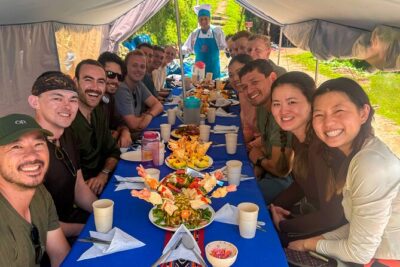
4-Day Inca Trail Trek with Panoramic Train Ride
Read our review →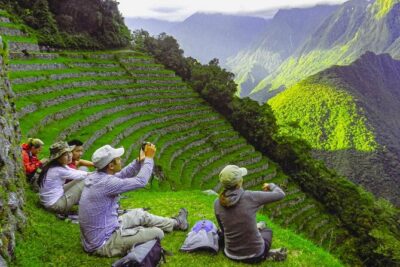
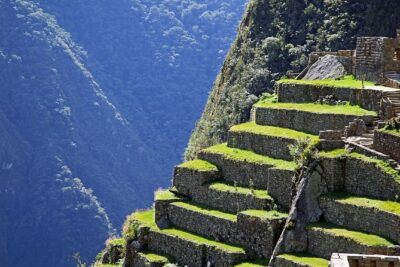
2-Day Inca Trail to Machu Picchu with Panoramic Train
Read our review →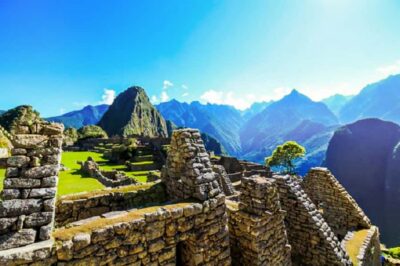

2-Day Tour: Sacred Valley and Machu Picchu by Train
Read our review →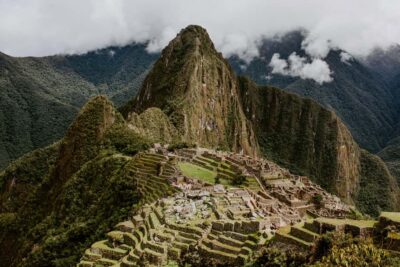
Browse the lists this tour appears in