Reviewed · LIMA TOURS
8-Day Peru Ancestral Energies
Peru’s ancestral energies theme sounds spiritual, but this tour is practical too. You get a smart, packed route from Lima to Juliaca that’s built around efficient sightseeing and included logistics, so you spend less time figuring things out and more time looking at the real stuff. I especially like the small group size (max 15), which makes it easier to ask questions and keep things moving. I also like that the tour includes major admissions plus round-trip train to Machu Picchu, not just a promise to “help you arrange it.” One drawback to plan for: you’re at altitude a lot of days, so you’ll want to take it seriously, not casually.
The best part is how the route layers the culture. You start with Lima’s colonial-era power centers and museum treasures, then shift into Inca Cusco, the Sacred Valley, and finally Machu Picchu, before rolling into the Andean altiplano around Puno and Lake Titicaca. Expect full days with guided time, shared transfers, and a tight schedule. If you want slow travel and long unstructured afternoons, this one may feel like it’s always in gear.
Key highlights to look for (before you book)
- Efficient sightseeing plan that bundles major sites with included admissions.
- Machu Picchu by train and guided support plus bus ride coordination from the station.
- Sacred Valley focus with weaving in Chinchero, Inca terraces at Moray, and panoramic Ollantaytambo.
- Puno day trips across high passes, plus church murals and Inca ruins stops.
- Lake Titicaca culture time on Uros and Taquile, with music, dancing, and a community lunch.
- Max 15 travelers and English-Spanish guiding for smoother pacing.
Lima’s Historical Center, Santo Domingo, and Larco Museum for a strong start
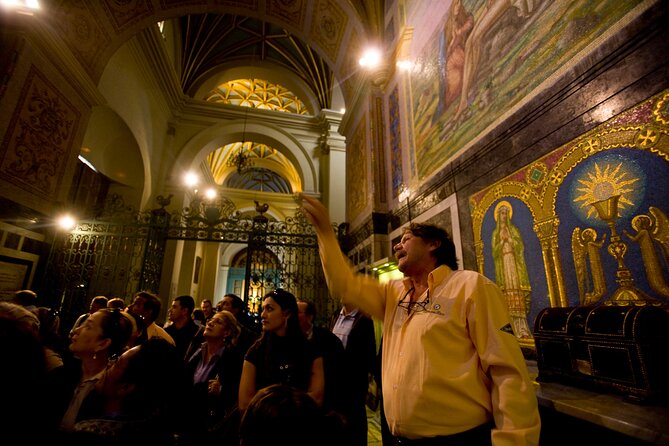
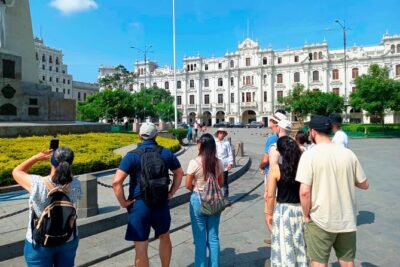
Day 1 hits Lima in a way that feels like a kickoff, not a random checklist. You’re transferred from the airport to your hotel, then set loose into the Historical Center with a guided walk. You’ll visit places tied to Lima’s early religious and educational roots, including the Convent of Santo Domingo and Universidad Mayor de San Marcos.
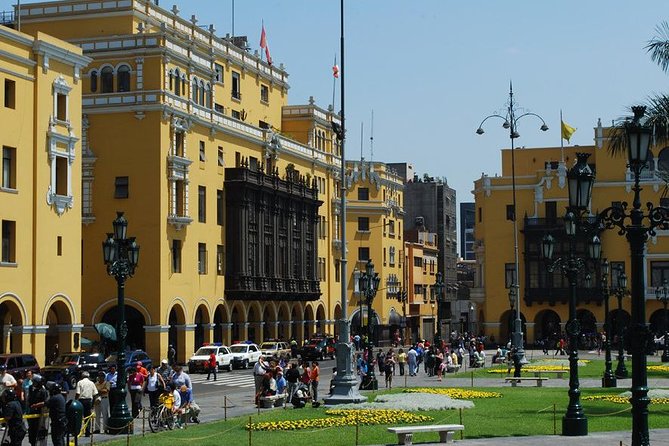
From there, the walk moves through the big civic squares and power landmarks: Plaza Mayor, the Government Palace, the Municipality, and the Cathedral of Lima. This cluster matters because it helps you understand how colonial Lima was organized, who held authority, and why certain buildings dominate the skyline.
The day ends at Larco Museum, where you’ll see collections of gold artifacts, textiles, and ceramics. I like this museum stop because it shifts you from “what’s on the street” to “what the people actually made and used.” Even if your Spanish is basic, museum time is still about visual storytelling, and this one gives you a great foundation before Cusco.
If you’re the type who hates museums, I get it. But Larco is one of the easiest ways to build context in a single afternoon, and it’s included.
A few more Lima days worth comparing
- Premium Paracas & Huacachina Day Trip from Lima with Sunset Toast
★ 5.0 · 7,380 reviews - Full Day Tour From Lima: Paracas and Huacachina Oasis
★ 5.0 · 3,694 reviews - Lima Ultimate Peruvian Food Tour
★ 5.0 · 1,845 reviews
Cusco orientation: San Cristóbal, San Pedro Market, and Qorikancha’s gold-wall legacy
Cusco arrives fast on Day 2. After an airport meet-and-greet and transfer to your hotel, you get an afternoon that’s very “get your bearings fast.” The route starts at Plaza de San Cristóbal, which is chosen for the panoramic view. You’ll understand where Cusco sits, how the streets slope, and why the city feels like it’s layered with history rather than just built on a hill.
Then comes one of my favorite included experiences on this tour: San Pedro Market. This isn’t about shopping hard. It’s about tasting real daily life, seeing what’s sold, and learning how the market supports the city. You’ll pick up details you would miss if your whole day was just stone monuments.
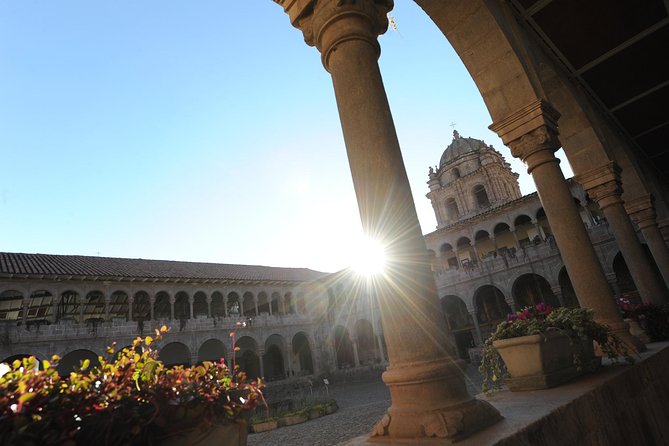
Next is Qorikancha (Temple of the Sun). You’ll visit with the guide, and you’ll hear about the walls that used to be covered in gold. Even though the material you see now may not match the original splendor, the setting still communicates power and design. This stop also bridges nicely from Lima’s colonial tone into Cusco’s Inca foundations.
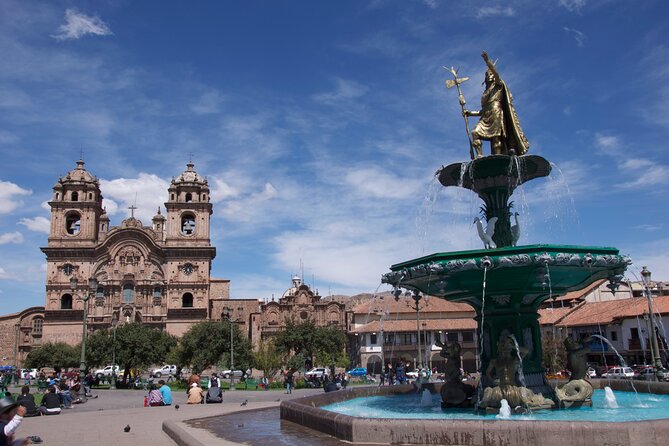
From there, your walk threads through the artisan area around San Blas, then down toward stops like Hatun Rumiyoc and the Twelve Angled Stone. You’ll also see Inca Roca’s palace (today’s historical mix) and the Archbishop’s Palace. The day closes back at Plaza de Armas, including the cathedral that houses colonial artworks of significant value.
Possible consideration: this is an afternoon that stacks a lot of neighborhoods and viewpoints. If you’re sensitive to walking right after arrival, slow your pace. Cusco’s altitude can make “normal walking” feel like exercise.
Sacsayhuaman without the crush: Q’enqo, Puca Pucará, and Tambomachay
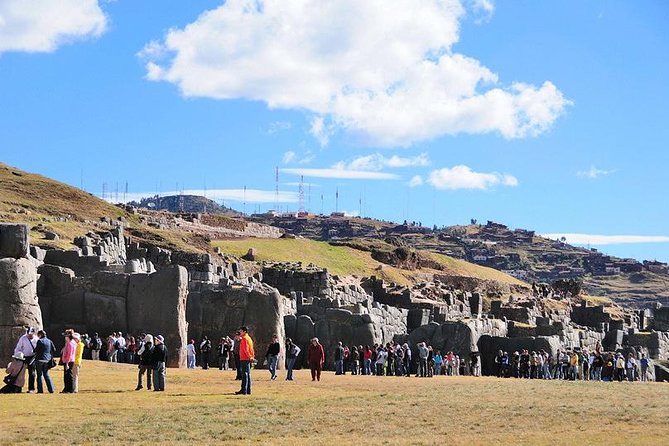
Day 3 is one of the best examples of the tour’s pacing strategy. The tour leaves early to avoid crowds, and you head to Sacsayhuaman, a citadel with colossal Inca constructions set into the surrounding terrain. This is not just a photo stop. The scale is the point, and you get the sense that Inca engineering was designed to fit the land, not fight it.
After Sacsayhuaman, you move to Q’enqo, an Inca ceremonial site with an altar area embedded into rocky formations. It’s one of those places where the structure feels like it grew out of the stone, and you can understand why it mattered for rituals.
Then you visit Puca Pucará viewpoint, followed by Tambomachay, known for architectural excellence and its place in Andean cosmovision. The order is smart because it builds from massive fort-like walls into ritual space, then into views and meaning.
You also get a free afternoon back in Cusco. I love this kind of built-in reset. It gives you a chance to hydrate, eat something light, and adjust to altitude without being forced into another scheduled activity.
Sacred Valley day: Chinchero weaving, Moray terraces, and Ollantaytambo power views
The Sacred Valley day is a full day with several “wow” moments, and it’s paced to show how Inca life connected to agriculture, craft, and ceremony.
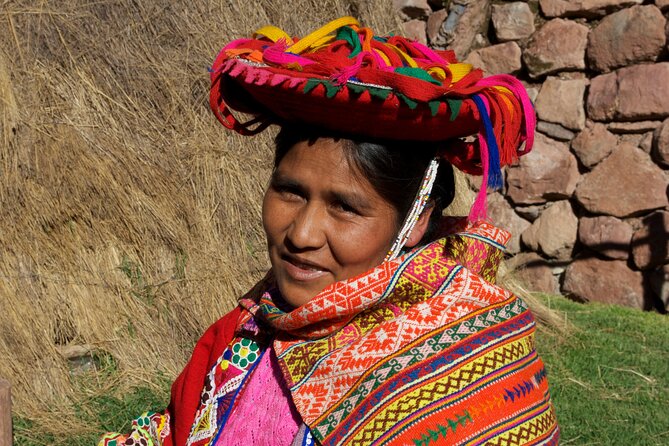
You start by heading to Chinchero, known for being colorful and for its weaving traditions. The stop at a textiles center is useful because it focuses on how people made dyes and spun alpaca wool. Even if you don’t buy anything, you’ll get a practical sense of the skill involved and why textiles were high-value.
You’ll also see the Inca plaza and its colonial church. This kind of layered site is common in Peru, but it works best when you actually see both eras on the same ground.
Next is Moray, with concentric agricultural terraces. The guide will frame it as an Inca agricultural lab that used microclimates. I like Moray because it shows the scientific side of “ancestral” knowledge. It’s not mysticism only, it’s applied experimentation in stone.
Lunch comes during the day, then the tour continues to Ollantaytambo, often a highlight for the way the town and ruins feel connected. You’ll visit major parts of the area, including the Temple of the Ten Windows, the Bath of the Princess, and the Sun Temple. The stop is followed by the kind of viewpoint that helps you understand why Ollantaytambo looks like a postcard for a reason.
You’ll stay overnight in the Sacred Valley area, which matters. One big benefit of spending the night there is it helps you avoid rushing into Machu Picchu day like a sleep-deprived robot.
A different kind of day out of Lima:
- Lima Half-Day City Walking Tour (Small Groups)
★ 5.0 · 1,508 reviews - Paracas and Huacachina Exclusive Sunset Picnic Tour
★ 5.0 · 1,398 reviews - Unmissable Visit To Paracas, Huacachina And Sunset In The Oasis
★ 5.0 · 1,138 reviews - Paracas, Ballestas Islands and Huacachina Guided Tour
★ 5.0 · 1,100 reviews
Machu Picchu with train, bus timing, and new visitor circuit reality
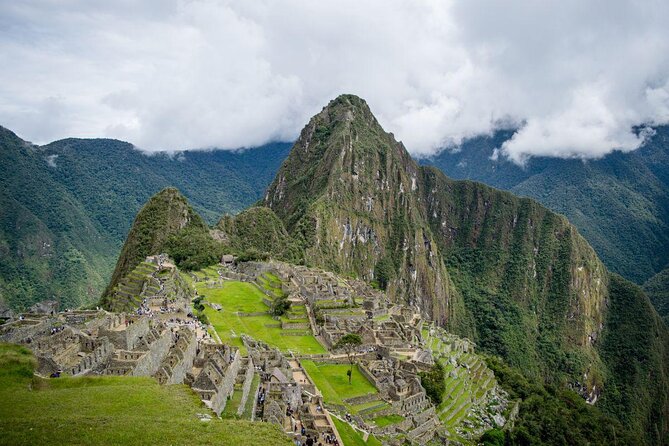
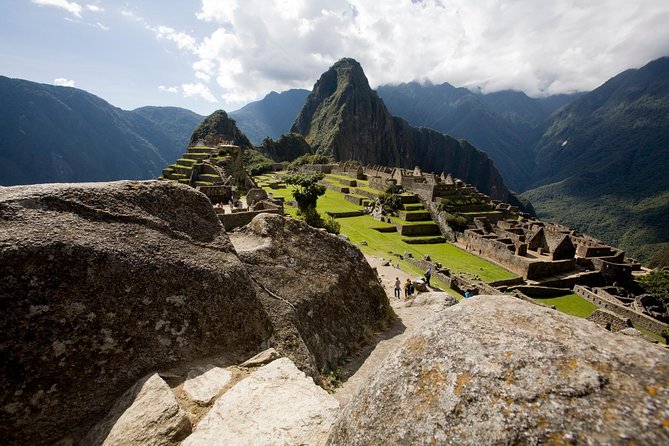
Day 5 is Machu Picchu day, the one many people count down to. The tour boards at Ollantaytambo station, then you take the train to Machu Picchu station. There’s staff assistance to board the bus that climbs the winding road, with spectacular views of the Urubamba River canyon along the way.
Once you arrive, you get access to the “Lost City of the Incas” with terraces, ceremonial sites, and urban areas. The day is about seeing the place as a whole. The guide support helps, because Machu Picchu is big and easy to misread if you’re trying to do it all on your own.
Lunch is included, and then you return by train and transfer back to Cusco, where you’ll lodge for the night.
Here’s the important part to understand before you buy your flights: Machu Picchu has new visitor circuits. The tour prioritizes route 2, and if it isn’t available, you’ll be offered options like circuit 3B or 1B. You’ll be informed so you can confirm your decision before tickets are issued. That means your experience may depend on which circuit ends up available.
Also, the Machu Picchu admission ticket is not refundable, and date changes or amendments are not accepted. If your timing is flexible, plan that flexibility carefully. This is one of those days where travel math matters.
Altiplano to Puno: Andahuaylillas murals, Racchi columns, and La Raya at 4,800m
Day 6 shifts gears from Inca stone into high-country travel and altiplano sites. You depart by tourist bus from Cusco toward Puno, with scenic travel along the route and the Vilcanota River, then up to the plateau region around Collao.
The stops are designed like a cultural relay. First, you’ll visit the Church of the Apostle St. Peter in Andahuaylillas, often called La Sixtina de América. It’s a big mural stop, with 17th-century paintings covering walls and ceiling. Even if you know nothing about the names, you’ll likely notice the density of art, and that’s the point.
Then comes Racchi, the Temple of the God Wiracocha. You’ll see remnants of columns and walls that communicate how monumental the construction was in Inca times. This is a different kind of “Inca scale” than Sacsayhuaman, more about temple atmosphere than fortress weight.
Next, you reach the high point at La Raya (4,800 meters). The guide frames it as a place where waters divide, with rivers flowing toward the Amazonas basin and others toward Titicaca. This is one reason the day feels meaningful rather than just transit. It gives you a geography lesson you can actually feel through altitude.
Lunch follows, then you’ll visit the Site Museum of Pucará. Finally, you arrive in Puno and transfer to the hotel.
Possible consideration: this is a long day with altitude built into the route. If you’re prone to headaches, keep your expectations realistic. You might want to keep dinner light and hydrate.
Lake Titicaca: Uros islands, Taquile traditions, and a community lunch
Day 7 is where the tour becomes more human-scale. You start by boarding a motorboat for the Uros, a community that built floating islands as a refuge on Lake Titicaca. The tour explains that they use ancient techniques to build and maintain islands, and you’ll get time to learn how the community works and lives with visitors.
Then you sail to Taquile Island, where the culture stays front and center. Taquile is known for maintaining traditions, clothing, and way of life. The tour also notes that it’s one of the few Quechua communities in a region that’s essentially Aymara, and they’ve resisted certain modern influences that could affect daily life.
You’ll be welcomed with music and dances. After that, lunch is included at a community restaurant. The meal is described as simple but rich in nutrients, which matches the tone of the day. It’s not a luxury lunch, and that’s the point. It’s about sustaining energy while you walk and look.
After lunch, you’ll take a walk around the island areas for lake views. Then you return to Puno, transfer back to the hotel.
If you hate boats, plan ahead. This day is built around water travel. It’s usually manageable, but if you’re prone to motion sickness, bring what you normally use.
Price and value: what $1,264 buys you across two big weeks of logistics
At $1,264 per person, the value depends on what you’d otherwise have to arrange. In your case, a lot is already handled. You get:
- 7 nights of accommodation
- Breakfast for 7 days and lunch for 4 days
- All admission tickets on the tours (including major sites)
- Round-trip railway ticket to Machu Picchu matching the selected hotel category
- Shared tours with an English-Spanish speaking guide
- Airport-to-hotel transfers, plus shared transfers connected to the train day
What’s not included matters, too. Flights Lima to Cusco and Juliaca to Lima are not included, and there’s mention of airport taxes including international and specific taxes for Lima-Cusco and Puno, listed as $32 per person. That’s normal for this kind of itinerary, but you should budget for it.
So is it worth it? For many people, yes, because the expensive, complicated piece is Machu Picchu access and the day around it. You’re also getting a lot of included guiding time across multiple regions. If you were to DIY this, you would spend time coordinating train times, entry timing, and transport. Here, those moving parts are treated as part of the package.
The biggest “cost” you should watch isn’t money. It’s time and pace. This is an 8-day circuit that keeps you moving.
Who should book this Peru loop, and who should slow down
This tour fits best if you:
- Want a structured route with major sites covered
- Like guided context, especially for Inca sites and museum stops
- Prefer shared group logistics over sorting transportation yourself
- Can handle altitude and long days on buses and trains
You may want to think twice if you:
- Want lots of free time every day
- Get knocked out by altitude quickly
- Are sensitive to strict ticket rules, especially for Machu Picchu circuits and non-refundable entry
A key tip: start preparing for altitude before you arrive. The tour specifically flags altitude sickness medicine, and it’s smart advice even if you feel fit. Bring what you need or ask a doctor before you leave.
Also note the tour starts and ends at airports in different places. It begins at J Chavez Intl Airport in Lima and ends at Inca Manco Capac International Airport in Juliaca. That matters for planning your return flight.
Should you book the 8-Day Peru Ancestral Energies tour?
If you want an organized, high-coverage Peru experience that hits Lima, Cusco, Sacred Valley, Machu Picchu, Puno, Uros, and Taquile in a single sweep, I think this one makes sense. The strongest reasons to choose it are the included admissions, Machu Picchu train day, and the way the route uses a small group size to keep the experience workable.
Book it if you’re comfortable with altitude and you like structure. Consider a different style of trip if you prefer slow pacing and lots of day-by-day flexibility, because Machu Picchu ticket rules and visitor circuits mean you should commit once your dates lock in.
FAQ
What’s included in the tour price?
You get airport to hotel transfers, shared transfer to the train station, admission tickets on tours, shared tours with an English-Spanish speaking guide, round-trip railway tickets to Machu Picchu based on your hotel category, 7 nights of accommodation, and meals listed as 7 breakfasts and 4 lunches.
Are flights included?
No. Flights are not included for Lima to Cusco and Juliaca to Lima. The sales team can assist with flight arrangements.
Do I need to pay for Machu Picchu tickets separately?
No, the Machu Picchu admission is included as part of the tour. However, the Machu Picchu ticket is not refundable and date changes or amendments are not accepted.
What time should my flight into Cusco arrive?
When booking your flight from Lima to Cusco, it must be in the morning. Arrival by noon is too late.
Where does the tour start and end?
It starts at J Chavez Intl Airport in Lima, Peru. It ends at Inca Manco Capac International Airport in Juliaca, Peru, which is 36 km from Puno.
How will the tour handle Machu Picchu visitor circuits?
The tour prioritizes circuit route 2. If it is not available, you’ll be informed about circuit 3B or circuit 1B so you can confirm before tickets are issued.
What should I do about altitude sickness?
The tour advises bringing altitude sickness medicine or asking your doctor for advice before you depart, since the itinerary reaches high elevations, including La Raya at 4,800 meters.
Recently reviewed around Lima
- Lima Highlights! – City Tour & Miraflores, Barranco & San Isidro★ 5.0 · 29 reviews
- Lima Surf Trip★ 5.0 · 29 reviews
- Modern and Colonial Lima City Tour.★ 4.5 · 29 reviews
- Full day Tour Paracas Ica & Huacachina from Lima.★ 5.0 · 29 reviews
- Bohemian and artistic ravine walking tour★ 5.0 · 29 reviews
- Discover Barranco’s Nightlife with Bar Crawl Lima★ 5.0 · 29 reviews
- Cooking Class + Market Tour + City Walking Tour (Full Day).★ 5.0 · 30 reviews
- Machu Picchu, Cusco & Lima 7-Day Tour★ 5.0 · 30 reviews
Lima Tours, compared.
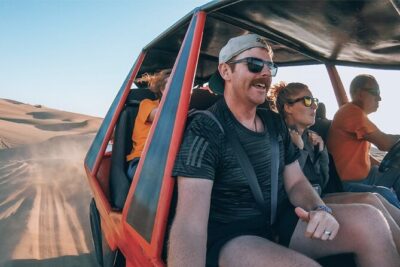
Premium Paracas & Huacachina Day Trip from Lima with Sunset Toast
Read our review →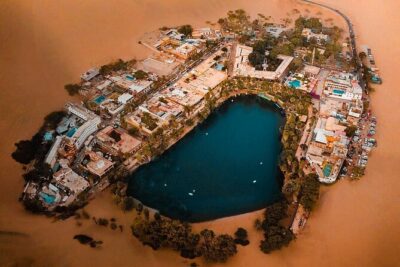
Full Day Tour From Lima: Paracas and Huacachina Oasis
Read our review →
Lima Half-Day City Walking Tour (Small Groups)
Read our review →
Paracas and Huacachina Exclusive Sunset Picnic Tour
Read our review →
Unmissable Visit To Paracas, Huacachina And Sunset In The Oasis
Read our review →
Paracas, Ballestas Islands and Huacachina Guided Tour
Read our review →