Reviewed · LIMA TOURS
8-Days Best of The Inca Empire from Lima
This tour is interesting because it strings together Peru’s big “before and during Inca” stories, starting in Lima and ending with Machu Picchu. I love how the schedule mixes major archaeology with real local scenes, like markets and plazas, so you get more than just monuments. I also like that it keeps things guided throughout, which matters when you’re dealing with unfamiliar names, timelines, and walking distances.
The main thing to think about is that altitude is real in Cusco and the plan locks in several timed pieces, especially your Machu Picchu entry ticket, which is not refundable and can’t be changed to a new date once issued.
Key highlights worth planning around
- Small group (maximum 12 travelers) makes it easier to move at a human pace
- Lima plus Cusco coverage so you are not only chasing Inca sites
- Pachacamac and Museo Larco add depth beyond the Inca story
- Sacred Valley stops include Moray, Maras salt mines, Pisac, and Ollantaytambo
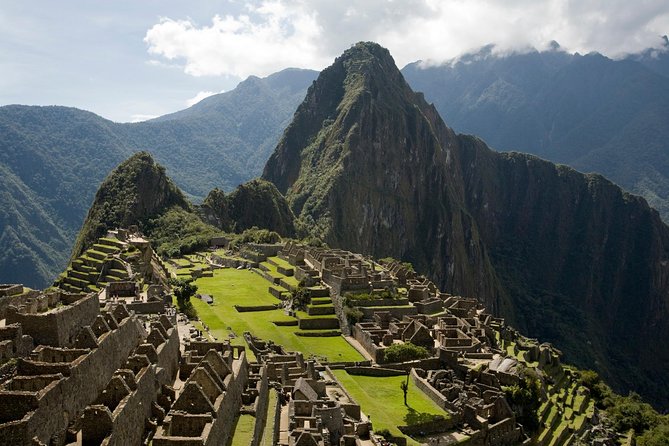
- Machu Picchu with guided visit plus round trip back to Cusco
- Most transport included (airfare Lima to Cusco and back is the one big exception)
Lima to Cusco: why this trip works as a first Peru plan
If you are seeing Peru for the first time, this kind of trip makes sense. You get structure, transportation, and guides who connect the dots between places. Lima sets the stage with coastal culture and colonial layers, then you fly to Cusco, slow down for fortresses and temples, and finally reach the big finale at Machu Picchu.
For me, the best value is that you spend less mental energy on logistics. Transfers show up when they are supposed to, entrances are handled, and you are not constantly re-reading schedules. And if you want a vacation that is not a nonstop sprint, this one generally fits, since there is time to rest during the Cusco days and a buffer built into the pacing.
Just be honest with yourself about altitude. Cusco is at elevation, and you will likely feel it. The good news is that the tour plan takes that seriously enough that you get guidance to plan for altitude sickness, including bringing medicine or asking your doctor.
A few more Lima days worth comparing
- Premium Paracas & Huacachina Day Trip from Lima with Sunset Toast
★ 5.0 · 7,380 reviews - Full Day Tour From Lima: Paracas and Huacachina Oasis
★ 5.0 · 3,694 reviews - Lima Ultimate Peruvian Food Tour
★ 5.0 · 1,845 reviews
Price and what you are really paying for
At $1,454 per person for an 8-day package, you are not just paying for beds. You are paying for a bundle of things that add up quickly in Peru: 7 nights of accommodations (breakfast included), most transport between hotels and sites, guided tours at the listed places, and entrance fees for those stops.
Airfare is the one major exception. The plan explicitly does not include flights between Lima and Cusco. And there is a practical catch: when you book those flights, you need a morning flight, since arrival by noon is too late. That means the true cost of the trip depends on your flight deals, but the rest of the itinerary is largely handled.
So, is it good value? For a first-time trip that wants guided history and fewer moving parts, yes. If you already have a car in Lima and are planning your own train and tickets, you could build something cheaper. But once you factor in the time cost, the entry fees, and the “how do I do this without messing up Machu Picchu?” problem, this packaged approach often comes out fair.
Day 1 in Lima: Miraflores viewpoints, Huaca Pucllana, and Plaza Mayor
Lima kicks off with a straightforward airport meet and greet, then a transfer to your hotel. In the afternoon, you get a guided loop that helps you understand the city fast.
You start at Love Park in Miraflores, where the Pacific Ocean view gives you instant context for Lima’s coastal life. From there, the tour moves to Huaca Pucllana, a ceremonial center tied to Lima culture. Even if you have never heard of Lima culture before, this stop does a good job of showing that the city has layers way before the Spanish arrived.
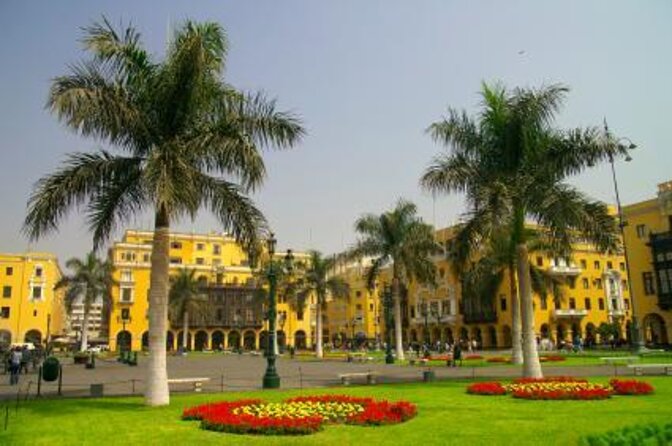
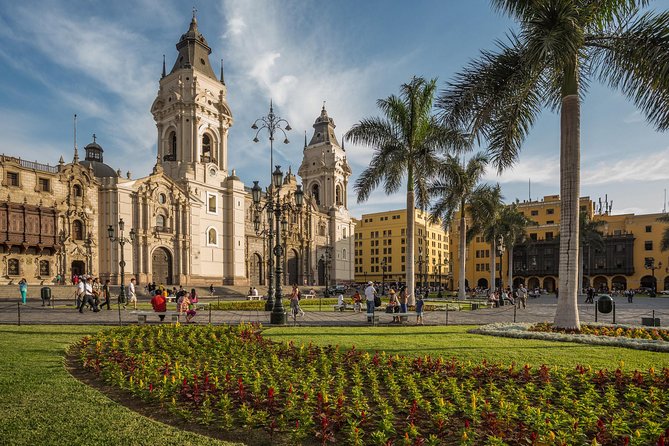
Then you head to Lima’s beating heart, the Plaza de Armas, where you’ll see the Government Palace and Town Hall. The Cathedral visit adds colonial-era architecture and religious history, and the Santo Domingo Convent is a meaningful follow-on, including corridors that San Martin de Porras and San Rosa de Lima once walked in the 17th century.
The draw: Lima afternoons can include a lot of walking across different neighborhoods. It is manageable, but if you arrive tired from your flight, go easy and save your energy. The upside is that day one is structured, so you are not left figuring out what to do with your first half day.
Day 2: Pachacamac, Museo Larco, and the Magic Water Circuit
Day two is a strong mix of archaeology, museum time, and a fun evening show.
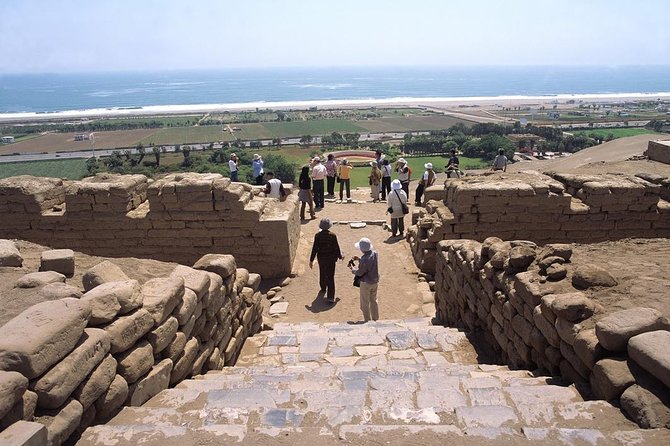
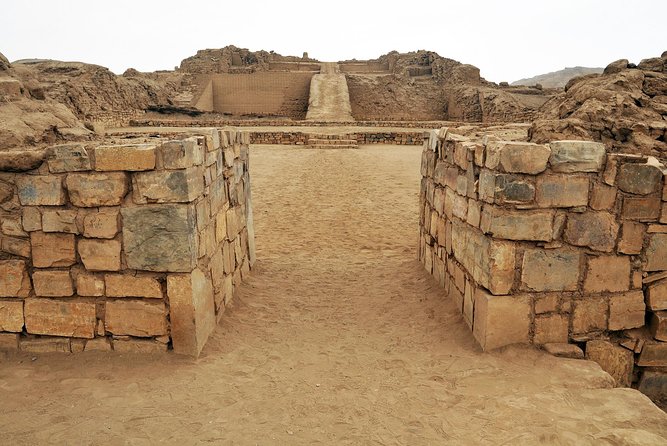
First up is Pachacamac, an archaeological sanctuary about 30 km south of Lima. It sits above the ocean and the Lurin River Valley, so you are not just looking at ruins, you are also getting the setting that made the site important. Pachacamac was a pilgrimage center for earlier cultures, and when the Incas arrived, the complex was adapted into an administrative center while respecting local construction. You’ll see places like the Temple of the Sun, the Acllahuasi, Taurichumbi Palace, and the Pilgrims Plaza.
You also stop at the In-site Museum, which helps turn the ruins into something you can recognize and remember later, because it frames what you are seeing and ties it to finds from the area.
After lunch is not really the focus here, since the day flows through more culture. You go to Museo Larco, about 30 minutes from Lima’s city center. This museum is known for its variety of ancient Peru cultural displays, and the collection includes a major ceramics warehouse with pieces that depict faces and everyday objects. If you like to understand how people lived, this is a great companion to the archaeological day.
Then near dusk, you get to Circuito Magico Del Agua, a fountain and light show with interactive elements and music. It is known for world-recognized fountain scale, and even if you usually skip light shows, this one is a fun break from ruins and museums.
The day ends with a food moment at Pueblo Libre, where you try sandwiches with pisco as a pairing. Even if you do not drink, it is still a nice way to get a quick local taste in a single stop.
A different kind of day out of Lima:
- Lima Half-Day City Walking Tour (Small Groups)
★ 5.0 · 1,508 reviews - Paracas and Huacachina Exclusive Sunset Picnic Tour
★ 5.0 · 1,398 reviews - Unmissable Visit To Paracas, Huacachina And Sunset In The Oasis
★ 5.0 · 1,138 reviews - Paracas, Ballestas Islands and Huacachina Guided Tour
★ 5.0 · 1,100 reviews
Day 3: Fly to Cusco, then learn the city by foot
Flying from Lima to Cusco gets you higher and closer to the heart of Inca history fast. Once you land, you get a meet and greet and transfer to your hotel, then your Cusco city experience starts in the afternoon.
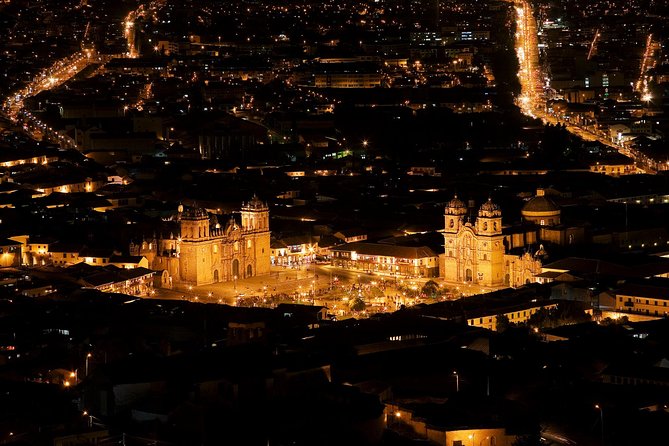
The tour begins at San Cristobal Plaza for a panoramic look over Cusco. That view matters because it helps you understand why Cusco became such a powerful place. Next is San Pedro Market, where you can soak in local flavors and learn about the products grown in the area that supply the city.
Then you move into the core of Inca and colonial overlap with Korikancha. Its Quechua name means Gold Enclosure, and the contrast here is striking: a site with Inca grandeur, later connected to colonial structures, including the Santo Domingo Church.
The walking route from San Blas and onward includes places like Hatun Rumiyoc Street, the Inca Roca Palace, and the Twelve Angle Stone. That last stop is the kind of detail your guide will help you appreciate, because it is not just a rock, it is a clue to how Inca stonework was designed to fit and endure. You finish in the Main Square area with the Cathedral and colonial masterpieces.
A practical drawback: this is a walking-heavy afternoon. In Cusco, even simple walking can feel tougher if you are adjusting to altitude. The good news is that this style of gradual city orientation is the kind of day you can handle if you take short breaks and drink water.
Sacsayhuaman and the Cusco ridge forts: a great “big picture” day
Day four is when Cusco starts to feel like an Inca stronghold rather than a city. You head out early to Sacsayhuaman, a huge fortress of colossal constructions with expansive views. This is one of those places where the scale hits you immediately.
Then the plan continues with the Inca Shrine Qenqo, including a sacrificial altar embedded inside a rock cave. If you want to connect the dots between ritual, architecture, and landscape, these stops work well together.
You also visit the Puca Pucara viewpoint and Tambomachay, described as a monument of impressive architectural knowledge linked to Andean cosmology. Even without a deep background, a guided stop here helps you interpret what you are seeing instead of just photographing it.
The afternoon is free to explore Cusco at your own pace. I like this kind of built-in flexibility. It is a chance to shop, rest in a quieter street, or simply re-check your energy levels after the morning.
If you are prone to altitude headaches, treat the free afternoon like it is for recovery first, wandering second.
Sacred Valley day: Pisac, Awanacancha camelids, and the Inkariy Museum
The Sacred Valley days are where the trip becomes more than just sightseeing. You start to see how the Incas thought about agriculture, settlement, and trade routes, even through a lens of later colonial and modern life.
After breakfast, you head to Awanacancha, where you can see and feed Andean camelids like llamas and alpacas. There is also a chance to learn about weaving and dyeing techniques of traditional textiles. This helps make the rest of the day feel grounded in everyday culture, not just ruins.
Then you continue to Inca and colonial Pisac. You get a walking tour of the colonial town and time for shopping at the handicraft market. That shopping time is useful because it gives you a planned window to browse without the stress of finding everything alone.
You also visit the Inkariy Museum, followed by lunch. The museum is described as showing cultural representations of pre-Hispanic civilizations through multiple rooms. This is a good pairing with Pisac because it broadens the story behind the valley.
Overnight is in the Sacred Valley, so you sleep closer to the next day’s stops rather than rushing back to Cusco. It makes the next leg easier.
A consideration: the day is a long one. You will likely be awake and moving most of the daylight hours. Bring layers, because valley mornings and afternoons can feel different.
Moray and Maras to Ollantaytambo: where science meets scenery
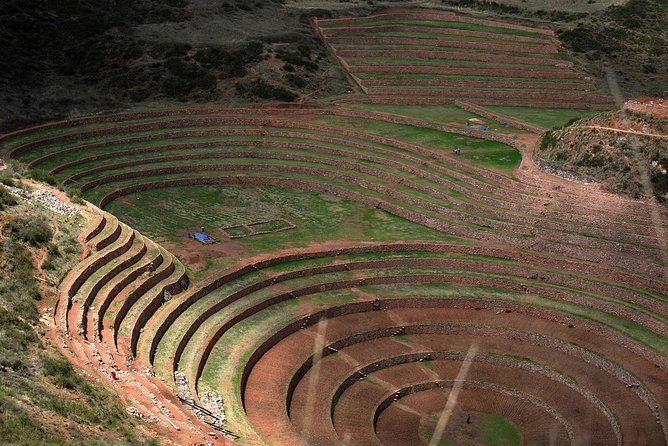
Day six is a favorite for many people because it mixes unusual geography and classic Sacred Valley drama.
You begin at Moray, known for concentric terraces that simulate an amphitheater shape. The terraces are described as recreating 20 different types of microclimates. The big idea you take away is that the Incas could manipulate growing conditions and support agriculture at scale.
Next comes Maras salt mines, famous for the millenary salt wells. The visual contrast between white salt wells and the green valley is exactly the kind of scene that stays in your head. It is also a place where your guide can help explain what you are seeing and why it matters.
After a buffet lunch, you head to Ollantaytambo, where the tour focuses on how the Incas worked the stones. This is one of those stops that makes you appreciate precision. Your guide’s explanation helps, because you can otherwise miss the skill behind what looks like just massive rock walls.
Then comes the big transportation moment: you take the train to Machu Picchu area. You arrive and get assistance for lodging in your hotel. That assistance matters, because it reduces the chance of travel-day confusion when you are already tired.
Machu Picchu day: bus up, guided ruins, and a real end to the story
Breakfast starts day seven, then you board the bus up the winding road toward Machu Picchu. The route includes views of the Urubamba River and its canyon, so even the trip up is part of the experience.
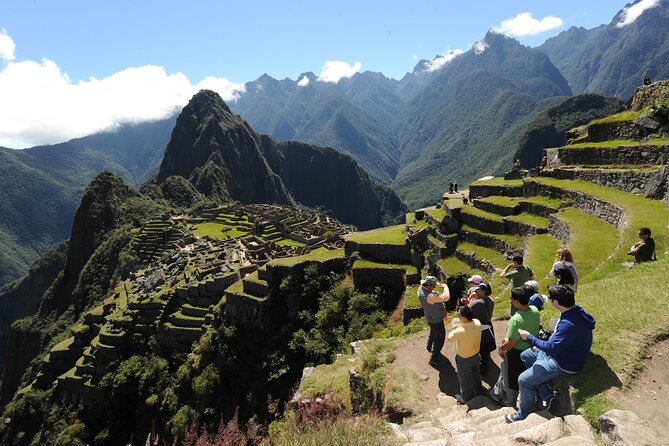
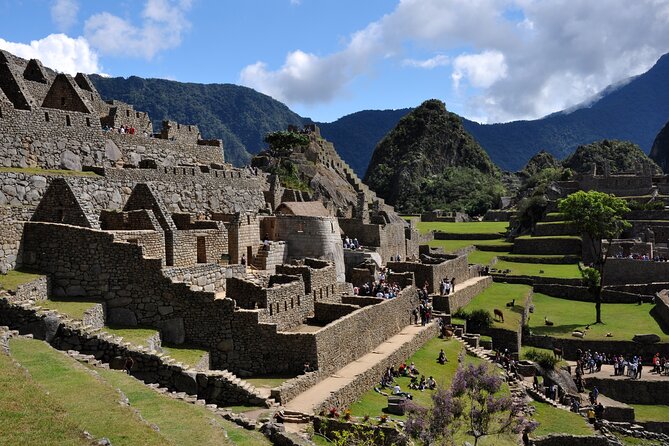
At Machu Picchu, you get the main event: terraces, ceremonial shrines, steps, and urban areas. A guided visit is included, which I strongly recommend you actually use. Machu Picchu can look like a lot of stone at first. With a guide, it becomes a living map of design, ritual, and movement.
You then have lunch at a restaurant in the area. After that, you return to Cusco and transfer to your hotel for overnight.
This day is intense, but it is built the right way. You go up, you see, you learn, then you come back down to recover. If you are thinking about energy for altitude, this is the point where you should take it seriously and not rush through the guided parts.
What is included day to day, and where you still need to plan
This tour includes all transfers from and to airports, hotels, and train or bus stations. That is huge if you are traveling with limited Spanish or you just do not want to be stuck at a counter trying to figure out which ticket goes with which line.
It also includes guided tours of all listed sites, plus entrance fees. In plain terms, you are not constantly paying for add-ons during the week.
Accommodations are 7 nights, with breakfast each morning. Lunch is included twice. Everything else is on you unless it is specifically called out on the day.
The two big planning points you should not ignore are:
- Airfare is not included for Lima to Cusco and back, and your flight needs to be scheduled in the morning so you arrive in Cusco early enough.
- Machu Picchu ticket rules are strict. The ticket is not refundable, and date changes or amendments are not accepted. If you need flexibility because of weather or illness fears, you should know this ahead of time and plan conservatively.
Also note that the tour is capped at 12 travelers. That helps the guide manage the pace and makes it less chaotic than some larger groups.
Who this tour suits best, and who should adjust expectations
This plan is a good match if you are:
- Visiting Peru for the first time and want guides to help you connect the sites
- Traveling with kids or with people who need a calmer rhythm and more rest time
- Interested in the wider story, not only Inca ruins, since Lima includes Pachacamac and Museo Larco
- Want a classic route that covers Cusco, the Sacred Valley, and Machu Picchu in a single trip
You might want to reconsider if:
- You hate early mornings and long travel days, since several days are action-packed
- You strongly prefer DIY travel, because a packaged plan trades flexibility for convenience
- You are very sensitive to altitude, since Cusco is part of the deal and you may need extra care and medication planning
One detail I appreciate from the experience feedback is that the tour team was praised for being professional and on time, and guide Gabriela earned standout praise for being helpful. That kind of reliability matters when you have timed entry and train schedules.
Should you book this Best of the Inca Empire tour from Lima?
Yes, if you want a guided route that covers Lima, Cusco, the Sacred Valley, and Machu Picchu without you needing to master Peru logistics on day one. The value is strongest when you compare what is included: hotel nights with breakfast, entrance fees, guided tours, and most transport.
Book it if you are okay with altitude reality and you can commit to the Machu Picchu visit date. If you need a lot of flexibility, do not count on changing your Machu Picchu ticket. If you can handle early mornings and some walking, you will likely feel like the schedule does a good job of balancing major sights with time to breathe.
FAQ
How long is the tour?
It is about 8 days.
Where does the tour start?
The start point is J Chavez Intl Airport in Lima, Peru.
Are accommodations and breakfast included?
Yes. The package includes 7 nights of accommodations based on the hotel class options, and breakfast is included for 7 days.
Is airfare included?
No. Airfare for Lima to Cusco and Cusco to Lima is not included.
What meals are included besides breakfast?
Lunch is included 2 times. Other food and drinks are not included unless specified.
What is the maximum group size?
The maximum group size is 12 travelers.
Is the Machu Picchu ticket refundable or changeable?
No. The admission ticket of Machu Picchu is not refundable, and date changes or amendments are not accepted. If you need to change your visit date, you must purchase a new entrance ticket.
Do I need to plan for altitude sickness in Cusco?
If you suffer from altitude sickness, the guidance is to bring medicine or ask your doctor for advice before you depart.
Recently reviewed around Lima
- Lima Highlights! – City Tour & Miraflores, Barranco & San Isidro★ 5.0 · 29 reviews
- Lima Surf Trip★ 5.0 · 29 reviews
- Modern and Colonial Lima City Tour.★ 4.5 · 29 reviews
- Full day Tour Paracas Ica & Huacachina from Lima.★ 5.0 · 29 reviews
- Bohemian and artistic ravine walking tour★ 5.0 · 29 reviews
- Discover Barranco’s Nightlife with Bar Crawl Lima★ 5.0 · 29 reviews
- Cooking Class + Market Tour + City Walking Tour (Full Day).★ 5.0 · 30 reviews
- Machu Picchu, Cusco & Lima 7-Day Tour★ 5.0 · 30 reviews
Lima Tours, compared.

Premium Paracas & Huacachina Day Trip from Lima with Sunset Toast
Read our review →
Full Day Tour From Lima: Paracas and Huacachina Oasis
Read our review →
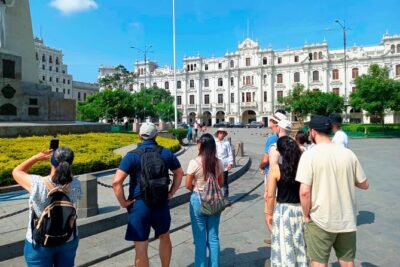
Lima Half-Day City Walking Tour (Small Groups)
Read our review →
Paracas and Huacachina Exclusive Sunset Picnic Tour
Read our review →
Unmissable Visit To Paracas, Huacachina And Sunset In The Oasis
Read our review →
Paracas, Ballestas Islands and Huacachina Guided Tour
Read our review →