
Reviewed · DAY TRIPS IN PUNO
Puno: Chucuito, Aramu Muru, and Juli Day Trip
This full-day loop around Lake Titicaca is interesting because it blends archaeology, everyday ancient engineering, and a stone portal wrapped in legend. I especially like the Temple of Fertility stop in Chucuito and the Juli church art in town, where you can actually walk from one historic viewpoint to the next.
The one drawback to plan for is time at Aramu Muru. Depending on how your group flows, you may get a choice between a short uphill viewpoint moment and a shaman-style ceremony option, so if you care most about seeing the view, tell your guide early.
Key things that make this tour worth your attention
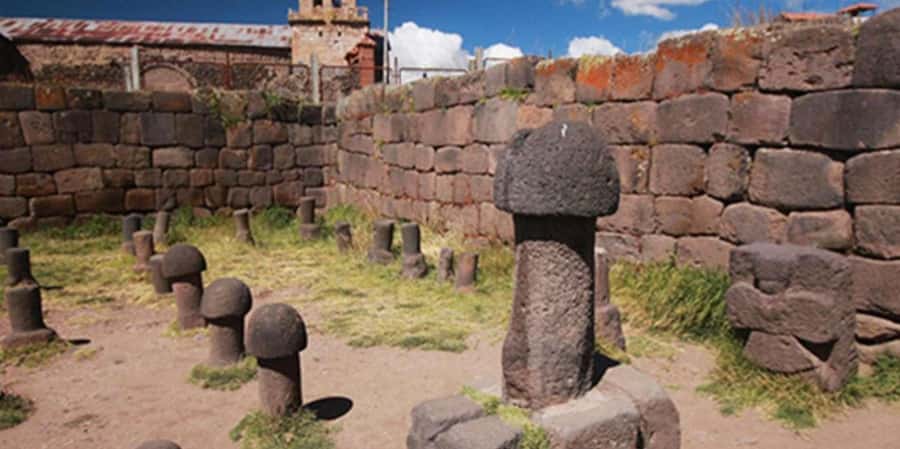
- Chucuito Hill Town: a quick climb plus Lake Titicaca views, paired with the Temple of Fertility
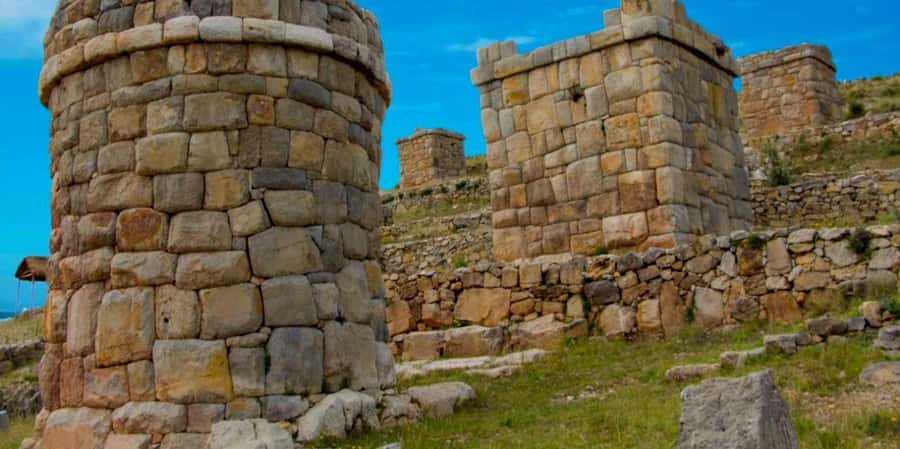
- Chullpas of Molloco: pre-Columbian funerary towers you can view on the ground, not just in photos
- Waru Waru Andinos: ancient irrigation engineering designed to reduce frost damage
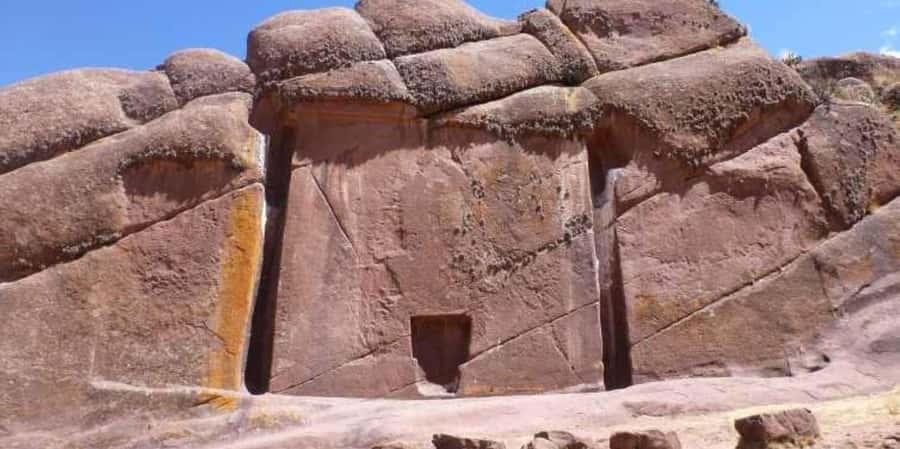
- Aramu Muru Gate of the Gods: a stone portal legend with a guided, spiritual-style explanation
- Juli’s standout churches: stops including San Pedro, San Juan de Letrán, and Santo Domingo
- Lunch in Juli: a local restaurant break before heading back to Puno
Entering the Puno Day Circuit: How the stops connect
This tour is built like a story told in three acts. First you get the sacred archaeology around Chucuito, then you switch to how people adapted to harsh high-altitude conditions at the Waru Waru Andinos and Molloco chullpas. After that, you go full myth mode with Aramu Muru, then finish in Juli where colonial-era churches and Cusco-influenced paintings help you understand what survived, what changed, and what kept blending together.
The best part is that you are not just looking at ruins from a bus window. You’re walking through town corners, getting close to funerary towers, and stepping into churches where the art helps you picture how locals learned to see their world after the Inca era.
This is also a small-group format, capped at 15 people. That matters on a long day in thin air, because the guide can keep pace with your questions instead of rushing you like cattle.
More Day Trips in Puno
- Lake Titicaca (Day Trip) Uros & Taquile Islands
★ 4.5 · 245 reviews - Speedboat Day Trip to Uros and Taquile From Puno
★ 5.0 · 113 reviews - Full day trip to Lake Titicaca, the Uros and Taquile Islands.
★ 4.5 · 34 reviews
Price and value for about $40: what you’re really buying
The listed price is around $40 per person for about 9 hours with hotel pickup and drop-off, plus a live guide. To judge value fairly, you need to separate three buckets: guiding, transport, and site access.
You are paying for a guide to connect the dots between places that would otherwise feel like disconnected landmarks. You also get the convenience of door-to-door pickup across Puno, and van time that strings the geography together without you having to solve logistics. Small group size adds a practical value too, because you tend to spend more time at the stops and less time waiting for people to find each other.
What costs extra: meals and entrance fees. Entrance fees can be the difference between feeling like a bargain and feeling overpriced, so I’d plan for some extra cash or card depending on what’s required. If you hate unexpected add-ons, it’s worth budgeting ahead.
One more reality check: it’s a popular route, so you might see lower prices with less structure elsewhere. The advantage here is that you’re getting a guided route with a steady schedule and multiple focus points: fertility rites, funerary towers, irrigation systems, then Juli’s church corridor.
Morning pickup from Puno: the part that sets your whole day
Your day starts with pickup from your hotel in Puno, or a pickup point near Plaza Mayor de Puno. The van ride segments are short between stops, but the schedule still moves, so be ready on time in the lobby. At altitude, your energy dips faster than you expect. Showing up early is a small move that can save you from feeling rushed later.
For a guide-driven day, the first stop matters most. The guide’s approach to pacing and language can make the difference between feeling informed and feeling like you’re chasing explanations. This tour runs in English and Spanish, and in at least one case the guide and driver were praised for being attentive and professional, including good coordination with the timing.
Chucuito and the Temple of Fertility: more than a photo stop
Chucuito is a hill town with views over Lake Titicaca. It’s the kind of place where walking a few blocks changes the way the lake looks, and you can feel how communities built their lives on slopes.
The highlight here is the Temple of Fertility. Your guide’s job is to translate what looks like stone and structure into a human story. You’ll learn the archaeological context behind the site and how fertility themes fit into local belief systems, land use, and ritual life. Even if you’re not a history buff, this stop works because it’s practical, tied to how people understood nature and survival.
Practical tip: wear shoes you trust on uneven ground. Chucuito is not a flat promenade. Also, plan for cold and sun at the same time. I’d treat sunscreen as mandatory, even on hazy mornings, and keep layers easy to add and remove.
A few more Puno days worth comparing
- From Cusco: Vinicunca Rainbow Mountain ATV Tour with Meals
★ 4.6 · 1,060 reviews - From Puno: Uros, Amantaní & Taquile Islands 2-Day Tour
★ 4.5 · 452 reviews - Tour to Uros and Taquile Islands in a Fast Boat
★ 5.0 · 419 reviews - From Puno: Floating Islands of the Uros Half-Day Tour
★ 4.4 · 394 reviews
Molloco chullpas and the Waru Waru Andinos: ancient engineering you can still read
Next comes two very different kinds of evidence. First are the Chullpas of Molloco, pre-Columbian funerary towers. These structures help you understand how communities honored the dead and preserved memory across generations. Up close, you’re no longer thinking about “a tomb” in the abstract. You’re seeing a real form built for a real environment.
Then the tour turns to the Waru Waru Andinos, an irrigation system designed to create a microclimate. The simple idea is that engineered water and raised beds can help protect crops from frost. This is where the tour becomes useful beyond sightseeing. You start seeing Andean survival as a mix of agriculture, timing, and adaptation, not just “architecture.”
If you like science-meets-culture explanations, this is one of your favorite moments. And it’s also a good breath reset, because it shifts you from religious symbolism into how daily work was designed to outsmart the weather.
Aramu Muru, the Gate of the Gods: legend plus a guided walk
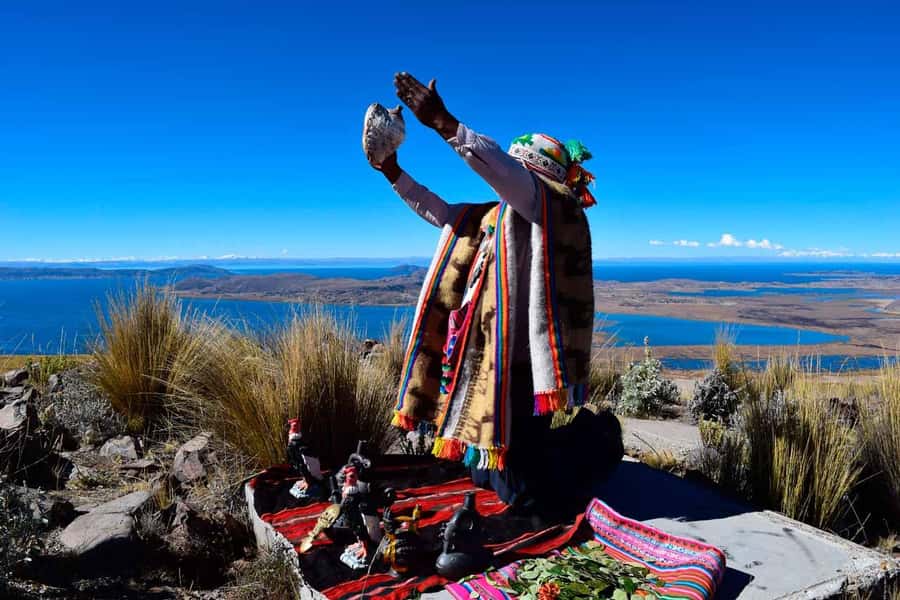
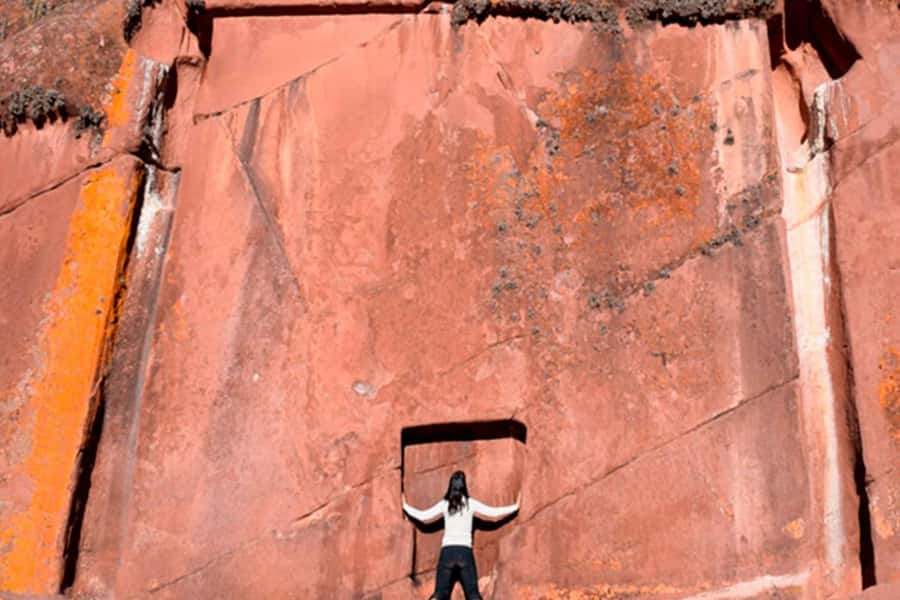
Then comes Aramu Muru, also known as the Gate of the Gods. The legend says a portal like this will one day allow the arrival of deities to Earth. Your guide will frame the mystery behind the stone portal and connect it to local spiritual interpretations.
This is also where timing can feel personal. Some groups have the option to either walk up for viewpoint views or take part in a shaman-style ceremony moment. You might not get both in the same window, so you should decide what you want most. If you’re all about the wider horizon and lake setting, prioritize the viewpoint. If you want the spiritual storytelling and ceremony-style focus, go for that option.
Either way, come in prepared for cold. Even when the day is bright, stone and wind can make you feel it quickly. Bring your warm layer and keep your gloves handy if you run cold easily.
Photo tip: don’t just shoot the portal. Ask your guide where to stand so you can frame the structure with its setting. The point is to capture the scale and the mood, not just the shape.
Juli, the Rome of Latin America: churches, paintings, and a slow stroll mindset
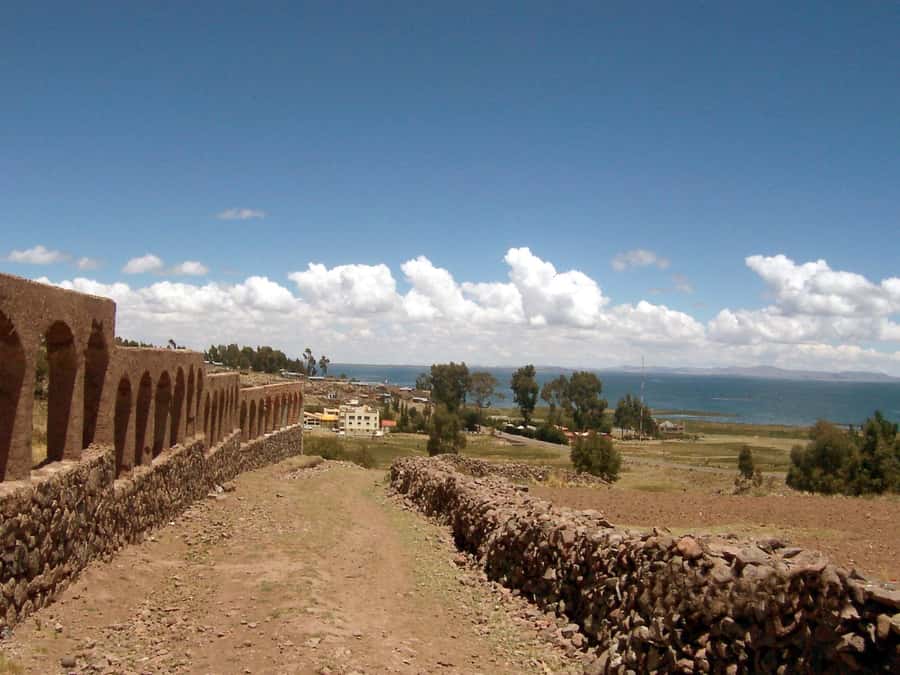
After Aramu Muru, you head into Juli, known as the Rome of Latin America. This part of the day works best when you shift gears from sprinting to strolling. The streets aren’t just a corridor to the next building. They help you understand how religious space and civic life sit side by side.
You’ll visit churches including San Pedro, San Juan de Letrán, and Santo Domingo. A big part of the appeal is the artwork, including large paintings by Cusco artists. The paintings matter because they show you how artistic styles traveled and how local communities adapted incoming ideas into their own visual language.
Inside churches, take a moment to look slowly. Don’t feel you have to read every panel. Instead, try to spot the recurring themes your guide highlights, then let your eye follow the details. That approach makes the visit feel rewarding even if you’re tired from the morning.
One practical note: churches often mean steps and uneven floors. Comfortable shoes still win. If your feet are the weak link, this is when you’ll notice.
Lunch in Juli: how to eat well without losing the day
Lunch happens in Juli at a local restaurant. The plan is a real break, not a quick snack-and-go. Still, because you’re on a 9-hour schedule, you should eat smart: choose something filling but not so heavy that you feel sluggish when you rejoin the group.
If you have dietary needs, it’s harder to guarantee options. The tour data only says lunch is at a local restaurant, and that meals are not included in the tour price. So treat this as a flexible meal stop rather than a guaranteed menu experience.
After lunch, you’ll head back to Puno. I recommend keeping your water bottle filled and using the rest stop time to cool down, especially if you’re sensitive to altitude.
Transport, timing, and keeping up in English or Spanish
This is a long day, and it’s normal for people to feel the pace. Van rides between stops are part of the rhythm, but the stops themselves require walking and looking, then listening.
A small but important consideration: if you’re relying on English narration, you might still find that keeping up can be tough at times, especially when you’re also trying to take in what’s in front of you. The fix is simple. Stop for one beat, take a breath, then refocus on what your guide is emphasizing in that moment.
If you’re traveling with someone who prefers quiet observation, tell your guide. A good guide can balance explanation with letting you take your time.
Also, this tour is not set up for wheelchair users. The route includes walking in towns and likely uneven ground, so it wouldn’t be fair to assume it can be adapted.
What to bring to feel comfortable, not just “okay”
Bring these and the day gets easier fast:
- Comfortable shoes for uneven town paths
- Warm clothing, because high altitude can chill you quickly
- Camera for personal use
- Sunscreen, since sun and altitude go together
- Water, to keep you steady during stops
Not allowed: smoking. Not a big issue for most people, but it’s good to know the rules.
My biggest comfort advice is layering. You can be warm in the sun, then freezing once you’re standing still in shade or by stone structures. A packable layer saves you from the late-day grump.
Who should book this tour, and who should choose something else
This tour is best for you if you want a guided, structured route through three distinct worlds. You like archaeology but also enjoy when a guide turns it into everyday understanding, like how the Waru Waru irrigation system could protect crops from frost. You also want both sacred sites and local city life in the same day.
It’s less ideal if you hate long schedules. Even with a small group, it’s still a full day, and Aramu Muru can involve choices that affect how satisfied you feel with the time there.
If you want a slow, unhurried exploration of Juli’s churches, you might feel a bit time-pressed. In that case, consider pairing this day with extra time in Juli on another day, so you can return without a van deadline.
If you’re thinking about value, consider your priorities. If your top goal is Aramu Muru and you’re worried about the viewpoint versus ceremony trade-off, ask questions before you go or manage expectations tightly.
Should you book the Puno Chucuito, Aramu Muru, and Juli day trip?
Book it if you want one efficient day that connects fertility ritual sites, funerary towers, frost-fighting irrigation engineering, and Juli’s church-and-art walking route. The price is reasonable for the format, especially because you get pickup, a live guide in English or Spanish, and a small group size that helps you feel less lost.
Don’t book it if you need a fully flexible schedule, or if you expect to spend equal time at every stop no matter what. The Aramu Muru window can be tight, and lunch and entrance fees can add to your total cost.
My final take: this is the kind of tour that makes Puno feel bigger than a lakeside town. You leave with stories that connect how people lived, worshiped, grew food, and built meaning into the stones and churches around Lake Titicaca.
Recently reviewed around Puno
- Full day trip to Lake Titicaca, the Uros and Taquile Islands.★ 4.5 · 34 reviews
- Half Day Tour to Sillustani from Puno★ 4.5 · 36 reviews
- Uros Reed Floating Islands & Taquile Island Titicaca Puno Full Day★ 4.0 · 38 reviews
- 2 Day Tour to Uros, Amantani and Taquile from Puno★ 5.0 · 38 reviews
- Two-Day Tour to Uros with Amantani and Taquile from Puno★ 5.0 · 44 reviews
- Full Day Guided Tour of the Aymara Route from Puno★ 5.0 · 55 reviews
- Full Day Lake Titicaca Tour to Uros and Taquile Islands★ 4.5 · 56 reviews
- Puno: Full-Day Tour of Lake Titicaca and Uros & Taquile★ 4.4 · 178 reviews
Day Trips in Puno, compared.
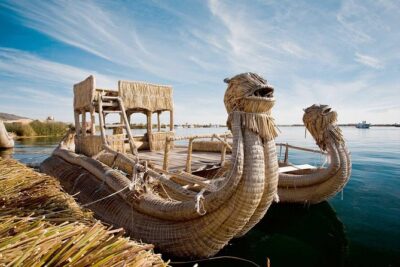
Lake Titicaca (Day Trip) Uros & Taquile Islands
Read our review →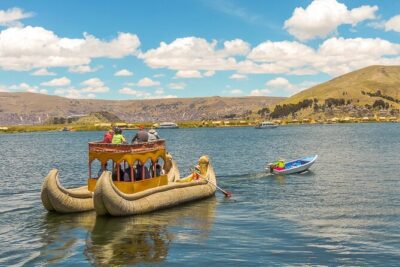
Speedboat Day Trip to Uros and Taquile From Puno
Read our review →
Full day trip to Lake Titicaca, the Uros and Taquile Islands.
Read our review →
Day Trip to Uros Floating Islands and Amantani Island
Read our review →
Sun island and Copacabana | From Puno or La Paz / Day Trip
Read our review →Browse the lists this tour appears in