
Reviewed · TOURS
Chiclayo: Chaparri Ecological Reserve Tour
This day trip to Chaparri dry forest is interesting because you trade Chiclayo city time for a protected reserve tied to Cerro Chaparri, where conservation work happens in the same place you’re hiking. I love how the day is organized around specific routes, like the spectacled bear route, and I love that you’re not just hoping for wildlife, you’re actually learning what lives here and how to spot it. The main drawback is simple: big-cat and bear sightings are never guaranteed, so you need patience and realistic expectations.
You also get a rescue-center visit plus a nature walk that focuses on birds and trails, not a long bus tour. Expect a long day on rougher roads getting in and out, so bring comfortable shoes and a flashlight for darker stretches.
Key highlights you will feel fast
- Route-based walking through the Enchanted Garden area of Chaparri, instead of a random stroll
- Wildlife conservation in action at the spectacled bear rescue center, including Cuto
- Birdwatching with names you can follow, from the Red-headed Parrot to the Tumbes Swift
- Dry forest species and big animals in the same ecosystem, including tapirs, pumas, and jaguars (with patience)
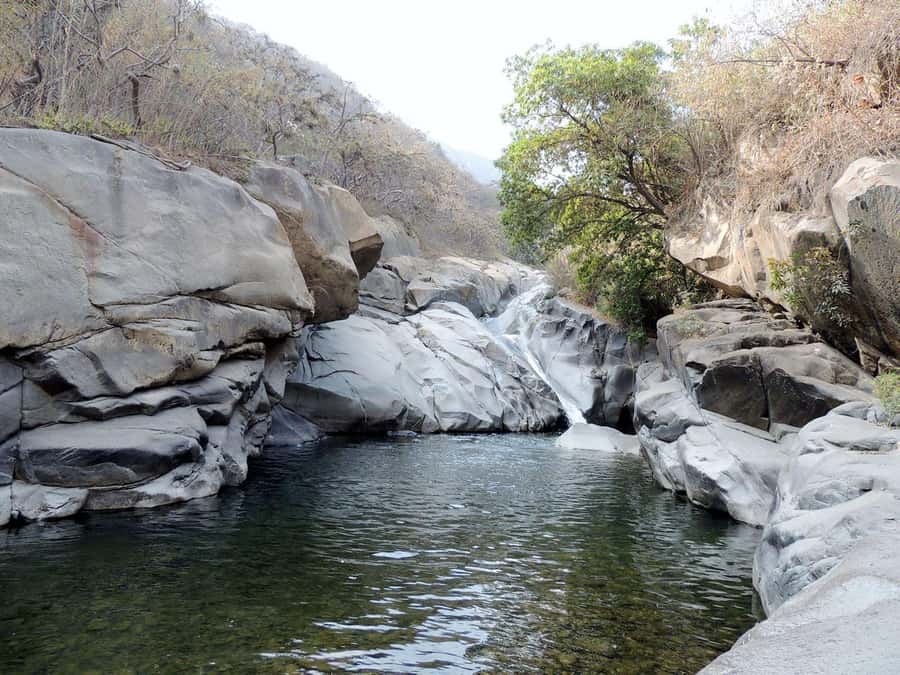
- Hidden waterfalls you can hunt for along the winding trails
- Tinajones Reservoir stop with birds like eagles and herons on the way back
Why Chaparri feels like a real Lima-free Peru day
Chiclayo is a useful base for northern Peru, but it can also feel loud and busy. This outing is a clean break from that. You’re heading into a protected dry forest refuge in the Lambayeque Region, tied to Cerro Chaparri, a sacred mountain for local communities. The result is a day that feels more grounded and less touristy than many “wildlife trips.”
What I like most is that your guide isn’t treating this like a checklist hunt. The experience is built around understanding the place. You’ll walk winding trails, look for hidden waterfalls, and learn what the reserve is protecting. Then you’ll step into the rescue center to see why conservation matters here, not only what wildlife you might spot.
Other Chiclayo days people book on the same trip:
- Piramids of Tucume Tour, Sican Museum and Lambayeque city tour
★ 5.0 · 30 reviews
The drive from Chiclayo to Chongoyape, and why comfort matters
You start by heading about 80 km southeast to Chongoyape, then continue on to the Chaparri area with a local guide. This is not a gentle, city-to-city transfer. One of the best practical takeaways from past guests is that the roads toward the reserve can be bumpy. Plan for that.
Pack for the ride and the walking. Choose supportive shoes and wear sunglasses, because the day has sun, exposed areas, and dust potential. If you’re prone to motion discomfort, it’s worth timing your breaks and keeping hydrated. The tour includes tourist mobility and pickup, so you don’t have to figure out transport yourself, but you still feel the terrain.
Entering the Enchanted Garden and Cerro Chaparri, a guided walk with purpose
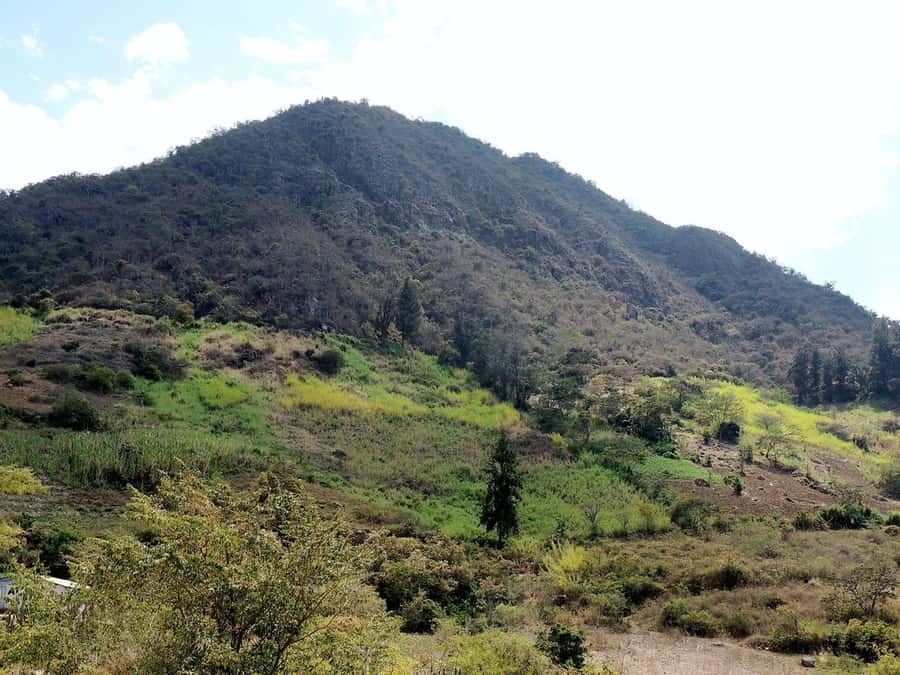
Once you reach the Enchanted Garden in the Chaparri Private Conservation Area, the experience becomes more than “going into the forest.” The reserve covers 34,142 hectares, and Cerro Chaparri is considered sacred by local residents. That matters because the tour isn’t just about animals. It’s about the dry forest ecosystem and the cultural respect that comes with protecting it.
This is where the hiking routes start. You’ll follow trails designed for different focus areas, including the Spectacled Bear route, the Huachuma (San Pedro) route, and the White-winged Guan route. That structure is a big value add. You don’t waste time laterally. You move with intent.
What walking here is really like
You should expect winding trails and stretches where you’re stopping often. That’s not inefficiency, it’s how wildlife and birds show themselves. Dry forest can be quiet. When you pause, you catch more than you would while rushing.
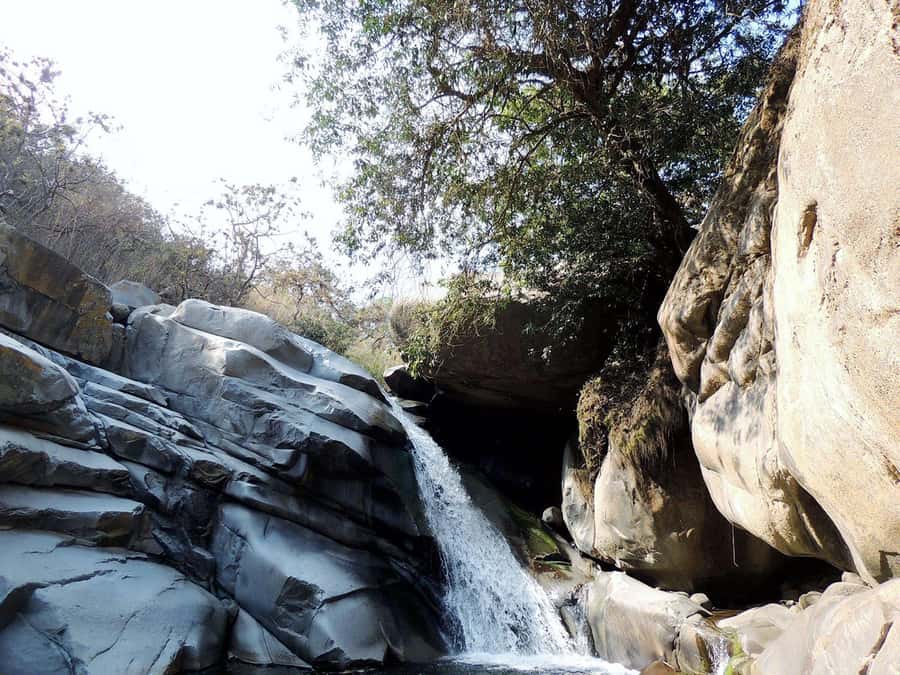
As you walk, you’ll look for hidden waterfalls. That’s a nice contrast in a dry forest setting, and it gives you a natural “reward moment” during the day, not only near the end.
The Spectacled Bear rescue center, meeting Cuto and learning why rehab matters
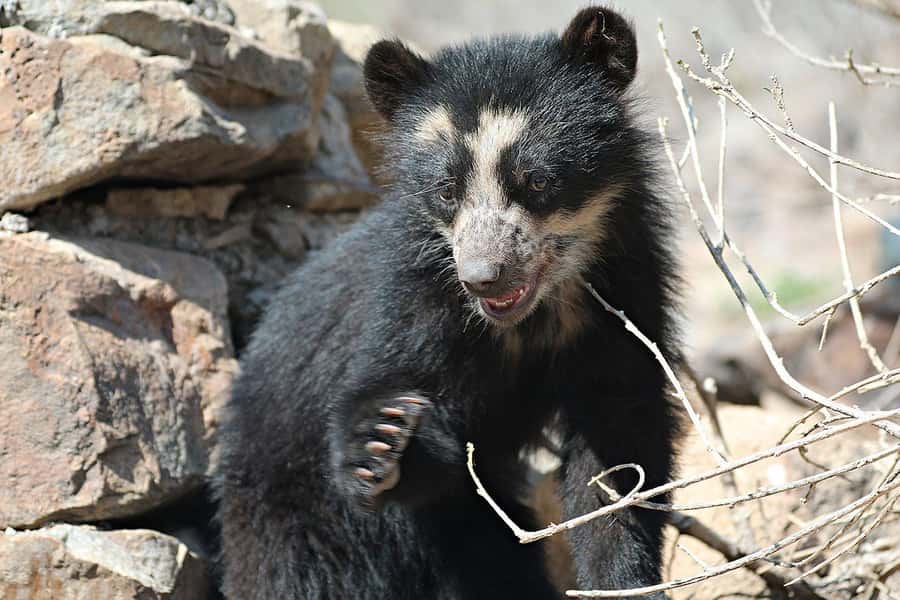
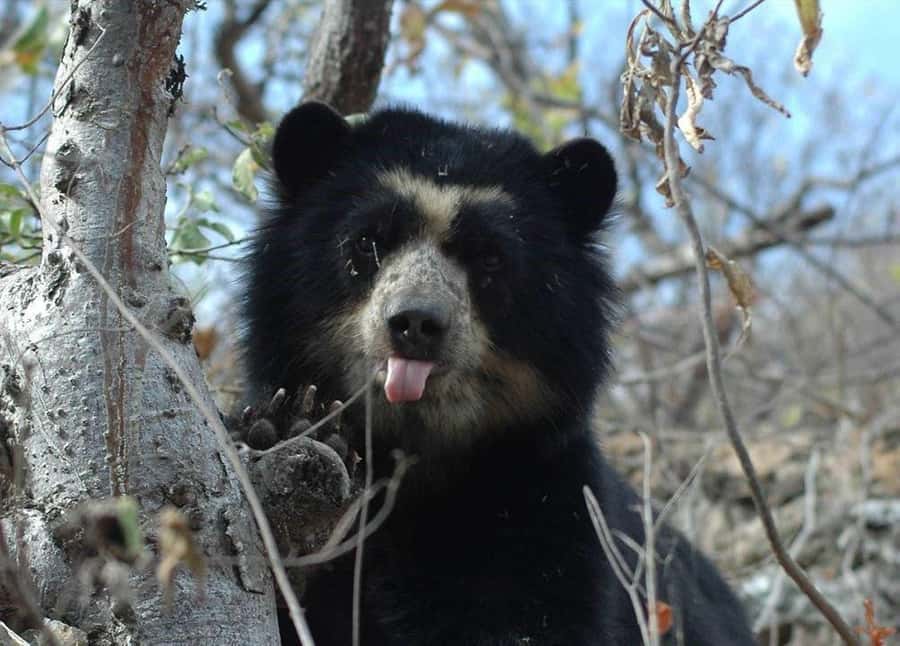
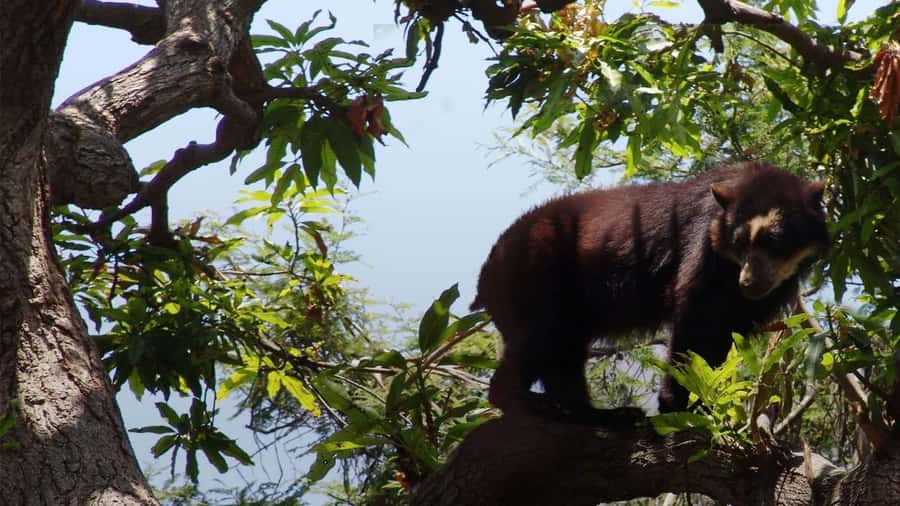
One of the most memorable parts is the visit to the spectacled bear rescue center. The idea is straightforward but powerful: rescued bears are rehabilitated until they can be released into their natural habitat.
You’ll meet Cuto, a permanent resident rescued from a circus. Seeing a bear in a natural environment style (not a circus setting, not a tiny cage vibe) makes the conservation story feel real. It also changes your expectations for the rest of the day. Instead of asking only whether you’ll see a bear in the wild, you’ll also understand what happens when bears do get harmed by illegal captivity.
A past guest also noted that you might be able to watch other rescued bears in their park area, with a calm, steady pace. That’s the point. Rehabilitation is slow, and the center is designed around the animal’s recovery, not entertainment.
Practical tip: bring patience. The best moments in conservation centers usually come from quiet observation. Don’t rush photos. Give it a minute and look for behavior, not only fur and faces.
The Huachuma (San Pedro) route, mountain spirits, and the reptile stop
On the Huachuma route, you learn about shamanism sessions, including what they mean and the respect offered to the Apus, the spirits of the mountains. Even if you’re not into ritual traditions, this piece helps you understand why local people care for these landscapes and wildlife.
Then the day shifts into animals you may not expect in a dry forest reserve: reptiles and amphibians. You’ll visit the reptary and learn about snakes in the area, plus amphibians and how they live. This part is especially useful if your birding focus is strong but you want broader ecology knowledge. It also keeps the day from becoming only “look up, look down” in one direction.
One thing to remember: seeing snakes and reptiles in nature is never guaranteed. The reptary helps fill that gap with learning, so you leave with clearer context even if you do not spot every species outside.
White-winged Guan route and the bird list you can actually use
Birding is a major strength of Chaparri. Your guide is there to help you spot birds and identify them, not just point at movement. In a place like this, that makes a huge difference, because many birds are small, fast, and easy to miss.
You’ll also learn about endemic birds, including species such as:
- Red-headed Parrot
- Peruvian Owl
- Emerald Parakeet
- Bush Nightjar
- Tumbes Swift
- Short-tailed Starlet
- Scarlet-backed Woodpecker
- Peruvian Woodpecker
- Eyebrow Wren (or Nightingale)
- Tumbes Woodpecker
And you’ll also be focused on the White-winged Guan as an endangered species with conservation and reintroduction work behind it.
You might hear some birds more than you see them clearly. That’s okay. A guide trained for local species can help you track sound and movement so you still feel like you accomplished something even when birds stay hidden.
And yes, Chaparri also ties into larger endangered wildlife efforts, including the Andean Condor. That broadens the day beyond one niche, from hummingbirds to larger raptors.
Tapirs, pumas, jaguars: what you can hope for, and what you should plan for
The reserve is described as home to iconic species such as tapirs, pumas, and jaguars. That’s the dream part of the day. But here’s the honest planning advice: predatory wildlife is hard to spot on schedule. Even with a great guide, you might only catch signs, brief movement, or nothing visible at all.
What you can control is your effort. Walk steadily, stop when your guide stops, and keep your eyes open for tracks or quick silhouettes. A day like this rewards calm attention. If you go in only chasing a single animal photo, you can feel disappointed fast.
A key mindset shift: treat wildlife as a bonus, but treat learning and habitat understanding as the main win. That way the day stays satisfying even without a dramatic sighting.
The Interpretation Center, where conservation becomes a story you understand
After the routes, you tour the Interpretation Center. This is where the reserve gets explained in a practical way: biodiversity of the area, why protection matters, and the value of the dry forest ecosystem.
This stop is useful because the day can otherwise feel like a series of walks and surprises. The center helps you connect the dots. You’ll understand what the reserve protects, how reintroduction projects work for species like the spectacled bear and the White-winged Guan, and why endangered species get special attention here.
If you’re the type who likes a little structure, this portion gives you that. If you’re more of a “just show me birds” person, it still pays off. You leave knowing what you saw and why it matters.
Tinajones Reservoir detour, birds on the water supply side of Peru
After the reserve, the tour includes a detour to the Tinajones Reservoir, which supplies water to Lambayeque. That’s a smart contrast stop. Instead of only forest ecology, you get a water-based habitat view.
You can enjoy the scenery and look for birds such as eagles and herons. Even if your birdwatching list is already full from Chaparri, this gives you a different set of shapes and behaviors. Herons tend to hold still longer, while eagles can give you a sky-scanning moment, which helps break up the intensity of the forest walking.
Price and what $79 gets you in a one-day deal
The price is $79 per person for a 1-day tour. Entrance park fees are not included, with an indicative cost of S/. 30. Food and drinks are also not included.
So, is it worth it? Here’s how I’d judge value for your travel style:
- You’re paying for a full-day guided experience with pickup from your hotel or airport and official tourism guide support.
- You get structure: multiple routes, a rescue center visit, an interpretation center, and a reservoir detour.
- You’re also paying for local expertise focused on dry forest ecology and endemic birds, including species your guide helps you identify.
If you’re used to paying less for city tours, it may feel mid-priced. But because it’s a full day with real conservation stops, transport out of Chiclayo, and guided wildlife/bird focus, it lands in the “good value if you actually want nature learning” category.
If you just want a casual stroll, you might not get your money’s worth. This is better if you enjoy guided nature and structured wildlife time.
What to bring, because this is a walking day with sun
Bring:
- Comfortable shoes
- Sunglasses
- Sun hat
- Sunscreen
- Snacks and drinks (food is not included)
- A flashlight
I also suggest layering. The reserve experience is sun-heavy in many dry areas, but shaded portions and early or late timing can cool down a bit. If you have hiking socks, wear them. It’s an easier day when your feet feel happy.
Who this Chaparri tour suits best
This tour fits best if you:
- Like birdwatching and want help identifying species, not only spotting movement
- Want conservation in real settings, including the spectacled bear rescue center
- Can handle a long day with walking and some bumpy road time
- Prefer a structured itinerary with route-based exploration
You might skip it if you:
- Need a fully guaranteed animal sighting (big cats and some bears are never promised)
- Want a mostly comfortable, minimal walking experience
- Are not comfortable with sun, dust, and uneven terrain
Should you book the Chaparri Ecological Reserve tour?
If your goal is a meaningful one-day nature trip from Chiclayo, I think this is a strong choice. The mix is unusually solid: route-based hiking, birds you can name, conservation education at the interpretation center, and the spectacled bear rescue visit with Cuto as a real anchor point. Add in the Tinajones Reservoir stop, and you get a full, varied day for your time.
Book it if you’re ready to be patient for wildlife and you enjoy guided learning. Skip or rethink if you only care about a guaranteed jaguar or puma sighting.
Recently reviewed around Chiclayo
- Piramids of Tucume Tour, Sican Museum and Lambayeque city tour★ 5.0 · 30 reviews
Tours, compared.

Full Day Tour From Lima: Paracas and Huacachina Oasis
Read our review →
Excursion to Rainbow Mountain Full Day Optional Red Valley
Read our review →
Humantay Lake Tour with Breakfast and Buffet Lunch
Read our review →
Sacred Valley & Maras Salt Mines Tour with Lunch
Read our review →
Moray, Maras Salt Mines & Chinchero Weavers Tour
Read our review →

Paracas and Huacachina Oasis Full Day Guided Tour
Read our review →