
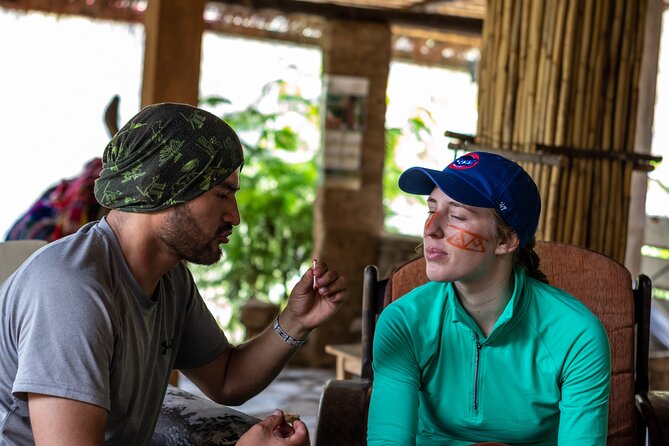
Reviewed · MACHU PICCHU
4-Day Machu Picchu with Biking, Inca Trail, Rafting and Ziplining from Cusco
This tour is interesting because it strings together four adventure styles, then ends with Machu Picchu in a way that feels planned, not chaotic. You start with a high-pass bike descent into the jungle, swap tires for a paddle on the river, hit the Inca Trail for real hiking time, then finish with ziplining and an early sunrise climb.
I especially like the mix of active outdoor time and built-in structure, like hotel pickup and drop-off and a clear day-by-day flow. I also like that you get mood-friendly accommodations and meals so you can spend your mental energy on the views, not “what’s for dinner tonight?”
One consideration: this is not a couch-to-citadel trip. The schedule is full, and you need moderate fitness for trekking, ziplining day-of travel, and the Machu Picchu morning pace, plus altitude effects can hit even fit people.
Key highlights at a glance
- Abra Malaga bike descent from about 4,350 meters, with Huamanmarka archaeological ruins along the way
- Original Inca Trail segment after a short trek, including hammocks in Quellomayo
- Cocalmayo hot springs stop at Santa Teresa (your entrance fee is separate)
- Ziplining circuit near Aguas Calientes, including a suspension bridge and light climbing
- Machu Picchu sunrise visit plus a full guided tour and time to explore on your own
From hotel pickup to the high pass: how the first day really sets the tone
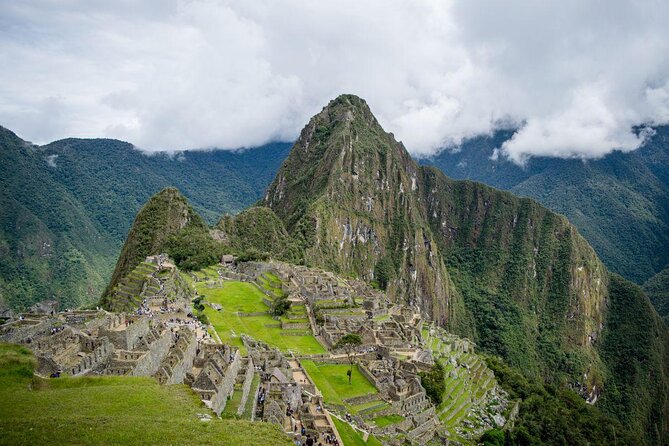
The day starts early, with pickup between 6:30am and 7:00am. You ride out of Cusco toward Ollantaytambo first. This matters more than it sounds. It gets you out of traffic headaches and into the adventure mood fast, and it gives you a buffer before the big altitude moment.
In Ollantaytambo, there’s a quick stop where you can grab practical stuff like water, snacks, sunscreen, or bug repellent. Do not skip this. After you pass through higher zones, you do not want to be improvising in the heat, or realizing you forgot essentials.
Then the drive continues to Abra Malaga High Pass, about 4,350 meters, where your biking day begins. You’ll get a safety briefing first, and then you’re off.
More Cycling Tours in Cusco
- 4-Day Inca Jungle Trail to Machu Picchu Hiking and Biking Tour
★ 5.0 · 438 reviews - Rainbow Mountain In Quad Bike
★ 4.5 · 421 reviews - Sacred Valley: Maras & Moray by Quad Bike from Cusco
★ 4.6 · 418 reviews
The bike ride: fast, scenic, and actually fun at altitude
This is one of the big reasons people book the tour. The downhill ride takes roughly 2.5 hours, and the vibe is “adventure speed” rather than “park stroll.” You drop from cool high altitude into a humid, greener zone, and you see Huamanmarka Archaeological Site along the route. That mix of motion plus history is a strong combo.
Practical reality check: the air at the top can feel thin, and the switch from altitude to jungle humidity can be intense. Take it easy at the start of the ride. You’re going downhill, but you can still get lightheaded if you went into the day without enough hydration.
Rafting after lunch: why Santa Maria is a good pivot point
After biking, you head to Santa Maria area, eat lunch, then move by bus to the rafting camp. You get a proper rafting briefing and safety gear like helmets and life jackets.
This part is valuable because it breaks up the “walk all day” rhythm. You’ll go from cycling and jungle scenery into a river activity that changes your focus instantly. The pace feels like a reset.
You finish the afternoon meeting back at the hostel for dinner and your first night surrounded by vegetation. It’s the kind of setting where you hear the jungle at night, not just the sound of a town. If you like your travel to feel like travel, not a checklist, this helps.
Day 2 in Santa Teresa: the Inca Trail walk, hammocks, and hot springs
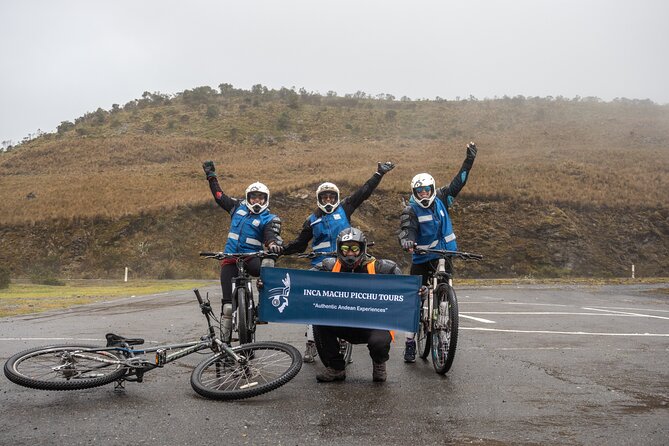
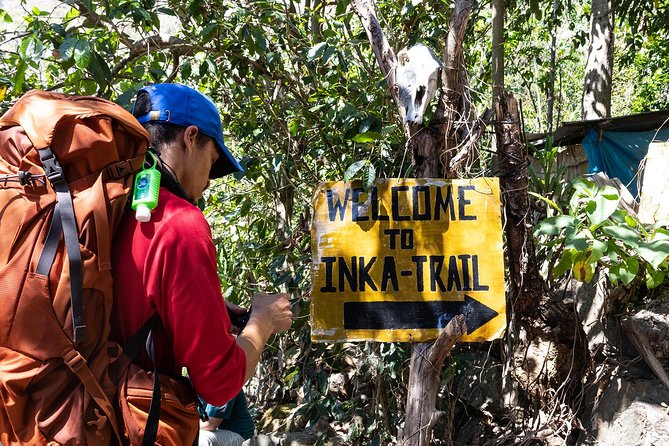
The second day starts at 7:00am with local breakfast, plus homegrown homemade coffee. The day builds from there with a trek starting around 8:00am. The first part is warm-up walking, then after about 30 to 40 minutes you join the original Inca Trail.
That detail is the difference between “a hiking day” and “a meaningful route.” You’re not just wandering in the mountains. You’re walking on a historic path, and your guide makes time for context about what you’re seeing and why it matters.
More Rafting in Cusco
- 4-Day Inca Jungle Tour: Machu Picchu Biking, Rafting, and Zipline
★ 5.0 · 241 reviews - 4-Day Machu Picchu Tour with Biking, Rafting, and Ziplining
★ 5.0 · 133 reviews - 4-Day Jungle Adventure to Machu Picchu: Biking, Ziplining, Rafting and Hiking
★ 5.0 · 82 reviews - Rafting & Zip line Urubamba River 1 Day
★ 5.0 · 75 reviews
What you’ll notice on the trail
This trail goes through a biodiversity-rich area. Expect fruit trees like pineapple, papaya, and banana, plus birds overhead. The guide helps you read the landscape instead of just looking at it.
There’s also a rhythm built into the schedule. After about 2.5 hours, you arrive at Quellomayo village for lunch and hammock rest. That hammock break is not just comfort, it’s strategy. It lets your legs recover before the second trek push.
The second trek: farms, waterfalls, and a cable car crossing
After your break, you continue for around 3 hours. This segment includes crossing farms, waterfalls, and rivers. One of the river crossings is done in a cable car, which keeps the day interesting and avoids turning every obstacle into wet scrambling.
You arrive around 4:00pm at Cocalmayo, famous as hot springs of Santa Teresa. You can take warm baths in springs with different temperatures. The one catch is cost: the entrance for Cocalmayo hot springs is not included, listed separately as s/10.00. Keep some cash or be ready to pay on arrival.
Santa Teresa night: relax time that still feels alive
After the hot springs, you walk about 40 minutes to Santa Teresa. There are taxis available for this last stretch if you prefer, but that extra cost is not included.
Your hostel includes wifi and hot water. After dinner, you have free time to explore the town. The tour description even flags that Santa Teresa has local pubs and discotheques, where you can try typical Peruvian beverages and meet locals. You do not need to be a nightlife person to enjoy this. It’s simply a bonus option if you want a low-effort change of pace after a physical day.
Ziplining near Aguas Calientes: a “breather day” that still keeps you moving
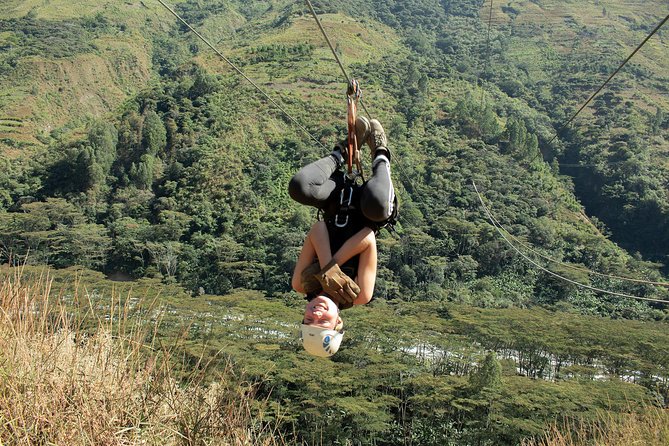
Day 3 has a 7:00am breakfast, then you head to the nearby ziplining location. This is not just one or two lines. You’ll do different zip lining routes, cross a suspension bridge, and even have some light rock climbing.
This day is a smart pivot because it replaces long walking with short bursts of adrenaline. You still feel the mountain setting, but you’re not burning your whole energy budget before Machu Picchu morning.
Lunch at Hidroelectrica, then the walk toward Aguas Calientes
After ziplining, a bus takes you to Hidroelectrica. You have lunch there and time to relax. Then you start the route toward Aguas Calientes, walking about 3 hours.
On this walk, expect waterfalls, wildlife, and views next to the Urubamba river. This is a section where being comfortable with uneven steps helps, but you’re not doing it alone. Your guide keeps the flow and timing reasonable.
When you arrive in Aguas Calientes, you meet again for dinner at a local restaurant. You’ll get a briefing about the next excursion to Machu Picchu. Then you’re free to explore the town.
This is another underrated value point. Aguas Calientes is touristy, but it is also where you can quietly organize yourself for the sunrise day, find simple comforts, and reduce morning stress.
Machu Picchu sunrise and the guided citadel tour: what you should expect
Day 4 begins with breakfast at the hotel, then you take the bus up to Machu Picchu citadel. The schedule says 25 minutes climbing before you’re on the uphill and can enjoy sunrise.
This timing is a big deal. Sunrise isn’t only about photos. It’s also when the light and atmosphere help you see structure and depth more clearly. You’ll get a brief introduction about history and architecture when you arrive.
Huayna Picchu note: viewpoint time may be on your own
You then climb Huayna Picchu mountain, about 1.5 hours, and the description notes you may feel like you’re on the clouds at the viewpoint.
Important for planning: the guided tour does not include Huayna Picchu mountain or the Machu Picchu mountain. The information says you’ll go by your own because they’re viewpoints where you can take amazing photos of Machu Picchu citadel.
So here’s the practical advice I’d give you: if Huayna Picchu is your must-do, confirm what is and is not handled by the tour on your specific ticket. Some parts can be guided, and some parts can be self-paced, even on the same day.
The main Machu Picchu experience: guided, then free time
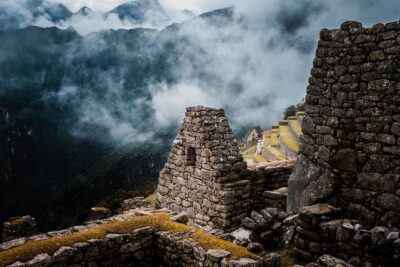
After you return from Huayna Picchu, the guided tour starts. This is where you’ll be guided through constructions and temples, with nature and setting explained as part of the experience.
After the guided portion, you have time to explore freely. Then you head back in the afternoon to Aguas Calientes with time to have lunch, rest, or take a last look around town.
Getting back to Cusco
The included logistics on the return are clear. You’ll take the train and then the bus back to Cusco. Specifically, train tickets from Aguas Calientes to Ollantaytambo are included, plus the bus from Ollantaytambo to Cusco is included.
One added cost: the Up or Down bus from Aguas Calientes to Machu Picchu is not included. It’s listed as +24 USD per person. That means you’ll budget for the ride up and back between Aguas Calientes and the citadel.
Price check: is $492 worth it for four big activities plus Machu Picchu?
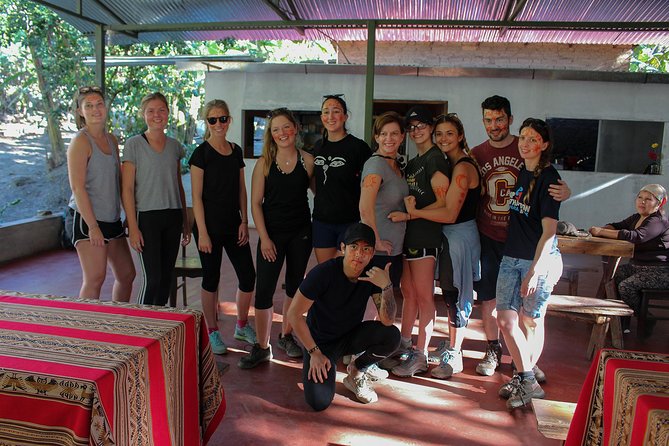
At $492 per person for about four days, the value is all about what you’re getting packaged together. You’re not just paying for a Machu Picchu day. You’re paying for a bundle of logistics and activities that would be expensive or annoying to stitch together yourself.
Here’s where your money tends to land with this style of tour:
- Transport and timing control: hotel pickup and drop-off, plus buses between zones
- Gear and safety for biking and rafting (bikes, helmets, gloves, plus rafting helmets and life jackets with a briefing)
- Three nights of lodging across different bases, including a shared-room lodge night and hostel nights with hot water
- Meals: breakfast, lunch, and dinner on most days, with the last day’s lunch and dinner not included
- Machu Picchu included entrance and a guided citadel tour with time to explore
What’s not included is also clear, and you should plan for it:
- Up or down bus between Aguas Calientes and Machu Picchu (+24 USD per person)
- Cocalmayo hot springs entrance (s/10.00)
- Lunch and dinner on the last day
- Personal care items
So is it a bargain? Not always the cheapest option, but it can be a good one if you value time, convenience, and a tight schedule with fewer seams.
Who this tour fits best, and who should rethink it
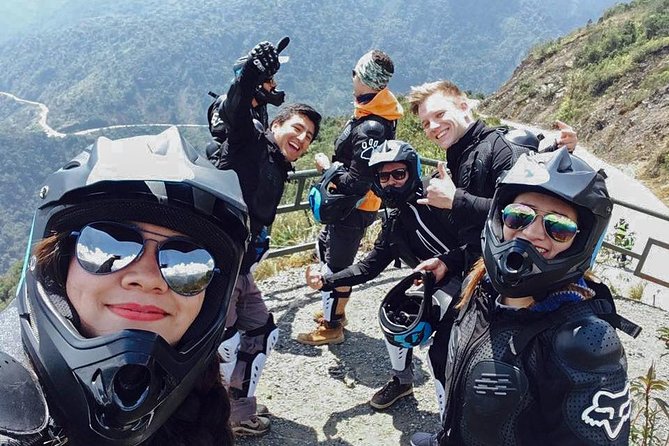
This tour calls for moderate physical fitness. That’s about right. You’ll be trekking segments, doing a long biking descent, then rafting, then ziplining, and still getting up early for Machu Picchu.
You’ll likely love it if you:
- Like active travel, not just “see the postcard, take a photo, leave”
- Want a guide who helps you interpret what you’re looking at
- Prefer group structure so you do not have to coordinate trains, buses, and timing yourself
You might want to reconsider if:
- You hate early mornings, or you’re sensitive to altitude
- You want lots of downtime, because the schedule stays packed
- You struggle with stairs or uneven ground during long walks
Group size is capped at 15 travelers, which is a good sign for keeping the experience manageable and not turning it into a big bus crowd.
The guiding factor: bilingual interpretation and a guide who makes it click
A professional bilingual guide (English/Spanish) is included, and that matters because these places can feel disconnected if you only look at them.
In the feedback, one guide name comes up strongly: David. The praise specifically highlights his excellence in biking, trekking, rafting, hot springs, ziplining, and the full Machu Picchu tour, plus the way he kept the day moving with storytelling and meaningful stops.
You should treat that as a bonus if your guide is David, but the bigger lesson is universal: the best part of this kind of trip is not the activities alone. It’s the context, the pace, and knowing what you’re looking at while you’re moving.
What to pack and how to handle the real-world pace
The tour provides major gear for biking and safety for rafting, but you still need your own comfort kit.
Plan for:
- Sun and bugs: you can buy sunscreen and repellent at the Ollantaytambo stop, but it’s better to come prepared
- Water and snacks: there’s a chance to grab items early, but carry your own mindset for hydration
- Layers: altitude mornings can feel cool, while lower zones get humid fast
- Cash: Cocalmayo hot springs entrance is listed separately, and you may want small purchases during the day
- Comfortable footwear for the walking segments toward Aguas Calientes and within Machu Picchu time
Also, go in with the right expectation about the schedule. This is not a “slow travel” itinerary. It’s a high-quality cram of different environments, and you’ll feel it in your legs.
Should you book the 4-Day Machu Picchu with biking, Inca Trail, rafting and ziplining?
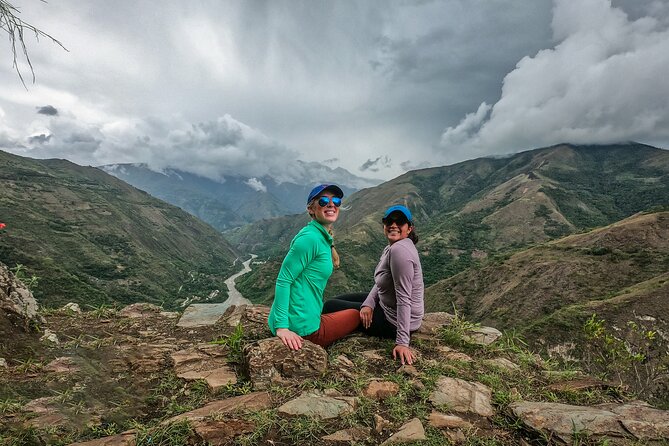
I’d book it if you want Machu Picchu with an adventure spine. The best reason is that the tour doesn’t just drop you at the famous site. It takes you through the Sacred Valley region’s variety: high-pass biking, jungle rafting, Inca Trail hiking with a real sense of route, hot springs recovery, ziplining near Aguas Calientes, then sunrise Machu Picchu.
The best reasons to hesitate are simple: cost of extras you should budget for (Aguas Calientes to Machu Picchu bus, plus hot springs entrance, plus last day meals), and the fact you need moderate fitness for a fast-moving schedule.
If your goal is one unforgettable day only, you might prefer a lighter Machu Picchu-focused plan. If your goal is a four-day story that changes every day, this is a strong fit, especially with the small group size and a bilingual guide to keep everything understandable.
More Ways to Reach Machu Picchu
- From Cusco: Full-Day Group Tour of Machu Picchu
★ 4.7 · 1,767 reviews - Machu Picchu Day Trip from Cusco
★ 4.5 · 1,644 reviews - 2-Day Tour: Sacred Valley and Machu Picchu by Train
★ 5.0 · 1,127 reviews - Machu Picchu: Full-Day Tour from Cusco with Optional Lunch
★ 4.6 · 927 reviews
More Inca Trail Departures
- Classic Inca Trail Trek 4D/3N to Machu Picchu (Group Service)
★ 5.0 · 8,653 reviews - Machu Picchu: 4-Day Inca Trail Trek with Panoramic Train Ride
★ 5.0 · 4,568 reviews - Short Inca Trail to Machu Picchu 2D/1N
★ 5.0 · 3,007 reviews - 2-Day Inca Trail to Machu Picchu with Panoramic Train
★ 5.0 · 1,876 reviews
Recently reviewed around Cusco
- 6-Day ||All Included|| Excursion – MachuPichu & Rainbow Mountain-Humantay Lake★ 4.5 · 8 reviews
- Horseback Riding thru the Mountains of Cusco★ 5.0 · 8 reviews
- Cuzco City Tour and Archaeological Ruins in Half Day★ 5.0 · 8 reviews
- Full Day – Rainbow Mountain tour – Group Service★ 5.0 · 8 reviews
- Half Day Tour in Cusco: Exploring the City and Four Ruins★ 4.5 · 8 reviews
- Cusco 4 Days Machu Picchu and Sacred Valley | All included★ 5.0 · 8 reviews
- Machu Picchu and Sacred Valley 2 Day Tour★ 5.0 · 8 reviews
- Walking Tour in Legendary & Historical Cusco City★ 4.5 · 8 reviews
Machu Picchu, compared.
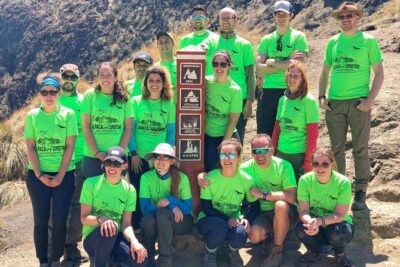
Classic Inca Trail Trek 4D/3N to Machu Picchu (Group Service)
Read our review →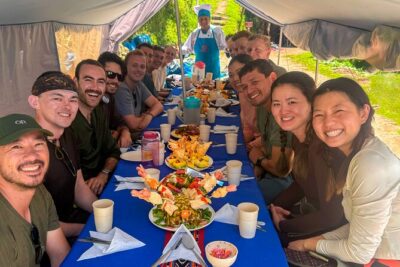
4-Day Inca Trail Trek with Panoramic Train Ride
Read our review →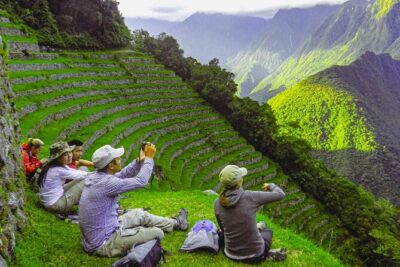
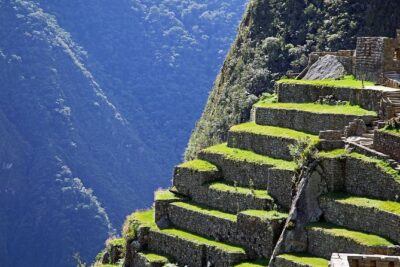
2-Day Inca Trail to Machu Picchu with Panoramic Train
Read our review →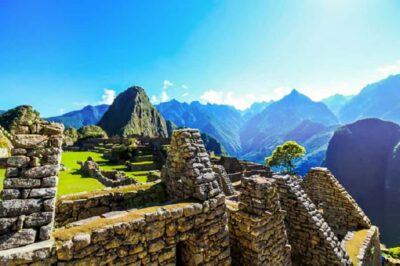
2-Day Tour: Sacred Valley and Machu Picchu by Train
Read our review →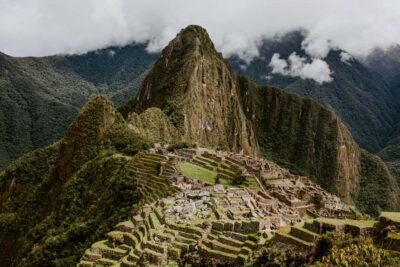
Browse the lists this tour appears in