
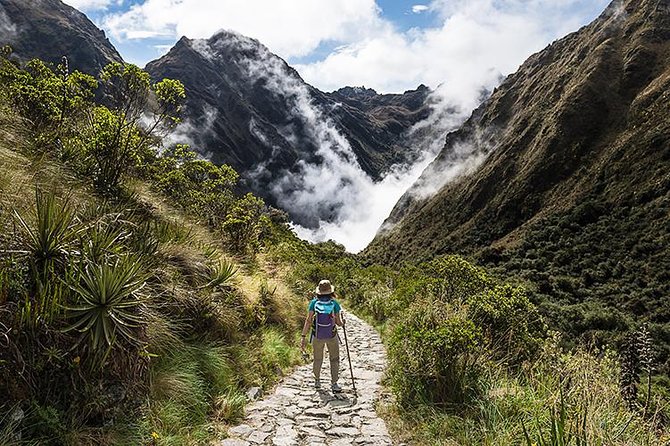
Reviewed · MACHU PICCHU
4-Day Trek to Machu Picchu Through the Inca Trail
If you want a Machu Picchu day that starts long before the crowds, this 4-day Inca Trail trek is the real runway in. You walk the old route through river valleys, high passes, and high jungle, then you earn the first light over Machu Picchu from the Sun Gate. I love that the trip handles the hard logistics for you, so you can focus on pacing and not paperwork. I also love the small-group feel, with hiking support that makes the steps and altitude feel manageable. The only drawback is the obvious one: Day 2 is a serious climb, and you need to be okay with steep stone steps and cold camp nights.
You’ll start early from Cusco, ride the bus to Piscacucho (KM 82), camp for three nights, and finish with a guided visit to the ruins. Guides like Francisco and Sergio come up often in people’s accounts, and that matters, because the Inca story gets clearer when someone explains it at your pace. Still, you should plan for a tight schedule on summit morning, since you wait at the checkpoint for the gate to open at 5:30 am.
Key things to know before you pack
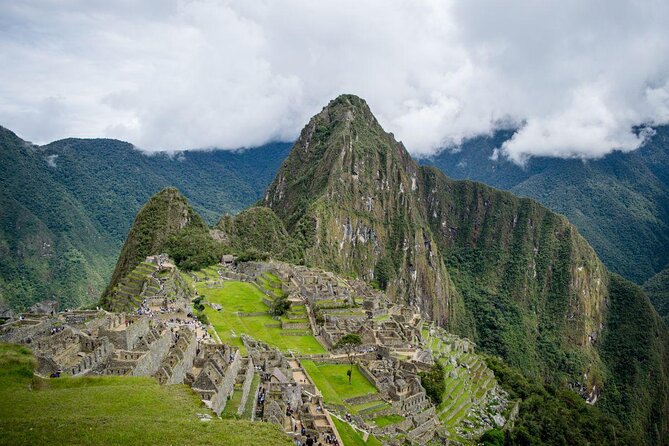
- Sun Gate timing: sunrise access means very early starts and a clear-day hope, but it is worth it
- Day 2 pass climb: Dead Woman’s Pass is the hardest vertical day, then you drop to camp
- Camping setup is part of the experience: porters carry shared gear, but tents and pads can vary by service
- Small group size: avg 6 trekkers, max 15, so your group actually stays together
- BASIC vs COMPLETE: COMPLETE reduces what you carry with a thermal sleeping bag plan and porter support
Why the Inca Trail feels different from a bus-only Machu Picchu day
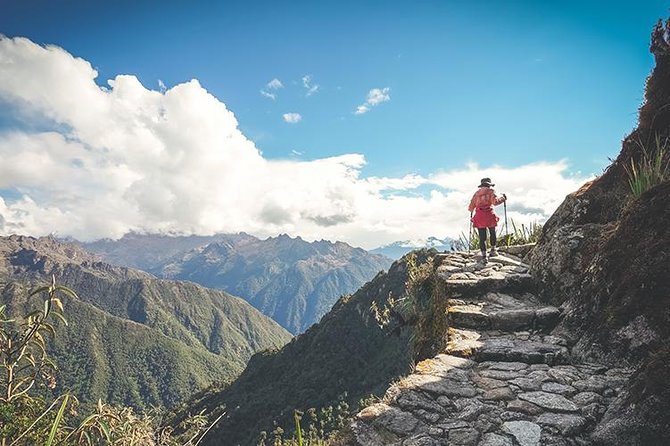
Machu Picchu is famous, but the Inca Trail adds the part most people miss. Instead of arriving and immediately snapping photos, you earn the approach step by step. You move through several very different “zones” in just a few days, from the Vilcanota River Valley feel, to high, thin air at passes above 4,000m, then down into the Wiñayhuayna high jungle area.
What makes this trek special is the mix of archaeology and effort. You don’t just walk from point A to point B. Along the way you hit Inca sites and viewpoints that explain why this route mattered, and you get to feel how the terrain shaped travel and settlement. The classic rhythm also helps your brain: hike, rest, eat, repeat, instead of constantly problem-solving.
And then there’s sunrise. You wake up between 3:30 and 4:30 am, queue at Wiñaywayna for the gate opening at 5:30 am, hike about an hour to Sun Gate, and take in the first light over Machu Picchu. If the sky cooperates, it is the kind of moment you remember on a long flight home.
More Hiking & Trekking in Cusco
- Classic Inca Trail Trek 4D/3N to Machu Picchu (Group Service)
★ 5.0 · 8,653 reviews - Machu Picchu: 4-Day Inca Trail Trek with Panoramic Train Ride
★ 5.0 · 4,568 reviews - Salkantay Classic Trek 5 Days from Cusco
★ 5.0 · 4,062 reviews
The one consideration I’d put at the top
Day 2 is demanding. You climb about 6 km to Dead Woman’s Pass at 4,215m (around 5 hours), then walk down stone steps about 3 km to Pacaymayo camp (about 2 hours). The trek also includes three passes and significant elevation change overall. If you’re shaky on stairs or you do not train, this will feel harder than the photos.
Price and value: what $833 buys beyond the permit
At $833 per person, this trek is not “cheap,” but it is also not just a guide and a trail. The price bundles the key costs that usually add up in Peru and South America: the Inca Trail permit, entrance fees, major transfers, camping accommodation, meals, and porter support for shared equipment.
Here’s how the value works in real life:
- Permits and access: Inca Trail permits are included, and you need them because the route is regulated. They sell fast, and that matters because you cannot improvise access at the last minute.
- Meals and snacks: you get meals across the trek and three snack stops. This matters because along the route, buying food cheaply is not the vibe.
- Transfers do the heavy lifting: you don’t drive yourself from Aguas Calientes to Ollantaytambo or manage the train. The package includes tourist bus and train components and keeps the flow simple.
- Camping and support staff: you camp for three nights with tent and basic sleeping pad setup, plus a team that carries shared camping equipment.
What costs extra, and what I’d plan for:
- Day 1 breakfast, Day 4 lunch, and bottled water are not included.
- If you book the BASIC option, you will need to rent a sleeping bag (listed rental price is $15 USD).
- Optional extras cost extra, like trekking poles ($15 USD rental), an inflatable mattress ($15 USD rental), and higher-entry hikes such as Huayna Picchu (200 Soles) or Machu Picchu Mountain (200 Soles).
- Tipping is optional, but customary. The suggested tip amount is $40 to $50 USD per trekker for the whole team (porters, cooks, and guides).
The short version: you are paying for convenience, logistics, and the people who make a multi-day trek actually work.
Cusco to KM82: the early day that sets your whole pace
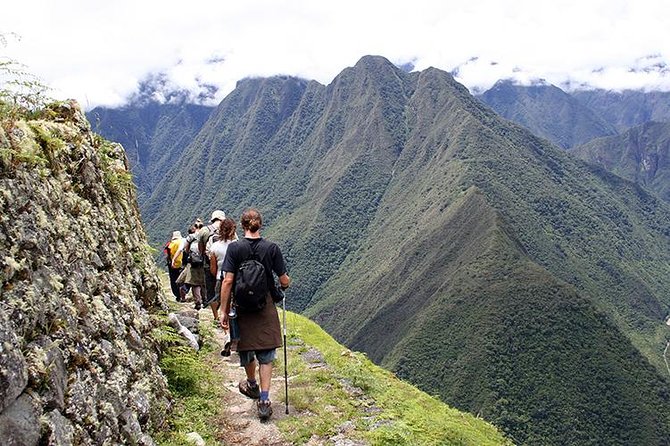
Your day starts earlier than you want, which is normal for Inca Trail trekking. Pickup in Cusco happens between 5:45 and 6:00 am on Day 1. You’re asked to prepare the day before, then you ride the bus to Ollantaytambo for about an hour to eat breakfast on your own and buy last-minute snacks, water, and walking sticks if needed.
Then you head to Piscacucho (KM 82), where the trek truly begins.
Two practical points that save stress:
- Bring your original passport. You need it at the first Inca Trail checkpoint, and the guide handles your tickets.
- If you like having control, buy a few snacks in Ollantaytambo. Prices for water and snacks climb along the route, and you may want your own comfort foods.
Also note the timing logic. The earlier start helps you avoid the hottest, thick-air feeling on Day 1 and gives your group time to get settled before camp.
More Inca Trail departures:
- Short Inca Trail to Machu Picchu 2D/1N
★ 5.0 · 3,007 reviews - 2-Day Inca Trail to Machu Picchu with Panoramic Train
★ 5.0 · 1,876 reviews - Inca Trail 4-Day 3-Night Trek to Machu Picchu with Expert Guides
★ 5.0 · 733 reviews - Cusco: 4-Day Inca Trail to Machu Picchu with Accommodation
★ 4.8 · 432 reviews
Day 1: from river valley walking to Wayllabamba camp at 2,980m
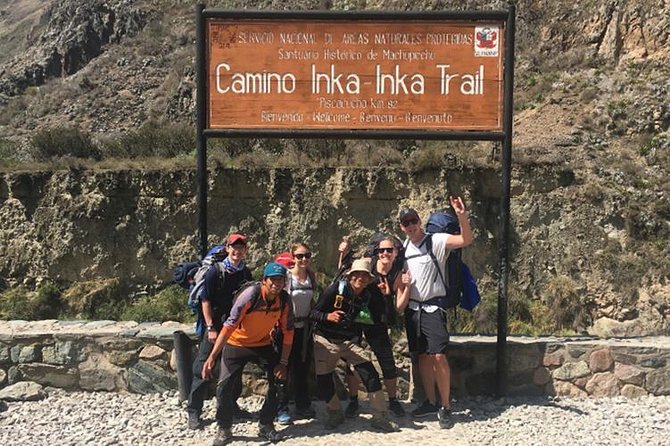
After boarding at KM 82, you hike rolling hills in the Vilcanota River Valley and pass several small archaeological sites. This is a good “warm-up” day compared to what comes next. You’ll stop for lunch prepared halfway and then relax before reaching Wayllabamba camp at about 2,980m.
What I like about Day 1 is that it builds confidence. You see Inca traces early, you learn how your body reacts at altitude, and you still have enough energy left to enjoy the camp experience instead of collapsing.
What to watch:
- You are higher than sea level, so even a gentle day can feel like more work than expected.
- You’ll likely want a daypack that you can access quickly for snacks and water, since you’re not just hiking, you’re constantly tasting the trail rhythm.
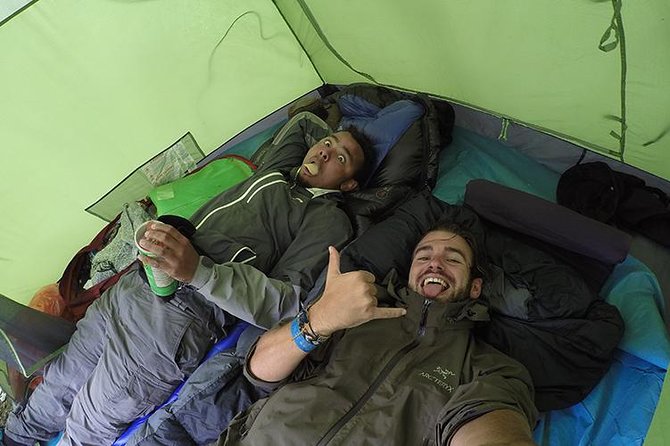
Camp night on Day 1 is also where service details matter. You’ll have camping accommodation with tent setup for two people in shared-tent situations (single trekkers share with another trekker of the same sex), and basic sleeping pads are included.
Day 2: Dead Woman’s Pass, 4,215m, then Pacaymayo steps down
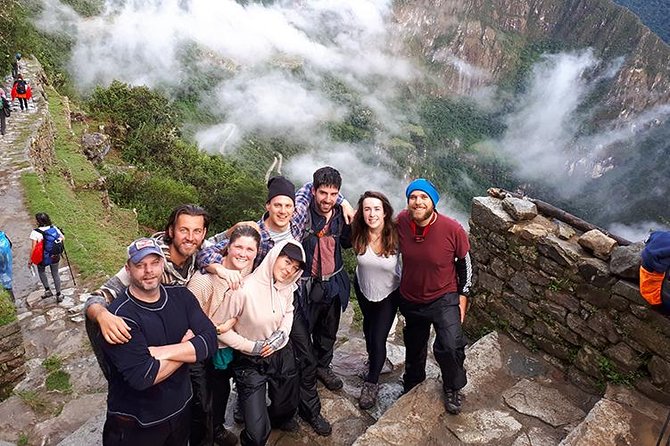
This is the “hold onto your hat” day. You start with an early breakfast around 6:00 am, then tackle a vertical hike to Dead Woman’s Pass at 4,215m. The climb is about 6 km and takes around 5 hours, followed by a descent of about 3 km down stone steps to Pacaymayo camp at 3,600m.
Over the morning you will ascend more than 1,200 meters, so pacing matters more than speed. The best strategy is to treat it like interval hiking: steady effort, short rests, no hero moves.
The payoff after the pass is described as spectacular views and roaring waterfalls. Then you stroll down to camp, arrive for lunch, and get time to nap. That nap is not optional. It keeps altitude fatigue from turning into nighttime misery.
My honest caution for Day 2
If you hate tight stair steps, this day will challenge your knees. The route includes steep stone stairs in both the climb-and-descent pattern of the trek. Trekking poles help a lot for many people, especially on the way down. The operator offers poles as an extra rental ($15 USD), and if you know your joints, rent them or bring your own.
Day 3: Pacaymayo ruins, Runquracay Pass, then Wiñayhuayna high jungle camp
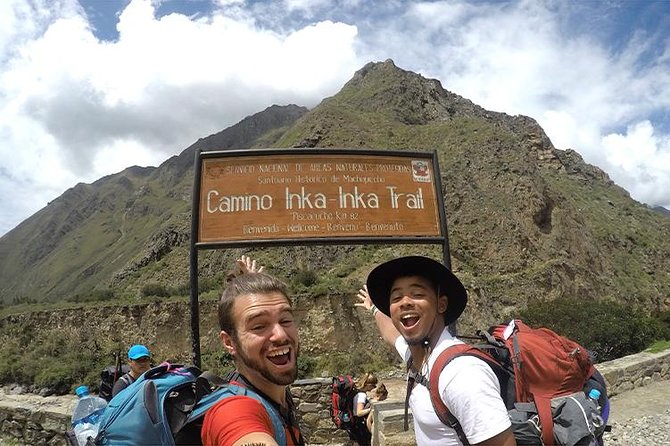
Day 3 starts with a hike uphill to visit Pacaymayo archaeological site. Then you continue toward Runquracay Pass at about 3,950m. You can summit the pass for views across surrounding peaks, which is a great moment to catch your breath and take in how the trail “repositions” you.
After that, you visit two additional archaeological sites, Sayacmarca and Phuyupatamarca. You’ll have lunch along the way, and by late afternoon you reach Wiñayhuayna High Jungle camp at about 2,650m.
This day shifts the feeling of the trek. The air and vegetation change, and the route becomes more alive, with that high jungle climate vibe compared to the harsher high-pass zones.
At the end of the day, there’s a meaningful moment that I think is worth planning for: after dinner, you say a big thank you to your porters and guides. That is more than politeness. It’s a reminder that this trek runs on a whole working team, not just the people walking.
A practical camp tip for Day 3 and beyond
As you get lower, the weather can change quickly. Pack for layers and rain protection, because you do not have the option to “wait it out” comfortably like you would in a hotel.
Day 4: Sun Gate at 5:30am queue, then Machu Picchu with a guided tour
Day 4 begins before dawn. You wake up between 3:30 and 4:30 am, have breakfast, and head to the Wiñaywayna checkpoint. You join the lineup and wait for the gate to open at 5:30 am.
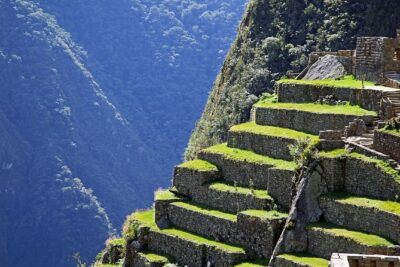
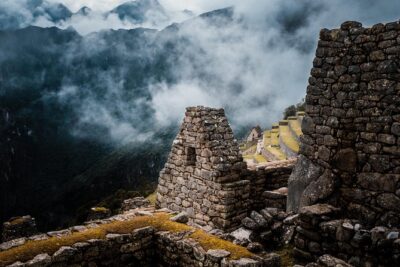
Once it opens, you hike about an hour to Sun Gate. Then it is the moment you came for: first glimpses of light over the ruins of Machu Picchu. If the day is clear, the sunrise view is part of what makes the Inca Trail different from doing the standard day tour.
After Sun Gate, you walk down the final length of the trail for about 40 minutes to reach the Machu Picchu archaeological complex.
You get a guided tour for about 2 hours. Then you have free time to explore and take photos at your leisure.
The timing reality you should respect
You are on a schedule. That is the trade. You gain an iconic sunrise access, and you give up late sleeping and wandering whenever you want. If you get motion sick or you hate early starts, this is the day that will test you most.
Camping comfort: tents, sleeping pads, and the BASIC vs COMPLETE decision
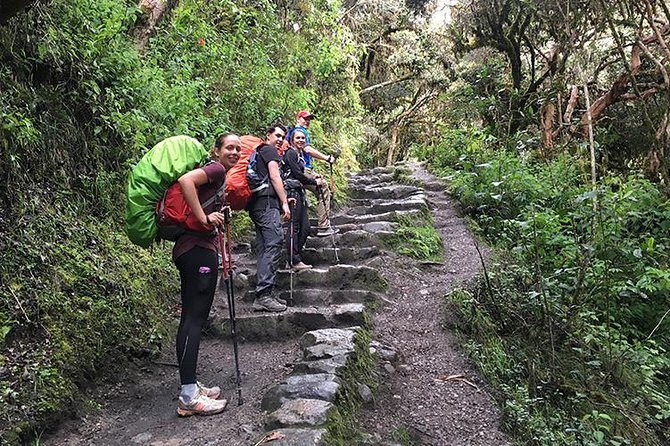
Camping is where people either feel like the trek is authentic and fun, or they feel like it’s just hard. The service details help you decide.
You’ll have camping accommodation with tents and basic sleeping pads. But the big choice is whether you take the COMPLETE option or the BASIC option.
- COMPLETE includes a thermal sleeping bag, a foam sleeping mat, and a duffel bag, plus a porter to carry up to 7 kg total of personal gear (3 kg for the sleeping bag and mattress plus 4 kg personal items).
- BASIC includes the basic foam sleeping mat and excludes the thermal sleeping bag, duffel bag, and the porter carry for personal gear. With BASIC, you carry your own sleeping bag, mattress, and personal items.
One thing that shows up strongly in people’s experiences is that paying for the option that reduces what you carry can be worth it. When your legs are tired and the goal is to enjoy Machu Picchu next day, your pack weight matters.
Also consider the weather. Nights in the Andes can feel cold fast. The operator suggests warm clothes, thermals, hats, gloves, and rain layers. If you arrive underdressed, you’ll feel it.
Food on the trek: hot meals, snacks, and the vegetarian option
Meals are one of the biggest wins on this kind of trek. If food disappoints, the whole trip feels harder. Here, meals and snacks are included, with veggie options available upon request made at least two days in advance.
You can expect hot, practical breakfasts and hearty lunches and dinners. The kind of food described includes porridge or quinoa or oats for breakfast, then dishes like quinoa-based meals, soups, chicken or beef stews, and Peruvian classics such as aji de gallina and ajiaco de olluco. Desserts often include chocolate puddings or cake, plus fried plantains.
For snacks, you get drinks like coca tea, coffee, and chocolate with popcorn, cookies, and crackers.
One practical note from trek pacing: it is smart to treat breakfast as fuel, not just breakfast. When you have a pass climb the next morning, you want energy in your system the night before too.
If you are vegetarian, request it early. It is explicitly available if you advise at least 2 days in advance.
Guides, team energy, and what to do with the small group size
This trek runs with a small group. Max is 15, avg is 6, which keeps the pace more consistent and makes rest stops easier.
The trekking experience depends on your guide and the pace management. People often talk about guides like Francisco and Percy as encouraging, patient, and passionate about Inca history. Names like Sergio also appear in accounts, and porters and cooks tend to get credit for keeping energy up.
That said, I do think you should know this: no operation is perfect. There is a reported concern from one account about tent setup, sleep gear condition, and guide presence for a small group. I cannot promise how your team will run, but you can reduce your risk by choosing the service level that takes pressure off you (especially gear) and by showing up prepared and calm if things run late. In mountain trekking, small delays happen. What matters is how the team responds.
Optional hikes: Huayna Picchu and Machu Picchu Mountain
Machu Picchu is already a full day, but some people want extra vertical time.
Optional add-ons include:
- Huayna Picchu trek for 200 Soles
- Machu Picchu Mountain hike for 200 Soles
These optional hikes must be booked at least two weeks in advance, and they have time windows. If your group ends up slower than expected, your window can be tight, so keep that in mind when deciding on the extra hike.
Who should book this trek, and who should think twice
This is for you if:
- You like being active on vacation and you want a meaningful approach to Machu Picchu, not a quick sightseeing stop.
- You are comfortable with altitude changes and steep stone steps.
- You can train your legs a bit before you go. The trek includes three passes and significant uphill and descent. The physical requirement is clearly demanding.
This is not for you if:
- You struggle with steep stair descents or you cannot walk uphill for hours.
- Early mornings are a deal breaker.
- You expect a hotel-style comfort level at night. Camping is part of the deal.
The minimum age listed is 7, so families can do it if kids are ready for demanding walking and can handle altitude.
The decision: should you book this 4-day Inca Trail trek?
I would book it if you want the classic Inca Trail experience and you value a plan that covers permits, meals, and transfers. The sunrise Sun Gate morning plus the guided Machu Picchu tour gives you both the effort and the understanding. At this price, the main value is that you are buying time, reduced stress, and the team that carries the shared camp load.
I’d think twice if you are not fit for Day 2’s Dead Woman’s Pass climb or you are not comfortable with stone steps. If you do book, I’d also lean toward the COMPLETE service if weight relief matters for your joints and confidence.
If your goal is Machu Picchu plus the story of the route that brought people there, this is a very solid choice.
FAQ
What time does the tour start on Day 1?
The meeting start time is 5:30 am, and pickup in Cusco for Day 1 happens between 5:45 and 6:00 am.
What is included for the Machu Picchu portion?
You get a tourist bus to Aguas Calientes and included train and bus transfers overall, plus a 2-hour guided tour of Machu Picchu and time to explore on your own.
Are meals included on the trek?
Yes. Meals and snacks are included based on the itinerary, and there are three snack periods. Day 1 breakfast and Day 4 lunch are not included.
What is the difference between BASIC and COMPLETE?
COMPLETE includes a thermal sleeping bag, foam sleeping mat, a duffel bag, and a porter to carry up to 7 kg of personal gear. BASIC excludes the thermal sleeping bag, duffel bag, and the porter carry for personal gear, though a basic foam sleeping mat is included.
Do I need my passport for the trek?
Yes. You need your original passport for the Inca Trail checkpoint, and the guide will have your tickets.
What if the Inca Trail permits are not available?
Permits are included, but they can sell out. If there are no permits at the time of booking, the operator will suggest an alternative hike to Machu Picchu or offer a full refund.
More Ways to Reach Machu Picchu
- From Cusco: Full-Day Group Tour of Machu Picchu
★ 4.7 · 1,767 reviews - Machu Picchu Day Trip from Cusco
★ 4.5 · 1,644 reviews - 2-Day Tour: Sacred Valley and Machu Picchu by Train
★ 5.0 · 1,127 reviews - Machu Picchu: Full-Day Tour from Cusco with Optional Lunch
★ 4.6 · 927 reviews
Recently reviewed around Cusco
- Cusco Cooking Class by ChocoMuseo in Cusco★ 5.0 · 29 reviews
- ATV Adventure to Moray and Maras Salt Mines – Half Day★ 4.5 · 29 reviews
- 1-day excursion to Machu Picchu from Cusco★ 5.0 · 29 reviews
- Private Tour Sacred Valley, Chinchero, Maras Moray, Ollantaytambo★ 5.0 · 29 reviews
- From Cusco: Humantay Lake with Breakfast and Buffet Lunch★ 4.5 · 29 reviews
- 4 Day – Inca Jungle to Machu Picchu★ 5.0 · 29 reviews
- 2-Day Machu Picchu Tour by Train from Cusco★ 4.5 · 29 reviews
- 2-Day Sacred Valley and Machu Picchu Tour By Train★ 4.5 · 29 reviews
Machu Picchu, compared.
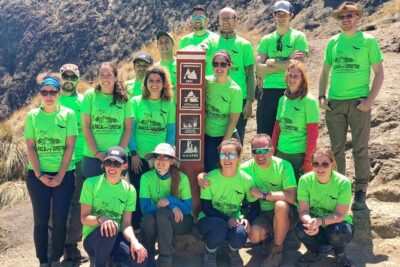
Classic Inca Trail Trek 4D/3N to Machu Picchu (Group Service)
Read our review →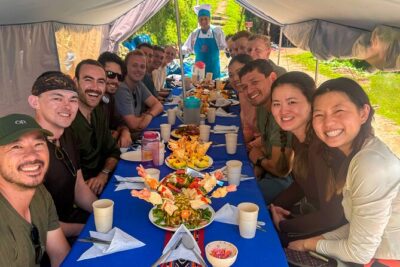
4-Day Inca Trail Trek with Panoramic Train Ride
Read our review →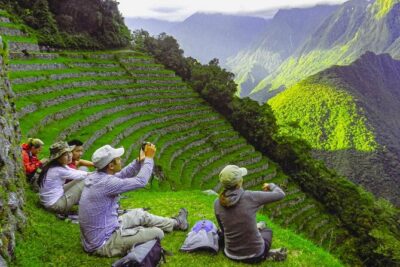
2-Day Inca Trail to Machu Picchu with Panoramic Train
Read our review →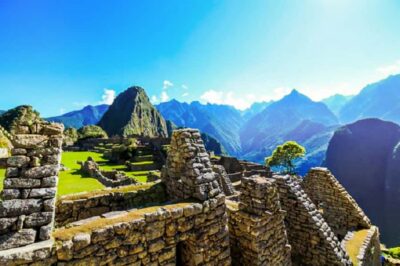
2-Day Tour: Sacred Valley and Machu Picchu by Train
Read our review →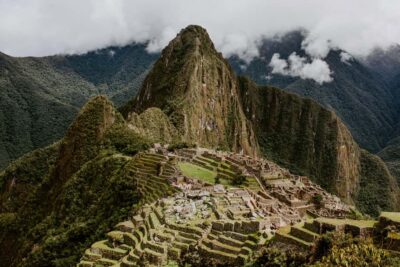
Browse the lists this tour appears in