
Reviewed · WORKSHOPS
Bean to Bar Chocolate Workshop in ChocoMuseo Cusco
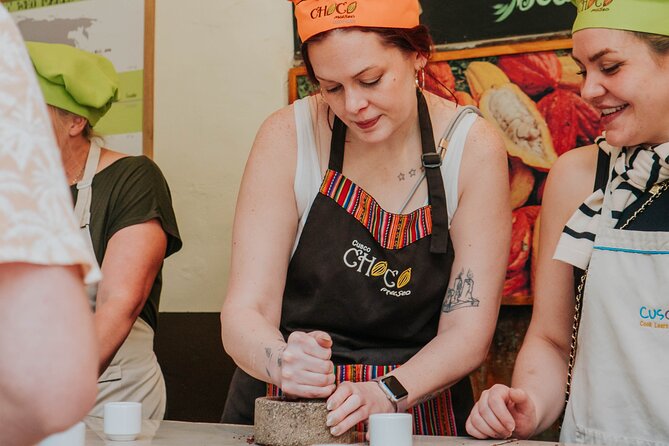
Cusco is famous for altitude, stone streets, and big history. This workshop adds a tasty twist: you go from cacao fruit to finished chocolate, with hands-on steps that feel more like making candy than watching a show. It is a fun way to slow down in Cusco for a couple hours, and the format works for both kids and adults.
I especially like the hands-on bean-to-bar process and the way the class connects cacao to South American culture. Instructors like Miguel and Lorenzo show up in the reviews as the kind of hosts who keep the room moving and the explanations easy to follow. The only real drawback to plan around is that some parts of the session can feel more like listening than doing, depending on the group.
You’ll also like the customization. You make your own chocolate and choose from more than a dozen toppings and flavorings, so it is not the same bar for everyone. Then you mold, let everything set, and take your chocolate home. Just keep in mind you are leaving with your creations about 45 minutes after the workshop ends, so it is not an instant grab-and-go snack.
Key highlights worth knowing before you go
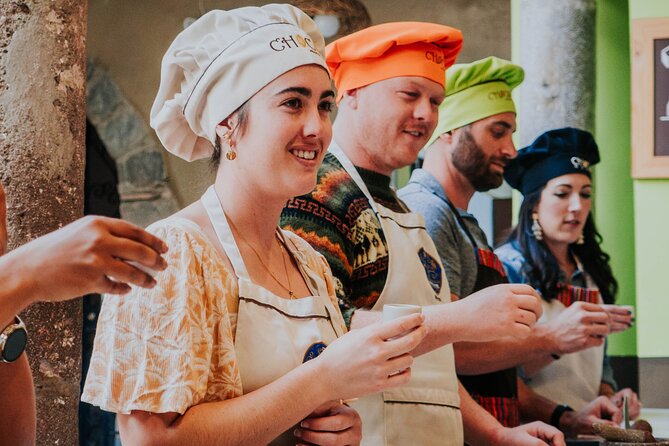
- Bean-to-bar steps, not a demo: roast, grind, and make chocolate with active participation.
- Chocolate drinks included: you taste during the workshop, not just at the end.
- Peru cacao story built into the class: the instructor connects ancient use to modern chocolate.
- Mix-and-match flavors: you pick from 12+ toppings and flavorings for your custom pieces.
- Small group size: up to 12 people, which helps keep the experience personal.
- Take-home chocolate: you leave with handmade creations as edible souvenirs.
Inside ChocoMuseo Cusco: what this workshop is really about
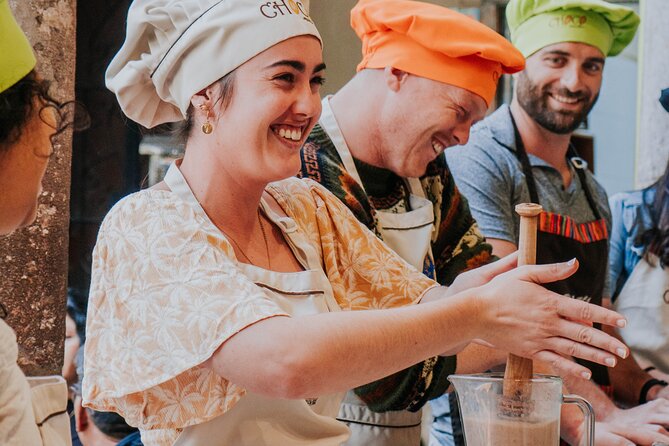
ChocoMuseo Cusco runs a bean-to-bar workshop focused on one big idea: chocolate is not a single ingredient. It is a process. The class teaches the whole chain, from the cacao fruit and its long human history to the practical steps of making chocolate you can hold, taste, and pack in your bag.
This is also a good Cusco activity because it gives you a break from monuments and walking. The workshop is around 2 hours, and it is structured so you are doing something during most of it, not just sitting through slides. The setting is designed for a shared experience, with a small ceiling of 12 travelers, so you get more time with the instructor and more chance to learn the details rather than rush past them.
The “museum” in the name matters too. Even if your main reason to book is the workshop, ChocoMuseo is set up for learning. Reviews mention a factory area upstairs and a space with artifacts describing the process, so you can often get a bit more context while you are there.
More Drinking Tours in Cusco
- Cusco Pub Crawl: Bar Tour, Drinks And Club with no waiting lines
★ 5.0 · 76 reviews - Cusco: Pub Crawl with Skip-the-Line Access and Drinks
★ 4.6 · 57 reviews - Cusco Pub Crawl: Cusco Bar Hopping Experience
★ 5.0 · 24 reviews
The 2-hour flow: what happens from your first taste to your final mold
Even with only one listed stop, the session is built in distinct phases. Here is how it typically plays out in a way that helps you plan your expectations.
Stop 1: ChocoMuseo Cusco and the first chocolate tasting
You start at ChocoMuseo Plaza Regocijo, Cusco 08000, Peru. The workshop begins on-site at the museum area, and one of the first perks is that you get chocolate drinks tasting as part of the experience.
That matters more than it sounds. Tastings let you connect the story to flavors. Instead of learning cacao history in theory, you quickly get your senses involved. If you like hot chocolate, cacao tea, or anything on the cocoa side, this is a satisfying warm-up. It is also a low-pressure way to settle in, especially if you have just arrived in Cusco and need an activity that is not too physically demanding.
Learn the cacao story while you work
The class framework includes a guided explanation of 5,000 years of cacao history, including references to ancient traditions, the era of the Conquistadors, and later industrial changes. You are not reading a textbook. The instructor ties the history to what you are doing, so the steps you perform feel connected to how cacao spread and changed over time.
The reviews also point out that humor and interaction are part of the delivery. Names that come up include Miguel, Alex, Benjamin, and Hannah, and people describe them as funny, engaging, and good at keeping everyone involved. That matters because the workshop is not just about the final bar. It is about learning why steps exist and how flavor changes from one stage to the next.
More Workshops in Cusco
- Peruvian Cooking Class Cocktails and Market Tour in Cusco
★ 5.0 · 1,712 reviews - Cusco Cooking Classes and San Pedro Market Tour
★ 5.0 · 691 reviews - Cusco: Peruvian Cooking Class, Cocktails & Local Market Tour
★ 4.9 · 512 reviews - Hands-on Peruvian Cooking Class & San Pedro Market Visit in Cusco
★ 5.0 · 421 reviews
Roasting, grinding, and making: where you get hands-on
Multiple reviews highlight that you do more than place chocolate in a mold. People mention roasting and grinding beans, and then turning that into a drink during the workshop. You also get to participate in the work of turning cacao into chocolate rather than watching it happen behind glass.
In plain terms, this is where you see the difference between tasting chocolate and understanding chocolate. You get a feel for the raw material, texture shifts, and how processing affects what ends up on your tongue. If you are the type of traveler who likes to know how things work, this portion is the heart of the value.
Custom toppings and flavorings: your bar, your rules
One of the most praised features is customization. You create chocolate using more than a dozen toppings and flavorings, and you are allowed to choose so your final pieces match your tastes.
This is not just a fun extra. It changes the way you remember the class. You do not leave with a generic souvenir. You leave with chocolate that reflects your decisions. If you like spice, fruity notes, or crunch, you can steer the taste profile. If you prefer classic sweetness, you can keep it simple. Either way, your take-home box feels like something you made, not something you bought.
Molding and setting: the part that takes time
After you assemble your chocolate, you mold it and let it set. That setting time is why you do not instantly walk out with your creations. The additional info says you can leave with your chocolates about 45 minutes after the workshop ends.
This is a smart detail for your planning. If you are trying to fit it between other activities, make sure you have an extra buffer after the official end time. It is also why the experience can feel relaxed once you reach the molding stage. You are done making, now you wait for the chocolate to properly firm up.
Price and value: is $33.79 for a bean-to-bar class fair?
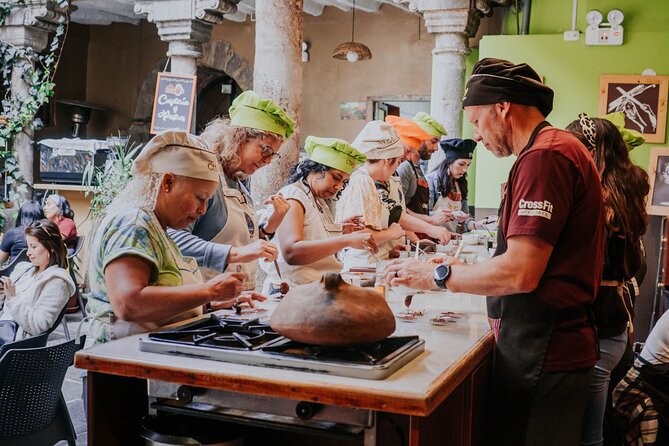
At $33.79 per person for about 2 hours, this workshop sits in the “reasonable fun” category for Cusco. You are paying for a guided process, included tastings, materials for making chocolate, and a capped group size of 12.
Here is the value breakdown that helps you decide:
- Included tastings: You get chocolate drinks as part of the workshop, so the experience is not only about labor and molding.
- Hands-on materials: The class includes what you need to make chocolate from start to finish.
- Toppings and flavor options: You are not limited to a single flavor, and this is repeatedly praised.
- Take-home souvenirs: You leave with edible creations you personally made.
One review called out that they felt the price was too high for what they received and that a portion of the workshop was more listening than hands-on. That is a valid caution if you are extremely sensitive to classroom-style pacing. Still, the overall ratings are very strong, with a 4.8 rating and 94% recommending it.
If you want a “do something with your hands” activity that still teaches cacao history and comes with a tasty souvenir, this price can make sense.
Group size, pacing, and how to get the most out of it
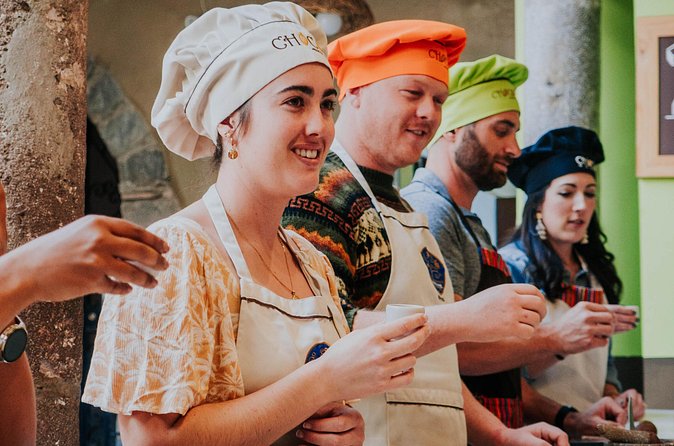
A key detail: maximum group size is 12 travelers. Smaller groups tend to improve the learning because it is easier to ask questions and get help during hands-on steps.
To get the most out of the pacing, I’d show up ready to participate. If you wait for the instructor to explain everything, you might end up standing around during the phases that move more slowly, like roasting or setting. But if you stay engaged, the session tends to feel lively and social.
You should also be prepared for a workshop that mixes doing with listening. That blend is normal for technical steps, but the exact mix can vary. In at least one critique, the class was described as too much listening for the price. So if you are the type who gets restless in discussions, plan to ask questions during the explanations, not only at the end.
What you learn, beyond the chocolate taste
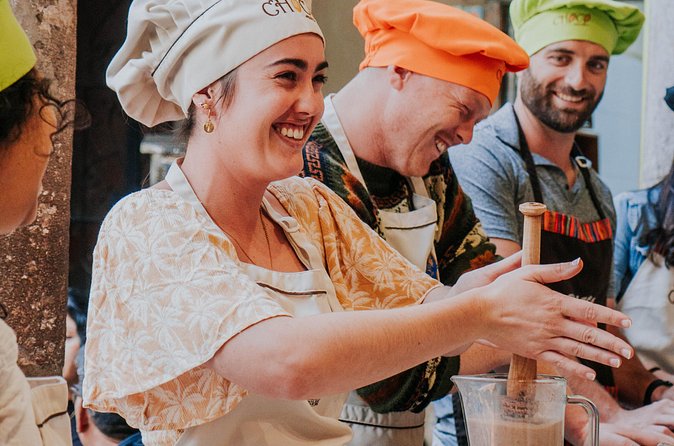
This is not just a cooking class. It is a cacao and chocolate story told through production.
You learn about:
- the importance of cacao in ancient civilizations,
- how chocolate evolved as cultures interacted,
- and how cacao practices connect to what people consume today.
The class explicitly mentions major historical eras, including ancient Mayan traditions and later European influence, along with the industrial revolution. Even if you only remember a few facts, the bigger takeaway is that the instructor ties history to technique.
That is why the workshop can be a solid “first day in Cusco” activity. You get culture without needing a long hike or an outdoor commitment. Plus, you end up with a souvenir you can actually eat.
Getting there and fitting it into your Cusco day
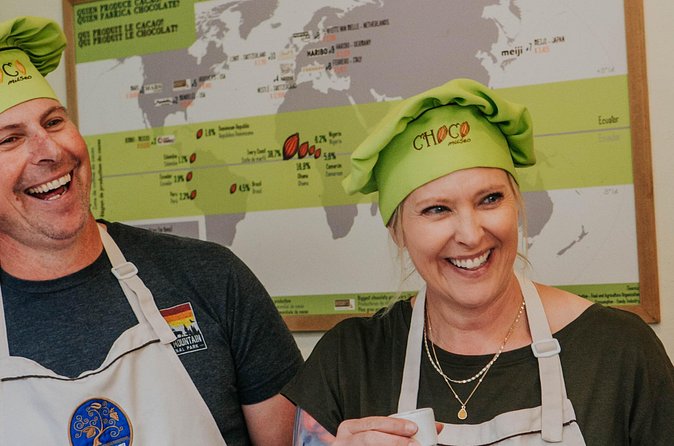
Transportation is not included, and the start point is Plaza Regocijo at ChocoMuseo. That is useful because you can plan to arrive by taxi, on foot if you are close, or public transportation since the area is noted as near public transportation.
The workshop duration is around 2 hours, and you should treat the chocolate pick-up window as part of the experience. If your next plan requires you to be somewhere immediately after the workshop ends, you will likely need to adjust. People get their chocolates about 45 minutes after.
Also, if you are visiting with kids or teens, this timing can be a plus. They can keep energy up during the making stages and then hang out comfortably while the chocolate sets.
Who this workshop is best for (and who should think twice)
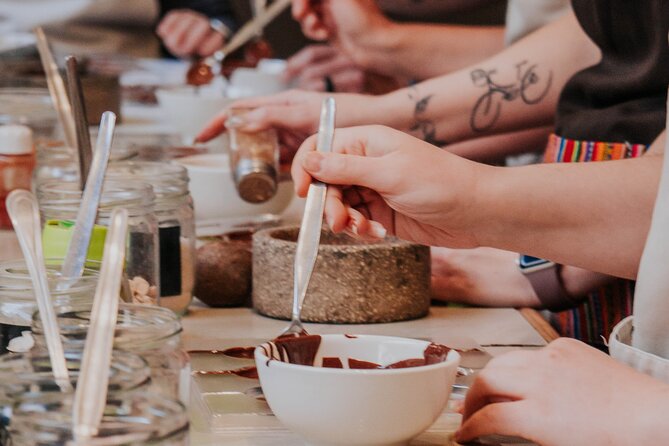
This works really well if you fall into any of these categories:
- You love chocolate and want to understand the process, not just taste it.
- You want a hands-on souvenir that feels personal.
- You travel with kids, teens, or mixed-age groups. Reviews describe it as enjoyable across ages, including teens.
- You prefer small group learning and good interaction.
It may be less ideal if:
- You strongly dislike any classroom-style portion and only want nonstop making.
- You are shopping purely for the cheapest chocolate experience. This one is priced for the workshop format, tastings, and included materials.
A smart approach is to think of it as a chocolate craft workshop plus a cultural lesson. If that balance matches your travel style, you will likely be happy with the value.
The small details that matter: instructors and what to ask
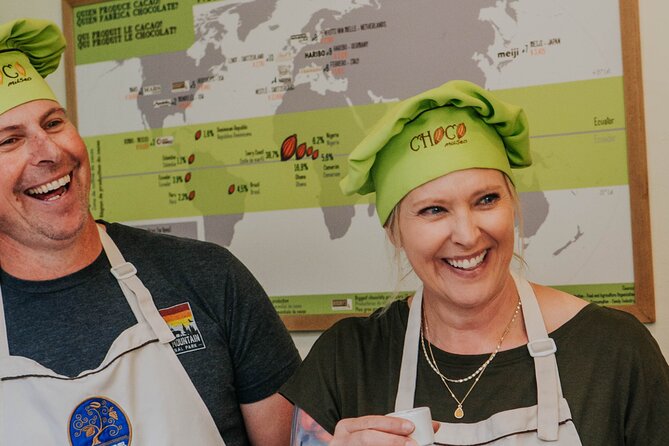
The reviews are full of praise for the instructors, and that is worth paying attention to. People mention hosts like Miguel, Lorenzo, Alex, Benjamin, Hannah, and Manuel, often with praise for being funny, friendly, and good at connecting the steps to the story.
To make sure you get the most from the class, I’d ask questions right when you reach the stage they relate to. For example:
- When you taste the chocolate drinks, ask what changes flavor between cacao stages.
- When you work with toppings and flavorings, ask what those additions change in taste or texture.
- When molding, ask how setting time affects the final feel.
That kind of engagement usually turns the workshop from a fun activity into a memorable skill you can talk about later.
Should you book the ChocoMuseo Cusco bean-to-bar workshop?
If you want an activity in Cusco that blends hands-on making, chocolate tastings, and a clear cacao story, this is an easy yes for most people. The combination of custom flavors, small group size, and the fact you take home your own chocolate bars makes it feel like a proper workshop, not a quick stop.
I’d book it especially if you are traveling with family or teens, or if you want a calmer indoor-ish option after walking around Cusco. The only reason to hesitate is if you hate any stretch of listening or you are strict about squeezing every second into “hands-on only” time.
My bottom-line recommendation: book it if you want to learn how chocolate becomes chocolate, choose your own flavors, and leave with an edible souvenir that you genuinely made.
More Dessert Tours in Cusco
- Chocolate Workshop in Cusco with Premium Organic Cacao
★ 5.0 · 75 reviews - Cusco: Chocolate Workshop with the Best Local Organic Cacao
★ 4.5 · 23 reviews - 1.5h Cusco Chocolate Workshop – Truffles & Hot Chocolate
★ 4.3 · 8 reviews - Bean-to-Bar Chocolate Workshop in ChocoMuseo Lima Miraflores
★ 5.0 · 258 reviews
Recently reviewed around Cusco
- Cusco Cooking Class by ChocoMuseo in Cusco★ 5.0 · 29 reviews
- ATV Adventure to Moray and Maras Salt Mines – Half Day★ 4.5 · 29 reviews
- 1-day excursion to Machu Picchu from Cusco★ 5.0 · 29 reviews
- Private Tour Sacred Valley, Chinchero, Maras Moray, Ollantaytambo★ 5.0 · 29 reviews
- From Cusco: Humantay Lake with Breakfast and Buffet Lunch★ 4.5 · 29 reviews
- 4 Day – Inca Jungle to Machu Picchu★ 5.0 · 29 reviews
- 2-Day Machu Picchu Tour by Train from Cusco★ 4.5 · 29 reviews
- 2-Day Sacred Valley and Machu Picchu Tour By Train★ 4.5 · 29 reviews
Workshops, compared.
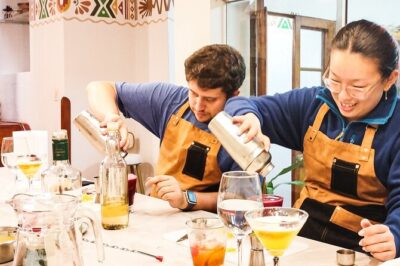
Peruvian Cooking Class Cocktails and Market Tour in Cusco
Read our review →
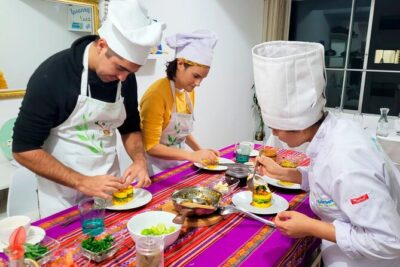
Peruvian Cooking Class, Local Market Tour & Exotic Fruit Tasting
Read our review →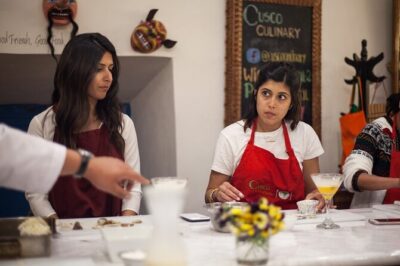
Cusco Cooking Classes and San Pedro Market Tour
Read our review →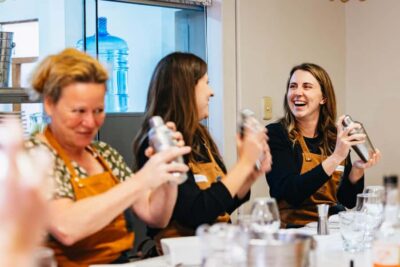
Peruvian Cooking Class, Cocktails & Local Market Tour
Read our review →
Hands-on Peruvian Cooking Class & San Pedro Market Visit in Cusco
Read our review →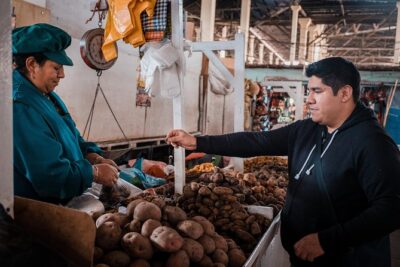
Local Market and Peruvian Cooking Class with Pisco Sour in Cusco
Read our review →
Traditional Peruvian Cooking Class and Market Tour in Cusco
Read our review →Browse the lists this tour appears in