
Reviewed · MACHU PICCHU
Classic Inca Trail to Machu Picchu – 4 Days / 3 Nights
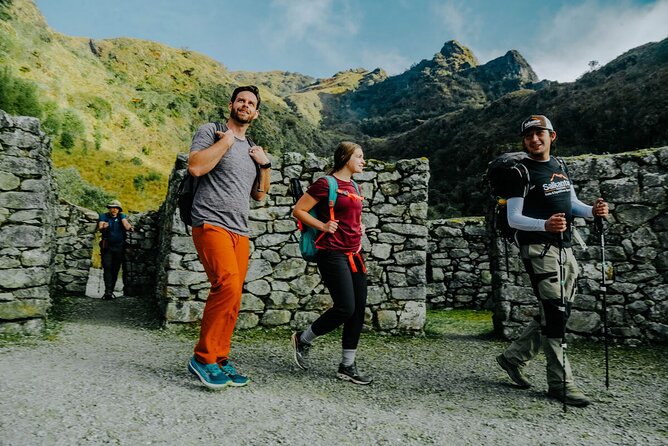
The Classic Inca Trail to Machu Picchu is interesting because it builds your day by day, with Inca ruins, high mountain passes, and then the grand finish of Sun Gate dawn over Machu Picchu. You hike with a small team, eat well at altitude, and sleep in camp while someone else handles the heavy stuff. It is classic Peru, but with the kind of structure that keeps the adventure from turning into chaos.
I like that this version of the trail leans into comfort where it counts. You get proper camping setup (tents, dining setup, chairs) and a crew that includes cooks and porters. The result is that you can focus on the trail and the views, not on setting up camp in the dark.
The one drawback to plan for is the pace. You start extremely early (4:30 a.m. on Day 1 and 3:30 a.m. on Day 4) and you still have serious altitude and steep hiking. If you hate early mornings or you are not feeling confident at height, this trek can feel like a rude wake-up call.
Key highlights worth knowing
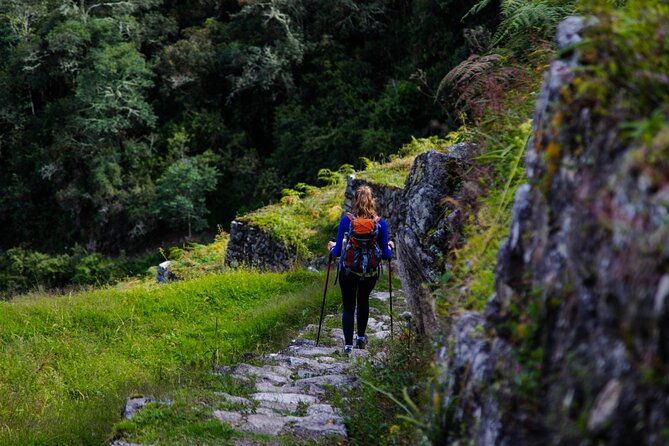
- Sun Gate at 3:30 a.m. for the first light hitting Machu Picchu
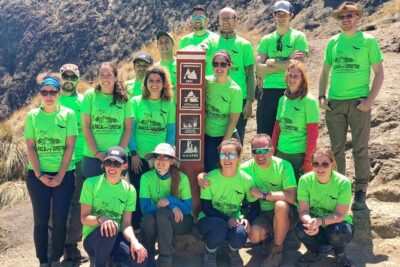
- Small group up to 10 people, so you get a more personal guide experience
- Camping with porters means your “real” load is lighter than you expect
- Archaeology built into every day, from KM 82 to Inca terraces and passes
- Multiple Machu Picchu circuits included across Day 3 and Day 4
- On-trail support kit includes walkie-talkies, emergency satellite phones, first aid, and oxygen
Classic Inca Trail Basics: Early, High, and Well Run
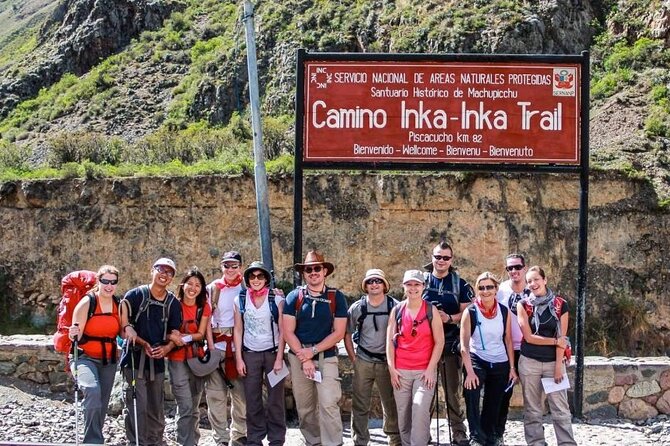
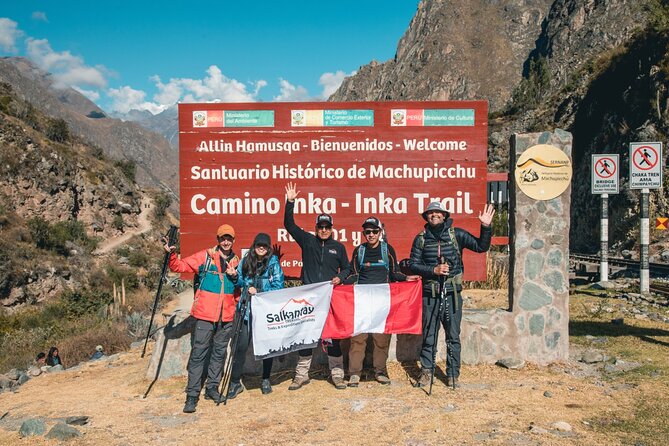
This is a 4 day, 3 night classic style trek with camping at night and Machu Picchu added at the end. The big idea is simple: you do not just see one highlight, you string together Inca sites, mountain passes, and the final dawn entrance that most people dream about.
The tour is priced at $1,095 per person, which is not cheap. But you are paying for permits and tickets, a licensed bilingual guide, camping gear and tents, porter support for equipment, daily meals and snacks, and the train and bus logistics at the end. When you compare that to the cost and stress of trying to piece it together yourself, the value mostly holds.
The other important part is physical reality. This is listed as challenging, with long hiking days and high passes like Dead Woman’s Pass (4,215 m / 13,829 ft). You also get a recommendation to arrive in Cusco at least 2 days early to acclimatize, which is not a suggestion you should treat casually.
More Inca Trail departures:
- Classic Inca Trail Trek 4D/3N to Machu Picchu (Group Service)
★ 5.0 · 8,653 reviews - Machu Picchu: 4-Day Inca Trail Trek with Panoramic Train Ride
★ 5.0 · 4,568 reviews - Short Inca Trail to Machu Picchu 2D/1N
★ 5.0 · 3,007 reviews
Day 1, Cusco at 4:30 a.m. to Ayapata Camp: KM 82 to Your First Inca Ruins
Day 1 starts with hotel pickup at 4:30 a.m. in Cusco, then a ride to Ollantaytambo, the last living Inca city. After that, you get breakfast in Ollantaytambo and head toward the hike start at Piscacucho (KM 82). This early start matters because it helps you begin with enough daylight while your body is still adjusting.
The hike kicks off gently so you can settle into the altitude and walking rhythm. You are not expected to sprint. You’re expected to get into gear, take short breaks, drink water, and enjoy the Andes scenery as your lungs learn the new air.
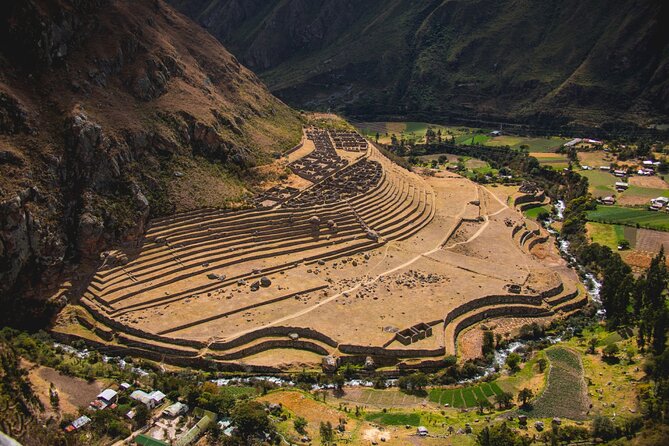
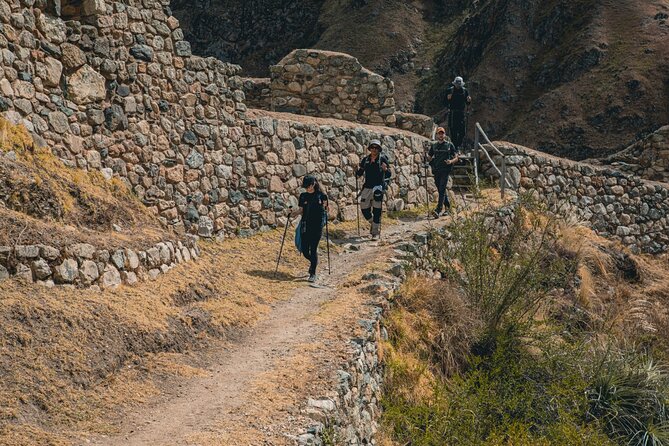
After the acclimatizing start, Day 1 shifts into real trail and site time. You pass archaeological areas including Canabamba, Wilkarakay, and Llactapata, with the Urubamba River area as a constant presence in the wider setting. This is one of those days where the “we are hiking” feeling and the “we are traveling through history” feeling overlap, which makes the walking feel more rewarding.
By the time you reach Ayapata, you have done a full hiking day. You get lunch en route, then continue along trails in nature until you reach the first camp. Dinner and rest come after you settle in, under the stars, with the comfort of knowing the porters and crew are handling camp setup.
One small practical note: the first day is where you learn your trail habits. If you start too fast, you will pay for it later. If you keep a steady pace, Day 1 becomes your warm-up, not your punishment.
Day 2 Over Dead Woman’s Pass to Chaquiqocha: The High Point and the Beautiful Grind
Day 2 begins with hot coca tea and breakfast, then the most challenging section: the hike up to Dead Woman’s Pass at 4,215 m / 13,829 ft. This climb is where you decide if you are truly ready for the Classic Inca Trail. Expect a steady uphill effort, frequent breaks, and the need to keep your breathing controlled.
At the pass, you get stunning views and a short ceremony honoring the sacred Apus. That moment is not just a ritual, it gives the day emotional structure. You reach the hardest point, pause, then turn your attention to the descent.
From Dead Woman’s Pass you descend to Pacaymayo, with lunch and time to recover. Then the day keeps moving: you visit Runkurakay and later reach Runkurakay Pass, where you make a brief offering to Pachamama. Those are small stops, but they add meaning to the effort and remind you that you are walking a living spiritual landscape, not just taking photos.
You then continue to Sayaqmarka, an Inca complex with mountain views and a sunset over the Vilcabamba mountain range. The sunset is often the payoff people talk about after they’ve finished the hard parts. Finally, you arrive at camp at Chaquiqocha, where dinner and rest are waiting.
If you want to do this day well, pack your energy. Save your motivation for the long stretches, because the real danger is fatigue, not distance. In practice, you will feel better if you keep your pace calm all morning, rather than “winning” the climb and losing the descent.
Day 3 Above the Clouds to Wiñay Wayna: More Relaxed, More Magical
Day 3 is the most relaxed day of the trek, and you can feel the difference early. Breakfast at 6:30 a.m. comes before a hike to Phuyupatamarka (3,650 m / 11,975 ft). The description of being above the clouds is exactly why people love this section. Even if the clouds roll in differently each season, you’re still walking through a high, airy zone with wide views.
From Phuyupatamarka, you descend along ancient trails to Intipata, known for agricultural terraces overlooking the Sacred Valley area and the winding Urubamba River. This is one of those “quiet wow” parts of the trek, where the walking brings you gradually downward, and the terraces keep reappearing as you move.
Then comes Wiñay Wayna, one of the most impressive sites along the way. You end the day near the archaeological site, with time after lunch to explore it with your guide. The timing matters because you’re not just rushing between points. You’re given time to understand what you’re seeing, which helps you connect the ruins to the route you just walked.
After exploring, you get a small celebration with the team of porters and cooks. That matters more than it sounds. This trek works because the crew keeps the logistics running. Taking a moment to thank them makes the experience feel more human and less like a factory tour.
You finish earlier than previous days so you can rest. That early wind-down is practical, because the next morning is the dawn finish.
More ways to reach Machu Picchu:
- 2-Day Inca Trail to Machu Picchu with Panoramic Train
★ 5.0 · 1,876 reviews - From Cusco: Full-Day Group Tour of Machu Picchu
★ 4.7 · 1,767 reviews - Machu Picchu Day Trip from Cusco
★ 4.5 · 1,644 reviews - 2-Day Tour: Sacred Valley and Machu Picchu by Train
★ 5.0 · 1,127 reviews
Day 4, Sun Gate at 3:30 a.m. to Machu Picchu Circuits: The Final Reveal
Day 4 begins with breakfast and a very early start at 3:30 a.m. for the hike to Inti Punku (Sun Gate). It takes about an hour, and then you wait for the first rays of dawn to illuminate Machu Picchu. This is the climax moment, the one you came for. The walking is intense, but the reward is emotional.
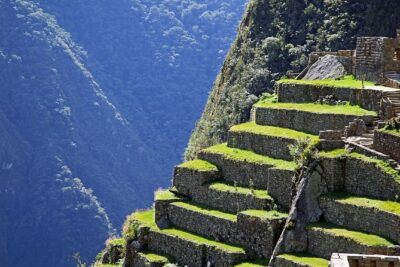
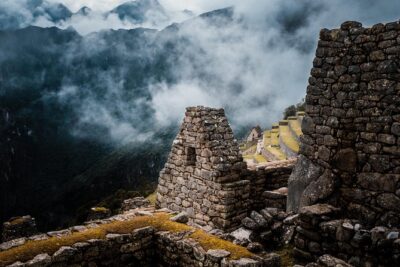
From Sun Gate, you watch Machu Picchu wake up. Afterward, you descend to the citadel area where you get amazing views and time for a postcard photo moment. If you booked ahead, you may be able to climb Huayna Picchu or Huchuy Picchu for even bigger views, but that part depends on what you arranged before the trek.
For your Machu Picchu time, entrance is included for Circuit 1C on Day 3 and Circuit 3B on Day 4. That is a useful detail because it changes what you are able to see on the ground, and it helps you plan your time without guessing ticket coverage.
After the citadel experience, you descend by bus to Aguas Calientes for lunch. Then you board the included tourist class train back to Ollantaytambo, and private transportation takes you back to Cusco. The schedule has you arriving back around 7:30 p.m., which gives you a full end of day, not an overnight scramble.
The Support Team Behind the Big Days: Guides, Chefs, Porters
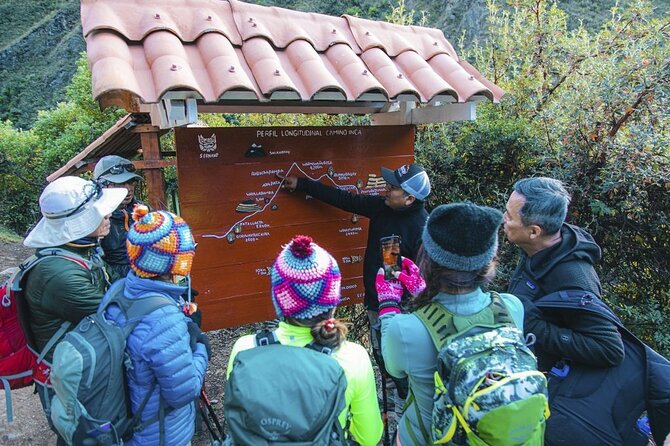
The thing that keeps this hike from feeling punishing is the crew. The tour includes a licensed bilingual guide and a small group size of up to 10 people, so you are not lost in a crowd. You also get walkie-talkies and emergency satellite phones, plus a first aid kit and oxygen supply, which is reassuring when altitude is in the picture.
I’ve seen patterns in the way people describe the guides and the cooking. Names show up again and again, like Carlos (often called the king of the mountains), Marco, Cesar Quispe, Niko, Fredy Apaza, Fredy Chaleco, and Elias. While your exact guide can vary, the consistent point is that your guide is there to explain what you are seeing and keep you motivated on steep climbs.
On the food side, chefs like Wilfred, Denis, and Apolinario get high praise for turning meals into morale boosters. At altitude, good food matters because your energy depends on it. You do not just eat, you recover.
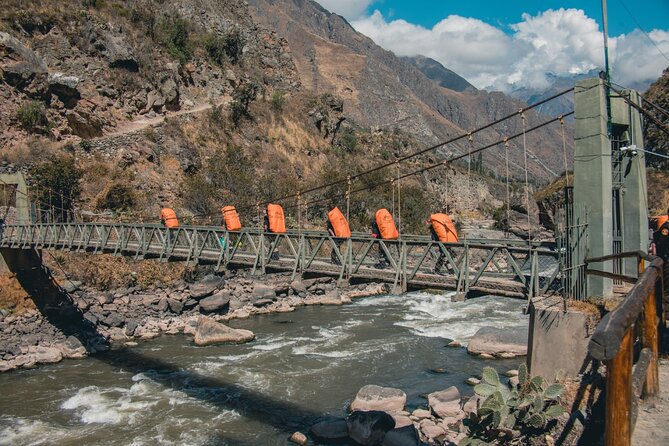
Porters are the quiet powerhouse here. They carry the camping equipment and help transport personal belongings using a duffle bag limit of up to 5 kg (11 lb) carried by porters. When the camp appears each night without you hauling everything, you feel the math behind the pricing.
What You Pay For: Included Tickets, Camping, Train, and Meals
Here is the practical value breakdown. This tour includes permits and tickets for the Inca Trail route, plus Machu Picchu entrance for the specified circuits. You also get the return bus ticket (Machu Picchu to Aguas Calientes) and the tourist class train from Aguas Calientes to Ollantaytambo. That is not a small amount of logistics if you were to arrange it on your own.
You also get camping accommodation and equipment for 3 nights in high-quality tents for 2 people. Dining setup, chairs, and cook support are included, which means camp is livable, not just “survival camping.” Porters carry the equipment between camps, so your job stays focused on walking.
Meals are included each day in a clear pattern: 4 breakfasts, 3 lunches, and 3 dinners. You also get water, tea time, and daily snacks on the trail. That reduces decision fatigue, especially when you are tired and your appetite is unpredictable at altitude.
The main things not included are also important. You need to bring your sleeping bag and trekking poles. Lunch in Aguas Calientes and dinner in Cusco on Day 4 are also not included. Gratuities and travel insurance are not included either.
If you compare this to the total costs of permits, lodging, guided hours, and transportation, the price starts to look like a package designed to keep the trail experience intact. You pay for the structure, then you enjoy the moments.
Gear, Food, and Trail Habits That Matter More Than You Think
The tour provides lots, but you still need to show up ready. Plan for your own comfort and safety by bringing the items listed as not included, especially your sleeping bag and trekking poles. Clothing and personal hiking gear are also on you, so pack for cold mornings, especially near Sun Gate.
Use the duffle bag system wisely. Because porters carry up to 5 kg, keep your heavy or non-essential items out of your own day pack. Put what you need during hiking in easy reach, and keep the rest in the porters’ duffle.
Rain happens in the Andes, and you do get extras like a rain poncho and bag cover. Still, your boots, socks, and how you manage wet gear will make or break your comfort.
One practical tip I really like from people who’ve done this route: if you plan to interact with children in small villages along the way, skip candy. Bring simple school supplies like pencils, paper, or crayons instead. It is a small choice that avoids a health hassle and tends to land better than sweets.
Pacing, Weather, and Booking Timing
This Inca Trail season is in high demand, especially May to September, so early booking matters. The average advance time listed is about 129 days, which tells you something: spots disappear faster than most people expect.
Weather is also real. The experience requires good weather. If it is canceled due to poor weather, you are offered a different date or a full refund. If you cancel on your own, the experience is non-refundable and cannot be changed for any reason.
In other words, treat this like a planned trip with a margin for nature. If you schedule it at the wrong time and you cancel freely, you take the risk.
Should You Book This Classic Inca Trail?
You should book if you want the full classic feel: a guided route through Inca sites, camping handled for you, and Machu Picchu timed for dawn views. The small group size helps, and the inclusion of permits, Machu Picchu circuits, camping gear, and end-to-Cusco transport makes the overall trip feel more controlled than do it yourself.
You might skip or look for a different style if you know you struggle with early mornings, long hiking days, or altitude. The passes are high and the trekking is challenging. You can still enjoy it more if you arrive in Cusco early to acclimatize, then keep a steady pace.
If you’re ready for a real trek with a strong support crew, this one is a solid bet.
FAQ
Where does the trek begin and what time is pickup?
The pickup is at 4:30 a.m. from your accommodation in Cusco, then you are transported to Ollantaytambo and onward toward the hiking start.
How many people are in the group?
This is a small group tour with a maximum of 10 travelers.
What Machu Picchu entrance is included?
Entrance to Machu Picchu is included for Circuit 1C (Day 3) and Circuit 3B (Day 4).
Do you include train and bus during the Machu Picchu part?
Yes. You get a tourist class train from Aguas Calientes to Ollantaytambo, and a return bus ticket from Machu Picchu to Aguas Calientes.
What kind of camping is provided?
You get camping accommodation and equipment for 3 nights, including high-quality tents for 2 people, plus a cook and dining setup with chairs.
What is your personal load for porters?
Your belongings are transported using a duffle bag up to 5 kg (11 lb) carried by porters.
What meals and drinks are included?
You get 4 breakfasts, 3 lunches, and 3 dinners, plus water, tea time, and daily snacks on the trail.
What gear is not included that I must bring?
You need to bring a sleeping bag and trekking poles. Clothing and personal hiking equipment are also not included.
Can I request vegetarian or vegan meals?
Yes. Vegetarian or vegan options are available if you advise at the time of booking.
Is it recommended to arrive in Cusco early?
Yes. It is recommended that you arrive in Cusco at least 2 days before the trek to get used to the altitude.
What happens if the tour is canceled due to poor weather?
If it is canceled due to poor weather, you will be offered a different date or a full refund.
Recently reviewed around Cusco
- Cusco Cooking Class by ChocoMuseo in Cusco★ 5.0 · 29 reviews
- ATV Adventure to Moray and Maras Salt Mines – Half Day★ 4.5 · 29 reviews
- 1-day excursion to Machu Picchu from Cusco★ 5.0 · 29 reviews
- Private Tour Sacred Valley, Chinchero, Maras Moray, Ollantaytambo★ 5.0 · 29 reviews
- From Cusco: Humantay Lake with Breakfast and Buffet Lunch★ 4.5 · 29 reviews
- 4 Day – Inca Jungle to Machu Picchu★ 5.0 · 29 reviews
- 2-Day Machu Picchu Tour by Train from Cusco★ 4.5 · 29 reviews
- 2-Day Sacred Valley and Machu Picchu Tour By Train★ 4.5 · 29 reviews
Machu Picchu, compared.
Classic Inca Trail Trek 4D/3N to Machu Picchu (Group Service)
Read our review →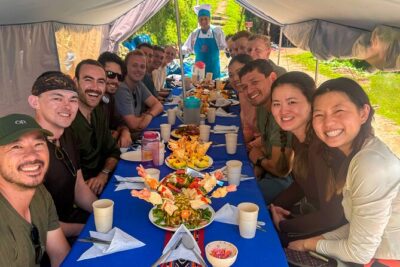
4-Day Inca Trail Trek with Panoramic Train Ride
Read our review →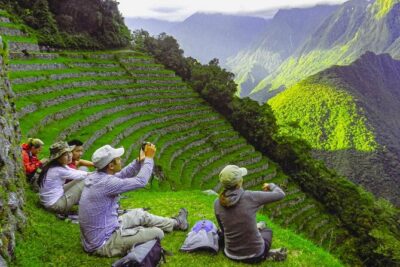
2-Day Inca Trail to Machu Picchu with Panoramic Train
Read our review →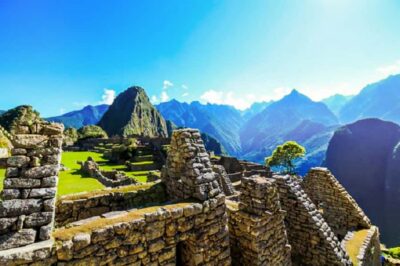

2-Day Tour: Sacred Valley and Machu Picchu by Train
Read our review →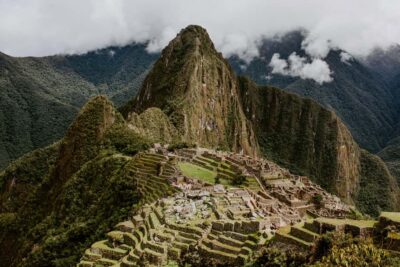
Browse the lists this tour appears in