
Reviewed · MACHU PICCHU
4 Day Classic Inca Trail to Machu Picchu by 360° Train
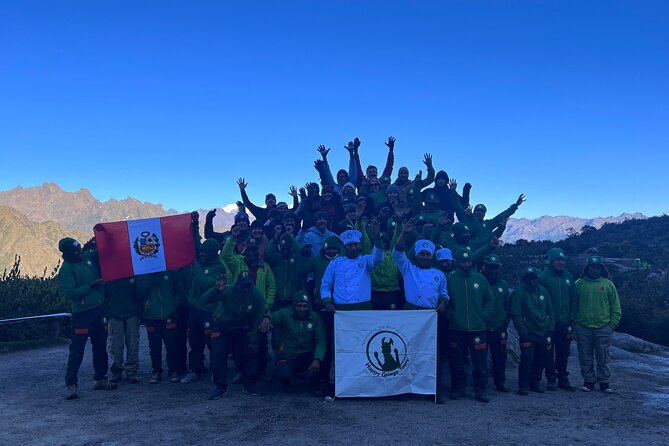
The Inca Trail is a bucket list walk. This version adds a smart twist: you hike the classic route, sleep in private tents at camp, and end with a train ride back toward Cusco. It’s a small-group trek, maximum nine people, so the experience feels managed rather than chaotic.
What I really like is the all-inclusive meal plan (breakfast, lunch, dinner every day except no lunch on the first day’s final segment, etc. as scheduled) and the way the itinerary hits the trail’s big moments, from Llactapata to Dead Woman’s Pass and then on to the Machu Picchu sunrise-view circuit. One consideration: this is a physically demanding itinerary, and you start extremely early, so you need to be ready for long hiking days and altitude.
If you’re looking at this because you want a smoother logistics package, you may still want to protect yourself. There are serious complaints in public feedback about late communication and extra costs for sleeping bag items. The operator disputes those claims in their replies, but the safe move is to get your plan and packing list in writing before you pay.
Key things that make this trek worth your attention
- Max 9-person group, which usually means more personal attention on the trail
- Private tent camps at each stop, so you’re not sleeping in a shared setup
- Dead Woman’s Pass day, the tough summit day at 4,215 meters
- Sun Gate on Day 4, giving you the first big Machu Picchu view right when the site opens
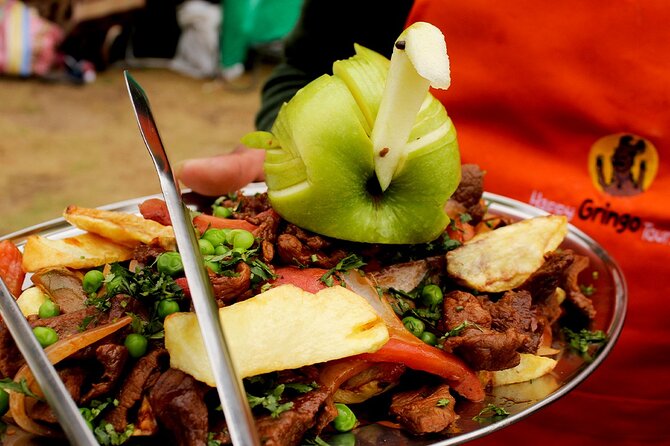
- All trail meals included, with organic fresh lunch at least on Day 1
- Train return via Ollantaytambo, then bus back to Cusco
Why This 4-Day Inca Trail Plus Train Plan Works (and for whom)
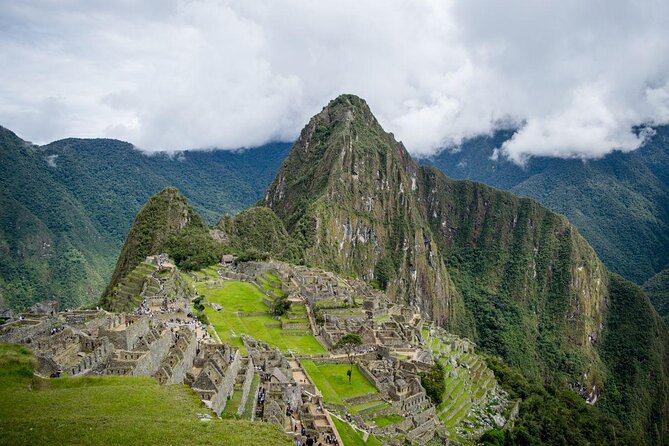
The Inca Trail is not just scenery. It’s pacing, altitude, and a multi-day rhythm where logistics matter. This tour leans into the practical stuff: you get the required Inca Trail and Machu Picchu tickets included, plus meals that keep you fueled on long climbing days.
The small-group cap of nine people changes the feel. On a route that can be busy, smaller groups tend to move with less bottlenecking, and it’s easier to ask questions when you’re not yelling over the whole line of hikers. It also helps with the “camp experience” since you’re not constantly negotiating space.
This is best for people who already have a hiking baseline and want an organized trek without micromanaging every step. If you’re more of a casual walker, or you’re still building fitness, you might find the Day 2 pass day rough. This isn’t the trek for a “we’ll see how it feels” approach.
More Inca Trail departures:
- Classic Inca Trail Trek 4D/3N to Machu Picchu (Group Service)
★ 5.0 · 8,653 reviews - Machu Picchu: 4-Day Inca Trail Trek with Panoramic Train Ride
★ 5.0 · 4,568 reviews - Short Inca Trail to Machu Picchu 2D/1N
★ 5.0 · 3,007 reviews
Value Check: Tickets, Meals, and Tents for $820
At $820 per person, the price can look high at first glance. But here’s where the value math becomes clearer. You’re not just buying hiking days. You’re getting Inca Trail and Machu Picchu tickets included, plus a full meal schedule:
- Breakfast: 3
- Lunch: 4
- Dinner: 3
You’re also sleeping in a private tent at each camp site. That matters more than many first-time trekkers expect. When you’re exhausted, having a predictable private space to recover is a big deal for how good your next day feels.
What’s not included: health insurance and tips for the guide, cook, and porters. Those are normal on treks like this, but you should plan for them so the total cost doesn’t surprise you.
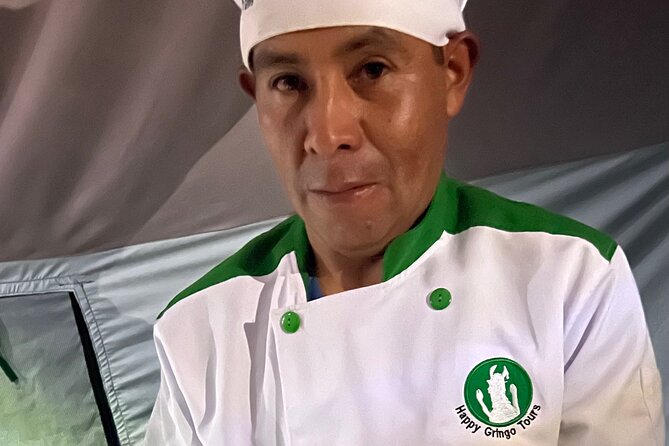
One more value point that’s easy to overlook: the trek comes with a guide team plus porters and a kitchen setup. That’s why the tour can promise organic and fresh lunches during the hiking flow, rather than making you improvise.
Cusco to the KM-82 Trailhead: the 4:00am start you have to respect
Day 1 begins early. Pickup from your hotel happens in Cusco, then you drive to the trailhead near KM-82. At the checkpoint, you show your passport, and it must match your permits. This is one of those moments where being organized beats being lucky.
The itinerary then gives you your first taste of how the trail sets the tone. The early hiking is described as fairly flat for the first couple hours, which is good. You get a chance to settle your pace, manage your breathing, and get into the routine before the climbing starts.
This day also includes your first major Inca stop: Llactapata. You’ll hike a couple hours more to reach the Day 1 lunch spot, where porters are waiting with organic, fresh lunch. After lunch, you get your first real uphill push and then arrive at your first campsite at Ayapata Base camp.
Practical takeaway: start day one mentally as if it’s training for the rest of the trek. If you sprint out of Cusco energy, you’ll pay for it later on the pass day.
Day 1: Llactapata to Ayapata Base Camp, building rhythm without panic
Llactapata isn’t just a random ruin stop. It’s the start of your “I’m really on the trail” moment, and it helps break up what could be a long first stretch. You’re also getting camp setup early enough that you can focus on recovery.
The hiking day runs about 9 hours, including stops and the lunch flow. That’s long, but it’s structured in a way that doesn’t throw you straight into maximum altitude effort. Flat-to-moderate first, lunch, then uphill to camp is a sensible pattern.
One possible drawback for some people: once you start moving uphill after lunch, the effort can feel sharper than you expect. It’s not the Dead Woman’s Pass yet, but it’s still a build-up day. If you tend to overestimate your first-day stamina, this is where you adjust.
More ways to reach Machu Picchu:
- 2-Day Inca Trail to Machu Picchu with Panoramic Train
★ 5.0 · 1,876 reviews - From Cusco: Full-Day Group Tour of Machu Picchu
★ 4.7 · 1,767 reviews - Machu Picchu Day Trip from Cusco
★ 4.5 · 1,644 reviews - 2-Day Tour: Sacred Valley and Machu Picchu by Train
★ 5.0 · 1,127 reviews
Day 2: Dead Woman’s Pass at 4,215m, then Runkurakay and Sayacmarca
Day 2 is the centerpiece challenge. You begin with breakfast, then climb for about 5 hours to the highest point of the journey, the famous Dead Woman’s Pass at 4,215 meters (13,779 feet). This is described as the most difficult day of the Inca Trail, and it should be treated like that.
After the summit, you get about 2 hours of downhill through steep Inca steps to a second lunch spot. That downhill sounds like a break, but steep stone steps are still work on your knees and ankles. Pace matters. You don’t win anything by hurrying.
After lunch, you hike through a mix of uphill and downhill segments, with breaks at Inca sites including Runkurakay and Sayacmarca. Then it’s a shorter final push, about 30 minutes, to the campsite at Chaquicocha.
This is a day that tests more than legs. It tests hydration habits, breathing, and emotional pacing. If you go out too hard at the pass, you’ll feel it later during the stepped descent and the rest of the day.
Tip that helps: treat the summit portion like a steady “keep moving” effort, not a race. The difference between enjoying the view and suffering through the climb is often simple: consistency over speed.
Day 3: Phuyupatamarca, Inti Pata, and Winay Wayna in the City in the Clouds zone
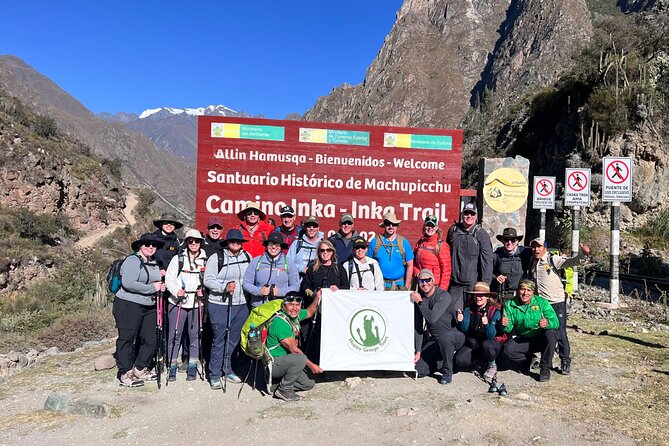
Day 3 starts with breakfast, then a hike of about 2 hours to the last summit area: Phuyupatamarca. The name translates to City in the Clouds, and the route is described as a great area for flora, fauna, and views. Even if the weather isn’t perfect, higher trail days tend to feel more alive. You’re above the usual valley routine.
You also visit Inti Pata, described as Sun above the terraces, during the morning portion. Then lunch leads into a visit to Winay Wayna, the Forever Young site. After ruins time, you return to camp for dinner and the trek’s goodbyes to the porter team.
Day 3 is often emotionally important because it shifts from “surviving the middle” to “getting ready for Machu Picchu.” You’re still hiking for roughly 9 hours, but the day feels less like a brutal grind and more like a trail victory lap.
One consideration: you should still stay disciplined about pace and hydration. Day 4 starts early and you don’t want to arrive tired and stiff.
Day 4: Machu Picchu at opening, Sun Gate first, then train back to Ollantaytambo
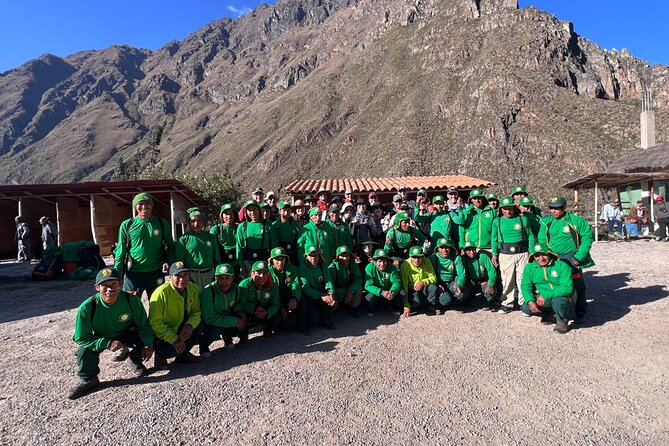
Day 4 is the big moment, and the tour plays it smart. You wake early, head straight to the checkpoint to enter Machu Picchu, and once the site opens, you hike to the Sun Gate for your first major view.
This matters because your first perspective of Machu Picchu sets the tone for everything after. You start with the dramatic viewpoint, then transition into visiting the most important temple areas.
In the afternoon, you take the train back to Ollantaytambo. Then you continue by bus back to Cusco. That train-and-bus combination is a big fatigue reducer compared to trying to go back another way after a full day at the site.
If you’re sensitive to crowds, the “site opens, then you move” strategy can help you get better initial moments before the heaviest flow of people.
Also note: the itinerary includes a last dinner in Wiñay Wayna, which ties the end of the trail experience together. It gives you a sense of closure rather than just shuffling into transport.
The operator question: Happy Gringo Tours red flags you should act on
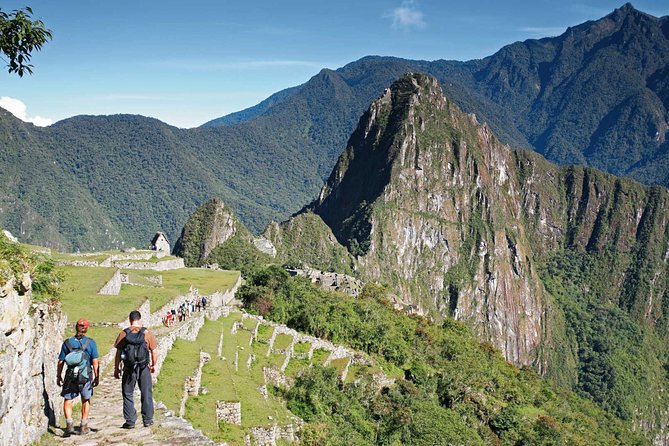
The trekking experience can be great, and the operator response to some complaints is aggressive and disputed. But you need to take the serious issues seriously enough to protect your plans.
In the feedback I saw tied to Happy Gringo Tours, there are reports of:
- Communication arriving very late, including a start date adjustment about 1.5 days before the trek
- Additional costs related to sleeping bag items, with one account stating a daily fee for renting sleeping bag plus linen
- Problems with pickup not happening as promised (in at least one report)
- Behavioral complaints involving a guide, including alcohol and physical boundary issues
The operator disputes at least some of these claims in their responses, including the idea that a ticket system change was overstated. That dispute doesn’t remove your responsibility to verify details.
Here’s what I recommend you do before you book or before the trek starts, because these are exactly the points that can ruin your experience if they go sideways:
- Ask for a written confirmation of your exact start date and whether there are any known changes
- Get the full packing list, specifically sleeping bag and whether you need to bring your own or rent
- Confirm hotel pickup details, including where and when
- Ask how tickets and timing work on the Machu Picchu entry day, especially the checkpoint timing and Sun Gate plan
- If you’re booking through a platform, make sure you can message the operator and get a clear answer you can screenshot
This trek is too expensive in time and money to gamble on unclear logistics.
Fitness, altitude, and gear: what you should prepare for
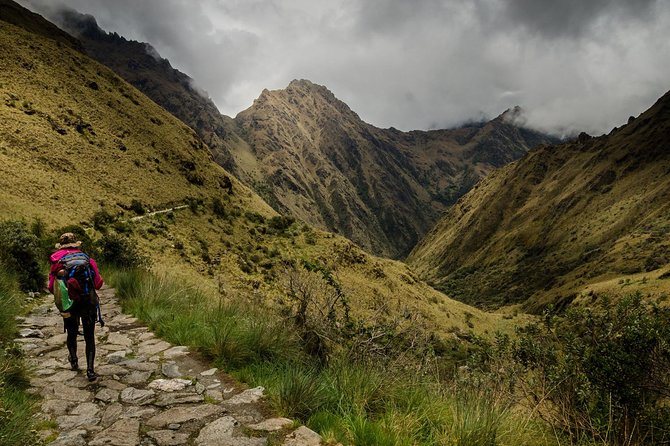
The tour itself says you should have a strong physical fitness level, and the itinerary gives you the proof with Day 2. Dead Woman’s Pass is the hard highlight, and the description calls out steep Inca steps both up and down.
Think in terms of body wear. By Day 2 and 3, your legs should be ready for repeated climbing and descending on uneven stone. If you have knee or ankle limitations, you’ll want to be extra strategic with pace and foot placement.
Also keep in mind you start early. Day 4 is wake-up early again, and Machu Picchu entry is time sensitive. If you don’t sleep well at camp, it can hit your performance the next morning.
On gear: the provided information does not list specifics. What it does show is that there may be sleeping bag expectations, and at least one public report suggests you might need to rent or bring items. So treat gear clarification as mandatory, not optional.
Price, group size, and the kind of travel day this is
This is a guided experience designed to reduce uncertainty. Your meals are handled, your tickets are included, and you’re in a small group. You don’t have to navigate the route yourself.
That structure is a big plus if you’re traveling with limited flexibility or you’d rather spend energy on the trail than planning around it. It’s also a good fit if you like learning, because the itinerary includes multiple named Inca sites across different days.
You’ll still be doing real work. These are not “sit and admire” days. Each hiking day is around 9 hours, and Day 2 is the toughest.
For value, I’d frame it like this: you’re paying for organization plus comfort basics (private tents) plus entry tickets. If that reduces your stress and planning burden, $820 can feel reasonable fast.
Should you book this Inca Trail with 360° Train?
If you’re physically prepared for a serious trek day and you want tickets, meals, and private tent comfort rolled into one package, this can be a strong choice. The itinerary’s focus on major moments, including Dead Woman’s Pass and Sun Gate at Machu Picchu opening, is exactly what first-timers hope for.
But I would only book if you do two things first:
- Confirm every time-sensitive detail in writing, especially start date, pickup, and sleeping bag expectations.
- Plan for tipping and extra costs not listed as included, since health insurance and tips are explicitly not included.
If you want a simple, safe trip, this is doable. Just don’t treat it like a set-and-forget purchase. The trail deserves your best, and your logistics deserve your attention.
FAQ
How many people are in the group?
The tour has a maximum of 9 travelers, keeping it small-group size.
Where do you start, and what time does the tour begin?
Pickup is from your hotel in Cusco, and the start time is listed as 4:00 am.
What hiking stops are included on the trail?
Key stops listed include Llactapata, Ayapata Base camp (Day 1), Dead Woman’s Pass, Runkurakay, Sayacmarca, Chaquicocha (Day 2), Phuyupatamarca and Inti Pata (Day 3), Winay Wayna (Day 3), and Machu Picchu with the Sun Gate (Day 4).
Are meals included?
Yes. Breakfast is included 3 times, lunch 4 times, and dinner 3 times during the tour.
Are tickets to the Inca Trail and Machu Picchu included?
Yes. Inca Trail and Machu Picchu tickets are included.
Will I have my own tent at camp?
Yes. The tour includes sleeping comfortably in a private tent at each site.
Is health insurance included?
No. Health insurance is listed as not included.
How do you get back to Cusco after Machu Picchu?
After Machu Picchu, you take the train back to Ollantaytambo, then continue by bus back to Cusco.
Can I cancel or change my booking?
This experience is non-refundable and cannot be changed for any reason, based on the provided policy.
More Train Journeys in Cusco
- Machu Picchu Full Day from Cusco by Panoramic Train
★ 5.0 · 857 reviews - Machu Picchu Full Day Tour from Cusco with Train & Entrance
★ 5.0 · 508 reviews - The Voyager Machu Picchu Train by Inca Rail
★ 4.0 · 374 reviews - Lares Trek to Machu Picchu 4 days with Panoramic Train
★ 5.0 · 298 reviews
Recently reviewed around Cusco
- Cusco Cooking Class by ChocoMuseo in Cusco★ 5.0 · 29 reviews
- 1-day excursion to Machu Picchu from Cusco★ 5.0 · 29 reviews
- Private Tour Sacred Valley, Chinchero, Maras Moray, Ollantaytambo★ 5.0 · 29 reviews
- ATV Adventure to Moray and Maras Salt Mines – Half Day★ 4.5 · 29 reviews
- From Cusco: Humantay Lake with Breakfast and Buffet Lunch★ 4.5 · 29 reviews
- 4 Day – Inca Jungle to Machu Picchu★ 5.0 · 29 reviews
- 2-Day Machu Picchu Tour by Train from Cusco★ 4.5 · 29 reviews
- 2-Day Sacred Valley and Machu Picchu Tour By Train★ 4.5 · 29 reviews
Machu Picchu, compared.
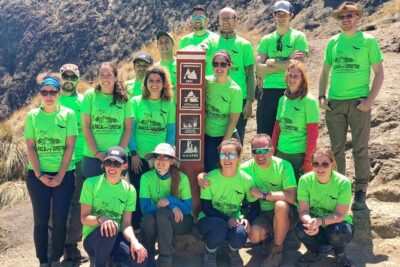
Classic Inca Trail Trek 4D/3N to Machu Picchu (Group Service)
Read our review →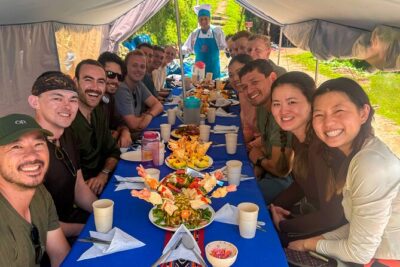
4-Day Inca Trail Trek with Panoramic Train Ride
Read our review →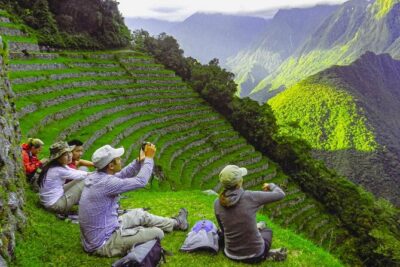
2-Day Inca Trail to Machu Picchu with Panoramic Train
Read our review →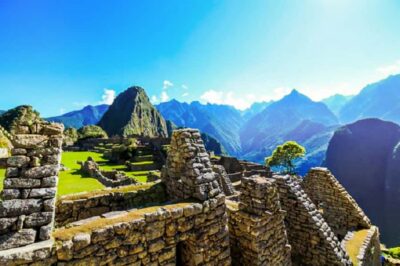

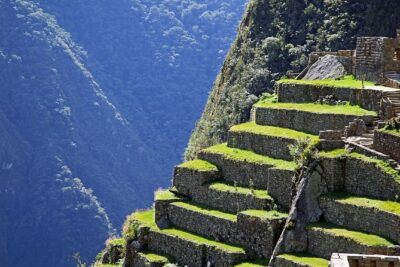
2-Day Tour: Sacred Valley and Machu Picchu by Train
Read our review →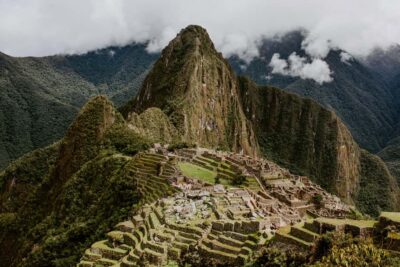
Browse the lists this tour appears in