
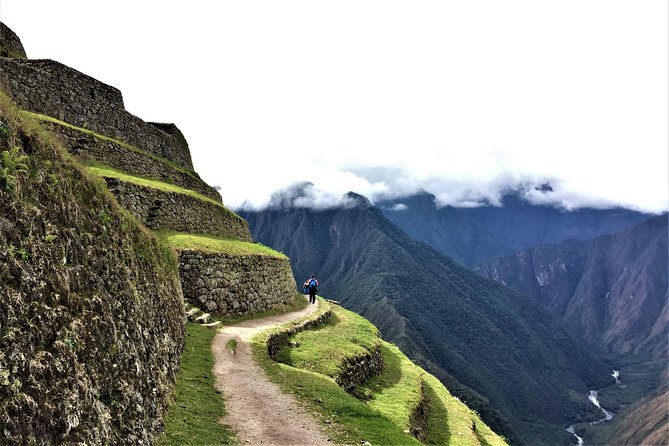
Reviewed · MACHU PICCHU
Private Inca Trail to Machu Picchu 4 Days
A private Inca Trail to Machu Picchu is interesting because you’re not just hiking and hoping. You’re walking between specific Inca sites, rising for Sun Gate sunrise, and finishing with guided routes inside the citadel that are designed to make the day feel full, not rushed.
Two things I really like about this trip are the porter service (you’re limited to a 7 kg duffel while everything else is handled) and the fact that the trail meals are built in. You get proper breakfasts, lunches, and dinners, plus hot drinks and snacks, which matters a lot when you’re working hard at altitude.
One drawback to think about: this itinerary starts early, with a 4:30 am pickup in Cusco and big climbs like Dead Woman’s Pass. If you hate mornings, or you’re not comfortable with high-altitude trekking, you’ll want to plan for that reality.
Key reasons this Inca Trail feels well run
- 4:30 am Cusco pickup plus organized Sacred Valley routing before you even start the trek
- Porters carry the heavy stuff, and you only manage your personal duffel (7 kg)
- Meal-and-tea rhythm built into every day, including hot drinks at camp
- Two-pass challenge with real altitude time at Dead Woman’s Pass (4,215 m)
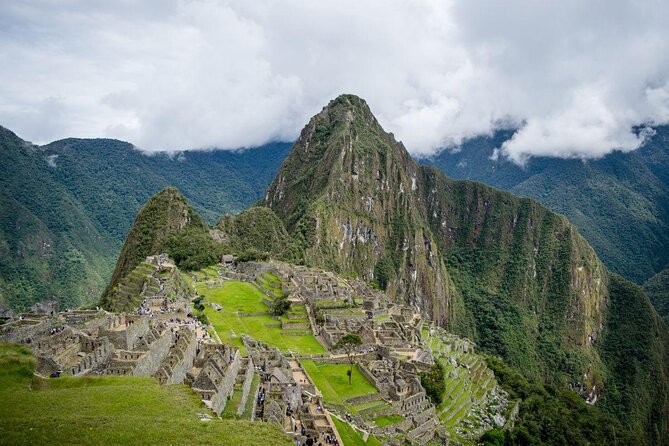
- Machu Picchu with planned circuits, Circuit 1 for the iconic photo spot and Circuit 3 for a guided citadel tour
Private Inca Trail starts with a 4:30 am Cusco pickup
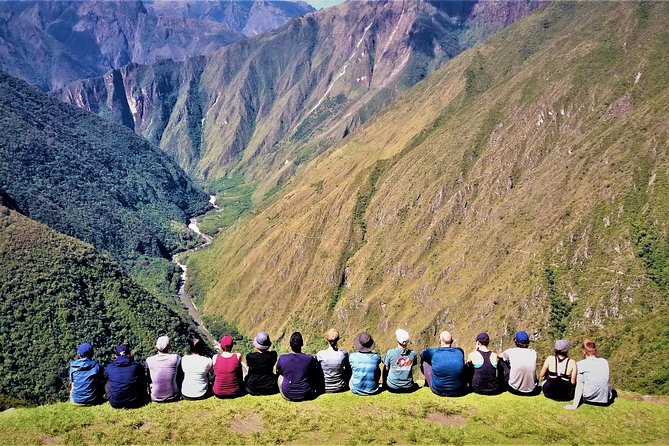
Your day starts before the city fully wakes up. Pickup is set for 4:30 am, and from there you head into the Sacred Valley. The first stop is Ollantaytambo, where you have a hearty breakfast at a local restaurant.
Why this matters: when you’re heading toward a high-altitude hike, starting early helps you avoid getting rushed later. It also keeps the day’s logistics smooth, especially when you’re transferring between checkpoints, trail points, and vehicles.
One practical note: bring warm layers even in the daytime season. Mornings in the Andes can feel cold fast, and you’ll be sitting around briefly before movement begins.
More Inca Trail departures:
- Classic Inca Trail Trek 4D/3N to Machu Picchu (Group Service)
★ 5.0 · 8,653 reviews - Machu Picchu: 4-Day Inca Trail Trek with Panoramic Train Ride
★ 5.0 · 4,568 reviews - Short Inca Trail to Machu Picchu 2D/1N
★ 5.0 · 3,007 reviews
Ollantaytambo, KM 82, and the first trek day toward Ayapata
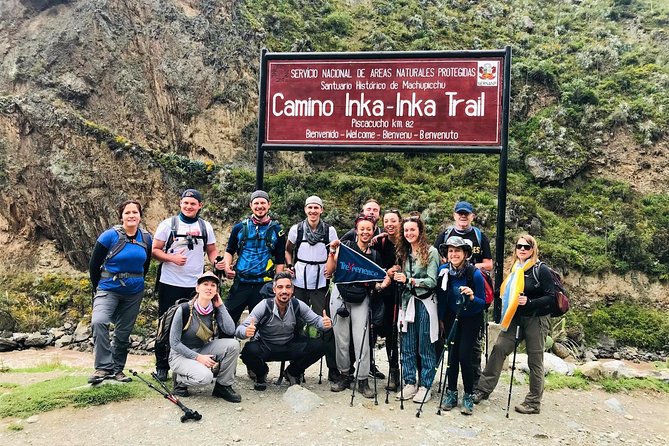
After breakfast, you continue toward KM 82, where you meet the team and pass the checkpoint to begin the hike. The first main trekking section runs for about 4 hours, and you’ll pass ancient Inca sites like Llactapata and Huillca Raccay. The goal here is a mix of steady effort and scenery, with the kind of panoramic views that make early starts worth it.
Lunch happens at Hatunchaca, with chefs preparing food using fresh local ingredients. This is a real advantage of a fully organized trail day: you’re not trying to make a snack plan work while your legs are already negotiating hills.
Then you hike onward for about 2 more hours to reach Ayapata campsite. Your tent is ready, and you’ll get a traditional tea service before dinner. That little sequence matters more than it sounds. After a long first day, having camp organized, water handled, and your basic comfort already in place helps you settle and sleep.
Dead Woman’s Pass, offering ceremony, and Chaquicocha at night
Day 2 is the big one. You wake up early to hot coffee or tea delivered to your tent, then you start the first major climb.
The centerpiece is Dead Woman’s Pass, listed at 4,215 m / 13,829 ft, and it’s the highest point on the Inca Trail. The climb is about 4 hours uphill. At the summit, you stop to soak in the altitude and the quiet, and your guide performs a traditional offering ceremony to the Apus, local mountain spirits.
Why this is more than a ritual stop: it frames the whole day. This trek is tough, and the ceremony gives you a moment to slow down, focus, and mentally reset before you move again.
After the pass, you descend into the Pacaymayu Valley for about 2 hours, then lunch is served. Next comes another stretch that includes a gentler climb (about 2 hours) toward the second pass, with stops at Runkuracay and Sayacmarca along the way. Then you arrive at Chaquicocha campsite, where you can unwind and stargaze, followed by a warm dinner.
If you’re sensitive to cold, plan for it here. Even when the days can feel sunny, high passes can cool things down quickly at night.
Phuyupatamarca and Intipata: the City in the Clouds day
Day 3 keeps the effort up, but it also brings more variety. The trek moves through changing terrain and rich plant and animal life, with plenty of chances to pause and look around.
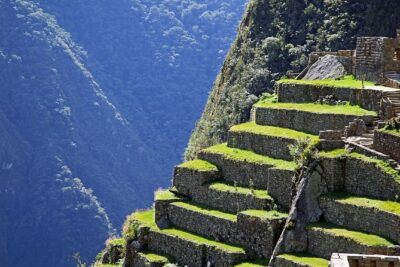
You start with 2 hours near Chaquicocha campsite, then continue toward Phuyupatamarca, described as the City in the Clouds, plus Intipata, Terraces of the Sun. You’ll spend time at each, with the guide pausing for views and rests.
This is a strong day for people who like their hikes to feel like both a workout and a story. You’re not just walking from point to point. You’re stopping at places that had purpose in the Inca world, and you get context for why you’re seeing what you’re seeing.
Then you hike onward for about 2 more hours to reach Winay Wayna for lunch and free time. That free time is useful. You can slow your breathing, check your feet, and mentally prepare for the finale that starts with the dawn push on day 4.
More ways to reach Machu Picchu:
- 2-Day Inca Trail to Machu Picchu with Panoramic Train
★ 5.0 · 1,876 reviews - From Cusco: Full-Day Group Tour of Machu Picchu
★ 4.7 · 1,767 reviews - Machu Picchu Day Trip from Cusco
★ 4.5 · 1,644 reviews - 2-Day Tour: Sacred Valley and Machu Picchu by Train
★ 5.0 · 1,127 reviews
Sun Gate sunrise and Machu Picchu circuits done in the right order
Day 4 is your grand finale, and it’s paced to make Machu Picchu feel like a moment, not a checklist.
You start before dawn at Winay Wayna camp and trek for about 1 hour to reach Machu Picchu for the day’s opening experience. Then you hike another 1 hour to Sun Gate, where you can catch panoramic mountain vistas and a sunrise over the ruins.
After Sun Gate, the plan is smart: you follow Circuit 1 on a gentle descent to the spot for that iconic Machu Picchu photo, then you continue to the main entrance. This keeps the photographic moment organized, and it helps you avoid feeling like you’re sprinting to beat crowds.
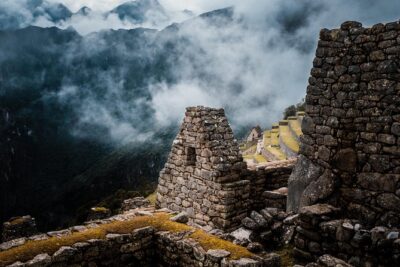
Then you re-enter for Circuit 3, which is a guided tour of Machu Picchu’s temples and terraces. This is the part where having a guide helps the most, since you’re walking through key zones without having to guess what you’re looking at.
Aguas Calientes break, then Vistadome train back to Ollantaytambo and Cusco
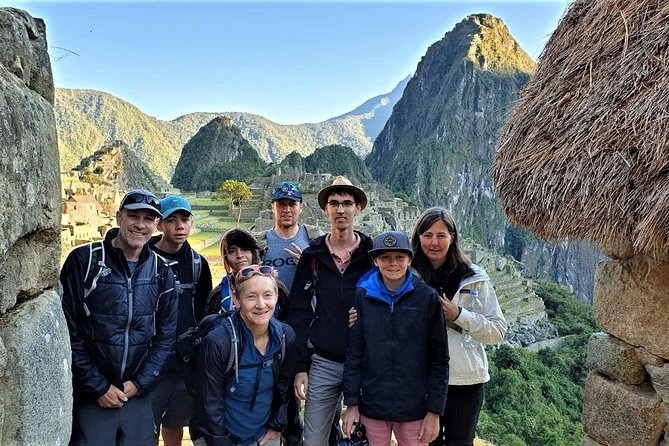
Once the citadel time is done, you go down by bus to Aguas Calientes, where you’ll have free time to stroll or relax. This downtime is practical. Long treks can make your body feel great while your brain feels tired, and a low-key town break lets you recover without worrying about the next schedule beat.
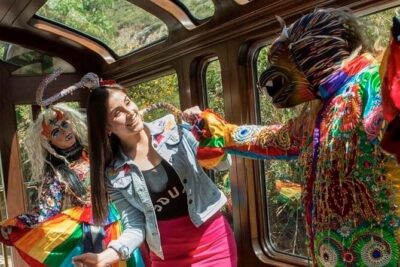
In the afternoon, you board the Vistadome panoramic train to Ollantaytambo. It’s included, and it’s a nice way to transition from mountain trail to something more comfortable and scenic. Finally, you use private transport to return to your Cusco hotel.
If you want an easy win after trekking, plan to eat something satisfying in Aguas Calientes and then keep your evening simple back in Cusco. You’ll enjoy sleep more than you think.
Price of $1,890: what you’re paying for, and why it can be worth it
At $1,890 per person, this is not a budget trek. The value comes from what’s bundled in and what gets taken off your plate.
Here’s what you get that usually costs extra on independent trips:
- Inca Trail and Machu Picchu tickets included
- Vistadome train ticket included
- Hotel pickup and drop-off, plus all transportation during the tour
- 3 nights camping in quality Eureka 2-person tents (or a single tent on request)
- Sleeping gear and basic comfort: sleeping bag, air mattress, pillow, rain poncho, hand towels, and trekking poles
- All meals on the trail, plus daily snacks, purified water, and hot drinks
- Porter service plus a 7 kg duffel allowance for your personal items
- Safety gear: first-aid kit, oxygen, and a satellite phone
For me, the biggest value is the porter system plus full meal planning. When you’re carrying less, walking feels more like moving through a route than managing logistics. And when chefs handle food, you eat well even on tough days.
Also, booking is commonly done around 65 days in advance, which hints that availability can matter.
Guides and chefs: the human details that make the trail feel personal
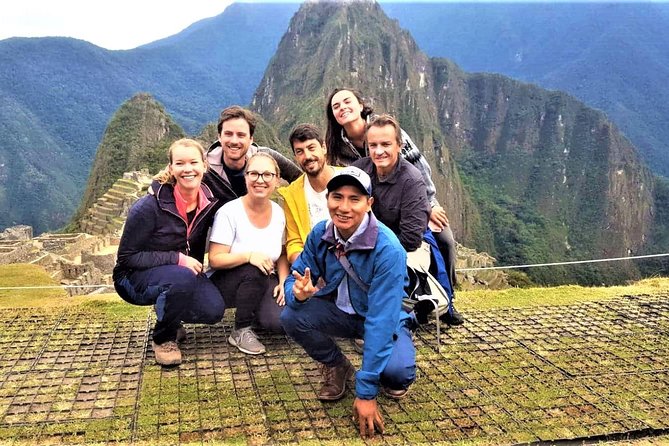
This is a private tour, so you should expect the guide to adapt to your group and pace. The tour uses a professional bilingual guide, and for groups of 9+ it notes two guides.
The real-world pattern from past trips is that the guide and chef team can make the hike feel almost effortless. I see names like Renato, Roberto, Fernando, Roger, Elias, Giovanni, Sara, and support staff such as chefs including Daniel, Jaime, Alejandro, Juvenal, Felix, along with porters like Santos, Bernardo, Alfredo, and team members who help with dining and camp comfort.
Even if you don’t match with the exact same people, you can use this as a clue about what they prioritize:
- history and meaning tied to the ruins you see
- steady encouragement on hard climbs
- food quality that helps you recover, not just fuel you
If you love food and storytelling, this kind of team makes a big difference on days when your legs are tired.
Camping comfort, toilets, and what you still need to bring
The trip includes 3 nights camping with Eureka 2-person tents, plus a full kit: sleeping bag, air mattress, pillow, rain poncho, hand towels, and trekking poles. You also get dining tents with tables and chairs and private portable toilets.
That covers the base comfort. What you should still bring is your own sensible planning:
- layers for cold mornings and high-altitude evenings
- a plan for blisters, because even with trekking poles and help, your feet are your only real weak point
- something small to keep your routine steady, like a favorite lip balm or a simple snack you love
One more practical tip: some camps can be busy at night. If you’re a light sleeper, consider earplugs.
Who should book this 4-day private trek, and who should rethink it
This works well if you want:
- a private experience with hotel pickup and structured pacing
- full support, including porters, camp setup, and meals
- a guided Machu Picchu day with planned circuits and sunrise at Sun Gate
The tour asks for moderate physical fitness. Day 2 includes the highest point on the Inca Trail and other major segments across passes, plus altitude. If you’re new to long hikes, you can still do it, but you’ll want to be honest about your stamina and your ability to keep moving uphill at altitude.
If you dislike early starts, remember that this one is built around a 4:30 am pickup and pre-dawn movement on day 4.
Should you book this Private Inca Trail to Machu Picchu?
I think you should book it if you want the Inca Trail to feel guided and organized, not stressful. The included tickets, porters, meals, camp gear, and safety support add up fast, and the route planning to Sun Gate sunrise plus Circuit 1 then Circuit 3 is a smart way to experience Machu Picchu.
I’d skip it if you have a low tolerance for early mornings, or you don’t want to handle altitude climbing like Dead Woman’s Pass. Also, if you’re hoping to add Machu Picchu Montaña or Waynapicchu, you’ll need to arrange those optional entrance tickets ahead of time.
If you match the fitness level and you care about comfort plus a real guided experience, this is the kind of trek that turns into a memory you carry for a long time.
FAQ
What time is pickup in Cusco?
Pickup starts at 4:30 am.
Is this a private tour?
Yes. This is listed as a private tour/activity, so only your group participates.
What camping setup and gear are included?
You get 3 nights camping in quality Eureka 2-person tents (single tent on request). Included gear also covers a sleeping bag, air mattress, pillow, rain poncho, hand towels, and trekking poles.
How much will I carry during the trek?
The tour includes porter service and provides a 7 kg (15 lb) duffel bag for your personal items.
Are meals included, and what’s covered?
Yes. All meals on the trail are included, with 4 breakfasts, 3 lunches, and 3 dinners, plus daily snacks, purified water, and hot drinks.
What Machu Picchu tickets are included, and what is optional?
The tour includes Inca Trail and Machu Picchu tickets. It also includes guided routes inside Machu Picchu, using Circuit 1 for the descent and photo spot, then Circuit 3 for a guided tour. Tickets for Machu Picchu Montaña or Waynapicchu are optional and not included.
Can you accommodate vegetarian or vegan diets?
Yes. Vegetarian and vegan options are available. You should advise your dietary needs at booking.
What fitness level do I need?
The guidance says you should have a moderate physical fitness level.
What happens if the trip is canceled due to poor weather?
This experience requires good weather. If it’s canceled due to poor weather, you’ll be offered a different date or a full refund. If you cancel yourself, the experience is non-refundable and cannot be changed.
Recently reviewed around Cusco
- Cusco Cooking Class by ChocoMuseo in Cusco★ 5.0 · 29 reviews
- ATV Adventure to Moray and Maras Salt Mines – Half Day★ 4.5 · 29 reviews
- 1-day excursion to Machu Picchu from Cusco★ 5.0 · 29 reviews
- Private Tour Sacred Valley, Chinchero, Maras Moray, Ollantaytambo★ 5.0 · 29 reviews
- From Cusco: Humantay Lake with Breakfast and Buffet Lunch★ 4.5 · 29 reviews
- 4 Day – Inca Jungle to Machu Picchu★ 5.0 · 29 reviews
- 2-Day Machu Picchu Tour by Train from Cusco★ 4.5 · 29 reviews
- 2-Day Sacred Valley and Machu Picchu Tour By Train★ 4.5 · 29 reviews
Machu Picchu, compared.
Classic Inca Trail Trek 4D/3N to Machu Picchu (Group Service)
Read our review →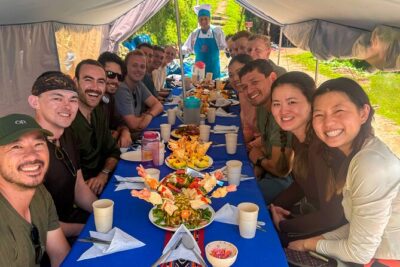
4-Day Inca Trail Trek with Panoramic Train Ride
Read our review →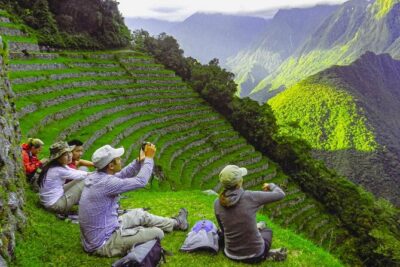
2-Day Inca Trail to Machu Picchu with Panoramic Train
Read our review →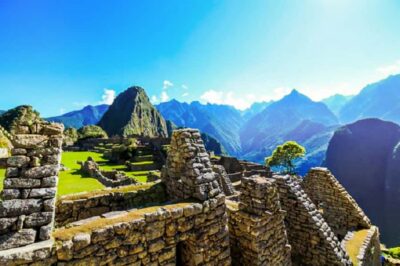
2-Day Tour: Sacred Valley and Machu Picchu by Train
Read our review →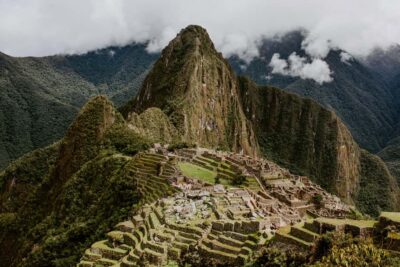
Browse the lists this tour appears in