
Reviewed · MACHU PICCHU
Inca Trail hike 4 days to Machu Picchu with panoramic Train
This is interesting because it turns the classic Inca Trail into a guided, gear-light trek, then finishes with a very early Machu Picchu morning through Sun Gate, plus a scenic Vistadome panoramic train ride back. I especially like that porters, a chef, and tents are handled for you, so you hike with less to manage. I also like the focus on Inca sites along the way, not just the final ruins. The main drawback to consider is that the big day over the high passes can hit hard if you are not acclimatized or you move too fast.
In a small group like this, the guide matters, and names like Jose Luis, Elisban, and Johnny show up in past experiences for a reason. This trek is capped at 16 travelers, and that helps keep attention from the guides and support crew where you need it most, especially on the longer, steep stretches. You still need solid moderate fitness and patience for altitude.
Key takeaways before you commit
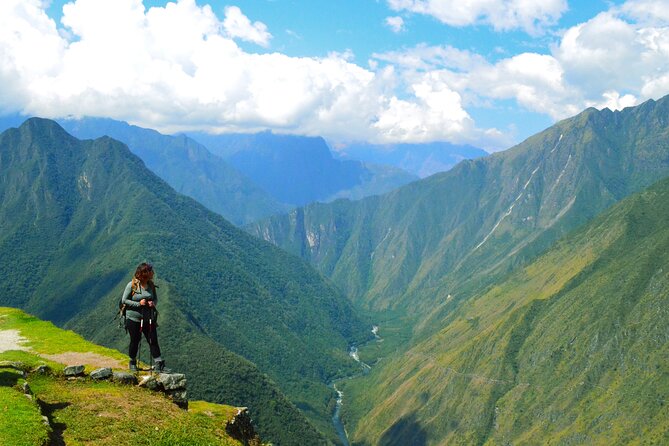
- A sunrise arrival plan that starts very early so you can watch Machu Picchu waking up from Sun Gate.
- Chef-cooked meals and camping setup that remove most of the logistics burden from your shoulders.
- A real altitude day on Day 2, with Dead Woman’s Pass reaching about 4215m.
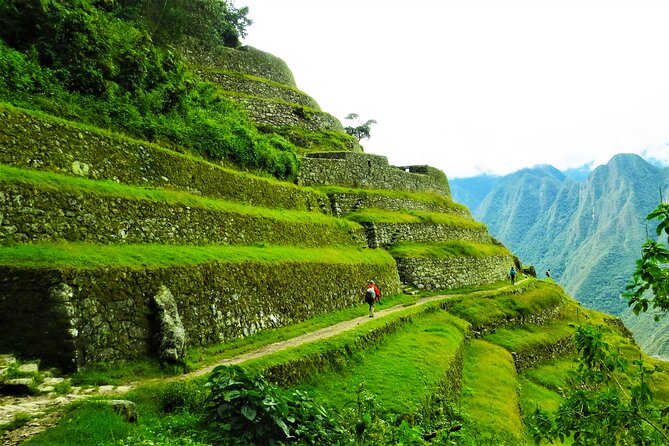
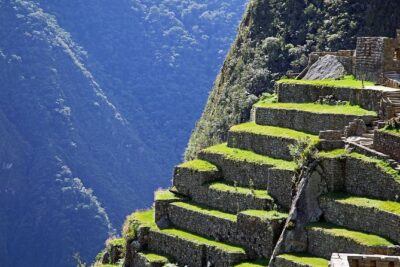
- Inca ruins built into the hike, including Llaqtapata, Runcuraccay, Sayacmarca, Phuyupatamarka, and Wiñay Wayna.
- Vistadome panoramic train included for an easier, scenic return to Cusco.
- Small-group feel with a max of 16 travelers, guided in English.
From Cusco pickup to Machu Picchu, how the whole day chain works
You start early in Cusco, with pickup offered from your hotel in Cusco or the Sacred Valley area, typically around 4:30 am. The trek begins with a drive to KM 82, which is the standard access point for this route, so you do not waste your first morning figuring out transport.
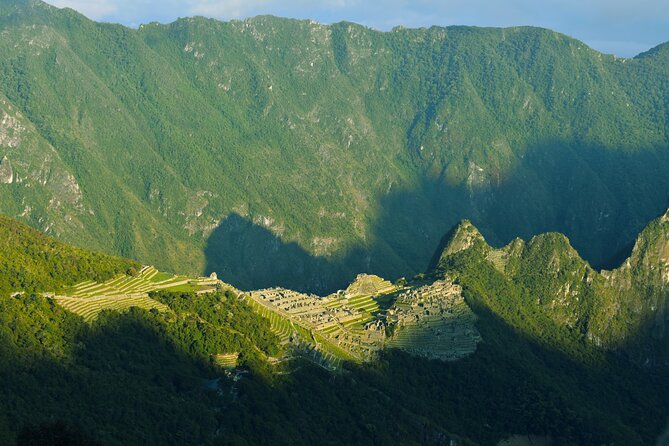
The structure is simple: hike days end at a campsite with tents and meals managed for you. Then the final day is about Machu Picchu timing. You go to the checkpoint before it opens at 5:30 am, walk up toward Sun Gate for sunrise, and later do a guided tour of the ruins before you get time to explore on your own.
That pacing is a big part of the value. You get to experience the trail rhythm and still end with a Machu Picchu plan that does not feel rushed or chaotic.
More Hiking & Trekking in Cusco
- Classic Inca Trail Trek 4D/3N to Machu Picchu (Group Service)
★ 5.0 · 8,653 reviews - Machu Picchu: 4-Day Inca Trail Trek with Panoramic Train Ride
★ 5.0 · 4,568 reviews - Salkantay Classic Trek 5 Days from Cusco
★ 5.0 · 4,062 reviews
Day 1: KM 82, Patallacta, Llaqtapata, and the first camp at Ayapata
Day 1 is your warm start, not a gut-check. After breakfast at KM 82, you ease into the trail with a relatively easy walk that takes you to Patallacta, the first Inca site along the route. Then you continue toward Hatunchaca in the heart of the trail area, where lunch is waiting at camp setup time.
The day ends at Ayapata, with camping at around 3300m (listed as about 13,500 feet). You hike about 13.5 km and it comes out to roughly 8 hours with breaks, meals, and the beauty of not being thrown into a massive pass on day one.
A practical reason I like this first day: it builds confidence. You learn the rhythm, you see what your pace needs to be, and you get a feel for how your body responds at altitude before the hardest day arrives.
Day 2: Dead Woman’s Pass, Runcuraccay and Sayacmarca, then down to Chaquicocha
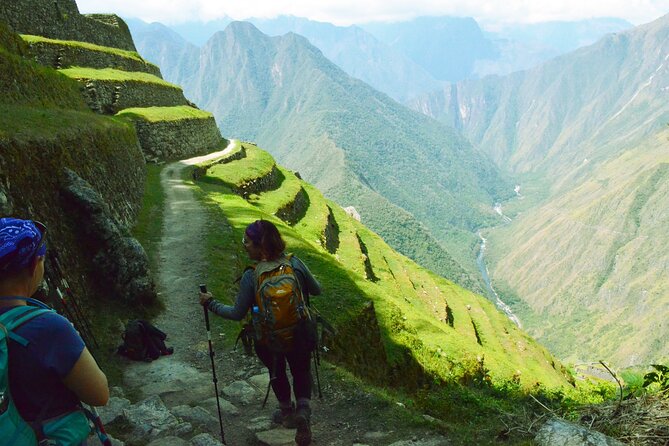
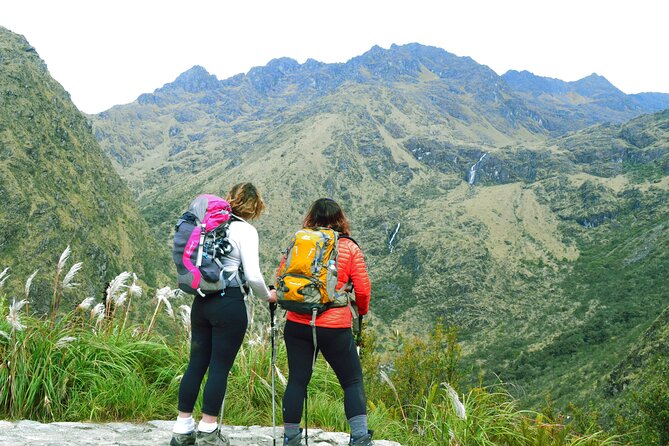
This is the day you plan for, mentally and physically. You wake up early with coffee or coca tea, eat breakfast, and begin a steady climb toward Dead Woman’s Pass at about 4215m. It is the highest pass you cross on this 4-day route, so you will feel it even if you are fit.
After reaching the pass, you get a moment to appreciate the space and quiet, then the route turns into a long downhill stretch to lunch. Next comes another pass hike, listed as an easier climb, followed by visits to Inca sites along the way including Runcuraccay and Sayacmarca.
The day finishes at Chaquicocha, a dry lake area around 3600m, where the altitude drops a bit but you are still high. This is also the perfect “stargazing” type of campsite. You hike about 16 km and the day is listed around 10 hours, making it the longest and most demanding day of the trip.
Day 3: Cloud forest hiking, Phuyupatamarka, Intipata, and camp near Wiñay Wayna
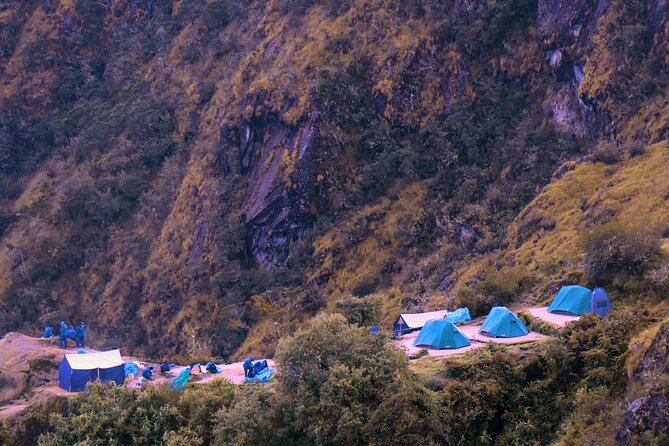
Day 3 is when the trail shifts to variety. Instead of only hard climbing, you get mix and change, including stretches through cloud forest and big panoramic views, with Salkantay specifically mentioned as a sight you can catch.
You hike about 10 km (around 6 hours), which feels easier on paper, but you still have altitude in the mix. You visit major Inca stops including Phuyupatamarka, often called the city in the clouds, plus Intipata, the terraces of the sun. These are the kind of sites where a guide helps you notice layout and purpose, not just take pictures.
You reach the final campsite around 1:00 pm, eat lunch, and then have downtime before heading to Wiñay Wayna later in the afternoon. Then you return to camp for tea and dinner, plus a special surprise is included.
This day is important because it bridges the emotional gap between trail days and Machu Picchu. You will feel the momentum build, but you also get recovery time so you can handle an early morning again.
More train journeys to Machu Picchu:
- 2-Day Inca Trail to Machu Picchu with Panoramic Train
★ 5.0 · 1,876 reviews - Machu Picchu Full Day from Cusco by Panoramic Train
★ 5.0 · 857 reviews - Lares Trek to Machu Picchu 4 days with Panoramic Train
★ 5.0 · 298 reviews - Cusco: Machu Picchu 2-Day Inca Trail with Panoramic Train
★ 4.9 · 260 reviews
Day 4: Sun Gate at 5:30 am, a guided Machu Picchu walk, then optional climbs
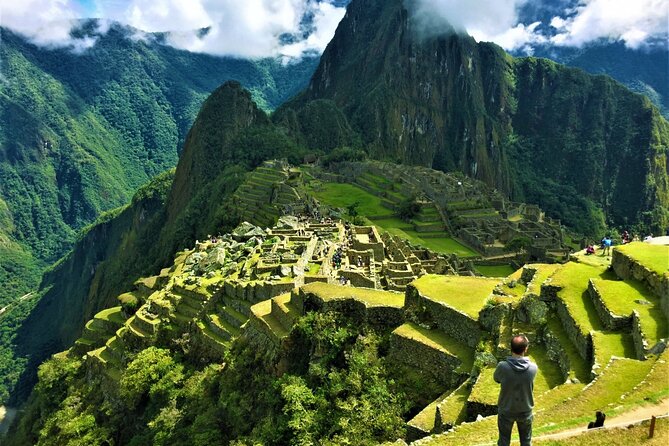
You start the day in the dark, heading to the checkpoint until it opens at 5:30 am. Then you walk about an hour to Sun Gate, where sunrise over Machu Picchu is the whole point. After that, you descend for around an hour toward the main site.
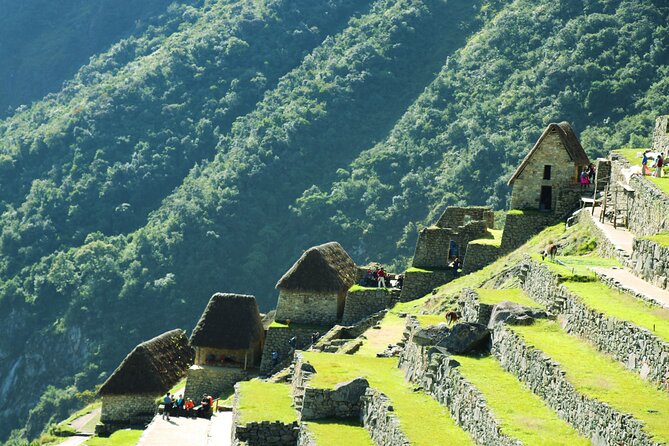
Once at Machu Picchu, your guide leads you through about a two-hour guided tour. Then you have time to explore on your own. If you want a bigger view, you can try Huayna Picchu or Machu Picchu Mountain, but tickets must be booked well in advance.
Logistics are handled for the return route too. Your guide explains how to take the bus back down to Aguas Calientes for lunch, and then you take the train and bus back to Cusco. The team meets you off the train and returns you safely to your hotel.
This is the kind of finish that is worth paying for. It reduces decision stress, especially on the day when everyone is excited and time is tight.
Food, tents, porters, and why this trek can feel fairer than you expect
The package is built around comfort-by-design, within camping reality. You get 4-man tents for every 2 people, and meals are included on the trek days with a chef preparing everything. Porters carry food and cooking equipment, so you are not responsible for hauling a cooking load up steep steps.
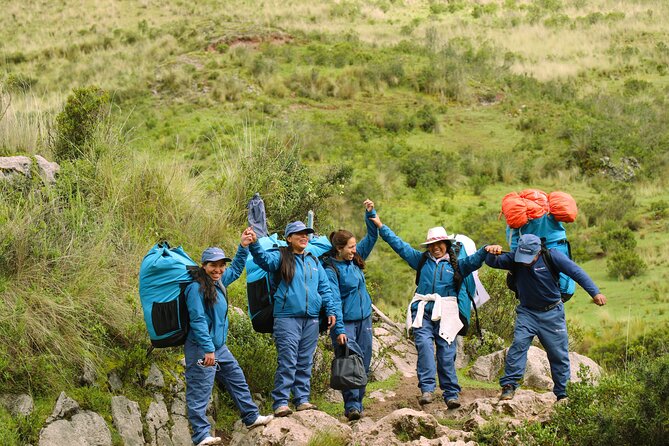
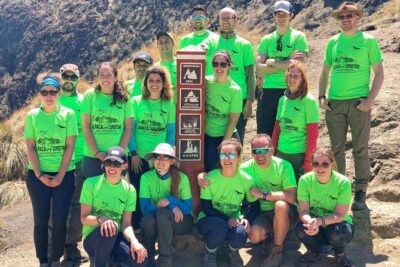
One of the most praised parts is the porter operation. In a recent group example, there were 22 porters, 2 chefs, and 2 guides supporting 16 hikers. That kind of support matters because it means camps are set up before you fully arrive, and then packed up efficiently when it is time to move again.
Food gets talked about a lot too, with plentiful meals and options including vegetarian and vegan requests. If you have dietary needs, tell them up front. You will still do the same altitude work, but you will not have to worry about going hungry or missing meals.
What is not included is the standard survival gear you might assume. You typically need to rent or bring a sleeping bag, plus an inflatable mattress and trekking poles if you want them. Packing smart here keeps you comfortable without paying twice for gear you do not actually use.
Vistadome panoramic train back to Cusco, and the value of not wrestling schedules
The scenic return is a big part of why this feels like a package instead of a self-planned adventure. You get a Vistadome panoramic train to return after Machu Picchu, and the broader transportation plan includes airport transfers and gets you back to your Cusco hotel.
Why this matters: the hardest part of any Machu Picchu trip is timing, not just distance. When train and transfer steps are already arranged, you spend less energy figuring out connections and more energy enjoying the views and decompressing.
The Vistadome option also turns the trip back into something you can enjoy. You are not just traveling to get home, you are traveling with scenery.
Price at $799: what you get, what you still need, and what you should compare
At $799 per person, this is not cheap. The value comes from the stuff that is hard to DIY well: professional guides, porters, a chef, campsite setup, all trek transport, and the return train.
You can compare it to a budget approach, where you might pay less for the trek, but you would usually end up spending time and effort on logistics, then add costs for porters, food service, and the train separately.
What still costs extra: last day lunch is not included, sleeping bag and inflatable mattress are optional rentals, and trekking poles are also optional rentals. Also, if you want Huayna Picchu, you must book that separately in advance.
The best way to judge value is this: if you want to spend your energy on hiking and seeing Inca sites, and you do not want to manage gear hauling and meal logistics, this package price starts to make sense fast.
Packing and altitude prep for Cusco and the two passes
Cusco is high. The route includes high points that can make altitude feel real, including Dead Woman’s Pass around 4215m. A smart move is to arrive early and acclimate. A simple tip that comes up often is to aim for about two days in Cusco before you start, so your body has time to adjust.
For the hike, you do not need to be fancy, but you do need dependable foot support. Many walkers do fine with trail running shoes instead of heavy boots, but choose what you trust on uneven stone. If rain is in the forecast, traction and comfort matter more than brand.
Bring small cash. The hike uses basic restroom options early in the route, often outhouses run by locals that may cost about 1 or 2 Soles, and you should plan to bring toilet paper. Also, keep in mind that the currency handling can be picky, with clean bills being preferred in some situations.
Also, bring snacks only if you want them. Some small vendor stops can happen along the lower part of the trail, so you can top up for energy if needed.
Money matters: tipping porters and guides the practical way
This kind of trek runs on people, and tips are part of the local practice. A commonly recommended range for porters is 60 to 80 Soles, collected on the third night, usually split into separate envelopes for porters and cooks. Guides have their own recommended amount too, based on about $10 per day per hiker.
If you are wondering what currency to use: tips can be easier in Soles for porters, since they often live where exchanging money is harder. Get smaller bills in advance, like 50s, 20s, and 10s, so splitting tips among many porters does not turn into a mess.
Who should book this Inca Trail to Machu Picchu package?
This works best for you if you want a guided hike with strong structure and minimal gear hauling. It is also a good choice if you care about learning the sites, because you get stops at multiple Inca locations, not just the final grand reveal.
It is not ideal for you if you want an easygoing, low-effort itinerary. The middle day is long, and the high pass crossing will test breathing, pace, and stamina.
Fitness-wise, the tour is rated moderate overall, with Day 2 shifting toward moderate to difficult. If you are actively training, acclimating, and planning for a slower day on steep sections, you are in the right target group.
Should you book this Inca Trail to Machu Picchu trek with train?
Book it if your priority is a smooth, guided path through the Inca Trail with camping and meals handled, plus a Machu Picchu day that is timed for sunrise and not left to guesswork. At $799, you are paying for the human support system, the food, the tents, and the transport chain.
Skip it or rethink it if you hate early mornings, you are not planning to acclimate in Cusco, or you know you struggle with altitude climbs. This route rewards patience and pacing, and it punishes rushing.
If you like guided history but also want real outdoors time, this is a strong match.
FAQ
Is pickup included, and what time does it start?
Yes. Pickup is offered from your Cusco hotel (and also from Airbnb apartments in Cusco or the Sacred Valley). The start time is listed as around 4:30 am, depending on your location.
Is the tour in English?
Yes, professional English-speaking tour guides are included.
What is the maximum group size?
The maximum group size is 16 travelers.
What meals are included?
All meals are included except for lunch on the last day. Breakfast, lunch, and dinner are included on trekking days.
Do you provide tents and camping setup?
Yes. Camping is included with 4-man tents for every 2 people, plus the trek includes tents and meal infrastructure via the chef and porters.
Do I need to bring a sleeping bag and mattress?
A sleeping bag and inflatable mattress are not included, but you can rent them from the provider.
Are trekking poles included?
Trekking poles are not included, but you can rent them from the provider.
Does the Machu Picchu visit include a guide?
Yes. On the final day, the guide provides a two-hour tour of the Machu Picchu ruins.
Is Huayna Picchu included?
No. Huayna Picchu Mountain tickets are not included and need to be booked in advance.
What train do I take back from Machu Picchu?
The return includes a Vistadome panoramic train to get you back after the Machu Picchu day.
More Ways to Reach Machu Picchu
- From Cusco: Full-Day Group Tour of Machu Picchu
★ 4.7 · 1,767 reviews - Machu Picchu Day Trip from Cusco
★ 4.5 · 1,644 reviews - 2-Day Tour: Sacred Valley and Machu Picchu by Train
★ 5.0 · 1,127 reviews - Machu Picchu: Full-Day Tour from Cusco with Optional Lunch
★ 4.6 · 927 reviews
More Inca Trail Departures
- Short Inca Trail to Machu Picchu 2D/1N
★ 5.0 · 3,007 reviews - Inca Trail 4-Day 3-Night Trek to Machu Picchu with Expert Guides
★ 5.0 · 733 reviews - Cusco: 4-Day Inca Trail to Machu Picchu with Accommodation
★ 4.8 · 432 reviews - 4-Day Trek to Machu Picchu Through the Inca Trail
★ 5.0 · 373 reviews
Recently reviewed around Cusco
- 6-Day ||All Included|| Excursion – MachuPichu & Rainbow Mountain-Humantay Lake★ 4.5 · 8 reviews
- Horseback Riding thru the Mountains of Cusco★ 5.0 · 8 reviews
- Cuzco City Tour and Archaeological Ruins in Half Day★ 5.0 · 8 reviews
- Full Day – Rainbow Mountain tour – Group Service★ 5.0 · 8 reviews
- Half Day Tour in Cusco: Exploring the City and Four Ruins★ 4.5 · 8 reviews
- Machu Picchu and Sacred Valley 2 Day Tour★ 5.0 · 8 reviews
- Cusco 4 Days Machu Picchu and Sacred Valley | All included★ 5.0 · 8 reviews
- Walking Tour in Legendary & Historical Cusco City★ 4.5 · 8 reviews
Machu Picchu, compared.
Classic Inca Trail Trek 4D/3N to Machu Picchu (Group Service)
Read our review →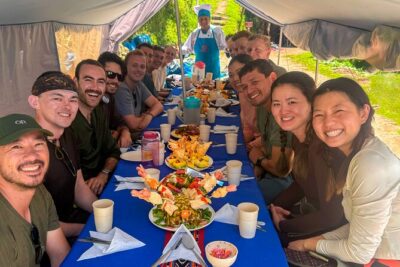
4-Day Inca Trail Trek with Panoramic Train Ride
Read our review →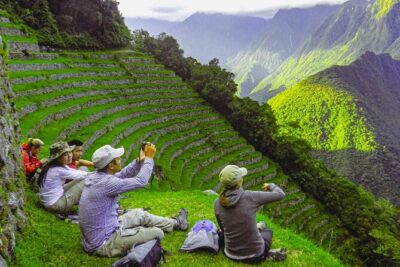
2-Day Inca Trail to Machu Picchu with Panoramic Train
Read our review →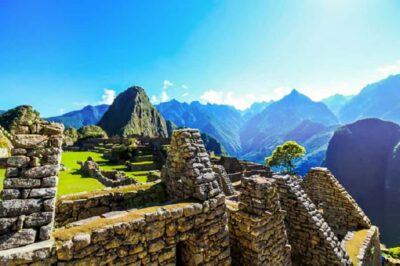

2-Day Tour: Sacred Valley and Machu Picchu by Train
Read our review →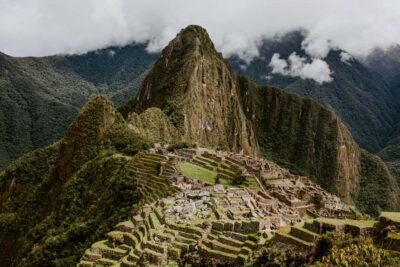
Browse the lists this tour appears in