
Reviewed · COOKING CLASSES
Cusco: 3-Hour Peruvian Cooking Class
A Cusco cooking class that starts at the Peruvian Central Market and ends with the food you made is a smart way to learn Peruvian flavors fast. You get hands-on practice, plus an instructor who can explain where ingredients come from and how they fit into local life. I especially like the market-to-kitchen format, because it makes the recipe feel real, not random.
I also like the menu variety packed into a short window: ceviche to start, a choice of a classic main (either Lomo Saltado or Ají de Gallina), learning how to make a Pisco Sour, and finishing with chocolate fondue and local seasonal fruits. One consideration: timing can be tight, and if one part of your meal gets cooked earlier than you expect, some sides may come out cooler than you’d like.
Key highlights at a glance
- Peruvian Central Market visit to pick ingredients before you cook
- Four-course menu cooking under expert step-by-step tuition
- Pisco Sour lesson plus a chance to make a fruit-based swap if you prefer
- Small group size (up to 10), so you get real attention while cooking
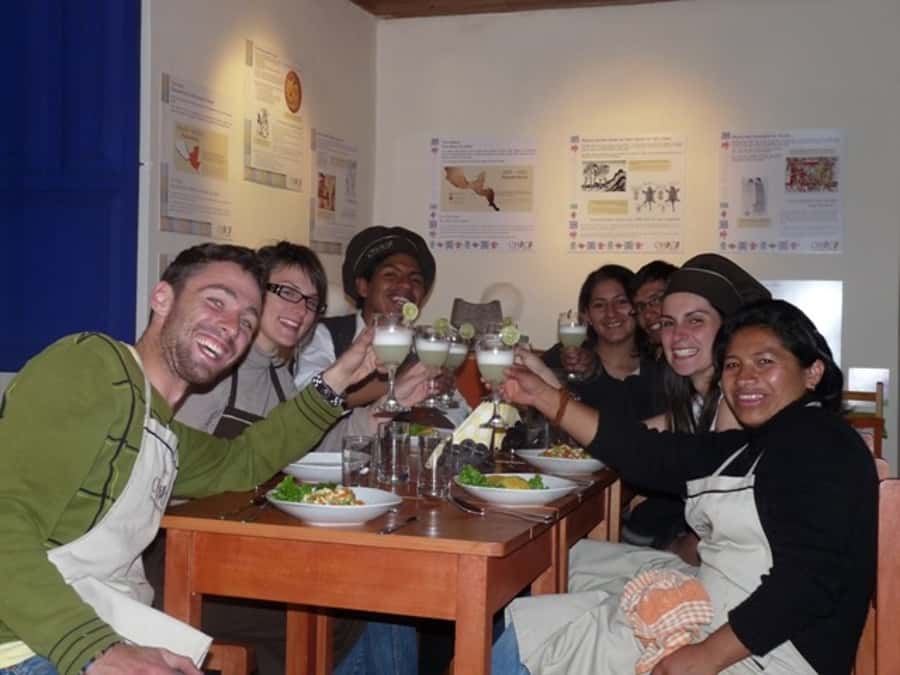
- Ends with tasting everything in a relaxed, friendly setting
- Clear meeting point inside ChocoMuseo at Plaza Regocijo, with green and orange flags
Why a market-to-kitchen Cusco cooking class makes the recipes stick
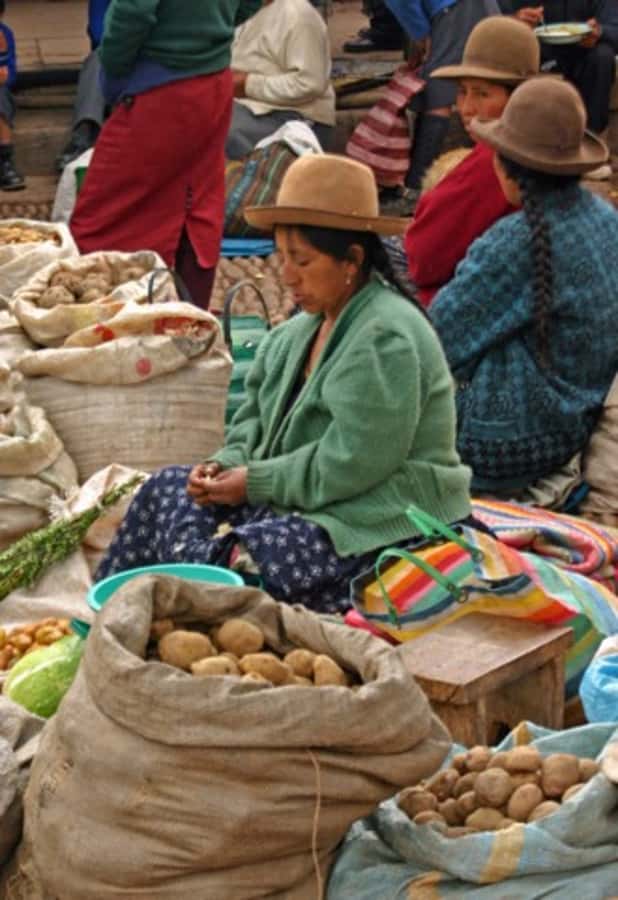
Food lessons work best when you can connect the dish to the ingredients on the ground. This format does that for you. You start by looking at produce and pantry staples in the market, then you move to the kitchen and turn those same items into a full menu. That simple flow helps you understand why certain flavors show up together in Peru.
The class is also a good fit for Cusco specifically. Many visitors arrive hungry for food that feels local, but they often only eat a few dishes and then move on. Here, you learn the structure of a meal: something bright and fresh first, a main built around key sauce or sautéing technique, then a sweet finish. You leave with a mental map you can use when you order food later.
One more thing I like: the class isn’t just about cooking. It also includes cultural context around the ingredients you’re handling. In past sessions, instructors such as Miguel or Yil have shared fun facts about ingredients, and some even talk through points tied to Cusco and its food culture as you shop.
More Cooking Classes in Cusco
- Peruvian Cooking Class Cocktails and Market Tour in Cusco
★ 5.0 · 1,712 reviews - Cusco Cooking Classes and San Pedro Market Tour
★ 5.0 · 691 reviews - Cusco: Peruvian Cooking Class, Cocktails & Local Market Tour
★ 4.9 · 512 reviews
Finding ChocoMuseo at Plaza Regocijo, then getting cooking without fuss
You meet inside ChocoMuseo on the corner of Plaza Regocijo. The easiest way to spot it is by the green and orange flags hanging from the balconies. Once you’re in, the vibe is practical and relaxed, not stiff or performance-only. With a small group capped at 10, you’re not competing for space, counter room, or attention.
The language setup is also reassuring. The instructor works in Spanish and English, so you’ll have an easier time following along and asking questions. If you’re a bit shy in the kitchen, this matters, because you’re more likely to understand what’s happening before you start chopping or mixing.
Pacing is built for a 3-hour session. You’ll tour the market, cook, and then eat. That’s a lot for one afternoon or evening, so come with a mindset of active participation. If you want to watch only, this class may feel fast. If you want to learn by doing, you’ll feel right at home.
The Peruvian Central Market stop: what you’re really learning there
The market visit is not just a scenic walk. It sets up your menu ingredients so the recipes make sense. You’ll explore a range of produce and other staples and learn how those items show up in classic Peruvian dishes. This is where the class tends to pick up extra energy, because you’re making decisions in real time about what goes where.
What should you pay attention to during the market portion?
- Look at the variety of produce you don’t see every day at home. Peru’s ingredients are often about texture and flavor balance, not just heat.
- Notice how certain items connect to your later cooking. For example, the main dish you choose will steer you toward different flavors and sauce components.
- Ask basic prep questions while you’re there. Past classes have included practical instruction, including topics like vegetables and potatoes, and even some handy knife skills during prep time.
Instructors have also been known to explain the origins of ingredients as you shop. That sounds theoretical, but it turns useful once you’re in the kitchen trying to recreate a sauce or texture. Even if you only catch a few details, it’s enough to help you remember how things should taste.
Ceviche, your main choice, and the trick behind cooking under guidance
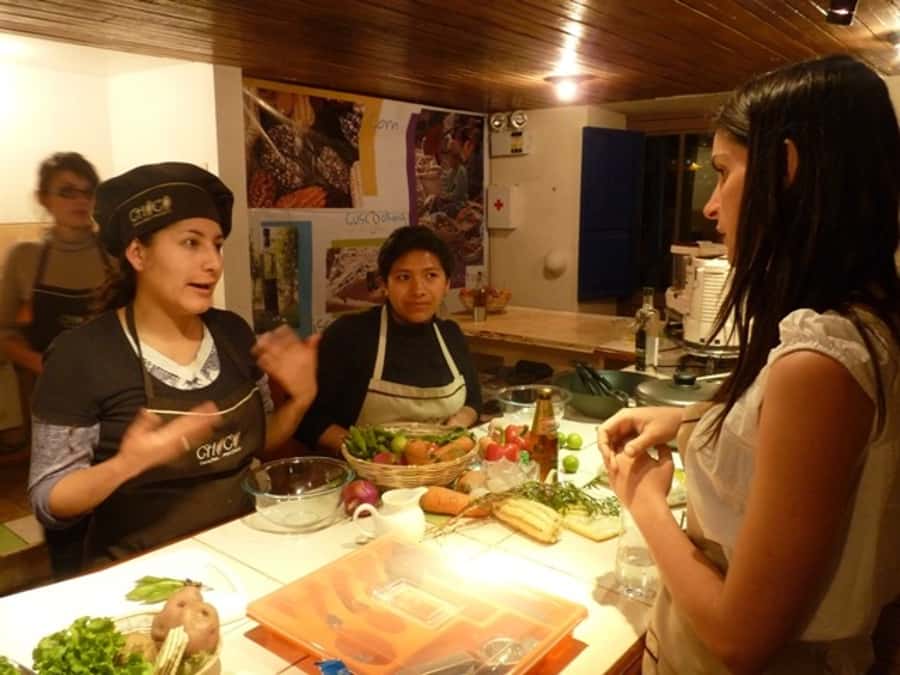
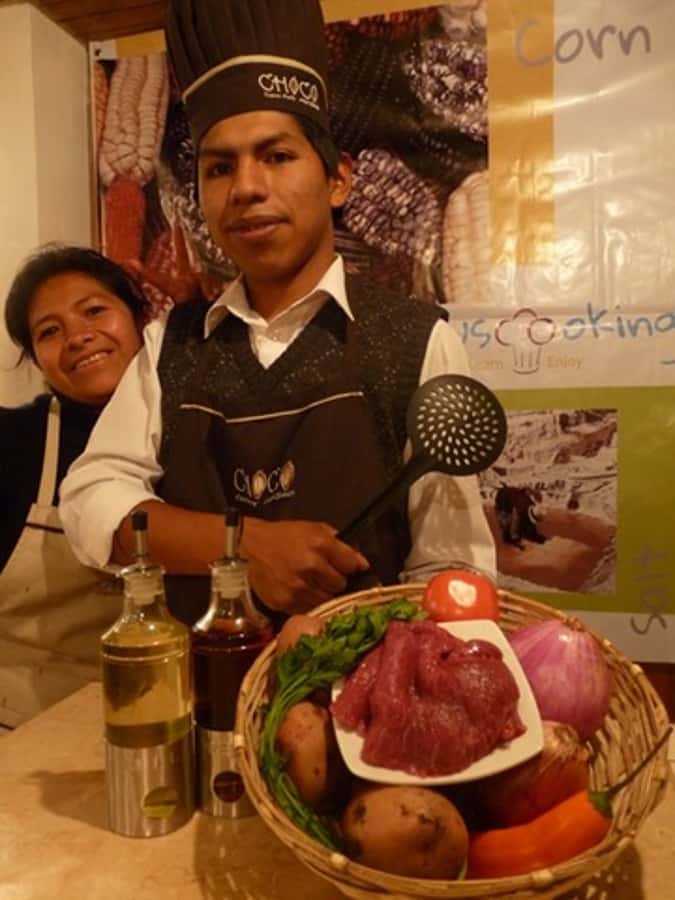
Back at ChocoMuseo’s kitchen, the class shifts from shopping mode to cooking mode. You’ll get ingredients for your menu and use provided cooking supplies. The core structure is a four-course Peruvian menu that includes a starter, a main, the Pisco Sour lesson, and a sweet finish.
More Workshops in Cusco
- Hands-on Peruvian Cooking Class & San Pedro Market Visit in Cusco
★ 5.0 · 421 reviews - Bean to Bar Chocolate Workshop in ChocoMuseo Cusco
★ 5.0 · 410 reviews - Local Market and Peruvian Cooking Class with Pisco Sour in Cusco
★ 5.0 · 384 reviews - Traditional Peruvian Cooking Class and Market Tour in Cusco
★ 5.0 · 375 reviews
Starter: ceviche
Ceviche is a smart way to begin because it’s all about freshness and timing. You’ll learn how the balance works, and you’ll see how Peru’s flavor profile can be bright and complex without being heavy. Even if you’ve eaten ceviche before, cooking it helps you understand why it tastes the way it does.
Main: Lomo Saltado or Ají de Gallina
This is the part you’ll want to plan for. The menu gives you two classic options:
- Lomo Saltado (a sautéed beef dish)
- Ají de Gallina (chicken in a yellow pepper sauce)
You’re asked to inform your favorite option in advance. There’s one catch: the first participant booked has priority, and that selection determines which main dish the group cooks. So if you care deeply about one of the two, don’t wait until the last minute. If you arrive and the group is already set on the other main, you’ll still eat well, but you won’t get to steer the menu.
If you request changes, vegetarian options may be available, and the meat can be replaced. That’s a helpful detail if you’re eating with dietary limits, but you should still request ahead so they can prepare properly.
Pisco Sour lesson
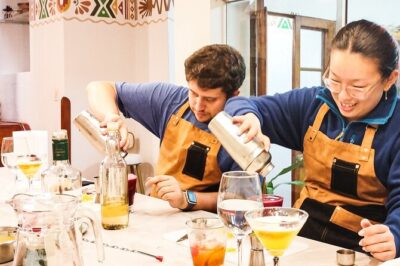
You don’t just sip it. You learn how to make it. That’s valuable because the cocktail is part technique and part balance, not just a bottle-and-mix situation. In one reported session, the Pisco Sour came as a chicha-style version, which shows the class can bring local variations into the lesson.
If you’d rather avoid alcohol, there may be an option to swap the Pisco Sour for fresh fruit juice upon request. So you can still participate in the drink component without being stuck on alcohol.
Dessert: chocolate fondue with local seasonal fruits
This final course is where the class turns celebratory. You’ll make a chocolate fondue and pair it with local seasonal fruits. It’s a great way to end because it reinforces the lesson theme: Peru is not only about savory dishes, it’s also about fruit and sweetness that feel connected to the region.
How the “taught” part feels in real life, plus a small caution
The best cooking classes give you clarity right when you need it. Here, the teaching is built around step-by-step tuition, so you’re not stuck guessing while you’re holding a knife or stirring a hot pan. In past sessions led by instructors like Miguel, the guidance has been described as thorough, including support for ingredient selection, preparation, and even plating.
That step-by-step support can also be a confidence booster if you’re not a practiced cook. You might pick up basic knife skills and learn how to work efficiently, especially because the class format is time-limited.
Now the caution. One session report noted that rice and potatoes for the main course came out a bit cool, likely because they were prepared earlier than the rest. That doesn’t mean the class will always be like that, but it does suggest you should expect that everything in a group lesson may not land at the exact same temperature. If hot sides are your top priority, keep your expectations flexible and focus on the overall menu experience.
Pisco Sour and fruit: what to do if you want substitutes
The Pisco Sour is a headline item, and it makes sense why. It’s iconic Peru, and learning it turns a restaurant order into a skill you can repeat. The process also fits the class timeline because it’s interactive but doesn’t require complicated equipment.
If you prefer not to drink alcohol, the class offers a substitution. You can request a fresh fruit juice swap. And for dietary flexibility, vegetarian options may be possible, including swapping out meat components. The key here is to request clearly and early, so the instructor can plan the ingredients accordingly.
If you’re the type who likes tasting everything, the fruit-based dessert and seasonal fruit pairing help you end on a lighter note. It’s a sweet finish that doesn’t feel like a heavy end to a meal.
Price and value: what $49 covers in a 3-hour Cusco experience
At $49 per person for 3 hours, you’re paying for more than a cooking “show.” You’re paying for:
- guided market time
- ingredients for the menu
- instructed cooking and cooking supplies
- a sit-down dinner with a Pisco Sour
- water
In a destination like Cusco, that can be good value because the market portion and the meal portion are both doing work for you. You’re not only learning techniques, you’re also eating the results in the same experience. If you compare this to paying for a full restaurant meal plus a separate food tour or cocktail class, the bundled structure often makes sense.
There’s one limitation to know: wine is available for purchase, but wine and other alcoholic beverages are not included beyond the Pisco Sour. So if you like wine with dinner, budget extra.
Who this cooking class is perfect for, and who should look elsewhere
This class is a strong match if you want a practical food experience in Cusco. It’s especially good for:
- first-time visitors who want an authentic-feeling meal with local ingredients
- people who learn best by doing, not just watching
- anyone who likes classic Peruvian flavors like ceviche and ají-based sauces
- small groups that want a social activity without losing the personal instruction
It may not be the best match if you’re looking for a slow, hands-off meal with lots of free time to wander. The format is structured, and you’ll be cooking and tasting on a tight timeline.
If you’re traveling with dietary needs, you should still go in with a plan. The class mentions vegetarian options and a Pisco Sour swap with fruit juice on request, but you need to communicate your needs early.
Final verdict: should you book this Cusco cooking class?
I’d book this if you want a high-yield Cusco food experience. The market stop gives you context, the cooking instruction helps you build real competence, and the meal is served as the payoff. With a small group limit of 10 and instruction in Spanish and English, you’re likely to get enough attention to feel like you participated, not just ate.
Skip or reconsider if you care most about one specific main dish and you’re booking without flexibility, because the group selection can be influenced by who booked first. Also keep in mind that group timing can affect temperature of some sides.
If your goal is to leave with both a full dinner and a better understanding of what Peruvian cuisine tastes like when you actually cook it, this is an easy yes.
FAQ
How long is the Cusco Peruvian cooking class?
The experience lasts 3 hours.
How much does the class cost?
It costs $49 per person.
What dishes and drinks are included in the menu?
You’ll cook a ceviche starter, a main course that is either Lomo Saltado or Ají de Gallina, learn to prepare a Pisco Sour, and make chocolate fondue with local seasonal fruits.
Can I choose between Lomo Saltado and Ají de Gallina?
You should inform the team of your preferred option (Lomo Saltado or Ají de Gallina). The first participant booked chooses which one.
Can I request vegetarian options or a non-alcoholic drink?
Yes. On request, the Pisco Sour might be swapped with fresh fruit juice, and the meat can be replaced with vegetarian options.
Where is the meeting point?
The class takes place inside ChocoMuseo, on the corner of Plaza Regocijo. Look for the green and orange flags hanging from the balconies.
What group size and languages should I expect?
It’s a small group limited to 10 participants, and instruction is offered in Spanish and English.
What is the cancellation policy?
You can cancel up to 24 hours in advance for a full refund.
Recently reviewed around Cusco
- Cusco Cooking Class by ChocoMuseo in Cusco★ 5.0 · 29 reviews
- ATV Adventure to Moray and Maras Salt Mines – Half Day★ 4.5 · 29 reviews
- 1-day excursion to Machu Picchu from Cusco★ 5.0 · 29 reviews
- Private Tour Sacred Valley, Chinchero, Maras Moray, Ollantaytambo★ 5.0 · 29 reviews
- From Cusco: Humantay Lake with Breakfast and Buffet Lunch★ 4.5 · 29 reviews
- 4 Day – Inca Jungle to Machu Picchu★ 5.0 · 29 reviews
- 2-Day Machu Picchu Tour by Train from Cusco★ 4.5 · 29 reviews
- 2-Day Sacred Valley and Machu Picchu Tour By Train★ 4.5 · 29 reviews
Cooking Classes, compared.
Peruvian Cooking Class Cocktails and Market Tour in Cusco
Read our review →
Peruvian Cooking Class, Local Market Tour & Exotic Fruit Tasting
Read our review →
Cusco Cooking Classes and San Pedro Market Tour
Read our review →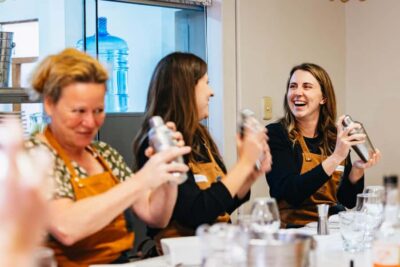
Peruvian Cooking Class, Cocktails & Local Market Tour
Read our review →
Hands-on Peruvian Cooking Class & San Pedro Market Visit in Cusco
Read our review →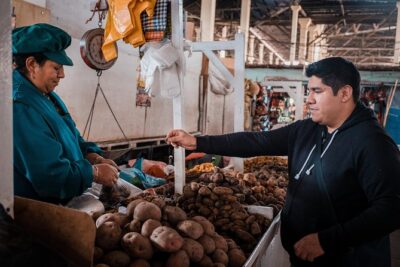
Local Market and Peruvian Cooking Class with Pisco Sour in Cusco
Read our review →
Traditional Peruvian Cooking Class and Market Tour in Cusco
Read our review →Browse the lists this tour appears in