
Reviewed · COOKING CLASSES
Peruvian Cooking Class Cocktails and Market Tour in Cusco
Cusco can feel like a food blur when you are just walking around. This class stands out because you start at Mercado Central de San Pedro, then you actually make a full Peruvian meal and cocktail set.
I really like two things here: the market tour with real ingredient tastings, so you learn what you are buying and why, and the hands-on cooking of classic dishes like ceviche and causa limeña with a chef-led, step-by-step format (you might be guided by chefs Jorge, Eric, or Jesus depending on the session).
One heads-up: it runs about 4 hours, and the format is very structured, so if you want totally independent stovetop time for every step, plan your expectations.
Key highlights worth your attention
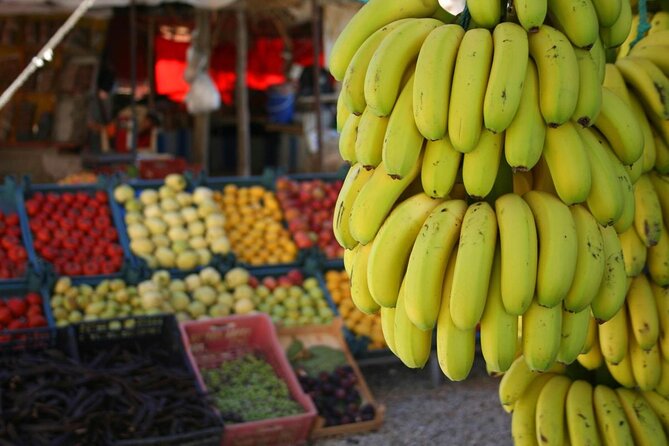
- San Pedro Market ingredients first, including potatoes and local fruits you will use later
- Three signature dishes plus a sweet finale, so you leave full and satisfied
- Two pisco-based cocktails, taught in a way you can repeat at home
- Small group size (max 12) for more personal help while you cook
- Recipes included, so the experience does not vanish the next morning
- Dietary support, with vegetarian options and allergy substitutions available
San Pedro Market first: the fastest way to learn what Peru tastes like
This experience starts at Plazoleta San Pedro (C. Sta. Clara 497, Cusco 08002). You meet up near the market area, then you head in to San Pedro Market where the focus is practical, not just sightseeing.
You will see a lot of Peruvian staples up close. Potatoes come in many shapes and types. Native fruits show up everywhere. Even if you think you already know what you like, the market helps you understand what locals actually cook with in daily life.
A big plus is that you are not just looking. You can sample and get quick context as you go. Guides sometimes share fun facts like how Peru has thousands of potato varieties (one guide in the past mentioned 3,000+), and that fact instantly makes Andean cooking feel more specific and less generic.
If you have ever tried to “copy” a dish at home and failed, this market stop is the part that usually fixes that. You learn the ingredients first, then the recipes make sense.
More Cooking Classes in Cusco
- Cusco Cooking Classes and San Pedro Market Tour
★ 5.0 · 691 reviews - Cusco: Peruvian Cooking Class, Cocktails & Local Market Tour
★ 4.9 · 512 reviews - Hands-on Peruvian Cooking Class & San Pedro Market Visit in Cusco
★ 5.0 · 421 reviews
The cooking studio setup: hands-on, timed, and built for real results
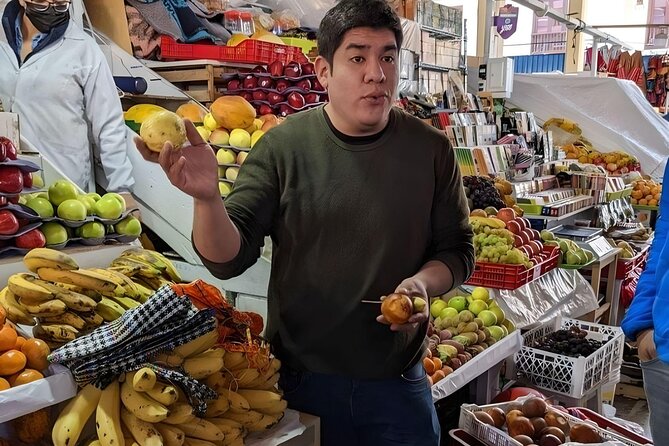
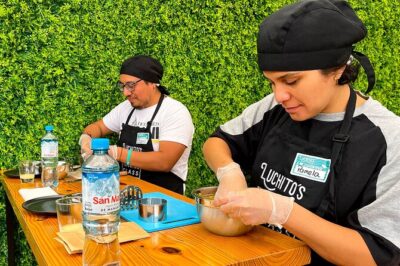
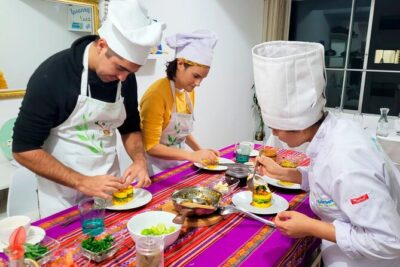
After the market tour, you move to the cooking studio in central Cusco. This is where the experience becomes very “do it with me” instead of “watch it happen.”
The cooking area is clean and organized. That matters in a kitchen class because messy stations waste time and kill confidence. Here, you get equipment, and the staff and chef keep things running in a tight flow.
Also, the group stays small, max 12 people. That helps because you are not lost in a crowd. You get clearer instructions, and questions do not get swallowed.
One detail to keep in mind: the format is structured and station-based. You will do hands-on steps, but it is not a totally free-for-all where you cook every action start to finish at your own burner. Some people want more individual burner time, so if that is your top priority, go in knowing it is a guided class first.
Course 1: ceviche and the logic of fresh acid
Your first main dish is ceviche, one of Peru’s best-known comfort foods. The point is not just eating it. The point is learning how the flavors work together.
In class, you will be guided through the steps to build a ceviche that tastes balanced, not sour in an amateur way. The market part helps here, because you see ingredients earlier and understand what you are choosing and how it affects the final bite.
You will also get the idea that ceviche is more than fish with lime. It is about timing and seasoning. When you understand that, you can scale it up or down later without turning it into a science experiment.
One practical advantage: the chef can often accommodate preferences. For example, if fish is not your thing, they have made substitutions in past sessions. If you have strong dietary restrictions, tell them when you book so the plan is ready.
Course 2: causa limeña, where potatoes become silky and bright
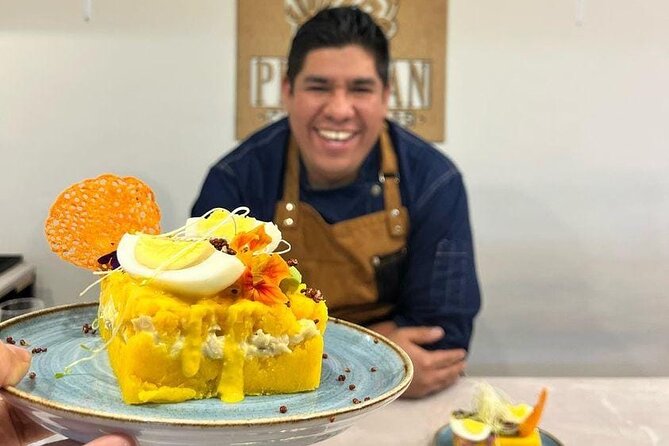
Next up is causa limeña, a dish built around potatoes and layered with flavor. This is the kind of course that shows you how Peruvian cooking can be both comforting and fresh at the same time.
What you will learn is how to handle the potato base so it turns smooth and not gluey. Then you build the layers with the fillings and seasonings that create that signature causa vibe: smooth, bright, and satisfying.
Why it is worth doing in a class instead of just ordering: causa looks simple, but the texture is the whole game. In a guided kitchen, you can get immediate feedback on what “right” feels like. That is how you end up with food you actually want to recreate.
More Markets in Cusco
- Pisac Indian Market and Ollantaytambo Fortress with Lunch
★ 4.5 · 395 reviews - Local Market and Peruvian Cooking Class with Pisco Sour in Cusco
★ 5.0 · 384 reviews - Traditional Peruvian Cooking Class and Market Tour in Cusco
★ 5.0 · 375 reviews - Cooking class and market tour with a local chef
★ 5.0 · 186 reviews
Course 3: quinoa tamal and the Andean pantry angle
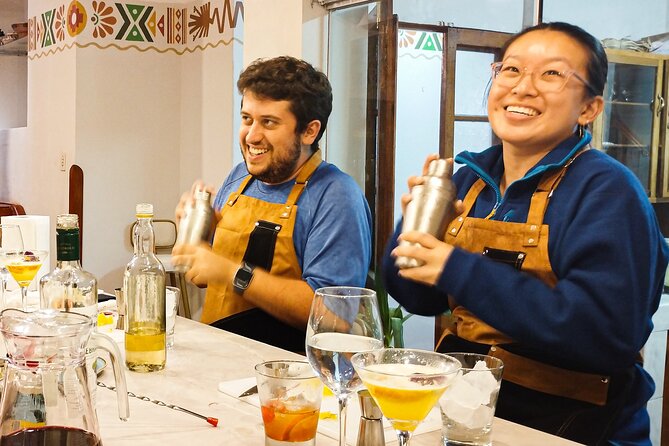
Then you cook quinoa tamal, which is a great reminder that Andean food is not only about potatoes and corn. Quinoa adds an earthy, nutty backbone that makes the whole meal feel grounded.
This course helps you understand quinoa in a Peruvian context, not as a trendy substitute. You will learn how it fits into a tamal style dish, and that gives you a starting point for later experimenting at home.
If you like meals that are filling without feeling heavy, this is a strong choice. It also pairs well with the cocktail portion later because you get a nice balance between savory and bright drinks.
Pisco cocktails: learning to mix with local fruit flavors
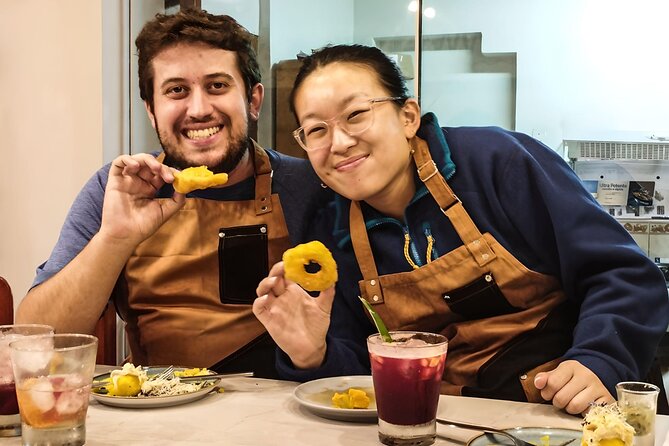
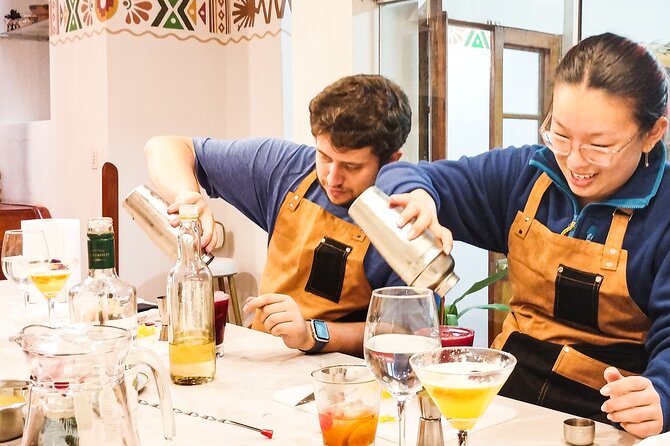
Now for the fun part: two cocktails made with pisco and local fruits. This is one of the most praised pieces of the experience because it feels interactive and immediately useful.
You will learn how to make cocktails with clear steps. The chef shows you what to measure, how to combine flavors, and what to taste for as you go. That tasting element is key because fruit and acidity can vary batch to batch.
Even if you do not consider yourself a cocktail person, you will leave with confidence. Past participants specifically mentioned being excited to try making a pisco sour style drink at home, and that tells me the class teaches technique, not just a one-time recipe.
If you are worried about alcohol, do not be. You still get plenty of food, and you can pace yourself. Cusco altitude can make you feel things faster, so keep it light and drink water too. (Bottled water is included.)
Picarones: the sweet finish that locals take seriously
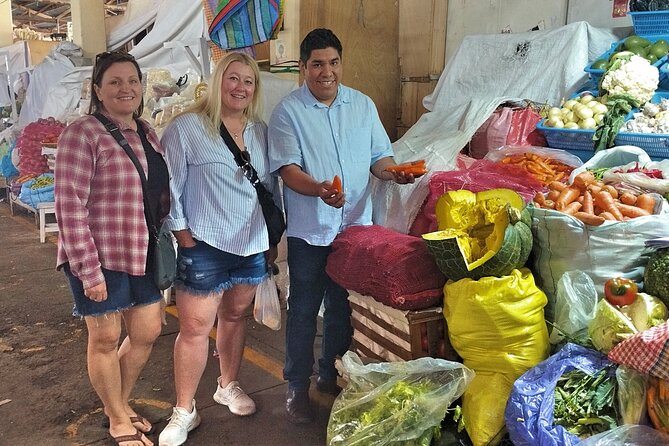
At the end, you try the most traditional dessert: picarones. These are a classic Peruvian sweet, and they are a fun way to close the loop after learning savory dishes and cocktails.
Think of picarones as a warm, comforting finale. It is the dessert that makes the whole meal feel like a complete night out, not a quick workshop.
And yes, dessert matters here because it rounds out what you learn. You end with a flavor memory that is actually Peruvian, not just a generic sweet.
What you take home: recipes that actually help you cook later
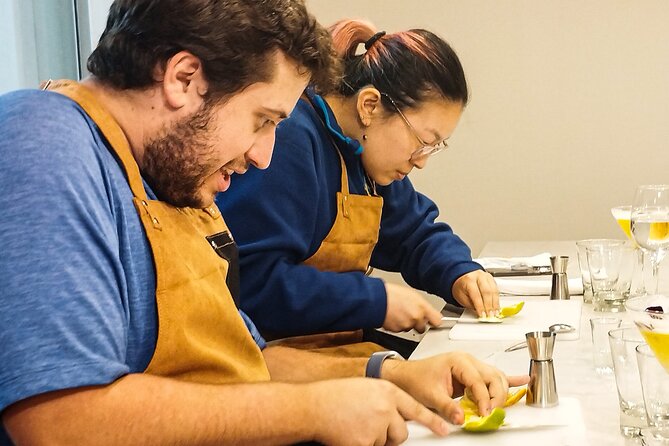
A big reason this class gets strong recommendations is what happens after the cooking stops. You receive recipes to recreate your favorite dishes and drinks.
For you, that means you can redo the meal without guessing. For example, if you remember the taste of ceviche but not the exact balance, the recipe fixes that. If you liked the cocktail but forgot the fruit notes, you have a guide for the next round.
You also get the practical confidence to shop again. Some people even go back to the market after the class to buy what they want for round two. If you love food, that is exactly the kind of “I can do this again” moment you are aiming for.
Value check: what $57 gets you in real terms
At $57 per person for about 4 hours, the value is strong because you are paying for far more than cooking instruction.
Here is what is included:
- Three dishes: ceviche, causa limeña, quinoa tamal
- Two included cocktails (pisco and local fruits)
- One dessert: picarones
- Bottled water
- All necessary equipment
- Recipes to take home
If you tried to recreate this alone, the market ingredient run and drink ingredients would add up fast. Then there is the convenience factor: someone else organizes timing, steps, and cleanup so you can focus on learning and eating.
The class size (max 12) matters for value too. More hands-on help usually means fewer missed steps and better results, which is what you want for your money.
Who this Cusco class fits best
This is a great fit if you want a guided, tasty way to understand Cusco food fast.
It works especially well if:
- You want something more than a museum stop, and you like learning by doing
- You are traveling as a couple, group of friends, or family and want everyone fed
- You want a small-group vibe rather than a big, noisy tour
- You have dietary needs and want to ask for vegetarian options or allergy substitutions
It is also a strong “first day” idea for many people in Cusco. Food-centered activities keep you moving and give you a full meal after altitude can make normal eating feel harder. Just go easy on alcohol if you are still adjusting.
Small practical tips so you enjoy it fully
A few things will help your experience go smoothly:
- Go hungry. The class is designed so you eat what you make, and you will leave very full.
- Wear comfortable shoes. You are walking in the market first, then moving to the studio.
- Bring patience. The pace is structured, and the timing is part of the learning.
- Tell the team about allergies or what you do not eat. They can offer modifications in past sessions.
- If you get turned around, do not panic. The staff have helped people find the start location in the past.
Should you book this Cusco cooking class with market tour?
If you want a hands-on Cusco food experience that is equal parts learning and eating, I would book it. The market stop gives context, and the studio portion gives results, with recipes included so it does not end when you board your next bus.
Skip it only if you hate alcohol completely, want zero structure in the kitchen, or you are short on time and need something much shorter than about four hours.
FAQ
What is the duration of the Peruvian cooking class and market tour?
It runs for about 4 hours.
Where does the tour start in Cusco?
You start at Plazoleta San Pedro, C. Sta. Clara 497, Cusco 08002, Peru.
What do I cook during the class?
You will prepare three traditional Peruvian courses: ceviche, causa limeña, and quinoa tamal.
Are alcoholic beverages included?
Yes. Two cocktails are included, and they are made with pisco and local fruits.
What dessert is included?
The included dessert is picarones.
Does the tour include meals and recipes?
You receive the meal from the dishes you prepare (three dishes plus dessert), and you get recipes to recreate the dishes and cocktails at home.
Is vegetarian or allergy-friendly cooking available?
Vegetarian options and modifications for allergies and food restrictions are available.
How large is the group?
The maximum group size is 12 travelers.
What is the cancellation policy?
Free cancellation is available. You can cancel up to 24 hours in advance for a full refund.
More Workshops in Cusco
- Bean to Bar Chocolate Workshop in ChocoMuseo Cusco
★ 5.0 · 410 reviews - Group Cooking Class in Cusco with Pisco Tasting
★ 5.0 · 335 reviews - The First Class Machu Picchu Train by Inca Rail
★ 4.0 · 182 reviews - The Textile Workshop Experience in Cusco Region
★ 5.0 · 118 reviews
Recently reviewed around Cusco
- Cusco Cooking Class by ChocoMuseo in Cusco★ 5.0 · 29 reviews
- ATV Adventure to Moray and Maras Salt Mines – Half Day★ 4.5 · 29 reviews
- 1-day excursion to Machu Picchu from Cusco★ 5.0 · 29 reviews
- Private Tour Sacred Valley, Chinchero, Maras Moray, Ollantaytambo★ 5.0 · 29 reviews
- From Cusco: Humantay Lake with Breakfast and Buffet Lunch★ 4.5 · 29 reviews
- 4 Day – Inca Jungle to Machu Picchu★ 5.0 · 29 reviews
- 2-Day Machu Picchu Tour by Train from Cusco★ 4.5 · 29 reviews
- 2-Day Sacred Valley and Machu Picchu Tour By Train★ 4.5 · 29 reviews
Cooking Classes, compared.
Peruvian Cooking Class, Local Market Tour & Exotic Fruit Tasting
Read our review →
Cusco Cooking Classes and San Pedro Market Tour
Read our review →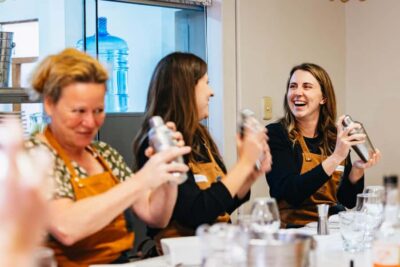
Peruvian Cooking Class, Cocktails & Local Market Tour
Read our review →
Hands-on Peruvian Cooking Class & San Pedro Market Visit in Cusco
Read our review →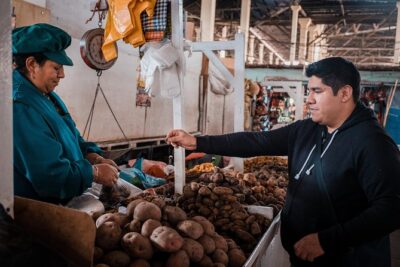
Local Market and Peruvian Cooking Class with Pisco Sour in Cusco
Read our review →
Traditional Peruvian Cooking Class and Market Tour in Cusco
Read our review →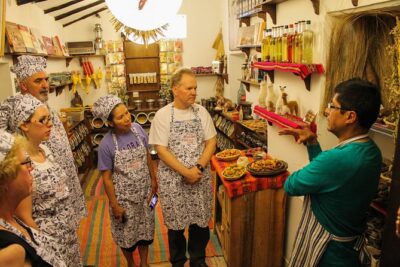
Group Cooking Class in Cusco with Pisco Tasting
Read our review →Browse the lists this tour appears in