
Reviewed · MACHU PICCHU
Cusco 7 days Tour in Machu Picchu, Humantay Lake and Vinicunca
What makes this trip interesting is how it strings together the main Cusco area highlights with two high-altitude hikes that most people skip or shorten. You get Inca-city sites in Cusco, Sacred Valley landmarks, then a Machu Picchu day, followed by Humantay Lake and Rainbow Mountain (Vinicunca). It is a full-on Andean sampler platter, but with enough structure that you do not lose hours figuring things out.
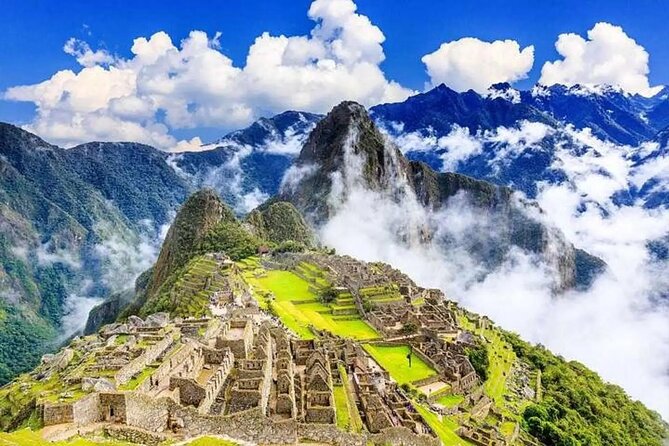
I especially like the Machupicchu planning: round-trip train from Ollantaytambo to Aguas Calientes, CONSETUR bus to the citadel, and a private guide on site for about 2 hours. I also like that the days are built around the practical rhythm of the region, early departures for the best light and fewer crowds on the trail.
One consideration: this is an altitude-forward itinerary. You will be hiking at about 4200 meters for Humantay Lake and reaching roughly 5020 meters for the classic Vinicunca photo spot, plus early wake-up times. If you have health concerns, you need to plan carefully and talk with a clinician before you go.
Key things to know before you go
- Small group size (max 15): easier to move and easier for the guide to keep track of you.
- Private Machu Picchu guiding: about 2 hours in the main sectors and temples, not just a quick walk-through.
- Two real altitude hikes: Humantay Lake (about 4200 m) and Vinicunca (up to around 5020 m for photos).
- Fixed transport rhythm: CONSETUR bus round trip plus train routing via Ollantaytambo and Aguas Calientes.
- Inca engineering stops: Qorikancha, Sacsayhuamán, Q’enqo, plus Moray terraces and Maras salt flats.
First stop: Cusco day with Inca-city power sites
Your trip starts with Cusco proper, and it is a smart way to acclimate because you are not hiking immediately. Day 1 is all about getting your bearings, with a city tour that hits the big Inca landmarks plus a sense of how the city fits into the surrounding hills.
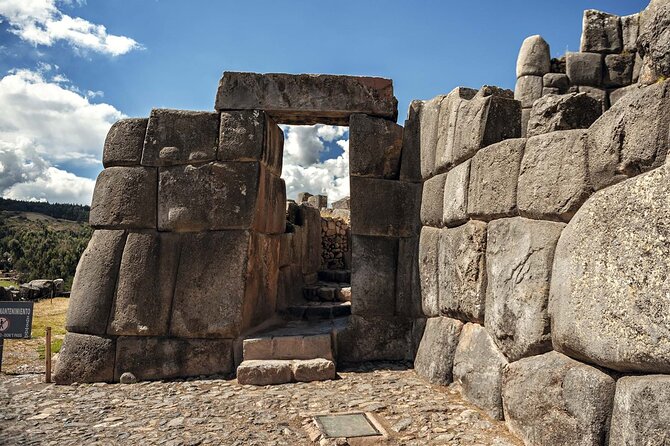
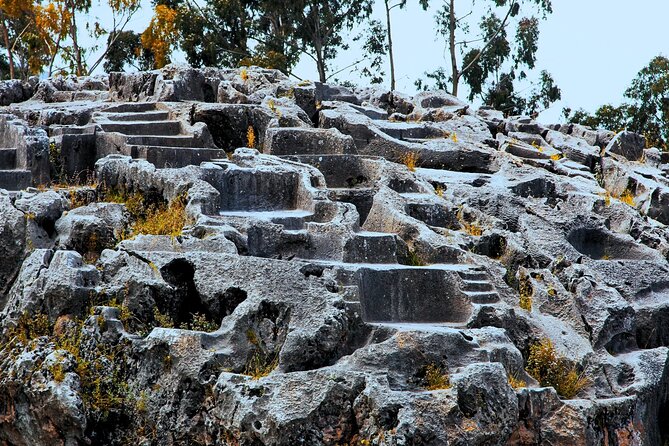
You will visit Qorikancha, the Temple of the Sun and one of the most important ancient Inca structures still in the city. Expect serious stonework and a clear read of how Inca architecture holds up over centuries. Then you head to Sacsayhuamán, where the massive stone complex makes an impression even if you are tired from traveling. The tour description frames it as more than a simple fortress, and that perspective helps you look at the site as an active ceremonial space, not just a pile of walls.
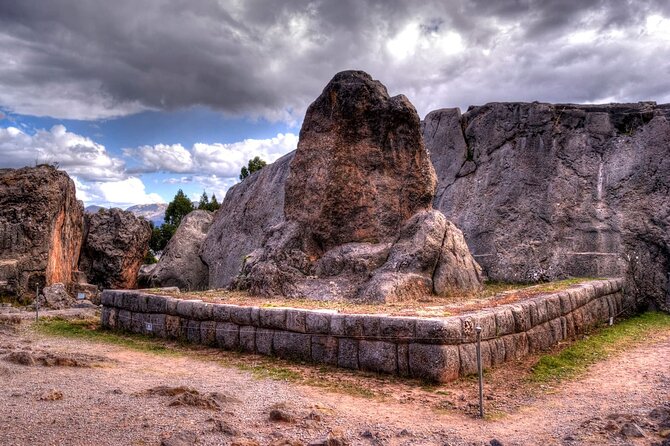
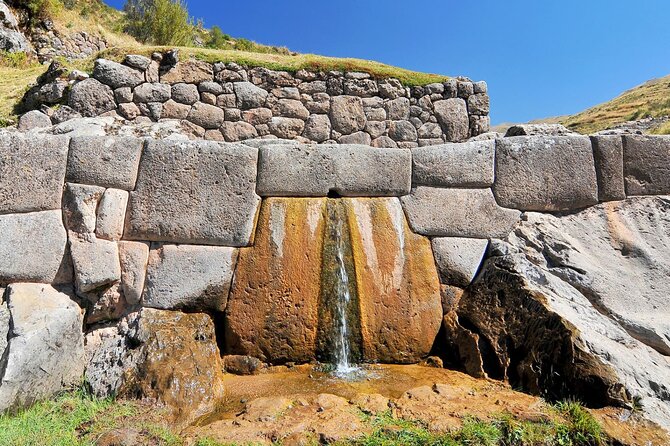
After that you continue to Q’enqo, known for ritual and underground passageways, and then to PukaPukara and Tambomachay. This last cluster matters because it connects the dots. You are seeing more than monuments, you are seeing how Inca design treated movement, water, and ceremony as one system. It is also a good day to ask your guide practical questions like where to buy water, what pace feels safe for you, and how to handle the next couple of very early mornings.
More Humantay Lake hikes:
- Cusco: Humantay Lake Tour with Breakfast and Buffet Lunch
★ 4.9 · 2,976 reviews - Excursión to Humantay Lake Full Day from Cusco
★ 5.0 · 2,150 reviews - Private Excursion to Humantay Lake from Cusco and Coca Ceremony
★ 5.0 · 758 reviews
A good day, but do not overdo it
This is not a strenuous day, but you are still in Cusco, and altitude affects everyone differently. I would treat Day 1 like a “light legs” day. Drink water, go easy, and save your energy for the Machu Picchu and lake and mountain days.
Sacred Valley day: Pisac, Ollantaytambo, and the train setup
Day 2 is a classic Sacred Valley sweep. It starts early, with pickup from your hotel and visits to Pisac and its handicraft market plus the Inca Cemetery. Even if you do not plan to shop, Pisac is worth it for the feel of the valley and the way the site sits above the town.
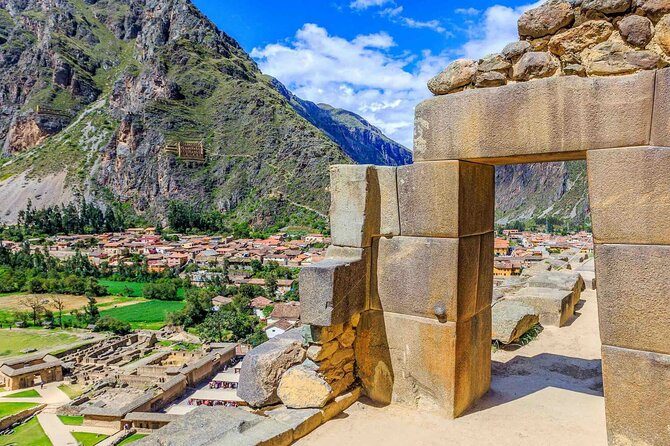
Then you move to Ollantaytambo. This is where the trip begins to feel like logistics and history are working together. Ollantaytambo is described as a town that still preserves ancient architecture, with Inca streets and local life layered side-by-side. You also get a buffet lunch in Urubamba. Food timing is not a minor detail here. When the day ends with train travel, you want to eat before you are swallowed by station time.
In the afternoon you head to the train station and ride onward to Aguas Calientes. Your hotel gets your next handoff, and then you have free time to explore the town. That free window is valuable because Aguas Calientes can feel chaotic, and you want a chance to settle in, locate your meeting spot, and check out dinner options.
What to plan for on the train day
This part of the route is included as round-trip train with either Expedition or Voyager service. The big advantage is you are not improvising. You have a set plan, and your staff is there to transfer you at the other end. My advice: pack a small day bag with a layer for evening in Aguas Calientes. Even when Cusco feels warm, temperatures shift quickly after dark.
More Rainbow Mountain hikes:
- Cusco: Rainbow Mountain and Red Valley Day Trip with Meals
★ 4.9 · 4,893 reviews - Excursion to Rainbow Mountain Full Day Optional Red Valley
★ 5.0 · 2,996 reviews - Cusco: #1 Rainbow Mountain & Red Valley Day Trip with Meals
★ 4.8 · 2,342 reviews - Cusco: Rainbow Mountain & Red Valley Premium Day Trip with Meals
★ 5.0 · 2,249 reviews
Machu Picchu: bus up, private guide, and a smooth return
Day 3 is your Machu Picchu day, and the schedule is built for what you actually need: get to the site, see it properly, then get you back down without stress.
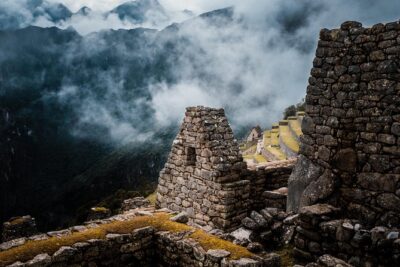
You are transferred to the CONSETUR bus station and head up to the citadel. The bus ride is about 30 minutes. Then you get a tour of Machu Picchu’s main sectors and temples with a private guide for about 2 hours. The “private guide” piece matters. With a group-only experience, you spend time aligning everyone. Here, your guide can match the pace to your questions and help you read the site in a way that makes the stonework and paths feel logical.
After the tour, you return to Aguas Calientes for lunch, but that meal is not included. That is one place you will want to budget for food. After lunch you take the train back toward Cusco. The instructions also stress a practical arrival rule: show up at the station at least 30 minutes before departure. That is exactly the kind of small timing detail that keeps the day from turning into a sprint.
Once you arrive at Ollantaytambo, you have a private transfer back to Cusco, about 1.5 hours by car.
My practical take
This day is about balance: a guided window at Machu Picchu so you do not miss key views, plus enough structure so the rest of your day stays calm. If you are the type who likes to wander alone after a guided start, you should still manage it. The schedule gives you a tour block, not a rushed stamp.
Humantay Lake at 5:00 a.m.: the hike day you will remember
Day 4 is the first big hike, and it starts like most Andes hikes do: early. At 5:00 a.m. you head out with transport to Mollepata, about 2 hours and 40 minutes away. Breakfast happens there. Then you continue another hour to Soraypampa at around 3850 meters.
From Soraypampa, you hike to Humantay Lake at about 4200 meters. The hike is about 1.5 hours with a low to moderate difficulty level. The route description highlights views of Salkantay and Humantay mountains (Apus). There is also a nice option included in the plan: you can rent a horse instead of hiking. That does not remove the altitude, but it can reduce the physical load if your legs need help.
You get time at the lake for photos. Then you descend back to Soraypampa, about 1.5 hours, which is easier than the climb. Finally, you return to Mollepata for lunch and then back to Cusco around 6:00 p.m.
The biggest consideration is timing plus altitude
This is a long day, even if the hike itself is relatively short. I suggest you manage your expectations: you are not going to relax until late evening. You will also feel altitude even if the hike is marked low to moderate. Bring layers, and do not think you are “tough enough” just because you are walking.
Salinas de Maras, Moray, and Chinchero: Inca food and salt
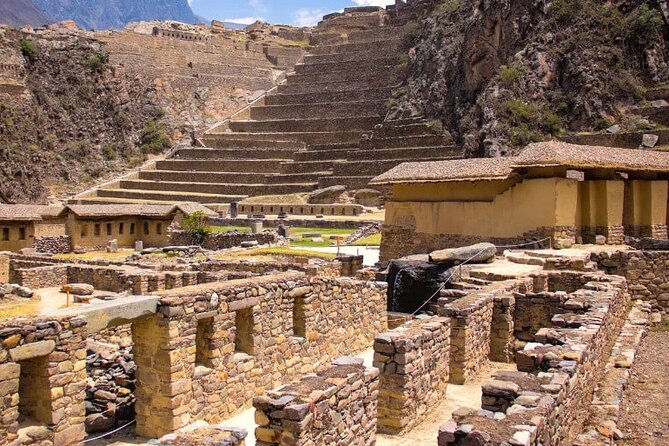
Day 5 is the most “Inca engineering” heavy day in the middle of the week. You start at about 8:00 with pickup from your hotel and head out by comfortable tourist transportation.
First comes Salineras de Maras and Moray. You get about half a day to explore both. Moray is presented as an Inca agricultural laboratory used for seed acclimatization across altitudinal climates. It is one of those places that is easier to understand when you know the idea behind it: you are looking at terraces designed to test growing conditions.
Then you get the salt flats of Maras, where salt is a natural resource tied to commercial use in Inca times. This contrast, lab terraces and salt production, helps the valley feel like a working system, not just scenery.
To wrap up, you visit Chinchero, specifically an artisanal textile production center. This is where you can watch traditional weaving techniques in an area known for textile craft. It is also a nice way to balance the earlier “stone and stone” feeling of the day.
Finally, you return to Cusco around 2:30 p.m., which is a welcome break after the previous two long and early days.
Why this day feels worth it
A lot of tours do Sacred Valley and skip the thinking part. Here, Moray gives you a reason to look closely. Salt flats give you a reason to understand how economics and landscape meet. And Chinchero ties it into daily culture, not just archaeology.
Vinicunca (Rainbow Mountain): poles, big altitude, and a classic viewpoint
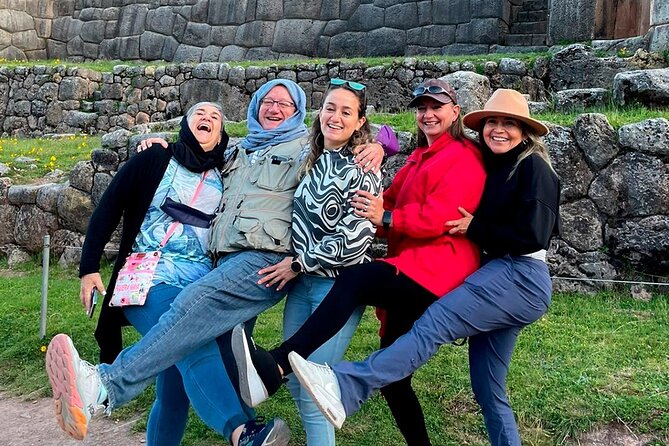
Day 6 is your second major hike, and it is the one that scares people for good reason. Pickup is around 4:30 a.m. You leave Cusco and drive about 2 hours to the village of Cusipata, where breakfast is served. Then you continue another hour by car to a drop-off point around 4000 meters, where the trek begins.
The hike lasts about 1 hour and 40 minutes. Trekking poles are provided before you start. You pass streams and have chances to see alpacas and llamas, plus broad views of the mountains and the trail area.
For the classic photo viewpoint, you ascend to around 5020 meters. The plan gives you enough time for pictures at the top, then you head back down. After the hike you have a buffet lunch, and you return to Cusco around 5:00 p.m.
A heads up if you have health concerns
A past traveler specifically mentioned altitude sickness cautions for people with hypertension or cardiovascular conditions, and suggested options like portable oxygen. I do not know your medical situation, so I will keep this practical: talk to your doctor before the trip, and consider packing portable oxygen if you have a history of altitude trouble.
Also, bring something warm. Even when the sun is out, temperature drops fast at higher elevations.
Day 7: closing in Cusco, and airport timing that actually helps
On the final day, you basically transition out. You say goodbye to Cusco and get picked up to the airport based on your flight itinerary, at least 2 hours before departure. That timing detail is one of the reasons this kind of tour format feels less stressful. You are not guessing how early you should leave.
Price and what $945 covers (and what it does not)
At $945 per person for 7 days, the value comes from what is included, not just from the headline price.
You get:
- 3-star hotel accommodations
- Airport pickup and transfers in Cusco
- Tourist transport and a professional guide
- Entrance fees for the listed sites
- CONSETUR bus ticket round trip for Machu Picchu
- Round-trip train ticket to Aguas Calientes (Expedition or Voyager)
- Machu Picchu ticket
- Private guide for Machu Picchu
- Private transfer Ollantaytambo to Cusco
- Breakfast (6) and lunch (3), with one explicitly un-included lunch at Aguas Calientes
- Round-trip train and Machu Picchu routing handled for you
What is not included:
- Meals not mentioned
- Tips for staff (customary on Machu Picchu excursions)
- Medical insurance
- Flight tickets
Who this price makes sense for
If you were to DIY the train, buses, tickets, and guiding, you would likely spend time and effort even if the raw costs look similar on paper. Here, the schedule does the heavy lifting. The price also makes sense for people who want the big headline sites without taking on the project-management stress.
The real deal for your body: pace, early mornings, and altitude
This is not a relaxed, sleep-in kind of itinerary. You will have multiple early starts:
- Machu Picchu involves a morning bus transfer
- Humantay Lake starts at 5:00 a.m.
- Vinicunca starts around 4:30 a.m.
The other physical factor is altitude. Humantay Lake is at about 4200 meters. Vinicunca goes from around 4000 up to about 5020 for the main photo spot.
The tour also states you should have moderate physical fitness. That sounds broad, but the schedule is specific. Even if you are fit, the altitude changes how you feel, especially on the hikes and after long days of transport.
A small-group tour with real human support
The tour includes a maximum of 15 travelers, which matters more than people think. In places like Machu Picchu and on early morning departures, smaller groups tend to feel less chaotic. You are less likely to get separated, and your guide can adjust if someone falls behind.
Also, the guide and coordination focus comes through in the way the agency supports travelers before and during the trip. Names that came up in past experiences include Kilma, Andy Zarate, Flor Osorio, Gaby, Nataly Villafuerte, Katerin Casas, and Chaska Guevara. I cannot promise a specific guide for your dates, but it is a good sign that communication, punctual transfers, and attention to details are part of the service style.
Who should book this Cusco 7-day tour
This fits best if you want:
- Machu Picchu with a private guide and a structured plan
- Sacred Valley highlights plus the engineering stops at Moray and Maras
- Two major scenic hikes, Humantay Lake and Vinicunca
- A mostly guided experience that reduces transport guesswork
It might not fit as well if you want a slow pace, or if you are very sensitive to altitude. If that is you, consider shorter or lower-altitude options, or plan a doctor conversation and altitude preparation strategy.
Should you book it? My honest take
I think this is a strong choice if you want the classic Cusco area route, but you want it handled with real logistics: train, bus, tickets, guides, and transfers. The itinerary makes good use of your time, and the inclusions are the kind that usually cost money and headaches when you DIY.
The only reasons to hesitate are the altitude and the early mornings. If you are comfortable with that, this is a value-packed way to see Machu Picchu plus two “wow” hike days.
If you are on the fence, ask yourself one question: do you want a trip that feels structured, with guides doing the coordination, or do you want to manage everything yourself? For most people, the included train and bus plan alone is worth it.
FAQ
What is the start time and meeting point for the tour?
The start point is Plaza de Armas de Cusco, and the start time is 8:00 a.m.
How many days is this experience?
It is listed as 7 days, approximately.
Is Machu Picchu included, and do I get a guide there?
Yes. The Machu Picchu ticket is included, and you also get a private guide for Machu Picchu for about 2 hours. You also use the CONSETUR bus ticket round trip.
How do I get to Machu Picchu, by bus or something else?
You take a CONSETUR bus up to Machu Picchu from the bus station area, and you use the included bus ticket round trip.
How do the train tickets work to Aguas Calientes?
Your train is round trip from Ollantaytambo to Aguas Calientes, and the included service is either Expedition or Voyager.
Which meals are included, and which are not?
Breakfast is included for 6 mornings, and lunch is included for 3 days. Lunch in Aguas Calientes is explicitly noted as not included on the Machu Picchu day.
What is the difficulty and fitness level expected?
The tour says travelers should have a moderate physical fitness level. You will hike at high altitude on both Humantay Lake and Vinicunca.
Are flights and medical insurance included?
No. Flight tickets and medical insurance are not included.
Can I get a refund if I cancel?
No. This experience is non-refundable and cannot be changed for any reason.
More Ways to Reach Machu Picchu
- Classic Inca Trail Trek 4D/3N to Machu Picchu (Group Service)
★ 5.0 · 8,653 reviews - Machu Picchu: 4-Day Inca Trail Trek with Panoramic Train Ride
★ 5.0 · 4,568 reviews - Short Inca Trail to Machu Picchu 2D/1N
★ 5.0 · 3,007 reviews - 2-Day Inca Trail to Machu Picchu with Panoramic Train
★ 5.0 · 1,876 reviews
Recently reviewed around Cusco
- Cusco Cooking Class by ChocoMuseo in Cusco★ 5.0 · 29 reviews
- ATV Adventure to Moray and Maras Salt Mines – Half Day★ 4.5 · 29 reviews
- 1-day excursion to Machu Picchu from Cusco★ 5.0 · 29 reviews
- Private Tour Sacred Valley, Chinchero, Maras Moray, Ollantaytambo★ 5.0 · 29 reviews
- From Cusco: Humantay Lake with Breakfast and Buffet Lunch★ 4.5 · 29 reviews
- 4 Day – Inca Jungle to Machu Picchu★ 5.0 · 29 reviews
- 2-Day Machu Picchu Tour by Train from Cusco★ 4.5 · 29 reviews
- 2-Day Sacred Valley and Machu Picchu Tour By Train★ 4.5 · 29 reviews
Machu Picchu, compared.
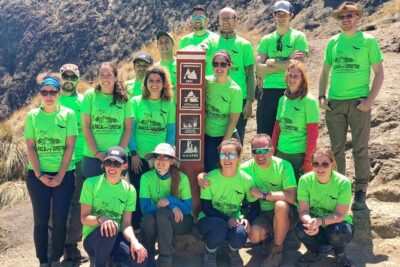
Classic Inca Trail Trek 4D/3N to Machu Picchu (Group Service)
Read our review →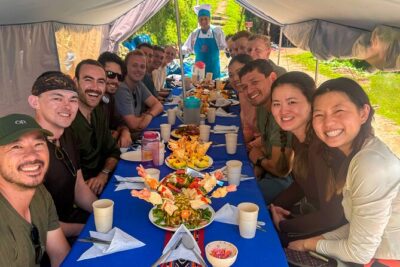
4-Day Inca Trail Trek with Panoramic Train Ride
Read our review →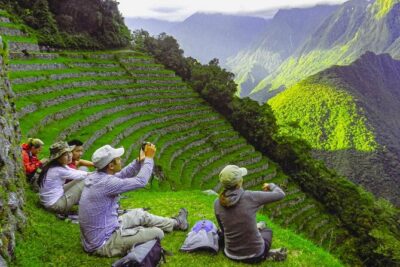
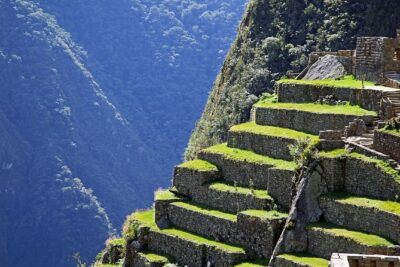
2-Day Inca Trail to Machu Picchu with Panoramic Train
Read our review →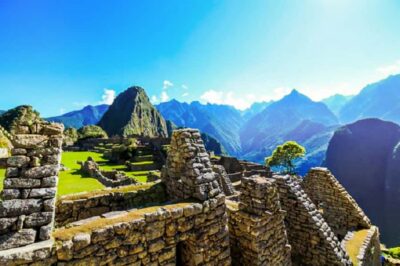

2-Day Tour: Sacred Valley and Machu Picchu by Train
Read our review →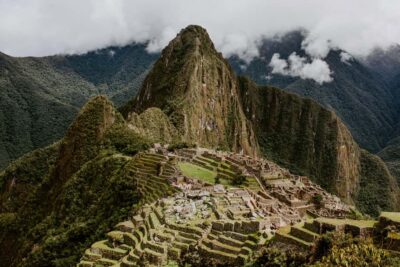
Browse the lists this tour appears in