
Reviewed · MARAS SALT MINES
Excursion to Pisac Salineras Moray and Ollantaytambo From Cusco
Pisac, Maras, Moray, and Ollantaytambo is a very good way to see the Sacred Valley without bouncing between buses all day. I like how this route strings together Inca water engineering and real working views of salt production, not just postcard ruins. I also like that the day ends in Ollantaytambo, so you get both ruins and town layout in one sweep.
One possible drawback to plan for: this is mostly outdoor walking on uneven ground at altitude, and there is no tour guide included. If you want someone explaining every wall and platform, you may want to hire short guides on site or come armed with a bit of context.
Key things to know before you go
- Private transportation for up to 4 keeps the day calm and on schedule.
- Maras salt wells means 3,000 natural pools fed by an underground spring, plus a strong photo payoff.
- Moray microclimates are an Inca-style agriculture experiment you can actually feel in the air and light.
- Ollantaytambo’s fortress views give you the Sacred Valley from the ground, not just from a viewpoint.
- Chinchero adds culture, including a colonial church over an older Inca temple and alpaca-wool dyeing workshops.
- Tickets are partly not included, so you’ll want a simple plan for what you pay and what you skip.
Why Pisac, Maras, Moray, and Ollantaytambo Work as One Day
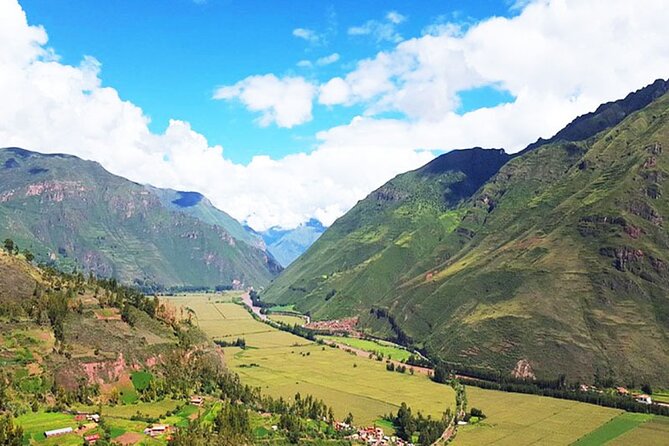
This is one of those Sacred Valley routes that makes sense geographically. You start with Pisac’s high-ground ruins, then move down toward Maras and Moray, and finally end in Ollantaytambo with its dramatic fortress and terrace town planning. In about 7 to 8 hours, you see how Incas, later locals, and today’s visitors all connect to the same land.
What I like most is that the stops link to each other by theme. Pisac shows the Inca ability to shape water and movement across hills. Maras is the opposite vibe, salt production that feels old-school and still alive. Moray flips your brain into agriculture mode, because it’s about temperature differences and controlled growing conditions. Then Ollantaytambo brings you back to city planning and stonework that is built to last.
The day is also practical for Cusco. You get a consistent ride in one vehicle, which matters when you’re dealing with altitude and daylight. You are not trying to coordinate tickets, taxis, and timing between separate half-day tours.
More of Pisac:
- Cusco: Sacred Valley, Pisac, Ollantaytambo, Salt Mines Moray
★ 4.6 · 1,058 reviews - Sacred Valley: Chinchero, Moray, Ollantaytambo & Pisac+Lunch
★ 4.8 · 501 reviews - Pisac Indian Market and Ollantaytambo Fortress with Lunch
★ 4.5 · 395 reviews
The $140 Private Setup: What You Get for Up To 4 People
The price is $140 per group, up to 4 people. That’s a big value lever. If you’re traveling as a pair, the per-person cost is higher, but you still get the advantage of private timing and stops that match your pace. If you’re traveling as four, it becomes very reasonable compared with piecing together separate tours.
This is set up as a private tour with private transportation included. That means you are not negotiating with strangers at every stop. In practice, it also makes it easier to arrive at places at the right time, walk at your own speed, and not feel rushed every time you stop for a photo.
What is not included: breakfast and lunch, and a tour guide. The stops are simple enough to visit without a guide, but if you want the story behind each platform or water channel, you’ll need to either:
- spend a little time reading signs on site, and/or
- hire a guide briefly at places where guides are available, and/or
- add a guide option through a separate service before you arrive.
Stop 1: Pisac Archaeological Park and the Inca Logic of Water
Pisac is more than one big ruin. It’s a whole park of different clusters on the hills, including platforms, aqueducts, roads tied to walls and portals, channeled watercourses, cemeteries, and bridges. The area is about 4 square kilometers, so you can feel why it takes time to see it properly.
You get about 30 minutes at this stop. That’s a short window, so your strategy should be simple: pick one or two “zones” to focus on, instead of trying to see everything. Look for evidence of water control first. Those aqueducts and channeled watercourses aren’t random. They show how the Inca connected irrigation to routes, terraces, and living space.
Also notice the layout. Pisac’s constructions are grouped in complicated arrangements in some places and more isolated in others. That variety helps you understand that the park is not a single monument. It’s a system of sites that worked together.
Admission here is listed as free, which makes the “see it fast or see it slower” decision easier. If you’re the kind of traveler who likes to linger, you may want to ask the driver if you can add a few minutes, especially for hilltop viewpoints. If you’re short on energy, you can still get the big picture quickly by focusing on waterworks and terrace lines.
Stop 2: Maras Salt Wells, the 3,000 Pools Still at Work
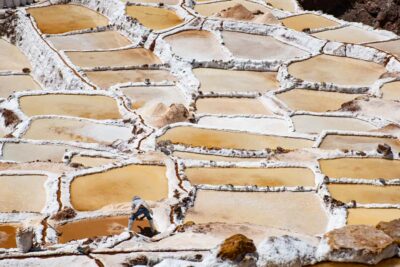
Las Salineras de Maras is one of the most striking stops on this route, mainly because it’s not just ruins. It’s a live working landscape of salt wells, with more than 3,000 natural pools near the town of Maras.
Here’s what makes Maras more than a scenic break:
- each pool is roughly 5 square meters
- the pools are fed by an underground hypersaline spring that dates back to the Andes formation, about 110 million years ago
- local people market the salt, a practice tied to Inca methods that go way back
You’ll have about 1 hour here, which is a good amount of time. You can walk the edges for photos, then slow down and look at the patterns. The pool layout is geometric, but the visual texture comes from how water, salt crust, and light vary across the terraced slopes.
Admission is listed as free. That’s a plus for cost planning, and it also means you can focus your money on places where tickets really matter.
Practical tip: plan for uneven steps and slippery spots near water. Wear shoes with decent grip. Maras is one of those places where a wrong footwear choice shows up immediately.
More of Ollantaytambo:
- Cusco:Chinchero,Moray & Salt Mines drop-off in Ollantaytambo
★ 4.8 · 793 reviews - Combo Sacred valley Pisac Moray Salt mines and Ollantaytambo
★ 5.0 · 202 reviews - Cusco:Sacred Valley Pisaq,Ollantaytambo,Chinchero with Lunch
★ 4.8 · 183 reviews - Full-Day Excursion to Sacred Valley, Pisac and Ollantaytambo from Cusco
★ 4.5 · 174 reviews
Stop 3: Moray’s Microclimates and Why Agriculture Matters

Moray is the stop that turns the day from “cool ruins” into “how did they think like that?”
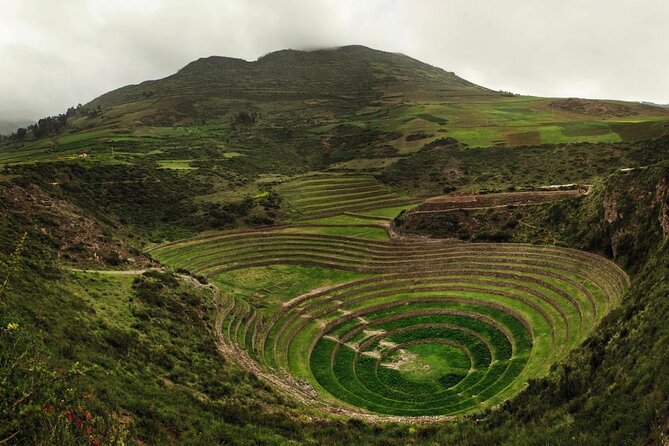
The site is at about 3,500 meters. It sits on a plain surrounded by mountains, creating a mix of climate effects: temperate and dry at the same time. The key idea is microclimates. Different parts of Moray create different temperatures, season by season, and that’s what made it useful for agricultural research during the Inca empire.
The architecture helps you feel the concept. Even without a deep scientific explanation, you can notice that air and light shift through the structures. It’s like the site has built-in climate zoning.
Your time here is about 30 minutes. That’s just enough if you keep your eyes open. Focus on the way the architecture forms “bowls” and how that might relate to temperature and airflow. If you like agriculture, plants, or how humans test ideas in the real world, Moray is worth paying attention to.
Admission for Moray is listed as not included. The tour offers an optional ticket add-on (listed at 33 USD per person), so you can decide how to handle entry. If you prefer less hassle, that ticket option can simplify things. If you travel light and don’t want add-ons, just be ready to pay the site fee when you arrive.
Stop 4: Ollantaytambo, Inca Urban Planning With Big Views
Ollantaytambo is where the day rewards you for staying to the end.
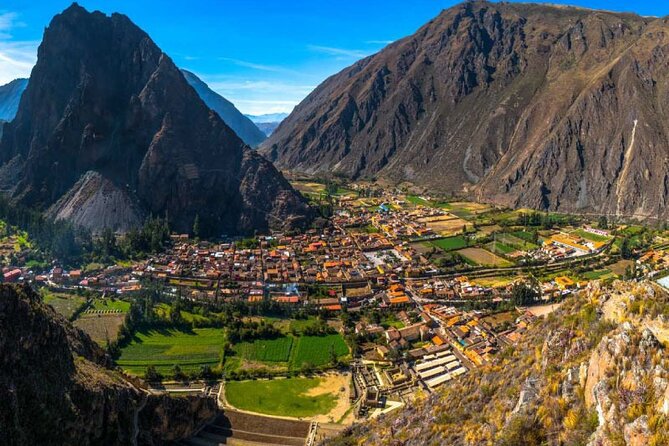
It’s described as a classic example of extraordinary Inca urban planning. That’s not a fancy line, it’s a real observation you can make while walking its cobbled, winding streets. You see ruins mixed into the town layout and terraces that feel like they’re still doing a job, not just posing for pictures.
You’ll have about 30 minutes here. With that time, aim for two things:
- the old fortress and
- the temple area with views of the Sacred Valley
The views are the payoff, but the stonework is the reason you keep looking. Ollantaytambo feels designed to hold people, move people, and watch over the valley. Even for a short visit, it gives you a sense of how an Inca town functioned day to day.
Admission for this stop is listed as free. That’s great, because it keeps your budget under control for the day even if you already spent on Moray.
One more practical detail from the vibe of this kind of route: ending in Ollantaytambo is useful if you plan to continue your trip deeper into the Sacred Valley, since it’s a natural hub.
Stop 5: Chinchero for the Colonial Church and Alpaca Dyeing
Even though your headline Sacred Valley route is often sold around Pisac, Maras, Moray, and Ollantaytambo, Chinchero is the added stop that can make the day feel more human.
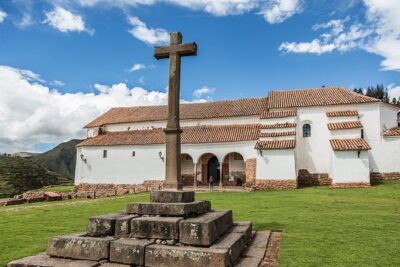
Chinchero sits at about 3,777 meters. The altitude and elevation give you wide open sky and sharp light, which helps for photos. You’ll visit the Inca-era street patterns and the bases of Inca houses, then the colonial church built on top of an older Inca temple. That church is over 400 years old.
Then comes the part I think you should actually look forward to: the cooperative where native women teach the process of dyeing alpaca wool using herbs and insects to create different colors using techniques still preserved from older traditions.
This is the kind of cultural stop that feels practical. You’re not just seeing a craft, you’re learning the steps and why the ingredients matter. Even if you don’t buy anything, you’ll walk away with a better understanding of how Andean textiles connect to knowledge, land, and tradition.
Time here is about 30 minutes, and admission is listed as free. It’s short, so if you’re serious about photos, decide what you care about most before you arrive: the church, the street bases, or the dyeing process.
Timing, Altitude, and the Real Logistics of a 9:00 AM Start
This tour starts at 9:00 am and runs about 7 to 8 hours. That schedule is smart. Early starts help you beat crowds and give you daylight for each stop without sprinting.
You should also take altitude seriously. Moray and Chinchero sit at high elevations, around 3,500 to 3,777 meters. The good news is that this is not a hike day in the “train all morning” sense. The stops are mostly time-boxed, and you are guided by transport between points.
The practical risk is uneven ground and stairs, especially at Maras and around ruins. Moderate physical fitness is all the requirement says, but “moderate” still means you should plan for walking on cobbles and climbing slightly where needed.
Food is not included. Breakfast and lunch are on you. I’d treat this day like a long museum day with hills. Eat before you go, and carry water. If you need a snack, plan it rather than assuming you can find everything during each 30-minute stop.
Tickets: Free Entries, One Key Not Included, and an Optional Add-On
Here’s the ticket reality based on what’s flagged:
- Pisac: listed as free
- Maras: listed as free
- Moray: ticket not included
- Ollantaytambo: listed as free
- Chinchero: listed as free
So you’re mostly dealing with one paid entry decision: Moray. That’s good for cost control. Still, the operator offers an optional ticket add-on listed at 33 USD per person, which can simplify things if you’d rather not stop to figure out fees in the moment.
One traveler note that matters for planning: you may also need the Cusco tourist ticket for site access, described as a 2-day pass for S/70. I’m not saying you always need it for each stop, but it’s worth checking your specific plan so you don’t get surprised at the gate.
Tip: if you’re traveling with cash, keep it accessible. Small lines and quick transactions can still be slow when you’re at altitude and trying to keep your timing tight.
The Driver Matters: Having Rúben in Your Corner
In a day like this, your driver is more than a chauffeur. You are relying on them for timing, smooth transitions, and often the best small adjustments to make the day feel right.
In particular, Rúben shows up as the kind of driver who reads the group and makes suggestions based on interests. Communication in Spanish is mentioned in the feedback, so plan for that. If you don’t speak Spanish, you’ll still manage fine with common travel phrases, but it helps if you arrive with a simple idea of what you want to see most.
Also, one of the practical perks: you can find yourself with enough time to add or adjust stops, as long as you stay within the overall pace. This is a private group experience, so you’re not trapped in a rigid script designed for everyone.
And if you need help after the last stop, Rúben accommodated additional transportation back to Cusco for an extra fee. That’s the kind of flexibility that can save you from scrambling at the end of the day.
Who This Tour Fits Best
This is a great fit if:
- you want private transport and a smooth day plan without dealing with multiple public connections
- you like a mix of ruins, working salt production, and agriculture research
- you enjoy cultural stops like Chinchero’s dyeing process, not just big monuments
- you’re traveling in a group of 3 or 4 where the $140 group price becomes especially good value
It may not be the best fit if:
- you want a full guided experience with long explanations at every site (a tour guide is not included)
- you struggle with uneven stone and stairs at high elevation
- you want lots of free time at just one location, since each stop is time-boxed
Should You Book This Private Sacred Valley Day Trip?
I’d book this if your goal is to see a smart cross-section of the Sacred Valley in one day, with private rides and minimal hassle. The value is strongest for small groups because the price is per group, not per head, and the route covers a lot of ground efficiently.
I’d also book it if you like practical learning. Pisac makes sense when you focus on water systems. Maras is memorable because the salt wells are still active. Moray makes you think about temperature control in a real agricultural setting. Ollantaytambo closes the loop with a town you can walk through, not just look at.
Wait, or choose a different option, if you know you want a guided deep explanation at Moray and the ruins, and you don’t want to hire a guide on site. Since the tour guide is not included, you’ll want to either read signs and ask questions or plan a paid guide stop.
If you’re flexible and you like structure without rigidity, this day works. Just go in with comfy shoes, water, and the mindset that 30 minutes is enough to grasp the main ideas if you pay attention to what connects each site to the next.
FAQ
How long is the excursion?
It runs about 7 to 8 hours, starting at 9:00 am.
What does the $140 price include?
The price includes private transportation. Tickets, breakfast, lunch, and a tour guide are not included.
Are entrance tickets included for all the sites?
Pisac, Maras, Ollantaytambo, and Chinchero are listed as free. Moray is listed as ticket not included. There is also an optional ticket add-on listed at 33 USD per person.
Is this a group tour or private?
This is a private tour/activity, and only your group participates. The group size is up to 4.
Do I need to speak Spanish?
Communication with the driver is mentioned as Spanish, so you should be prepared for Spanish during the day.
What happens if weather is bad?
The experience requires good weather. If it’s canceled due to poor weather, you’ll be offered a different date or a full refund. You can cancel up to 24 hours in advance for a full refund.
More Visits to the Moray Terraces
- Sacred Valley: Maras & Moray by Quad Bike from Cusco
★ 4.6 · 418 reviews - Tour Sacred Valley & Maras – Moray with buffet lunch
★ 5.0 · 411 reviews - Maras, Moray & Salt Mines Tour
★ 5.0 · 354 reviews - Quad Bike Tour Moray and Maras Salt Mines from Cusco
★ 5.0 · 348 reviews
More Visits to the Maras Salt Mines
- From Cusco: Sacred Valley & Maras Salt Mines Tour with Lunch
★ 4.8 · 2,227 reviews - From Cusco: Moray, Maras Salt Mines & Chinchero Weavers Tour
★ 4.8 · 1,925 reviews - Sacred Valley and Maras Moray Tour with Full Day Buffet Lunch
★ 5.0 · 670 reviews - ATV Tour to Moray Maras and Salt Mines in the Sacred Valley
★ 4.5 · 530 reviews
Recently reviewed around Cusco
- 6-Day ||All Included|| Excursion – MachuPichu & Rainbow Mountain-Humantay Lake★ 4.5 · 8 reviews
- Horseback Riding thru the Mountains of Cusco★ 5.0 · 8 reviews
- Cuzco City Tour and Archaeological Ruins in Half Day★ 5.0 · 8 reviews
- Full Day – Rainbow Mountain tour – Group Service★ 5.0 · 8 reviews
- Half Day Tour in Cusco: Exploring the City and Four Ruins★ 4.5 · 8 reviews
- Machu Picchu and Sacred Valley 2 Day Tour★ 5.0 · 8 reviews
- Cusco 4 Days Machu Picchu and Sacred Valley | All included★ 5.0 · 8 reviews
- City Tour Cusco With Qoricancha and 4 Ruins★ 5.0 · 8 reviews
Maras Salt Mines, compared.
Sacred Valley & Maras Salt Mines Tour with Lunch
Read our review →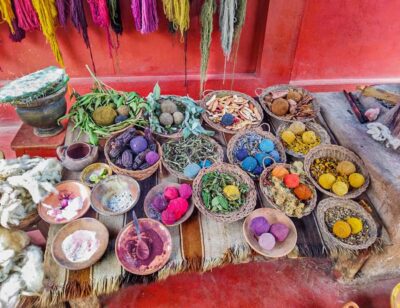
Moray, Maras Salt Mines & Chinchero Weavers Tour
Read our review →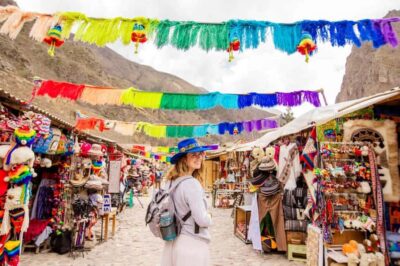
Sacred Valley, Pisac, Ollantaytambo, Salt Mines Moray
Read our review →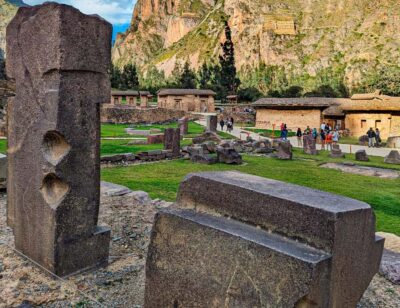
Chinchero,Moray & Salt Mines drop-off in Ollantaytambo
Read our review →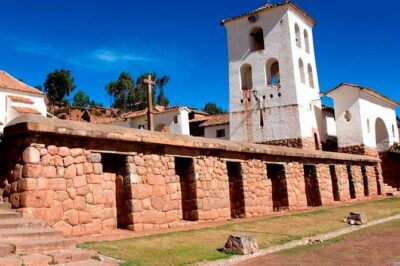
Sacred Valley and Maras Moray Tour with Full Day Buffet Lunch
Read our review →
ATV Tour to Moray Maras and Salt Mines in the Sacred Valley
Read our review →
Tour Sacred Valley & Maras – Moray with buffet lunch
Read our review →Browse the lists this tour appears in