
Reviewed · MACHU PICCHU
Machu Picchu Tour By Train (2 Days)
Machu Picchu works best when you treat it like a project, not a day trip. This 2-day plan is interesting because it bundles the hard parts together: the train ride, the bus up, and a guided run through the citadel timed for early entry.
I like that Machu Picchu admission is included for your main visit, and I especially like the way the experience is built around the big morning. Your guided tour is about two hours, and it’s led by a bilingual guide, with Ruben specifically mentioned as a highlight.
One drawback to keep in mind: the experience can be a bit coordination-heavy. A few people ran into confusion in Aguas Calientes, including missed handoffs and ticket steps that were stressful when communication fell short.
Key points to know before you go
- Ticket included for Machu Picchu day: You do not have to scramble for the main admission once you are on the Machu Picchu schedule.
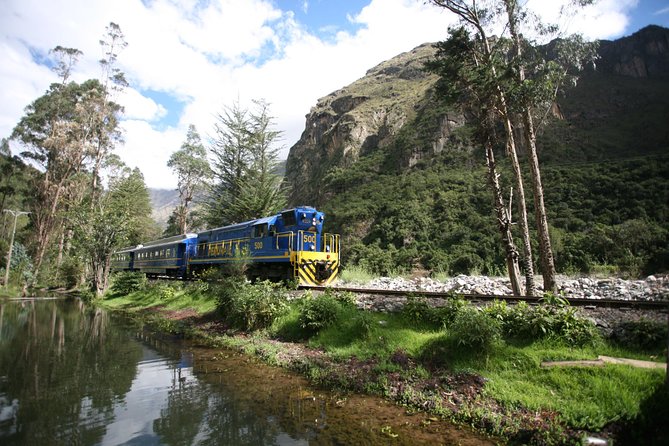
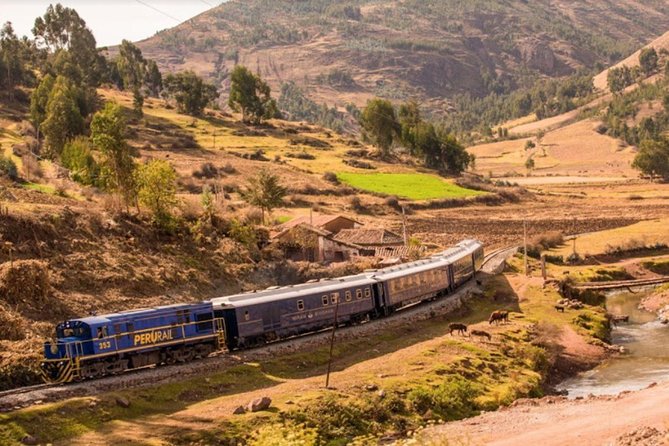
- Scenic train to Aguas Calientes: The ride from Ollantaytambo to Aguas Calientes is part of the show, not just transport.
- Early entry with a guided tour: You go up as the site opens and get a structured 2-hour overview.
- Free time after the guide: You’re not stuck on a leash, you get time to roam and photograph on your own.
- Hot springs are not part of the guided plan: If you want them, treat them as an independent add-on in Aguas Calientes.
- Group size stays small: Maximum of 15 travelers, which helps the pacing feel human.
The train part matters: why this plan feels calmer than a free-for-all
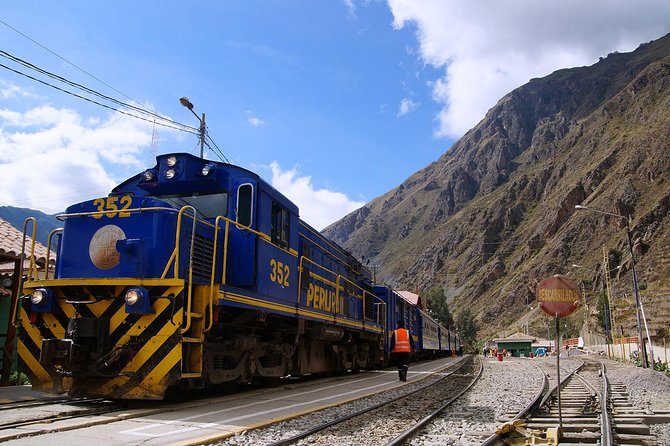
Machu Picchu is famous, but it’s also logistically annoying. Timetables, lines, buses, and limited entry windows can turn a dream day into a stress test. That’s why I like this style of tour, it gives you a clear spine to follow for both days.
Day 1 builds momentum. You travel from the Cusco area toward Ollantaytambo, then take the train to Aguas Calientes. This is the part that often becomes a memory by itself because the scenery changes as you go, and you’re seated and moving while you watch the Sacred Valley region shift around you.
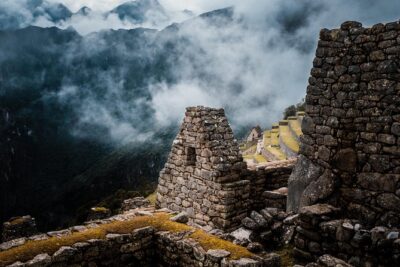
Day 2 is where the payoff happens. You wake up early and head to Machu Picchu in time to enter as the site opens, then you get a guided tour that helps you understand what you’re looking at before you wander.
More ways to reach Machu Picchu:
- Classic Inca Trail Trek 4D/3N to Machu Picchu (Group Service)
★ 5.0 · 8,653 reviews - Machu Picchu: 4-Day Inca Trail Trek with Panoramic Train Ride
★ 5.0 · 4,568 reviews - Short Inca Trail to Machu Picchu 2D/1N
★ 5.0 · 3,007 reviews
Price and what you’re really paying for ($540 per person)
At $540 per person, this is not a budget option. The value comes from the fact that the big moving parts are bundled: transport between Cusco and Ollantaytambo, the train ticket, the bus up and back, one night in Aguas Calientes, and Machu Picchu entrance.
Here’s how I’d think about the trade. If you try to DIY everything, you usually spend your mental energy on ticket timing and coordination. You also risk wasting time on mismatched schedules, especially for the early entry. Paying for the structure can be worth it if you’d rather spend your energy on the view than on logistics.
Meals are not included, so budget for breakfast and lunch on your own. Hot springs are also not included, and that’s an important detail because it changes the shape of your Day 1 free time.
Day 1 in plain terms: Cusco to Ollantaytambo, then the train to Aguas Calientes
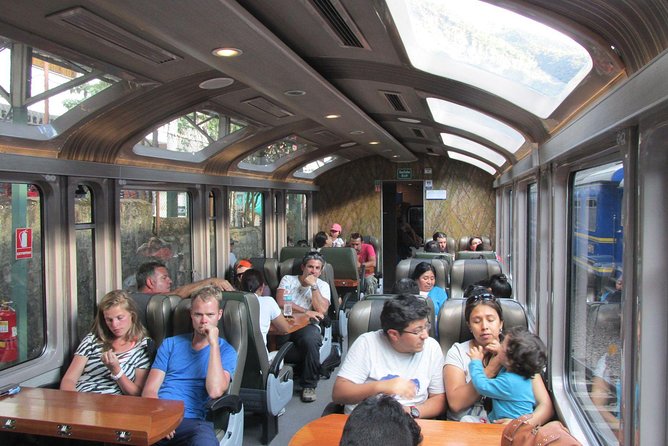
Your Day 1 starts around 7:00 am. You head by mini-bus toward Ollantaytambo in the Sacred Valley, then board the tourist train to Aguas Calientes.
This train stretch is your buffer day. You arrive by about lunchtime, check in to your hotel for one night, and then you have the afternoon to manage yourself. That rhythm is good. It means you are not exhausted after a long travel day and then forced to sprint around.
Once you’re in Aguas Calientes, you can choose how to spend your afternoon. If you want something easy and cultural, there’s a Machu Picchu museum and an orchid exhibition that’s described as about a 35-minute walk outside of the village. If you’d rather take it slow, you can simply relax in town or in the nearby hot springs.
Machu Picchu HotSprings day: how it works and what to expect
The hot springs segment is basically an independent activity. It is not included in the tour package, and you don’t go with the group as part of a guided plan.
So think of Day 1 as: arrive, check in, then decide whether you want a soothing soak after travel. If you do go, build in a little flexibility for how long you want to linger, because there’s no built-in guided timing around it.
Also, don’t confuse hot springs with the main Machu Picchu entrance. The main admission is handled for Day 2, and Day 1 is where you have freedom in Aguas Calientes.
More train journeys from Cusco:
- 2-Day Inca Trail to Machu Picchu with Panoramic Train
★ 5.0 · 1,876 reviews - 2-Day Tour: Sacred Valley and Machu Picchu by Train
★ 5.0 · 1,127 reviews - Machu Picchu Full Day from Cusco by Panoramic Train
★ 5.0 · 857 reviews - Machu Picchu Full Day Tour from Cusco with Train & Entrance
★ 5.0 · 508 reviews
Day 2: early bus up, guided 2-hour citadel tour, then your free roaming time
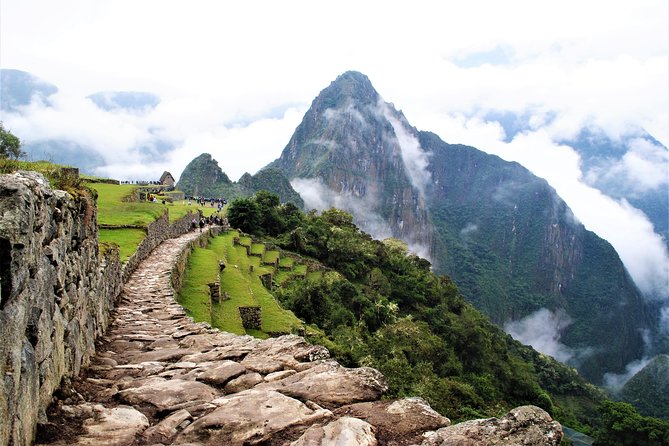
Day 2 starts early for a reason. You take the first bus up to Machu Picchu so you can enter as the site opens. That early timing matters because it gives you a calmer start to a crowded place, and it gives you time to absorb the layout before you feel rushed.
Once you’re inside, you get a guided tour of the main citadel area for about two hours. This guide portion is not just facts, it’s a tour that helps you make sense of the spaces, what you’re seeing, and why the Inca builders arranged things the way they did. A bilingual guide leads it, so you get the explanation in a way that’s easier to follow.
After the guided tour, you get free time to explore on your own. This is when you can slow down for photos, pause to look, and take in the sense of place without constant narration.
In the afternoon you return by train to Ollantaytambo and then continue by mini-bus back toward Cusco.
What the free time is good for, and how to not waste it
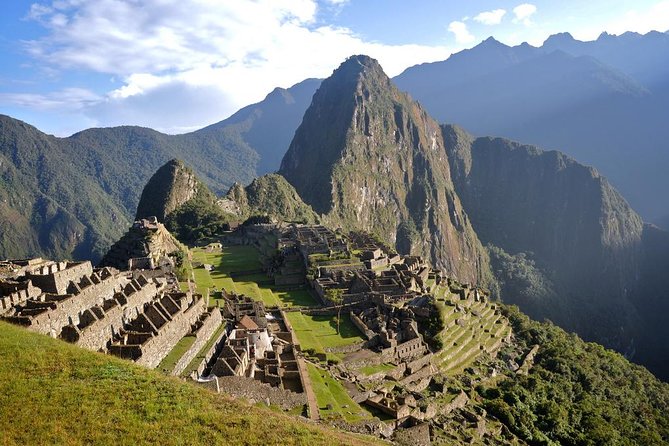
That free exploring window is where you control your own priorities. The site is big enough that if you spend the entire time trying to figure things out, you’ll miss moments you’ll regret later.
So I recommend a simple approach. First, use your guide time to learn the main sections and flow of the site. Then, once you’re on your own, pick a few must-see areas and give them real time.
If you want photos, start earlier during your free time. Light and crowds can shift fast once more groups arrive. Early entry helps, but timing still matters.
And if you’re prone to stopping every three minutes, good. Just do it intentionally. Pick viewpoints that match what your guide told you, so it feels like the story is continuing, not like you’re lost.
Huayna Picchu or Machu Picchu Mountain: plan your stamina and your permits
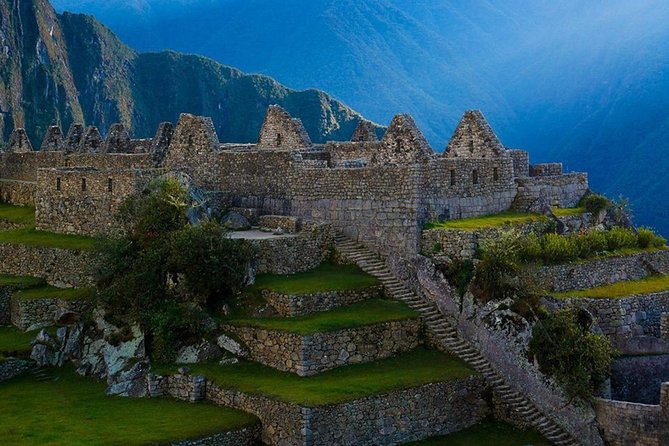
If you have permits to climb Huayna Picchu or Machu Picchu mountain, Day 2 is when you do it. The climb is described as about three hours round-trip.
That’s not a small add-on. It’s a real hike, with time pressure built in. If you’re even mildly worried about stamina or heights, I’d think carefully, because your day is already anchored around the site entry, guide tour, and then train back.
If you do go for it, treat the hike as your main event. Keep your expectations realistic. Bring the attitude of a trek, not a stroll.
Guide names you should remember: Ruben as the standout example
One of the most praised pieces of the experience is the guided portion. Ruben is mentioned specifically as a guide who made the Machu Picchu visit feel memorable and insightful.
What I take from that is simple: at Machu Picchu, your guide changes how the stones land in your brain. A good guide helps you notice details, understand context, and connect viewpoints to the bigger story of the site.
Even if you think you can read a guidebook fast, a live explanation often beats skimming because you’re moving through the actual spaces while someone ties them together.
Logistics to watch: coordination in Aguas Calientes and ticket steps
This is the part I would not ignore.
Some experiences in Aguas Calientes apparently included missed or unclear handoffs, including moments where people expected a guide to meet them and it did not happen as planned. In at least one case, a guide changed the hotel at the last minute, and someone realized they needed directions because they might have gone to the wrong place.
Ticket timing can also be stressful. One account notes that they expected tickets to be handled up front, but they ended up needing to deal with ticket steps in Aguas Calientes, including getting into the right queue process once they arrived.
Here’s the practical takeaway if you book this: plan to be proactive. Keep the contact details from your confirmation. If something feels off, ask quickly rather than waiting around, especially after your train arrives. And when you check into your hotel, ask how and where you’re meeting for the next morning’s bus up.
The tour can still be a great value when the pieces click, but your best defense is active communication on your side.
Group size and pacing: small enough to feel guided, big enough to share
The maximum group size is 15 travelers. That matters because Machu Picchu day can feel chaotic even for good systems, and smaller groups typically allow the guide to manage people better.
Pacing is also built in. Day 1 is travel and check-in with downtime. Day 2 is structure, early entry, a guided overview, then free time. It’s a good division because it protects you from trying to do everything at once.
You’ll still be on a schedule. That’s true of almost any Machu Picchu plan. The difference here is that the schedule is designed to put the “hard” part, the first-bus entry, into your favor.
Who should book this Machu Picchu train tour
This is a strong choice if you want a simpler, more scheduled path to Machu Picchu with major pieces bundled. You’ll probably be happiest if you like the idea of waking up early, joining a guided overview, and then having time to wander and take photos at your own speed.
It also fits well if you’re traveling with a group vibe and want a bilingual guide to help you get the most out of what you see.
It might not fit you as well if you hate coordination or you need everything communicated perfectly. Some people experienced anxiety when communication didn’t match expectations in Aguas Calientes. If you’re the type who panics when a handoff feels unclear, come prepared to follow up.
Should you book this 2-day Machu Picchu by train tour?
If you want the structure and the included Machu Picchu admission, and you’re okay being your own backup in Aguas Calientes, I think this tour can be a good way to do it. The early entry plus guided 2-hour tour is exactly what helps your visit feel meaningful, not just famous.
If you’re the kind of traveler who needs constant reassurance, ask for clear meeting details before you arrive, and keep your phone ready for quick messages. Also remember meals and hot springs are on you.
For most people, the best outcome is simple: show up early, ask questions fast if anything seems unclear, and treat Day 2 as the star. Then Machu Picchu does what it’s supposed to do, it turns the stones into a story you can finally feel.
FAQ
What is included in the tour price?
You get transport from Cusco to Ollantaytambo and back, a tourist train ticket, entrance to Machu Picchu, a bus from Aguas Calientes to Machu Picchu and back, one night of accommodation in Aguas Calientes, and a bilingual guide.
Does the tour include Machu Picchu admission?
Yes. Machu Picchu admission is included for the Machu Picchu day.
Is the Machu Picchu HotSprings activity included?
No. The hot springs are listed as an activity with admission ticket not included, and they are treated as independent from the main group plan.
How long is the guided Machu Picchu portion?
The guided tour at Machu Picchu is about 2 hours.
What is the schedule for climbing Huayna Picchu or Machu Picchu mountain?
If you have permits to climb Huayna Picchu or Machu Picchu mountain, the plan schedules it after the guided tour time window. It’s described as about 3 hours round-trip.
Where and when do you meet for the tour?
The start time is listed as 7:00 am. Ticket redemption is listed at Aguas Calientes 08681, Peru.
Are meals included?
No. Meals are not included.
How big is the group?
The maximum group size is 15 travelers.
What happens if the weather is poor?
This experience requires good weather. If it is canceled due to poor weather, you will be offered a different date or a full refund.
If I cancel, will I get my money back?
This experience is non-refundable and cannot be changed for any reason.
Recently reviewed around Cusco
- Cusco Cooking Class by ChocoMuseo in Cusco★ 5.0 · 29 reviews
- ATV Adventure to Moray and Maras Salt Mines – Half Day★ 4.5 · 29 reviews
- 1-day excursion to Machu Picchu from Cusco★ 5.0 · 29 reviews
- Private Tour Sacred Valley, Chinchero, Maras Moray, Ollantaytambo★ 5.0 · 29 reviews
- From Cusco: Humantay Lake with Breakfast and Buffet Lunch★ 4.5 · 29 reviews
- 4 Day – Inca Jungle to Machu Picchu★ 5.0 · 29 reviews
- 2-Day Sacred Valley and Machu Picchu Tour By Train★ 4.5 · 29 reviews
- 2-Day Machu Picchu Tour by Train from Cusco★ 4.5 · 29 reviews
Machu Picchu, compared.
Classic Inca Trail Trek 4D/3N to Machu Picchu (Group Service)
Read our review →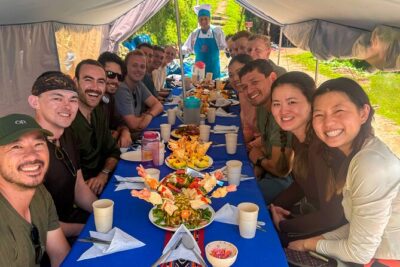
4-Day Inca Trail Trek with Panoramic Train Ride
Read our review →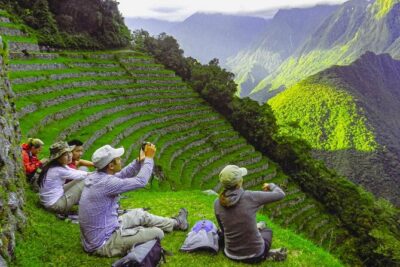
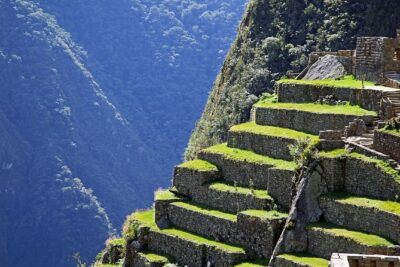
2-Day Inca Trail to Machu Picchu with Panoramic Train
Read our review →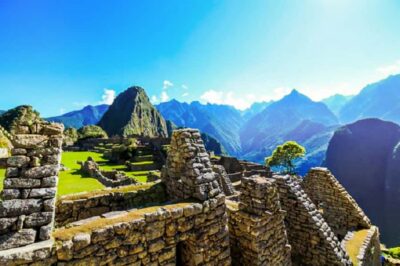

2-Day Tour: Sacred Valley and Machu Picchu by Train
Read our review →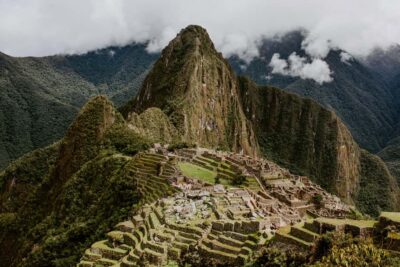
Browse the lists this tour appears in