
Reviewed · MACHU PICCHU
Sacred Valley & Machu Picchu
Sacred Valley plus Machu Picchu in just two days is an efficient way to do the big hits without turning your trip into logistics math. You get private-guided time at Machu Picchu and a structured Sacred Valley day that includes the key sites and time to browse local crafts.
I especially like that the trip takes care of the heavy travel pieces, with private vehicle transfers from Cusco and the train and bus legs handled for you. I also like the focus on timing and flow, with a guide-led plan that makes it easier to know where to look and when to move on.
One consideration: this isn’t a couch-and-taxi outing. You need moderate physical fitness, and it is not recommended if you have vertigo because of stairs, uneven ground, and high viewpoints.
Key things I’d circle before you book
- Pisac and Ollantaytambo entrance tickets included, so you are not chasing paperwork or lines
- Private guided tour at Machu Picchu (about 2 hours 30 minutes), with time for photos
- Aguas Calientes hotel included per the tour overview, helping you avoid last-minute scramble
- Train options listed (Expedition or Voyager) plus bus tickets between Aguas Calientes and Machu Picchu
- Max 15 travelers, which usually means you get more personal attention than big-group tours
Two days that connect Cusco to Pisac, Ollantaytambo, and Machu Picchu
This is a classic Cusco route, but it’s built for people who want the payoff fast. Day 1 focuses on the Sacred Valley ruins and culture, then you sleep in Aguas Calientes, the base town for Machu Picchu. Day 2 is the early push to the citadel, then you work your way back toward Cusco using the scheduled bus and train connections.
What makes the plan feel smart is that it separates the experience into two clear chunks. You get a full guided Sacred Valley day when energy levels are higher, and then you get a dedicated Machu Picchu visit with a private guide and a structured time on site. You also avoid the headache of figuring out how to link transport, tickets, and guides on your own.
The vibe I like for this kind of trip is “organized but not rushed chaos.” With a group limit of up to 15, you’re less likely to feel like a number. And the fact that Machu Picchu includes a private guide means you can ask questions and move at a pace that makes sense for the group.
More Sacred Valley days:
- From Cusco: Sacred Valley & Maras Salt Mines Tour with Lunch
★ 4.8 · 2,227 reviews - 2-Day Tour: Sacred Valley and Machu Picchu by Train
★ 5.0 · 1,127 reviews - Cusco: Sacred Valley, Pisac, Ollantaytambo, Salt Mines Moray
★ 4.6 · 1,058 reviews
Price and what you actually get for $500 in the Sacred Valley and Machu Picchu package
At $500 per person, you’re paying for more than sightseeing. You’re paying for transportation pieces that can be surprisingly time-consuming to coordinate, plus entrance fees that can add up quickly.
Here’s what’s included that matters most:
- Entrance tickets to Sacred Valley sites (Pisac and Ollantaytambo)
- Entrance ticket to Machu Picchu
- Bus tickets to and from Aguas Calientes and Machu Picchu
- Train tickets (Expedition or Voyager)
- A private guide at Machu Picchu
- Some meals, including lunch (the info also mentions a lunch at a Classy restaurant)
- Hotel in Aguas Calientes is stated in the overview
What’s not included is also important for budgeting:
- Your hotel is listed under not included, which is where you should double-check what exactly you’re responsible for. The overview says Aguas Calientes lodging is included, so your Cusco lodging may be the item not covered.
- Breakfast and dinner on both days are listed as not included, plus snacks and tips.
- Travel insurance is not included.
In plain terms, if you were to price out tickets, train, bus, and a private guide piece by piece, the package price starts to look reasonable for the time you save. You’re basically buying reduced mental load, fewer ticket/timing mistakes, and smoother connections.
Day 1: Pisac first, then Urubamba lunch, ending at Ollantaytambo
The day starts early in the practical way these routes demand. The program lists a start time of 6:00 am, and the first-day hotel pickup is described around 7:30 am to begin the drive into the Sacred Valley. Either way, expect a morning start that gets you out the door while others are still deciding what to do today.
Pisac: Inca citadel and religious center
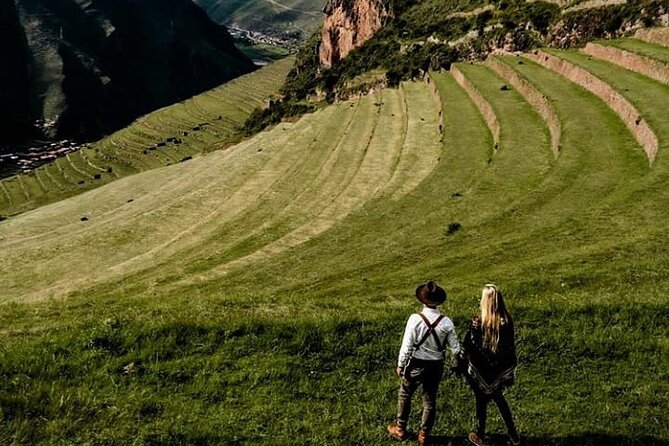
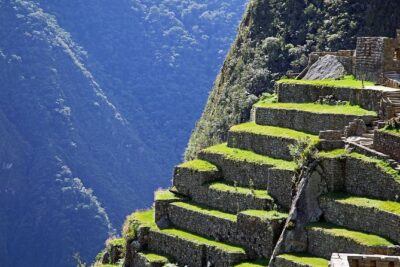
Your first major stop is Pisac, an Inca citadel and religious center. You’ll get a detailed explanation of why it mattered, then you’ll see structures like terraces and towers, plus features connected to burial and spiritual use. You’ll also spend time on viewpoints and site sections such as the Inca cemetery and areas referenced in your guide program like k’alla Q’asa and Amaru Punku.
Why this stop is worth your attention: Pisac gives you a sense of how Inca planning worked on both practical and ceremonial levels. Terraces aren’t just scenery, they are the engineering of slopes and irrigation. And when your guide connects the site’s purpose to what you are looking at, the ruins stop feeling like random stone piles.
More ways to reach Machu Picchu:
- Classic Inca Trail Trek 4D/3N to Machu Picchu (Group Service)
★ 5.0 · 8,653 reviews - Machu Picchu: 4-Day Inca Trail Trek with Panoramic Train Ride
★ 5.0 · 4,568 reviews - Short Inca Trail to Machu Picchu 2D/1N
★ 5.0 · 3,007 reviews - 2-Day Inca Trail to Machu Picchu with Panoramic Train
★ 5.0 · 1,876 reviews
Pisac town: artisan market and gold and silver craft
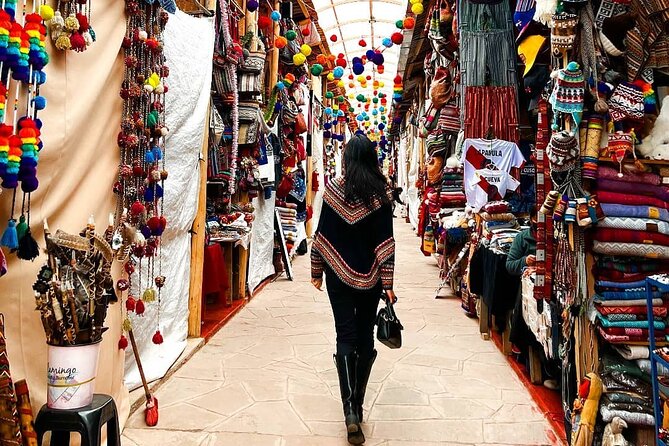
After the archaeological visit, you descend to the town of Pisac for time to browse. This is where you can look at the artisan market and see the kind of craftsmanship people associate with the Sacred Valley, including gold and silver items.
This is also where you can shop without feeling like it’s a mandatory stop. You get free time here, so if you’re not interested in shopping, you can use the break to reset and just enjoy the local pace.
Urubamba lunch: buffet stop in the middle of the day
Lunch happens in Urubamba, with a buffet meal described in the program. The plan also notes an included lunch at a restaurant called Classy, and one set of highlight notes included lunch at Tunupa in the Sacred Valley. Either way, the point is that you get a real sit-down meal that won’t drain your energy right before the afternoon ruins.
The smart travel move here is timing. Eating mid-route reduces the risk you show up tired to the next site, and Sacred Valley ruins involve walking and climbing.
Ollantaytambo: ending the day with a major Inca complex
The day continues to Ollantaytambo, an archaeological complex that anchors the Sacred Valley story. This is a good way to end your first day because it links naturally to the next phase of your trip. You’ll be preparing for the Machu Picchu transition, and Ollantaytambo is one of those places that helps you understand the region as a system, not separate sightseeing stops.
If you prefer a clear “storyline,” this sequence helps. You see a citadel like Pisac, you eat and reset in the valley, then you finish with another heavyweight site before heading toward Aguas Calientes.
Day 2: early Machu Picchu bus ride, private 2.5-hour guide, Aguas Calientes to Cusco return
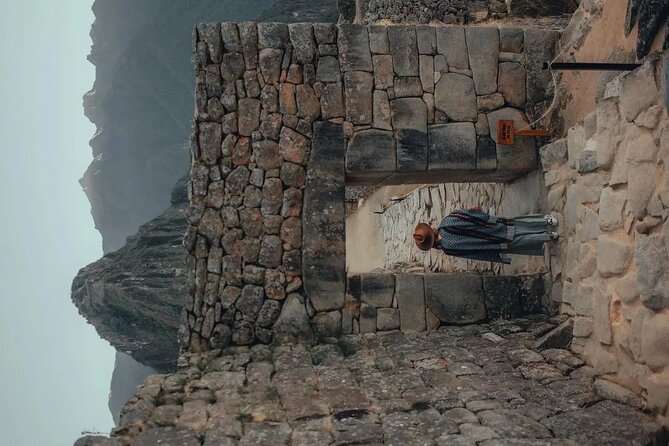
Day 2 begins very early, and that’s not a marketing trick. The program has you going to the station for transport by bus. The bus ride to Machu Picchu is described as about 30 minutes, and your guide time is scheduled as a private tour of about 2 hours 30 minutes.
Machu Picchu with a private guide
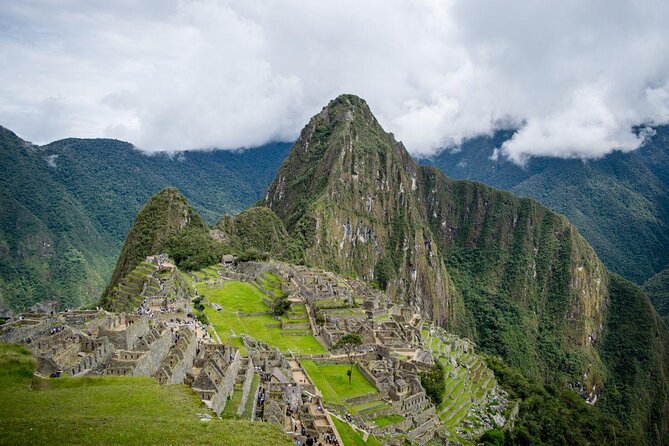
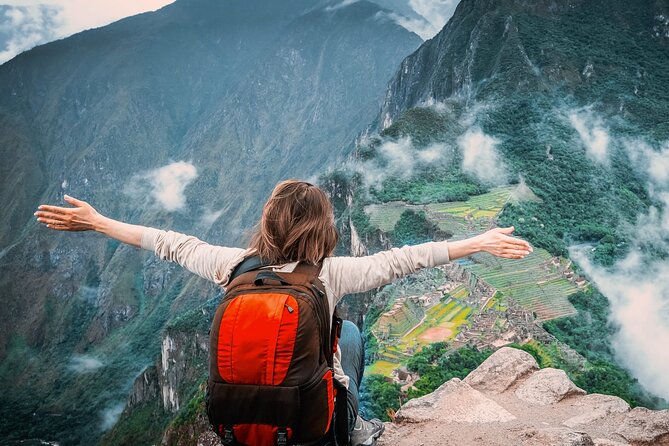
Once you reach the citadel, you get a private guided tour. You’ll see Machu Picchu from vantage points that let you take in the overall layout, not just walk from one random corner to another. You also get time for photos, which matters because you’ll want to capture the main viewpoints without feeling rushed.
A private guide changes the feeling of Machu Picchu. You can ask questions about what you are seeing, and your guide can point out sightlines and details that you might otherwise miss. It’s the difference between taking pictures and actually understanding what you photographed.
Returning from Machu Picchu to Aguas Calientes and Cusco
After the guided portion, you return to Aguas Calientes by bus, then take the train back. The program says you return to Cusco using a tourist bimodal service. Translation: the tour provider handles the connection for you, so you’re not bouncing between schedules.
You end the second day with your transport organized, which is a big deal on a day like this. Machu Picchu days can burn energy fast, and you don’t want the “how do I get back” problem added on top.
Aguas Calientes as your base: why this overnight matters
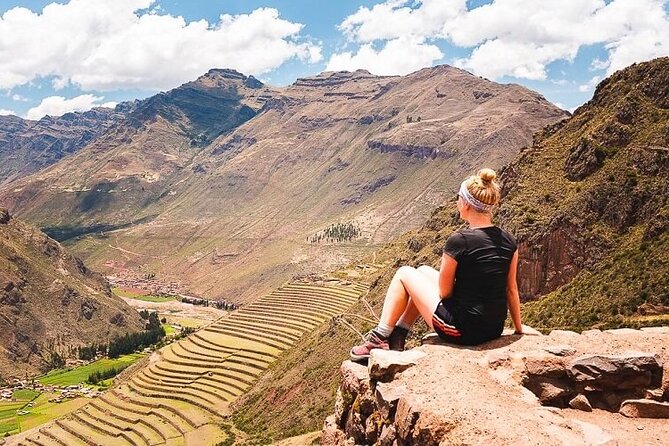
This tour is built around sleeping in Aguas Calientes. That might sound basic, but it’s one of the key reasons two-day Machu Picchu tours can work.
With an overnight base, you avoid a long same-day back-and-forth between Cusco and the mountain. You wake up closer to the bus and train flow, which makes the early start more manageable. It also gives you a realistic buffer to handle the day’s timing without feeling like you’re running on fumes.
One more practical point: Aguas Calientes is where you regroup after the citadel visit. Your schedule includes bus transfer from Machu Picchu back to Aguas Calientes and then the train back toward Cusco. Knowing that the tour plan accounts for that step helps you feel calmer about the whole day.
Also, the overview says hotel in Aguas Calientes is included, but your list of not-included items also says Hotel. Before you commit, confirm whether that means your Cusco hotel is not included, or whether Aguas Calientes lodging needs a separate purchase. This is one of those details that can make or break the value.
Guides and logistics: where the best moments come from
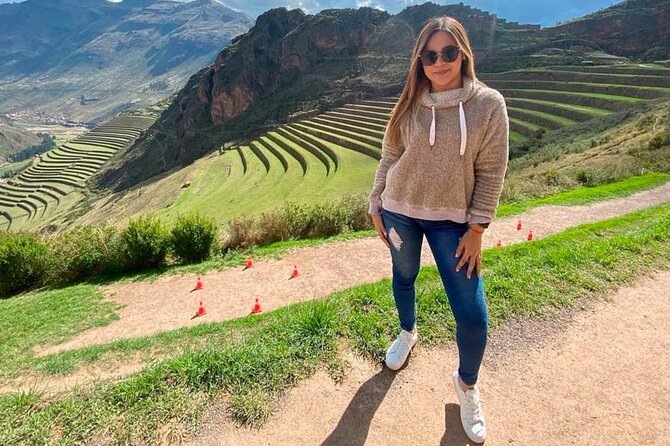
The strongest signal from the provided experiences is that the people running the trip take service seriously. The standout comments include themes like professionalism and competence, plus guides who explain with passion and sensitivity.
Names that come up in the broader provider feedback include:
- Angel, described as a true professional with skill, passion, and sensitivity
- Hernan, highlighted for tour guidance
- Erika Gallegos, praised for communication and helpfulness
- Lucía and Luzmila, praised for taking care of everything from early planning through the trip
Even if you never meet those exact individuals, the pattern matters. You’re buying a tour that aims for punctual timing and clear guidance, not just transportation and ticket stamps.
Logistics are a real part of the experience here. The program includes private transfers from Cusco via vehicle for the Sacred Valley portion, then train and bus for Machu Picchu. When those connections are handled well, Machu Picchu stops feeling like an obstacle course and starts feeling like the main event.
What to expect physically: moderate fitness, stairs, and no-vertigo rule
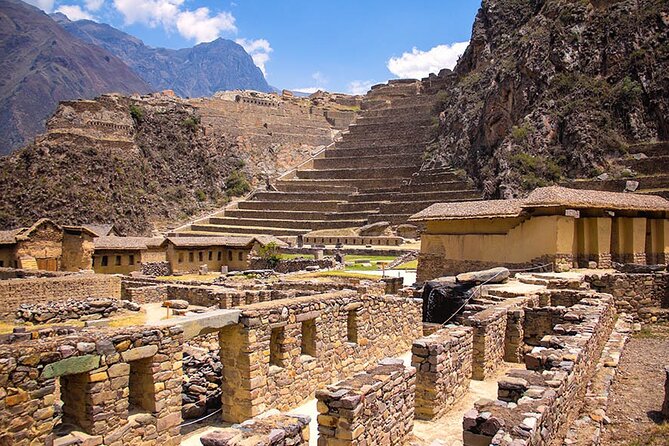
This tour asks for moderate physical fitness. That usually means you will be walking on uneven terrain, climbing stairs or terraces, and spending time standing for viewpoints and explanations.
The tour also clearly says it is not recommended for people who suffer from vertigo. Machu Picchu viewpoints and uneven edges can trigger symptoms even when you’re not trying to look over anything, so this is a safety call.
Altitude is part of the equation around Cusco and the Sacred Valley, but the tour data doesn’t specify altitude rules. Still, the safest mindset is to plan for fatigue and to move slowly. If you know stairs and slopes hit you hard, build in extra water and take your time where you can.
How this tour fits different types of travelers
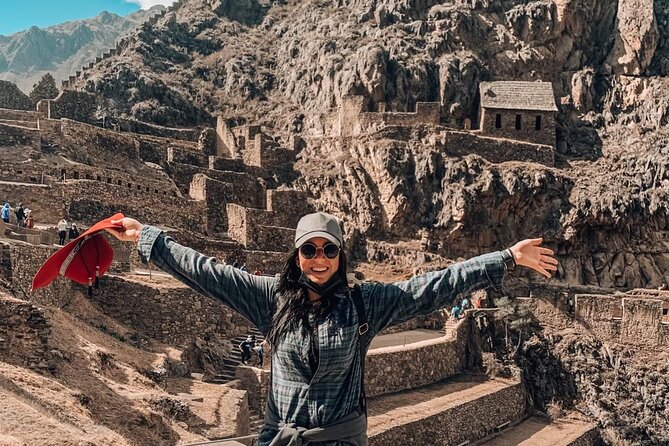
This is a good match if you want:
- A guided Sacred Valley day, not just a self-paced ruin shuffle
- A private guide experience at Machu Picchu, which is the crown jewel
- A plan where train and bus segments are arranged for you
It’s also a strong fit if you’re traveling with mixed interests. You get ruins, you get a craft market break in Pisac, and you get a meal in the valley before returning to the bigger sightseeing day.
On the flip side, it might feel too structured if you want to wander freely without guide direction. The schedule is built to hit specific sites and transitions, so you are not selecting your own order.
The value question: does $500 make sense for you?
For many people, $500 is a fair price if you care about time and confidence. You’re paying for:
- Entrance fees
- Train and bus transport
- Private guide time at Machu Picchu
- A guided Sacred Valley route with key stops like Pisac and Ollantaytambo
- At least one included lunch, plus hotel in Aguas Calientes per the overview
If you already know how to build a Machu Picchu plan on your own, you might be able to piece everything together for less. But the real value here is that you reduce the chance of missing a connection or misunderstanding a ticket type. Two-day Machu Picchu trips leave little room for mistakes.
So I’d ask one question: do you want your energy on the ruins and views, or on timing checklists? If the first sounds better, this package leans in your favor.
Should you book Sacred Valley and Machu Picchu with this plan?
I think this is a smart booking for anyone who wants a structured, guided two-day experience that covers the key Sacred Valley stops and includes a private guide at Machu Picchu, with train and bus handled.
My main “check before you pay” item is the hotel detail. The overview says Aguas Calientes hotel is included, while the not-included list also says Hotel. Confirm what lodging is covered.
If you can get clarity on lodging and you are comfortable with moderate walking and the no-vertigo guidance, this looks like a solid way to see the big sites with less stress. And with a maximum group size of 15, you should expect more personal attention than the giant bus crowd.
FAQ
What does the tour include for entrance tickets?
Entrance tickets are included for the Sacred Valley sites at Pisac and Ollantaytambo, and for Machu Picchu.
Do I get a private guide at Machu Picchu?
Yes. You have a private guided tour at Machu Picchu that lasts about 2 hours 30 minutes.
How do you travel between Aguas Calientes and Machu Picchu?
The tour includes bus tickets to and from Aguas Calientes and Machu Picchu.
What train is included for the Machu Picchu return trip?
The tour includes a tourist train ticket with options listed as Expedition or Voyager.
Is lunch included?
Yes. Lunch is included, and the tour information also mentions a lunch at a Classy restaurant. Breakfast and dinner are listed as not included.
Is there a hotel included?
The overview says hotel in Aguas Calientes is included, but the not-included list also says Hotel. Please confirm what hotel cost is actually covered for your booking.
What time does the tour start?
The meeting start time is listed as 6:00 am.
What physical requirements should I expect?
The tour advises travelers should have a moderate physical fitness level, and it is not recommended for people who suffer from vertigo.
What is the cancellation policy?
The experience is non-refundable and cannot be changed for any reason. If you cancel or request an amendment, the amount paid is not refunded.
Recently reviewed around Cusco
- 6-Day ||All Included|| Excursion – MachuPichu & Rainbow Mountain-Humantay Lake★ 4.5 · 8 reviews
- Horseback Riding thru the Mountains of Cusco★ 5.0 · 8 reviews
- Cuzco City Tour and Archaeological Ruins in Half Day★ 5.0 · 8 reviews
- Full Day – Rainbow Mountain tour – Group Service★ 5.0 · 8 reviews
- Half Day Tour in Cusco: Exploring the City and Four Ruins★ 4.5 · 8 reviews
- Machu Picchu and Sacred Valley 2 Day Tour★ 5.0 · 8 reviews
- Cusco 4 Days Machu Picchu and Sacred Valley | All included★ 5.0 · 8 reviews
- Walking Tour in Legendary & Historical Cusco City★ 4.5 · 8 reviews
Machu Picchu, compared.
Classic Inca Trail Trek 4D/3N to Machu Picchu (Group Service)
Read our review →
4-Day Inca Trail Trek with Panoramic Train Ride
Read our review →
2-Day Inca Trail to Machu Picchu with Panoramic Train
Read our review →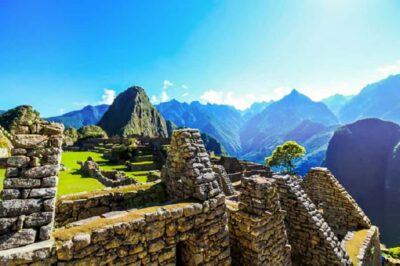

2-Day Tour: Sacred Valley and Machu Picchu by Train
Read our review →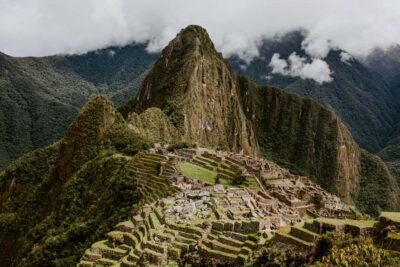
Browse the lists this tour appears in