
Reviewed · SACRED VALLEY
Sacred Valley Complete Tour (Full Day)
Sacred Valley tours are popular for a reason, this one strings together five of the area’s most classic sites in a single day, with a real guide and van comfort. You get the story of how the Incas lived, farmed, traded, and defended this region, plus the views that make you want to keep stepping outside for photos.
I especially like the small group size (max 15), because you spend more time at the stops and less time waiting around. I also love the included buffet lunch with more than 30 varieties of traditional Peruvian food, so you are not hunting for meals mid-route.
One thing to consider: this day is long and packed. Even with a good guide, you will feel the time pressure between sites, and you might wish for a calmer pace at Ollantaytambo or Pisac.
Key things I’d circle before you go
- Max 15 travelers means a tighter, easier day than the huge bus tours
- Hotel pickup around 06:30-07:00 puts you at the first stop early, before the crowds
- Maras salt mines lets you see the still-functioning pattern of thousands of wells used since Inca times
- Moray’s circular terraces show how the Incas experimented with farming, not just built monuments
- Ollantaytambo and Pisac give you both major ruins and small-town wandering time
- Included lunch with 30+ dishes saves you from spending your whole day thinking about food
A 13-hour Sacred Valley loop with small-group van comfort
This is a full-day tour about 13 hours, starting with pickup in Cusco at 06:30 (with pick-ups typically between 06:30 and 07:00). You travel by round-trip transport in tourist-class vans, and the driver Paul is part of the safety-and-comfort equation for the day.
The operator caps the group at 15 travelers, which matters in the Sacred Valley. These places work best when you can actually hear your guide at a site, ask a question, and move as a small unit instead of being swallowed by a crowd. You also get a bi-lingual professional guide, so you’re not stuck with vague answers or silent wandering.
Just keep your expectations realistic. This route covers a lot, so the pacing is brisk. The upside is you see “the best of” in one day. The tradeoff is fewer long photo moments and more quick transitions from one stop to the next.
More Full-Day Tours in Cusco
- Excursion to Rainbow Mountain Full Day Optional Red Valley
★ 5.0 · 2,996 reviews - Excursión to Humantay Lake Full Day from Cusco
★ 5.0 · 2,150 reviews - From Cusco: Full-Day Group Tour of Machu Picchu
★ 4.7 · 1,767 reviews
Chinchero’s Inca walls and the Tupac Inca Yupanqui story
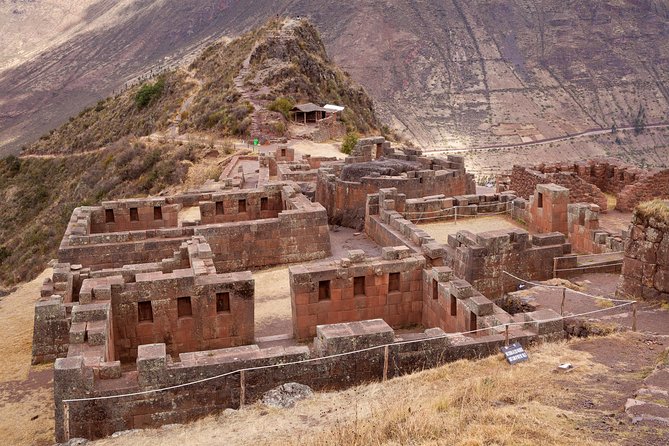
The day begins in Chinchero, a picturesque village where you first get a sense of how layered this region is. You visit the remains tied to the royal hacienda of Tupac Inca Yupanqui, and you’ll also see a colonial temple built on top of earlier Inca foundations. That mix is not just architecture, it’s a clue to how power and beliefs shifted over time.
What I like about Chinchero is how it gives you a warm-up before the bigger Sacred Valley landmarks. You can walk the village and notice Inca-style stonework in the main square area, then connect that to what you’re about to see later.
Practical note: this is an early morning start, so bundle up a bit. Cusco-region mornings can feel cool, even when the afternoon turns bright. Wear shoes you can stand in comfortably because the best viewing is often a bit uneven, like it usually is in older towns.
Maras salt mines: 3,000 wells, Inca-era trade, and thin air
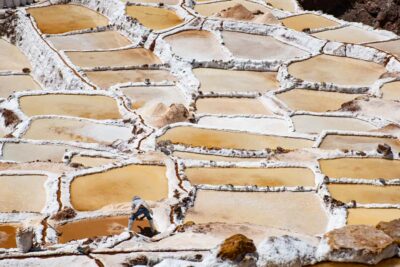
Next you go to Maras, about 52 km from Cusco, at an altitude around 3,380 m. The star here is the Salinas de Maras, a salt-mining system made up of about 3,000 small wells, each roughly 5 m².
You learn how salt is produced in a very hands-on way. The process starts with extracting salty water from an underground spring, then drying and collecting the salt through repeated drying stages. The tour ties this to economic life too, noting it was used as a means of exchange since Inca times.
This stop is visually striking because the wells create a patterned patchwork that keeps your eyes busy. It’s also a reminder that the Sacred Valley is not only ruins and views. It’s a working landscape with a long human rhythm.
Budget reminder: even though some elements may be described as included, plan on paying the salt mines ticket that the tour lists (not included in the base price). A clear figure given is 20 soles per person, also listed as about $6.
Moray: circular terraces that were basically a farming lab
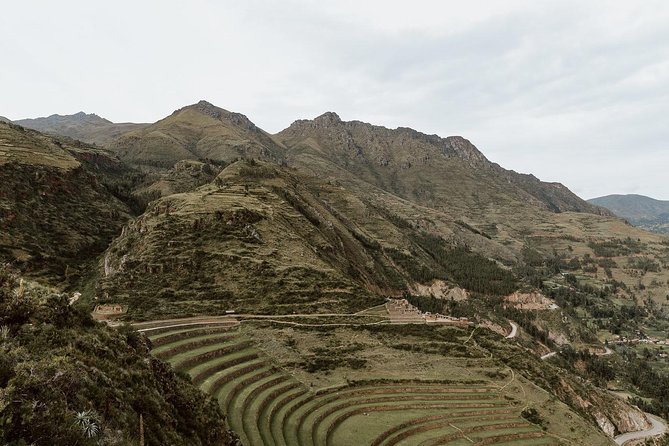
Then comes Moray, about 7 km from Maras. Moray’s terraces are the kind of place that makes you slow down, because the shape feels intentional. You see circular platforms and terraces of different sizes, with stone rings that create a “widening” look as you go higher.
The explanation makes Moray stand out: at the time of the Incas, these terraces worked like an agricultural experimental center. In other words, this wasn’t only a ceremonial space. The Incas were studying how to adapt plants to new ecosystems, which means climate and growing conditions mattered.
A helpful detail from the site description: you’ll hear about the depth, listed around 150 m, which helps you picture how the rings relate to the environment below.
Lunch time hits next. You’ll stop for a buffet-style lunch in a tourist restaurant in Urubamba, with a big spread described as more than 30 traditional Peruvian dishes. I love this because it keeps you fueled for the afternoon without adding extra driving stops. If you dislike buffets, think ahead and bring a simple alternative from your hotel.
More Sacred Valley days:
- From Cusco: Sacred Valley & Maras Salt Mines Tour with Lunch
★ 4.8 · 2,227 reviews - 2-Day Tour: Sacred Valley and Machu Picchu by Train
★ 5.0 · 1,127 reviews - Cusco: Sacred Valley, Pisac, Ollantaytambo, Salt Mines Moray
★ 4.6 · 1,058 reviews - Sacred Valley and Maras Moray Tour with Full Day Buffet Lunch
★ 5.0 · 670 reviews
Ollantaytambo’s fortress complex and the reason people linger
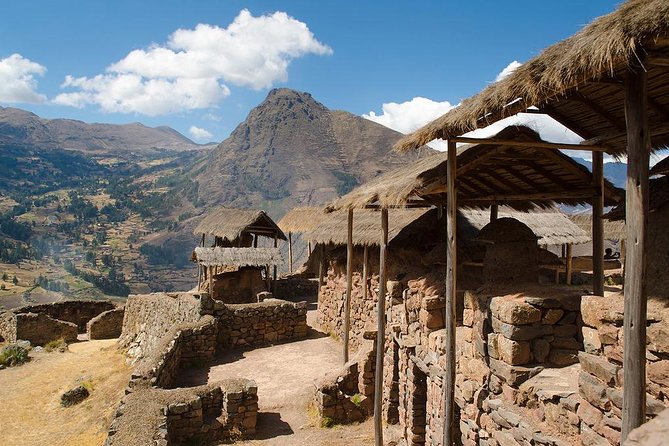
In the afternoon, you head to Ollantaytambo. The Inca archaeological complex here served a defensive purpose, built to help guard against invasions. You’ll also learn how it functioned as a military, religious, and cultural center during the Inca Empire.
What works well in Ollantaytambo is the mix. You get time to walk the town streets afterward, which helps you connect the stone complex to everyday life in a town that still feels like it has its own tempo.
One caution from the way this day runs: time can feel tight at the most photo-worthy spots. If you want slow photography and long pauses, Ollantaytambo can be the place you’ll notice the rush first. The solution is simple: choose your must-capture angles early, then let your guide lead the rest.
Also, bring a water bottle. Even if you’re moving between stops, it’s better to sip frequently than to wait until you feel wiped out.
Pisac: market energy, Inca terraces, and a view worth the trip
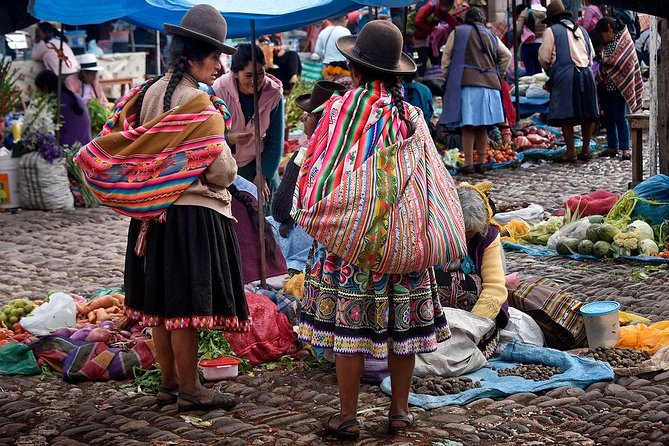
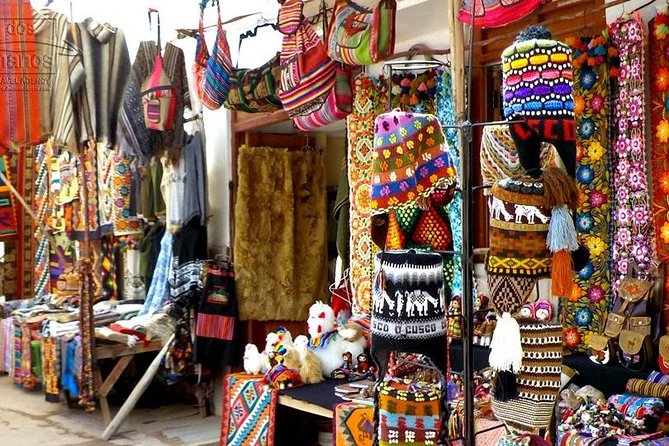
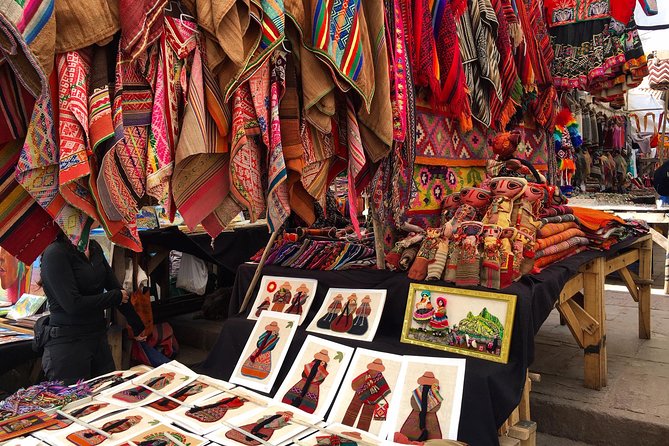
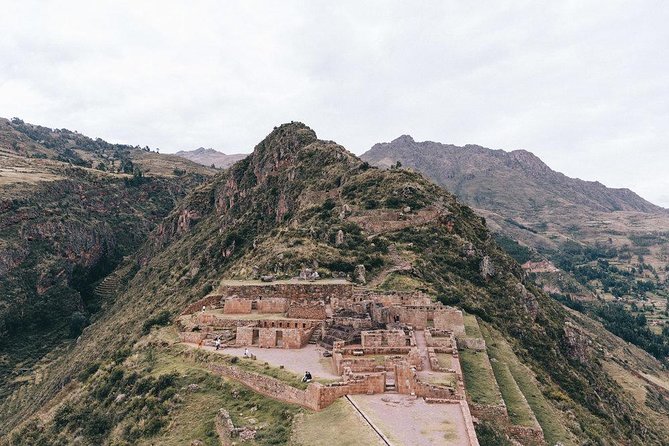
Next up is Pisac, with the day splitting into two parts: market time and the archaeological complex. You visit the local market, then you head upward to see the Pisac archaeological site and its features, including agricultural terraces, cemeteries, and real Inca constructions.
Pisac is also where you get payoff views. You’ll pass a viewpoint of the Sacred Valley of the Incas, with excellent chances for photos of the Andes Mountains and the valley itself. This is the kind of spot that makes you understand why the Sacred Valley is so heavily photographed, because the geography is dramatic and readable once you know what you’re looking at.
If you care about photos, try to keep your camera ready during transitions. When a group is moving, you lose best-light opportunities fast. And if you want less shopping pressure, just set your expectation going in: market stops can bring a little browsing energy.
Then you return by bus and arrive back in Cusco around 19:30.
Price and logistics: what the $55 actually covers
At $55 per person, the base price is mostly doing the heavy lifting for you. You get round-trip transport by van, a bi-lingual guide, and hotel pickup in Cusco. You also get that buffet lunch with more than 30 varieties of food, which is not a small cost in a tourist day.
What’s not included is what tends to surprise first-timers: site tickets and tips. The tour lists 70 soles for the Inca sites and 20 soles for the salt mines. It also gives dollar equivalents for the entrance fees, listing $18 for Inca sites and $6 for salt mines.
So the real value question is this: are you comfortable paying add-on tickets to support the full-day route? If yes, you’re buying convenience, time, and expert explanations. If no, you may want a shorter, ticket-cheaper day.
On the guide side, the name that comes up for this company is Happy Gringo Jorge, with the driver Paul noted for making the road feel safe. That kind of pairing matters when you’re spending a long day on winding roads.
The real pacing issue: great sites, limited time to breathe
This is where the small-group promise can still collide with reality. In a full-day “see everything” plan, the goal becomes coverage, not slow exploration. You may feel that at the biggest moments, like Ollantaytambo and Pisac, when there’s a sense of hurry to keep the schedule.
Another practical snag: in-van audio. Even with a guide trying to explain things while you drive, a microphone and audio setup can make it hard to catch every word. When that happens, I recommend treating the driving talk as extra, not the main learning time. Your best chance to ask questions is during the stops.
Also, the day includes moments that lean commercial. If you get distracted easily by craft and jewelry sales, you may feel the time spent there. For me, the best approach is mental planning: decide what you want from the day (ruins, history context, photos), then treat everything else as optional extras.
Tips to make your day smoother (and less rushed)
Here’s how I’d set yourself up so the full day feels like a win:
- Bring snacks. This is a long day, and even when the itinerary says one thing, you should plan for closer to 13 hours on the ground.
- Eat early at the included lunch. Don’t wait. The buffet is a key part of keeping your energy steady for the afternoon.
- Bring cash for tickets. The tour lists specific site ticket prices, including the salt mines and Inca sites.
- Wear real walking shoes. You’re on stone, uneven paths, and viewpoints, not museum floors.
- Pick your photo targets. If you have must-have shots, grab them first when you arrive, then relax into the walk.
- If buffets aren’t your thing, plan an alternative. The tour is buffet-style, and you might want a backup meal option from your hotel.
Who this Sacred Valley day is best for
This tour is a strong match if you:
- are short on time in Cusco and want a one-day Sacred Valley greatest-hits format
- like small-group travel, with max 15 keeping the day manageable
- want context from a guide, including Inca culture and history while you move between sites
- prefer not to drive yourself through the route
It’s less ideal if you:
- hate being rushed and want long, slow exploration at fewer sites
- strongly dislike buffet lunches
- need near-perfect audio in a moving vehicle to enjoy the narration (because the van setup may not always be crystal clear)
Should you book this tour?
If you want maximum Sacred Valley coverage without the hassle of planning routes, this Sacred Valley Complete Tour is a solid booking. The included van transport, bilingual guide, and a substantial lunch make the $55 feel practical, and the small-group limit helps you feel less herded.
Book it if your priority is seeing Chinchero, Maras, Moray, Ollantaytambo, and Pisac in one go, and you’re okay trading a bit of time for convenience. Skip it or look for a slower alternative if your top goal is lingering photos and deep time in just one or two sites.
FAQ
How long is the Sacred Valley Complete Tour?
The tour runs about 13 hours (approx.).
What time does hotel pickup happen?
Pickup is scheduled between 06:30 am and 07:00 am in Cusco, with the tour starting around 06:30.
What is the group size?
This experience has a maximum of 15 travelers.
What stops are included in the day?
The tour includes Chinchero, Maras (salt mines), Moray, Ollantaytambo, and Pisac, with a return to Cusco around 19:30.
Is lunch included?
Yes. Lunch is included as a buffet style meal in Urubamba, with more than thirty varieties of traditional Peruvian food.
Are entrance fees included in the price?
No. The tour lists entrance fees as not included, including tickets for Inca sites and the salt mines. It also notes tips are not included.
Do I need good weather for this tour?
Yes. The experience requires good weather. If it is canceled due to poor weather, you will be offered a different date or a full refund.
What is the cancellation policy?
Cancellation is free up to 24 hours before the experience starts for a full refund. If you cancel less than 24 hours before, the amount paid is not refunded.
Recently reviewed around Cusco
- 6-Day ||All Included|| Excursion – MachuPichu & Rainbow Mountain-Humantay Lake★ 4.5 · 8 reviews
- Horseback Riding thru the Mountains of Cusco★ 5.0 · 8 reviews
- Cuzco City Tour and Archaeological Ruins in Half Day★ 5.0 · 8 reviews
- Full Day – Rainbow Mountain tour – Group Service★ 5.0 · 8 reviews
- Half Day Tour in Cusco: Exploring the City and Four Ruins★ 4.5 · 8 reviews
- Machu Picchu and Sacred Valley 2 Day Tour★ 5.0 · 8 reviews
- Cusco 4 Days Machu Picchu and Sacred Valley | All included★ 5.0 · 8 reviews
- Walking Tour in Legendary & Historical Cusco City★ 4.5 · 8 reviews
Sacred Valley, compared.
Sacred Valley & Maras Salt Mines Tour with Lunch
Read our review →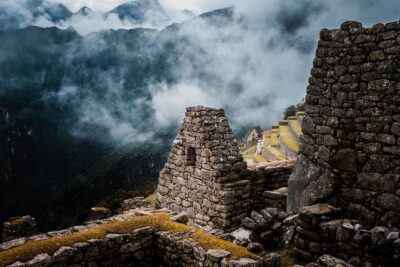
2-Day Tour: Sacred Valley and Machu Picchu by Train
Read our review →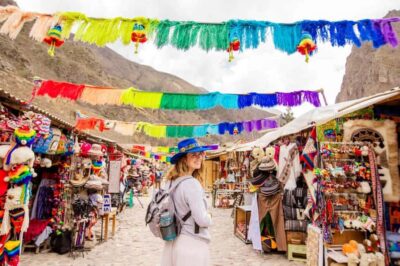
Sacred Valley, Pisac, Ollantaytambo, Salt Mines Moray
Read our review →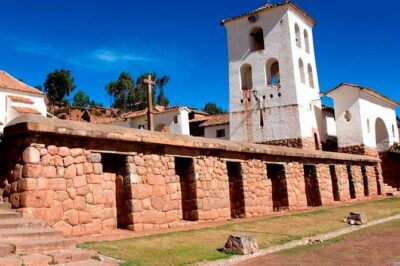
Sacred Valley and Maras Moray Tour with Full Day Buffet Lunch
Read our review →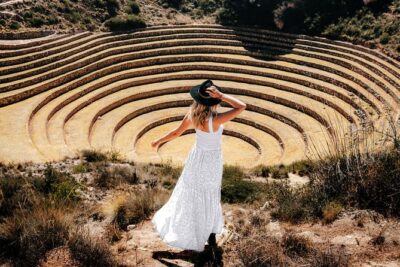

ATV Tour to Moray Maras and Salt Mines in the Sacred Valley
Read our review →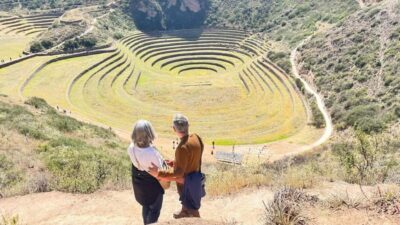
Browse the lists this tour appears in