
Reviewed · MACHU PICCHU
2 Day Sacred Valley and Machu Picchu Guided Tour from Cusco
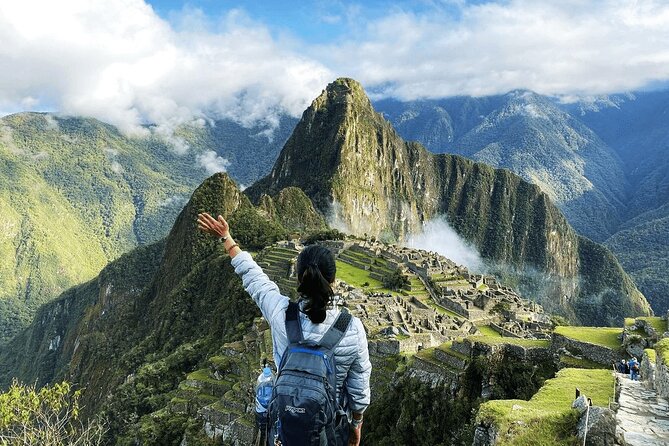
This tour is interesting because it strings together two of Peru’s biggest hits in a smart flow: Sacred Valley by day, Machu Picchu by sunrise energy the next morning. You spend Day 1 building context, then Day 2 you get dropped at the citadel with just enough guidance to understand what you are looking at.
I like how the guides make the Inca story feel clear and personal. People mention guides like Alex, Jorge, and Jessica Sotero explaining history with real passion, and they also help with practical stuff like photos at the right moments. I also like the small-group feel, with a maximum of 12, plus a real break between the guided portion and your own time at the site.
One drawback to consider is the schedule. Day 1 starts very early, and Day 2 is another early morning, with a full return to Cusco at night after the train.
Key takeaways before you go
- Small-group pace with up to 12 people, so you are not just a ticket number.
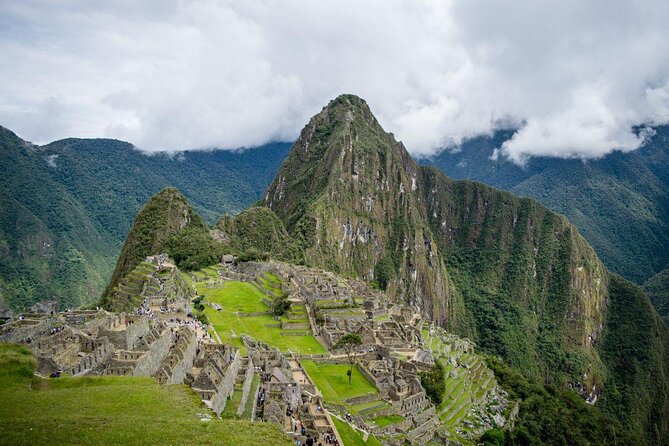
- A guided orientation at Machu Picchu for about 2 hours, then hours of free time to wander.
- Sacred Valley stops that cover more than photos: Q’orao textiles and ceramics, Taray viewpoints, Pisac markets and ruins, plus Ollantaytambo.
- A smooth night jump to Aguas Calientes, including hotel transfer and a briefing from your guide.
- Good value if you want logistics handled, since bus to Machu Picchu, entrance, train, and the Aguas Calientes hotel night are included.
Why this 2 day Sacred Valley plus Machu Picchu plan works
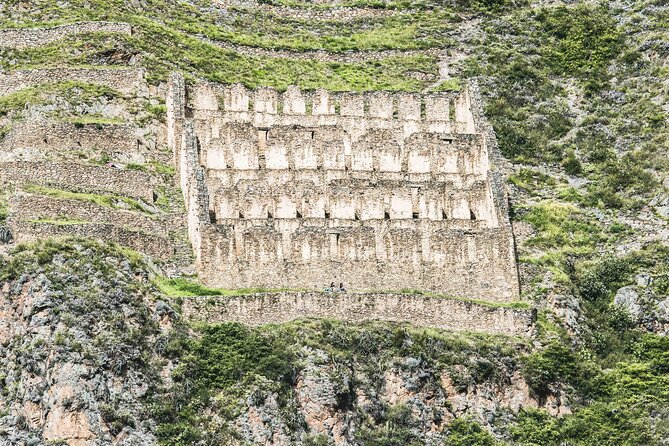
If you are short on time in Cusco, this is a common and sensible way to do Machu Picchu without turning it into a logistics project. You get one day focused on the Sacred Valley’s living towns and Inca-era sites, then you finish with a guided intro at Machu Picchu so you can enjoy the free time instead of feeling lost.
The itinerary also respects the reality of Machu Picchu planning. You travel by train from Ollantaytambo to Aguas Calientes, sleep there for the night, and then go up to the citadel early the next day. That rhythm matters because it means you are not trying to cram Machu Picchu and its timing into a single long day from Cusco.
Price-wise, $679 per person is not cheap. But you are not just paying for sightseeing. The tour includes breakfast and lunch, local transportation, a local guide, your Machu Picchu bus ticket and Machu Picchu entrance ticket, one night of lodging in Aguas Calientes, and a tourist class train ticket. You still pay one extra ticket for the Sacred Valley (more on that below), but the core heavy lifting is handled.
This is a great fit if you want:
- a guided history thread through the sites
- less stress about connections
- a manageable group size
- a night in Aguas Calientes so the Machu Picchu morning feels doable
It may not be the best fit if you hate early starts or if you are trying to keep costs ultra-low by skipping add-ons you could handle yourself.
More Sacred Valley days:
- From Cusco: Sacred Valley & Maras Salt Mines Tour with Lunch
★ 4.8 · 2,227 reviews - 2-Day Tour: Sacred Valley and Machu Picchu by Train
★ 5.0 · 1,127 reviews - Cusco: Sacred Valley, Pisac, Ollantaytambo, Salt Mines Moray
★ 4.6 · 1,058 reviews
Day 1 Sacred Valley: Q’orao to Taray to Pisac, then Urubamba and Ollantaytambo
Day 1 is built like a road trip with story stops. Pickup starts around 6:30 am for hotels in Cusco’s historic center, then the main touring starts at 8:30 am. One practical advantage here is that your day is structured, not random. You know where you will be and why each stop is on the route.
Q’orao: textiles and ceramics
The tour begins with a stop in Q’orao, where you can appreciate local textile art and ceramics. This kind of stop helps you connect Sacred Valley sites to everyday life. You are not just looking at ruins. You are seeing craft traditions that survived alongside, and because of, the region’s long history.
Practical note: this is a good time to ask your guide how to spot quality in textiles if you are shopping. The best guides will explain what to look for and what questions to ask, so you do not feel rushed.
Taray viewpoint: a Sacred Valley perspective
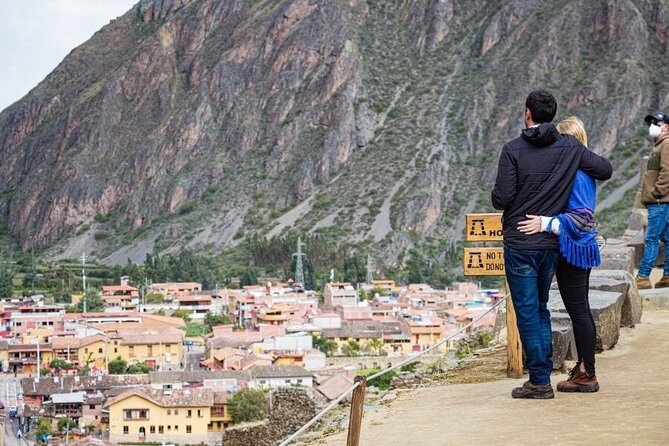
Next you reach Taray, which functions as a viewpoint over the entire Sacred Valley. This helps you understand the geography. You can see why towns and Inca-era systems were built where they were: routes, rivers, and the shape of valleys all matter.
If you love photos, this is one of your early windows to get them without the crowd-pressure that can happen later.
More ways to reach Machu Picchu:
- Classic Inca Trail Trek 4D/3N to Machu Picchu (Group Service)
★ 5.0 · 8,653 reviews - Machu Picchu: 4-Day Inca Trail Trek with Panoramic Train Ride
★ 5.0 · 4,568 reviews - Short Inca Trail to Machu Picchu 2D/1N
★ 5.0 · 3,007 reviews - 2-Day Inca Trail to Machu Picchu with Panoramic Train
★ 5.0 · 1,876 reviews
Pisac: markets, handicrafts, and archaeological remains
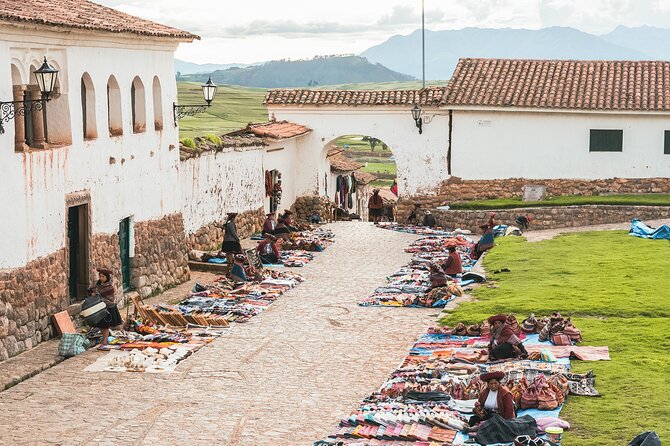
Then comes Pisac, described as a typical Andean village with handicraft and archaeological areas. Here you can visit the craft fairs, typical markets, and archaeological remains.
This stop is usually the most “choose your own pace” part of the day. You can shop lightly, then switch to exploring the ruins, or do it the other way around. If you enjoy local markets, this is where you spend more time looking and less time just moving through.
Urubamba: buffet lunch
Urubamba is your lunch break, with a delicious buffet lunch included. This matters for two reasons. First, it keeps you from hunting for food between stops. Second, a proper sit-down meal makes the long day feel less like a grind.
If you are sensitive to walking time, this is a good moment to slow down and plan your energy for the last major stop.
Ollantaytambo: terraces, temples, and irrigation
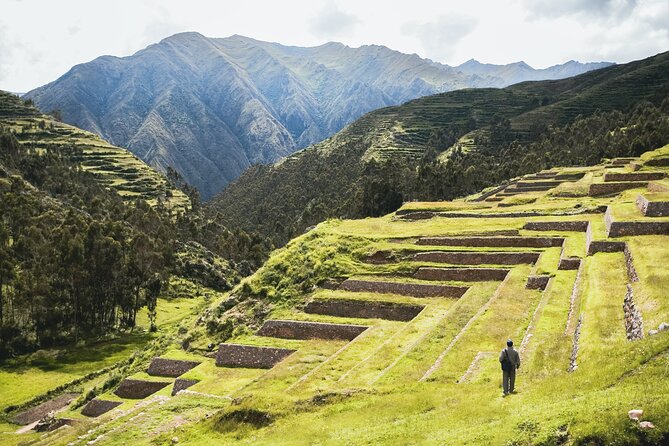
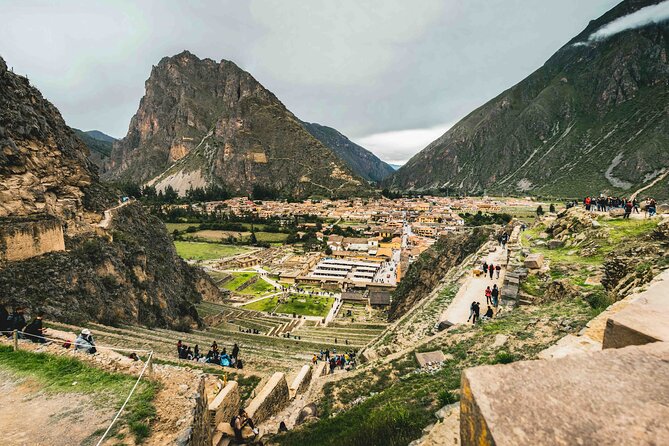
Ollantaytambo is next, described as an agricultural, administrative, social, religious, and military center from the time of Tahuantinsuyo. You see temples and terraces, plus the linked irrigation canals.
This is the stop where a guided explanation really helps. The ruins are more than “old stones.” They show how the Incas engineered water and shaped the land for farming and city life.
One more detail that comes up in the experience: some guides include an alpaca conservation place along the way. In one set of guest feedback, people specifically mentioned meeting alpacas and llamas, seeing condors, and visiting a tiny museum with Inca history. If your route includes it, it is a memorable palate cleanser between village stops and big archaeology.
Aguas Calientes night: train arrival, hotel transfer, and a guide briefing
After the Sacred Valley day, you shift to the rail portion of the trip. At 7:00 pm, you head to Ollantaytambo train station, board the train for Aguas Calientes, and arrive at about 8:40 pm.
Once you land, the hotel transfer is waiting with a sign with your names. That might sound like a small detail, but it reduces a lot of stress in an unfamiliar town. You are not trying to figure out where to go while you are tired from a long day.
Then your guide stops by later, around 9:30 pm, to give information for the next day. This matters because Machu Picchu day is all about timing. A short briefing can help you know when to be ready and how the morning flow works.
This is also when you can do the simplest strategy for Machu Picchu success: get your daypack and essentials ready, confirm your meeting instructions, and get to sleep. Day 2 starts early for a reason.
Day 2 Machu Picchu: early pickup, controls, a 2 hour guided tour, then free time
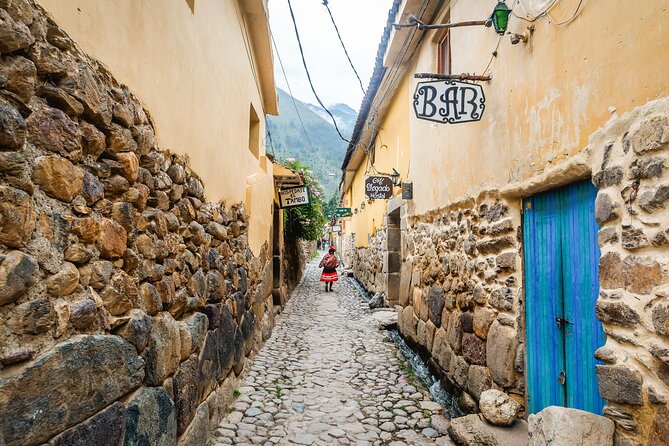
Day 2 begins with a pickup at 6:30 am from your Aguas Calientes hotel. Your guide is waiting to drive you to the bus station, then you head up to Machu Picchu. You pass through controls first, then the guided tour starts.
The guided portion: about 2 hours to orient you
The guided tour lasts about 2 hours, focusing on the main points of the citadel. For many people, this is the difference between feeling amazed but confused and feeling amazed with a mental map.
This is where the guide skill really shows. Guests highlight guides like Jorge and Jessica Sotero for explaining the Inca story with patience and clarity, including helpful context about what you are seeing. If you like to understand rather than just snap photos, that guided segment is a big win.
Free time: a few hours to explore on your own
After the guided tour, you have free time for a few hours to visit Machu Picchu independently. You also have lunch time back in Aguas Calientes later, starting around 1:00 pm.
That split is smart. It gives you a structured intro, then real freedom to:
- slow down at the views you love most
- take photos without listening to a nonstop talk
- revisit spots you feel you did not fully absorb on the guided walk
Getting the most from your independent time
When you have a few hours on your own, I suggest you use a simple plan: pick one must-see area your guide recommends, then let the rest of your time be wander time. If you try to do everything at once, you end up rushing the good parts.
Also, if you are taking photos, think about lighting and flow. You are at a famous place where people naturally cluster. Having a plan helps you avoid walking in circles.
Coming back to Cusco: train at 7:00 pm, then minivan to Plaza San Francisco
Leaving Machu Picchu day is its own mini-timeline. At about 6:30 pm, you are at the train station area in Aguas Calientes, where the train leaves at 7:00 pm.
You ride to Ollantaytambo, arriving around 8:45 pm. Then you transfer by minivan back to Cusco, which takes about 1 hour and 45 minutes.
You return to Cusco at around 10:00 pm, arriving at Plaza San Francisco, where the tour ends.
This is late, but it is also reassuring. You know the exact night ending point, and the route is handled end to end.
In one experience shared in feedback, the group got dropped off as close as possible to their hotel in Cusco. That kind of flexibility is a nice touch if you want the night to feel less like “one more step.”
Price and value: what’s included at $679, and what you still need to pay
Let’s talk money in a practical way.
What is included
Your $679 covers a lot of the expensive logistics:
- Breakfast and lunch
- Tourist transportation during the tour
- A local tour guide
- Bus ticket to Machu Picchu
- Entrance ticket to Machu Picchu
- 1 night accommodation in Aguas Calientes
- Train ticket in tourist class
Those items are the core costs that usually make Machu Picchu planning pricey when you book separately.
What is not included
You still need to plan for:
- Accommodation in Cusco
- Food beyond breakfast and lunch
- Extra expenses
- BTC (Tourist Ticket for the Sacred Valley), 130 Soles
BTC can be the one surprise cost for people who assume everything is bundled. If you budget for it upfront, the rest of the trip feels more straightforward.
Is it good value?
I think it can be good value if you want guided context, a handled train and bus connection, and an included hotel night near Machu Picchu. If you already know how you will book everything yourself at similar prices, you might be able to DIY cheaper. But DIY also means more risk, more stress, and more chance of timing headaches.
This tour is basically buying you low-friction coordination, in exchange for giving up a bit of flexibility.
Guides and small group size: why that 2 day structure feels calm
This experience runs with a maximum group size of 12 travelers. Some guests also reported even smaller group caps, which is a good sign if you like having personal attention.
What I take from the feedback is that the guide is doing two jobs at once:
1) explaining history in a way that helps you look at the site with understanding
2) managing the pace so you are not constantly rushed
People specifically praised:
- Alex for passionate Inca explanations
- Jorge for strong organization and patient guidance at both Sacred Valley and Machu Picchu
- Jessica Sotero for being attentive and helping with family photos
There was also mention of arranging a bilingual guide request. That tells me the company tries to match what guests need, at least in some cases.
If you are traveling with someone who gets tired easily, a guided pace and a small group can make a big difference. You still walk, but the day feels less chaotic.
Weather, train availability, and the one reality of Machu Picchu days
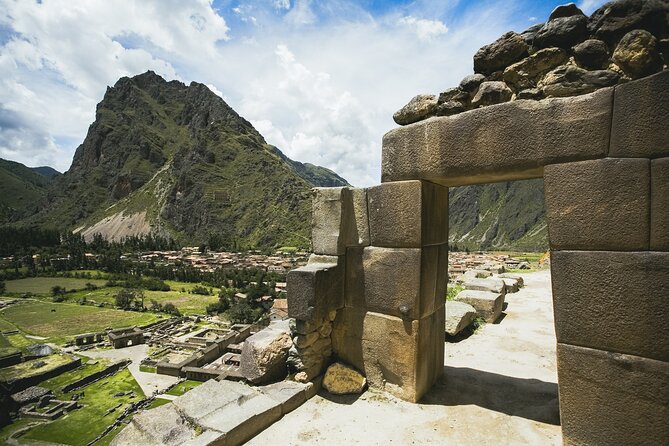
Machu Picchu depends on conditions. The tour notes that it requires good weather. If it is canceled due to poor weather, you will be offered a different date or a full refund.
It also says train and entrances are subject to availability. That means you are not fully in control of these parts, even when booking early.
This is why I recommend you go in with a calm plan. If your priority is getting to Machu Picchu no matter what, understand that delays and substitutions can happen when weather and availability tighten.
Who should book this tour, and who should not
You should book this tour if you:
- want Sacred Valley context without planning the route yourself
- like a guided intro at Machu Picchu, then freedom to explore
- prefer a small group rather than a giant bus tour
- want one night in Aguas Calientes to make the next day easier
You might skip it if you:
- cannot handle early mornings (both days start very early)
- want total control over your day at Machu Picchu beyond the guided and free time format
- are traveling with a very specific lodging preference in Cusco (Cusco accommodation is not included)
Should you book? My quick verdict
If you want a guided, organized way to do Sacred Valley and Machu Picchu in just 2 days, this tour is a strong option. The value sits in the included core items: the Aguas Calientes hotel night, bus and entrance for Machu Picchu, and the train from Ollantaytambo. The guides getting praised by name is also a good signal that you will not be left alone with a headset and a route sheet.
Just make sure you budget the Sacred Valley BTC ticket (130 Soles) and mentally prepare for early mornings and a late return to Cusco.
If that sounds like your ideal Machu Picchu setup, book it.
FAQ
What time does the tour start in Cusco?
Pickup starts around 6:30 am from hotels within the historic center of Cusco, and the Sacred Valley touring starts at 8:30 am. The provided start time also lists 4:00 am for meeting coordination.
Is breakfast and lunch included?
Yes. Breakfast is included, and there is a buffet lunch in Urubamba on Day 1.
Are Machu Picchu entrance and bus tickets included?
Yes. The tour includes the Machu Picchu bus ticket and the Machu Picchu entrance ticket.
Do I get free time at Machu Picchu?
Yes. After a guided tour of about 2 hours, you have free time for a few hours to explore on your own.
Where do I sleep overnight?
You stay for one night in Aguas Calientes, and hotel transfer is included after arriving by train.
Is Sacred Valley ticketing included?
No. The BTC ticket for the Sacred Valley (130 Soles) is not included.
Recently reviewed around Cusco
- Cusco Cooking Class by ChocoMuseo in Cusco★ 5.0 · 29 reviews
- ATV Adventure to Moray and Maras Salt Mines – Half Day★ 4.5 · 29 reviews
- 1-day excursion to Machu Picchu from Cusco★ 5.0 · 29 reviews
- Private Tour Sacred Valley, Chinchero, Maras Moray, Ollantaytambo★ 5.0 · 29 reviews
- From Cusco: Humantay Lake with Breakfast and Buffet Lunch★ 4.5 · 29 reviews
- 4 Day – Inca Jungle to Machu Picchu★ 5.0 · 29 reviews
- 2-Day Machu Picchu Tour by Train from Cusco★ 4.5 · 29 reviews
- 2-Day Sacred Valley and Machu Picchu Tour By Train★ 4.5 · 29 reviews
Machu Picchu, compared.
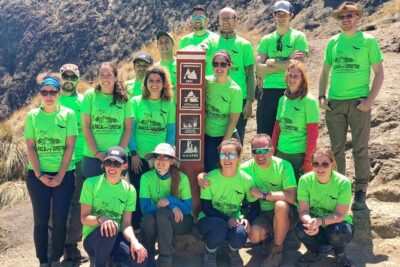
Classic Inca Trail Trek 4D/3N to Machu Picchu (Group Service)
Read our review →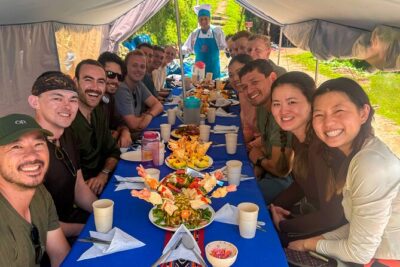
4-Day Inca Trail Trek with Panoramic Train Ride
Read our review →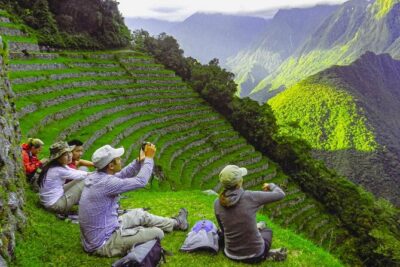
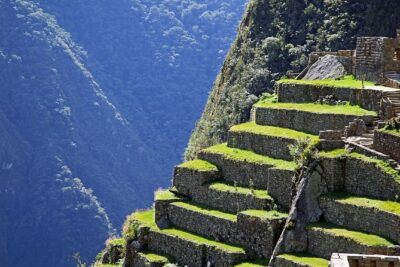
2-Day Inca Trail to Machu Picchu with Panoramic Train
Read our review →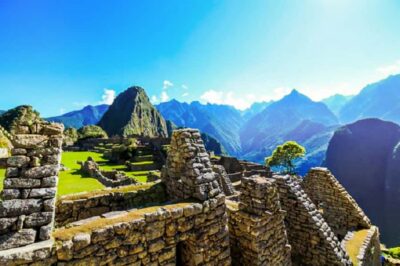

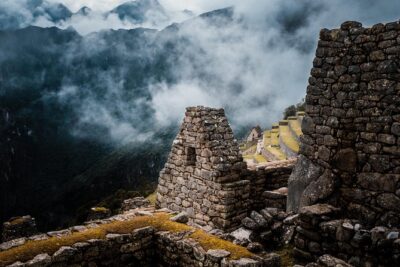
2-Day Tour: Sacred Valley and Machu Picchu by Train
Read our review →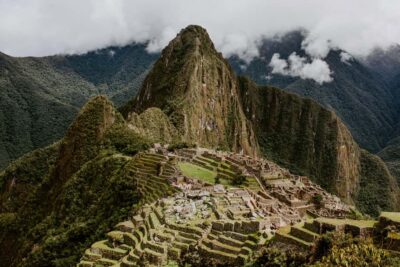
Browse the lists this tour appears in