
Reviewed · MACHU PICCHU
Sacred Valley & Machu Picchu 2D1N
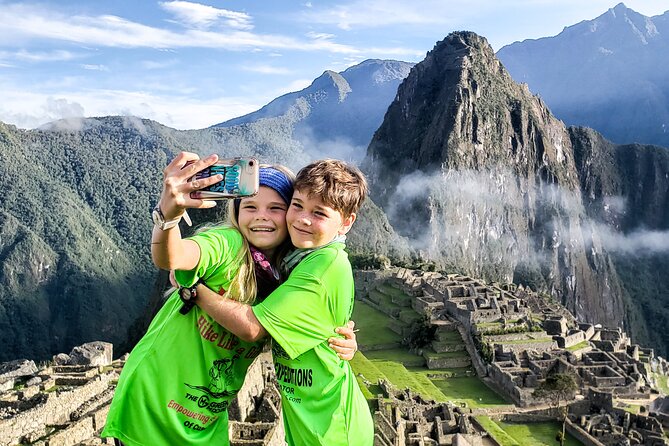
This Sacred Valley to Machu Picchu trip is interesting because it stitches together two different kinds of Peru magic. You start with Inca sites and living traditions, then you end at the misty citadel that still feels unreal. I like the way this route builds context before you ever step inside Machu Picchu.
Two things I really like: the local, indigenous guides bring the story to life, and the tour is small-group (up to 10), so you get a more personal pace. In real-world experiences, guides like Saul Palma, Victor, David, and Walter have stood out for being passionate and helpful, with explanations that actually make the sites easier to understand.
One drawback to consider is weather. This experience requires good weather, and if it is canceled due to poor conditions, you may be offered a different date or a full refund.
Key highlights you will care about
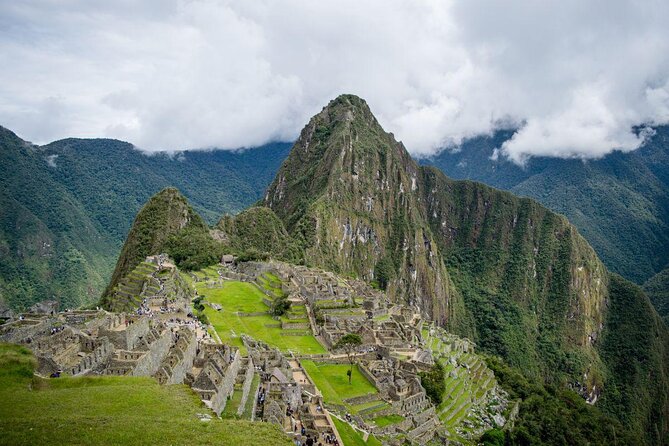
- Awanacancha Alpaca Farm: you see llamas, alpacas, and other camelids, plus weaving and coloring tied to local tradition
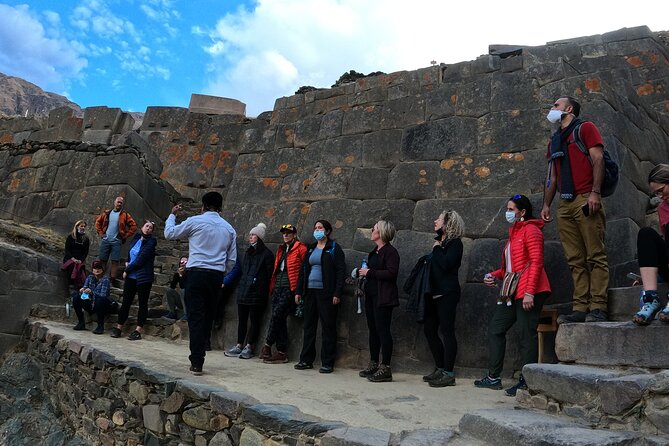
- Pisac Inca ruins: you tour the mountain-top site instead of rushing through it
- Ollantaytambo: a living Inca village plus ruins, then you transition to the train route
- Two-hour Machu Picchu citadel tour: guided walking first, optional extra hike if you booked it
- Included hotel and meals: less planning stress between Cusco, train, and Aguas Calientes
- All entry fees covered: Sacred Valley and Machu Picchu admissions are included
Sacred Valley alpaca farm and Pisac ruins, the best kind of warm-up
Day 1 starts with a pickup at 8:00 am from your hotel in Cusco. Then you head out in private transportation with your English-speaking guide. This matters more than it sounds. Cusco can be slow to get sorted in the morning, so starting early with the right transport keeps the day from turning into a scramble.
Your first major stop is the Awanacancha Alpaca farm, where you can see the animals the Andes are famous for, including llamas, alpacas, viñuna, and guanaco. You also get to watch how wool is woven and colored. If you are the type who likes to understand what you are seeing before you buy souvenirs, this is a solid move. You can connect the dots between livestock, fiber, and why patterns matter in local culture.
From there, you drive to El Mirador del Valle Sagrado, the Sacred Valley lookout point. It is a photo break, yes, but it is also a reality check. From up high, you can understand why the Incas favored this area and how the valley shapes travel routes.
Next comes Pisac Inca Archaeological Site, located on top of Pisac Mountain. A guided stop here is a big advantage because you see the most impressive spots and learn how the layout fits the landscape. The main drawback at any mountain site is that you should be ready for uneven ground and a slower pace. Bring layers, and do not overbook your energy that morning.
More Sacred Valley days:
- From Cusco: Sacred Valley & Maras Salt Mines Tour with Lunch
★ 4.8 · 2,227 reviews - 2-Day Tour: Sacred Valley and Machu Picchu by Train
★ 5.0 · 1,127 reviews - Cusco: Sacred Valley, Pisac, Ollantaytambo, Salt Mines Moray
★ 4.6 · 1,058 reviews
Ollantaytambo, a living Inca village plus ruins before the train
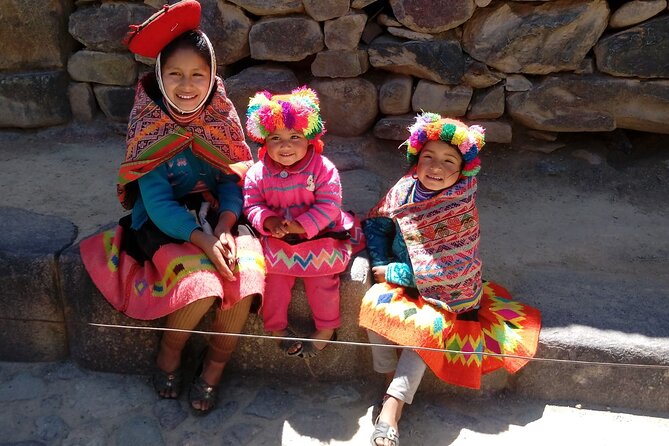
The Sacred Valley part of this itinerary is built around places that feel connected, not just random stops. You will see sites like Urubamba and then move toward Ollantaytambo, described as a living Inca village with ruins that are around 3,500 years old.
Why I like including Ollantaytambo before Machu Picchu: it helps you see continuity. Instead of treating the Inca world like a museum, you get a sense of how the setting still shapes daily life. Even if you only spend a short time there, it changes how Machu Picchu lands later.
Practically, this is also a smart setup for the next day. You are not only sightseeing. You are working your way into the rail and Aguas Calientes rhythm without having to coordinate it yourself.
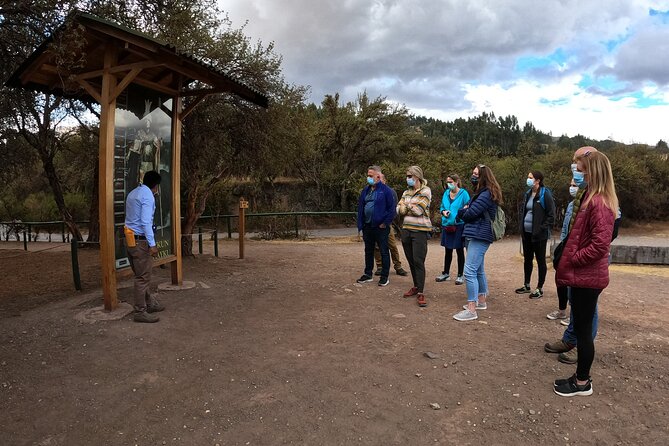
Small-group size helps here. With a maximum of 10 travelers, you are less likely to feel like a human traffic jam. You are also more likely to get a guide’s attention if a question pops up, like what you are looking at, why it was built there, or how Inca engineering worked with the terrain.
Getting to Aguas Calientes by train, and why it reduces stress
After Day 1’s Sacred Valley time, the next phase is the classic transition: train from Ollantaytambo to Machupicchu town. The tour includes the round-trip Expeditions Tourist Class train. That is one less stress point.
This is the part where you stop thinking about tickets, schedules, and which window of time matters most. You just show up and follow your guide and driver. It is not glamorous, but it is effective.
Also, the tour includes a night at a 3-star hotel. That is important because Machu Picchu days are early, and you do not want to be running on low sleep. You also get lunch and dinner on Day 1, plus breakfast on Day 2, which keeps the day from splitting into half sightseeing and half meal hunting.
You will still want to plan for basic reality: Machu Picchu is weather-dependent. Clouds can roll in. Paths can feel busy. But with the core transport handled, you can focus on the day itself instead of the logistics web.
Machu Picchu with a full guided citadel tour and optional Huayna Picchu
Day 2 begins with early breakfast, and then you go to the bus station. The ride up is about 25 minutes, and the route includes views of the cloud forest. Even if you are not a scenery person, those views are a nice setup. They act like a curtain raise.
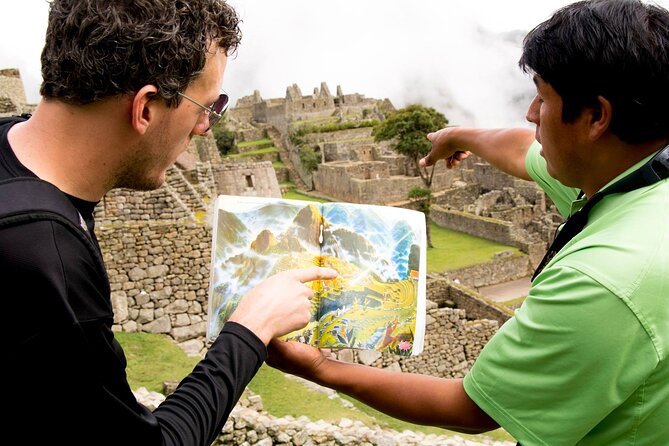
At Machu Picchu, you get a full guided tour of about 2 hours covering the main citadel areas. This is the most valuable part of the day if you care about meaning, not just photos. A good guide helps you read the layout, understand what you are standing in front of, and connect structures to how people used the place.
If you want an extra challenge, there is the Huayna Picchu option. If you purchased Huayna Picchu tickets (listed as $75 each) in advance, your guided time at the citadel is followed by an additional hike. The tour structure is built to support that: you finish the main tour, and then your guide helps you manage the timing so you are not rushing.
After the guided visit, the tour notes that your guide will wait for you at Aguas Calientes. You then have lunch, and later head back. The return is by train to Ollantaytambo, then your driver brings you back to Cusco for hotel drop-off.
The main consideration here is stamina and timing. Two hours of walking at a high-altitude site is real. The optional Huayna Picchu hike is even more serious. If you are not sure, it is safer to prioritize a great citadel tour over a checklist hike.
More ways to reach Machu Picchu:
- Classic Inca Trail Trek 4D/3N to Machu Picchu (Group Service)
★ 5.0 · 8,653 reviews - Machu Picchu: 4-Day Inca Trail Trek with Panoramic Train Ride
★ 5.0 · 4,568 reviews - Short Inca Trail to Machu Picchu 2D/1N
★ 5.0 · 3,007 reviews - 2-Day Inca Trail to Machu Picchu with Panoramic Train
★ 5.0 · 1,876 reviews
Food, hotel, and pacing, what the included basics actually buy you
This tour includes meals and a hotel night, which sounds standard until you factor in the cost of doing it yourself in a place where timings are everything. On Day 1, you have lunch and dinner, and on Day 2 you get breakfast. You also stay at a 3-star hotel for one night.
In the field, that kind of inclusion often means fewer surprises. You spend less time figuring out where to eat near the station. You also avoid the common trap of searching for food while your schedule is closing.
Pacing is another big deal. Sacred Valley can be tempting to rush, then Machu Picchu gets squeezed. This itinerary is designed so you do serious sightseeing in the morning and keep the rest of the day usable. That balance is exactly what helps you enjoy Machu Picchu without feeling like you are on a treadmill.
From the guide side, several names have shown up in strong experiences. People have cited Saul Palma for passion and history insights, Victor for extra helpfulness, David for a local-historian style, and Walter for sharing perspectives on Peruvian life. While every guide’s style is personal, the consistent theme is clear: you are not left to figure things out alone.
Price and value: what $550 covers, and what that means for your trip
At $550 per person, you are paying for more than sightseeing. You are paying for a package that bundles key expenses: Sacred Valley and Machu Picchu entry fees, private transportation, hotel for one night, meals (lunch and dinner Day 1, breakfast Day 2), and the round-trip train plus the bus ticket to Machu Picchu.
That is the value equation. If you try to assemble this yourself, you quickly pay for the same moving parts, and you add extra time and uncertainty. Here, you get a mobile ticket and planned transfers. The operator also caps the group size at 10 travelers, which can be a big quality difference compared to large coach-style tours.
There is also a stated mission component: a 100% local, indigenous company supporting local communities through jobs, training, education, healthcare, and reforestation projects. Even if you do not get a full lecture about this on the trip, it is worth choosing operators who talk about impact and not just profit.
So who gets the best deal? People who want a guided experience but do not want to babysit schedules. If you like planning your own every minute, the “included” aspect might feel less exciting. If you want to relax, it is strong value.
Practical tips so your day feels smooth in real life
This trip runs on altitude and weather. Machu Picchu especially is sensitive to conditions. Build flexibility into your mood.
Here are the practical things that matter most based on how the tour works:
- Start with a light breakfast routine on Day 2. Your first stop is bus ride up to Machu Picchu, then walking.
- Bring layers. The cloud forest area and the higher elevation can feel cooler than Cusco.
- Wear shoes with grip. Mountain sites are uneven, and rushing is never a good plan.
- If you want Huayna Picchu, book it in advance. It is optional, but it is not included for free, and timing matters.
- Keep some cash for tips. Tips are optional, but if your guide goes above and beyond, tipping is a normal part of the Peru travel culture.
The tour says confirmation is received at booking time and that the experience requires good weather. If conditions are poor, you may get a different date or a refund, so do not make hard plans for the same day in Cusco.
Should you book this 2D1N Sacred Valley and Machu Picchu tour?
Book it if you want the smoothest route from Cusco to Machu Picchu with a guide doing the heavy lifting. The combination of Sacred Valley context, included admissions, train and bus tickets, and a guided Machu Picchu citadel tour makes it a smart choice for most first-timers.
Do not book it if you hate fixed schedules. This is a structured two-day experience, and Machu Picchu depends on weather. Also, if you only want to do Machu Picchu and skip the broader Inca sites, you might prefer a shorter, more direct option.
My take: if you want your Machu Picchu day to feel meaningful and not chaotic, this is a very practical way to get there.
FAQ
What is the start time for the tour?
The tour starts at 8:00 am.
Where does the pickup happen?
Pickup is offered from your hotel in Cusco.
How long is the tour?
It is a 2 days (approx.) experience.
What is included in the price?
The tour includes an experienced English speaking guide, entry fees for Sacred Valley and Machu Picchu, meals (lunch and dinner on Day 1, breakfast on Day 2), private transportation during the tour, round-trip tourist-class train, round-trip bus ticket to Machu Picchu, and one night at a 3-star hotel, plus fully guided tours.
Is Machu Picchu guided?
Yes. You get a full guided tour of Machu Picchu that lasts about 2 hours.
Is Huayna Picchu included?
Huayna Picchu is optional. If you want it, you must have a separate ticket (listed at $75 each) and book it in advance.
What kind of train is included?
The itinerary includes round trip Expeditions Tourist Class Train.
How large is the group?
The maximum group size is 10 travelers, and the booking requires a minimum of 2 people per booking.
What about tickets, do I get something on my phone?
The tour mentions mobile ticket.
What happens if the weather is poor?
This experience requires good weather. If it is canceled due to poor weather, you will be offered a different date or a full refund.
Recently reviewed around Cusco
- Cusco Cooking Class by ChocoMuseo in Cusco★ 5.0 · 29 reviews
- ATV Adventure to Moray and Maras Salt Mines – Half Day★ 4.5 · 29 reviews
- 1-day excursion to Machu Picchu from Cusco★ 5.0 · 29 reviews
- Private Tour Sacred Valley, Chinchero, Maras Moray, Ollantaytambo★ 5.0 · 29 reviews
- From Cusco: Humantay Lake with Breakfast and Buffet Lunch★ 4.5 · 29 reviews
- 4 Day – Inca Jungle to Machu Picchu★ 5.0 · 29 reviews
- 2-Day Machu Picchu Tour by Train from Cusco★ 4.5 · 29 reviews
- 2-Day Sacred Valley and Machu Picchu Tour By Train★ 4.5 · 29 reviews
Machu Picchu, compared.
Classic Inca Trail Trek 4D/3N to Machu Picchu (Group Service)
Read our review →
4-Day Inca Trail Trek with Panoramic Train Ride
Read our review →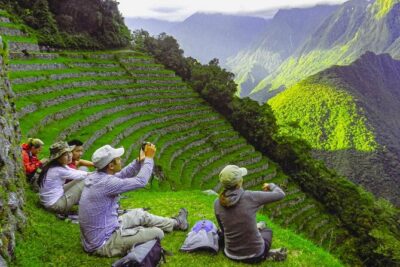
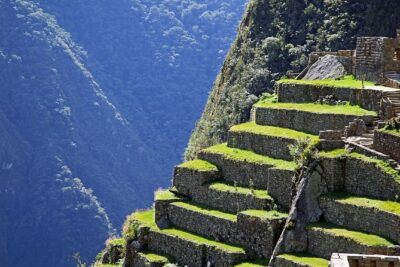
2-Day Inca Trail to Machu Picchu with Panoramic Train
Read our review →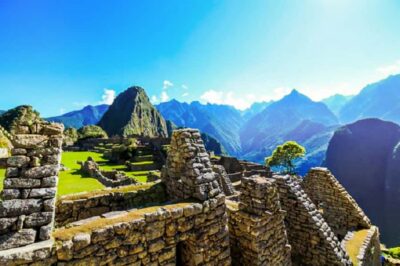

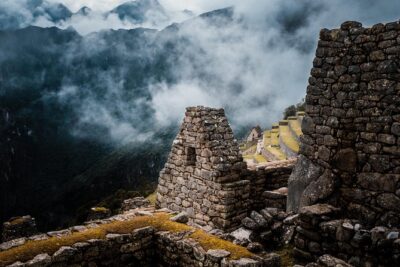
2-Day Tour: Sacred Valley and Machu Picchu by Train
Read our review →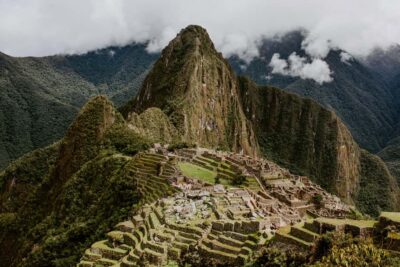
Browse the lists this tour appears in