
Reviewed · SACRED VALLEY
Sacred Valley of the Incas Tour with Moray & the Salt Mines
A full day in the Sacred Valley can feel like a blur, but this one is interesting because it links the Inca’s daily know-how with the dramatic scenery around Cusco. I especially liked two things: the licensed bilingual guide who explains what you’re seeing in plain language, and the Urubamba buffet lunch, which gives you a real reset before the afternoon sites. The main drawback to weigh is that the day is packed, so you get shorter stops at each location, and there may be moments where the route includes local shops.
If you want a small-group day that covers Pisac, Ollantaytambo, Moray, the Maras salt mines, and Chinchero without organizing buses and tickets yourself, this is a practical choice. The tour runs about 9 hours, with a 7:00 am pickup from Plaza Regocijo in Cusco, and it ends back near the same area at Plaza Regocijo, close to Plaza de Armas.
Key things to know before you go
- Small group size (max 9) keeps the day more personal and makes questions easier to answer.
- A guide who stays with you throughout makes the Inca sites feel connected, not random photo stops.
- Pisac plus a Taray viewpoint adds extra value with that panoramic view over the Urubamba valley.
- Moray’s agricultural terraces explain how the Incas tested temperature and growing conditions.
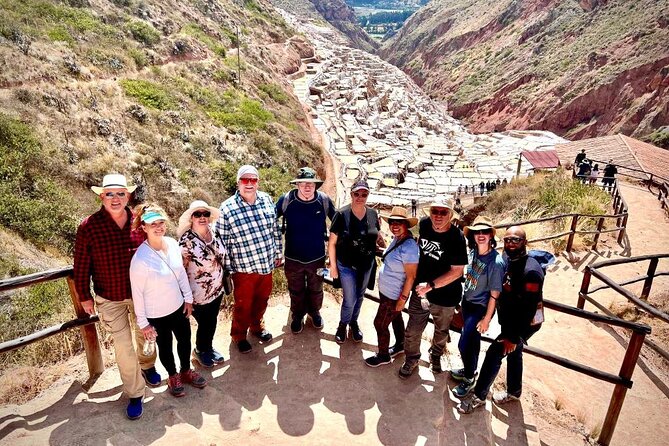
- Maras salt mines show the solar-evaporation salt method still used by local families.
- Chinchero’s textile focus adds a quieter cultural angle beyond the biggest ruins.
Sacred Valley in one day: value for your $99 and your time
At about $99 per person, this tour is designed for travelers who want a lot of Sacred Valley highlights in a single day and prefer to let someone else handle the driving. The big value is not just the sites, it’s the way the guide connects them into one story, from Inca town planning and farming experiments to the salt industry at Maras.
What you should also expect is that the day is efficient. You are not doing a slow, wandering route. You are seeing major stops back to back, which is ideal if you only have one day. If you like long, unhurried museum-style pacing, you might feel the clock during certain segments.
Finally, don’t forget the extra costs. Entrance tickets are not included, and the tour lists archaeological site tickets at about USD 20 (70 Soles per person). Maras also has a separate fee listed at PEN 10. Planning for these upfront helps you avoid that last-minute scramble when you’re already tired from the morning drive.
More visits to the Maras salt mines:
- From Cusco: Sacred Valley & Maras Salt Mines Tour with Lunch
★ 4.8 · 2,227 reviews - From Cusco: Moray, Maras Salt Mines & Chinchero Weavers Tour
★ 4.8 · 1,925 reviews - Cusco: Sacred Valley, Pisac, Ollantaytambo, Salt Mines Moray
★ 4.6 · 1,058 reviews
7:00 am pickup at Plaza Regocijo and how the day moves
The day starts early, with pickup at 7:00 am from Plaza Regocijo, a short walk from Cusco’s main square, Plaza de Armas. If you’re visiting Cusco for the first time, I’d treat this as a good “get organized” day. Early pickup also means you spend more of your day before crowds and heat build.
You travel by roundtrip transport in a group vehicle. The experience caps at 9 travelers, which matters more than people think. In a large group, you often lose time herding together. Here, it’s easier to hear explanations, and it’s easier to ask questions when the guide points out something specific at a ruin or terrace.
At the end of the day, you’re dropped off back at Plaza Regocijo, so you don’t have to figure out an additional ride across town after a long day. After a 9-hour route, that small detail is real convenience.
Pisac hilltop ruins and the Taray viewpoint over the Urubamba River
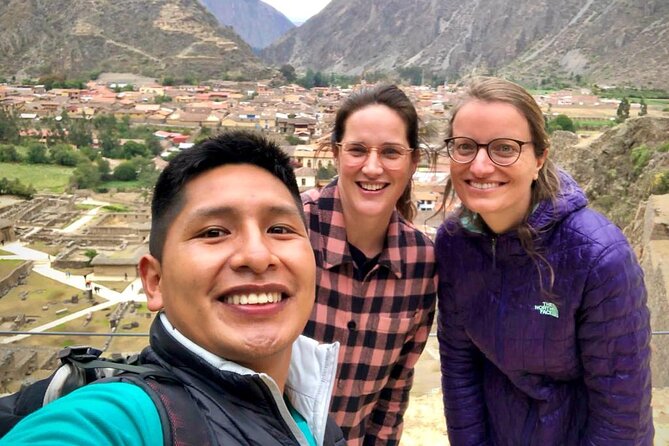
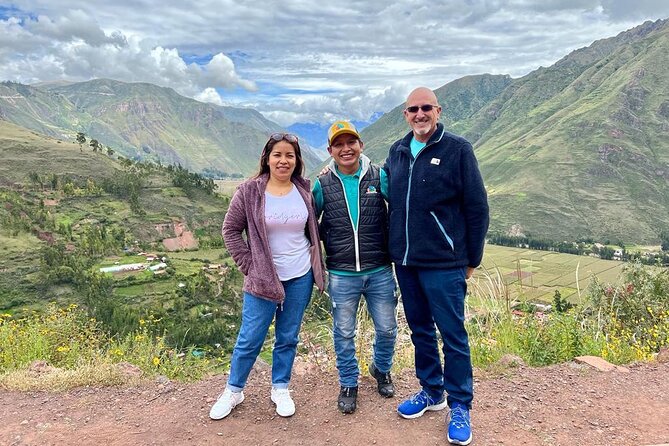
Pisac is the first major Inca stop, and it works well as a morning anchor. After pickup in Cusco, you drive to Pisac with a quick viewpoint stop at Taray. From there, you can see the Urubamba valley laid out below, with the Urubamba River winding through villages. That first “overview” moment helps later, because you’ll understand why the Incas built where they did.
Then you head to Pisac’s hilltop complex. You drive up to the main entrance and meet your local expert guide, who walks you through the site. The hilltop setting gives you that classic Sacred Valley perspective: stonework in place high above the town, not just a single courtyard you pass through. It feels like a system, not a random collection of walls.
Once you finish the ruin portion, you go down to Pisac’s main plaza area. During weekends, the cobblestone streets can fill with local handicraft sellers. Even if you’re not shopping, this is useful context. You’re watching a living market that sits in the same town fabric as the historic Inca site.
Tip from how this day is paced: wear shoes you can handle on uneven stone. The main ruin paths aren’t the kind of flat walk you expect from a city tour.
Urubamba buffet lunch: a proper break that keeps you going
After Pisac, the tour heads to Urubamba, described as the lowest part of the Sacred Valley. Practically, that means the lunch stop comes before the afternoon climbs and terrace views, which helps you avoid feeling wiped out too early.
The included stop here is a buffet lunch at a local restaurant. I like that this isn’t some token snack. A buffet gives you options when you’re tired, especially if you’ve been eating light in Cusco due to altitude. It also helps different dietary preferences within the group, since you can choose what feels right.
This lunch break also matters psychologically. A day like this is a chain of visual impressions. A real sit-down meal gives your brain time to reset, so the later sites like Moray and Maras land better instead of blending together.
If you know you’re sensitive to spice or heavy foods, choose something simple. You’ll still be outside all day, and you want comfort rather than a stomach gamble.
More visits to the Moray terraces:
- Cusco:Chinchero,Moray & Salt Mines drop-off in Ollantaytambo
★ 4.8 · 793 reviews - Sacred Valley and Maras Moray Tour with Full Day Buffet Lunch
★ 5.0 · 670 reviews - ATV Tour to Moray Maras and Salt Mines in the Sacred Valley
★ 4.5 · 530 reviews - Sacred Valley: Chinchero, Moray, Ollantaytambo & Pisac+Lunch
★ 4.8 · 501 reviews
Ollantaytambo: town planning you can actually picture
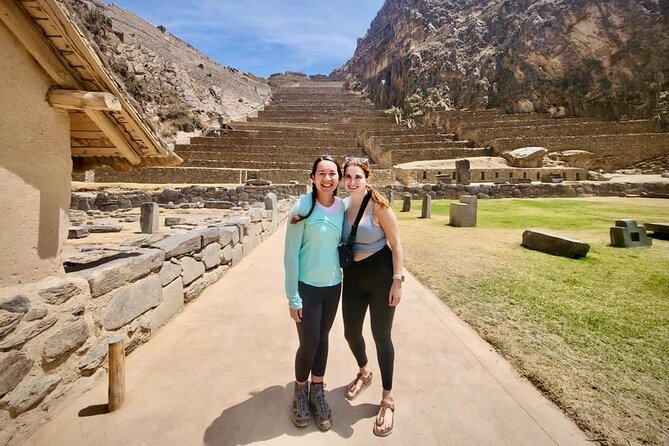
Ollantaytambo is one of the most meaningful stops on the route because it’s tied to both Inca engineering and the way modern travel happens around Machu Picchu. The guide frames it as a prominent site in the Inca empire, and once you’re there, the layout makes sense.
You’ll learn about the advancement of Inca town planning, and you’ll see how the village sits between two Inca ruins. That “sandwiched” feel is part of why this place still works as a lived-in town, not only a viewpoint.
Another reason Ollantaytambo feels special is that it’s described as one of the oldest continuously inhabited villages of the Inca empire. So while you’re looking at stone structures and streets, you’re also walking through an area where people continue day-to-day life in the same general setting.
There’s also a practical modern note: this is where you board the train to Machu Picchu and the Inca Trail. Even if you’re not taking the train right now, it helps to understand why Ollantaytambo is such a hub. It turns the stop from “just ruins” into “the place connecting the present to the Inca route system.”
Time-wise, your stop here is substantial but not long. That’s fine if you’re using your guide to focus you on what matters most, especially the urban layout.
Moray’s circular terraces: how the Incas treated farming like science
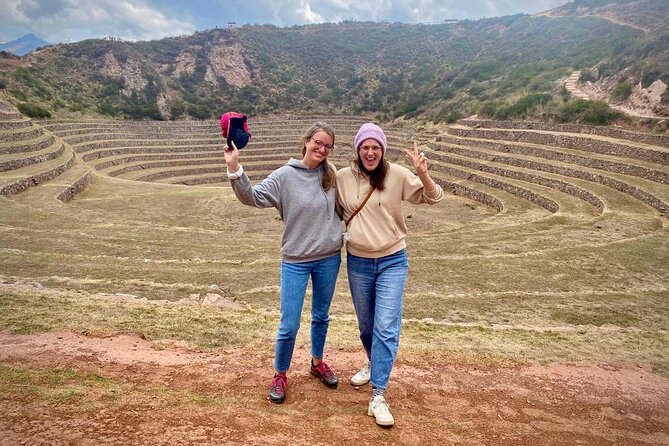
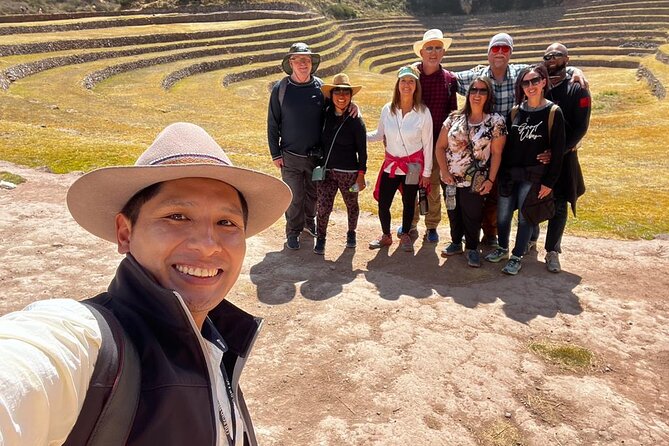
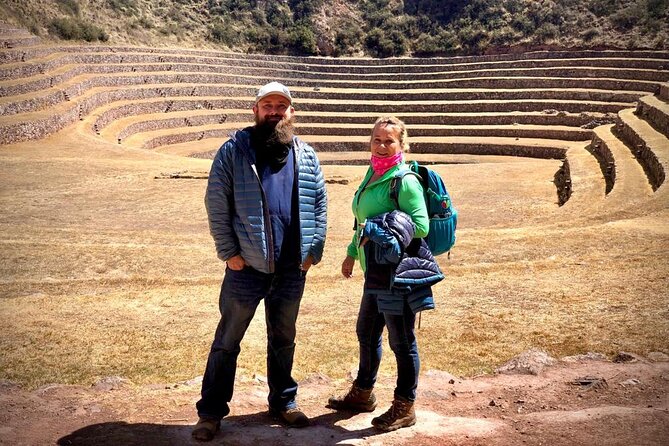
Moray is where the day shifts from architecture to agriculture. The key idea is that Moray has circular agricultural terraces that served as an agricultural laboratory. The guide explains that each level had different temperatures, which the Incas used to determine the best growing conditions for different crops.
I like this stop because it changes how you interpret what came before. After Pisac and Ollantaytambo, you’ve seen how the Incas controlled space. Moray shows how they tested nature. Instead of treating farming as guesswork, they treated it like a controlled experiment.
The terrain also makes the explanation feel real. You’re looking at terraces carved into a natural setting, and the circular design gives you a visual structure to match the temperature concept. If you pay attention here, you’ll come away with a more practical mental model of how the Inca system worked.
Moray’s entrance is noted as not included, so plan on covering it separately. That’s one of the few costs that’s easy to anticipate during the day, and it’s worth doing so you can stay focused on the explanation instead of worrying about money mid-stop.
Maras salt mines: solar evaporation and the view that makes it click
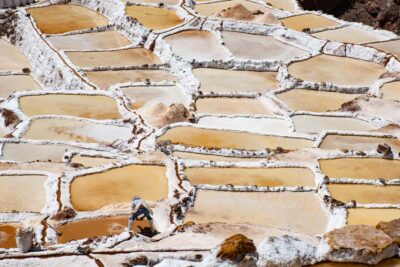
Maras is the stop many people remember, and for good reason. You go to the salt mines, where traditional Solar Evaporation salt farming methods are still practiced. The explanation is that the practice has been passed down through generations, and you’ll hear how locals keep producing salt using the conditions of the area.
Even without a long lecture, the place communicates its purpose quickly. The rows and patterns of the salt pans create a visual rhythm, almost like a patchwork grid. When the guide connects that pattern to the solar evaporation process, it clicks into a working system rather than just a pretty photo spot.
This is also the part of the route where your timing may be sensitive. The day is packed, so if you want extra photos, go for them strategically. I’d prioritize understanding the process first, then take pictures after you know what you’re looking at.
Maras also has a listed entrance fee of PEN 10 per person that is not included. I recommend having cash ready. It keeps you from losing time at the payment point, especially if your group is moving with a schedule.
Chinchero textiles and the Pachacutec-era church and terraces
Chinchero is a quieter finale compared with the headline ruins. It focuses on Andean textile traditions, and the village is described as something many people overlook. If that’s your vibe, you’ll probably enjoy Chinchero more than you expect, because it adds daily life and craft knowledge to a day heavy on stone and views.
You’ll also see a whitewashed church that was once a royal palace of Inca emperor Pachacutec. That kind of layered use of space is part of why the Sacred Valley still feels complex and living, even when you’re touring.
The guide also talks about farming terraces and water channels here. Chinchero is described as having fertile soil, and during the Inca civilization under Pachacutec they built many farming terraces. The water channels show the advancement of Inca engineering, and they tie back to the agricultural theme from Moray earlier in the day.
If you’ve been listening closely, Chinchero becomes a nice closing argument. It’s agriculture, architecture, and craft all in one place, and you don’t need to be a history buff to follow the logic.
How the pacing feels, and what to do if you prefer more time
This is where you should set expectations. The route is efficient, and you may feel the pressure of time at each stop. One review highlighted that the day felt crammed, with limited minutes at each site, and another mentioned that some stops can lean toward local shops.
So here’s my practical advice: treat this as a highlights route. If you want deep focus on just one or two sites, you might be better off choosing a different day trip with fewer stops. If you only have one day and you want the full range, this works.
Also, decide ahead of time how you’ll handle the shopping moments. If the schedule includes craft or shop stops, you can use them as information, not pressure. Look, ask questions, and buy only if you truly want something. The worst-case scenario is when you feel rushed into purchases. The best-case scenario is when you use the shops as a context stop for textiles, silverwork, or local snacks.
Finally, bring layers. You’ll be outside much of the day. Even if the sun looks strong, high elevations can shift quickly, and a light jacket makes a long day more comfortable.
Price and entrance fees: what you should budget
The headline price is $99 per person, and it includes roundtrip transport, a bilingual local tour guide, and buffet lunch at Urubamba. That’s a fair package for a one-day route covering multiple major Sacred Valley sites, especially with a group size that caps at 9.
But budget for entrances. The tour lists entrance tickets to archaeological sites around USD 20 (70 Soles per person), plus Maras entrance at PEN 10. Moray also has entrance listed as not included.
If you want a simple budgeting approach:
- Plan on paying the archaeological site ticket amount for the major ruins.
- Plan on paying the separate Maras fee at the salt mines.
- Treat the tour price as transportation, guided explanations, and your lunch, not as a fully all-in ticket package.
If you’re traveling with limited cash in your day bag, consider preparing the money before the tour starts. Waiting while you decide what to pay is a fast way to feel stressed, and you’ll already be on a tight schedule.
Who this tour fits best (and who might want a different plan)
This tour is a strong match if you:
- Want a one-day Sacred Valley overview with stops that include both famous ruins and agricultural concepts like Moray
- Prefer a small group experience where a guide can answer questions
- Appreciate a guide-led explanation, not just self-guided wandering
- Value having lunch handled for you in the middle of the day
It might feel less ideal if you:
- Hate time pressure and want long stays at each site
- Prefer fewer stops and more free time for photos, coffee, or slower walking
- Are very sensitive to schedule shifts and want a totally fixed, no-shop structure
For most first-time visitors, though, it’s a solid “learn the system” day. You’ll walk away with a clearer sense of how the Incas used geography, engineering, and farming methods together.
Should you book the Sacred Valley tour with Moray and the Salt Mines?
I’d book it if you want the Sacred Valley highlights in one day and you’re excited by the idea that Inca success wasn’t only about monuments. Moray and the salt mines add a practical, real-world side to the story, and the included Urubamba lunch helps you power through the full run.
Skip it, or consider a different style tour, if your travel style is all about slow exploration. This day plan is built for efficiency. If you know you’ll be frustrated by short visits, you may prefer a route with fewer stops.
If you do book, go in ready to listen. The difference between a good tour and a memorable one here is how much you pay attention to the guide’s explanations, especially at Moray and Maras.
FAQ
How long is the Sacred Valley tour with Moray and the Salt Mines?
It lasts about 9 hours.
What time does the tour pick me up in Cusco?
Pickup starts at 7:00 am from Plaza Regocijo.
Is lunch included?
Yes. You get a buffet lunch in Urubamba.
Are entrance tickets included?
No. Entrance tickets to archaeological sites are listed as USD 20 (70 Soles per person). Maras entrance is listed as PEN 10 per person.
How many people are in the group?
The tour has a maximum of 9 travelers.
Can I cancel for a full refund?
Yes, free cancellation is available if you cancel at least 24 hours before the experience start time. If you cancel less than 24 hours before, the amount paid will not be refunded.
More Sacred Valley Days
- 2-Day Tour: Sacred Valley and Machu Picchu by Train
★ 5.0 · 1,127 reviews - The Ultimate Full Day Sacred Valley Tour
★ 5.0 · 644 reviews - Sacred Valley & Machu Picchu 2D1N
★ 5.0 · 617 reviews - 6 Days Exploring Cusco, Sacred Valley & Machu Picchu
★ 5.0 · 470 reviews
Recently reviewed around Cusco
- Cusco Cooking Class by ChocoMuseo in Cusco★ 5.0 · 29 reviews
- Private Tour Sacred Valley, Chinchero, Maras Moray, Ollantaytambo★ 5.0 · 29 reviews
- ATV Adventure to Moray and Maras Salt Mines – Half Day★ 4.5 · 29 reviews
- 1-day excursion to Machu Picchu from Cusco★ 5.0 · 29 reviews
- From Cusco: Humantay Lake with Breakfast and Buffet Lunch★ 4.5 · 29 reviews
- 4 Day – Inca Jungle to Machu Picchu★ 5.0 · 29 reviews
- 2-Day Machu Picchu Tour by Train from Cusco★ 4.5 · 29 reviews
- 2-Day Sacred Valley and Machu Picchu Tour By Train★ 4.5 · 29 reviews
Sacred Valley, compared.
Sacred Valley & Maras Salt Mines Tour with Lunch
Read our review →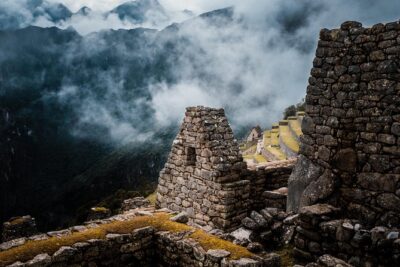
2-Day Tour: Sacred Valley and Machu Picchu by Train
Read our review →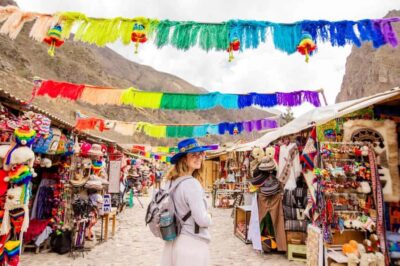
Sacred Valley, Pisac, Ollantaytambo, Salt Mines Moray
Read our review →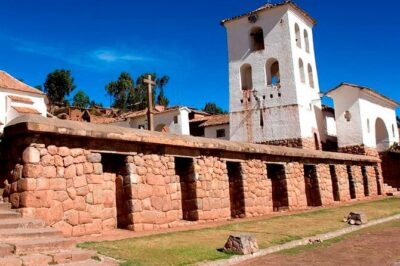
Sacred Valley and Maras Moray Tour with Full Day Buffet Lunch
Read our review →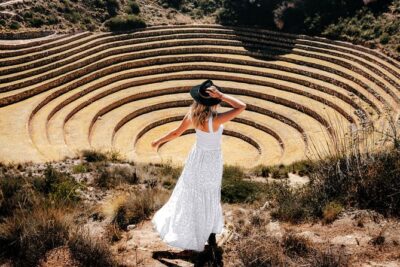

ATV Tour to Moray Maras and Salt Mines in the Sacred Valley
Read our review →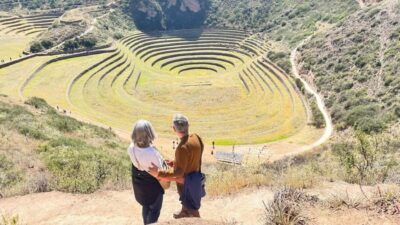
Browse the lists this tour appears in