
Reviewed · SACRED VALLEY
the best sacred valley tour: walk with Alpacas,culture experience
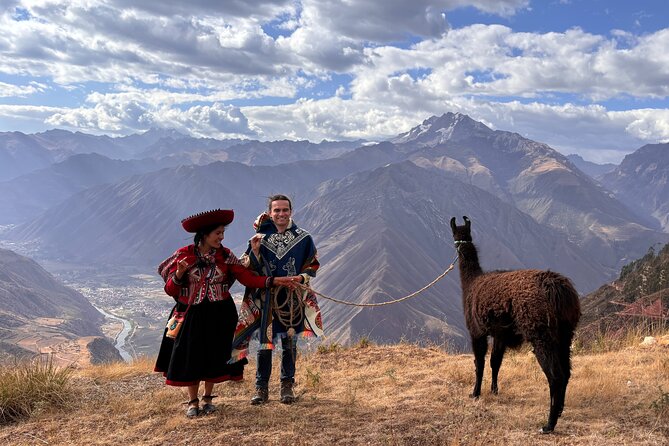
Cusco is already full of wow. This tour adds a calmer kind of wow, walking with alpacas while you hop between major Sacred Valley Inca sites. It is the kind of day where you get scenery, stonework, and a gentle animal encounter without needing superhuman effort.
I especially like how the day is built around three classic stops, Chinchero, Pisac, and Ollantaytambo, each with about an hour to look and ask questions. I also like that you are not stuck on a giant bus line, because it runs as a private tour, so the pace can fit your group.
One thing to plan for: the price does not cover everything. You will pay government fees (70 Sol) and also handle entrance tickets on site, so budget a little extra and bring cash.
Key highlights you should care about
- Private, small-group feel: only your group joins this 8 hours 30 minutes experience starting at 8:00 am
- Three major Sacred Valley stops: Chinchero, Pisac, and Ollantaytambo, with roughly an hour at each
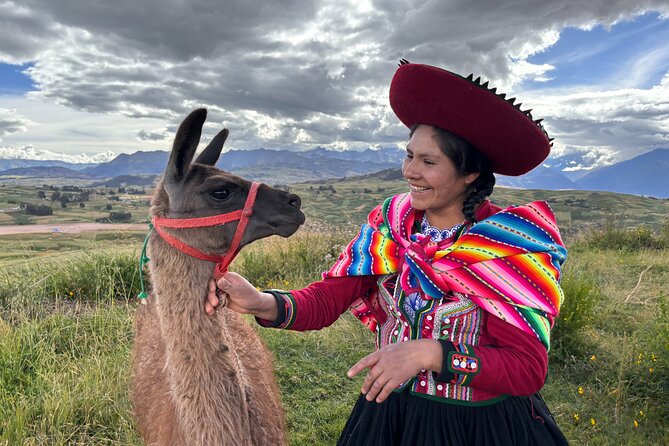
- Alpaca walk included: you get the animal time as part of the tour, not as an optional add-on
- Scenic Inca agriculture: Pisac’s farming terraces and big valley views are a real focus
- 45 minutes from Cusco to Chinchero: the day moves quickly so you spend more time outside and less time waiting
- Extra fees to expect: government fee is listed as 70 Sol, plus entrance tickets paid on site
Why this Sacred Valley tour feels different from the usual rush
Sacred Valley tours can be a blur. You stop, take a couple photos, and wonder if you actually learned anything. This one keeps your attention where it matters: the Inca sites you came for, plus a walk with alpacas that slows the whole day down.
You also get the best kind of guide setup: a local expert guide who can connect what you see with how people lived and built here. In this region, it is not just about ruins. It is about how the Andes shapes daily life, from terraces to water and roads.
If you want a day that is practical, scenic, and not overly exhausting, this format fits well. You will be moving between sites, but it is not framed as a hard trek.
More Walking Tours in Cusco
- Cusco: Walking Tour with an Experienced Local Guides
★ 4.8 · 636 reviews - Cusco: Historic Walking Tour with Pisco Sour and Local Music
★ 5.0 · 190 reviews - Curious Monkey Cusco- Eat the Streets, Walking Food Tour
★ 5.0 · 160 reviews
Starting at 8:00 am and how the timing really works
The tour starts at 8:00 am and runs about 8 hours 30 minutes. That timing matters because you hit the main sights while the day is still fresh, and you are less likely to feel like you are constantly chasing daylight.
You should also expect a lot of “look time” plus driving time. The schedule is built around three Inca-heavy stops, each with about 1 hour on site. So you get enough time to slow down, not just sprint from viewpoint to viewpoint.
Because it is private, the pacing will likely feel more human. If your group needs a breather, this tour style tends to handle that better than crowded group tours.
Stop 1, Chinchero, the 45-minute gateway to Inca stone and place
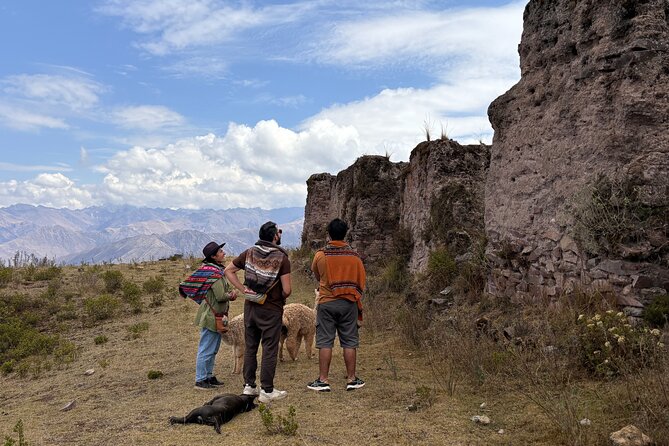
First up is Complejo Arqueológico Chinchero, about 45 minutes from Cusco. This stop is listed as roughly 1 hour, and it is a great opener because it gives you context fast. Chinchero is an easy place to start noticing how the Incas treated location as part of the design.
What I like about starting here is that it sets a pattern for the rest of the day. You spend the next hours comparing how different Sacred Valley towns used their terrain, stones, and visibility.
A practical note: the entrance ticket is not included. You will pay on site, so bring cash and plan for the fact that your budget will stretch a bit beyond the posted price.
Stop 2, Pisac and its terrace farming plus the views you came for
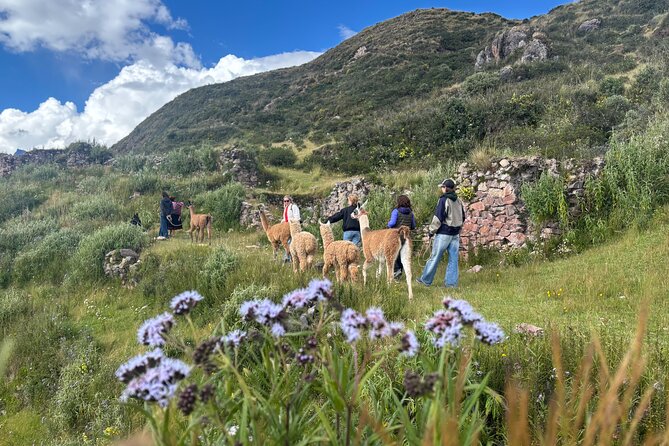
Next is Parque Arqueologico Pisac. You get about 1 hour here to explore the Inca site, with special attention on farming terraces and the view of the Sacred Valley.
Terraces sound like a “pretty detail” until you stand close and realize they are technology. They help manage steep slopes, keep water and soil under control, and turn mountains into working land. If you like places where you can connect engineering to daily life, Pisac delivers.
You also get the kind of views that make you understand why these settlements were built where they were. A terrace system is not just about crops. It is also about how people read the valley.
Same practical catch as the first stop: entrance tickets are not included, so you will pay on site during your visit.
More Sacred Valley days:
- From Cusco: Sacred Valley & Maras Salt Mines Tour with Lunch
★ 4.8 · 2,227 reviews - 2-Day Tour: Sacred Valley and Machu Picchu by Train
★ 5.0 · 1,127 reviews - Cusco: Sacred Valley, Pisac, Ollantaytambo, Salt Mines Moray
★ 4.6 · 1,058 reviews - Sacred Valley and Maras Moray Tour with Full Day Buffet Lunch
★ 5.0 · 670 reviews
Stop 3, Ollantaytambo, the big-stone town in the middle of the valley
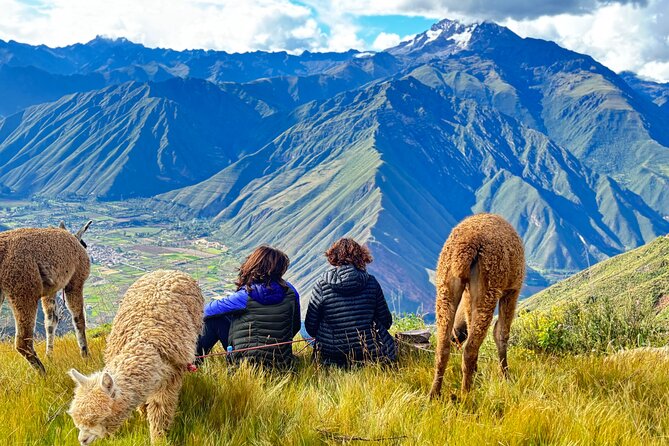
The final archaeological stop is Archaeological Park Ollantaytambo. This is described as a town in the middle of the Sacred Valley, built with big stones, with about 1 hour for exploration.
Ollantaytambo is one of those places where the scale hits you. The “big stones” detail is not just marketing. When you are looking at massive blocks in place, you start to understand how different it is from modern construction.
This stop is a strong capstone. After Chinchero and Pisac, you can compare the style of settlement and how each location supports community life. By the time you reach Ollantaytambo, you are not just viewing ruins. You are building a picture of how the Sacred Valley functioned.
Again, entrance tickets are not included, so budget for on-site payment.
The alpaca walk, the calm centerpiece of the day
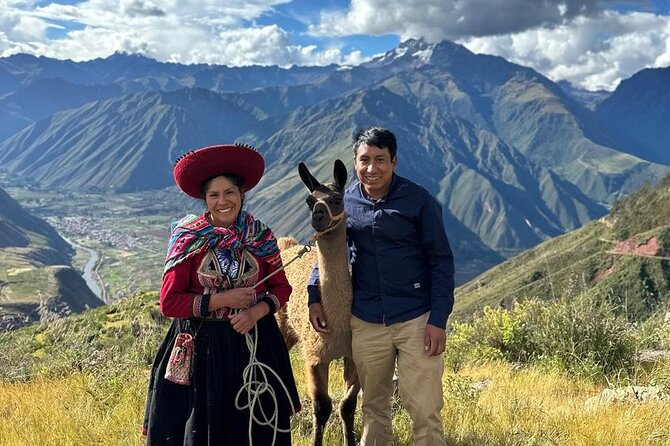
The big included wow is the walk with alpacas. This is the moment most people are thinking about when they book, and it is also the one that adds a different emotional tone to the day.
I like how this changes the rhythm. You have serious Inca sites in the morning and afternoon, then you switch to a slower, friendlier pace where you are walking beside gentle animals in the Andes. It is an easy way to feel connected to the place without treating it like a checklist.
From the way the hosts describe their animals, the alpacas are treated like individuals, not props. That matters because you can feel the difference when animals are cared for properly and people handle them with respect.
If your group includes kids or anyone who gets impatient with ruins-only tours, the alpaca walk is a built-in reset. It is also a good option for people who want something “hands-on” but not physically intense.
Transportation and the value of having a guide in each stop
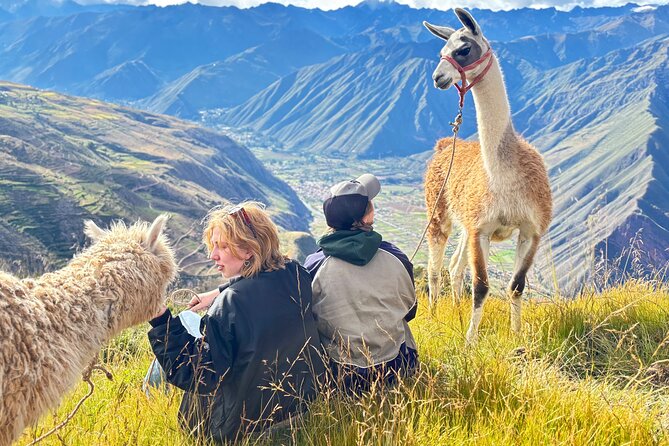
The tour includes transportation and a local expert guide. That is not minor. With Sacred Valley sites spread out, good transport saves energy, and a strong guide saves time because you do not waste it guessing what you are looking at.
You get a guide who can point out what matters visually, like terrace patterns and site layouts, and connect it to the story of how people lived here. Even when you are not a history superfan, that kind of interpretation makes the stonework feel more real.
Because it is private, you can ask practical questions without feeling like you are interrupting a bus full of strangers. That personal attention is a big part of why this tour scores so high.
Price, fees, and how to budget the real cost
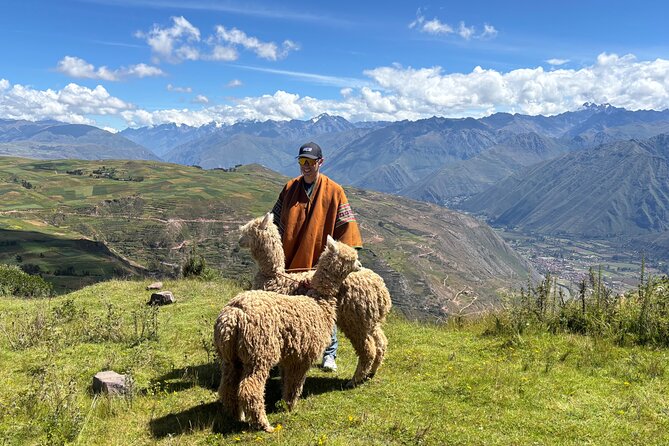
The tour price is $128.00 per person for about 8 hours 30 minutes. For the mix you get, it is decent value: transport, a local expert guide, and the included alpaca walk, plus time at three major Sacred Valley sites.
But the smart budgeting move is to remember what is not included. Listed items not included are tips and food and drinks, and you will pay government fees of 70 Sol, plus entrance tickets on site for each stop.
Here is how I’d think about it:
- The $128 covers the core experience and guidance
- You add on-site admissions plus the government fee
- You bring or buy your own food and drinks
So you are not surprised at the end. You will already have a “today’s extras” number in your pocket.
Food and comfort, what you can and cannot count on
Food and drinks are not included. That means you should plan ahead based on your preferences. If you tend to get hungry while sightseeing, treat snacks like a must, not a nice-to-have.
Also, consider that you are spending a long day starting at 8:00 am. Even with only about an hour at each site, you will still be outside for stretches, walking on uneven ground, and moving between stops.
Bring the usual common sense items: water, sun protection, and something for cooler moments if the weather feels chilly.
Who this Sacred Valley alpaca tour is best for
This tour says most travelers can participate, and it allows service animals. That tells me it is built for a wide range of bodies and comfort levels, as long as you can handle a normal sightseeing day.
I’d especially recommend it if you:
- Want Sacred Valley sights without a harsh, long hike
- Like animal experiences but still want strong cultural stops
- Prefer a private tour where the day can fit your group pace
- Have family members who might enjoy a break from ruins-only time
If you are the kind of traveler who only wants one big museum-style stop, you might find three archaeological stops is a lot. But if you want variety across the valley, this structure works.
Practical tips for a smoother day
A few small choices make a big difference on a day like this:
- Bring cash for entrance tickets and the 70 Sol government fee
- Pack water and sun protection since you will be outside across the day
- Wear shoes with grip, because Inca sites often mean uneven stones
- Use the hour at each stop to ask questions, not just to take photos
Also, since the tour is private, you can set expectations early with your guide. If you want slower walking or more time on one stop, you have a better chance of getting it.
Should you book this Sacred Valley tour with an alpaca walk?
Book it if you want a Sacred Valley day that is not only about stone ruins. You are paying for a mix: Chinchero, Pisac, and Ollantaytambo plus an included alpaca walk that makes the whole experience feel lighter and more personal.
I would hesitate only if you hate on-site fees and do not want to handle admissions or the listed government fee. Also, if you are expecting food included, plan to bring or buy it.
If that sounds manageable, this is a strong choice for a first or second Sacred Valley visit, or for a trip where you want culture and an animal experience in the same day.
Recently reviewed around Cusco
- Cusco Cooking Class by ChocoMuseo in Cusco★ 5.0 · 29 reviews
- ATV Adventure to Moray and Maras Salt Mines – Half Day★ 4.5 · 29 reviews
- 1-day excursion to Machu Picchu from Cusco★ 5.0 · 29 reviews
- Private Tour Sacred Valley, Chinchero, Maras Moray, Ollantaytambo★ 5.0 · 29 reviews
- From Cusco: Humantay Lake with Breakfast and Buffet Lunch★ 4.5 · 29 reviews
- 4 Day – Inca Jungle to Machu Picchu★ 5.0 · 29 reviews
- 2-Day Machu Picchu Tour by Train from Cusco★ 4.5 · 29 reviews
- 2-Day Sacred Valley and Machu Picchu Tour By Train★ 4.5 · 29 reviews
Sacred Valley, compared.
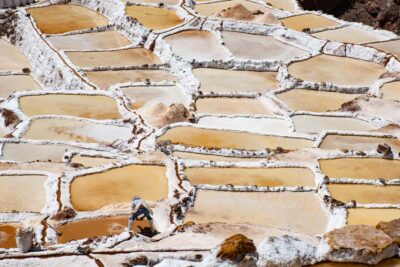
Sacred Valley & Maras Salt Mines Tour with Lunch
Read our review →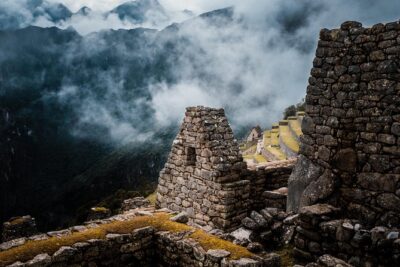
2-Day Tour: Sacred Valley and Machu Picchu by Train
Read our review →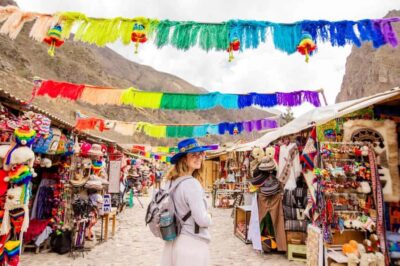
Sacred Valley, Pisac, Ollantaytambo, Salt Mines Moray
Read our review →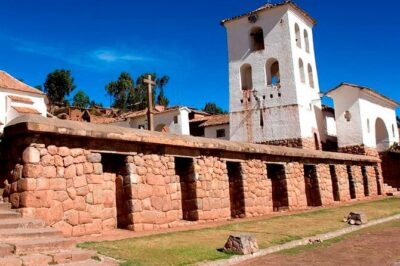
Sacred Valley and Maras Moray Tour with Full Day Buffet Lunch
Read our review →

ATV Tour to Moray Maras and Salt Mines in the Sacred Valley
Read our review →
Browse the lists this tour appears in