
Reviewed · MACHU PICCHU
Small Group: 4-Day Inca Trail Trek to Machu Picchu
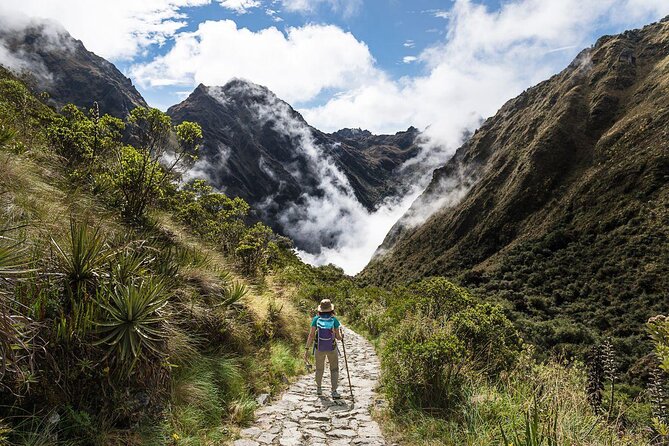
A 4-day Inca Trail trek to Machu Picchu is interesting because you are not just visiting famous ruins, you are walking the Inca route itself on a tight daily-permit schedule. I love the small-group size and I also like the guide-led pacing from the Sacred Valley to the Sun Gate. One consideration: it is high-altitude hiking, with early mornings and weather that can go from sunny to miserable fast.
On past departures with Inkayni Peru Tours, guides such as Freddy (also called Papa Freddy), Herlin, Ronald Ccana Sotalero, and Paul have earned strong praise for mixing history with real care for the group. Chef teams named Sabino, Nazario, or Mario also show up in the good stories, especially for hot, comforting 3-course meals that make camp feel more civilized than you expect.
Key Details That Matter Before You Book
- Small-group pace (max 10 travelers, up to 12 total) means less crowding on trail and more personal attention at stops.
- The Inca Trail permit system limits daily use to 500 people (including hikers and support staff), so crowds are controlled at the source.
- You only carry about 5 kg with a personal porter, which keeps the trek from turning into a gear battle.
- Meals and camp comfort are handled for you: a chef, dining tent with tables and chairs, hot water every morning, and sleeping mattresses.
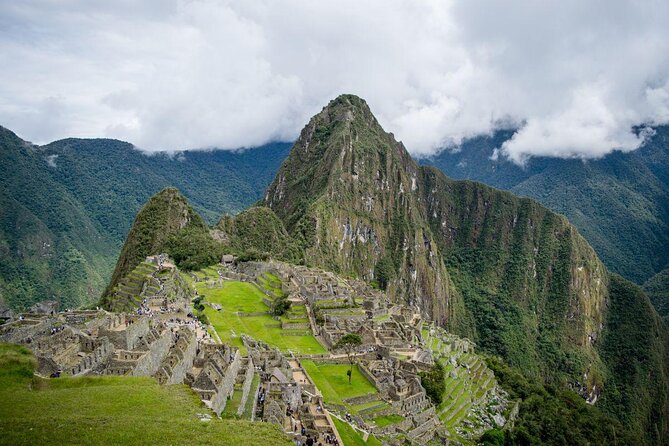
- Machu Picchu day is structured around Inti Punku (Sun Gate), plus optional extra viewpoint hikes if you book the needed tickets.
- Water starts on your own for the first 4 hours, so plan to bring that early supply.
Is $850 a Fair Price for the 4-Day Inca Trail Trek?
At $850 per person, the value comes from what you do not have to coordinate. You get a professional English-speaking guide, chef and porters, park admissions, and the full route support from Cusco to Km 82 and back via train and van.
What also matters is that this is not a bare-bones hike. You get camp meals (3 breakfasts, 3 lunches, 3 dinners across the trip), a dining tent, oxygen bottle, first aid kit, inflatable sleeping mattress, and roomy tents. Even with the still-rustic camping setup, that level of support usually reduces stress, and on this trail, less stress means you hike better.
The main cost variables you might add on your end are the optional Machu Picchu Mountain or Huayna Picchu hikes, the entrance ticket for any optional re-entry needed for inside-citadel time, and your Day 1 breakfast and Day 4 lunch and dinner.
More Hiking & Trekking in Cusco
- Classic Inca Trail Trek 4D/3N to Machu Picchu (Group Service)
★ 5.0 · 8,653 reviews - Machu Picchu: 4-Day Inca Trail Trek with Panoramic Train Ride
★ 5.0 · 4,568 reviews - Salkantay Classic Trek 5 Days from Cusco
★ 5.0 · 4,062 reviews
From Central Cusco to Km 82: The Start That Sets the Tone
This trek starts with a hotel pickup in Cusco, then a scenic drive toward the Sacred Valley, passing through Chinchero, Urubamba, and Ollantaytambo before you reach the official trail start at Km 82.
Why that drive is more than a transfer: it helps you adjust mentally. You see Inca-linked sites along the way, and the Sacred Valley scenery gives your body a gentle lead-in before the first hiking section.
Plan for the timing. The meeting time is 5:00 am, and you should expect an early day. Also note the practical detail that water is not included for the first 4 hours, so you need to bring that early supply.
Day 1: Km 82 to Wayllabamba, Wilka Rakay Views, First Camp Night
You begin with the trek proper after reaching Km 82, the official starting point. The route climbs toward Wilka Rakay, a viewpoint area where you get big scenery and sightlines over the Patallacta area and the Kusichaca Valley.
You keep walking through Andean terrain with ancient Inca ruins you can spot along the route, plus plenty of plant life and changing views as you gain altitude. By late afternoon, you reach Wayllabamba (about 3,000m / 9,842 ft.), where camp is set for your first night.
Camp details matter here because you are not just sleeping, you are recovering. You get dinner, a prepared campsite, and hot water every morning starting after that. You also get the inflatable mattress and the tent setup, so your first night is less of a “fight the elements” problem than it could be.
Possible Day 1 drawback: altitude can feel immediate, even on the first day. The goal is not to win a race. If you pace steadily, you will likely feel better on Day 2.
Day 2: Dead Woman’s Pass (Abra de Warmihuañusca), Cloud Forest, Pacaymayo
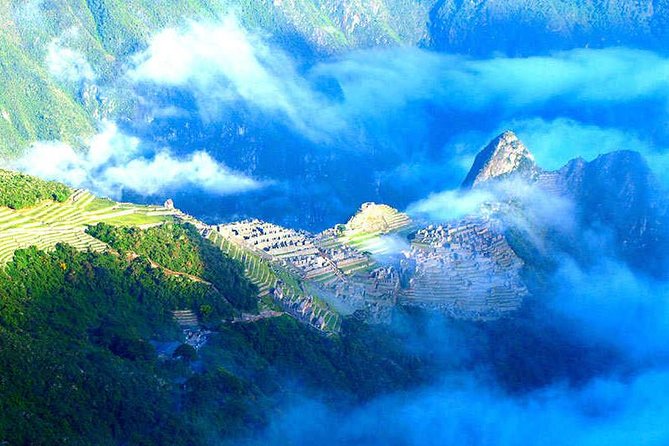
Day 2 is one of the hardest days because it includes Abra de Warmihuañusca, the highest point of the trek. After breakfast, you hike for about an hour to Tres Piedras (The Three Stones). From there you enter the cloud forest, which feels cooler and wetter, with dense greenery and fresh air.
Then the climb comes. You work up to Dead Woman’s Pass at about 4,215m / 13,828 ft. Crossing the high grassland can feel exposed, but the payoff is huge panoramas of rugged Andean terrain.
Once you celebrate the high point, you descend to Pacaymayo (about 3,600m / 11,811 ft.) for the night. The descent is physically demanding in a different way, mainly on knees and ankles, so trekking poles can be a smart choice even if you are not a pole person.
This day also connects you to how the trail changes ecosystems. You start in forest, hit high open country, then settle back toward mountain valleys. It is a reminder that you are hiking through several environments on the same permit.
More Inca Trail departures:
- Short Inca Trail to Machu Picchu 2D/1N
★ 5.0 · 3,007 reviews - 2-Day Inca Trail to Machu Picchu with Panoramic Train
★ 5.0 · 1,876 reviews - Inca Trail 4-Day 3-Night Trek to Machu Picchu with Expert Guides
★ 5.0 · 733 reviews - Cusco: 4-Day Inca Trail to Machu Picchu with Accommodation
★ 4.8 · 432 reviews
Day 3: Runkurakay, Sayacmarca, Phuyupatamarca Pass, and Wiñayhuayna
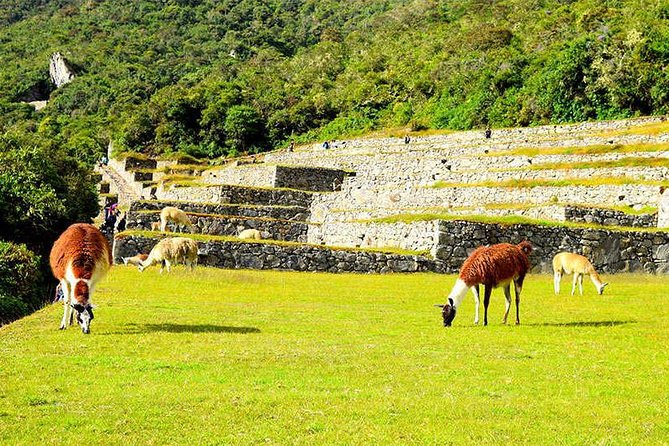
Day 3 starts with shorter climbs that build toward a big day. You go up to Runkurakay, an ancient resting place associated with Inca-era travel, then continue to Runkurakay Pass at about 4,000m / 13,123 ft.
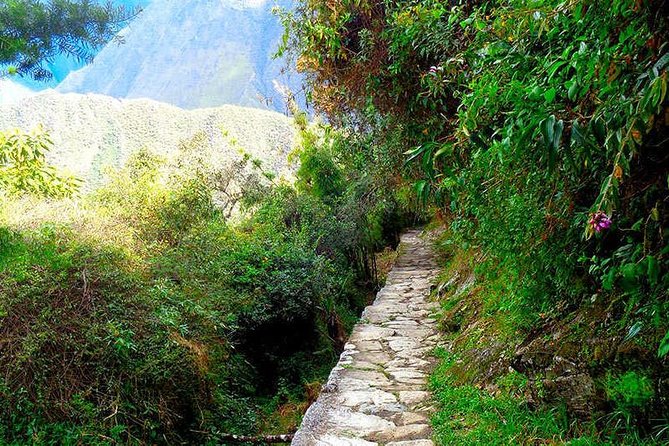
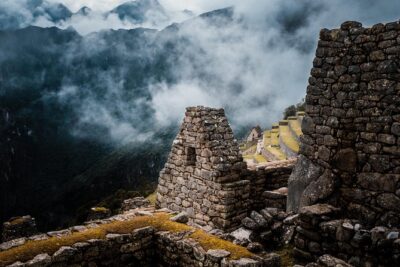
From the pass you descend toward Sayacmarca, ruins built on a steep mountainside. This is one of those sections where you get stonework views that feel close to you, not distant. Then you continue along a well-preserved Inca path toward your lunch area at Chaquicocha.
After lunch, you move through the cloud forest again. The route uses narrow ridge walking to reach Phuyupatamarca Pass, where you can see the Sacred Valley and the peaks tied to the final reveal you have been working toward.
By the time you reach Wiñayhuayna, you have arrived at the final campsite before Machu Picchu. This is a turning point psychologically. The trail is still serious, but the end feels real, not theoretical.
Day 4: Sun Gate (Inti Punku), Machu Picchu Terraces, and the Return to Cusco
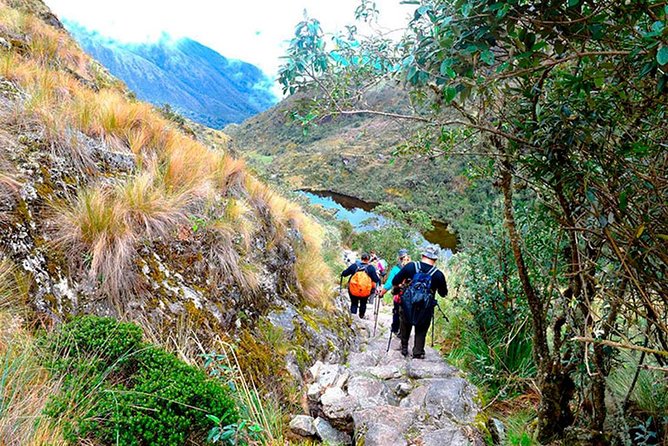
Day 4 starts early, because the final approach is timed. You hike the last stretch toward Inti Punku (Sun Gate), the entrance area for Machu Picchu. This portion is described as relatively easy, but it still takes focus because you are walking toward a once-in-a-lifetime moment.
Around an hour into that final section, you reach Inti Punku. If weather allows, this is where you may catch sunrise over the Andes and get your first big glimpse of Machu Picchu.
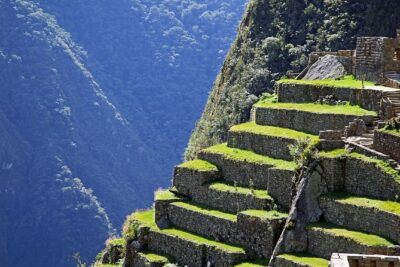
Next comes the iconic photo zone. You descend about 45 minutes to the upper terraces, which are often the easiest place to get classic angles.
Inside-citadel time has a ticket nuance. There is an optional inside tour with your guide, but if you need a new ticket to re-enter Machu Picchu, there is an extra cost. If you pre-book, you may also add Huayna Picchu or Machu Picchu Mountain, but those require separate permissions and tickets.
After the Machu Picchu portion, you return to Aguas Calientes for a break and lunch, then board your train to Ollantaytambo. A private van takes you back to Cusco.
One practical drawback to plan for: this is still a long day even though the hiking portion is “shorter.” Your body may feel like it already finished, but trains and timing keep you moving.
The Real MVPs: Porters, Chef Support, and Camp Comfort
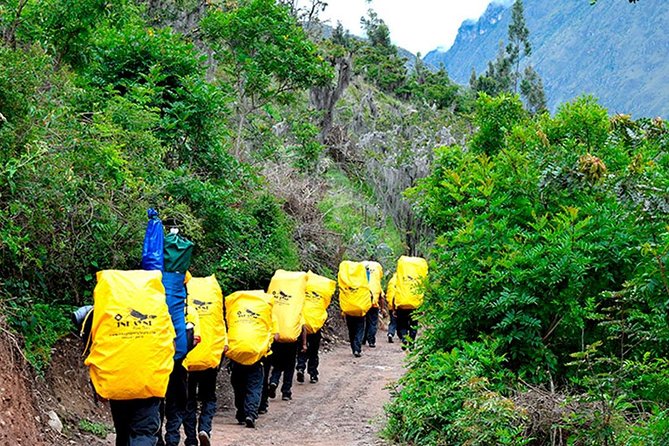
This kind of trek lives or dies on the people working behind the scenes. The structure here includes porters for camping and cooking equipment, plus a personal porter to carry up to 5 kg of your gear. That is a huge deal. It means you can hike with less weight on your shoulders and focus on breathing and footing.
Then there is the chef operation. In the stories from past groups, the food gets singled out again and again. Meals are described as hot, comforting, and sometimes surprisingly fancy for camping conditions, including variety for vegetarians. That kind of meal timing matters on Day 2 and Day 3, when your energy is running low and you need real calories, not just snacks.
Camp comfort also helps. You get:
- a dining tent with tables and chairs
- a spacious 4-man tent setup (one tent used by two people)
- inflatable sleeping mattress
- inflatable pillow that you carry yourself
- hot water every morning
- an oxygen bottle and first aid kit
Bring a few realistic expectations. This is not a hotel. But it is also not the “rough camping only” experience some people imagine.
Weather, Altitude, and What to Pack for Real
The trail can include torrential rain, hail, cold, and blazing sun, all in the same trip. That is not a scare tactic, it is simply how this area behaves.
For clothing, you are advised to pack:
- walking boots
- waterproof jacket or rain poncho
- warm jacket
- hat and gloves
- T-shirts and comfortable trousers
- sunscreen factor 35 or higher
- insect repellent
- toiletries and hand sanitizer
- personal medication
- a torch with spare batteries
Also bring your sleeping bag. It is not included, but it can be rented from a local tour operator.
Altitude reality check: you want moderate fitness, and you should not ignore medical limits. The trek is not recommended if you have back problems, heart disease, or other serious conditions. If that applies to you, it is worth discussing with a clinician before you commit.
How to Choose Your Machu Picchu Day Plan (Sun Gate vs Extra Viewpoints)
Machu Picchu day is the big reveal, so decide what you want to spend your energy on.
You will automatically get the main approach to Inti Punku and time on the terraces. Inside-citadel touring is an option, and there can be extra ticket needs depending on your situation.
For extra viewpoints, you can hike either Huayna Picchu or Machu Picchu Mountain if pre-booked. That can be great if you want higher panoramic angles, but it also adds effort on a day when you are already tired. If you are sensitive to steep climbs or you want more time resting and taking photos, you may prefer sticking to the main circuit.
Who This Trek Fits Best, and Who Might Want Another Option
This is for you if you want the classic Inca Trail experience with support. You get a small-group feel, and you are walking with a team that handles food, camp setup, and much of the equipment weight.
It is also a good match if you value people who explain what you are seeing. Guides named Freddy (Papa Freddy), Herlin, Ronald Ccana Sotalero, and Paul have been praised for mixing history, culture, and trail stories with real attention to how everyone is doing.
It might not be ideal if:
- you struggle with altitude and do not adapt well to cold nights
- your medical situation makes high elevation hiking unsafe
- you hate early mornings and long days
- you expect luxury bedding and indoor comfort (this is camping)
Should You Book This Inca Trail Trek with Inkayni Peru Tours?
Book it if you want a structured, small-group hike that respects the permit system, keeps the group moving at a sensible pace, and takes care of the heavy lifting, literally and food-wise. The included camp comfort and the chef setup are not tiny details here, they make the difference between suffering and pushing through with good energy.
Skip it or consider alternatives if you are not comfortable with serious walking at altitude, or if you are not prepared to pack for fast-changing weather. Also remember that some costs and options are extra, like Huayna Picchu access and any special re-entry needs for inside-citadel time, and that your Day 4 lunch is not included.
If you do book, plan smart. Book ahead early because permits can sell out quickly, and commit to packing the right layers and rain gear. On this trail, preparation is the kindness you give your future self.
FAQ
How many people are in the group?
The tour is described as a maximum of 10 travelers (with small-group service) and the overall group size is capped at 12 people.
What time does the tour meet?
The start time is 5:00 am.
What is included in the price?
Included items cover a professional English-speaking guide, chef and porters, a personal porter to carry up to 5 kg of your gear, hotel pickup, bus to Km 82, return transport by train and bus to Cusco, most meals (breakfast, lunch, dinner across the trek days), dining tent with tables and chairs, hot water every morning, oxygen bottle, first aid kit, and camping setup including inflatable sleeping mattress and a spacious tent.
Do I need to bring a sleeping bag?
Yes. Sleeping bag is not included, but it can be rented from a local tour operator.
Is Huayna Picchu included?
No. Entrance to Huayna Picchu Mountain is not included, and it is listed as an optional add-on with extra cost.
What happens if I cancel?
This experience is non-refundable and cannot be changed for any reason. If you cancel or request an amendment, the amount you paid will not be refunded.
More Ways to Reach Machu Picchu
- From Cusco: Full-Day Group Tour of Machu Picchu
★ 4.7 · 1,767 reviews - Machu Picchu Day Trip from Cusco
★ 4.5 · 1,644 reviews - 2-Day Tour: Sacred Valley and Machu Picchu by Train
★ 5.0 · 1,127 reviews - Machu Picchu: Full-Day Tour from Cusco with Optional Lunch
★ 4.6 · 927 reviews
Recently reviewed around Cusco
- Cusco Cooking Class by ChocoMuseo in Cusco★ 5.0 · 29 reviews
- ATV Adventure to Moray and Maras Salt Mines – Half Day★ 4.5 · 29 reviews
- 1-day excursion to Machu Picchu from Cusco★ 5.0 · 29 reviews
- Private Tour Sacred Valley, Chinchero, Maras Moray, Ollantaytambo★ 5.0 · 29 reviews
- From Cusco: Humantay Lake with Breakfast and Buffet Lunch★ 4.5 · 29 reviews
- 4 Day – Inca Jungle to Machu Picchu★ 5.0 · 29 reviews
- 2-Day Machu Picchu Tour by Train from Cusco★ 4.5 · 29 reviews
- 2-Day Sacred Valley and Machu Picchu Tour By Train★ 4.5 · 29 reviews
Machu Picchu, compared.
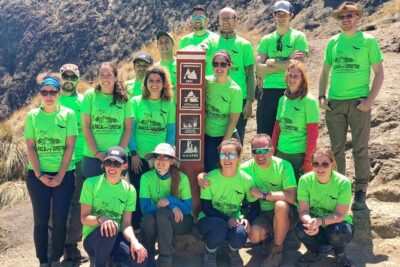
Classic Inca Trail Trek 4D/3N to Machu Picchu (Group Service)
Read our review →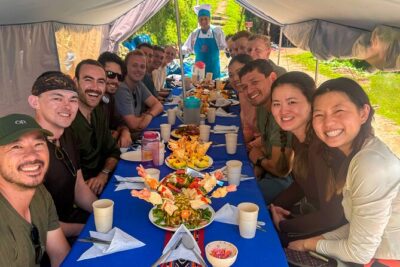
4-Day Inca Trail Trek with Panoramic Train Ride
Read our review →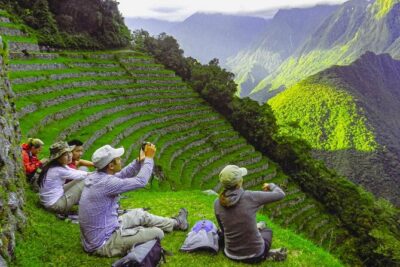
2-Day Inca Trail to Machu Picchu with Panoramic Train
Read our review →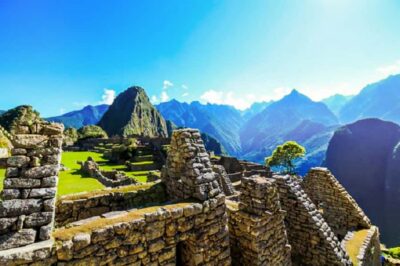
2-Day Tour: Sacred Valley and Machu Picchu by Train
Read our review →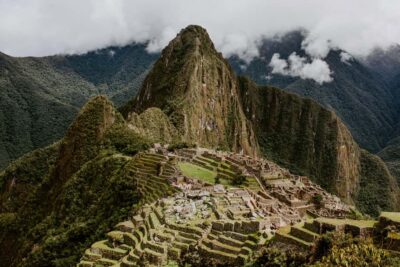
Browse the lists this tour appears in