
Reviewed · MACHU PICCHU
Excursion Sacred Valley and Machu Picchu more Huayna Picchu
Cusco is the gateway to one of the most dramatic combos in Peru: Sacred Valley sites plus Machu Picchu and Huayna Picchu in one smooth 2-day rhythm. I love how this trip builds momentum, starting with daily Inca life and farming, then sliding you right into the wonder of Machu Picchu.
What makes it especially appealing is the range of stops, from Chinchero textiles to the salt pools of Maras, and the fact that you get a professional guide for the day-one journey and the main Machu Picchu time. One thing to consider, though, is that the Huayna Picchu climb is done without a guide, and the return logistics after Machu Picchu can feel confusing if you are counting on a specific group to stay together.
Key highlights before you go
- Chinchero textiles: Learn how natural fibers and plant and mineral dyes shape traditional Andean weaving.
- Moray microclimates: Circular terraces that mimic different growing conditions, like an outdoor lab.
- Maras salt mines: Thousands of salt pools fed by an underground spring, still producing today.
- Ollantaytambo’s living Inca layout: Fortified stones and streets that still follow the original plan.
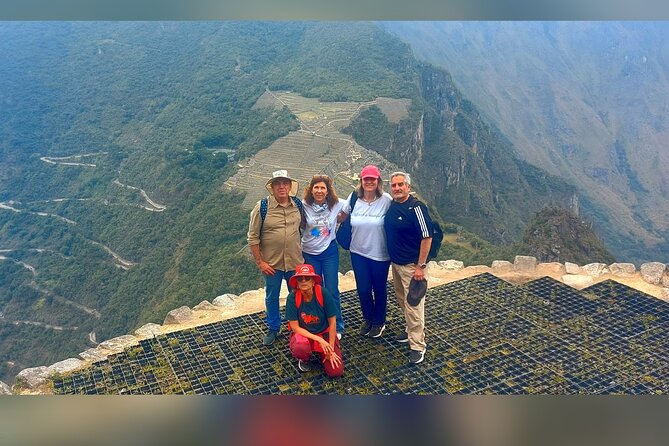
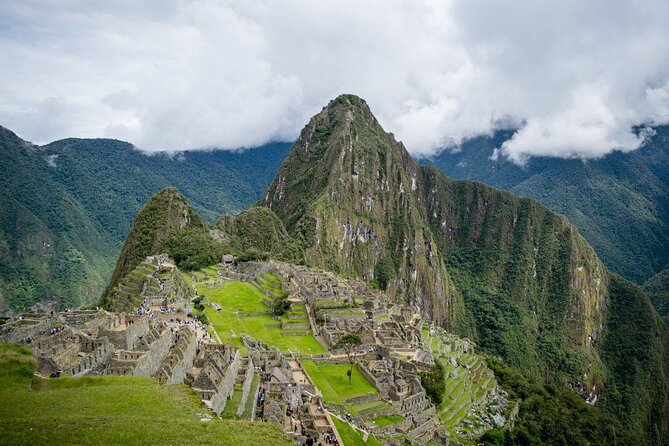
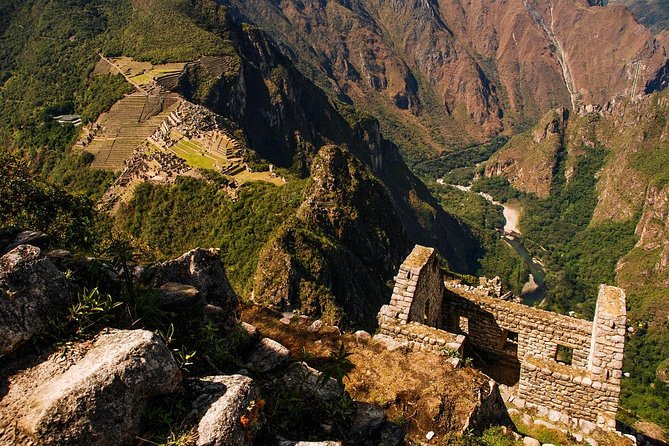
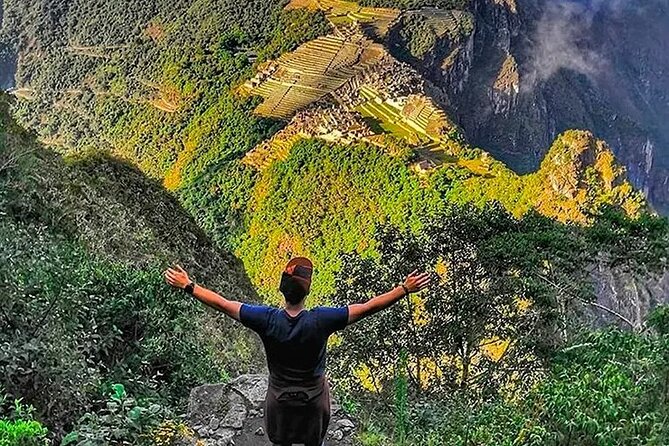
- Machu Picchu plus Huayna Picchu: Two different mountain perspectives, with Huayna Picchu booked for you on the designated route.
- Strong guide experience: One guide name that stood out was JOHN, described as friendly and full of clear information.
Cusco to the Sacred Valley, with an early start that makes the day work
This tour starts at 6:00 am. That early push matters because it gives you time to see multiple sites without feeling like you are constantly sprinting for tickets.
You will also spend time on Cusco-to-station ground transport and then ride the train toward Machu Picchu Pueblo (Aguas Calientes). It is not just sightseeing, it is a well-paced travel day that sets up your next morning well.
Because this is a private tour for your group, you can expect the guide and timing to be geared toward your itinerary, not random stops for other parties.
More Huayna Picchu climbs:
- Machu Picchu and Huayna Picchu Full Day Private Tour
★ 5.0 · 168 reviews - Huayna Picchu and Machu Picchu from Cusco Full day
★ 5.0 · 70 reviews - Exclusive Huayna Picchu Tour in 1 Day from Cusco
★ 5.0 · 31 reviews
Chinchero textiles: the Inca-era craft you can actually see
The first stop, Complejo Arqueológico Chinchero, is a smart opener. Chinchero is known for weaving, and you get the chance to learn how the locals work with natural fibers and dyes made from plants and minerals.
What I like about starting here is that it shifts your brain from ruins to craft. You are not just looking at stones, you are seeing how Andean people historically shaped their daily life and trade with materials they could access nearby.
A potential drawback is that textile-focused experiences may feel a little slower than you expect if you came only for dramatic monuments. If you enjoy hands-on style explanations, you will probably find this stop one of the most memorable.
Moray and the logic of Inca farming
Next comes Moray, famous for its circular terraces that create different microclimates. In plain terms, the Incas built a place to test how crops behave under slightly different conditions.
The time here is short, around 30 minutes, so you will want to stay present and ask questions if you have them. Moray works best when you understand the purpose, not just the photo.
If you are the type who likes science behind history, Moray is a highlight. If you only want big scale ruins, you might wish there was more time, but the payoff is the idea: engineering meets agriculture.
Maras salt mines: thousands of salt pools and a trading legacy
Then you hit Salinas de Maras, the salt flats made of thousands of salt pools fed by an underground spring. This place is still used today, which changes the experience from museum mode to living landscape mode.
You get about 40 minutes, which is enough to walk through and take in the scale. It is also enough time to step back and realize how much labor and logistics this required for a trade network in Inca times.
One practical consideration: this stop can be visually intense. If you take lots of photos, you might forget to pause and watch how the water and pools behave. Give yourself a moment to look slowly, not only quickly.
More Sacred Valley days:
- From Cusco: Sacred Valley & Maras Salt Mines Tour with Lunch
★ 4.8 · 2,227 reviews - 2-Day Tour: Sacred Valley and Machu Picchu by Train
★ 5.0 · 1,127 reviews - Cusco: Sacred Valley, Pisac, Ollantaytambo, Salt Mines Moray
★ 4.6 · 1,058 reviews - Sacred Valley and Maras Moray Tour with Full Day Buffet Lunch
★ 5.0 · 670 reviews
Urubamba stop: the calm break that helps you enjoy the rest
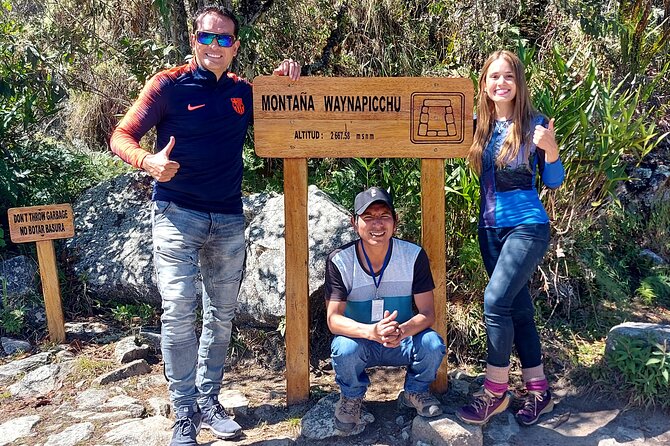
At Urubamba, you get a short break, about 1 hour, and it is labeled as a free admission stop. This is where you can breathe, eat on your own, and check out the local market atmosphere.
I like Urubamba as a reset point. After several compact archaeological stops, you will feel the benefit of a little flexibility for snacks, water, and browsing.
Because the tour does not include food, this is one of your key chances to grab something that keeps your energy steady for the next steps of the day.
Ollantaytambo fortress: the stone town that still looks the same
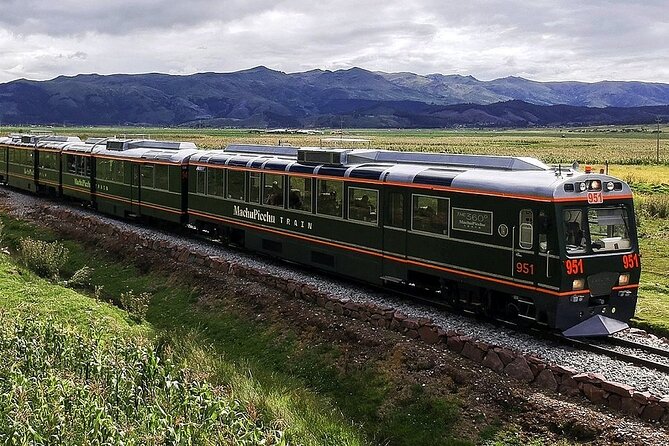
You finish Day 1 at the Archaeological Park Ollantaytambo. This is not just a fortress, it is a living Inca-style town layout with cobblestone streets and stone temples.
The time is not stated as a specific number of minutes, but the stop is clearly meant to land you emotionally before the journey to Machu Picchu Pueblo. Even if you do not know Inca architecture details, you will likely feel the solidity of the place.
A special option here is that the Sacred Valley portion ends, and then your route continues toward the city of hot waters for the night. That is useful because it keeps you from having to piece together the last travel leg on your own.
Overnight in Machu Picchu Pueblo, with breakfast included
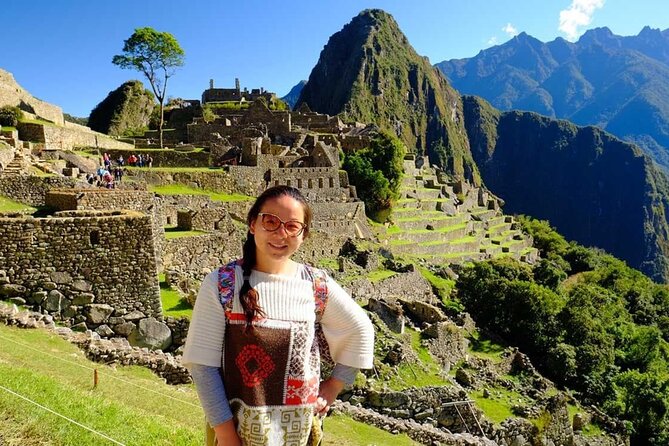
You get 1 hotel night in Machu Picchu Pueblo, and breakfast at the hotel is included. Staying here is the normal way to make Machu Picchu and Huayna Picchu realistic, since early entry is half the game.
This overnight also gives you time to settle your timing, confirm your mountain route plan, and take a breath before the big day. You are not trying to do Machu Picchu and then sleep in Cusco, which would be brutal.
You are still on your own for meals during the 2 days, since food is not included. I recommend planning for that, especially for the morning of your climb and visit.
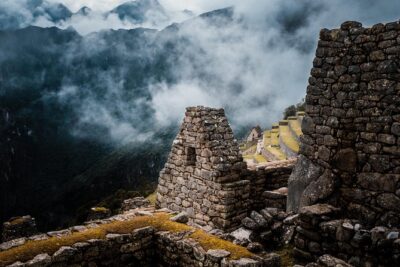
Machu Picchu and Huayna Picchu: two mountain styles, one unforgettable citadel
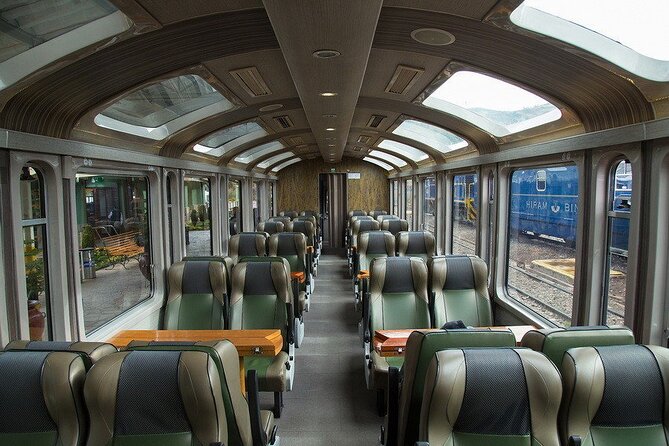
Day 2 centers on the Historic Sanctuary of Machu Picchu with Machu Picchu and Huayna Picchu. Your visit time is listed as 4 hours, and the ticket is included.
This is where the tour’s structure pays off. You have already seen how the Incas worked with textiles, salt, and agriculture. Then Machu Picchu hits you as the full engineering and social story in stone.
You will also be on the route option labeled Route 3-A: Waynapicchu Mountain Route. That matters because Huayna Picchu is not a casual hike you can show up for at the last minute, so having a booked route built into the package is a big advantage.
Huayna Picchu without a guide: thrilling, but know what that means
Here is the key reality: a guide for Huayna Picchu is not included, and you climb alone. Your main guide likely covers what you need for the overall plan, but you will be responsible for following the route on the mountain.
This is not automatically a bad thing. If you like a more self-directed pace, you might actually prefer it. But you should take it seriously because Huayna Picchu requires more physical and mental effort than standard Machu Picchu walking.
The tour notes moderate walking for Machu Picchu llacta, with greater demands for Huayna Picchu. If you are out of shape, afraid of steep steps, or you hate the idea of navigating without someone beside you, you may want to reconsider or at least prepare well.
Practical mindset tip: treat the climb as part of your experience, not as an obstacle to clear fast. When you rush it, you miss views and you tire out too early.
Value check: what your $478.67 price covers, and what it does not
At $478.67 per person, you are paying for a package that includes a lot of the costly logistics that are hardest to line up on your own.
Included items:
- Breakfast
- Cusco tourist bus to Ollantaytambo station and back to Cusco
- Train tickets Ollantaytambo to Aguas Calientes and return
- Hotel night in Machu Picchu Pueblo (3***), plus breakfast
- The Waynapicchu Mountain Route option (route 3-A)
- Professional guide for the itinerary portion that includes guidance
Not included:
- Food
- Guide for Huayna Picchu during the climb
From a value perspective, the big wins are the train, the hotel night, and the booked Huayna Picchu route. Those are exactly the pieces that can turn into time-consuming ticket juggling if you do this independently.
Transport and return to Cusco: the one place you should plan extra carefully
This trip includes the back-and-forth transportation to Cusco. However, one lesson is clear from real-world experience: do not assume the tour will automatically keep every person exactly together on the return.
There was an issue where a traveler was separated from a close companion on return rail and buses, and the return instructions were not detailed enough to make meeting up easy. The practical fix is simple: before you go, confirm that your group is booked together for the return timing and seating, and ask for a clear “who meets whom where” plan if anyone gets separated.
Also, after Huayna Picchu and your Machu Picchu time, you will likely be tired. That is when weak directions hurt the most. I recommend you ask your guide at the start of Day 2 for the return plan in plain steps, including where you should regroup if needed.
Who should book this Sacred Valley plus Machu Picchu with Huayna Picchu tour
I think this is a strong fit for you if you want both cultural context and iconic ruins in two days. The day-one flow helps you understand what you are seeing on Day 2 instead of treating Machu Picchu as a stand-alone photo stop.
It is also a good choice if you like structure. You have a scheduled route from Chinchero to Moray to Maras to Ollantaytambo, then the jump to Machu Picchu Pueblo and an early-style Day 2 visit.
Consider another option if you:
- Do not want the responsibility of climbing Huayna Picchu without a guide
- Prefer a slower pace with more time at fewer stops
- Are very dependent on staying with a specific person during return logistics and do not want to manage it proactively
The best result comes when you match the tour to your comfort level and plan your return expectations early.
Should you book it?
Yes, if you can handle stairs and steep hiking on Huayna Picchu and you want the Sacred Valley story told in a tight, efficient format. The combination of textiles, microclimate farming, living salt production, and then Machu Picchu makes your days feel connected.
If you book, do two things that make a big difference: confirm you are paired together for the return transport, and ask for a clear meetup plan before Day 2 gets exhausting. With that, you will get strong guide help, a smooth route, and the kind of views that make the effort feel worth it.
FAQ
What is the duration of this tour?
It runs for about 2 days.
Where does the tour start?
It starts in Cusco, Peru, with a 6:00 am start time.
How much does it cost per person?
The price is $478.67 per person.
What is included in the price?
Included are breakfast, a Cusco tourist bus (Cusco to Ollantaytambo station and back to Cusco), train tickets (Ollantaytambo to Aguas Calientes and back), 1 hotel night in Machu Picchu Pueblo with breakfast, the Route 3-A Waynapicchu Mountain Route, and a professional guide.
Is food included?
No. Food is not included, so you will need to pay for meals on your own.
Is there a hotel included for the night?
Yes. You get 1 hotel night in Machupicchu Pueblo (3***), and breakfast at the hotel is included.
Do I need moderate fitness for the walking?
You should have moderate physical fitness. Walking in Machu Picchu llacta is listed as moderate, while Huayna Picchu requires greater physical and mental effort.
Is a guide included for Huayna Picchu?
No. The climb is done without a guide, and travelers climb alone.
Is this tour private?
Yes. It is described as a private tour/activity, with only your group participating.
What is the cancellation policy?
The experience is non-refundable and cannot be changed for any reason.
More Ways to Reach Machu Picchu
- Classic Inca Trail Trek 4D/3N to Machu Picchu (Group Service)
★ 5.0 · 8,653 reviews - Machu Picchu: 4-Day Inca Trail Trek with Panoramic Train Ride
★ 5.0 · 4,568 reviews - Short Inca Trail to Machu Picchu 2D/1N
★ 5.0 · 3,007 reviews - 2-Day Inca Trail to Machu Picchu with Panoramic Train
★ 5.0 · 1,876 reviews
Recently reviewed around Cusco
- Cusco Cooking Class by ChocoMuseo in Cusco★ 5.0 · 29 reviews
- 1-day excursion to Machu Picchu from Cusco★ 5.0 · 29 reviews
- Private Tour Sacred Valley, Chinchero, Maras Moray, Ollantaytambo★ 5.0 · 29 reviews
- ATV Adventure to Moray and Maras Salt Mines – Half Day★ 4.5 · 29 reviews
- From Cusco: Humantay Lake with Breakfast and Buffet Lunch★ 4.5 · 29 reviews
- 4 Day – Inca Jungle to Machu Picchu★ 5.0 · 29 reviews
- 2-Day Machu Picchu Tour by Train from Cusco★ 4.5 · 29 reviews
- 2-Day Sacred Valley and Machu Picchu Tour By Train★ 4.5 · 29 reviews
Machu Picchu, compared.
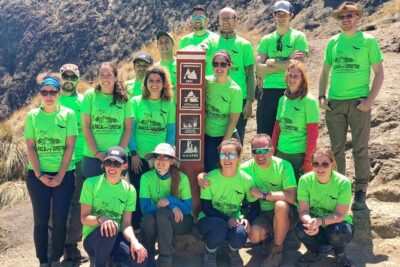
Classic Inca Trail Trek 4D/3N to Machu Picchu (Group Service)
Read our review →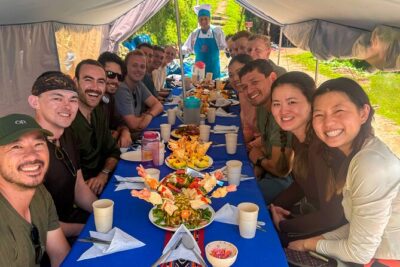
4-Day Inca Trail Trek with Panoramic Train Ride
Read our review →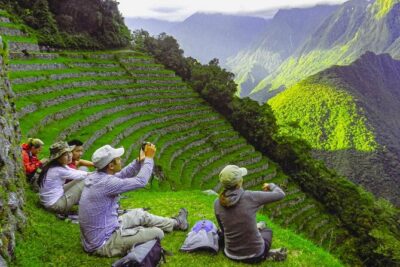
2-Day Inca Trail to Machu Picchu with Panoramic Train
Read our review →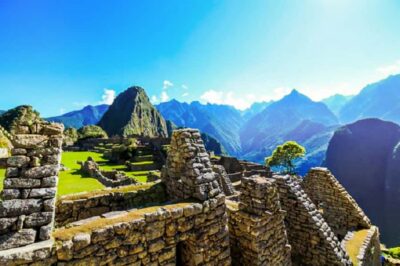

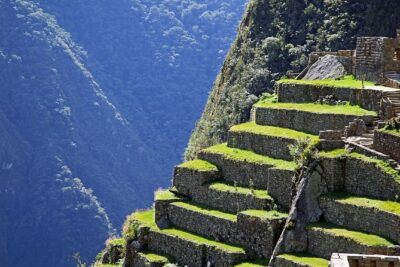
2-Day Tour: Sacred Valley and Machu Picchu by Train
Read our review →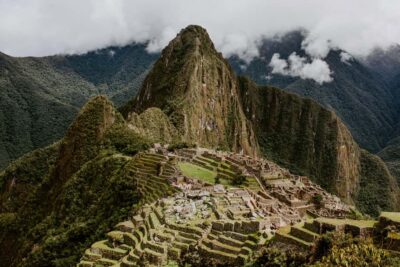
Browse the lists this tour appears in