
Reviewed · MARAS SALT MINES
Desde Cusco: Moray Salinas de Maras y Tejedores de Chinchero
Cusco turns into a little classroom on wheels when you do this half-day loop through Chinchero, Moray, and Maras. In a few hours, you go from weaving culture to Inca agriculture to the strange, beautiful physics of salt making.
I love the way the stop at Chinchero focuses on the textile craft instead of just selling you things. I also love seeing how Moray’s agricultural terraces were used for experimentation, then pairing that with the salt process at Maras.
One thing to consider is pickup timing. The tour includes hotel pickup around 8:00 a.m., and the guide is supposed to write or call about 15 minutes before. Still, you’ll want to be ready in the lobby, because one past booking complained that pickup coordination was weak.
Key Things You’ll Notice on This Route
- Chinchero textiles with real context, not just a quick shop stop
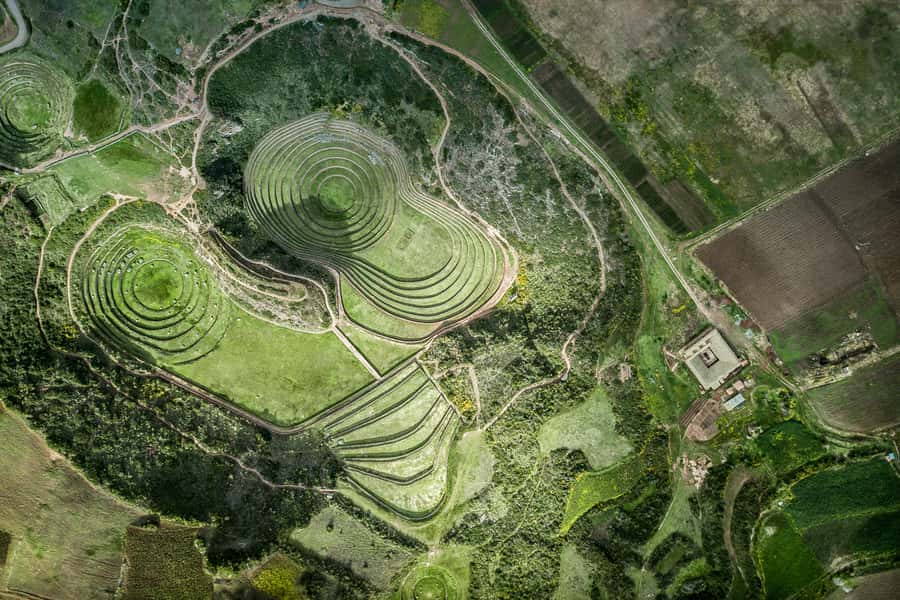
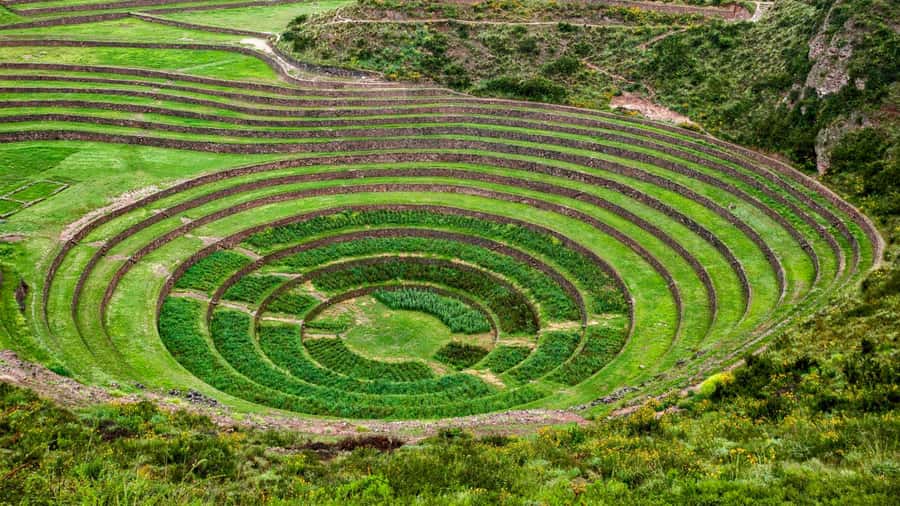
- Moray as an Inca agricultural laboratory, where terraces helped test farming conditions
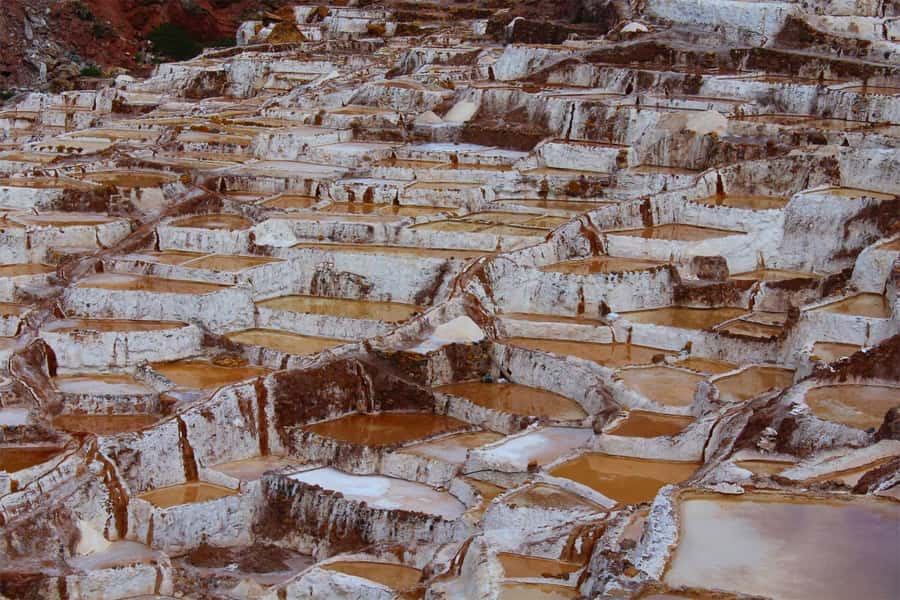
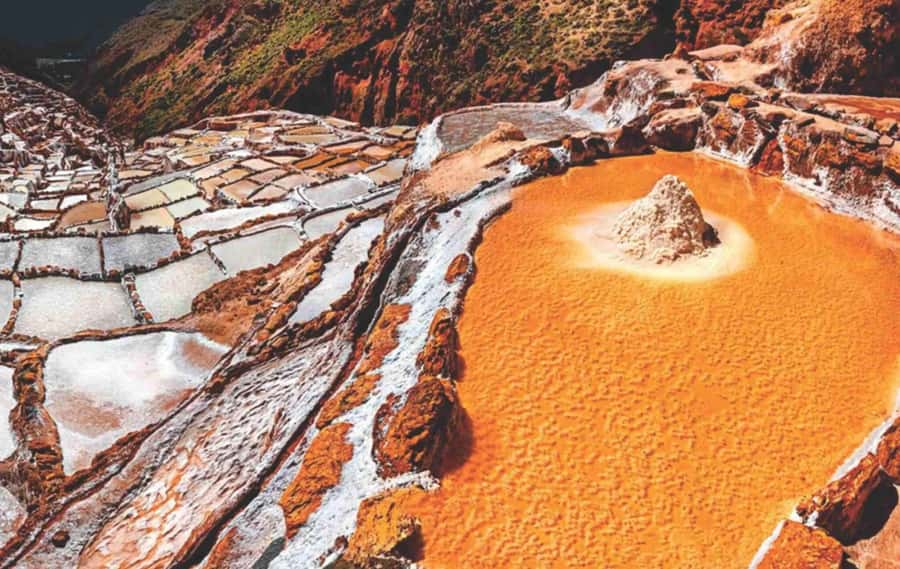
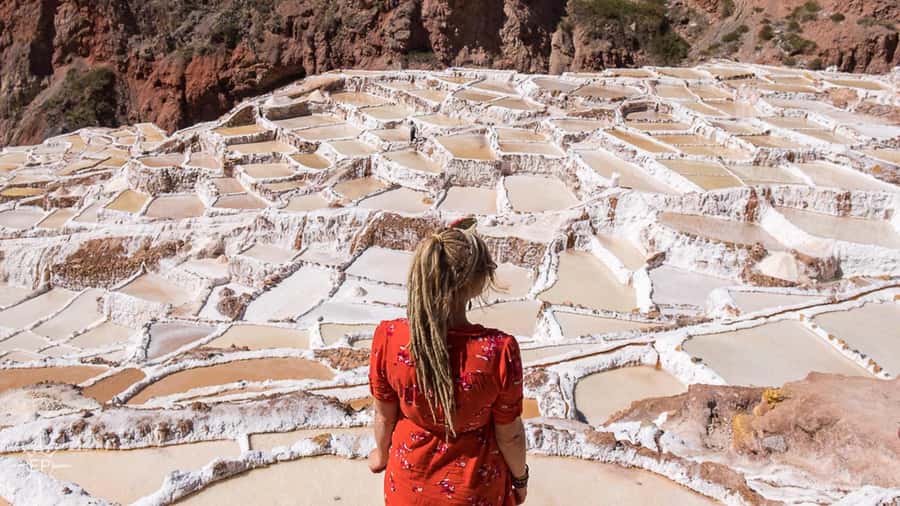
- Salineras de Maras salt ponds, built on hillside evaporation chambers
- A tight 6-hour schedule (depart around 8:00 a.m., back about 3:00 p.m.)
- Bilingual guiding (English and Spanish) so you actually understand what you’re seeing
- Entrances are pay-on-site, so you’ll plan a bit of cash for Maras and Moray
Cusco to Chinchero, Moray and Maras: why this 6-hour tour makes sense
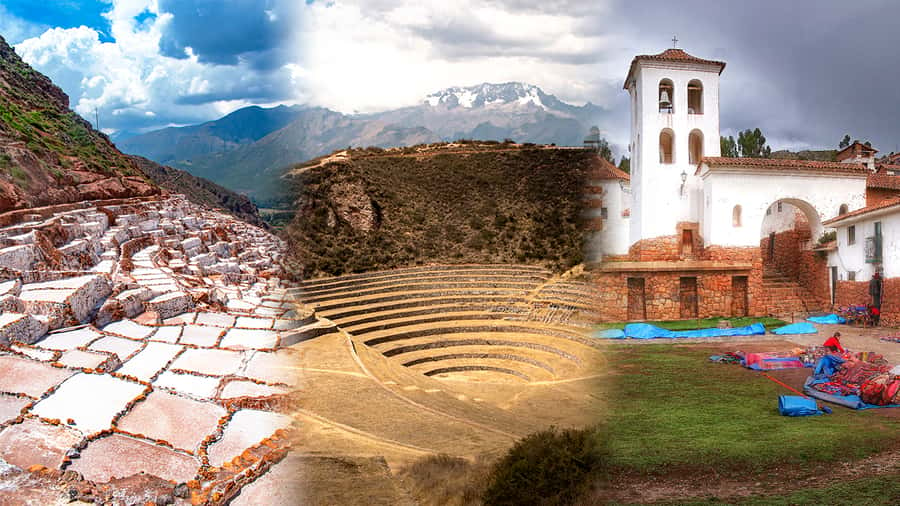
This is the kind of tour I like for a first or second day in Cusco. You get three major Sacred Valley stops without losing half your day to logistics. The big value is the story that links them: how people in the region produced textiles, experimented with farming, and even learned to harvest salt using nature.
You’ll start with pickup from hotels in the historic center of Cusco at 8:00 a.m. From there, the day moves steadily outward, then you come back to Cusco at around 3:00 p.m. For most people, that’s a comfortable timeframe. You’re not stuck overnight in a bus, and you still get the rest of the day for Cusco wandering.
The route also makes sense if you care about photos. Moray and Maras are built for camera angles, terraces stacked across slopes and salt basins shimmering in the sun. You’ll have chances to capture the agricultural layout and the hillside geometry.
More of Chinchero:
- From Cusco: Moray, Maras Salt Mines & Chinchero Weavers Tour
★ 4.8 · 1,925 reviews - Cusco:Chinchero,Moray & Salt Mines drop-off in Ollantaytambo
★ 4.8 · 793 reviews - Sacred Valley: Chinchero, Moray, Ollantaytambo & Pisac+Lunch
★ 4.8 · 501 reviews
Pickup at 8:00 a.m., transport, and the one thing to watch
Pickup is included, but only for hotels in the historic center of Cusco. The guide is meant to contact you about 15 minutes before pick up, and you should wait in the lobby and allow for a short head start. If you’re the type who likes to linger, set an alarm anyway. This tour is timed, and you do not want to miss the morning vehicle.
Once you’re in the transport, your guide handles the explanations and helps you connect the dots between stops. That’s important because Chinchero, Moray, and Maras can look like separate attractions. The guide gives you the thread that makes it feel like one experience.
As for movement, the tour notes that it does not involve much walking. That’s good news. Still, Moray and Maras are on uneven hillside areas, so “not much walking” does not mean “no steps” or “no uneven ground.”
Chinchero textile interpretation center: where craft becomes a lesson
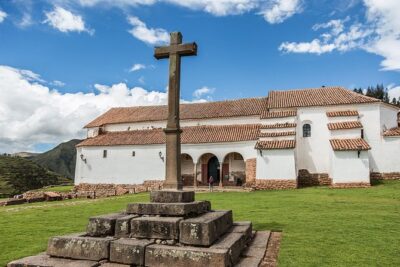
Your first real stop is Chinchero, and the highlight here is the textile interpretation center. Instead of treating textiles like a quick souvenir detour, this stop is built around understanding the process and the cultural logic behind the weaving.
Textiles matter in this region for practical reasons and identity reasons. Practically, weaving historically supported daily life, from clothing to storage. Identity-wise, patterns and techniques connect people to community and tradition. Even if you only skim the explanation, you’ll likely leave with clearer ideas about what you’re seeing when you look at the textiles later.
The best part, for me, is that this stop gives you something more meaningful to look for when you do see merchandise. You start noticing things like how materials and techniques influence the final result. You’ll also find it easier to ask questions, because your guide can explain in English and Spanish.
What to watch for here:
- The way the center explains the production process, not just the final cloth
- Questions you can ask when you see techniques or materials described
- Time management, because the day is tight and the next stops come fast
If you’re sensitive to crowds or sales pressure, you may still encounter a market atmosphere in the area. The key is to treat this center as your structured learning stop and then enjoy the rest of the day at Moray and Maras without letting the shopping noise take over.
Moray’s agricultural terraces: Inca experimentation you can actually picture
Next comes Moray, an agricultural site known for its terraces used for experimental purposes. When you see it in person, the scale and layout hit you quickly. It’s not just “pretty steps on a hill.” The terraces were designed to change growing conditions, letting farmers test how plants performed.
This is where the tour really rewards your attention span. Your guide explains the management and agricultural techniques associated with the Inca period. Even without technical farming background, you can follow the basic idea: terrace design can influence microclimates, water handling, and growing behavior.
This stop is also a photographer’s dream. You’ll want to position yourself for the classic terrace view so you capture the concentric layout. Since the tour includes time to take pictures of the agricultural terraces of Moray, don’t be shy about stepping slightly to find a cleaner angle. Just mind your footing on uneven ground.
Why Moray is worth it:
- You’re not only seeing agriculture, you’re seeing how it was managed
- The setting helps you visualize experimentation, not just theory
- The terraces give you strong photo compositions without needing fancy equipment
One practical note: if you have motion sensitivity, you’ll still be on a road to reach the site, and you’ll ride in a vehicle that can feel bumpy. The tour specifically lists motion sickness as a reason to avoid it, so take that seriously if you’re affected.
More visits to the Maras salt mines:
- From Cusco: Sacred Valley & Maras Salt Mines Tour with Lunch
★ 4.8 · 2,227 reviews - Cusco: Sacred Valley, Pisac, Ollantaytambo, Salt Mines Moray
★ 4.6 · 1,058 reviews - Sacred Valley and Maras Moray Tour with Full Day Buffet Lunch
★ 5.0 · 670 reviews - ATV Tour to Moray Maras and Salt Mines in the Sacred Valley
★ 4.5 · 530 reviews
Salineras de Maras salt mines: the Inca-era salt spring story
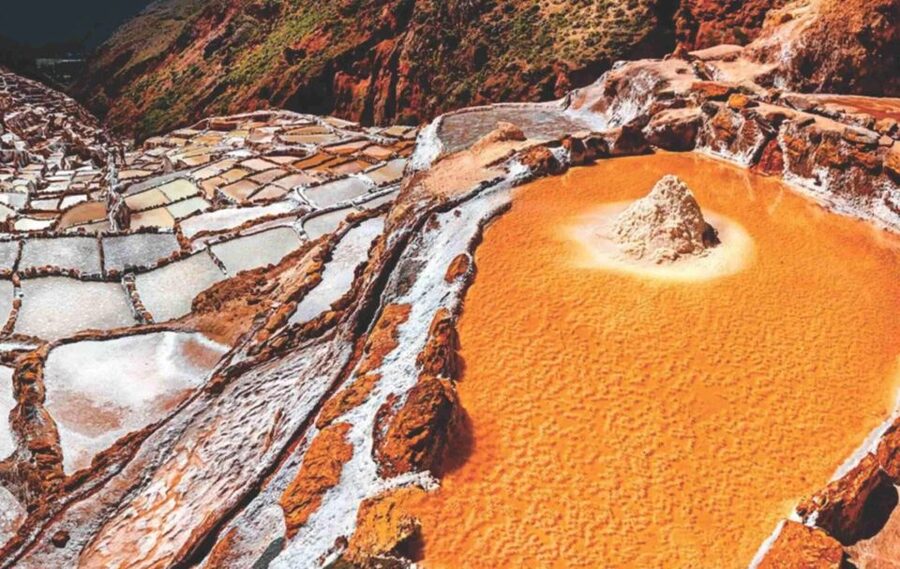
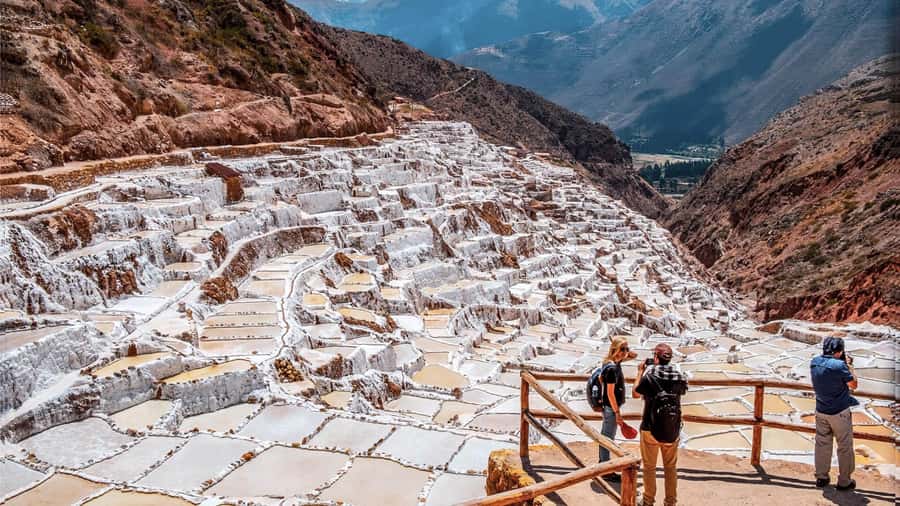
Then you reach Salineras de Maras, the salt mines where extraction has been happening since the Inca period. The place is built into a hillside, and the logic is simple and fascinating: the Incas took advantage of a saltwater spring and transformed the mountainside into evaporation chambers.
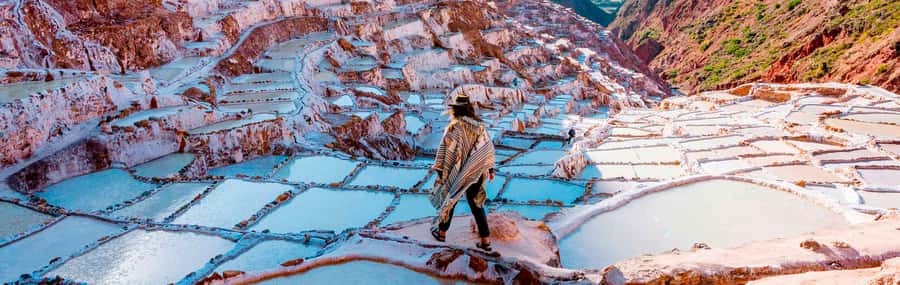
When you’re standing near the salt ponds, it stops being abstract. You can see the grid-like basins and how the hillside layout supports evaporation. The science part is grounded in what you can observe. The visuals are also intense. In the right light, the ponds look patterned and almost unreal.
This is an excellent stop if you like practical history. You’re seeing a production system that makes sense in the landscape. It’s not just monuments. It’s everyday resource use turned into a working process.
Photo tips for Maras:
- Arrive early in your time at the site to get clear sight lines before crowds tighten up
- Look for angles that show both the hillside slope and the repeated pond shapes
- Protect your eyes and face from sun glare, since you’ll likely be looking out over bright surfaces
Also remember: the tour notes you should wear a hat and sunscreen. At Maras, sun can feel relentless even if the air is cooler than you expect.
Price and value: what you pay, and what you’ll still need to budget
The base price is $16 per person for a 6-hour experience. For that you get hotel pickup from the historic center, tourist transport, and a bilingual guide in English and Spanish.
What’s not included matters because two separate entrance-related costs can add up:
- Entrance to Maras: 10.00 soles (not included)
- Entrance to Moray: General Tourist Ticket (not included)
Meals are also not included, so you’ll want to plan how you’ll handle food before or after the tour. Since you’re back around 3:00 p.m., a late lunch or early snack plan usually works well.
Is it good value? In my opinion, yes, especially if you want three big stops in one half-day. The guide saves you from feeling lost at Moray and Maras, and the Chinchero textile learning gives context you might miss if you went fully on your own.
The key cost-smart move: bring some spare cash or payment option for the on-site entrances. The tour says you can purchase entry fees there, so don’t assume they’re bundled into the $16.
What to bring and wear so the day stays pleasant
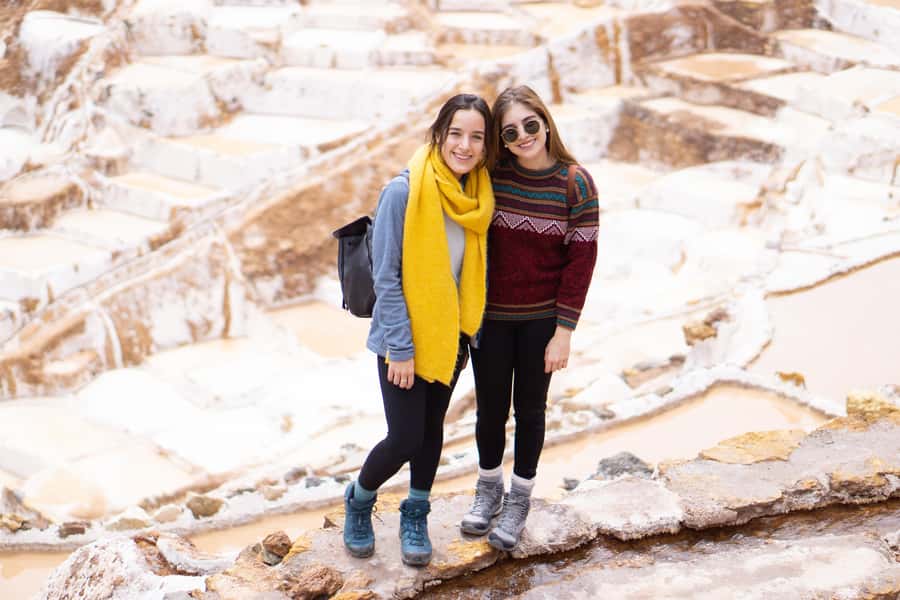
This tour is short, but it’s outdoors and sun-heavy. Bring what the tour recommends, and you’ll feel way more comfortable.
Bring:
- Passport or ID card
- Comfortable shoes
- Sunglasses
- Hat (important)
- Sunscreen
- Water
- Comfortable clothes
You should also think about layers. Even in Peru’s dry season feel, mornings near Cusco can be cooler than midday. If you get warm quickly, you’ll still be glad you have a light layer you can remove.
Avoid:
- Alcohol and drugs
- Explosive substances
- Alcoholic drinks in the vehicle
And if you’re tempted to wear flip-flops, don’t. Uneven paths at sites like Moray and Maras can be unforgiving.
Who this tour is best for, and who should skip it
This works best for people who want an efficient Sacred Valley day with a guide explaining the logic behind each place.
It’s a solid fit if you:
- Like learning, not just sightseeing
- Want a manageable day in Cusco without a long drive overnight
- Enjoy photos of terraces and hillside salt ponds
- Appreciate hands-on context for Inca-era farming and salt production
It’s not suitable for everyone. The tour specifically lists these as not suitable:
- Pregnant women
- People with vertigo
- Visually impaired people
- People with recent surgeries
- People with motion sickness
That last one is worth highlighting. Even if the walking is limited, vehicle motion still happens before and after each stop.
Will you enjoy it? Quick decision guide
Book this tour if you want a first-class mix of textiles, Inca agriculture, and salt production in one smooth half-day. The strongest part is how the guide helps you connect what you see, especially at Moray and Maras, where the terrace and evaporation-chamber design becomes the story.
Skip it (or consider a different format) if you’re dealing with vertigo, motion sickness, or recent surgery. And if you hate the idea of coordinating morning pickup, plan to be ready early in the lobby and keep your phone close for the guide’s contact attempt.
If you do book, you’ll get a day that feels busy in the best way: three visually memorable stops, clear explanations, and you back in Cusco by mid-afternoon, ready to keep exploring.
FAQ
What time does the tour start and when do we return to Cusco?
Pickup starts at 8:00 a.m. in the historic center of Cusco, and you return at approximately 3:00 p.m.
What’s included in the price?
You get hotel pickup (from the historic center), tourist transport, and a bilingual tour guide in English and Spanish.
Are entrance fees included for Moray and Maras?
No. Entrance to Maras is 10.00 soles and is not included. Entrance to Moray requires the General Tourist Ticket, and that is not included either.
Is lunch or breakfast included?
No meals are included, so you should plan breakfast and lunch on your own.
How much walking is involved?
The tour notes it does not involve much walking, but you should still wear comfortable shoes because the sites are uneven.
What should I bring for the day?
Bring passport or ID, comfortable shoes, sunglasses, a sun hat, sunscreen, water, and comfortable clothes.
More Visits to the Moray Terraces
- Sacred Valley: Maras & Moray by Quad Bike from Cusco
★ 4.6 · 418 reviews - Tour Sacred Valley & Maras – Moray with buffet lunch
★ 5.0 · 411 reviews - Maras, Moray & Salt Mines Tour
★ 5.0 · 354 reviews - Quad Bike Tour Moray and Maras Salt Mines from Cusco
★ 5.0 · 348 reviews
Recently reviewed around Cusco
- Cusco Cooking Class by ChocoMuseo in Cusco★ 5.0 · 29 reviews
- ATV Adventure to Moray and Maras Salt Mines – Half Day★ 4.5 · 29 reviews
- 1-day excursion to Machu Picchu from Cusco★ 5.0 · 29 reviews
- Private Tour Sacred Valley, Chinchero, Maras Moray, Ollantaytambo★ 5.0 · 29 reviews
- From Cusco: Humantay Lake with Breakfast and Buffet Lunch★ 4.5 · 29 reviews
- 4 Day – Inca Jungle to Machu Picchu★ 5.0 · 29 reviews
- 2-Day Machu Picchu Tour by Train from Cusco★ 4.5 · 29 reviews
- 2-Day Sacred Valley and Machu Picchu Tour By Train★ 4.5 · 29 reviews
Maras Salt Mines, compared.
Sacred Valley & Maras Salt Mines Tour with Lunch
Read our review →
Moray, Maras Salt Mines & Chinchero Weavers Tour
Read our review →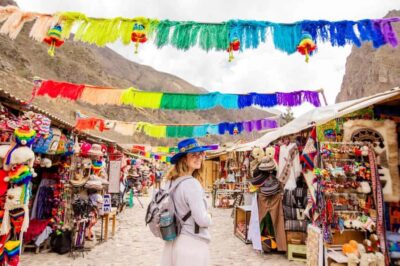
Sacred Valley, Pisac, Ollantaytambo, Salt Mines Moray
Read our review →
Chinchero,Moray & Salt Mines drop-off in Ollantaytambo
Read our review →
Sacred Valley and Maras Moray Tour with Full Day Buffet Lunch
Read our review →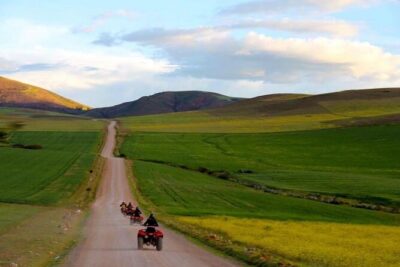
ATV Tour to Moray Maras and Salt Mines in the Sacred Valley
Read our review →
Tour Sacred Valley & Maras – Moray with buffet lunch
Read our review →Browse the lists this tour appears in