
Reviewed · 7-DAY EXPERIENCES
7-Day Peru, A Story to Tell
What makes this Peru trip interesting is the way it jumps from city history to Inca engineering, then ends with big altitude days. I like how the Historical Center of Lima is handled with real context, not just photo stops, and you also get a proper splurge dinner at Astrid y Gastón (a 15-course meal) in an old San Isidro house.
The main drawback to weigh is the Machu Picchu entry ticket rule. It is not refundable, and date changes are not accepted, so you need to be confident your Machu Picchu day will stay put. Add in the high elevations on Rainbow Mountain, and you will want to plan for an active itinerary.
Key things that make this 7-day Peru route work
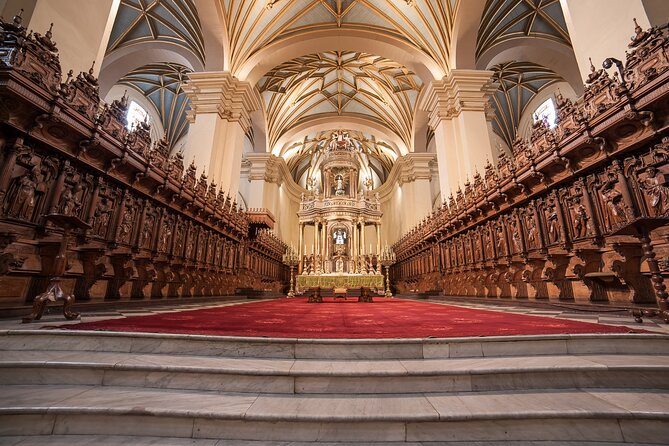
- UNESCO Lima plus the Santo Domingo complex: you get a guided walk through Plaza Mayor and the Convent of Santo Domingo, tied to San Marcos University and colonial-era sacred art.
- Museo Larco collections with variety: gold pieces, textiles, and even erotic ceramics, plus a chance to see the museum’s storage area open during your visit.
- Astrid y Gastón, Casa Moreyra, 15 courses: one standout meal that adds real flavor and a sense of modern Peru alongside the ancient sites.
- Sacred Valley in a logical order: Chinchero weaving, Moray terraces, then Ollantaytambo with the Temple of Ten Windows and more.
- Machu Picchu by train and bus ride: you go from Ollantaytambo to Machu Picchu, then take the bus up with canyon views from the Urubamba River area.
- Rainbow Mountain at altitude: an early start, a hike around 4 kilometers, and an observation point near 5,000 meters.
Lima’s UNESCO core and the Santo Domingo connection
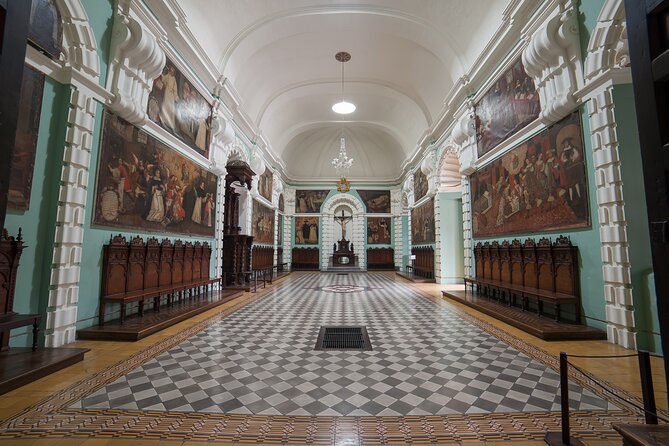
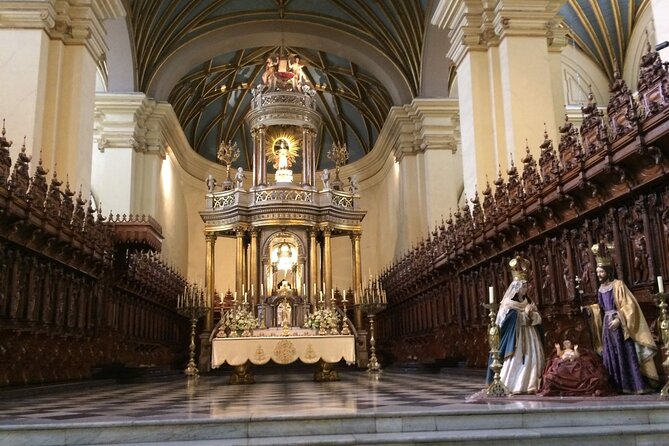
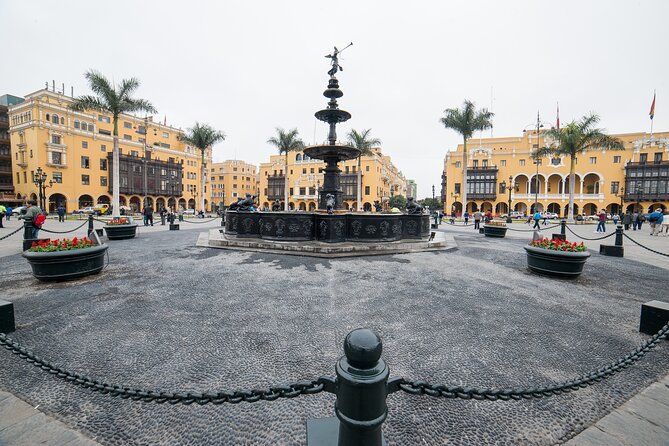
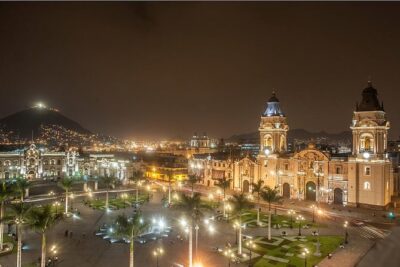
Your trip starts in Lima with arrival support and transfers to your hotel. Then the best part begins: a focused guided walk through Lima’s Historical Center, a UNESCO World Heritage Site. This is not a random wander. The route ties together colonial Lima’s most important spaces so the city starts to make sense.
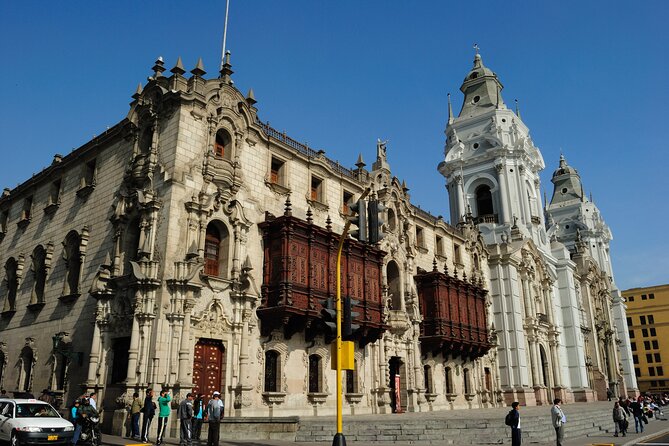
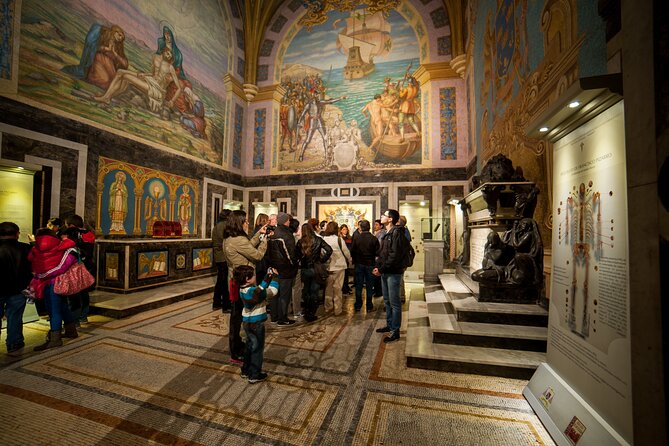
A highlight is the Convent of Santo Domingo. It sits right where Lima was founded, and it connects to the University of San Marcos, which is recognized as the oldest university in the Americas. Inside, you can see details that most visitors never notice: the choir with the oldest stalls in the country, and the library collection that includes 25,000 books, with some printed as far back as the 15th century. It is one of those places where the history is not just painted on a wall, it is literally built into the rooms and documents.
From there, you cross Plaza Mayor, passing major civic landmarks, and continue into the Cathedral. This is your classic colonial Lima art stop, with religious artworks that help you feel what life looked like after the conquest. It is a good reminder that Peru’s story is not only about the Incas. Lima’s Spanish-era institutions also shaped what you see today.
Good to know: the Historical Center is a walking day, and you will be on the move for around five hours. Wear comfortable shoes and keep water handy. You do not want tired feet to steal your attention from the details.
A few more Lima days worth comparing
- Premium Paracas & Huacachina Day Trip from Lima with Sunset Toast
★ 5.0 · 7,380 reviews - Full Day Tour From Lima: Paracas and Huacachina Oasis
★ 5.0 · 3,694 reviews - Lima Ultimate Peruvian Food Tour
★ 5.0 · 1,845 reviews
Museo Larco: ancient Peru you can actually picture
After downtown Lima, you head to Museo Larco. This museum is one of the best ways to get your brain around what ancient Peru looked like across different cultures. Instead of a single timeline, it gives you objects that show daily life, beliefs, and artistic priorities.
You will see gold pieces, textiles, and ceramics. The ceramics matter here, because the museum also includes erotic examples. If that sounds like a strange detail, it actually helps you understand that ancient Peru was not only temples and battles. People lived, loved, joked, and ritualized through art.
One of the practical perks is that the museum’s warehouse area is open during your visit. That means you get a glimpse of how the collection is preserved and displayed, not just the finished showpieces on the walls. It is a small thing, but it makes the visit feel more grounded.
Why this stop is valuable: it sets you up for the rest of the journey. When you later see Inca sites like Sacsayhuaman and Qorikancha, you have a better sense of how craft and symbolism travel through time.
Astrid y Gastón: a modern Peru anchor meal
In the middle of all the history and archaeology, you have one very deliberate culinary day: a 15-course dinner at Astrid y Gastón, Casa Moreyra. This is one of those experiences that changes the rhythm of the trip. You go from stone and textiles to flavors and conversation.
The setting is an old house from the San Isidro area, now home to this iconic Lima restaurant. The meal is served as a tasting-style format, with 15 courses that let you sample how Peruvian cuisine can move from classic comfort to creative presentation.
If food is a big part of why you travel, this dinner is worth appreciating, even if you already know a lot about Peruvian cuisine. And it helps the itinerary feel balanced. You are not only seeing ruins and viewpoints. You also get a real sense of present-day culture.
Day 2 in Lima: a flexible buffer day
Day 2 is free time in Lima. That is not filler. It is strategic. You can rest, adjust for jet lag, or choose activities that match your interests without feeling rushed.
Since this day is unstructured, the main advice is simple: pick your plan early. The itinerary notes that you should reserve activities in advance. In a city like Lima, the best time slots disappear fast.
Use this day to explore areas that fit your style. If you want museums, great. If you want markets, great. If you want a slower day after the first long guided walking segment, also great.
A different kind of day out of Lima:
- Lima Half-Day City Walking Tour (Small Groups)
★ 5.0 · 1,508 reviews - Paracas and Huacachina Exclusive Sunset Picnic Tour
★ 5.0 · 1,398 reviews - Unmissable Visit To Paracas, Huacachina And Sunset In The Oasis
★ 5.0 · 1,138 reviews - Paracas, Ballestas Islands and Huacachina Guided Tour
★ 5.0 · 1,100 reviews
Flying to Cusco and getting your bearings
On Day 3, you transfer to the airport and fly from Lima to Cusco. This domestic flight is not included in the package price. You will want to plan that cost and build it into your budget.
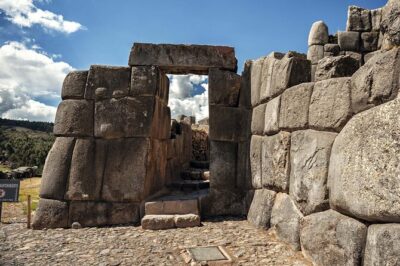
Once you arrive, the tour moves quickly. In the afternoon, you head to Sacsayhuaman Archaeological Park, then continue through Q’enqo, Tambomachay, and Puca Pucará. You also visit Qorikancha in the late part of the day, and finish with Plaza de Armas and the Cathedral.
The overall flow is smart. You start with the big fortress feeling at Sacsayhuaman, with massive rocks used in construction, including stones that can reach impressive heights. Then you shift to the smaller ceremonial spaces like Q’enqo, where you see an altar for sacrifices inside a huge rock. After that, Tambomachay and the sacred fountains theme helps you understand Inca ideas about water and health.
Puca Pucará gives you a panoramic view on the way, and Qorikancha adds a major connection to colonial layers. The Temple of the Sun sits under the Santo Domingo Convent. There is also a legend that the original temple was completely gold plated, which amazed early conquerors. Whether you take the story literally or as legend, the point is clear: this was a power center.
Practical note: Cusco is at altitude. Even with only a few hours of sightseeing, you may feel it. Hydrate and take slow steps. If you need a lighter pace, this is the day to ask.
Sacred Valley: weaving, terrace experiments, and Ollantaytambo views
Day 4 is a full day in the Sacred Valley, and it is packed in the best way: each stop builds on the last.
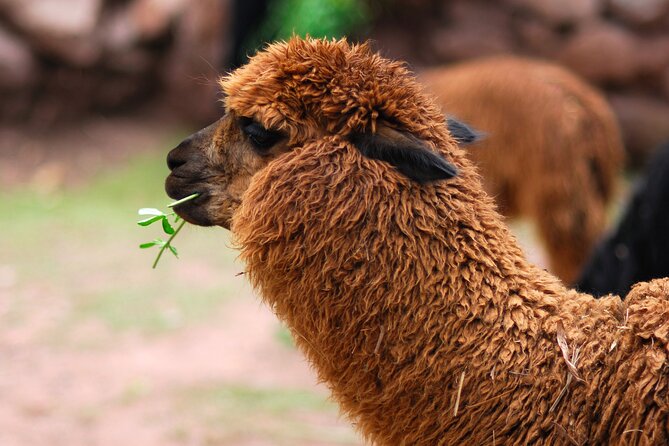
You start in Chinchero, a colorful, typical village known for weaving. A key detail here is the focus on techniques. You get a short stop at a textiles center where you can appreciate older methods for dyeing and spinning using alpaca wool. This is not only about buying textiles. It helps you understand why the patterns look the way they do.
Next, you visit the Inca plaza and a colonial church, which again shows how these layers overlap in Peru.
Then you go to Moray, famous for its concentric agricultural terraces. The concept is that they served as a kind of laboratory for microclimates. It is a neat stop because it turns the whole Inca farming story into something visual.
After lunch, you head to Ollantaytambo, a place that still feels alive compared to many archaeological sites. You see the Temple of the Ten Windows, the Bath of the Princess, and the Sun Temple. And you end with postcard-style views from the heights of Ollantaytambo.
This day also includes lodging in the area, not back in Cusco. That matters because it helps you sleep closer to the next day’s train departure.
Good shoes advice: you are outside a lot. The ground can be uneven. If you are planning to photograph a lot, you will likely walk a bit more than you expect.
Machu Picchu day: train, bus up, terraces that feel unreal
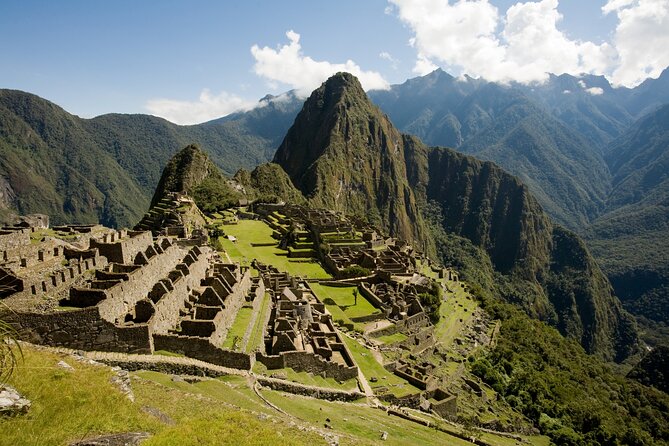
Day 5 is the day everyone waits for: Machu Picchu. You board at Ollantaytambo station, then take the train to Machu Picchu station. From there, staff help you board the bus that climbs a winding road with spectacular views of the Urubamba River canyon.
Then you reach the Lost City of the Incas and it hits you with terraces, staircases, ceremonial sites, and urban areas laid out like a blueprint. The itinerary includes lunch on-site, then you return by train and transfer back to your Cusco hotel for lodging.
A key rule you must respect: the Machu Picchu entry ticket is not refundable, and date changes are not accepted. That is not just fine print. It is the thing that can turn a minor schedule issue into a real headache. So when you book, double-check your domestic flight timing and any other connections.
Who this day suits best: if you like big set-piece sights and you can handle a full day of movement, you will love it. If you are easily exhausted by altitude and stairs, plan to take rests when you can. You do not need to sprint from one viewpoint to the next.
Rainbow Mountain at 4,800 to 5,000 meters: early start, steady pace
Day 6 moves to Vinicunca, also called Rainbow Mountain. This is not a gentle stroll. You start very early, travel through the South Valley to the village of Cusipata for breakfast, and then begin the climb.
You hike about 4 kilometers. The route climbs gradually on a communal dirt road and you rise to around 4,800 meters, then reach an observation point near 5,000 meters. The guide provides essential altitude walking techniques, which is a smart inclusion. It can mean the difference between feeling miserable and feeling just uncomfortable.
As you climb, the mountain’s striped colors start to appear, and the observation point is where you get the best view. After free time for photos, you descend the same path and then return for lunch and back to Cusco.
Practical advice: bring warm layers. The tour description includes cold exposure risk by telling you to use proper techniques for high altitude hiking, and conditions at those elevations can feel brutal even if the sky looks clear.
Energy reality check: even fit people need a steady pace at altitude. If you rush, you pay for it.
Transfers, hotels, and the small details that create trust
Across the trip, transfers are included: airport to hotel, train station to hotel, and airport again. You also get 6 nights of accommodation, plus 6 breakfasts and 3 lunches. There is also one major dinner included, the Astrid y Gastón 15-course meal.
The included admission covers the experiences listed through the itinerary. One item you should watch closely is the Machu Picchu ticket, since it has that strict non-refundable date rule.
The package is also capped at a maximum of 12 travelers, so it is not a giant bus tour. That helps you stay organized, get questions answered, and keep things from feeling chaotic.
In the feedback, I repeatedly see the same theme: punctual transfers, guides who explain what you are seeing, and a team that stays in contact. Some named guides came up clearly in accounts, including Ursula in Lima, Elmer and Lucio in Cusco, and Martial in Machu Picchu. Those names matter because it suggests continuity and real staff effort.
One word of caution: not every guide interaction lands the same
Even with strong overall performance, you should know that there was at least one account with a negative interaction. A guide named Samuel was described as rude during church-related photo moments in Cusco, including shouting when people were taking pictures inside. Another day, two guides, Juan Julio and Jimmy, were described as making a participant feel discriminated against due to clothing choices and by questioning them during the Rainbow Mountain experience.
I am not saying every guide will be like that. The bigger picture still trends positive. But it is smart to show up with patience, follow any photo or site rules your guide gives, and if something feels off, ask calmly for clarification. A good guide keeps the group moving while still treating people with respect.
Price and value: what you are paying for
The price is $1,559 per person for the 7-day program. The package value comes from a lot of logistics being handled for you: transfers, train routing for Machu Picchu day, 6 nights of lodging, meals (6 breakfasts, 3 lunches), and one high-end dinner.
The biggest cost you still need to budget for is domestic airfare. The flight from Lima to Cusco is not included, and you also need to have your connecting flights lined up around the Day 7 airport transfer for your next leg.
So, is it good value? If you want a mostly guided, mostly handled trip with a mix of big-name highlights and a couple of smart cultural stops, the price makes sense. If you prefer total freedom, you may find cheaper options, but you will be doing more planning yourself.
Who should book this Peru trip
This works best for you if:
- You want a guided route across Lima, Cusco, the Sacred Valley, Machu Picchu, and Rainbow Mountain.
- You like history, but also want modern Peru flavor through that Astrid y Gastón dinner.
- You can handle altitude days and an early morning hike on Rainbow Mountain.
- You appreciate punctual organization and small-group energy (max 12).
It might be a tough fit if:
- You hate altitude or struggle with high-elevation walking.
- You cannot commit to the exact Machu Picchu visit date, because the ticket is not refundable and date changes are not accepted.
- Your schedule has lots of moving parts around the Cusco arrival and Machu Picchu day.
Final call: should you book?
If your priority is seeing the Peru highlights without the stress of piecing together transportation, I think this is a solid booking. The route is well paced between major sites and cultural stops, and the included dinner gives you a memorable non-ruins moment.
Just do two things before you pay: confirm your domestic flights to Cusco, and treat the Machu Picchu date like it is locked in stone. If you can do that, you are set up for a trip that moves from colonial Lima to Inca marvels, with one serious culinary reward at the halfway point.
FAQ
Is the flight from Lima to Cusco included?
No. The itinerary includes a flight from Lima to Cusco, but it is stated as not included.
Are meals included in the price?
Yes. The package includes dinner, 3 lunches, and 6 breakfasts.
What about the Machu Picchu ticket?
The Machu Picchu admission ticket is not refundable. Date changes or amendments are not accepted, so you need to keep your Machu Picchu day fixed.
How many travelers are in the group?
The maximum group size is 12 travelers.
What is included for ground transportation?
Transfers are included airport to hotel, train station to hotel, and hotel to airport, plus the relevant transfers connected to the tour stops described.
Does the tour depend on weather?
Yes. The experience requires good weather, and if it is canceled due to poor weather, you are offered a different date or a full refund.
What tours and admissions are included?
The included list says all tours mentioned are included, and the itinerary specifies admission tickets for several stops as included or free. The one big rule you should watch closely is the Machu Picchu ticket policy.
Recently reviewed around Lima
- Lunch Menu at Mangos Larcomar restaurant★ 4.0 · 8 reviews
- Sanctuaries of Lima Private Half-Day Tour★ 4.0 · 8 reviews
- Peru Magistral Lima Paracas Ica Cusco Machu Picchu 8 Days★ 5.0 · 8 reviews
- Excursion to Paracas: Huacachina and the Nazca Lines During 2D/1N from Lima★ 4.5 · 8 reviews
- The Larco Museum Complete Guided Tour with Tranfers (Small Group)★ 5.0 · 8 reviews
- Lima Districts: Miraflores, Barranco and San Isidro★ 5.0 · 8 reviews
- Private Transfer from Lima Airport to Miraflores★ 5.0 · 8 reviews
- Panoramic Tour the Best of the City in a Single Tour★ 5.0 · 8 reviews
7-Day Experiences, compared.
7-Day New Dawn in Machu Picchu: Lima, Cusco & Sacred Valley
Read our review →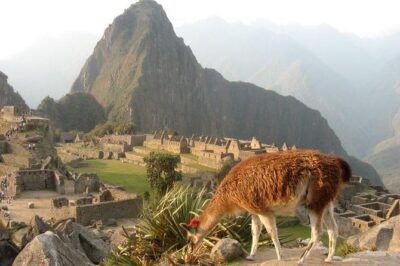
7-Day Lima and Cusco Tour with Sunrise at Machu Picchu
Read our review →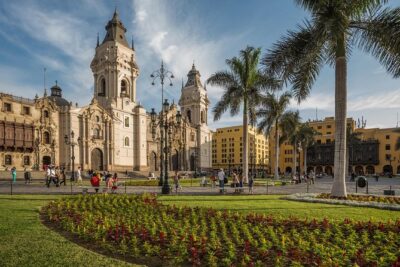
Cusco 7 days Tour in Machu Picchu, Humantay Lake and Vinicunca
Read our review →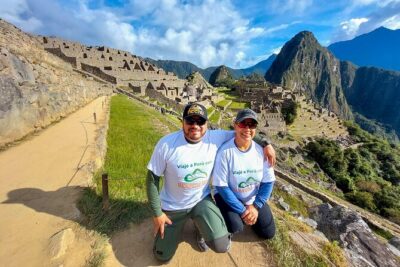
7-Day Tour from Cusco with Machu Picchu and Rainbow Mountain
Read our review →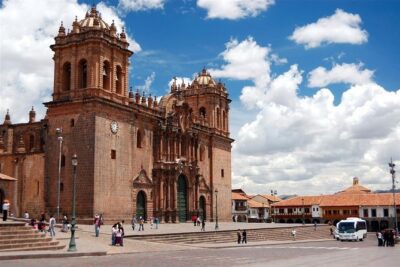
7-Day: Sacred Valley, MachuPichu, Rainbow Mountain, Humantay Lake
Read our review →Browse the lists this tour appears in