
Reviewed · UROS FLOATING ISLANDS
Floating Islands of Los Uros: Guided Tour, Culture and Tradition.
If you want Lake Titicaca that feels like a living place, not a staged set, this Uros floating islands tour is the real deal. You get on the water from Puno, meet Uros families who still live this way, and hear how the islands work day to day.
I especially love the Aymara welcome and the chance to learn island building from locals, not from a script. Second, I like how the visit balances photos with hands-on moments like stepping into homes and trying traditional Uros attire for pictures. One caution: the second island has more cafes and shops, so if you want only quiet, home-life Uros culture, expect a noticeable contrast.
Key points to know before you go
- Aymara language moment first, including a greeting on arrival from a local representative or president-style figure
- Totora island building explained up close, with a demonstration using a totora model and bilingual translation (Spanish and English)
- You enter real homes and see daily life, not just a viewpoint
- Costume loan for photos gives you a fun, respectful way to connect with the traditions
- Shopping supports families directly, since crafts and souvenirs are handmade and sold by community members
- Two islands are included, while a totora catamaran ride and Totora Museum are optional add-ons
Floating Islands on Lake Titicaca, With Real Uros Families
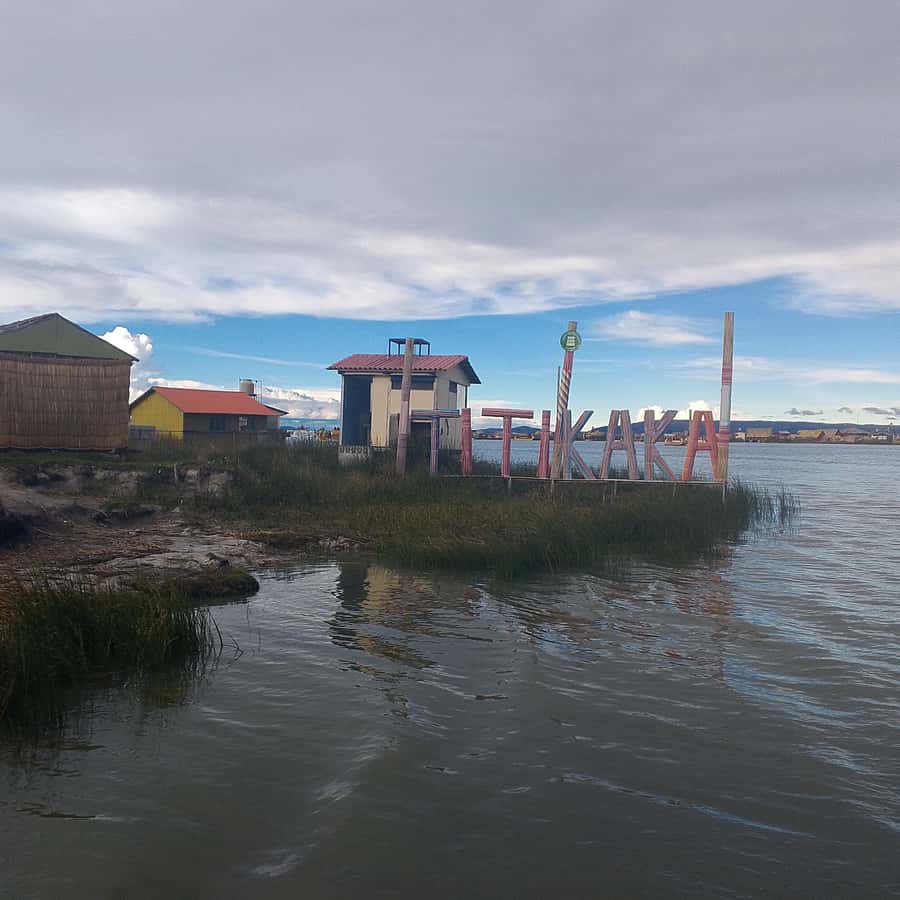
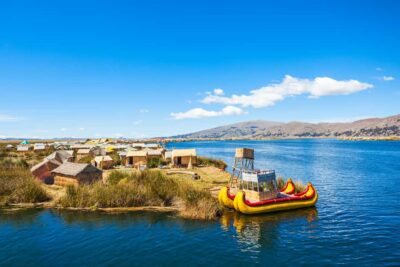
Lake Titicaca is dramatic even when you stay on land, but the Uros floating islands are on another level. These aren’t permanent monuments. They are maintained systems made from totora, the plant that keeps the islands afloat and helps define the Uros way of life.
What makes this tour genuinely interesting is the access. You’re not just passing by a few huts. You’re welcomed by the families themselves and guided through how the islands are built and maintained, with translation so you can actually follow what matters. In the guides I’ve heard about, people like Freddy and Roly come through as animated, friendly, and serious about explaining what visitors are seeing, including the challenges that come with living on the water.
More visits to the Uros floating islands:
- From Puno: Uros, Amantaní & Taquile Islands 2-Day Tour
★ 4.5 · 452 reviews - Tour to Uros and Taquile Islands in a Fast Boat
★ 5.0 · 419 reviews - From Puno: Floating Islands of the Uros Half-Day Tour
★ 4.4 · 394 reviews
How the Day Flows From Puno Pickup to Two Islands
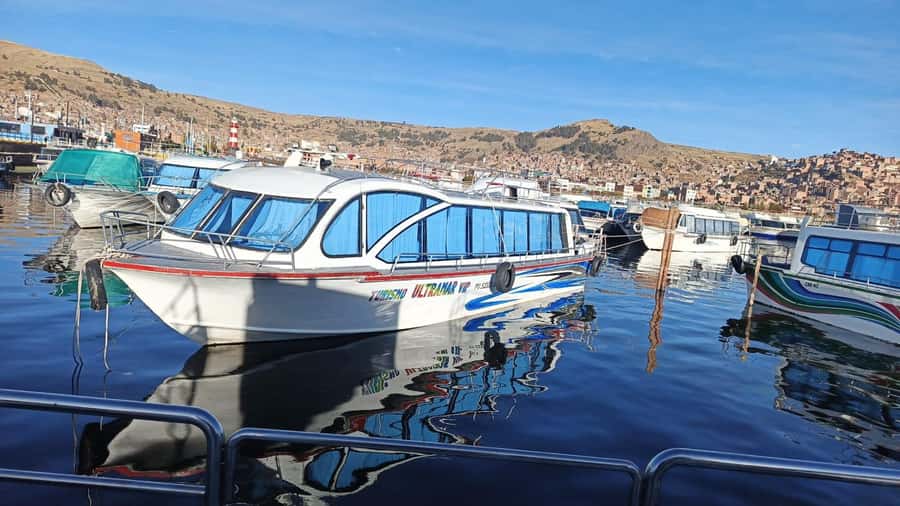
This is a short, 3-hour outing that starts in Puno with hotel pickup. You can usually meet at a central hotel or the square area, then head to the water for the boat transfer. The pace is designed for first-timers, with enough time on each island to feel like you had a real visit, not a quick photo stop.
Once you’re out on Lake Titicaca, your bilingual guide shares context that helps everything click. You’ll hear about the lake itself, local legends, and even the meaning tied to the name Titicaca. This matters because Uros culture is inseparable from the lake. Without that intro, the floating structures can feel like a novelty. With it, you start understanding the logic behind the craftsmanship.
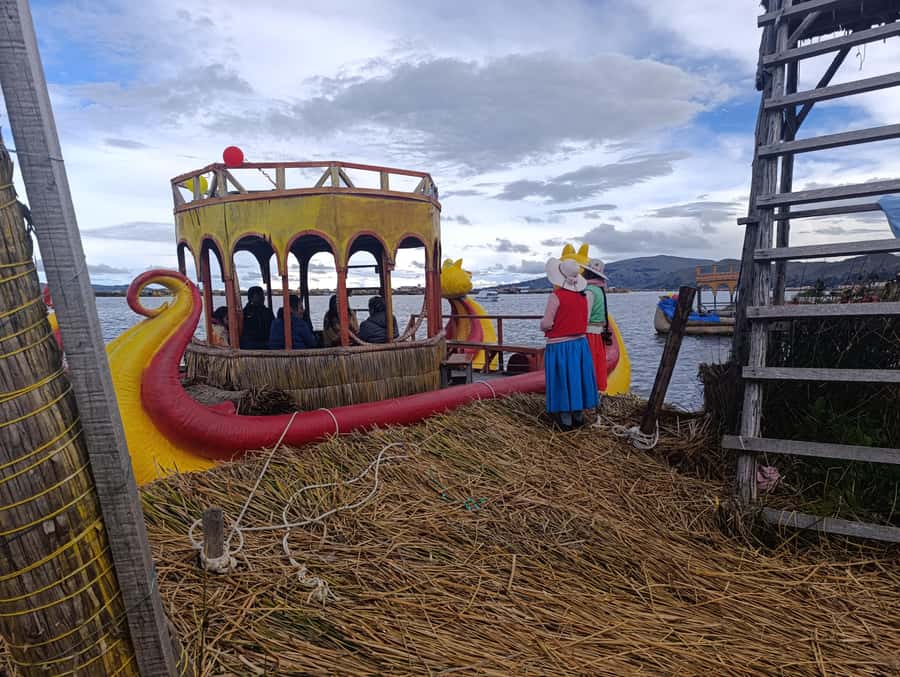
You’ll visit two Uros floating islands on this package. The first focuses on family life and the core living tradition. The second island shifts toward a more public face, with places to eat and browse. That contrast is part of the experience, and it helps you see how the community manages visitors while still carrying on their way of living.
Aymara Welcome and Totora Island-Building Lessons That Actually Make Sense
One of the best moments is the arrival greeting in Aymara. It happens when a local representative welcomes you, and it sets the tone fast. Even if you don’t speak the language, the fact that it’s used in a real setting, by real people, tells you this is about identity, not a performance.
Right after, you’ll learn how the islands are built. The explanation uses a real totora model, so you can connect the words to something tangible. Your guide translates into Spanish and English so you can follow the process step by step, including the significance of using totora and the ongoing maintenance that keeps the islands workable.
This is also where I think the tour earns its value. A lot of tours skim over “floating islands” like it’s just a clever idea. Here, you get enough detail to understand that the floating part is an active job, not a one-time construction.
Entering the Homes: Costumes, Craft Hands, and Respectful Photos
The most memorable part for me is how the visit moves into the families’ space. You get invited into homes and you spend time with people who are living this tradition right now. That’s the moment when the tour feels human.
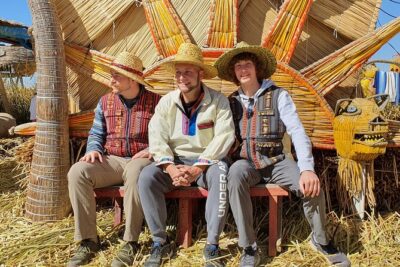
Then there’s the costume loan for photos. You’ll be able to wear typical Uros attire during your picture moments. This is a fun way to participate, but it’s also practical for understanding visual culture. The clothes and styling are not random. They tie into how the community presents itself and preserves identity across generations.
You also get time for local crafts and souvenirs. Importantly, this isn’t just a generic bazaar stop. The tour is set up so you can support families directly by buying handmade products. If you do any souvenir shopping in Puno, I’d treat this as one of your best “buy with a purpose” chances.
A few more Puno days worth comparing
- From Cusco: Vinicunca Rainbow Mountain ATV Tour with Meals
★ 4.6 · 1,060 reviews - Uros and Taquile Islands on New and Comfortable SpeedBoat
★ 4.5 · 254 reviews - Lake Titicaca (Day Trip) Uros & Taquile Islands
★ 4.5 · 245 reviews - Lake Titicaca 2-Day Tour to Uros, Amantani and Taquile
★ 4.4 · 199 reviews
Two Islands, One Big Contrast: Traditional Homes and the More Public Side
The first island is where the tradition feels closest to daily life. You’ll have more time for the family interaction, the home visit, and the explanation tied to how the islands are made and maintained. Expect walking inside the community spaces, time for learning, and a calm feel that lets you ask questions through your bilingual guide.
Then the experience shifts to the second island. This area has cafes, shops, and local restaurants. It’s the more tourist-friendly side of the community, and you’ll feel that difference quickly. The upside is practical: it gives you a chance to see how modern visitor infrastructure coexists with long-standing living traditions.
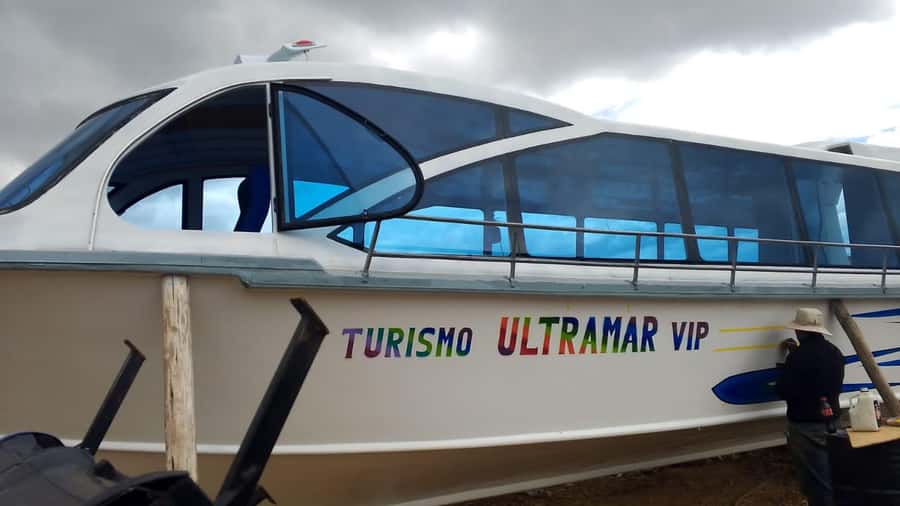
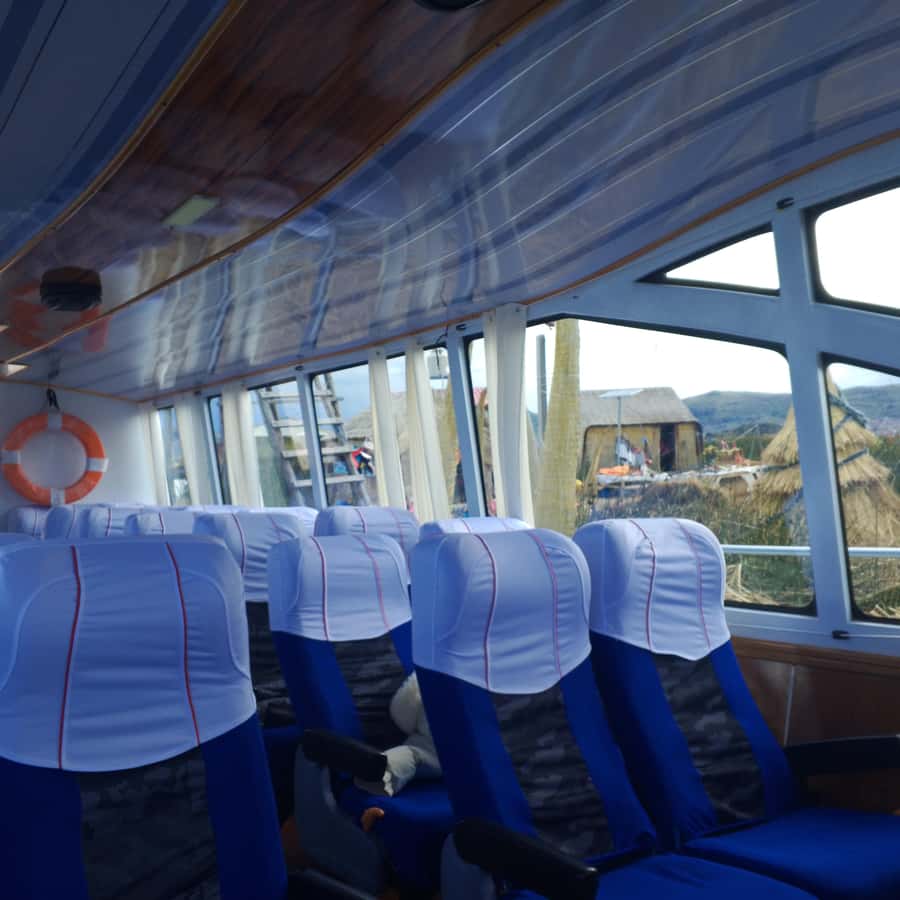
There’s also an optional totora catamaran ride. You can take it to reach the second island, or you can stay on the main boat if you prefer. Either way, the trip helps you get a better sense of how the islands are arranged on the lake.
Optional Totora Museum Stop, When You Want Extra Context
If you want more than the two core island visits, there’s an optional Totora Museum stop called the Totora Museum. It’s not included in the package cost.
The museum is described as a project created by two grandfathers in the community. They made bird sculptures and a replica of the first Uros raft, which connects directly to the history symbolism of early rafts and the people’s relationship with the lake over time. If you’re the type who likes background after meeting the families, this can be a good add-on because it turns what you learned on the islands into something you can revisit and study.
Price and Value: Why $10 Feels Like a Good Deal Here
At around $10 per person for a 3-hour guided experience, this tour is priced as an accessible entry into a very distinctive world. The real question isn’t just whether it’s cheap. It’s what you get for that price.
You’re paying for more than a boat ride. You’re getting:
- bilingual guiding in Spanish and English
- a structured visit to two Uros floating islands
- home access and explanation of island-building with a totora model
- a costume loan for photos
- time to browse craft shops and buy directly from families
- and a community-focused visit that is set up to contribute directly to host families
That combination is why it feels like value. If you only wanted a viewpoint from the water, you could find cheaper in any tourist town. But if you want a guided cultural visit with real interaction, this price is competitive.
What You’ll Actually Do, Minute by Minute Feel
Even with a short duration, the flow avoids feeling rushed. It generally works like this:
- You get picked up in Puno and transfer to the water.
- On the way out, your guide sets context about Titicaca and the Uros connection to the lake.
- You arrive at the first island and receive an Aymara greeting.
- You learn how the islands are built using the totora model.
- You enter homes and spend time with families, including costume moments for photos.
- You get time to visit craft shops and buy handmade items.
- You can take an optional totora catamaran ride to continue toward the second island.
- The second island gives you time in a more public area with cafes, shops, and restaurants.
- You can also add the Totora Museum if you want extra historical context.
- You return by boat to the main port and then head back toward Puno.
The “feel” is important. You’re not sprinting. You get enough time for photos, learning, and quiet conversation through your guide.
Drinks, Snacks, and What to Eat on Your Own Plan
Food choices here work like many lake communities. You’ll have time during the visit with beer, coffee, tea, and regional food included as part of the island experience time.
What is not included is food at a local restaurant. In other words, if you want something like ceviche or fried trout from a restaurant option on the second island, you’ll likely pay extra directly there. I like this setup because it gives you flexibility. You can sample what’s included on the tour, then decide if you want to spend more on a sit-down meal.
Local Etiquette and Practical Tips for the Water
Lake Titicaca is high altitude, breezy, and bright. Even though this tour stays mostly on boats and islands, come prepared.
Bring:
- Passport or ID card, and bring a copy if you have it
- Sunscreen
- Your passport or ID for children if applicable
Not allowed (so you know the rules):
- Smoking in the vehicle and smoking indoors
- Alcohol and drugs
- Fireworks and explosive substances
- Alcoholic drinks in the vehicle
- Strong fragrances
Wear comfortable clothes. You’ll be walking around the islands and spending time in the open air, so breathable layers help. Also, expect it to be a little rough around the edges. This is a living community with uneven surfaces, so sturdy footwear and patience pay off.
Accessibility and Who This Tour Fits Best
This experience is not suitable for people with mobility impairments. The islands are made from totora and involve walking and boarding boats, so footing and access can be limited.
If you’re comfortable with boats and walking on uneven, floating surfaces, you’ll likely enjoy it. This is also a great fit for:
- First-time visitors to Puno who want something more meaningful than a quick photo
- People who like meeting families and learning how daily life works
- Anyone who wants Aymara language moments and totora building details, explained in plain terms by a local bilingual guide
If you’re only interested in scenery and want zero interaction, you might find the home visit too hands-on. But if you’re curious, this tour is built around that curiosity.
The Best-Guided Part: Freddy and Roly Stand Out in Real Ways
The strongest reviews I’ve seen focus on one theme: the guides bring energy and sensitivity. Guides like Freddy and Roly show up as friendly, funny, and good at making the experience informative without turning it cold or mechanical.
Freddy, for example, is praised for reliable pickup of participants and for explaining Uros history and current concerns in a way that feels thoughtful. Roly is praised for great stories and engaging explanations, with a lively, welcoming tone that makes the time fly without losing the meaning.
That matters because on a visit like this, the guide is the translation bridge. If they do it well, you leave understanding more than the surface visuals. If they rush, you just get photos.
Should You Book This Uros Tour?
Book it if you want a short, focused introduction to the Uros world that includes home access, Aymara language, and real explanations of totora island building. It’s one of the better ways to spend a few hours from Puno when you care about culture and you want to support the families directly.
Skip or think twice if you have mobility concerns, since this tour is not suitable for mobility impairments. Also, if you want only the quietest traditional island atmosphere with no cafes or shops, the second island will feel more public. You can still learn a lot, but your expectations should be flexible.
FAQ
How long is the Floating Islands of Los Uros guided tour?
The tour duration is 3 hours.
Where does pickup happen?
Pickup is included from a central hotel or the square in Puno.
Are two Uros floating islands included?
Yes. The package includes visits to two Uros floating islands.
Can I add the totora catamaran ride or the Totora Museum?
Yes, both are optional. The totora catamaran ride and the Totora Museum entry are not included in the base package cost.
What language is the guide?
The guide is bilingual, with Spanish and English.
Is food included?
Food is not included if you plan to eat at a local restaurant. During the island visit, there is time for beer, coffee, tea, and regional food.
What do I need to bring?
Bring a passport or ID card, and sunscreen. Copies of passports or ID cards are accepted.
Is this tour suitable for people with mobility impairments?
No. The tour is not suitable for people with mobility impairments.
What items are not allowed during the tour?
Smoking in the vehicle and indoors is not allowed. Alcohol and drugs, fireworks, explosive substances, alcoholic drinks in the vehicle, and strong fragrances are also not allowed.
Recently reviewed around Puno
- Full day trip to Lake Titicaca, the Uros and Taquile Islands.★ 4.5 · 34 reviews
- Half Day Tour to Sillustani from Puno★ 4.5 · 36 reviews
- Uros Reed Floating Islands & Taquile Island Titicaca Puno Full Day★ 4.0 · 38 reviews
- 2 Day Tour to Uros, Amantani and Taquile from Puno★ 5.0 · 38 reviews
- Two-Day Tour to Uros with Amantani and Taquile from Puno★ 5.0 · 44 reviews
- Full Day Guided Tour of the Aymara Route from Puno★ 5.0 · 55 reviews
- Full Day Lake Titicaca Tour to Uros and Taquile Islands★ 4.5 · 56 reviews
- Lake Titicaca (2 Days)★ 4.5 · 188 reviews
Uros Floating Islands, compared.
Tour to Uros and Taquile Islands in a Fast Boat
Read our review →
Uros and Taquile Islands on New and Comfortable SpeedBoat
Read our review →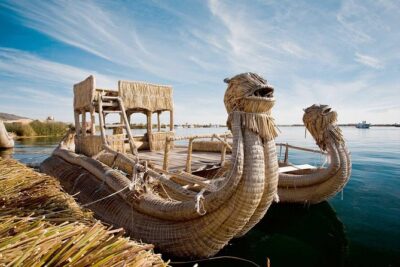
Lake Titicaca (Day Trip) Uros & Taquile Islands
Read our review →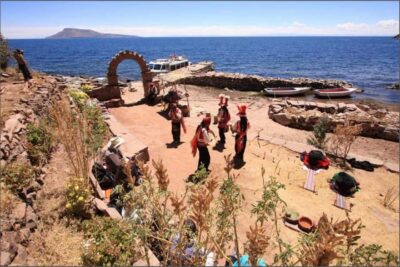
Lake Titicaca 2-Day Tour to Uros, Amantani and Taquile
Read our review →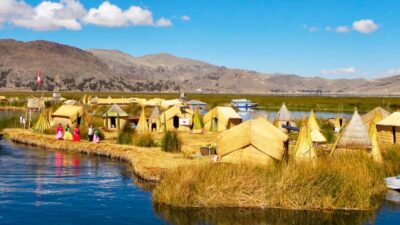
Full-Day Tour of Lake Titicaca and Uros & Taquile
Read our review →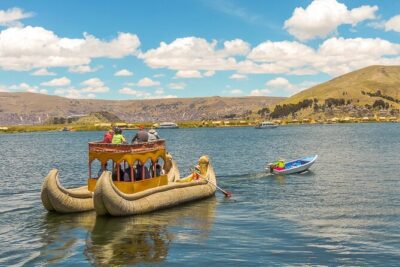
Speedboat Day Trip to Uros and Taquile From Puno
Read our review →Browse the lists this tour appears in