
Reviewed · PACHACAMAC
Private Local Artisans and Pachacamac Tour
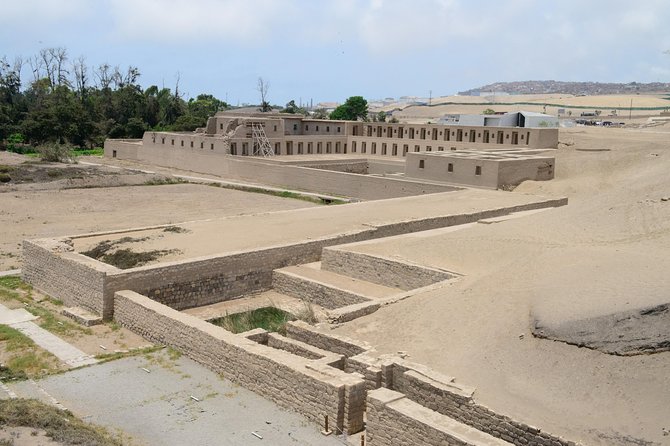
Pachacamac is one of Lima’s biggest archaeology sites, with temples layered from very early times through the Inca era, and it sits close enough to the Pacific to make for serious ocean views. This private tour then shifts gears to Ichimay Wari, an artisan neighborhood built by families from Ayacucho.
I especially like the combination of museum artifacts plus a real walk through temple areas, and I like that your lunch is eaten with an artisan family at home. One thing to consider is that you will do some walking on uneven archaeological paths, so closed shoes help.
Key points to know before you go
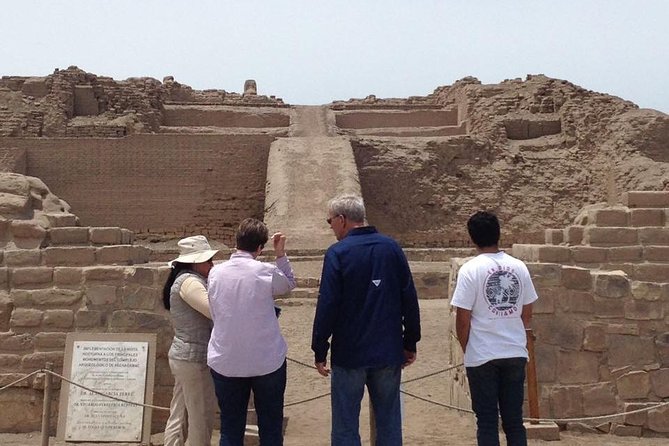
- Pachacamac’s temple layers stretch back to around 200 AD, with remains from pre-Inca and Inca times
- Museum first, site second so you know what you are seeing before you see it
- Ichimay Wari artisan workshops keep traditions alive after families relocated in Peru’s 1980s to 1990s conflict
- Lunch in a local home with a craft family, not a generic restaurant stop
- All entrance fees and hotel pickup are included, plus a contribution to the artisan cooperative
Pachacamac museum and temples, with Pacific views close to Lima
Pachacamac is the kind of place that rewards patience. The museum portion sets the stage with artifacts from excavations, so the site feels less like a pile of ruins and more like a story you can follow.
After that, you head into the huge archaeological complex. Your guide shows you the key areas, and the driver also helps with getting around a sprawling space, so you are not just walking nonstop.
One of the real highlights is that the site is massive, with the remains of more than 50 temples. That means you get to see how different cultures used and rebuilt the same sacred ground over centuries.
More Pachacamac visits:
- Lima: Pachacamac Ruins & Barranco Half-Day Guided Tour
★ 4.6 · 296 reviews - Pre Inca Temple of Pachacamac Half-Day Tour from Lima
★ 4.5 · 283 reviews - Tour to the Archaeological Sanctuary of Pachacamac (small group)
★ 5.0 · 260 reviews
How Inca and pre-Inca layers change what you notice
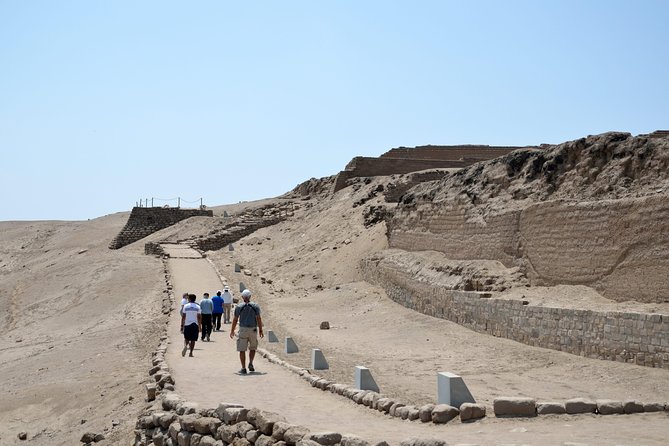
What makes Pachacamac click is the layering. You are not just looking at one era. Each succeeding culture added temples and built over earlier structures, so details you notice today can have older roots.
That is why the order matters. Starting with the museum first helps you recognize what you are seeing later at the temples, especially when the guide explains how the site developed over time.
As you move between stops at the temple areas, you will also catch views of the surrounding region, including the Pacific Ocean. That contrast is striking: metropolitan Lima is nearby, yet the horizon and ocean light make the ruins feel open and remote.
Ichimay Wari, Ayacucho artisans, and a community shaped by the 1980s to 1990s conflict
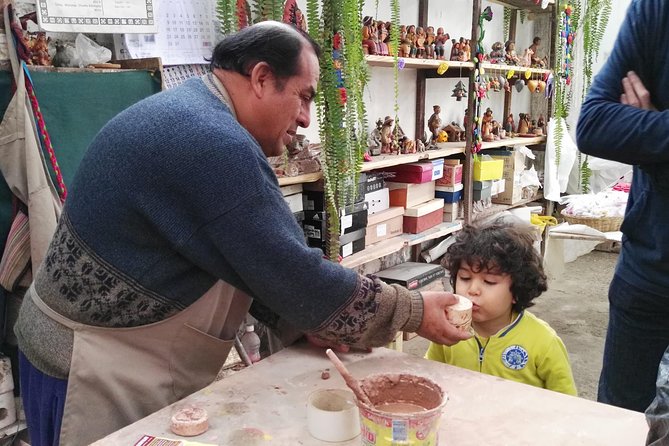
Once Pachacamac is done, you head to Ichimay Wari, a local neighborhood known for artisans from the Ayacucho region. The point here is not just craft shopping. The guide explains that many families relocated to the outskirts of Lima to escape the violence of the guerrilla war in the 1980s and 1990s.
That context matters because it changes how you see the work. Traditional textiles, ceramics, and other handicrafts are not just products for tourists. They are a way families rebuilt stability and kept culture alive when life in their home region became unsafe.
In this neighborhood, there is also a strong theme of self-organization. The information you get on the ground emphasizes that in a place where government support is limited, people built their own community systems and are developing the local economy through traditions and art.
Workshops and the rhythm of craftmaking
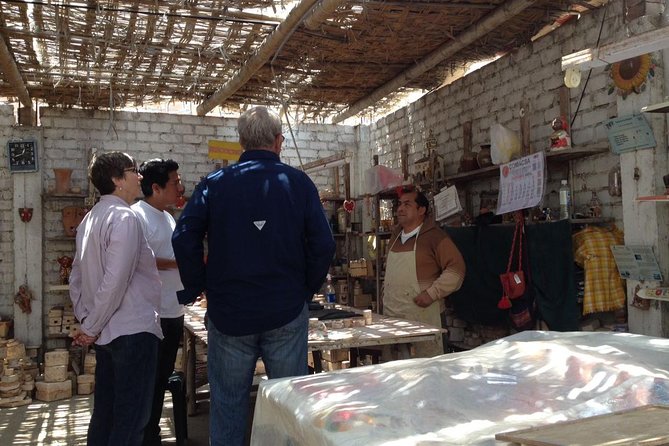
The artisan portion is built around seeing how pieces are made. You visit workshops where artisans create traditional work, and the guide helps connect the process to the finished items you might recognize from galleries or shops later.
Textiles and ceramics are the big focus. You can expect to see how artisans produce them and to hear explanations of methods that are passed down and practiced daily.
Pacing is part of the value here. The visit is structured, so you spend time watching real work rather than only being ushered through a storefront. If you like asking questions, this is also the moment to do it.
A few more Lima days worth comparing
- Premium Paracas & Huacachina Day Trip from Lima with Sunset Toast
★ 5.0 · 7,380 reviews - Full Day Tour From Lima: Paracas and Huacachina Oasis
★ 5.0 · 3,694 reviews - Lima Ultimate Peruvian Food Tour
★ 5.0 · 1,845 reviews - Lima Half-Day City Walking Tour (Small Groups)
★ 5.0 · 1,508 reviews
Lunch with an artisan family, where the day feels human
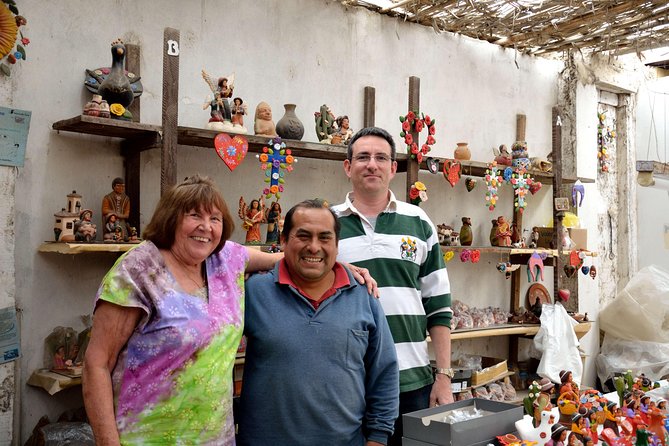
Lunch is included, and it is eaten with a craft family in their home. That is a big difference from tours that only stop for food at a restaurant with set menus and set seating.
This meal is part of how the day supports the artisan community, not just a perk. If you have dietary requirements, you should share them when you book, since the tour asks for that information ahead of time.
Also, do not underestimate how meaningful this can be even if you are not a big museum person. Sitting down in a family setting often teaches you more about daily life than another hour of guided explanations.
What to look for when you see textiles, ceramics, and dye work
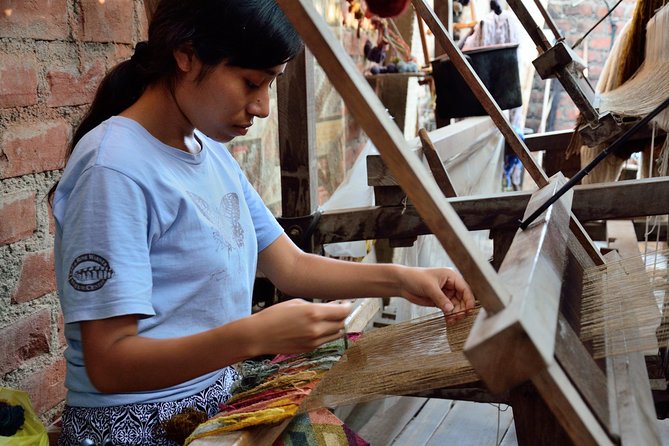
This experience gives you a rare chance to see craft in motion. In one part of the day, you might watch how wool gets turned into balls used in weaving, and then how dye and color choices shape the final patterns.
For textiles, pay attention to the steps. The process from raw material to dyed fibers is usually the longest, and it is also where technique shows up. When you see that full chain, you will understand why two pieces that look similar can be very different in quality.
For ceramics, the workshops can offer a practical comparison. For example, you may see one artisan whose pottery forms are especially detailed and then visit another workshop where quality and finishing look different, even when the overall style is familiar. That comparison helps you shop with your eyes open later.
A key point: souvenirs are optional and not included. If you buy, you are choosing what you value most, but you will not feel pressured to spend just to justify the day.
Guides, small-group feel, and why the commentary matters
This is a private tour, so the schedule and pace are meant to fit your group. Hotel pickup and drop-off are included, and the total time is about 7 hours.
Guide quality shows up in the way the day connects details. On the Pachacamac side, guides like Daniel and Eline have been praised for making the visit both informative and meaningful, with passion for the site and the ability to explain why certain structures matter.
You may also encounter a local guide during the archaeological portion. If you find it hard to catch explanations due to pace or clarity, plan to ask follow-up questions. This kind of tour rewards interaction.
Value and logistics, including entrance fees and transport
At $202 per person for about seven hours, the value comes from what is already wrapped into the day. All entrance fees are included, lunch is included, and you also get private transportation plus hotel pickup and drop-off.
Then there is the community contribution. The tour includes a contribution to the artisan cooperative, which is a tangible reason this does not feel like a one-way extraction of souvenirs.
It also helps that this is popular enough that it is typically booked far ahead, with an average of about 165 days. That is a signal that it sells out, so if you have fixed travel dates, plan early.
A balanced note on time
The day is full, but it is not frantic. You get around two hours at the Pachacamac museum and site, and about three hours in the Ichimay Wari artisan area.
That means you will see multiple workshops, but you will not have a full, slow afternoon to wander. If you want unlimited free time to browse or linger, you might feel lightly pressed. For most people, the structure is the point.
Practical tips for comfort: shoes, sun, and light drizzle
Wear comfortable, closed walking shoes or sneakers. Pachacamac involves walking at certain stops, and you will want grip and support on uneven ground.
Bring sunscreen, a hat, and a bottle of water from October to May. If you are traveling June to October, dress for cooler weather and slight drizzle, since rain can mean you are walking with damp paths.
The tour also allows service animals, and most people can participate. If you have mobility concerns, you may want to consider that you will do some walking in both the archaeological area and the neighborhood visits.
Who this tour is best for
This is an excellent match for two types of travelers. If you love history and want a site that goes far beyond one era, Pachacamac will do a lot of heavy lifting for you.
If you love craft and care about the human story behind it, Ichimay Wari makes the souvenirs part feel grounded. Instead of buying from an empty display, you can see the steps behind the textiles and ceramics.
It is also a good fit for travelers who want something more grounded than a rushed stop on a tight schedule. The day has a steady rhythm: museum, temples, lunch at home, workshop time.
Should you book this Private Local Artisans and Pachacamac Tour?
Book it if you want a private day that mixes major Lima-region archaeology with artisan craftmaking and a real lunch with a local family. The included entrance fees, transport, and lunch make it easier to justify the cost, and the cooperative contribution adds substance to the experience.
Skip it or think carefully if you dislike any walking on uneven ground, or if you want lots of unscheduled free time. The structure is part of how the day works, so you will likely prefer a clear plan over open-ended drifting.
If you want a day that feels like Peru at ground level, where ancient temples and modern craft connect through people and place, this is a strong choice.
FAQ
How long is the tour?
It runs for about 7 hours total.
What is included in the price?
Lunch, private transportation, all activities, hotel pickup and drop-off, and a contribution to the artisan’s cooperative are included.
Are entrance fees covered?
Yes. Admission tickets are included for the Pachacamac museum and site.
What should I bring or wear?
Wear comfortable, closed walking shoes. From October to May, bring sunscreen, a hat, and a bottle of water. From June to October, dress for cooler weather and slight drizzle.
Is this a private tour?
Yes. It is a private tour/activity, and only your group participates.
Can I get a full refund if I cancel?
Yes. You can cancel for a full refund up to 24 hours in advance of the experience start time.
Recently reviewed around Lima
- Lunch Menu at Mangos Larcomar restaurant★ 4.0 · 8 reviews
- Sanctuaries of Lima Private Half-Day Tour★ 4.0 · 8 reviews
- Peru Magistral Lima Paracas Ica Cusco Machu Picchu 8 Days★ 5.0 · 8 reviews
- Excursion to Paracas: Huacachina and the Nazca Lines During 2D/1N from Lima★ 4.5 · 8 reviews
- The Larco Museum Complete Guided Tour with Tranfers (Small Group)★ 5.0 · 8 reviews
- Lima Districts: Miraflores, Barranco and San Isidro★ 5.0 · 8 reviews
- Private Transfer from Lima Airport to Miraflores★ 5.0 · 8 reviews
- Panoramic Tour the Best of the City in a Single Tour★ 5.0 · 8 reviews
Pachacamac, compared.

Pachacamac Ruins & Barranco Half-Day Guided Tour
Read our review →
Pre Inca Temple of Pachacamac Half-Day Tour from Lima
Read our review →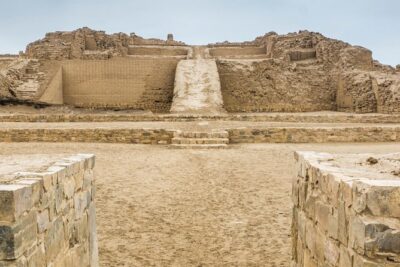
Tour to the Archaeological Sanctuary of Pachacamac (small group)
Read our review →
Half-Day Pachacamac, Barranco & Chorrillos Private Tour
Read our review →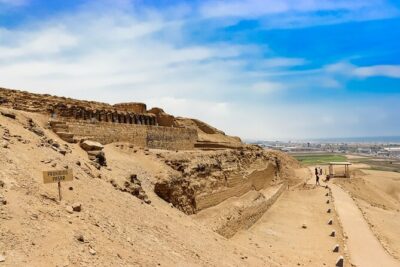
Pachacamac’s Inka Pyramids Tour including Museum Small-Group
Read our review →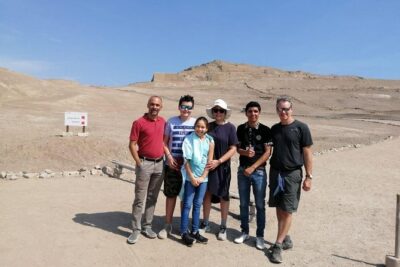
Lima FD Experience Pachacamac, Barranco, City Centre & Water Park
Read our review →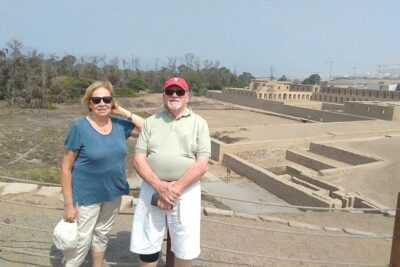
Browse the lists this tour appears in