
Reviewed · LARCO MUSEUM
Skip the Line: Larco Museum Admission Ticket
This is interesting because it turns Peru from a list of famous ruins into a connected story of people, art, and belief. The Larco Museum ticket helps you trace the long arc of pre-Columbian Peru, with 5,000 years of culture laid out in a clear flow.
I love the way the museum uses chronological galleries to make comparisons easy. One room helps you place another, so sites like Machu Picchu and the Nazca Lines feel less random and more like chapters in the same big book.
My only caution is that this is admission only, not a guided tour. If you want heavy interpretation, you’ll likely need to read the labels closely, or add a guide option while you are there.
Key takeaways before you go
- 18th-century mansion on a pre-Columbian pyramid: a cool setting that literally layers eras in one place
- Chronological exhibits across 5,000 years: you get a guided feel even though it is self-paced
- Gold and silver collections plus erotic art: stunning craftsmanship, plus an unexpected side of ancient Peru
- Public storage area with 45,000 objects: see what is normally hidden, and compare more styles of ceramics
- Time-flexible visit: open daily from 9:00 AM to 7:00 PM, so you can fit it to your Lima schedule
- Gardens and on-site food: a nice place to slow down after walking room to room
Skip-the-line admission that still lets you move at your pace
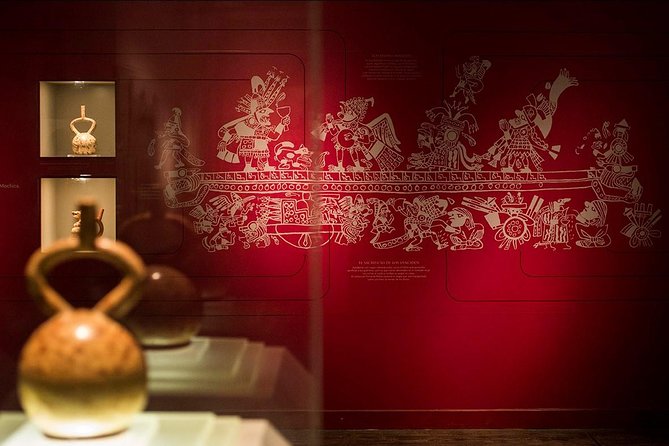
This ticket is all about getting into the Museo Larco without fuss. It is entrance fee only, and the plan is simple: you visit during normal museum hours and explore on your schedule. The value here is that you can adjust to how you feel that day in Lima, whether you want a quick highlights pass or a slower, more detailed walkthrough.
The self-guided format is a plus for many people. You are free to linger with the ceramics, step back for photos, or spend extra time with the gold and silver displays. The tradeoff is that you will do more of the interpretation yourself, using the text descriptions the museum places near the items.
If you are the type who likes context, this is one of those museums that can still work well without a formal guide. The timeline layout and the museum’s organization do a lot of the teaching. If you want a guided voice, you can consider adding that separately, but it is not part of this ticket.
More Museums in Lima
- Experience Lima: Gastronomic Evening at Larco Museum
★ 4.5 · 95 reviews - Larco Museum, Pisco Old Tavern and Magic Water Circuit Evening Tour
★ 4.5 · 66 reviews - Pachacamac’s Inka Pyramids Tour including Museum Small-Group
★ 5.0 · 65 reviews
Price and timing in Lima: where $20.52 really lands
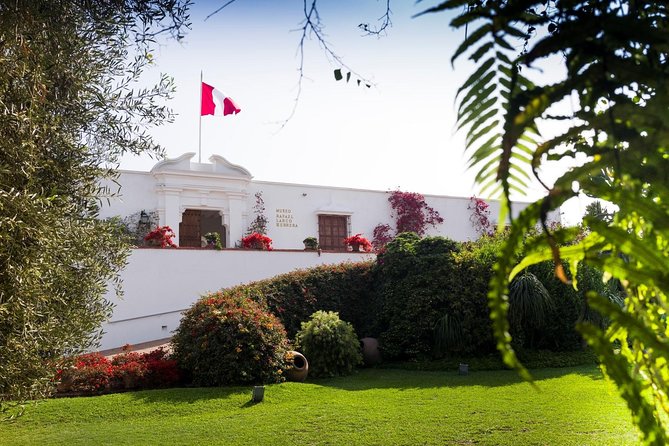
At $20.52 per person for 1 to 2 hours, this is priced like a serious museum visit, not a quick stop. The “why” is that you are not just seeing a few rooms. You are walking through a chronological collection housed in an 18th-century colonial mansion, then you have the option to explore the public storage area holding more than 45,000 classified objects.
Timing matters because this museum rewards a calm pace. If you go in with a tight schedule, you can still cover the main exhibits, but you may feel rushed in the rooms with dense information and lots of artifacts. If you can, give yourself at least an hour and a half. That extra buffer usually pays off, especially if you want to compare ceramics and take time in the gardens.
In terms of timing strategy, the museum is open daily from 9:00 AM to 7:00 PM. That means you can avoid the most hectic parts of the day if you are juggling other Lima plans. Also, since it is near public transportation, it is easy to slot into a day without needing complicated routing.
The building itself: an 18th-century mansion on top of earlier Peru
The Larco Museum is not only about artifacts, it is about place. The museum sits in a colonial mansion built on top of a 7th-century pre-Columbian pyramid. That layering gives you a visual reminder that Lima did not suddenly begin with the colonial era, and it did not end with pre-Columbian cultures either.
Inside, you feel the museum as a sequence of spaces, not one big hall. That matters because you are moving through time. When the setting already contains multiple eras, the chronological exhibits feel less like a textbook and more like you are walking through changing worlds.
Then there are the gardens. Even if you are focused on the exhibits, you will likely want a short break outside. The garden spaces help you reset your brain before you head back into rooms packed with objects, labels, and dates.
Room-by-room across 5,000 years of pre-Columbian Peru
The heart of your visit is the museum’s chronological galleries. The museum was founded in 1926 by the archaeologist Rafael Larco Hoyle, and the galleries are designed to help you understand how Peruvian cultures developed over time.
What I like about this approach is that it gives you “connect the dots” energy. Instead of treating famous sites as isolated legends, you can see patterns in material culture: how styles shift, how themes repeat, and how different societies expressed status, belief, and everyday life through art.
As you move through the timeline, you will get context that makes other parts of Peru easier to understand. If you are also planning ruins, this is a strong way to anchor what you see later in the larger story. It does not replace archaeological sites, but it helps you interpret them with more background.
The museum also provides descriptions next to objects, and the information is presented in multiple languages. That is a practical detail, because it means you can slow down and read without feeling like you are stuck guessing what you are looking at.
More Larco Museum visits:
- Lima in a Day: City Sightseeing Tour, Larco Museum and Magic Water Circuit
★ 4.5 · 63 reviews - Lima´s lively Heritage & Larco Museum of Cultures Half Day Tour
★ 5.0 · 48 reviews - From Lima: Pachacamac Inka Pyramids & The Larco Museum Tour
★ 4.8 · 43 reviews - Lima: Huaca Ruins and Larco Museum at Night with Dinner
★ 4.9 · 35 reviews
Gold, silver, and the surprising erotic collection
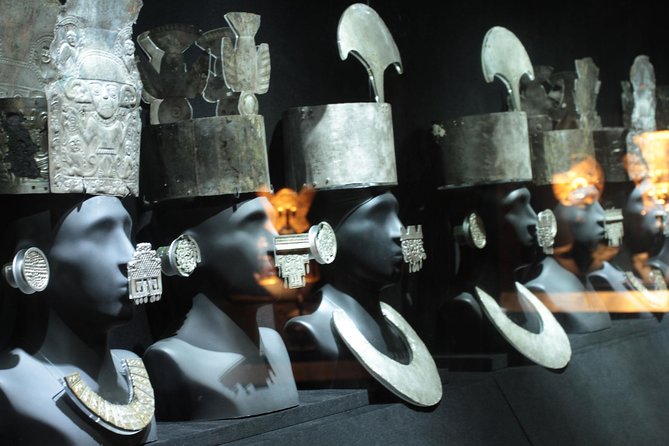
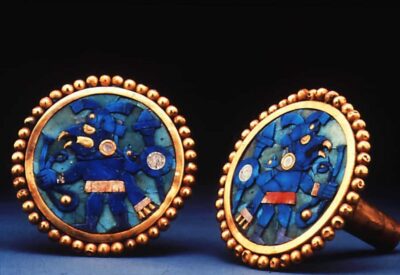
If you love craft, the Larco Museum delivers. You will see impressive collections of silver and gold artifacts, and they do a good job of showing that ancient Peru was skilled, creative, and exacting in its metalwork.
Then comes the curveball: the museum also has an extensive display of erotic art. For some visitors, that is the part that feels most memorable, partly because it challenges the expectation that museum displays should always be solemn and distant.
It is also a useful reminder that ancient art often served more than one purpose. Erotic imagery can be tied to ritual, symbolism, and social meaning, and you are seeing how cultures expressed sexuality and power through visual language.
If you are sensitive to adult themes, just know this is part of the museum’s public exhibition. You can choose how much time to spend there, but it is not hidden or hard to find.
The public storage area with 45,000 objects
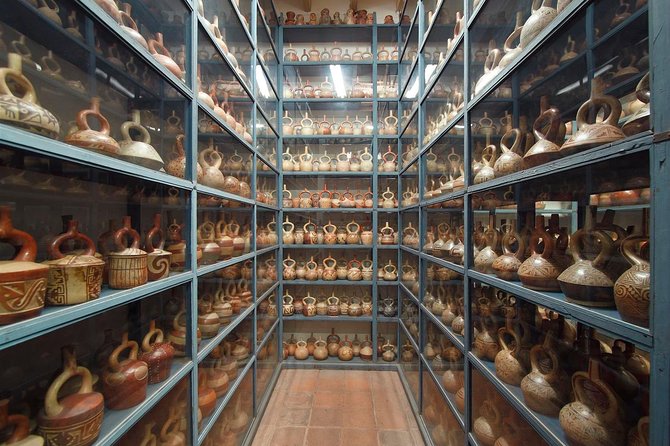
One of the most praised parts of this experience is the storage area that is open to the public. It is home to more than 45,000 classified objects, which is basically your clue that this museum is not running out of material or ideas.
This is where the visit can turn from “nice museum” into “wow, I see how archaeologists think.” Instead of viewing only a curated slice, you can spot patterns and variations across types of artifacts. Ceramics, in particular, can show lots of differences when you have enough time and enough objects to compare.
The storage area is also a reality check. It helps you understand that what you see in formal display rooms is only a fraction of what exists in research collections. That makes the main galleries feel even more meaningful, because you know there is more behind the scenes.
If you enjoy detail work, plan extra minutes here. It is easy to underestimate, because you might assume storage means less to look at. In this case, it is one of the best chances to compare styles and understand the museum’s breadth.
Gardens, museum restaurant, and a good place to refuel
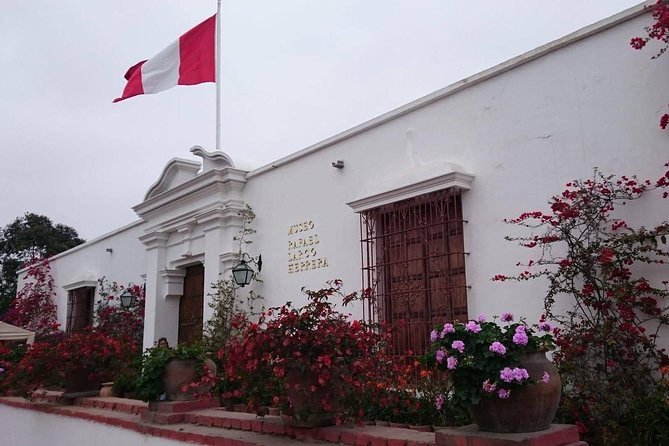
The museum experience is not only inside. The surrounding gardens are part of the visit, and they are a nice contrast to the density of the exhibits. After a room of artifacts and labels, stepping outside lets you breathe and reset.
There is also an on-site restaurant. People consistently rate the food highly, and many say the ambience is pleasant enough that it feels worth building into your schedule. If you are in Lima for only a short time, this can be a practical win, because you do not have to plan another meal around museum timing.
A smart approach is to treat the restaurant as your pacing tool. Start early enough to enjoy the main rooms, then take a meal break rather than rushing to “finish” the museum. Coffee and dessert can work well as a last stop, especially if you want something light while you reflect on what you just learned.
How to plan your visit so it does not feel rushed
This ticket is good for 1 to 2 hours, but how you use that time depends on your style. If you want a quick highlights pass, you can move briskly through the chronological galleries and focus on the gold and silver displays, then sample the public storage area.
If you want the museum to change how you see Peru, slow down. Aim for a longer visit within the 1 to 2 hour range. Spend time reading the labels next to objects, because that is where the museum helps you interpret what you are seeing.
A useful practical note from visitor experience: you can use the museum’s luggage storage. That makes it easier to travel light and avoid carrying bags around while you walk.
Also, since your tickets are held at the box office for collection on the day of your visit, it is smart to arrive with enough time to pick up your entry without stressing. And because the museum is near public transportation, you can build your day flexibly around it.
Is this worth it if you are also seeing ruins like Machu Picchu?
Yes, and it is a different kind of value than a single ruin. Ruins show you architecture and location. This museum helps you understand the artistic logic and cultural timeline around those achievements, which makes later sites feel more grounded.
If you are visiting Peru and you feel like you are bouncing between iconic stops, this helps connect the dots. It gives you a framework for the span of pre-Columbian history and shows how diverse indigenous cultures existed long before the most famous monuments you might see in photos.
It also helps you avoid the common travel trap of seeing artifacts as isolated items. When you have a chronological structure, you start to recognize themes and differences across time, so each next room becomes a comparison rather than a repeat.
This is especially good when you want a day that is indoors-friendly. Lima afternoons can be warm or change fast, and a museum day keeps your plan sturdy.
Should you book the Larco Museum ticket?
I recommend booking if you want a smooth entry to one of Lima’s best places for connecting Peru’s art and archaeology into one story. The price is reasonable for what you get: major collections, chronological galleries, gardens, and access to the public storage area.
I would skip this ticket only if you already know you want a full guided experience with heavy explanation and you do not plan to read labels. Since this is admission only, you will either enjoy the self-paced format or you may feel like you want a guide right away.
If you like museums that teach with organization, the Larco Museum fits. And if you are the kind of traveler who wants Peru beyond the headline attractions, this is a smart, high-impact stop you can slot into nearly any day.
FAQ
What does the Larco Museum admission ticket include?
It includes the entrance fee. Food and drinks, hotel pickup and drop-off, and a guided tour are not included.
How long should I plan to visit Museo Larco?
Plan for about 1 to 2 hours.
Where is the Museo Larco located?
It is in Lima, Peru.
What are the opening hours?
The museum is open Monday through Sunday from 9:00 AM to 7:00 PM.
Do I need to collect the ticket at the museum?
Yes. Your tickets are held at the box office for collection on the day of your visit.
Can I visit any time during the day?
Yes, you can visit any time during the museum’s normal hours of operation.
Are kids allowed to visit?
Children must be accompanied by an adult.
Is food included with the ticket?
No. Food and drinks are not included, though there is an on-site restaurant where you can eat.
What is the cancellation policy?
Free cancellation is available if you cancel at least 24 hours before the experience’s start time.
Is hotel pickup or drop-off included?
No. Hotel pickup and drop-off are not included.
Recently reviewed around Lima
- Lima Highlights! – City Tour & Miraflores, Barranco & San Isidro★ 5.0 · 29 reviews
- Modern and Colonial Lima City Tour.★ 4.5 · 29 reviews
- Lima Surf Trip★ 5.0 · 29 reviews
- Full day Tour Paracas Ica & Huacachina from Lima.★ 5.0 · 29 reviews
- Bohemian and artistic ravine walking tour★ 5.0 · 29 reviews
- Discover Barranco’s Nightlife with Bar Crawl Lima★ 5.0 · 29 reviews
- Cooking Class + Market Tour + City Walking Tour (Full Day).★ 5.0 · 30 reviews
- Machu Picchu, Cusco & Lima 7-Day Tour★ 5.0 · 30 reviews
Larco Museum, compared.
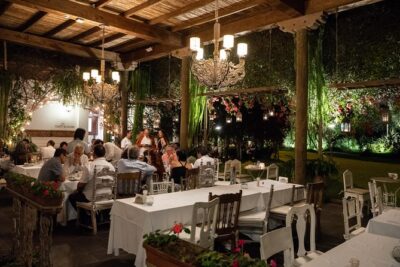
Experience Lima: Gastronomic Evening at Larco Museum
Read our review →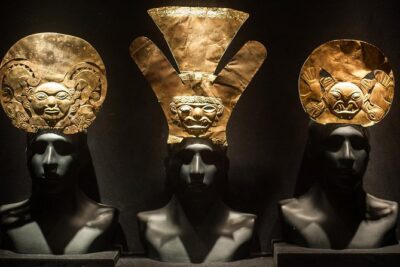
Larco Museum, Pisco Old Tavern and Magic Water Circuit Evening Tour
Read our review →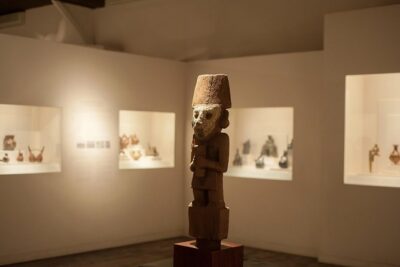
Lima in a Day: City Sightseeing Tour, Larco Museum and Magic Water Circuit
Read our review →
Lima´s lively Heritage & Larco Museum of Cultures Half Day Tour
Read our review →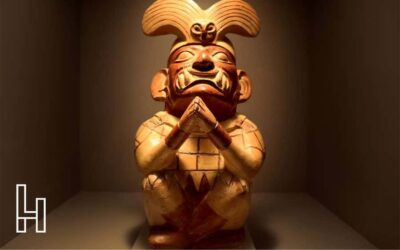
Pachacamac Inka Pyramids & The Larco Museum Tour
Read our review →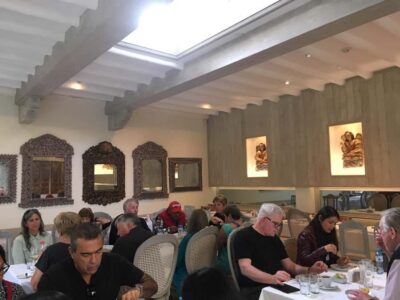
Huaca Ruins and Larco Museum at Night with Dinner
Read our review →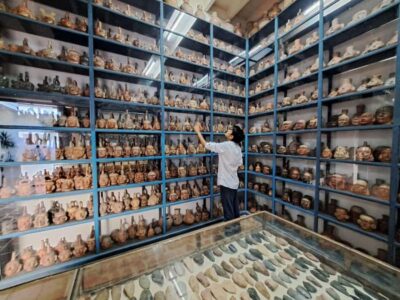
Browse the lists this tour appears in