
Reviewed · MACHU PICCHU
Inca Trail Machu Picchu 4 Days
A sunrise arrival at Machu Picchu is the headline, but what makes this trek worth your time is the step-by-step build. You start at Km. 82, climb passes, walk through rainforest and stone tunnels, and sleep at camps that feel like they are part of the Inca story, not just a place to crash.
I love the organized support built into the hike, with tents, mats, cooking setup, and food handled for you. I also like the way the guides keep the group moving while still allowing breathing room, and feedback highlights guides such as Franklin for clear explanations and good group management. One possible drawback to plan for is altitude and long days, and the tour does not include a sleeping bag, so you’ll want to bring cold-weather sleep gear.
Key Things That Make This Inca Trail 4-Day Experience Work
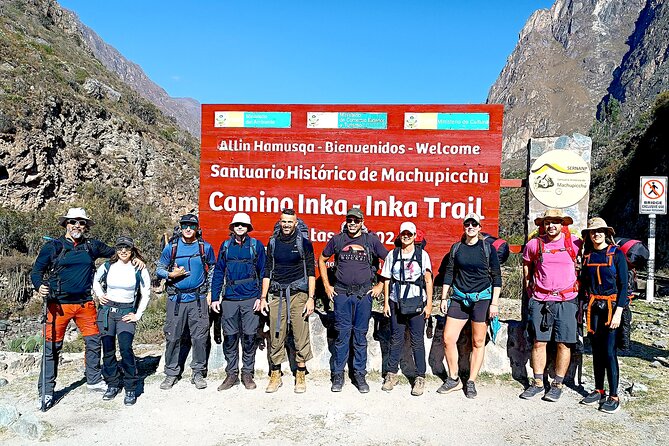
- Small group size (max 10), so you get more real guide attention
- Sunrise view from Inti Punku before you enter Machu Picchu
- Camping equipment included (tents, mats, dining and bathroom setup)
- Meals covered during the trek, with snacks and multiple dinners and lunches
- Oxygen and first aid included for peace of mind at altitude
- Porter support so you are not hauling tents, cooking gear, or portable bathrooms
From Cusco to Km. 82: starting early in the Sacred Valley
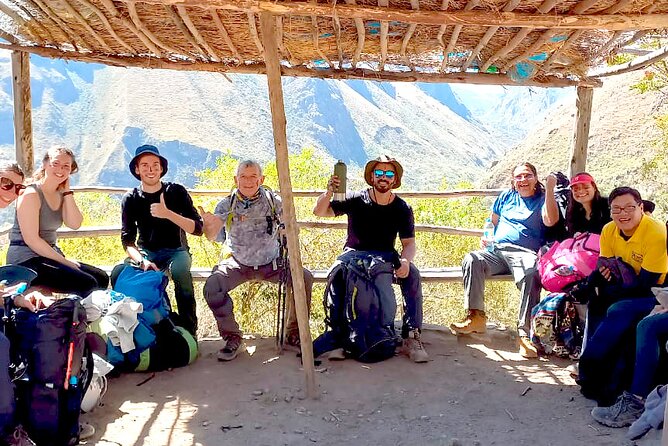
This trek begins with a very practical early morning. You’re picked up from your hotel at 5:30 am and head toward the Sacred Valley of the Incas. Before you even reach the trailhead at Kilómetro 82, there’s a brief stop in Ollantaytambo, with an option to grab breakfast.
Then comes the part that makes the Inca Trail feel real: you meet the group and present your documents for control and registration at Km. 82. That checkpoint matters because this is a controlled route, not a casual hike. It also means the day feels orderly right from the start, even though you’re waking up at an ungodly hour.
Crossing the Urubamba River (around 2200 m) is your first physical reminder that you’re not in Cusco anymore. The air feels different. Your body gets the message fast, even on Day 1 when the walking is meant to be easier.
More Inca Trail departures:
- Cusco : Sacred Valley & Inca Trail to Machu Picchu 3 days
★ 5.0 · 57 reviews - Classic Inca Trail Trek 4D/3N to Machu Picchu (Group Service)
★ 5.0 · 8,653 reviews - Machu Picchu: 4-Day Inca Trail Trek with Panoramic Train Ride
★ 5.0 · 4,568 reviews
Day 1 to Wayllabamba: Llactapata talk, easy steps, and your first camp
Day 1 is your ramp-up day, and that’s a big deal. After the crossing, the trail is described as easy to follow, which helps when you’re still adjusting to the altitude and the early start.
You’ll have lunch in Miskay, a small riverside spot. This is one of those moments where the hike slows down on purpose. Your guide uses the break to explain information about the archaeological complex of Llactapata. Even if you don’t feel like a scholar at 10 am, it’s a smart way to connect what you’re seeing with why it mattered.
From there, you continue to Wayllabamba (3100 m) for the night. Expect about 7 hours of hiking, not a sprint. The point here is getting comfortable with the rhythm: steady pace, brief stops, and paying attention to how your breathing changes.
Practical tip: cold mornings are common as you rise in elevation. Layering is your friend. Also, Day 1 being easier does not mean you should go hard. Save energy for what comes next.
Day 2 to Chaquicocha: Llulluchapampa and the Death Pass test
Day 2 is the day you’ll remember. It’s listed as a walking day at a leisurely pace, but it still clocks in around 9 hours, and it can be cold. That’s the catch. “Leisurely pace” in the Andes means you move consistently, not that it’s short.
You start early with a trek toward the valley of Llulluchapampa (3850 m). Early on, you’ll be walking through an area with rainforest scenery and the sound of water. There’s a 3 km walk before you reach the valley, which gives you time to settle into the altitude without starting the day with a wall of pain.
Then you keep going toward the highest section of the day. The most difficult part is the climb to Warmihuañusca (Death Pass) at 4200 m. This is the kind of uphill that doesn’t care about your confidence. You go slow, you breathe, and you keep your head in the task.
After a brief stop at the summit, the route continues with a long and steep descent toward the Pacaymayu River and then to the Runkurakay pass (3050 m). Finally, you reach Chaquicocha (3650 m) for the night.
Why this day matters: it’s not just about distance. It’s about acclimation plus endurance. If you pace yourself through Death Pass, Day 3 will feel more like a reward than a second punishment.
One more reality check: this day’s cold weather is not a metaphor. Bring your cold-weather layers and keep your hands protected, because chilly mornings can make everything feel harder than it needs to be.
Day 3 through Wiñayhuayna: rainforest shifts, tunnels, and Phuyupatamarca
Day 3 is often the favorite for scenery and atmosphere. The trek moves through Wiñayhuayna rainforest, and the experience shifts as the ecosystem changes. In plain terms, you feel like you’re walking through multiple worlds in a single day.
You pass two small lakes near the top of the second pass at about 3950 m. The climb is described as a gentle ascent, and there’s a small Inca tunnel that’s meant to give you a magnificent view over the Urubamba River in the Sacred Valley. It’s a nice contrast to Day 2. You’re not fighting a single brutal pitch. You’re moving through Inca-built passages and landscapes.
You then reach the camp area called Phuyupatamarca, meaning the city above the clouds, at around 3600 m. This camp is described as well-preserved, with a long chain Inca bath. It’s one of those stops that helps you understand that this wasn’t just a road. It was an infrastructure system.
Before the night settles in, you visit Wiñayhuayna, “Forever young,” at around 2650 m. The day ends with descent, and you get your first views of the Machu Picchu mountain, which becomes the emotional payoff for everything you just did.
Hiking time is about 6 hours, which sounds easier than the earlier days. But you’ll still feel altitude. The difference is mental. Day 3 tends to feel like momentum, not survival.
More ways to reach Machu Picchu:
- 2-Day Tour: Sacred Valley and Machu Picchu by Train
★ 5.0 · 1,127 reviews - Sacred Valley & Machu Picchu 2D1N
★ 5.0 · 617 reviews - 6 Days Exploring Cusco, Sacred Valley & Machu Picchu
★ 5.0 · 470 reviews - 2-Day Tour from Cusco: Sacred Valley and Machu Picchu by Train
★ 5.0 · 267 reviews
Day 4: Inti Punku sunrise, a guided Machu Picchu circuit, and back to Cusco
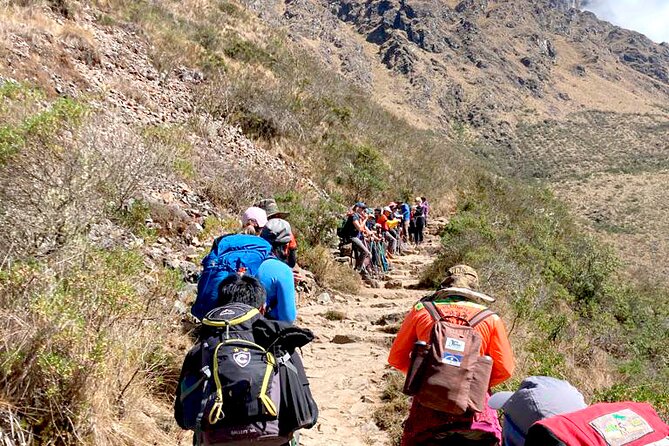
Day 4 is where the itinerary turns into memory. After breakfast, you start hiking to Inti Punku, the Spanish name is La Puerta del Sol, to get the first view of Machu Picchu and see sunrise over it.
This is the part that many people travel far to experience. The last triumphant slope is noted as almost an hour before you reach the citadel, around 2400 m, with the visit starting around 8:00 am.
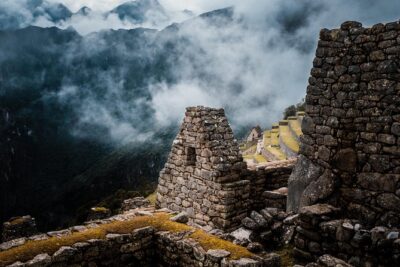
You’ll get a guided tour of roughly two hours. The emphasis is on understanding the meaning of the site and ancient work, not just looking at stones and taking photos. After that, you’ll have free time to explore on your own. That includes the option to go to the Inca Bridge, wander around different Inca monuments, and you can also climb Huayna Picchu for a panoramic view if you want that extra challenge and height.
Then you descend to Aguas Calientes for lunch. Lunch is not included, but you’ll have time to eat before you head out. After lunch, you take the return train to Ollantaytambo, and then onward transport back to Cusco.
A small but important logistics note: the return train from Machu Picchu pueblo to Ollantaytambo is included, but it depends on availability. That’s not something you can control, so it’s good to know the plan may be subject to schedules.
Price and what makes this $905 per person feel fair
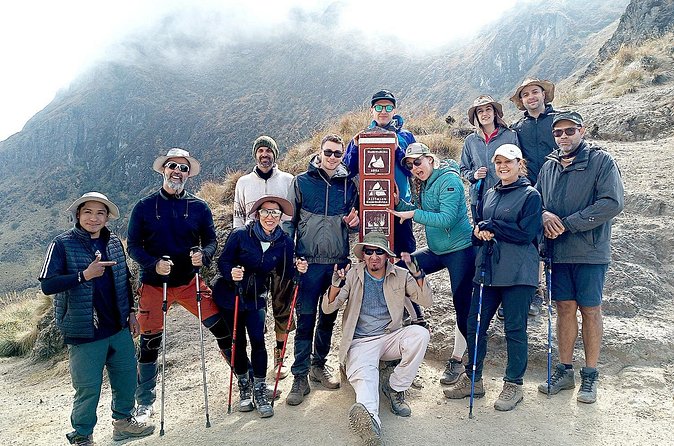
At $905 per person for a 4-day trek, this isn’t a cheap vacation. But it also isn’t just “buy a permit and hope for the best.” You’re paying for a package that would be hard to reproduce on your own.
Here’s what your money covers:
- Entrance to the Inca Trail and Machu Picchu
- Transport from Cusco to Km. 82
- Transport from Ollantaytambo back to Cusco
- Consettur bus from Machu Picchu village to the archaeological site
- A professional guide in Portuguese or Spanish (language on request)
- Camping equipment, including tents, mats, and dining and bathroom setup
- Cook and kitchen setup
- Food during the trek: breakfast on Day 3, plus 3 lunches, 3 dinners, and 3 snacks
- Oxygen and first aid
- Return train from Machu Picchu pueblo to Ollantaytambo (depending on availability)
What’s not included:
- A sleeping bag
- Breakfast on the first day
- Lunch at Machu Picchu or Aguas Calientes
- An extra carrier
When you compare that to what you’d pay to secure permits, guide services, and the full camping system, the price starts to look more like “pay for the whole machine to run.” You’re not carrying the cooking tents, dining tent, portable bathroom gear, or the camp infrastructure. That’s a huge practical value if you want to actually enjoy the trek instead of managing logistics at 4000 m.
Also, the tour is commonly booked about 60 days in advance. If you have fixed dates, don’t wait and hope.
The guide and camp team: why the experience feels smooth on hard days
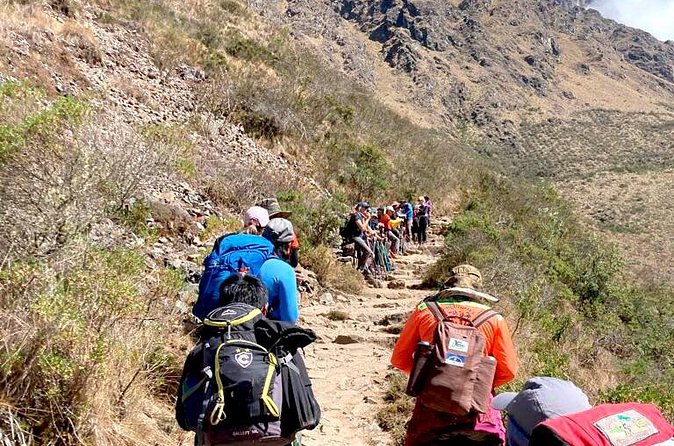
The biggest praise you can feel in the details is support. The hike gets tough, and the camp team needs to run like clockwork.
In feedback, guides such as Franklin stand out for two things: keeping the group together while staying flexible when people want to look at extra spots, and explaining history and culture in a clear, practical way, including the role of ruins in Inca life and economy.
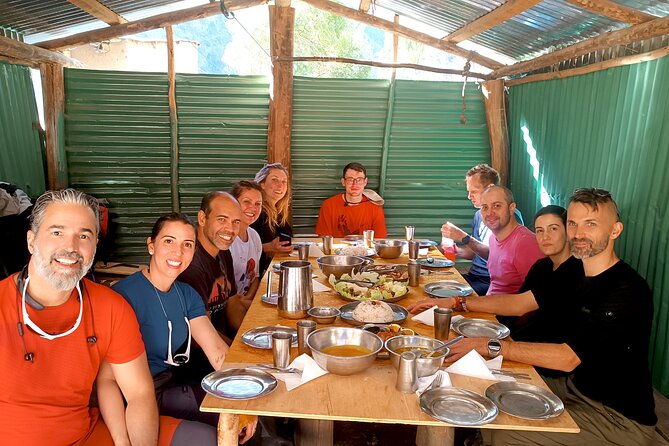
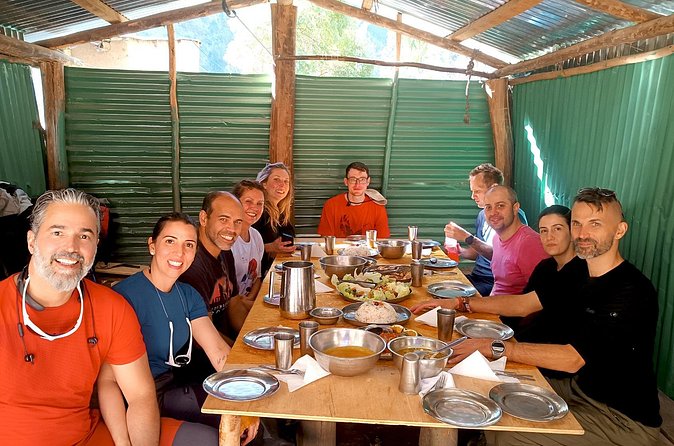
Food is another major bright spot. You’ll have multiple lunches and dinners, plus snacks, and some evenings include a tea time before dinner. One standout detail is that cooks can bake a cake for a night. That sounds small, but it changes the vibe of a cold camp. It reminds you that you’re not just enduring. You’re being cared for.
Porters and equipment handling matter too. You’ll have tents and meal setup, plus portable bathroom support, so you can focus on walking and resting. If you’ve ever tried to travel with too much gear, you’ll appreciate how much easier this makes the hike.
Fitness expectations and packing decisions you should not skip
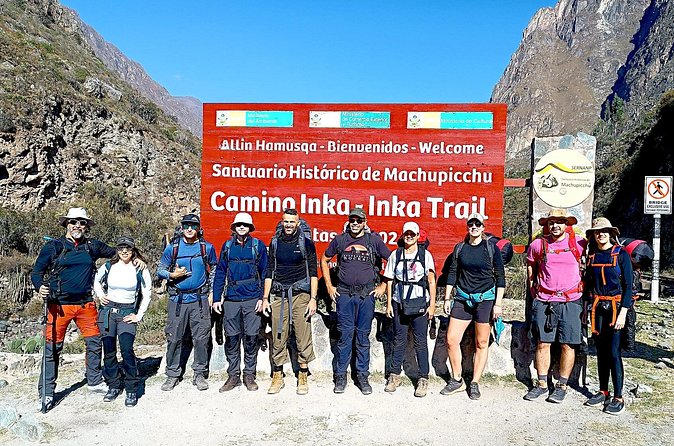
This tour clearly expects strong physical fitness. Day 1 is about 7 hours, Day 2 is about 8 to 9 hours (with Death Pass at 4200 m), and Day 3 is about 6 hours. That’s a real commitment.
Day 2 also explicitly calls out cold weather, so you should plan for temperature swings. And the trek uses camps, which means comfort at night matters for your next day.
The one packing item you must plan for is the sleeping bag, since it’s not included. Your campsite includes tents, mats, a dining room setup, and tables and chairs, plus bathroom equipment. But without a sleeping bag, you might feel the cold more than you expect.
Also remember the tour includes oxygen and first aid. That doesn’t remove the need for pacing. It just gives you a safety net if altitude makes you feel off.
If you’re unsure, ask yourself this: can you handle a full day of uphill hiking around high elevation, then do it again the next morning? If not, this is where you should think twice.
Who should book this Inca Trail and Machu Picchu combo, and who should pause
You’ll probably love this trek if you:
- Want a structured, guided Inca Trail experience rather than planning permits and camp logistics yourself
- Care about reaching Machu Picchu with a sunrise moment from Inti Punku
- Like the idea of learning what you’re walking through, with a guide who can explain ruins and Inca context
- Prefer a small group size (up to 10) and a camp that runs smoothly
You might want to pause if you:
- Don’t have the physical conditioning for long days and the high pass at 4200 m
- Are not comfortable with cold weather on the trail
- Hate the idea of sleeping in a tent and keeping your gear lightweight while still being at altitude
This is not a casual walk. It’s a real trek. The reward is huge, but the body work is real too.
Should you book this 4-Day Inca Trail to Machu Picchu?
My take: book it if you want the full, traditional Inca Trail arc, with camping support, built-in meals, and a guide-led Machu Picchu visit starting after sunrise at Inti Punku. The inclusion list is strong, especially the camp setup, food, and oxygen first aid.
I’d only hesitate if your fitness level is uncertain, or if you forget that a sleeping bag is on you. If you’re physically ready and you pack smart, this is the kind of trip that makes Machu Picchu feel earned, because you got there by walking the path instead of being dropped at a viewpoint.
If you can, aim to lock in your dates early. This is the kind of itinerary people want, and it tends to sell out.
FAQ
What is the meeting point for the tour?
The start point is in Cusco, Peru. You are picked up from your hotel at 5:30 am.
How long is the Inca Trail portion?
The full experience is listed as 4 days. The hiking time is about 7 hours on Day 1, about 8 hours on Day 2, and about 6 hours on Day 3, with Day 4 focused on sunrise access and visiting Machu Picchu.
What meals are included, and what is not?
Food is included for the trek: breakfast is included on Day 3, plus 3 lunches, 3 dinners, and 3 snacks. Breakfast on the first day is not included, and lunch at Machu Picchu or in Aguas Calientes is also not included.
Is camping gear included?
Yes. The tour includes tents, mats, bathroom setup, and dining equipment (table and chairs), plus kitchen equipment for the cook.
Do I need to bring a sleeping bag?
Yes. A sleeping bag is not included.
Is this tour refundable or changeable after booking?
No. This experience is non-refundable and cannot be changed for any reason. If you cancel or request an amendment, the amount paid is not refunded.
Recently reviewed around Sacred Valley
- Private Tour Sacred Valley, Chinchero, Maras Moray, Ollantaytambo★ 5.0 · 29 reviews
- 2-Day Sacred Valley and Machu Picchu Tour By Train★ 4.5 · 29 reviews
- Tour to the Sacred Valley of the Incas 1 day★ 4.5 · 30 reviews
- From Cusco Atv Laguna Huaypo and Salineras in the Sacred Valley★ 5.0 · 30 reviews
- Sacred Valley Tour From either Urubamba or Ollantaytambo★ 5.0 · 30 reviews
- 2 Days Sacred Valley and Machu Picchu Experience★ 5.0 · 30 reviews
- Sacred Valley Transport★ 5.0 · 30 reviews
- Sacred Valley VIP Private Tour★ 5.0 · 32 reviews
Machu Picchu, compared.
Classic Inca Trail Trek 4D/3N to Machu Picchu (Group Service)
Read our review →
4-Day Inca Trail Trek with Panoramic Train Ride
Read our review →
2-Day Inca Trail to Machu Picchu with Panoramic Train
Read our review →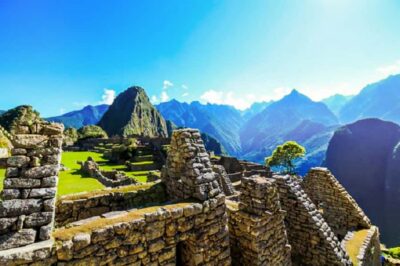

2-Day Tour: Sacred Valley and Machu Picchu by Train
Read our review →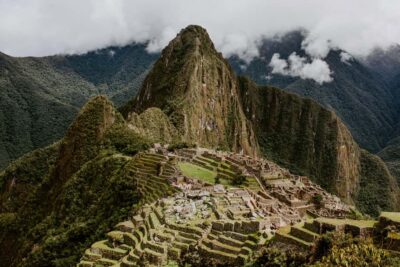
Browse the lists this tour appears in