
Reviewed · AMAZON JUNGLE
Amazon Rescue Center – Manatees Conservation Center Admission Ticket
The Amazon Rescue Center in Iquitos is interesting because it is conservation work in the open air, not a pretend show. I love the chance to learn how rescued animals are treated and monitored, especially around manatee rehabilitation. I also like that the visit is compact and clear, with a short forest path and guided areas that explain what happens before an animal can go back to the wild.
One consideration: this is not a zoo with lots of variety all day long, and you should not expect to see endless animals in big crowds. Some enclosures are for quarantine and recovery, so the experience is more about process and care than about nonstop action.
Key highlights to know before you go
- Conservation-focused center (CREA) working with research and aquarium partners
- Hour-long guided visit that stays well organized, even with lots to learn
- Manatee rehab details, including quarantine recovery and release goals
- Animal zones you’ll walk through, from reptiles to monkeys, birds, and aquatic species
- The flooded forest interpretation center with real-size fiberglass Amazon aquatic statues
- You’re supporting rescue and release, not buying tickets for entertainment
What CREA really is, and why it matters in Iquitos
CREA, the Amazon Rescue Center, is a conservation project based on rescue, rehab, and eventual release. It works in partnership with The Dallas World Aquarium Zoo and the Research Institute of the Peruvian Amazon, which helps explain why the visit feels structured and science-minded instead of random.
Here’s the basic idea you’ll hear from your guide: many of the animals in the center were rescued from places where they were kept illegally. After rehab, the goal is to release them back into their natural habitat. That mission is the heart of the visit, and it changes how you watch everything. You’re not just looking at animals, you’re learning the steps that come before release.
If you care about responsible travel, this place gives you a very direct way to spend your time and money. The center isn’t selling you fantasy. It is showing you the real, slower side of wildlife rescue, including quarantine and long recovery timelines.
More Amazon trips from Iquitos:
- 3-Day Iquitos Amazon Jungle Adventure at Heliconia Lodge
★ 4.5 · 54 reviews - From Iquitos: 3-Day Amazon Jungle Adventure Trip
★ 4.7 · 50 reviews - Monkey Island,Amazon River & Native Aquatic Species – All tickets
★ 5.0 · 44 reviews
Getting there from Iquitos: tuk tuk or bus, and how to plan your day
The center sits about 30 minutes from downtown Iquitos by tuk tuk, or about 1 hour by bus. That time gap is real, so decide what you prefer. A tuk tuk ride can feel quicker and more flexible if you’re pairing this with other Iquitos stops. The bus can be a calmer option if you’re traveling as a group and don’t mind sticking to a schedule.
Plan on the visit itself being around 1 hour. Transportation is not included, and there’s no hotel pickup, so you’ll want to build in extra time to get there and come back. In practice, this is usually a short outing rather than a full day, but you’ll feel it in your schedule because you are going out of town.
Also, go in with clothes that can handle outdoor heat and humidity. You’ll be on paths and in areas that feel like the rainforest edge, not a mall.
The hour-long visit: how the walk through the forest is set up
The tour is built around walking through different zones with a guide who explains each area and the rehabilitation process. The center is organized enough that you get a clear story arc instead of scattered facts.
As you move through the path in the forest, you’ll encounter explanations tied to the animal groups in the center. Based on the center’s layout, you can expect time focused on:
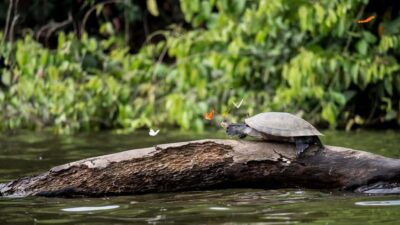
- Reptiles, including a yellow spotted river turtle and a tortoise
- Monkeys, where the guide ties what you see to rehab needs
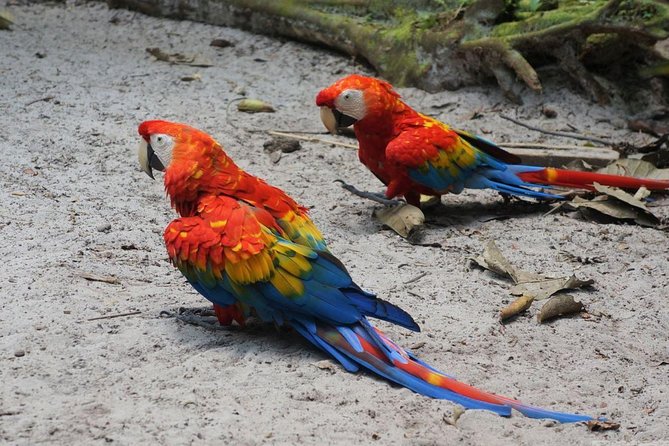
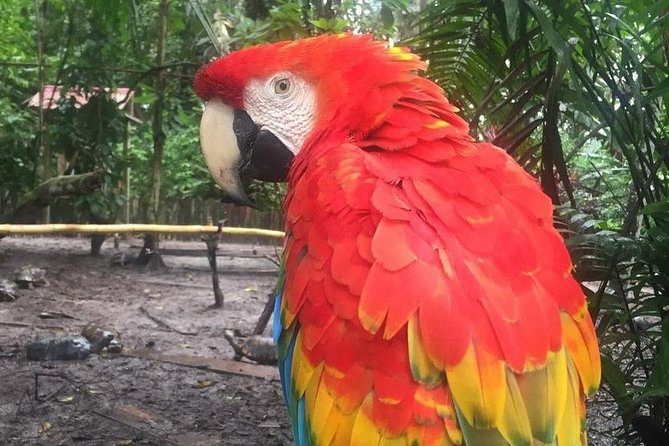
- Birds, with explanations aimed at recovery and long-term care
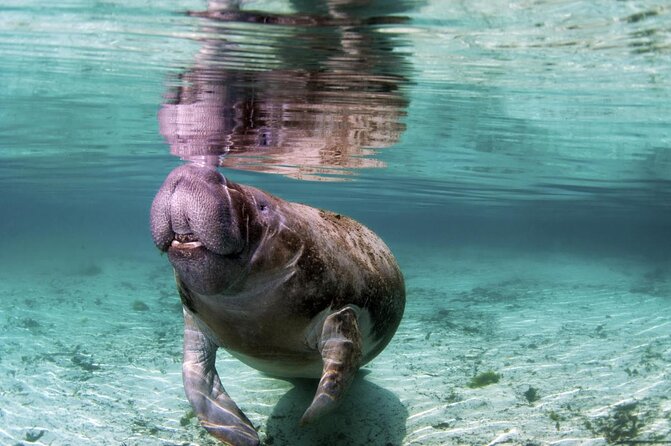
- Manatees, which are the big reason most people come here
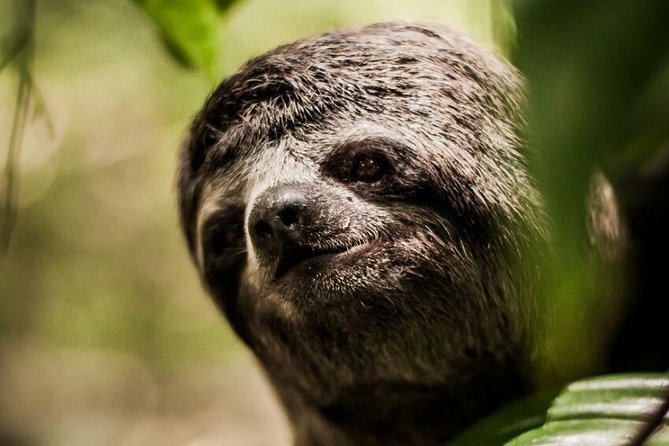
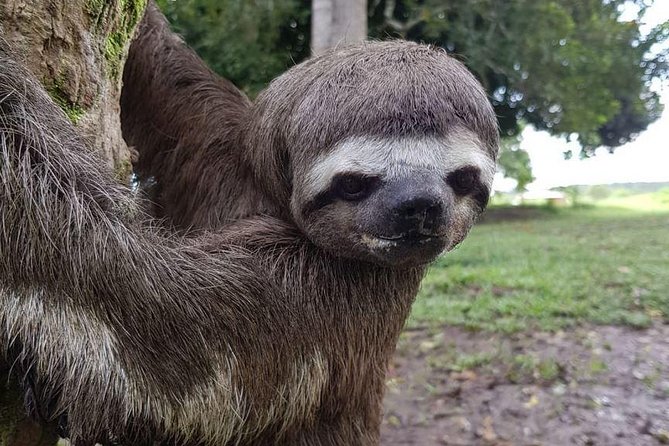
You’ll also hear about other rescued species in the program, including anteaters and sloths, plus general care for animals such as turtles. The guides talk about how the center receives rescued animals, how rehab is planned, and how animals are separated or moved as their health improves.
The biggest “value per minute” moment is usually the manatee part. The guide explains the rehab process in detail, and because the tour is only about an hour, the information doesn’t drag. It feels like the staff are trying to make conservation understandable for visitors, not just catalog it.
The flooded forest interpretation center with fiberglass aquatic statues
One stop you’ll want to pay attention to is the interpretation center called The flooded forest. It uses real-size fiberglass statues of major aquatic Amazon species. Even if statues sound less exciting than live animals, this is one of the smarter pieces of the visit.
Why? It gives your brain something to map onto when you later see real animals in rehab. You start to recognize how the Amazon’s aquatic life fits into the wider environment. The statues also make the “flooded forest” idea easier to picture, especially if you are new to the region.
If you like photos, this part is usually the most straightforward to shoot, since the statues are placed in a way that feels designed for viewing and learning.
A few more Iquitos days worth comparing
- Belen Market and La Venecia Loretana Tour With A Local Guide
★ 5.0 · 85 reviews - 3-Day All Inclusive Guided Jungle Tour from Iquitos at Maniti Eco-Lodge
★ 4.5 · 74 reviews - Pacaya Samiria Mystical 3 Days
★ 5.0 · 64 reviews - 2-Day All Inclusive Guided Jungle Tour from Iquitos at Maniti Eco-Lodge
★ 4.5 · 62 reviews
Manatee rehab, quarantine, and what release really means
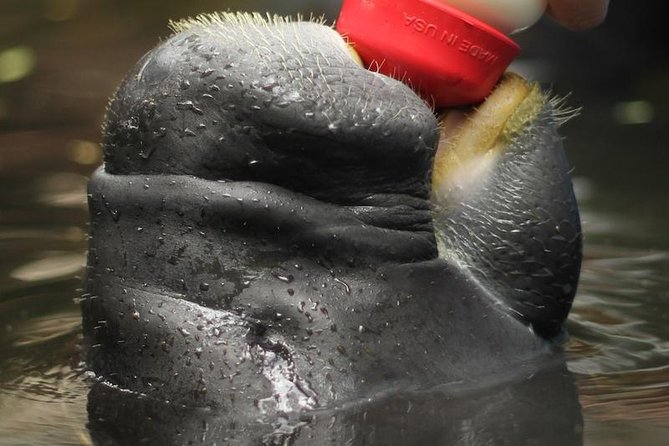
The manatee rehabilitation story is the center’s core, and you’ll hear how it works in stages. A key concept is that early recovery may happen in smaller quarantine tanks. This is not “small because they don’t have space.” It’s because young and newly rescued manatees need round-the-clock attention, feeding schedules, and close monitoring while they stabilize.
As animals recover, they move into larger areas. The end goal is release once the rehab plan reaches the conditions needed for safe reintroduction to their natural habitat.
The center has shared release outcomes over time, including 23 manatees and 2 pink dolphins released, and later an update from the center team stating 33 manatees released. Either way, the takeaway stays the same: the work is about long recovery, not quick wins.
This is also why you may not see manatees doing tricks or swimming huge distances the way you might expect from aquarium-style presentations. Rehab animals often look calmer, sometimes smaller, and sometimes more stationary depending on their stage. That can feel strange if you expect entertainment, but it makes perfect sense for rescue and recovery.
Price and included value: why $8.08 can still feel like a bargain
The ticket price is $8.08 per person, and you get a professional guide plus the entrance fee. For Iquitos, that’s the kind of price that makes it easy to say yes, especially if you want conservation without paying big tour-company markups.
Here’s what to budget outside the ticket:
- Transportation to and from the center
- Lunch and food
- Food and drinks during your outing
So the total cost of a day depends on how you get there. Still, if you’re already in the Iquitos area and you can handle a short self-arranged ride, the ticket itself is excellent value. You’re paying for conservation education and guided access, not just entry.
Also, the tour is about 1 hour, which means you’re not buying a half-day of time. If your days in Iquitos are packed with river travel, city wandering, or other nature stops, this fits well as a focused learning experience.
What it feels like with the right guide (and why language matters)
The center’s guides are a big part of what makes the visit worthwhile. In the English-language experience, I found the pacing especially important because the story includes several steps: rescue context, the rehab process, and the release plan.
One guide name that pops up from English tours is Jessica. If you happen to get her, you’ll likely appreciate how she connects the animals you see to the specific care they require, with clear explanations and a friendly approach.
Even if your guide is different, you can still expect the same structure: walk through the zones, learn what you’re seeing, and connect it to rehab and release efforts. That’s a big reason this works better than going in totally on your own.
Who should go, and who should skip it
This visit fits best if you like practical conservation and you want your time to connect to real-world outcomes. It is also a good pick if you want something educational that still feels engaging.
It works well for:
- Families, because the guides explain things in a way kids can understand
- Nature lovers who want context about how rescue and release actually happen
- People who care about the Amazon beyond wildlife photos
It’s not the right match if you’re expecting:
- Petting or close contact with animals. The center protects animals as they recover, and that safety focus is part of the experience.
- A fancy facility. It’s nice, but this is a working conservation site, not a themed resort attraction.
If you want, think of it this way: you’re visiting a clinic and learning program that happens to be in the rainforest, not an entertainment venue.
Practical tips that make your visit smoother
The center is outdoors, and I’d treat it like a short rainforest walk.
Bring:
- Outdoor clothes you don’t mind getting dusty or warm
- Mosquito repellent
- Water, since the Amazon basin heat can be intense
Wear:
- Shoes you can walk in comfortably on uneven ground
A small tip that matters: go ready to stand and walk for about an hour total inside the center area. The tour is short, but it isn’t a sit-still museum.
If you use a wheelchair, you might find it a little difficult in places, though it may still be possible with help. If mobility is a concern, consider contacting the provider ahead of time to ask what routes and surfaces will be used for your group.
Should you book the Amazon Rescue Center manatees ticket?
Book it if you want a low-cost, high-meaning stop near Iquitos that teaches how rescue turns into release. The hour-long guided format helps you absorb the mission without eating your whole day, and the manatee rehab focus gives the trip real purpose.
I would skip it only if your goal is entertainment first, not conservation and education. If you want petting, big show moments, or a fancy facility, you’ll likely feel underwhelmed.
If you’re on the fence, this is the kind of experience that rewards curiosity. You’ll leave understanding the work behind the animals you came for, and you’ll know why the quiet parts of rehab are the real story.
FAQ
How long is the Amazon Rescue Center visit?
The tour lasts about 1 hour.
Where is the Amazon Rescue Center located?
It’s at Centro de Rescate Amazónico / Amazon Rescue Center, Carr. Iquitos-Nauta km 13.8, San Juan 16024, Peru.
How much does the ticket cost?
The price is $8.08 per person.
What’s included in the ticket price?
The ticket includes a professional guide and the entrance fee.
What is not included?
Transportation to and from the attraction is not included, and there is no hotel pickup and drop-off. Lunch, food, and drinks are also not included.
How do I get there from Iquitos?
The center is about 30 minutes from Iquitos downtown by tuk tuk, or about 1 hour by bus.
What should I wear or bring?
Wear outdoor clothes, and bring mosquito repellent. Bringing water is also a smart idea since it can be hot.
Is the tour private?
Yes, this is private in the sense that only your group participates.
What are the cancellation terms?
You can cancel for free up to 24 hours in advance for a full refund.
Is it suitable for wheelchair users?
The facilities can be a bit difficult in a wheelchair, but it may still be possible with someone strong to help push.
Recently reviewed around Iquitos
- Amazing Jungle 3Days 2Nights – Amazon Wonder Expeditions★ 5.0 · 33 reviews
- Monkey Island, Amazon River, Amazonian Sunset★ 5.0 · 38 reviews
- 4 Days Iquitos Peru Tour★ 5.0 · 40 reviews
- Monkey Island,Amazon River & Native Aquatic Species – All tickets★ 5.0 · 44 reviews
- Belen Market & Floating City 2-3 Hour Private Tour★ 5.0 · 51 reviews
- 3-Day Iquitos Amazon Jungle Adventure at Heliconia Lodge★ 4.5 · 54 reviews
- 2-Day All Inclusive Guided Jungle Tour from Iquitos at Maniti Eco-Lodge★ 4.5 · 62 reviews
- Pacaya Samiria Mystical 3 Days★ 5.0 · 64 reviews
Amazon Jungle, compared.
Tambopata Peruvian Amazon Jungle for Three Days/Two Nights
Read our review →
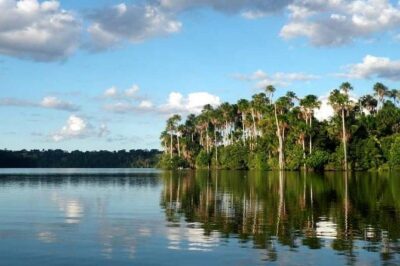
4 Day Tambopata Amazon Wildlife & Canopy Experience
Read our review →
3-Day Iquitos Amazon Jungle Adventure at Heliconia Lodge
Read our review →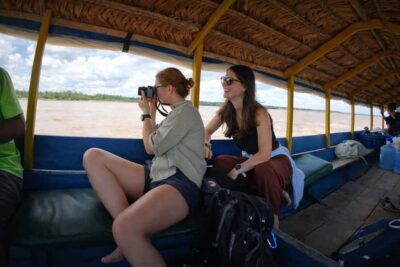
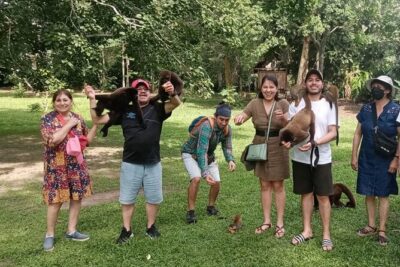
Monkey Island,Amazon River & Native Aquatic Species – All tickets
Read our review →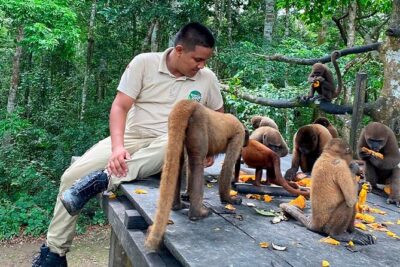
Amazing Jungle 3Days 2Nights – Amazon Wonder Expeditions
Read our review →Browse the lists this tour appears in