
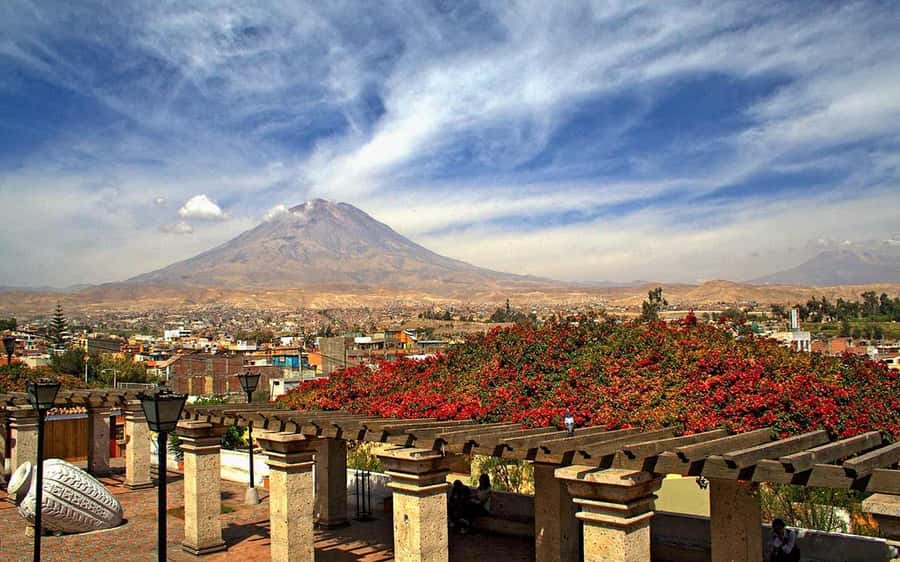
Reviewed · SANTA CATALINA MONASTERY
Arequipa: Walking Tour and Santa Catalina Monastery
Arequipa’s historic center feels like walking through layers of time, and this tour strings those layers together in a smart, walkable route. I especially like the mix of everyday city streets in San Lázaro and the inside world of the Santa Catalina Monastery, with cloisters, patios, and red-and-stone details you do not get from a quick photo stop.
Two things I really love: the guide-driven history that makes the neighborhoods click fast, and the way the route includes both public landmark energy at Plaza de Armas and quieter, lived-in spaces like the Tambos. One consideration is that you are on your feet for a solid 3 hours, and this tour is not suitable for wheelchair users.
Key highlights you’ll feel right away
- San Lázaro sillar streets: volcanic stone buildings, small squares, and a neighborhood shaped by pre-Inca, Inca, and Spanish eras
- Barrio del Solar and River Chili areas: traditional colonial architecture plus the story of merchants and lodging centers
- Tambos you can actually picture: Tambo El Matadero (17th century) and Tambo La Cabezona (communal entrance from the 1500s)
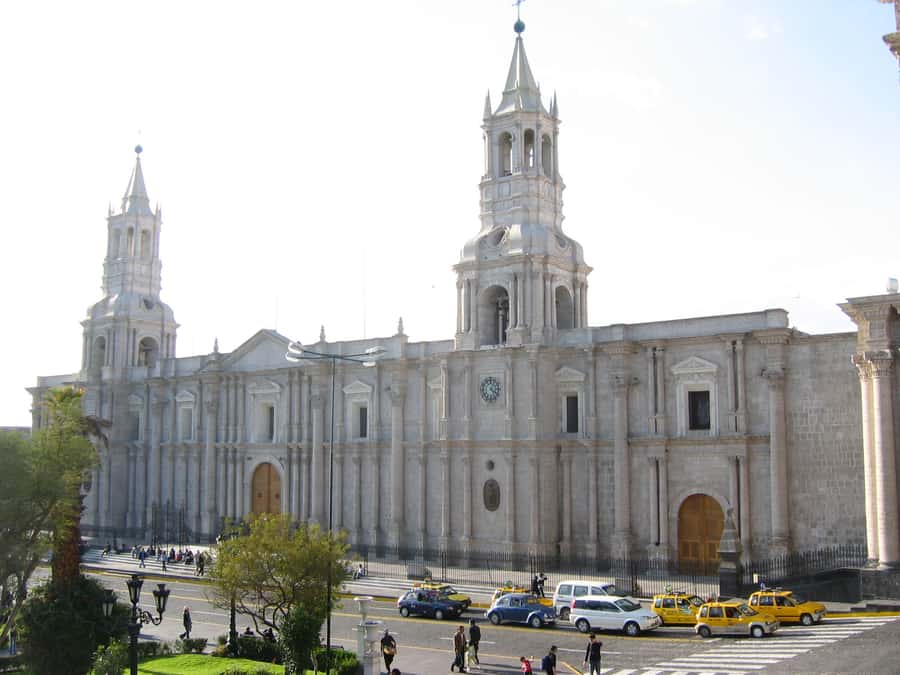
- Plaza de Armas, done properly: portals around the square and the bronze fountain as your easy orientation anchor
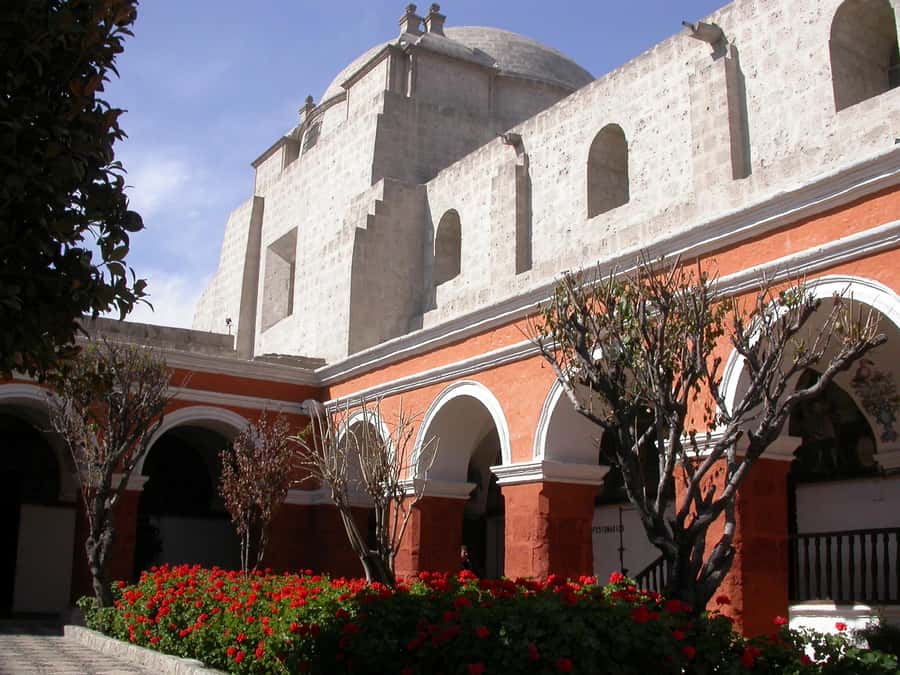
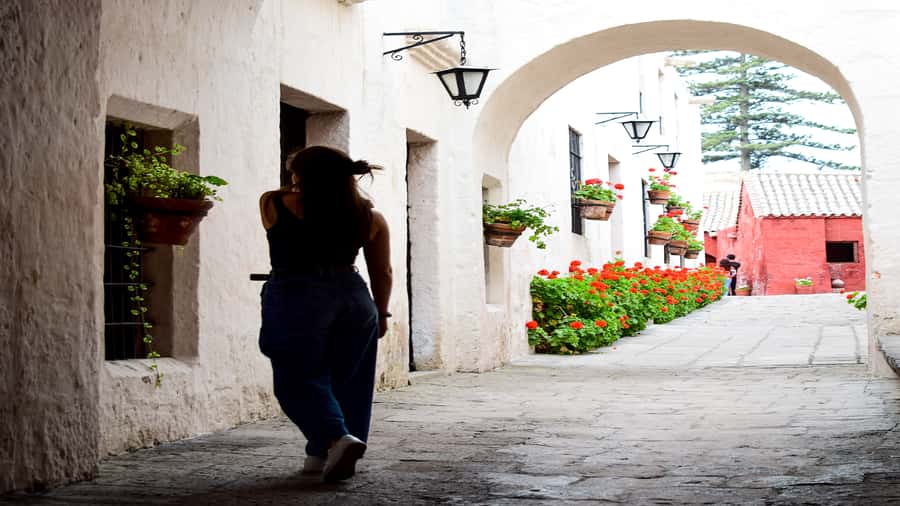
- Santa Catalina Monastery as a whole mini-city: cloisters, patios, bell tower, church, and photo-friendly lanes like the Patio del Silencio
San Lázaro: sillar streets and why this first neighborhood matters
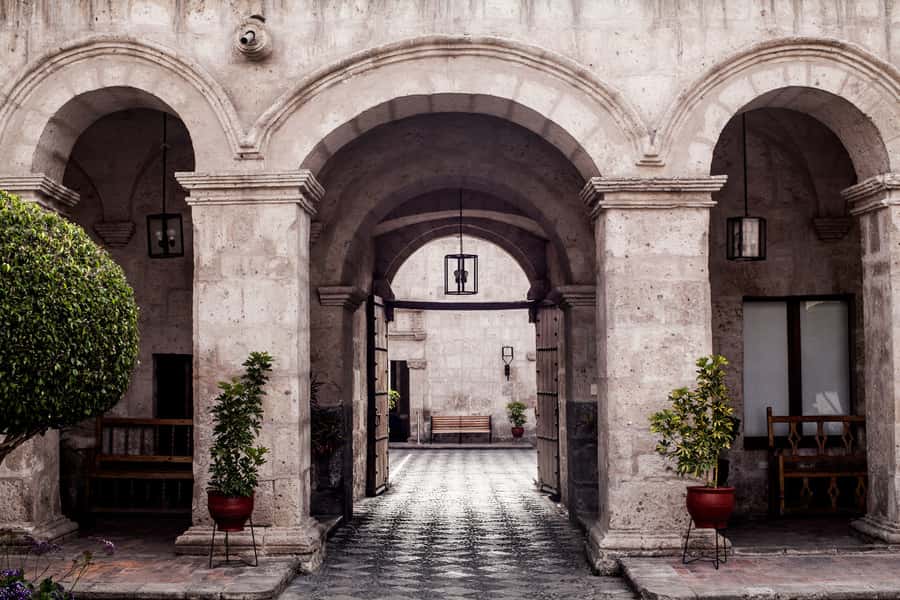
This tour starts with hotel pickup options in or near the Historic Center, then heads to San Lázaro, a small district just about five blocks from the Plaza de Armas. The big reason to start here is simple: it sets the visual language of Arequipa before you hit the headline sights. You see sillar, a volcanic stone used for construction, and that look becomes the thread connecting the rest of the walk.
You walk through small streets, white walls, and little squares that feel intimate instead of staged. This area has roots reaching back to pre-Inca and Inca presence, and then it becomes a key part of the Spanish conquest and city foundation period, when the earliest houses were built here. It is not just pretty architecture. The neighborhood explains the city’s timeline in a way you can feel step-by-step.
If you want a practical tip, keep your eyes up and slightly ahead. The charm is in the façades, doorways, and the way streets fold around corners. You will spend more time looking than you might expect, which is good, because it makes the tour feel shorter than three hours.
More Walking Tours in Arequipa
- Walking tour in the Historic Center of Arequipa
★ 4.4 · 180 reviews - Arequipa: Walk through the Historic Center of the City
★ 4.9 · 87 reviews - Arequipa Walking Tour city center and drinks experience
★ 5.0 · 72 reviews
Barrio del Solar and the River Chili edges: Tambos start making sense
After San Lázaro, the route shifts to Barrio del Solar, near the River Chili. This is where the tour starts moving from “look at buildings” to “understand how the city worked.” The guide points out traditional and colonial buildings and connects them to the colonial era role of merchants and rest stops.
That is where the Tambos come in. Tambos were lodging centers, basically places for travelers and merchants to rest, and they become part of Arequipa’s urban story. You are not just hearing a definition. You are walking through spaces that were built for movement and commerce, then seeing how communities shaped them over time.
One small drawback: because this part focuses on multiple short stops, it can feel like you are hopping across different pockets of the city. The payoff is that each stop snaps into a bigger picture, especially once the Tamobuilding details start clicking.
Tambo El Matadero: the 17th century site that still has people living there
Tambo El Matadero is the first Tambo stop, and it is hard to forget. This building dates to the seventeenth century and was used for the sacrifice of animals. That is a heavy topic, but the point of including it is that it gives context for how colonial life functioned beyond the postcard scenes.
What makes this stop feel real is that the building is not a museum set. There are currently about 30 families living in the place. So when you look at walls and corridors, you are also seeing ongoing life shaped by a site with a very long past.
Photo-wise, you will want to be quick and respectful. With a neighborhood that has residents, you will often get the best pictures from angles that do not block paths. Also, think of your photos as “structure first,” because the architecture tells the story even if you skip the hardest-to-capture moments.
Tambo La Cabezona: a communal entrance and an early mill story
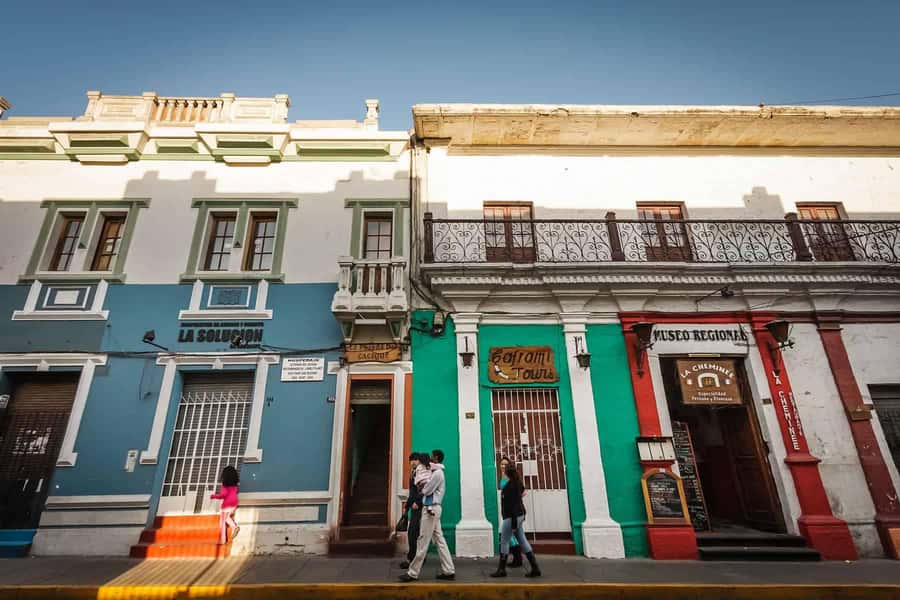
Next comes Tambo La Cabezona, another colonial group of houses with a communal entrance dated to the sixteenth century. This stop shifts the mood from the harshness of El Matadero to the practical daily side of colonial urban life, including how work happened inside the city.
One key detail: the area is described as the place where one of the first mills in the city worked. That helps you see Arequipa not just as a pretty Spanish-era shell, but as a place where people processed, worked, and kept systems moving.
As you walk, you will get more benefit if you slow down at the transitions. The guide’s job here is to translate what you are looking at, and it is easiest to catch those connections when you pause for a few seconds rather than rushing to the next corner.
More Santa Catalina Monastery visits:
- Arequipa, Historic and Colonial City and Santa Catalina Monastery
★ 4.5 · 42 reviews - Arequipa: City Tour and Santa Catalina Monastery
★ 4.5 · 6 reviews - Arequipa Walking Tour and Santa Catalina Monastery
★ 5.0 · 4 reviews - Lima Walking Tour: Historic Center, Market & Monastery
★ 5.0 · 96 reviews
Plaza de Armas Arequipa: portals, cathedral views, and the bronze fountain
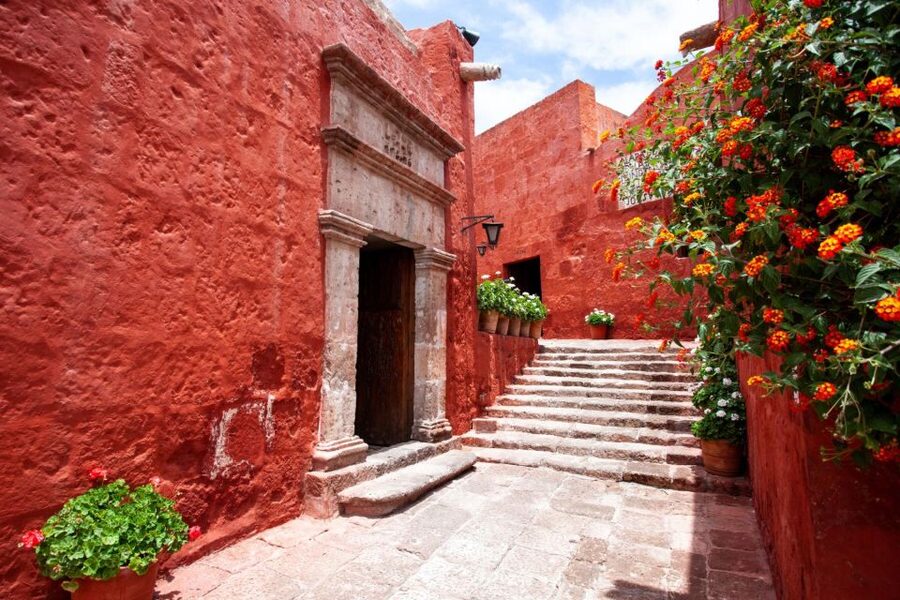
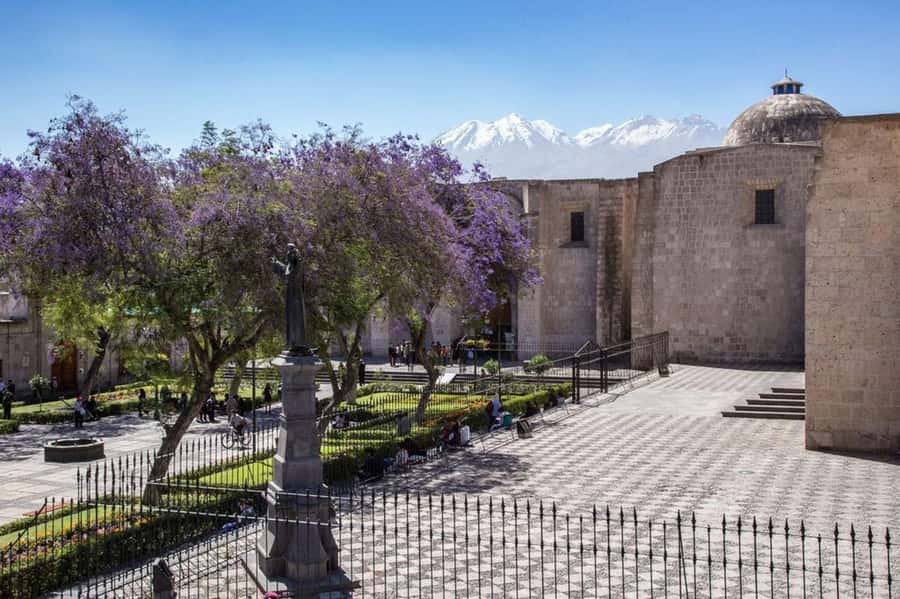
Then you hit the big orientation anchor: Plaza de Armas of Arequipa, the main meeting point for locals. The square is surrounded by portals, and the cathedral sits in its sphere, so you get classic “center of gravity” energy without having to hunt around for it.
In the middle is a bronze fountain, and it works as a visual landmark you can use to orient yourself as the streets start branching away again. Even if you already saw the Plaza before, this stop is useful because your guide sets it into the city story you just walked through.
You will likely spend around thirty minutes here. That gives you a realistic chance to absorb the architecture and take photos without turning it into a sprint. If the weather is hot, this is also one of your best built-in moments to slow down, reset, and plan your pace for the monastery section.
Santa Catalina Monastery: the mini-city inside, including the Patio del Silencio
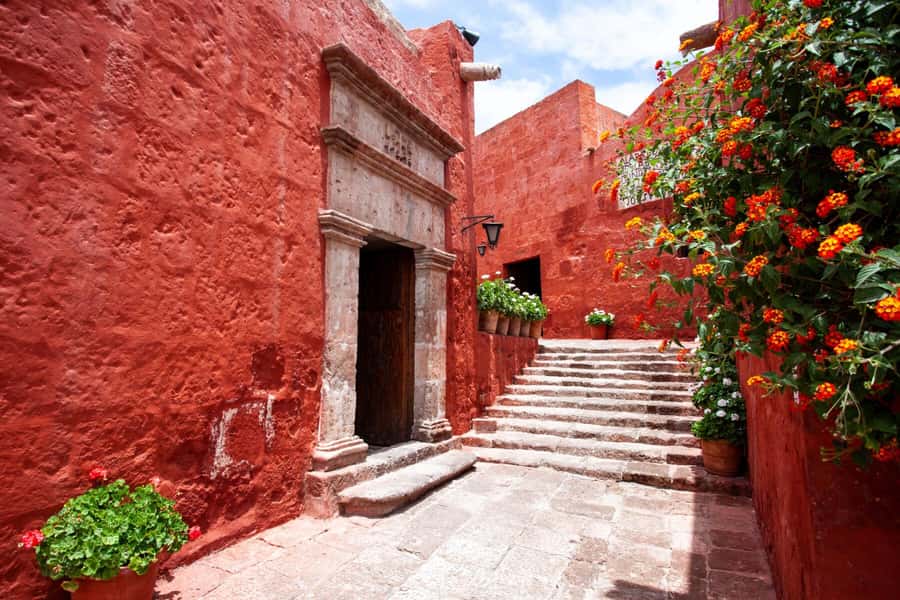
The highlight for most people is Santa Catalina Monastery, and it earns that reputation. The convent was founded in 1579 and spans about 20,000 square meters, laid out with cloisters, patios, squares, streets, plus a bell tower and church. It feels like you are walking inside a whole city block that happens to be enclosed.
This is the kind of place where history is not just on a plaque. It has names and motives. The story centers on Doña Maria de Guzman, a wealthy woman during the viceroyalty who donated her properties and chose a cloister life as a nun. The guide explains that many women who entered came from wealthy families, and today there are still cloister nuns living at Santa Catalina.
Architecturally, you will notice ashlar stone and natural red-toned walls. The streets and corners are built for movement, which is why you get so many photo opportunities without it feeling like you are standing in one spot.
One specific stop that helps you understand daily monastic life is the Patio del Silencio, where nuns met to pray and read the Bible in silence. It is a quieter moment in a place that otherwise offers plenty of visual drama, and it makes the overall monastery tour feel more grounded.
Timing note: the tour includes about one hour inside with a guided visit and walking time. You will want comfortable shoes for this part. Even if you feel fine at the start, the monastery’s internal layout encourages steady walking.
Tour timing, pickup, and why the 3-hour loop works
This is built as a 3-hour walking and van combination. You move by van in short hops, then switch to walking once you are in each neighborhood cluster. That balance matters in Arequipa, because you want enough time in the places that count, but you do not want to spend the whole day commuting between them.
Pickup is designed to be easy if you are staying in the Historic Center. If you are not, you go to a meeting point at Calle Zela 301, next to the Convent of Santa Catalina (Hotel Mirador del Monasterio). The exact pickup and meeting time is confirmed after booking.
Price is $35 per person for the tour. For value, the big question is what you are getting beyond the sightseeing. You get a professional guide in Spanish and English, and you get hotel pickup and drop-off if you are within the Historic Center. The monastery entrance can be included as an option or paid locally, which is the one variable that changes your total out-of-pocket cost.
If you compare alternatives, this tour is strongest when you want structure. You get a route that links neighborhoods, markets, and religious life into one coherent walking day.
Languages, guide style, and what to expect during the explanations
The tour guide is provided in Spanish and English, so you will have explanations in the language you need. In the feedback tied to this experience, names like Gisela and Milei show up for a reason: the guides are praised for being kind and precise, and for answering questions clearly.
That matters on a walk like this because there are topics you might not guess from the architecture alone, like the Tamobuilding functions or what monastic life looked like in practice. A good guide helps you connect details without turning the tour into a lecture.
A practical move: bring one or two questions into the tour. Ask about how the Tambos functioned, or why the monastery layout is so grid-like. You’ll get more out of the time you spend than you would by just watching scenery.
Monastery entrance fee options you need to plan for
Your tour option determines whether the Santa Catalina Monastery entrance fee is handled for you or paid on-site. If entrance is not included, you pay locally, and the cost is listed as:
- 25.00 PEN for people ages 7 to 21
- 45.00 PEN for adults
Children 4 and younger are complimentary. If you care about avoiding last-minute payment, choose the option where the entrance is included. If you prefer flexibility, plan to pay locally.
Also remember the monastery has closing dates: December 25th and Good Friday. If your trip overlaps those days, you will need a backup plan.
What to bring so you do not feel rushed
You will be outside for much of the route, and Santa Catalina includes walking indoors and through internal paths. Bring:
- Sunglasses and sunscreen
- Insect repellent
- Comfortable clothes and comfortable shoes
- A hat
Even if you think you are prepared, Arequipa sun and dry air can surprise you. The hat and sunscreen are the two items that most often save people from ending the tour grumpy.
Who should book this walking tour (and who should skip it)
This tour is a great fit if you want a guided route through Arequipa that mixes neighborhoods, architecture, and a major UNESCO World Heritage site without feeling chaotic. It also suits you if you enjoy history that is tied to places you can still walk through, like the Tambos and the monastery.
It may not be the best choice if you need wheelchair access. The tour is listed as not suitable for wheelchair users.
If you are short on time but want the highlights, the 3-hour length is practical. If you already know Arequipa well and just want a quick monastery visit, you might find this route a little extra. But if you want context, it is exactly the right amount.
Should you book this tour?
Book it if you want a structured walking day that links the historic center neighborhoods to Santa Catalina Monastery, with a guide who explains what you are seeing as you go. The price is fair for the included guiding and the route planning, and the monastery visit is the kind of thing you do not want to skip.
Skip it only if your mobility needs are strict. Otherwise, bring sun protection, wear comfy shoes, and lean on the guide for the connections between San Lázaro, the Tambos, Plaza de Armas, and the cloisters of Santa Catalina.
FAQ
How long is the Arequipa walking tour and Santa Catalina Monastery visit?
The tour lasts about 3 hours.
How much does it cost?
The price is listed as $35 per person.
Is hotel pickup and drop-off included?
Hotel pickup and drop-off are optional. If you choose the option with pickup and drop-off included, it is only for hotels within the Historic Center.
What if my hotel is not inside the Historic Center?
You should go to the meeting point at Calle Zela 301, next to the Convent of Santa Catalina (Hotel Mirador del Monasterio).
What languages are the guides?
The guide provides the tour in Spanish and English.
Is the Santa Catalina Monastery entrance fee included?
It depends on the option you select. The entrance fee may be included with the local guide, or it may be payable locally.
If the entrance fee is not included, how much is it?
If paying locally, the cost is 25.00 PEN for people ages 7 to 21 and 45.00 PEN for adults.
What should I bring for the tour?
Bring sunglasses, sunscreen, insect repellent, comfortable clothes, and a hat.
When is the Santa Catalina Monastery closed?
It closes on December 25th and Good Friday.
Is the tour wheelchair accessible?
No. The tour is not suitable for wheelchair users.
Recently reviewed around Arequipa
- 2-Day Tour to the Magical Colca Canyon★ 4.5 · 29 reviews
- Full Day Tour to Colca Canyon from Arequipa★ 4.0 · 34 reviews
- Full Day Tour To The Salt Lake Salinas in Arequipa★ 4.5 · 34 reviews
- Full Day Trip to Colca Canyon from Arequipa★ 4.0 · 34 reviews
- Tour Fullday Colca Canyon with Breakfast and Typical Lunch★ 4.3 · 35 reviews
- Colca 2 Days and 1 Night★ 5.0 · 35 reviews
- 2 Day Trek Including Transfer to Puno / Colca Canyon★ 4.5 · 38 reviews
- 3-Day Colca Canyon trek with Professional Guide★ 5.0 · 40 reviews
Santa Catalina Monastery, compared.
Lima Walking Tour: Historic Center, Market & Monastery
Read our review →
Arequipa, Historic and Colonial City and Santa Catalina Monastery
Read our review →
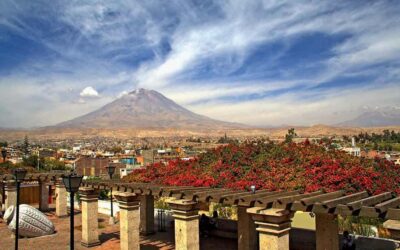
Arequipa Walking Tour and Santa Catalina Monastery
Read our review →Browse the lists this tour appears in