
Reviewed · RAINBOW MOUNTAIN
Ausangate and Rainbow Mountain Trek – 3 Days / 2 Nights
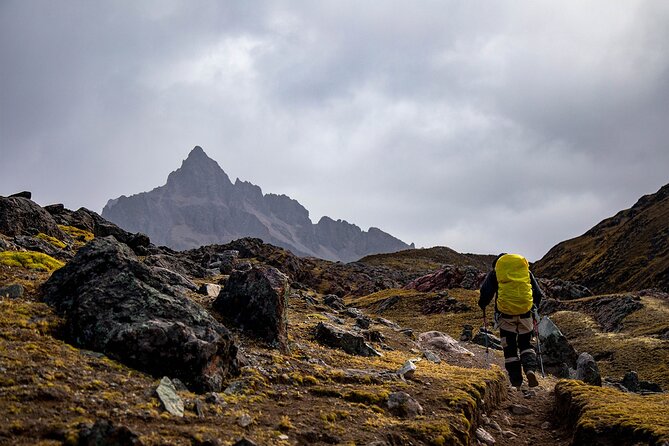
What makes this trek interesting is that you get two very different high-Andes experiences in just 3 days. You start with Ausangate and its remote pass country, then you finish with Rainbow Mountain at Vinicunca, timed early enough to enjoy the view in peace. I love the way the route mixes real hiking days with a real sense of place, not just a quick photo stop.
I also love the practical logistics baked in, especially hotel pickup and drop-off from Cusco and the full camping setup so you are not juggling gear. The main drawback is physical readiness. This is an altitude trek with two high passes, so you should be in strong shape and comfortable hiking uphill for hours at a time.
Key highlights to watch for
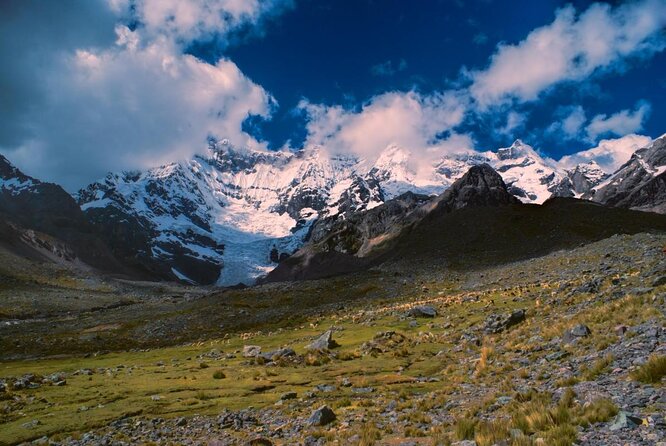
- Two famous hikes in one compact itinerary: Ausangate passes plus Rainbow Mountain at Vinicunca
- Early start strategy: reach Rainbow Mountain before the heavier crowds show up
- Pass-to-pass scenery: Puca Pass and Warmisaya Pass with glacial lagoons and big 360 views
- Camping comfort included: sleeping tent, sleeping bag, air mattress, plus hot drinks and proper meals
- Small group feel (max 12): easier pacing and smoother day-to-day adjustments
- Altitude support gear: first aid kit plus an oxygen supply, along with a pre-departure briefing
Why this Ausangate and Rainbow Mountain trek feels different from the usual
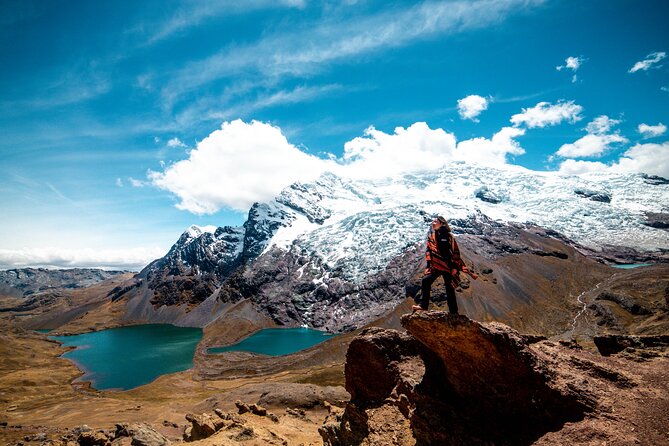
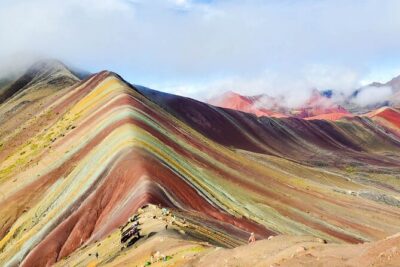
This is not the kind of trek where you hike for an hour, stop for a selfie, and call it a day. The charm here is the rhythm. You gain altitude gradually, you earn each viewpoint, and you sleep at the base of the mountain world you came for. Ausangate has that raw, wild feel. Vinicunca brings the color show.
You will notice how the days are planned around light and breathing room. Day 3 is especially time-sensitive. You wake up early and reach Rainbow Mountain before most visitors arrive, which makes the climb feel less like a race and more like a morning pilgrimage. It is a simple idea, but it changes the whole mood.
On the service side, this trek is heavy on care. You get an experienced mountain guide, pre-departure briefing, hiking poles and a rain poncho, water and snacks, and a team that also sets up and manages camp logistics. In real trip experiences led by guides like Nestor, Marco, Fredy Apaza, Pabel, Darwin, Elisban, and Franklin, the consistent thread is calm control and practical support, including pacing adjustments when needed.
More Hiking & Trekking in Cusco
- Classic Inca Trail Trek 4D/3N to Machu Picchu (Group Service)
★ 5.0 · 8,653 reviews - Machu Picchu: 4-Day Inca Trail Trek with Panoramic Train Ride
★ 5.0 · 4,568 reviews - Salkantay Classic Trek 5 Days from Cusco
★ 5.0 · 4,062 reviews
Cusco transfers, pickup timing, and what your mornings really look like
You start early, with the tour start time listed as 5:00 am. That matters because altitude hikes are better when you are not rushed. The schedule builds in that head start so you can drive from Cusco to the trailhead and begin before the day gets fully hot or busy.
What I like about the logistics is that you do not have to figure out transport on your own. Hotel pickup and drop-off are included, and you also get round-trip transfers during the tour. That reduces stress in Cusco, where getting from point A to point B can sometimes be more complicated than it should be.
One small reality check: you are going to be dealing with altitude from Day 1. The tour recommends arriving in Cusco at least 2 days early to adjust. If you only arrive the night before, you are stacking too many variables. I would rather you give your body a chance to acclimate, then enjoy the hike instead of spending the first day trying to survive it.
Day 1: Upis to Hatun Pucacocha, with Arapa Pass in the mix
Day 1 starts in a small town called Upis. You begin the trek with a walk around 3 hours toward the lunch spot. This section is set up to let you ease into the altitude and start seeing Ausangate properly. The mountain views tend to feel bigger once you are actually moving through the valley.
The itinerary then adds a short rest in the afternoon before the uphill push toward Arapa Pass. That part is where the hike becomes more serious. You are climbing, you are breathing harder, and you are working for each step. If you go into it with a steady pace, you will feel the payoff when you look back and realize how far you have come.
After Arapa Pass, you descend to camp at Hatun Pucacocha. The camp is described as being at the foot of Ausangate, and that detail matters. Sleeping with that mountain looming close changes how you experience night in the Andes.
Meal and comfort wise, you get hot drinks and dinner, and your setup includes a sleeping tent plus an air mattress and sleeping bag. Cold nights are common in this region, but the trek includes what you need to stay warm. In past experiences, people have been surprised by how comfortable they felt in the sleeping bag system and extra warmth provided at night.
Practical tip for this day: treat it like a pacing day, not a fitness test. You are building toward passes across Day 2 and the sunrise push on Day 3.
Day 2: Puca Pass, glacial lagoons, Warmisaya Pass, and camp at Surinecocha
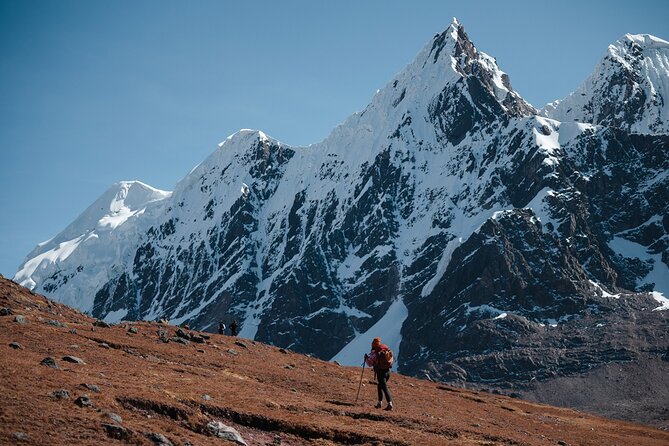
Day 2 begins with hot coca tea and breakfast. That small detail is more than tradition. In cold altitude starts, warmth helps your body feel ready, and the caffeine-free tea can make the morning feel less harsh.
You head up to Puca Pass for striking scenery. The plan also includes a chance of spotting condors, which is one of those moments that feels random until you are actually in the sky country. You also get photo opportunities around glacial lagoons. The lagoons are the kind of feature that makes you stop without planning to. They look different as light changes, and they give you a break from the nonstop focus on your footing.
Then you reach Anantapata for lunch. In a multi-day trek, lunch locations matter because they are your mental checkpoint. This is where the day becomes structured, not just one long climb.
After lunch, you hike up to Warmisaya Pass for a 360 view. This is where the route starts to tell a story. You get a broad horizon, and the itinerary notes that Rainbow Mountain becomes visible for the first time. That is a big psychological moment. You stop imagining Vinicunca and start realizing it is coming.
From Warmisaya Pass, you descend to camp at Surinecocha for dinner and rest. By this point, your body knows the rhythm. Your legs might feel tired, but you usually feel steadier with breathing and pacing because you already did Day 1.
More Ausangate and 7 Lakes hikes:
- From Cusco: 7 Lakes Ausangate Trek with Breakfast and Lunch
★ 4.8 · 360 reviews - Excursion to Ausangate 7 lakes from Cusco.
★ 5.0 · 116 reviews - Excursion to Ausangate & 7 lakes with Coca Ceremony |Private|
★ 5.0 · 80 reviews - Ausangate Trek 5 Days
★ 5.0 · 74 reviews
Day 3: Vinicunca (Rainbow Mountain) at dawn, then back to Cusco
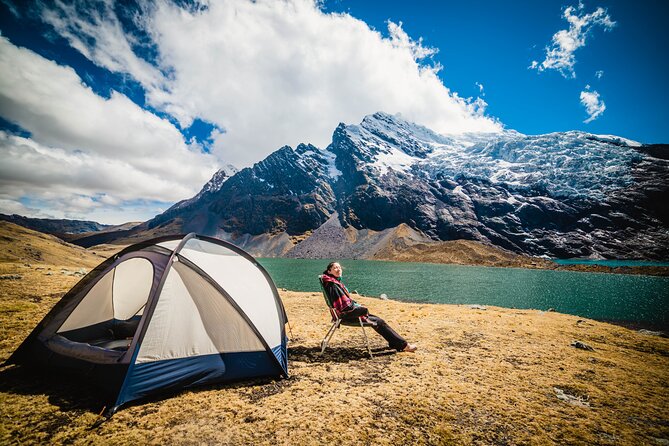
Day 3 is the signature moment. You wake up early to reach Rainbow Mountain before the other tourists arrive. Timing is everything here because the trail can feel busy when crowds pile in. Going early also usually means calmer energy on the way up.
You stop along the first section to enjoy the first views of Vinicunca. That staging is smart. It gives you a chance to appreciate the mountain as it grows, instead of only seeing it at the final push. Then you continue to the mountain itself and spend plenty of time there.
An important detail in the itinerary is that you learn about the importance of the place, not just what it looks like. That helps the experience feel more grounded and less like a “check the box” stop.
After you take in the views, you hike back down and head to private transport. Lunch is included, then you continue on to your accommodation in Cusco, with drop-off at the door for that well-deserved rest.
This is also the day where you feel the emotional mix. You started early and high, you climbed passes, you slept in cold air, and now you are back in Cusco with your body exhausted in a good way. It is a real finish line.
Guides, camping setup, and meals that make a huge difference at altitude
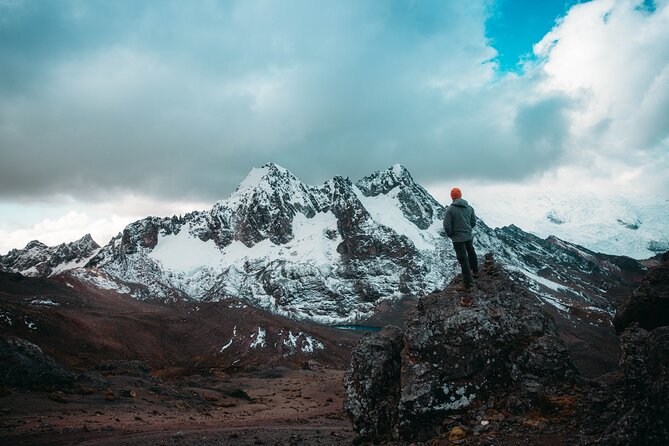
A lot of treks sell scenery. Fewer actually deliver comfort and calm management. This one does, and the included items support that.
You get an experienced mountain guide. In past trips, guides such as Nestor, Marco, Fredy Apaza, Pabel, Darwin, Elisban, and Franklin have stood out for how they manage the group, share information, and keep people feeling safe. One recurring theme in those leadership styles is adapting to the hikers in front of them. If you are moving at a strong pace, you might see extra detours or viewpoint additions. If someone needs gentler pacing, the day can slow down without turning chaotic.
Camp equipment is also included, and that is a big deal in the Andes. You receive a sleeping tent, air mattress, and sleeping bag. Dining room setup is provided too, with tables and chairs. That means meals are not just a quick snack eaten on the move. They are warm, organized, and part of the experience.
Food quality is a standout for many people on this trek. Trip experiences describe meals as delicious and cooked in remote settings, which is impressive when you think about weather and limited supplies. Also included are water and snacks throughout the days, plus lunch on 3 days, breakfast on 3 days, and dinner on 2 nights.
One more thing I appreciate is safety gear. You get a first aid kit and oxygen supply. Oxygen does not mean you will need it, but it means the team is prepared. If altitude hits hard, you have support rather than hoping for the best.
Altitude reality check, fitness level, and how to prepare in Cusco
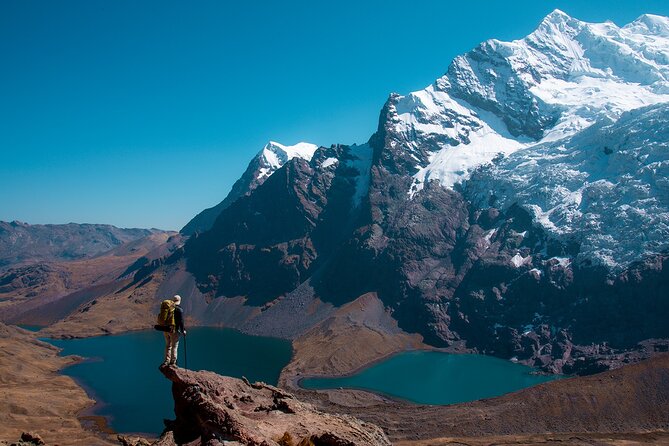
The tour clearly calls this a challenging trek and asks for strong physical fitness. That is not a marketing line. You are hiking at altitude with high passes, and your body will feel it.
The tour recommends arriving in Cusco at least 2 days before to adjust to altitude. I agree with that advice. It lowers the odds that Day 1 becomes a struggle, and it makes the whole trek more enjoyable.
Packing-wise, the trek provides hiking poles and a rain poncho. That reduces the number of things you must bring from Cusco. You still need to be smart about what you personally carry, but the core trekking support is handled.
If you are worried about night cold, do not panic. Past experiences describe people feeling warm in the sleeping bag system and with additional warmth support. Temperatures drop at night, so treat it seriously, but the trek is not leaving you to guess.
Health-wise, the tour allows service animals. Children aged 12 and over can participate when accompanied by a responsible adult. If you are unsure about age or fitness fit, you should ask directly before booking.
Value for $535: what you get that money actually pays for
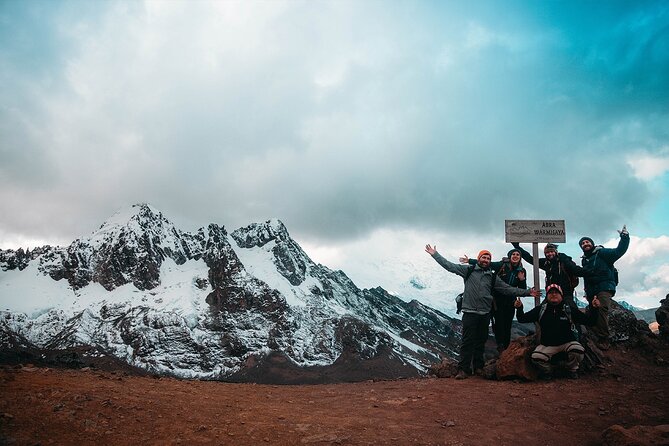
At $535 per person for 3 days and 2 nights, this trek is not cheap, but it is also not just a basic guide-for-a-day deal. The value comes from the bundled essentials.
Here is what your money is buying:
- An experienced mountain guide plus a team that handles camp work
- Entry fees for Ausangate and Rainbow Mountain included
- Camping equipment, including sleeping tent, sleeping bag, and air mattress
- Meals: breakfast on 3 days, lunch on 3 days, dinner on 2 nights
- Luggage transport on the hike (7 kg)
- Hotel pickup and drop-off, plus private transport and transfers
- First aid kit and oxygen supply
- Hiking poles and rain poncho
- Water and snacks
- Pre-departure briefing
That matters because altitude trekking costs add up fast. Transportation, entry fees, and gear rentals are easy to forget until you are already booking them separately. When everything is included, you can focus on the hike instead of budgeting every day.
Also note the group size cap of 12. Smaller groups often mean smoother communication and better pacing control, which helps on a trek where altitude and rest breaks are everything.
Optional items are also spelled out. Horse assistance is available but not included. That can help if you want a little support on specific uphill sections. It is a personal choice, not a requirement.
Who should book this, and who might want a different trek plan
This trek is a strong match if you want:
- A high-altitude experience with passes and real time on the trail
- A sunrise-style finish at Vinicunca with less stress than a later-day scramble
- Included camping comfort and meals, so you travel lighter
- A small group size, with room for gentle adjustments
It might be less ideal if:
- You are new to altitude and you cannot arrive in Cusco ahead of time
- You do not feel comfortable hiking uphill for hours on consecutive days
- You expect a relaxed walk that never gets demanding
If your main goal is Rainbow Mountain only, you might question whether Ausangate is worth it for you. But if you want the full Andes story, Ausangate gives you depth, and Rainbow Mountain gives you the emotional payoff.
Should you book this Ausangate and Rainbow Mountain trek?
Yes, if you want a real trek with real mountain days, and you want it handled for you from Cusco. The included camping setup, entry fees, meals, and altitude support make it feel like a complete package, not a loose itinerary.
I would book it especially if you:
- Can arrive in Cusco 2 days early for altitude adjustment
- Are willing to hike uphill steadily on back-to-back days
- Value timing, because dawn at Vinicunca changes everything
If you are on the edge with fitness, be honest with yourself. This is not a stroll, and the best experience comes when you pace well and let the mountains do the work.
FAQ
What time does the trek start?
The meeting start time is listed as 5:00 am.
How long is the trek, and how many nights do you camp?
It is a 3-day trek with 2 nights of camping.
Does this tour include hotel pickup and drop-off in Cusco?
Yes. Hotel pickup and drop-off are included, plus round-trip transfers during the tour.
What camping gear is provided?
Camping equipment is included, including a sleeping tent, air mattress, sleeping bag, and a dining setup with tables and chairs.
Are entry fees included for Ausangate and Rainbow Mountain?
Yes. Entry fees for Ausangate and Rainbow Mountain are included.
How does luggage work on the hike?
Your luggage is transported on the hike, limited to 7 kg.
Do you provide oxygen and first aid?
Yes. A first aid kit and oxygen supply are included, along with a pre-departure briefing.
What happens if the trek is canceled due to poor weather?
If the trek is canceled due to poor weather, you will be offered a different date or a full refund.
More Rainbow Mountain Hikes
- Cusco: Rainbow Mountain and Red Valley Day Trip with Meals
★ 4.9 · 4,893 reviews - Excursion to Rainbow Mountain Full Day Optional Red Valley
★ 5.0 · 2,996 reviews - Cusco: #1 Rainbow Mountain & Red Valley Day Trip with Meals
★ 4.8 · 2,342 reviews - Cusco: Rainbow Mountain & Red Valley Premium Day Trip with Meals
★ 5.0 · 2,249 reviews
Recently reviewed around Cusco
- Cusco Cooking Class by ChocoMuseo in Cusco★ 5.0 · 29 reviews
- ATV Adventure to Moray and Maras Salt Mines – Half Day★ 4.5 · 29 reviews
- 1-day excursion to Machu Picchu from Cusco★ 5.0 · 29 reviews
- Private Tour Sacred Valley, Chinchero, Maras Moray, Ollantaytambo★ 5.0 · 29 reviews
- From Cusco: Humantay Lake with Breakfast and Buffet Lunch★ 4.5 · 29 reviews
- 4 Day – Inca Jungle to Machu Picchu★ 5.0 · 29 reviews
- 2-Day Machu Picchu Tour by Train from Cusco★ 4.5 · 29 reviews
- 2-Day Sacred Valley and Machu Picchu Tour By Train★ 4.5 · 29 reviews
Rainbow Mountain, compared.
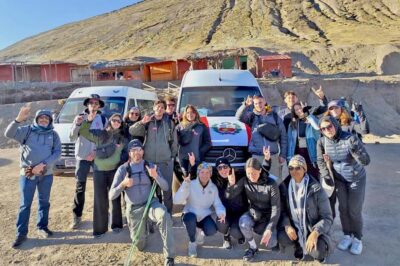
Rainbow Mountain and Red Valley Day Trip with Meals
Read our review →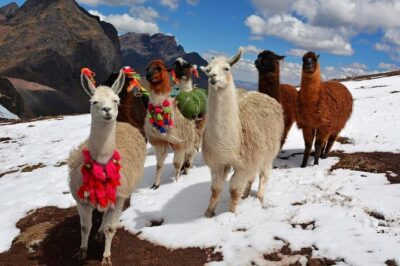
Excursion to Rainbow Mountain Full Day Optional Red Valley
Read our review →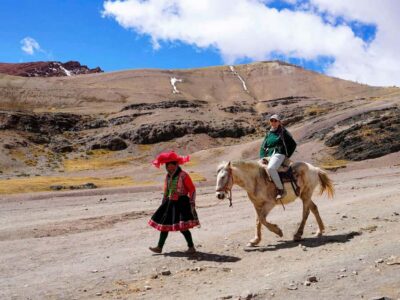
#1 Rainbow Mountain & Red Valley Day Trip with Meals
Read our review →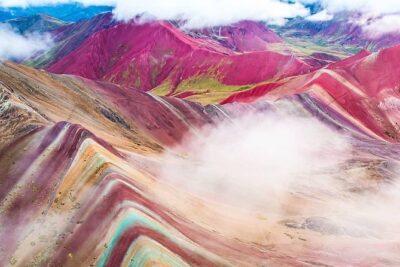
Rainbow Mountain & Red Valley Premium Day Trip with Meals
Read our review →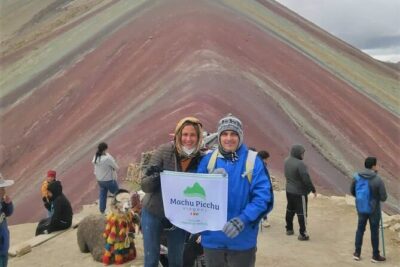
Vinicunca Rainbow Mountain ATV Tour with Meals
Read our review →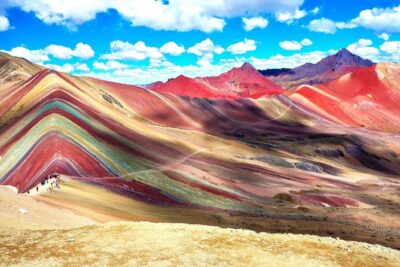
Excursión to Rainbow Mountain with Coca Ceremony | Prívate Tour |
Read our review →
Rainbow Mountain Beat-the-Crowd: Exclusive 8 AM Departure
Read our review →Browse the lists this tour appears in