Reviewed · FULL-DAY
Bolivia: Full day to Copacabana & Isla del Sol
Copacabana and Isla del Sol on Lake Titicaca are a rare combo: one side is everyday Bolivian faith and tradition, the other is an ancient Inca landscape you explore mostly on foot. In one packed day, you cross the border, ride a bus, take shared boats, and end up where people still talk about the Sun and the origin stories of the Incas.
What I like most is the small-group feel, capped at 15, plus a private bilingual guide (English and Spanish). You also get real Inca-focused stops on Isla del Sol, including the Umani stairs and time at the Pilkoken Temple area and the Eternal Fountain.
The main drawback to consider is the early start and the long day. Pickup is around 6:00 a.m., and if you get stuck at the Cassani border procedures, the whole schedule can feel tight.
Key moments that make this day trip worth your time
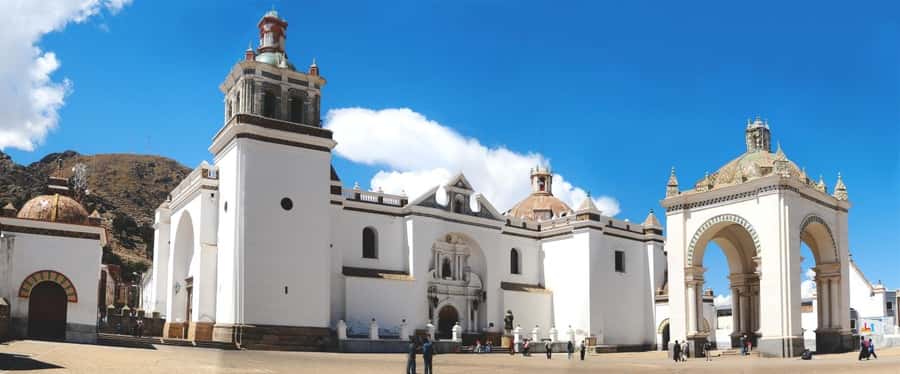
- Copacabana’s religious centerpiece: the Basilica of Our Lady of Candelaria and the Cathedral visit
- Inca origin stories in the places you walk: Pilkoken (Temple of the Sun) on the island’s south side
- The Umani stairs: an authentic-feeling Inca stair descent part of the route
- A “holy water” stop at the Eternal Fountain of the Incas
- Lake Titicaca by shared boat: a practical, scenic crossing with the day’s main views
- A small group with a guide limited to 15, guided in English and Spanish
Crossing from Puno to Copacabana: what the day really feels like
This is a full-day format, but it is not a “lazy sightseeing” day. You’re doing logistics first, then history and views. The day starts early: pickup from your hotel in Puno near the main square area at about 6:00 a.m. You then transfer to the bus terminal in Puno and go by excursion bus to Copacabana.
The drive includes the border process at Cassani. Expect that this is where time can stretch, especially if paperwork needs online steps and your phone has limited connectivity. One useful mindset: treat the border like a slow checkpoint, not a quick formality. Having passport details handy and staying calm keeps the day smooth.
You’ll generally reach Copacabana around 12:00 p.m. (Bolivian time). That timing matters, because you’re arriving before the afternoon rush and before you have to hurry through lunch and the cathedral stops.
After Isla del Sol, you come back by boat to Copacabana around 5:00 p.m., and then the bus returns you to the Puno terminal at about 9:00 p.m. Practically, this means you’ll want a plan for how to get from the terminal back to where you’re staying in Puno.
Copacabana’s Basilica and Cathedral stops you can’t really skip
Copacabana is not just a photogenic port town. It’s a living religious center, so the visit to the Basilica of the Virgin of Candelaria (often associated with the Virgin of Candelaria tradition) is a big part of why this tour works.
After arriving in Copacabana and having lunch included, you visit the cathedral area, including the Cathedral of Our Lady of Copacabana. This gives you a meaningful break before you head out on the lake.
Here’s why this portion is valuable for you: if you only do “island ruins,” you miss the human side of Lake Titicaca. Copacabana shows how the lake and the mountains fit into daily belief. The guide’s job is to connect the dots, from present-day devotion to the older idea of sacred places linked to the Sun.
Also, guides do matter here. In one small-group scenario, a guide named Ana was praised for personal care and attention when the group was very small. In a day-trip format, that kind of hands-on guiding makes a difference, especially if you have questions during the church visits.
Boat crossing on Lake Titicaca, then arriving on Isla del Sol
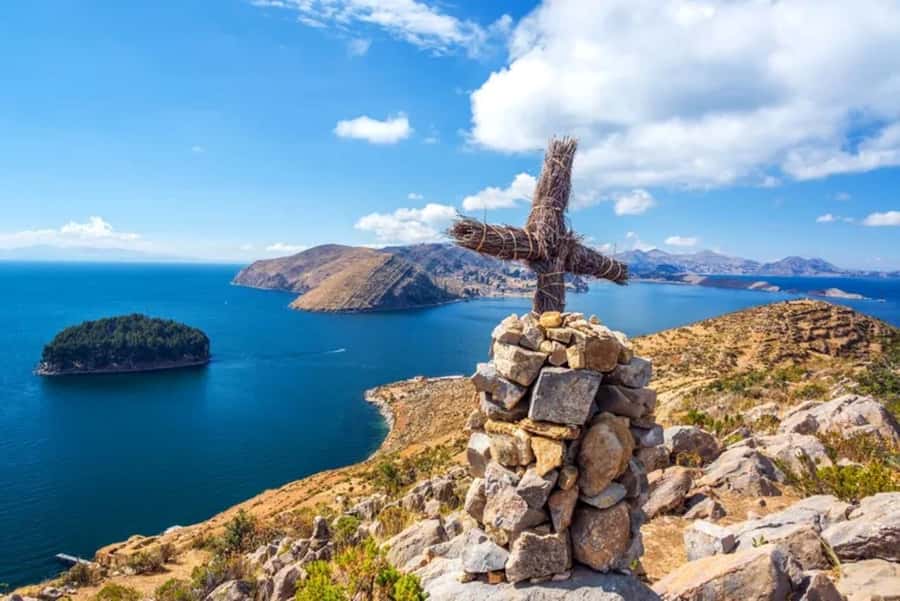
Once you finish the Copacabana cathedral time, you head to the dock and take a shared boat across Lake Titicaca. The crossing is the transition point where the whole day changes mood, from town movement to lake quiet.
The plan takes you to the south side of Isla del Sol. That matters because the south-side arrival is where you start the main walking and archaeological focus. Boats handle the “getting there” so you can concentrate on what’s on the island.
On Isla del Sol, your route is structured rather than free-form. You visit the archaeological site of Pilkoken, described as the Temple of the Sun. This is the part of the trip most connected to the idea of Inti, the Sun god. Even if you’re not a deep archaeology person, it helps to have a guide who can explain what you’re looking at before you move on.
One practical note: bring sunscreen, a sun hat, and water. The lake is bright, and the island walk has sun exposure. You can also pack snacks because your day has a lot of moving time, and the only included meal is lunch in Copacabana.
Pilkoken, Umani stairs, and the Eternal Fountain of the Incas
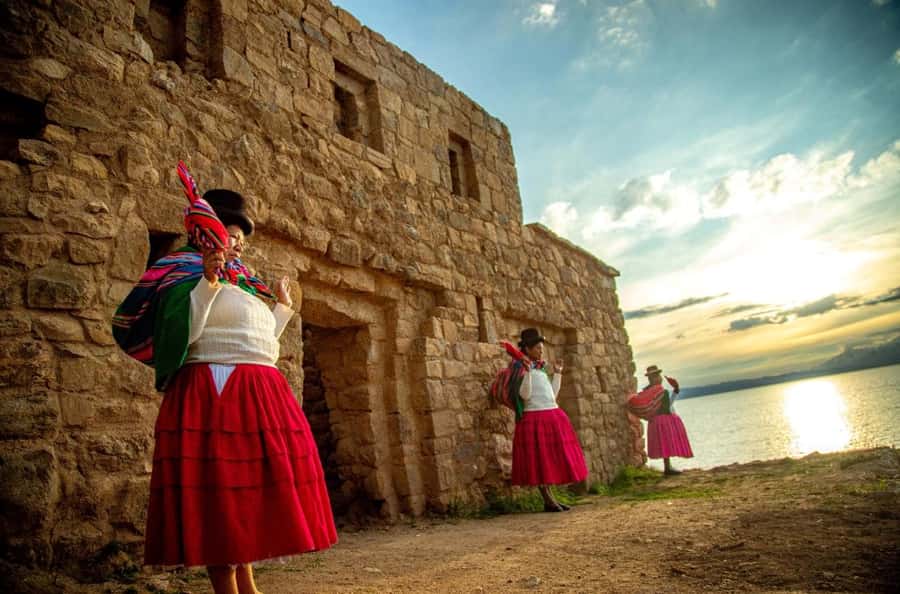
This is the heart of the “why come to Isla del Sol” part.
Pilkoken and the Temple of the Sun area
You’ll visit Pilkoken on the island’s south side. The tour focuses on the area connected to the cult of the Sun god, so the explanations tend to connect architecture and location to religious belief. For you, that means less guessing and more understanding of what matters about where you’re standing.
The Umani stairs descent
The itinerary includes going down the Umani stairs, described as Inca-era stairs. Walking steps like this is not just for exercise. It helps you feel how the island’s travel routes shaped settlement and sacred movement. It’s also a reminder that Isla del Sol is not a flat stroll the whole time.
Eternal Fountain stop and “holy water”
You also visit the Eternal Fountain of the Incas, where you can taste the holy water. Whether you treat it as a spiritual moment or a cultural one, it’s a very specific activity that makes this tour different from generic “see ruins” trips.
A realism check
The tour includes stairs and walking, and the company lists it as not suitable for wheelchair users and for people with pre-existing medical conditions. Even if you’re generally healthy, you should be ready for uneven terrain and steps.
If you want a single takeaway: this portion works best when you treat it as a short trek day, not just a photo stop.
Time management: how long you get at each place
This schedule is built around transport timing, not flexible sightseeing.
- 6:00 a.m. hotel pickup in Puno area
- bus transfer to terminal, then departure
- border at Cassani
- arrival Copacabana around 12:00 p.m.
- lunch in Copacabana
- Basilica/Cathedral visit
- boat to Isla del Sol, cross the lake to the south side
- Pilkoken stop, Umani stairs, and Eternal Fountain
- boat back to Copacabana around 5:00 p.m.
- free time in Copacabana
- return bus to Puno terminal around 9:00 p.m.
So if you’re the type who wants long, slow hours inside one site, this might feel rushed. On the other hand, if you want a solid taste of both Copacabana and Isla del Sol with a guide handling logistics, it’s a good fit. The rhythm is part of the tradeoff.
In at least one case, roadwork delays were dealt with in a way that still kept the tour running, showing that a competent guide can help you stay on track when local conditions change.
Price and value: is $105 per person fair?
At $105 per person, you’re paying for a bundle of time-saving services. Here’s what’s included:
- pickup from your Puno hotel area and transfer to the bus terminal
- round-trip bus Puno to Copacabana
- border and entry processing support in the flow of the day
- visits: Basilica of the Virgin of Candelaria and the Cathedral of Our Lady of Copacabana
- a private bilingual guide (English and Spanish)
- Isla del Sol entrance tickets
- shared boat to and from the island
- Copacabana bus back to Puno
- 1 lunch in Copacabana
What you do not get: drinks, and food beyond the one included lunch.
So is it good value? For a day trip that crosses a border, includes boat transport, and covers entrance fees and a guide, it can be. The “value risk” is not the sights, it’s the day’s execution. If border paperwork or the pickup handoff isn’t communicated clearly, the day can feel less like a guided tour and more like you’re coordinating your own puzzle. Also, bus comfort can vary on long-distance routes.
My practical advice: expect an organized plan in general, but bring a backup mindset for borders and early starts. If you arrive prepared, the $105 feels more like “you paid for your time back.”
Guide style and small-group comfort on a day that moves
This tour runs as a small group, limited to 15 participants. That’s the kind of cap that usually keeps explanations audible and makes it easier for the guide to manage bathroom breaks and walking pace.
Because the guide is bilingual, you’re not just getting a ticket-puncher. You get interpretation as you go, especially important for:
- the religious meaning of Copacabana’s cathedral visits
- the Sun-related context tied to Pilkoken
- the Inca route logic behind the Umani stairs and fountain stop
If your group is small, you may get that extra attention. One guide named Ana was singled out for careful attention when people were essentially traveling with just a couple of others. Another named Jaime was praised for detailed explanations and for keeping the route on track even when local road conditions caused disruptions for reaching Copacabana.
In a fast day like this, a good guide is what turns the itinerary into a story you understand, instead of a checklist.
What to bring, plus border and weather tips that save stress
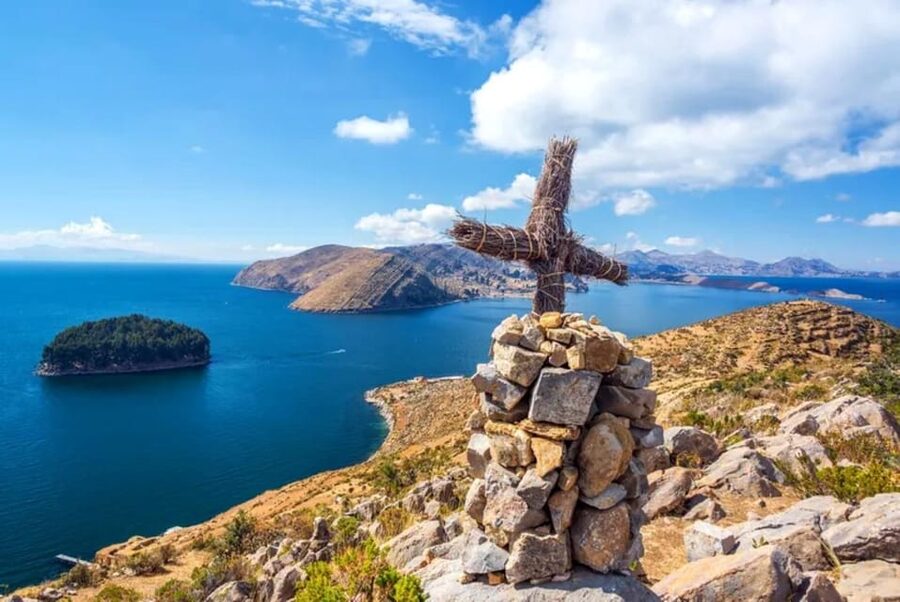
Use the packing list as your baseline, then add your own sanity tools.
Bring:
- passport (or ID card, as listed)
- comfortable shoes for stairs
- sunglasses and a sun hat
- camera
- snacks, if you like having something on hand between meal timing
- sunscreen and water
- cash
- ideally, a pen, just in case you need it during paperwork
A key practical step: the tour says to put your contact number correctly with your country code and to have WhatsApp. That’s especially useful if there are last-minute changes.
At Cassani, border paperwork is the wildcard. If any part is online and your phone lacks internet, that’s when the day can slow down. So I’d plan like this:
- keep passport details easy to copy
- save any necessary information offline if possible
- be ready to be patient and follow the guide’s cues
Also note the rules: no smoking and no alcohol or drugs. It’s a small-group day, so behavior affects everyone’s comfort.
Who should book this, and who should pass
This is a good match if you want:
- one-day access to Copacabana plus Isla del Sol
- guided context for religious and Inca-linked stops
- a practical itinerary that handles transport, tickets, and boat logistics
- a small group pace, capped at 15
It’s not a good fit if you are:
- pregnant
- using a wheelchair
- visually impaired (as listed)
- managing pre-existing medical conditions
- over 95 years (as listed)
If you’re unsure about stairs, treat that as your deciding factor. The Umani stairs and the island walking can be demanding even if you’re fit.
Should you book Bolivia Full Day to Copacabana and Isla del Sol?
Book it if you want a structured, guided day that hits the big sacred and archaeological highlights around Lake Titicaca without you coordinating buses and boats yourself. At $105, the value is strongest when you benefit from the full package: pickup, guide, entrances, boat crossings, and the one included lunch.
Skip it if you hate early starts, you’re very sensitive to schedule changes, or you’re not comfortable with stairs and long travel. This is a day that moves.
If you do book, go in prepared: pack comfortable shoes and sun protection, carry water and snacks, and keep your WhatsApp contact correct. And when you reach the border, stay flexible. The trip is designed to get you to the island, but the border flow is the one part you cannot fully control.
FAQ
What time do you get picked up in Puno?
Pickup is at 6:00 a.m., near the main square area of Puno.
How long is the tour, and what time do you return to Puno?
The activity is 1 day. You arrive back at the Puno terminal at approximately 9:00 p.m.
What languages is the guide?
The guide is bilingual, English and Spanish.
What sights are included on this trip?
In Copacabana you visit the Basilica of the Virgin of Candelaria and the Cathedral of Our Lady of Copacabana. On Isla del Sol you visit Pilkoken (Temple of the Sun), the Umani stairs, and the Eternal Fountain of the Incas.
Is lunch included, and are drinks included?
Lunch in Copacabana is included. Drinks are not included.
Is this tour suitable for wheelchair users or pregnant women?
No. The tour is listed as not suitable for pregnant women and wheelchair users (and also not suitable for people with pre-existing medical conditions, people who are visually impaired, and people over 95 years).
Full-Day, compared.
Full Day Tour From Lima: Paracas and Huacachina Oasis
Read our review →
Excursion to Rainbow Mountain Full Day Optional Red Valley
Read our review →
Excursión to Humantay Lake Full Day from Cusco
Read our review →
Paracas and Huacachina Oasis Full Day Guided Tour
Read our review →