
Reviewed · PERU
Chachapoyas: Karajía Sarcophagi & Quiocta Caves
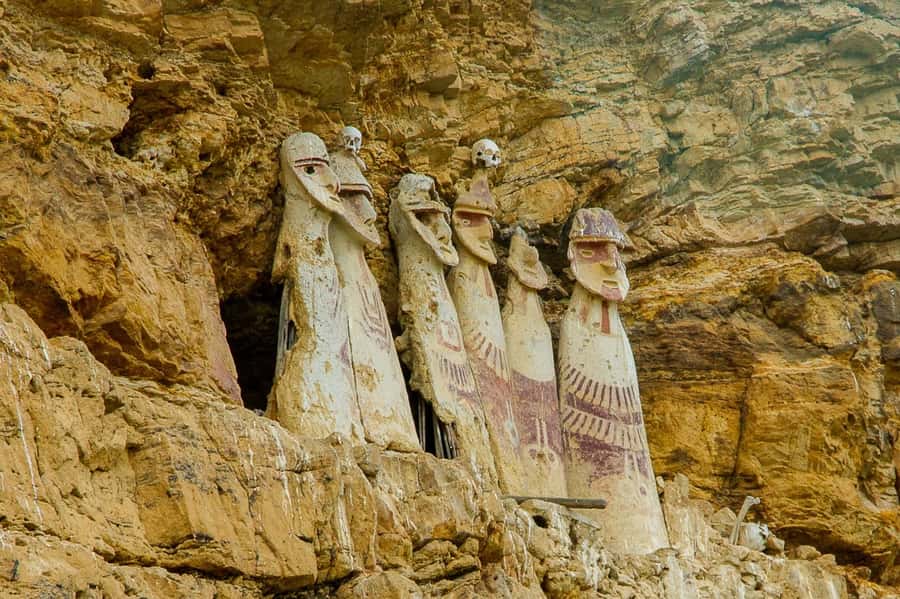
Karajía’s towering burial towers plus the dark, dripstone world of Quiocta Caves makes this one-day outing feel like two different time machines in the same trip. You’ll focus on Karajía sarcophagi and then step into Quiocta Caves, where rock formations take over the story.
I love how the day is built around real places, not just photos. You start with a mountain drive through the Utcubamba Valley area, then you get a guided look at funerary practices tied to the Chachapoyas, before you hike a short stretch to Karajía. I also like that the cave portion comes with practical gear, so you are not scrambling at the last minute.
One possible drawback to plan for is comfort on the ride. The bus is described as comfortable, but legroom can be tight once you board, especially if you’re tall.
Key highlights you’ll actually feel during the day
- Karajía from up close with a guide pointing out sarcophagi and how to view them from different angles
- Quiocta cave time with boots and flashlights so you can move safely inside the darker passages
- A guided explanation of funerary beliefs and rituals, not just a walk-through
- A 2 km hike to Karajía with an option for horses and mules if you want to reduce the walking
- A full day schedule that goes from 8:00 AM to about 6:00 to 6:30 PM, so pack like it’s a long day
From Chachapoyas to the Utcubamba Valley, a day set up for contrasts
This tour starts in Chachapoyas, with pickup from your hotel and a planned departure around 8:00 AM. You’ll get on a tour vehicle and begin the drive that takes you down into the Utcubamba Valley. This matters because the Chachapoyas region is all about steep changes in elevation and views, and that shift is part of the experience.
Before the main stops, you’ll have time for photo stops, short visits, and sightseeing, with scenic views along the route. Think of it as a gentle warm-up. The goal is to help you get oriented with the geography before you zoom in on archaeological sites.
You’re also starting the day with an activity that is naturally hard to fake. Karajía and Quiocta are not “museum versions” of anything. You’ll see the physical scale of the burial towers and the real texture of cave rock formations, and the guide’s job is to translate what you’re seeing into cultural meaning.
If you’re the type of traveler who likes your history connected to a landscape, this ordering works well. You’re not stuck with one viewpoint all day. You get valley views, then you move upward toward the sites, and you end with an evening return to Chachapoyas.
Other Chachapoyas days people book on the same trip:
- Chachapoyas | Kuelap Fortress Full-Day Tour
★ 4.8 · 12 reviews
Lamud stops and your lunch rhythm before Quiocta
After the morning drive begins, you pass the Utcubamba Valley and head toward the province of Luya area. One of the practical beats is that you go by the left side of the Utcubamba and then reach Lamud. Lamud is where you’ll make a stop to set things up for food before you continue.
Here’s how the lunch plan works in a way you should actually care about: you’ll reserve lunches in advance in Lamud, and then those lunches are eaten later, on the way back after you’ve visited the cave. That means you should snack early if you get hungry easily. It also means you should treat this day like a long excursion with limited chances to grab food whenever you want.
From Lamud, the drive continues about 30 minutes to the cave area. You also get a sense of altitude in your body over the day. The cave sits around 2,700 meters above sea level, and even if you feel fine at first, the climb and the cool cave air can add up.
This is also the moment to remember what you’ll pack. The tour gives you cave safety items inside the cave, but you still control what’s on you outside. Sunglasses, sunscreen, and insect repellent are not optional extras here. The sun can hit hard on exposed roads, and the region can have plenty of bugs near rural stops.
Quiocta Caves at 2,700 meters, stalactites, stalagmites, and site meaning
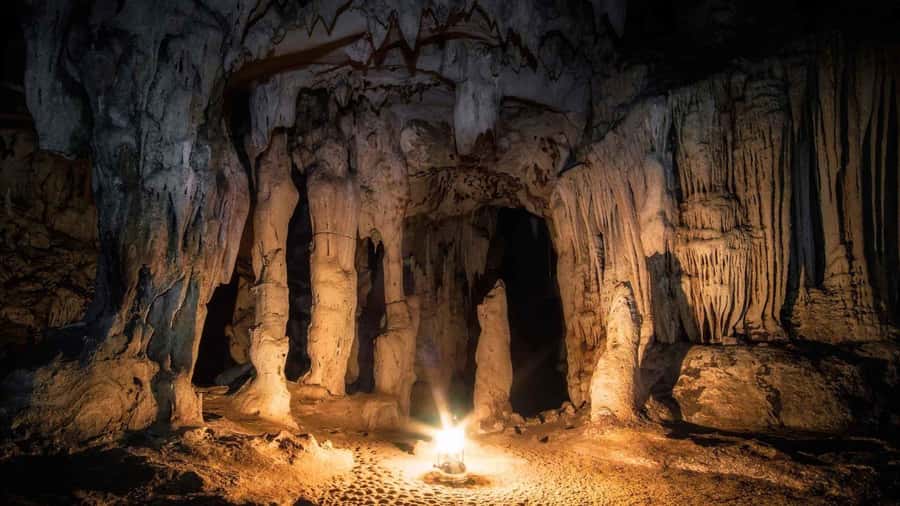
Quiocta is not just about walking into a cool space. The cave is described in terms that help you picture it: it’s about 2700 meters above sea level, and it has a horizontal depth of 550 meters. That size matters because it signals you won’t just do a quick peek and leave. You get real time to notice formations.
Inside, you’ll appreciate rock formations formed over millions of years of speleogenesis. Practically, that’s what you will see when you stop and look up and around: stalactites and stalagmites created by slow dripping processes, layered with the kind of textures that don’t show up in photos the same way they do in person.
The tour includes rubber boots and flashlights for the cave interior, which is a big value add. It means you can focus on moving carefully and taking in details without hunting for gear when you’re traveling. It also helps you avoid the common “I brought the wrong shoes” situation that can turn a cave visit into an awkward shuffle.
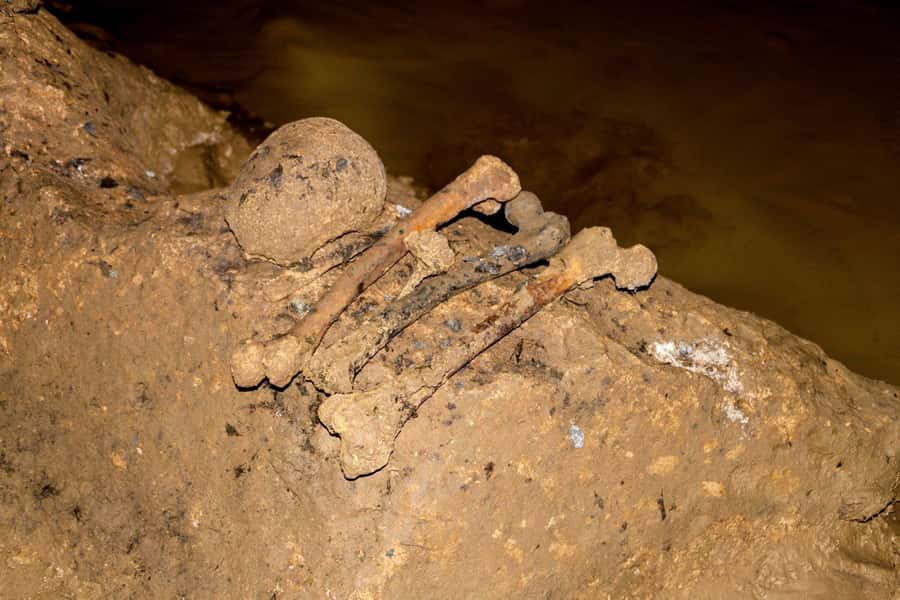
The cave visit also includes the archaeological angle. You’ll have time to appreciate archaeological remains linked to the Chachapoyas funerary and sacred rituals. In plain terms, you’re not separating nature from culture. You’re looking at how people used sacred spaces, and then you’re allowed time to connect the physical environment to the human story the guide explains.
A good way to experience this segment is to slow down for short pauses. Don’t rush through every turn. Let your eyes adjust, especially when your flashlight lighting changes as you move. The cave is where you notice the “in-between” moments, the quiet stretches where formations and carvings become the main event.
Karajía sarcophagi near Cruzpata, the 2 km hike and the horse option
After Quiocta, you return to Lamud for your lunches and then continue by vehicle for about an hour to Cruzpata. From there, you hike 2 kilometers to reach the Karajía sarcophagi area.
This hike is short enough that you can do it if you’re generally comfortable walking, but it still matters because it’s a timed day with earlier climbing and a cave visit. Wear the shoes you’re comfortable walking in for a steady stretch. If the hike feels like too much, the tour offers an option: horses and mules are available if desired. That flexibility is useful if you want to keep the experience without stressing your legs.
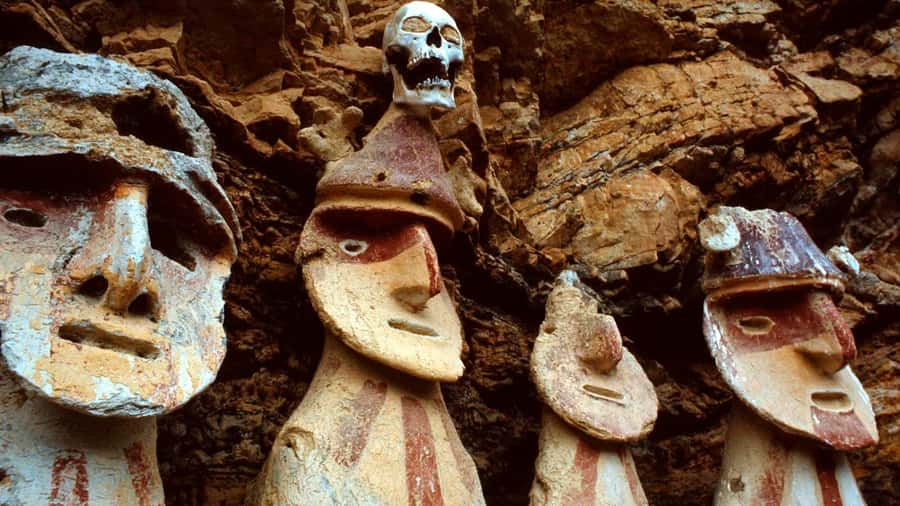
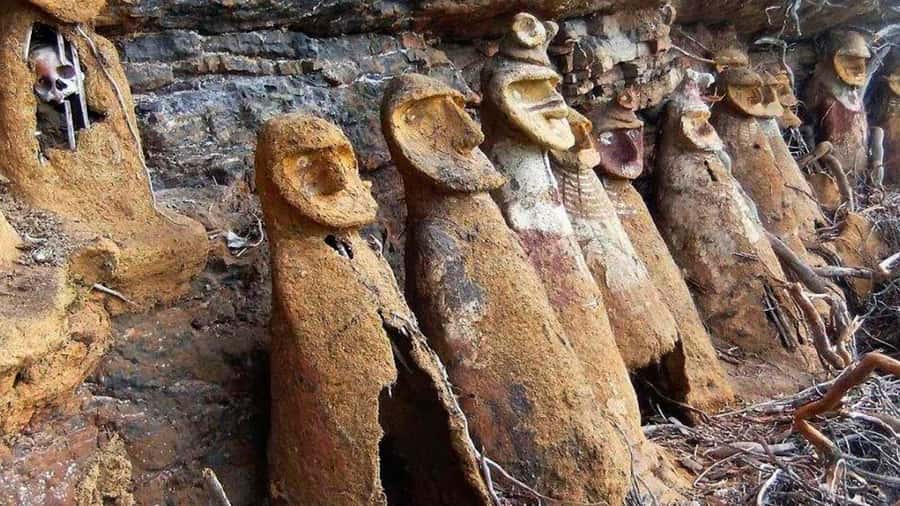
Once you reach Karajía, the guide takes over with a professional walkthrough. You’ll learn about the Chachapoyas religious beliefs and other cultural factors that archaeologists have discovered. Then the tour builds to a key moment: you conclude by pointing out different sarcophagi in the area and examining them from multiple angles.
That “angles” part is important for your understanding. Sarcophagi are not all about one frontal photo. Depending on where you stand, you’ll see different details, and the guide’s job is to show you what to notice. If you love archaeology, this is the kind of structure where your brain starts connecting form to belief.
Expect to spend time outside, not in a covered space. Bring a hat and sunglasses, and keep water handy even if you’re not sure how often you’ll have a chance to stop. In the open air, your pace sets your energy for the final return to Chachapoyas.
What the guide adds, especially when you want more than captions
The standout praise for this tour is not the sites alone. It’s the guide quality. The guide is described as strong in both knowledge and helpfulness, and that makes a difference because these places need interpretation.
You’ll get Spanish-led narration, and one recent review specifically notes the guide explaining things in two languages. If that matters to you, it’s worth going with the expectation that you’ll get clear communication and not just a quick route marker tour.
When the guide explains funerary rituals, you should listen for the connections between space and practice. These are burial towers tied to ancient meaning, and the guide helps you understand why they’re placed where they are and how their design connects to belief. Then you see the cave setting and understand sacred space as something more than scenery.
The best part is that the tour doesn’t treat the day as a checklist. You’re not only visiting. You’re learning what to notice. That’s what turns Karajía from “cool stone shapes” into an actual cultural encounter.
Timing, comfort, and what to pack for a full 8:00 AM to 6:30 PM day
This is a true full-day loop. You start around 8:00 AM and return to Chachapoyas around 6:00 to 6:30 PM. Between driving, stops, cave time, lunch, and the hike, it adds up fast. Plan for a long day and pack accordingly.
What’s included helps with safety and convenience:
- Pickup and drop-off in Chachapoyas
- Transport via the tour vehicle
- Entrance fees
- Permanent assistance
- Rubber boots and flashlights for inside the cave
- Express security check (skip the line)
The one comfort issue that pops up is seat space. A tall traveler noted the bus lacked legroom by the time they boarded. So if you’re tall, go early for boarding when the driver calls it. Bring a small layer too. Morning and cave air can feel cooler than you expect.
Your personal packing list from the tour is a helpful baseline:
- Comfortable shoes
- Sunglasses
- Sun hat
- Snacks
- Drinks
- Sunscreen
- Insect repellent
My practical advice is to treat snacks and water as essential, not “maybe.” Lunch exists in the day plan, but it’s timed around the cave visit. Keeping a snack on hand prevents the late-afternoon hangry spiral on the return drive.
Also, consider how you’ll handle wet cave conditions even with boots. Keep your bag zipped and your phone protected. Flashlight time is provided, but you still want your own comfort for personal items.
Price and value: what $59 buys you in practice
At $59 per person for a 1-day tour, you’re paying for more than transportation. You’re paying for logistics that would be annoying to DIY in one day: hotel pickup and drop-off, entry fees, cave gear, and a guide who connects what you see in Karajía and Quiocta.
The value becomes clearer when you itemize the “pain points” this tour solves:
- You do not need to organize cave footwear. Boots and flashlights are included.
- You do not need to figure out timing for lunch around the cave stop. It’s built into the flow.
- You do not need to study a guidebook on the bus for hours. The guide explains what matters when you’re actually standing in front of the sites.
If you’re traveling with limited time in Chachapoyas, this is exactly the kind of day trip that makes sense. You’ll see two major experiences in one loop: the burial towers and the cave formations.
If you’re the type who wants total freedom to linger as long as you want at one stop, you might feel constrained by the full-day schedule. But if you’re okay following a plan and you want interpretation, $59 is a reasonable price for the structure you get.
Who this tour suits best, and who might want a different plan
This works best for you if:
- You want Karajía and Quiocta in one day without complicated planning
- You like your archaeology with a guide who explains beliefs and rituals
- You’re comfortable with short hiking on uneven terrain, and you’re fine using the horse or mule option if needed
It may not be ideal if:
- You need lots of rest breaks and long downtime, because the day runs from morning to evening
- You’re very sensitive to bus comfort and you know you’ll be unhappy in tighter seating arrangements
Should you book? My honest take
Book it if you want a day in the Chachapoyas region that mixes sacred burial archaeology with a real cave experience you can walk through with the right gear. The combination of organized transport, included cave safety items, and a guide who is praised for knowledge and helpfulness makes it a strong value.
Skip or choose a different format if bus seating comfort is a dealbreaker for you or if the schedule feels too packed for your travel style.
If you’re on the fence, ask yourself one question: do you want a guided, structured day that helps you notice the right details at Karajía and in Quiocta? If yes, this is a clear choice.
FAQ
How long is the Karajía sarcophagi and Quiocta Caves tour?
It’s a 1-day experience, running from about 8:00 AM until around 6:00 to 6:30 PM.
Where do you get picked up?
Pickup is included from your hotel in Chachapoyas.
What language is the tour guide?
The guide provides live interpretation in Spanish. One review also notes explanations in two languages on their departure.
Is lunch included?
There is a lunch stop in the Lamud area as part of the day plan, but lunch is not listed in the Included section, so it’s smart to confirm what your ticket covers.
What is provided for the Quiocta Caves part?
You receive rubber boots and flashlights for the interior of the cave.
Do I have to hike to Karajía?
You’ll hike about 2 kilometers to reach the sarcophagi. Horses and mules are available if you want an alternative to some or all of the hike.
What should I bring with me?
Bring comfortable shoes, sunglasses, a sun hat, snacks, drinks, sunscreen, and insect repellent.
Is free cancellation available?
Yes, you can cancel up to 24 hours in advance for a full refund.
Recently reviewed around Chachapoyas
- Chachapoyas | Kuelap Fortress Full-Day Tour★ 4.8 · 12 reviews