
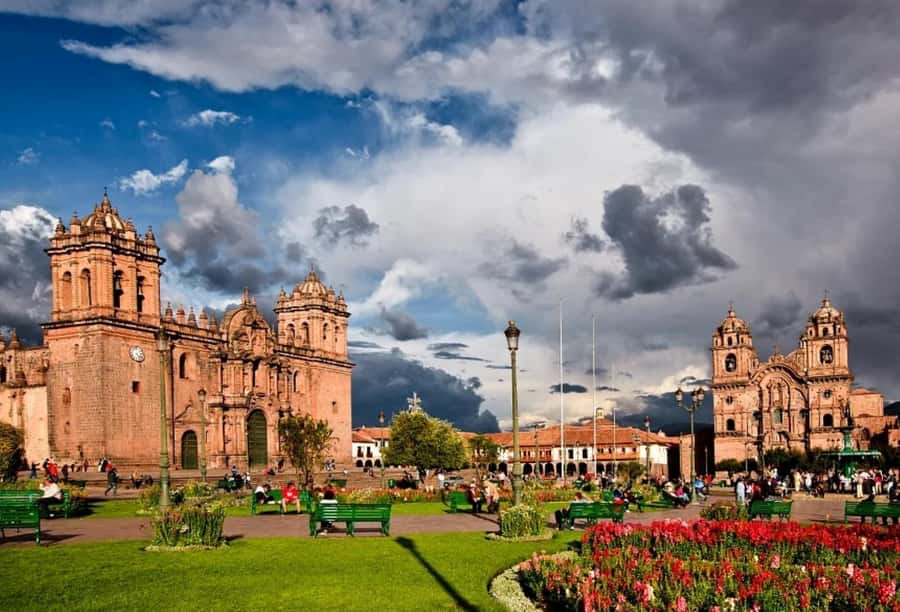
Reviewed · SACSAYHUAMAN
City Tour Cusco Qoricancha Sacsayhuaman y Tambomachay
Cusco packs a lot into one small area, and this tour is a smart way to stitch it together: you bounce from the Inca core to major ceremonial sites, then finish back in the historic center. I especially like how the stops connect religion, power, and everyday Inca travel in one flow, not just random ruins. I also like that you get a professional local guide plus an audio guide, so you can keep up even when the group moves on fast.
The main thing to consider is time and altitude. It’s a 5-hour, packed route with walking and plenty of outdoor viewpoints, and some parts include a language mix that can lean more Spanish than English depending on the guide and group.
Key Points to Know Before You Go
- Qorikancha’s Inca walls under Santo Domingo: you’ll see how conquest reshaped sacred space without erasing it.
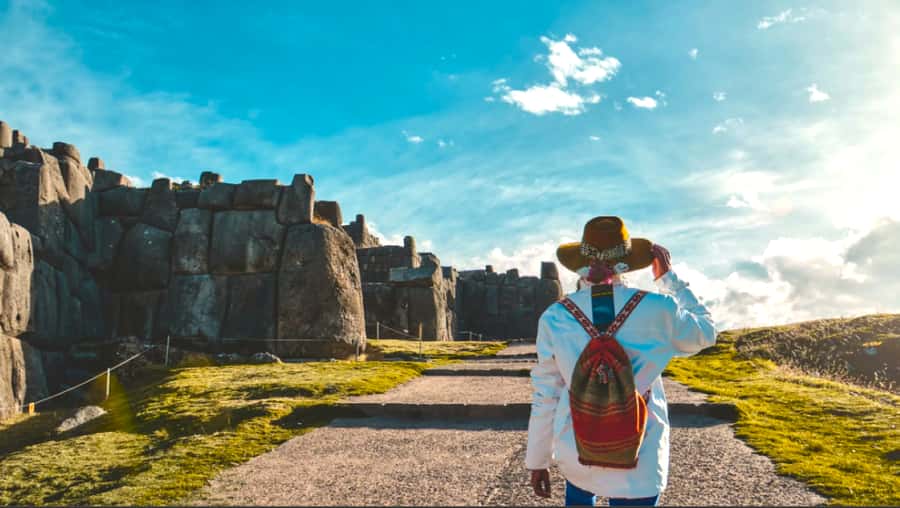
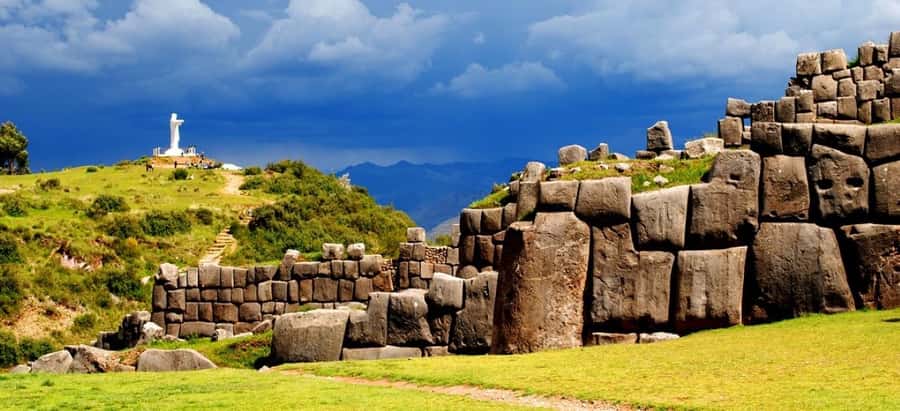
- Sacsayhuamán’s massive stonework and skyline views: great photo moment built into the schedule.
- Qenqo’s ritual design: altars, rock formations, and underground passages tied to ceremony.
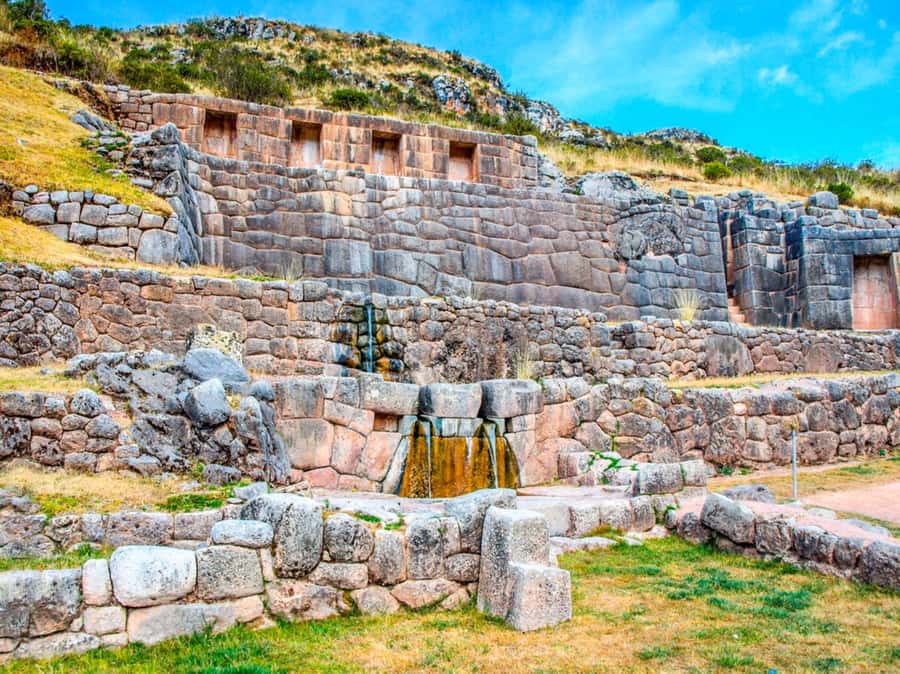
- Tambomachay as a water-worship site: channels and fountains still operating today.
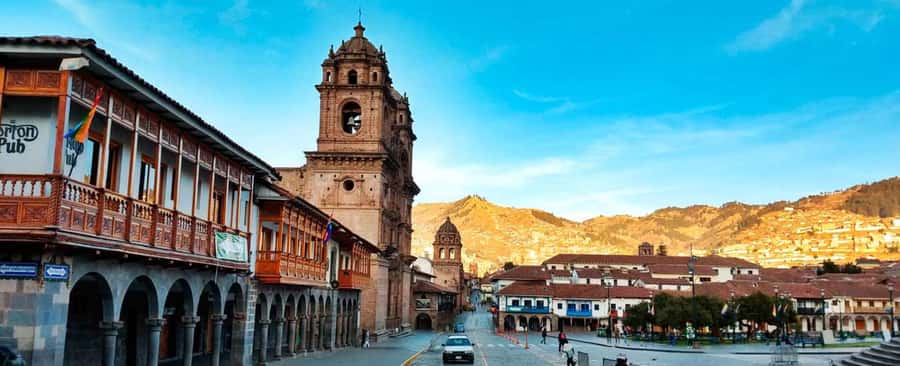
- You’ll finish near Plaza Regocijo: easy to continue your Cusco day on foot.
Cusco, Routed Like a Story
Cusco can feel like you’re seeing everything at once, and still not understanding it. This tour is useful because it gives you a spine. You start at Plaza de Armas, then move outward to the Inca sacred and strategic sites that helped hold the empire together. By the time you circle back toward the historic center, you’ll have names, functions, and context to put to the stones.
Another big value is the pacing. You’ll spend time walking and looking, but you also get short shared-transport hops between places. That matters in Cusco, where steep streets and altitude can turn a “quick stroll” into a slow grind.
One more practical plus: you’re not left guessing. The guide stays with the group from the start to the end, and the audio guide gives you a second track in English and Spanish. That combination tends to work well if you want details without constantly asking for repeats.
More City Tours in Cusco
- Cusco: Half-Day City Tour with Sacsayhuaman and Q’enco
★ 4.6 · 1,129 reviews - Cusco City Tour Four Ruins in Half-Day
★ 5.0 · 530 reviews - Cusco: Sightseeing Tour of the City on an Open-Top Bus
★ 4.0 · 481 reviews
Meeting at Plaza de Armas, Then Getting Oriented Fast
Your tour meets in Cusco’s main square, Plaza de Armas, next to the central fountain near the Inca monument. Plan to arrive about 10 minutes early. This is one of those tours where being prompt saves you stress, because the group is set up to depart soon after the guide’s intro.
From the start, you’re set up for orientation. You begin in Cusco’s heart, where the streets feel like they all point back to the same places. Once you’ve walked a little and heard what to notice, you’ll start seeing patterns outside the main square too.
Timing-wise, you’ve got two shifts:
- Morning: 9:00 AM to around 2:00 PM
- Afternoon: 1:00 PM to around 6:30 PM
If you’re trying to maximize your trip, I like doing this early. More than once, guides and schedules have made it clear this is a great “learn the city first” move. You’ll still want a slower start on the day (altitude is real), but this route gives you a foundation for the rest of your Cusco sightseeing.
Qorikancha, the Temple of the Sun, and the Santo Domingo Convent
Qorikancha (also seen as Coricancha) is the first major stop. Expect a guided visit with time to photograph, about 40 minutes here. The core of what you’re learning is how important this site was to Inca religion and ceremony.
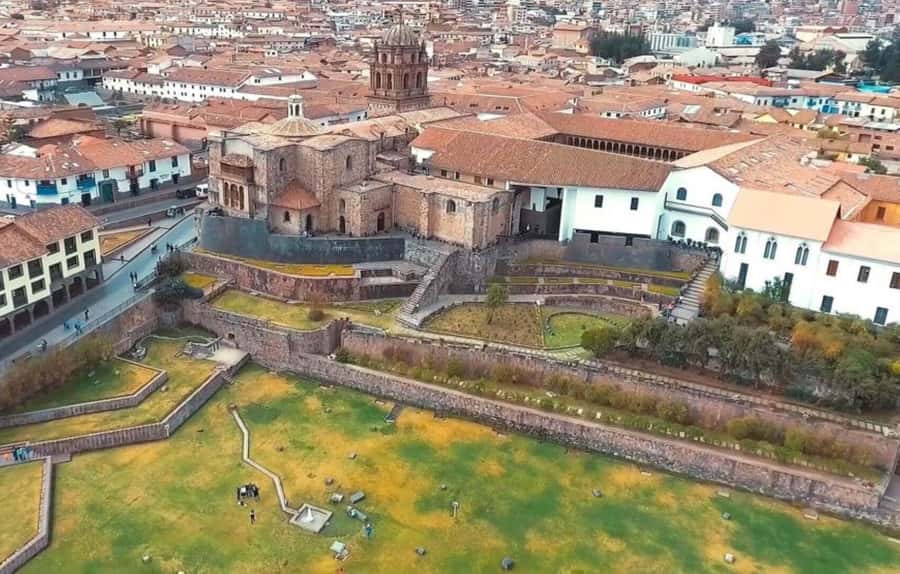
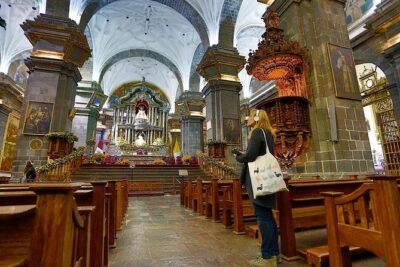
Here’s what makes this stop more than a pretty wall: you’re looking at fine stonework that formed the original Inca structure, then you see the Santo Domingo Convent built on its foundations. That physical overlap is powerful. It shows how layers of power can stack in the same footprint, instead of replacing everything cleanly.
When you’re there, focus on the feeling of precision. Inca builders were obsessed with fit and alignment. Even if you’re not a stone-geek, you can usually tell that the walls are made to last and to matter. If your Spanish is limited, the audio guide helps here, because this is where the story is the densest.
A practical tip: wear sunscreen. Qorikancha is not a shade-heavy stop, and you’ll want your camera ready.
The Ride Up, the Breaks, and Why Group Tours Still Work in Cusco
Between major sites, you’ll take short shared rides by coach or bus. In this tour, those travel segments are built into the schedule: you’re not stuck commuting for hours, but you are moving as the altitude and streets shift.
You also get built-in “catch your breath” moments. Sacsayhuamán includes break time and free time. That matters because you’ll likely be standing and walking on uneven ground.
In other words, this tour is designed for people who want structure. If you thrive on spontaneity, you might feel boxed in. But if you’re like me and you want to go see the key sites without spending time figuring logistics, this kind of group route is a relief.
More of the Cusco ruins circuit:
- Cusco: Half-Day City Tour with Sacsayhuaman and Qenqo
★ 4.5 · 77 reviews - Cusco 4-Hour Private Tour Including Sacsayhuaman and Qenqo
★ 5.0 · 77 reviews - Half-Day City Tour of Cusco Including Tambomachay
★ 4.5 · 59 reviews - Sacsayhuaman Temple, Tambomachay and Puca Pucara Half-Day Tour
★ 4.5 · 59 reviews
Sacsayhuamán: Fortress Power and Panoramic Cusco Views
Next comes Sacsayhuamán. This is the fortress site that people point to when they say the Inca knew how to build for both ceremony and defense. Expect a guided visit, photos, free time, and a scenic drive component on the way in or out, with around 40 minutes allocated here.
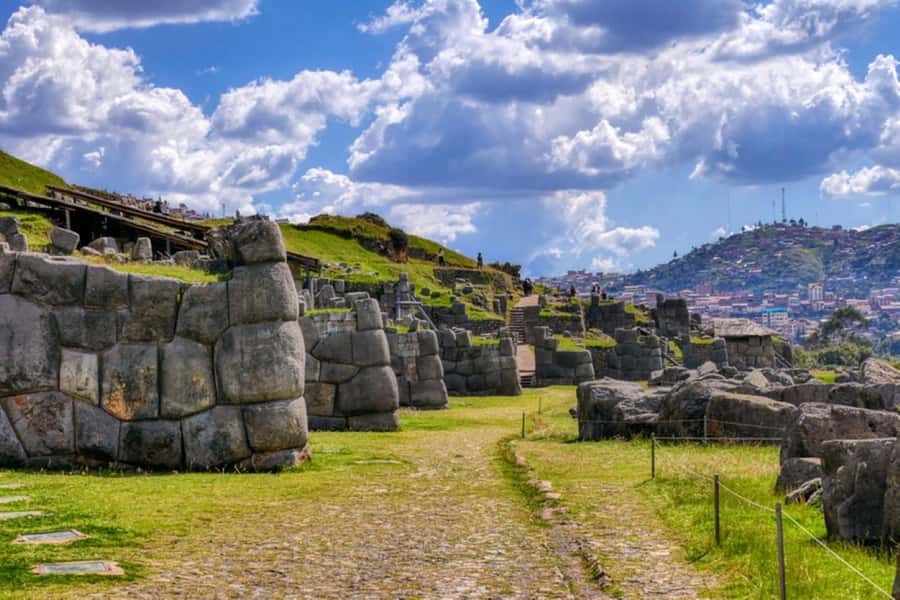
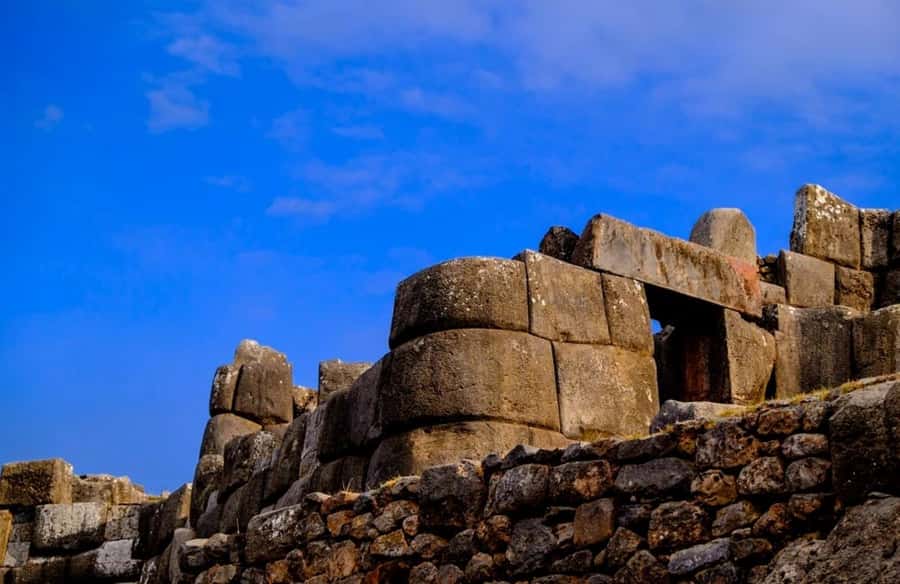
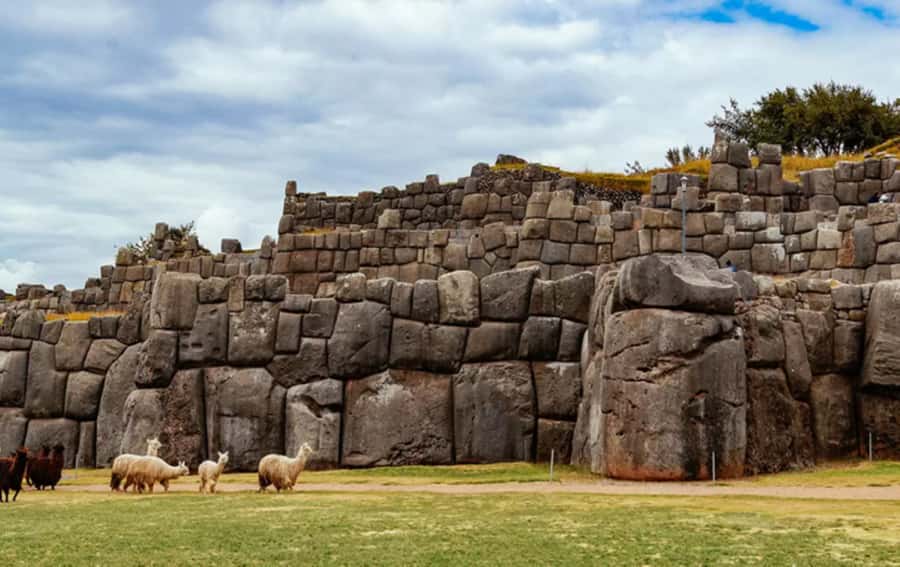
What you’ll notice first is scale. The massive stone blocks are hard to process at first glance. The guide’s job is to turn that scale into meaning: strategic and ceremonial importance, plus the idea that the site was meant to be seen and felt.
Then there’s the view. This is one of those places where your photos will actually look like what you’re experiencing. Cusco spreads out in a way that makes the city’s geography feel real. And once you’ve got the skyline in your head, it’s easier to understand why the Incas built where they did.
Drawback to keep in mind: it can be a long stretch between shaded areas, and you’ll want to pace yourself. If you’re coming straight from a night of thin sleep, plan to take the break time seriously.
Qenqo: Ritual Stones, Altars, and Underground Passages
After Sacsayhuamán, the tour continues to Qenqo (often spelled Q’enco). You’ll get a photo stop and a guided walk through a ceremonial complex, with about 25 minutes here.
This is one of the stops where the “why” matters more than the “wow.” Qenqo is described as a ceremonial center with altars, underground passages, and rock formations used for religious rituals. In practical terms, you’re being shown how the site’s shape helped people perform ceremony.
When you’re walking around, look for the way the rock itself seems engineered for human use. This isn’t only a dramatic ruin. It’s a place designed for attention, movement, and repeated meaning.
Because the route keeps moving, you might not have time for a slow, museum-style reading. So ask your guide one or two targeted questions. For example, ask how the underground passages fit into the ritual story. Your guide can usually connect the physical layout to the ceremonial purpose.
Tambomachay, the Inca Baths, and the Water Worship Idea
Tambomachay is where the tour turns from stone and height to water. You’ll visit with a guided portion and break time, plus photo opportunities and scenic views on the way, with about 20 minutes here.
This site is often described as the Inca Baths, dedicated to the worship of water. The practical detail that keeps this stop from becoming “just another ruin” is that channels and fountains still flow today.
So what should you do while you’re there? Slow down for a moment and watch how water moves through the channels. Then connect that movement to the idea of water as something sacred and controlled, not just incidental. Inca engineering shows up in the flow.
If you’re someone who likes contrast, Tambomachay is a nice palate cleanser after fortress and altar sites. It’s also a good place to reset if you’ve been standing in the sun at the earlier viewpoints.
Puka Pukara: A Military and Control Post Between the Sacred Stops
Puka Pukara (listed as Puka Pukara Archaeological Complex) rounds out the major ruins on the route. You’ll have a guided visit and photo stop here, with around 20 minutes.
This is where the story broadens again. Puka Pukara is described as an ancient military and control post, also serving as a resting place for Inca travelers. The key details to focus on are the terraces and defensive structures.
If you’ve been thinking only about religion and ritual, this stop gives you the empire’s “operations manual” side. It helps you see that Inca planning included security, logistics, and travel. You’re not just touring sacred geography. You’re seeing a system.
One caution: like the other sites, this is outdoors time. Wear comfortable clothes and plan for a bit of walking on uneven ground.
Price and What You’ll Likely Add to Budget
The tour price is listed at $13 per person and the duration is about 5 hours. That base price covers the city tour excursion in Cusco, the meeting point orientation at Plaza de Armas, professional local guiding, and shared tourist transportation plus permanent assistance during the tour. Audio guidance is also included in English and Spanish.
Then there are the costs you should plan for:
- Qorikancha entrance ticket: S/ 20.00 soles (not included)
- Cusco Tourist Ticket: S/ 70.00 soles (not included)
So is $13 good value? Yes, especially because you’re not just buying access. You’re buying time saved, a guide who explains how the sites relate, and transport between multiple major stops in a half-day window.
My practical advice: keep extra cash on hand for entrance fees and for any small extras that come up. The tour rules also mention cash and a daypack as what to bring, which is a hint that money for site costs is part of the reality.
Language Mix, Guide Style, and How to Ask Better Questions
The tour runs with live guiding in English and Spanish, and an audio guide is included in both languages. In other words, you’re never totally stuck. Still, language balance can vary group to group.
In some cases, guides like Luis and Nilo are praised for working in both languages. One important consideration is that the narration can lean more toward Spanish for some groups. If you need heavy English coverage, go into it with a strategy: ask your questions early, when the group is gathered and the guide is setting the story.
You’ll also notice guide personality matters. In past groups, guides like Nilo were noted for using a picture book style approach, showing relevant photos to make details easier to grasp. Others, like Sergio and Condor, are described as answering questions clearly and keeping energy up so the tour feels fun, not just factual.
So here’s what you can do to get more out of it:
- Bring a short list of questions, like how Qorikancha connects to later Inca political power.
- Ask for clarification at the first site, not only at the end.
- If you like photos, ask when the guide wants you to pause, so you don’t miss the best angles.
What to Bring, What to Avoid, and How to Keep the Day Smooth
You’ll be outdoors and moving, so pack for sun and walking:
- Passport or ID card
- Sunglasses and sun hat
- Camera
- Sunscreen
- Comfortable clothes
- Daypack
- Cash
Rules to know before you go:
- No drones
- No weapons or sharp objects
- No alcohol and drugs
- No littering
- No making noise
- No crutches
- No firework
If you want the day to feel smooth, show up ready for light and stairs. Cusco is not designed for a lazy stroll across every stop. The guide can manage the route, but your comfort is still on you.
Also note: the guide and schedule are set on the sales platform. So if your plans are tight, stay flexible about time.
Should You Book This Cusco Qorikancha Sacsayhuaman and Tambomachay Tour?
Book it if you want a strong first-visit foundation. This tour hits the big names people travel for, plus it adds the connective tissue between sites: ritual centers, military control points, and water worship, all in one half-day plan. At $13, you’re getting guiding and transport value, not just access.
Skip it if you prefer slow, independent exploration. If you want to linger for long at each ruin, a 5-hour schedule may feel rushed. Also, if English is your absolute priority, keep in mind there can be a Spanish leaning depending on the guide and group flow, so plan to ask questions early.
My bottom line: if you’re new to Cusco or you want the “how it all connects” version of the city, this is an efficient and well-structured way to get there.
FAQ
How long is the tour?
The duration is about 5 hours.
What times does the tour run?
There are two shifts: a morning start at 9:00 AM (around 2:00 PM) and an afternoon start at 1:00 PM (around 6:30 PM).
Where do I meet the tour group?
Meet at Cusco’s Main Square, Plaza de Armas, next to the central fountain and near the Inca monument.
What language options are available?
The live tour guide offers English and Spanish, and the audio guide is also included in English and Spanish.
Is the Qorikancha entrance ticket included?
No. The Temple of the Sun (Qorikancha) entrance ticket is listed as S/ 20.00 soles.
Is the Cusco Tourist Ticket included?
No. The Cusco Tourist Ticket is listed as S/ 70.00 soles and is not included.
What is included in the price?
You get the city tour excursion, professional local guide, shared transportation, visits to the main attractions, meeting point assistance, and audio guide support in English and Spanish.
What should I bring?
Bring your passport or ID card, sunglasses, a sun hat, camera, sunscreen, comfortable clothes, cash, and a daypack.
Is a drone allowed?
No. Drones are listed as not allowed.
Can I cancel and get a refund?
Yes. Free cancellation is offered up to 24 hours in advance for a full refund.
More Sacsayhuaman Visits
- Cusco City Sightseeing and Sacsayhuaman Archeological Park Tour
★ 4.5 · 101 reviews - Private Cusco City Tour with Sacsayhuaman & Inca Sites
★ 5.0 · 52 reviews - Cusco City Tour with Sacsayhuaman & Inca Sites – Small Group
★ 5.0 · 48 reviews - Horseback Riding Plus Tour to Sacsayhuaman, Quenqo, Puka Pucara and Tambomachay
★ 5.0 · 40 reviews
Recently reviewed around Cusco
- Cusco Cooking Class by ChocoMuseo in Cusco★ 5.0 · 29 reviews
- ATV Adventure to Moray and Maras Salt Mines – Half Day★ 4.5 · 29 reviews
- 1-day excursion to Machu Picchu from Cusco★ 5.0 · 29 reviews
- Private Tour Sacred Valley, Chinchero, Maras Moray, Ollantaytambo★ 5.0 · 29 reviews
- From Cusco: Humantay Lake with Breakfast and Buffet Lunch★ 4.5 · 29 reviews
- 4 Day – Inca Jungle to Machu Picchu★ 5.0 · 29 reviews
- 2-Day Machu Picchu Tour by Train from Cusco★ 4.5 · 29 reviews
- 2-Day Sacred Valley and Machu Picchu Tour By Train★ 4.5 · 29 reviews
Sacsayhuaman, compared.
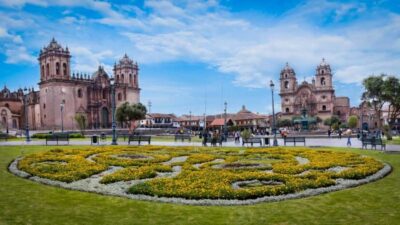
Half-Day City Tour with Sacsayhuaman and Q’enco
Read our review →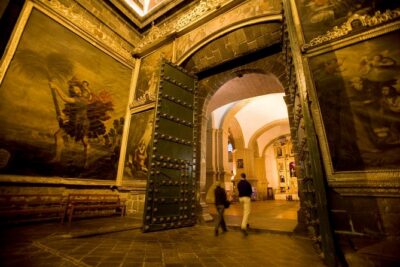
Cusco City Sightseeing and Sacsayhuaman Archeological Park Tour
Read our review →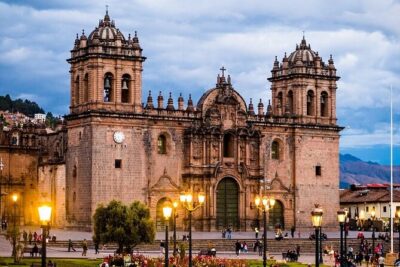
Cusco 4-Hour Private Tour Including Sacsayhuaman and Qenqo
Read our review →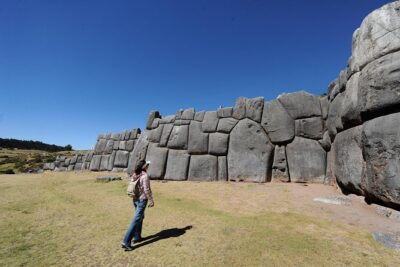
Sacsayhuaman Temple, Tambomachay and Puca Pucara Half-Day Tour
Read our review →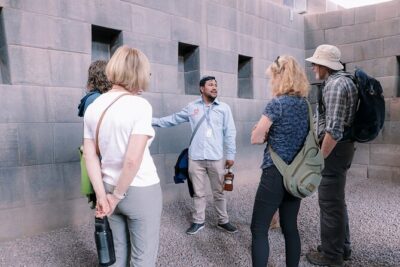
Private Cusco City Tour with Sacsayhuaman & Inca Sites
Read our review →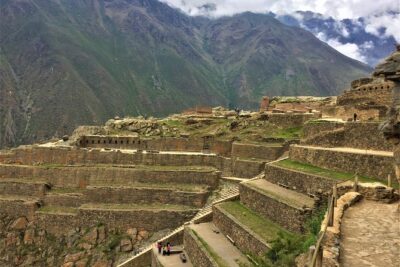
Cusco City Tour with Sacsayhuaman & Inca Sites – Small Group
Read our review →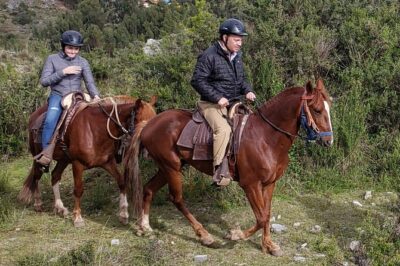
Horseback Riding Plus Tour to Sacsayhuaman, Quenqo, Puka Pucara and Tambomachay
Read our review →Browse the lists this tour appears in