
Reviewed · MACHU PICCHU
Classic Inca Trail To Machu Picchu 4 Days And 3 Nights 2026
This is one of those trips where logistics matter as much as the views. The Classic Inca Trail runs from Kilometer 82 to Machu Picchu on a timed, guided route, with a small group max of 15 and hands-on support all the way. If you like walking through high Andean ruins with real people around you, not just a map and a hope, this format feels made for you.
I especially like how the trip wraps the hard parts into the package. You get trained guides (names I’ve seen repeatedly include Ali, Christian, Nilton, Lino, and Hipo) and a full support team, so you can focus on steady steps and good photos. The possible drawback is the altitude and early mornings, plus you still need a moderate fitness level and the right gear to stay comfortable.
Key Highlights You Should Know Before You Go
- Small-group size (max 15) for a more controlled, personal pace
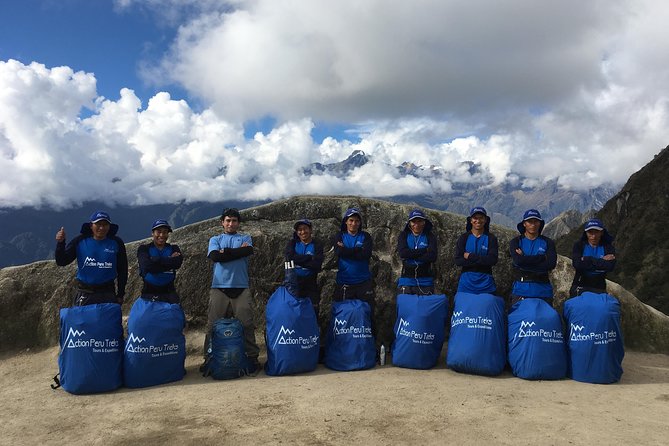
- All meals and camp setup included, carried by porters and cooked by the team
- Support on the toughest day, including oxygen and emergency radios
- Dead Woman’s Pass plus a cloud-forest start makes Day 2 the real milestone
- Sun Gate arrival gets you that first, jaw-dropping Machu Picchu view
- Guided Wiñay Wayna and Machu Picchu, with expert storytelling on ruins and meaning
Morning Pickup at 4:30 a.m.: Cusco to Kilometer 82
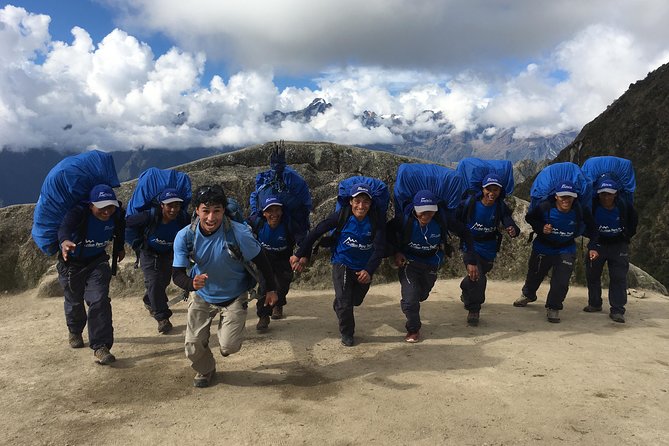
The adventure starts early, with hotel pickup in Cusco at 4:30 a.m.. From there, you drive to the Sacred Valley and make a quick stop in Ollantaytambo for photos and breakfast opportunities (breakfast there is not included). This is one of those moments where the schedule really pays off, because you want daylight and fewer crowds when you begin the trek.
The drive continues onward to Kilometer 82, where the hike truly begins. This matters more than it sounds. Starting at the official trail head gives you time on the first day that is less punishing, and it keeps the group synced with the porters, chef, and campsite team.
More Inca Trail departures:
- Classic Inca Trail Trek 4D/3N to Machu Picchu (Group Service)
★ 5.0 · 8,653 reviews - Machu Picchu: 4-Day Inca Trail Trek with Panoramic Train Ride
★ 5.0 · 4,568 reviews - Short Inca Trail to Machu Picchu 2D/1N
★ 5.0 · 3,007 reviews
Day 1: Wilkaraqay, Lunch at Hatunchaca, and Camp at Ayapata
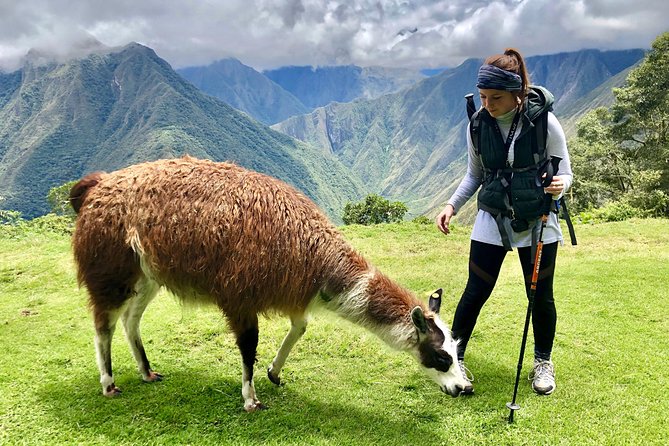
Day 1 opens with a gentler rhythm. After arriving at Kilometer 82, you start with about 2.5 hours of relatively flat terrain toward Wilkaraqay. This is a smart warm-up stretch. You get moving without being smashed by steep grades immediately, and your guide will set context about the trail and the Inca sites you’ll see over the next few days.
Then you hike for about two more hours to Hatunchaca (2,598 m), where lunch is served. After that meal, the afternoon shifts into longer walking: about 2.5 hours until you reach Ayapata, the campsite for the night. The day is listed as roughly 10 hours, so even though it starts fairly easy, you’ll still want an early bedtime.
Patallacta: A Short Stop That Adds Depth
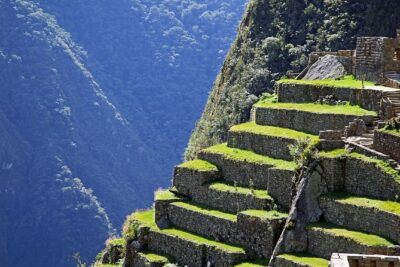
After the main trek segment, you visit Patallacta, a site tied to the Inca Trail network. The big idea here is that it likely functioned as a rest stop and shrine, with agricultural terraces that could help feed people on the route. The quick visit is about 30 minutes, and admission is included.
The practical value of a stop like Patallacta is not just the stones. It helps you understand that the Inca Trail was built as a system, not a single sightseeing path.
Day 2: Cloud Forest to Dead Woman’s Pass, Runcuraccay, and Sayacmarca
If Day 1 is your warm-up, Day 2 is the one you feel in your legs and your lungs. After breakfast, you hike for about two hours through cloud forest, moving through different bio-zones. That change in vegetation is one of the best ways to understand you’re not just walking uphill, you’re moving across ecosystems.
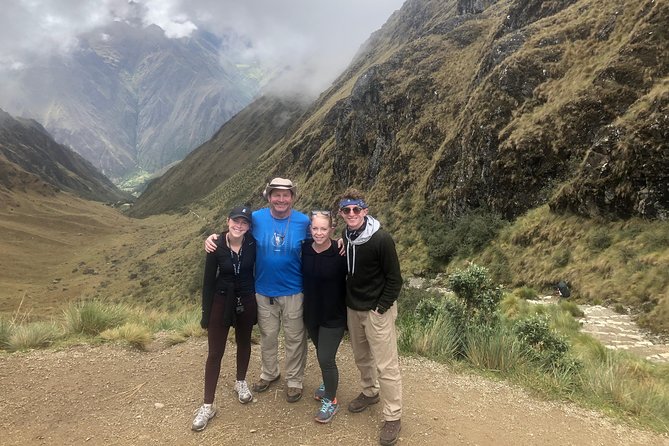
You reach Lluchapampa (3,800 m) for a 15-minute break, then continue toward Dead Woman’s Pass (4,215 m). The climb to the top takes about two hours, and the payoff is the view when you pause at the pass. This is the moment where the trail earns its legend: steep air, huge ridgelines, and that feeling of being high enough to see the Inca route stitched across the mountains.
After the pass, you descend to Pacaymayu camp area for lunch. Then the day gets technical in a gentle way: you climb about 45 minutes to the Runcuraccay ruins, get a guided tour, and then push uphill again to the Runcuraccay pass (3,950 m).
From there, it’s a 90-minute descent to Sayacmarca (3,657 m). The day ends with a shorter walk of about 25 minutes to Chaquicocha campsite. Altitude-wise, this day is dense, so the pacing and timing from the guide really matter.
More ways to reach Machu Picchu:
- 2-Day Inca Trail to Machu Picchu with Panoramic Train
★ 5.0 · 1,876 reviews - From Cusco: Full-Day Group Tour of Machu Picchu
★ 4.7 · 1,767 reviews - Machu Picchu Day Trip from Cusco
★ 4.5 · 1,644 reviews - 2-Day Tour: Sacred Valley and Machu Picchu by Train
★ 5.0 · 1,127 reviews
Runkuraccay: Circular Inca Resting Place
You get a short stop near the Runkuraccay pass with a circular Inca site. It’s believed to be linked to chaski messengers who would recharge before continuing their journey toward Machu Picchu. This is a brief 20-minute stop, but it gives you a clear mental image of how people used the trail as a living corridor.
Sayacmarca: Stone Staircases Carved Into Rock
Sayacmarca is another quick but satisfying ruin stop. The key features are stone staircases and buildings carved directly into rock walls. It’s a great example of Inca urban planning adapting to mountain terrain. Admission is included, and the stop runs about 25 minutes.
Day 3: Phuyupatamarca Views, Inti Pata Photos, and Wiñay Wayna
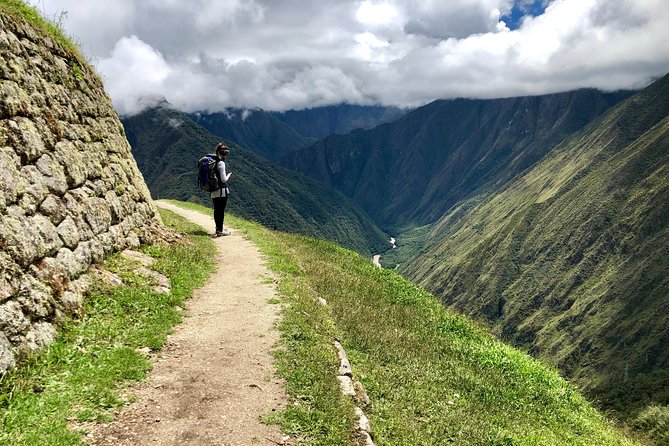
Day 3 is the day I’d pick if you love scenery plus a sense of walking through layers of time. You start with about a two-hour hike to Phuyupatamarca (3,680 m), called the City Above the Clouds. The name comes from the altitude, and you’ll see it when you’re up there looking outward.
From Phuyupatamarca, you get spectacular views of Aguas Calientes, Machu Picchu Mountain, and Huayna Picchu (weather permitting). After a guided tour of the ruins, the trail shifts into a downhill walk through the rain forest for about 2.5 hours.
Along this stretch, you visit Inti Pata, a spot many people love for photos. Then you continue for about 40 minutes to camp at Wiñay Wayna (2,680 m). The rest of the day is a mix of recovery and exploration: lunch, time to relax, then a guided visit to Wiñay Wayna, the largest and most beautiful archaeological site on the Inca Trail route.
Wiñay Wayna: Terraces and Even Dark Caves
At Wiñay Wayna, you explore a major terracing structure and get a sense of how boundary farming and spiritual retreat could have overlapped. The site even features dark caves, and archaeologists speculate about its spiritual use. This isn’t just a quick stroll, it’s a guided experience designed to help you read the place.
Admission is included, and the stop is about 30 minutes.
Day 4: Sun Gate, Two-Hour Machu Picchu Tour, and Back to Cusco at 8 p.m.
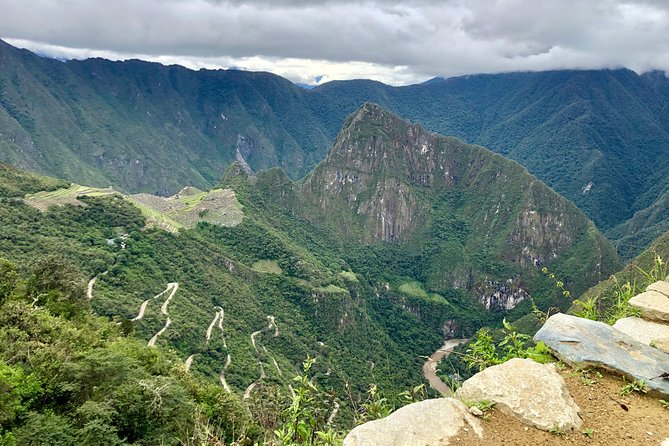
Your final day begins very early, with the last part of the Inca Trail feeling easier for about an hour. You walk toward the Sun Gate, which is the ancient entrance to Machu Picchu. This is the part that people remember for life: your first major views of Machu Picchu, and possibly sunrise over the Andes if weather cooperates.
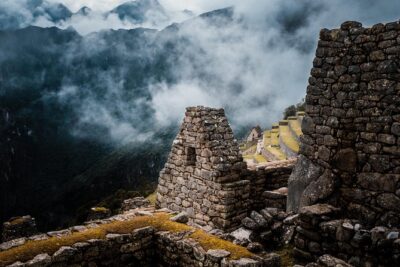
Once you reach the Sun Gate area, your route ends with about 45 minutes of downhill to the entrance gates of the city. You’ll stop at the classic photo spot right away, then have a short break before starting a 2-hour guided tour inside Machu Picchu.
The guides I’ve seen highlighted in the trip’s feedback include folks like Ali, Nilton, and Lino, and the common thread is storytelling. You’re not just walking between stones. You get history and mythology explained in a way that helps the site make sense when you’re standing there in person.
Transfers Back: Bus to Aguas Calientes, Train to Poroy, Private Ride to Cusco
After the Machu Picchu visit, you travel to Aguas Calientes by bus, then train to Poroy. From Poroy, a private vehicle brings you back to your Cusco hotel area, with arrival listed for 8:00 p.m. on Day 4.
This transport structure is part of the value. It means you do not need to solve the puzzle of timing and ticket connections while you’re tired.
Price and Logistics: What $870 Really Buys You
At $870 per person for 4 days and 3 nights, you’re paying for far more than a walking route. You’re buying a full support system:
- Pickup and private transportation to and from trail segments
- A guide plus pre-trek briefing
- Professional cooks and porters handling the heavy logistics
- Camping gear, including tents and mattresses
- Safety gear, including a first aid kit, oxygen, and emergency radios
- Meals covered: 3 breakfasts, 3 lunches, 3 dinners
The “value” angle here is not just comfort. It’s reduced decision fatigue. When porters carry camp equipment and the chef runs the kitchen, your energy goes into walking and acclimating, not planning.
What is not included is equally important:
- Sleeping bag is not included, but you can rent from the operator
- Hiking poles can be rented
- Tips and a personal porter are not included
If you’re the kind of traveler who hates last-minute sourcing, the included setup is a big win.
Camp Life and Food: The Part You Think About Later
The camping setup is one of the most praised pieces of the experience, and it shows in the way the support team is described. You sleep in tents designed for four people for every two people, with mattresses provided. One review specifically noted Thermarest sleeping pads, and that kind of detail tells you the goal is real comfort, not just survival.
Food is another standout. You’re not stuck with basic camp meals. Multiple reviews mention chef teams like Ruben and Andres producing multi-course meals, and one highlights that vegetarian needs were handled well. Whether you’re a meat eater or not, it means you’ll have fuel without scrambling for snacks along the way.
Also, the support crew sets up camp before you arrive, so you can keep your focus. After long days at altitude, this matters. You’ll appreciate a functioning campsite more than you think you will.
Altitude, Fitness, and Packing: How to Avoid a Bad Trek
The route climbs to high points, including Dead Woman’s Pass at 4,215 m and other passes near 3,950 m. That doesn’t mean you need to be an athlete, but you do need to be ready for breathing that feels different than at sea level.
The good news is the trip is built for a moderate fitness level traveler. Guides control the pace, and the support staff is there to keep you moving safely.
Gear Checklist That Matches the Route
Bring what the operator recommends, and treat it as your baseline:
- Original passport, and if you got a new one after booking, bring both
- Down or synthetic sleeping bag (renting is available)
- Trekking boots, warm fleece, light long pants, gloves
- Rain jacket, sun hat, sunglasses, sunscreen SPF 35+
- Headlamp
- Toiletries like toilet paper and wet wipes
- Camera with spare batteries, since batteries drain faster at altitude
- Binoculars, if you like detailed views
- Bug repellent
One small practical tip that’s worth taking seriously: bring warm layers even if you’re hot during the day. High Andean conditions can flip quickly, and you’ll feel it most at camp.
Who This Classic Inca Trail Suits Best (and Who Should Rethink It)
This trek fits best if you want a serious Inca Trail experience without having to manage the moving parts. It’s especially good for:
- First-timers to high-altitude treks
- People who want small-group guidance rather than a big herd feel
- Travelers who care about ruin interpretation through expert guides
- Anyone who values camp comfort and full meals
It can also work for families. One review describes doing the hike with kids aged 11 and 13, with the guide keeping the pace enjoyable. That suggests the operator can manage a range of fitness, as long as you’re honest about your ability.
The main reason to reconsider is if you hate early starts and tough days at altitude. Even with a good guide and support, the route is still demanding.
Should You Book This 2026 Classic Inca Trail?
If you want the Classic Inca Trail to Machu Picchu done in a way that protects your time and energy, I think booking makes sense. The big reasons are the included support system (porters, cooks, safety gear), the small-group size, and the way your experience is structured around meaningful stops like Dead Woman’s Pass, Wiñay Wayna, and Sun Gate.
My advice to decide quickly is to match it to your style. If you want a guided, well-fed, carefully paced trek with camp comfort, this is a strong fit. If you prefer full DIY travel and you’re already set up for high-altitude trekking logistics, you might want a different kind of trip. For most people, though, the combination of included meals, gear, and expert guidance makes the price feel more like a package deal than just a trekking ticket.
FAQ
What time does the trek start from Cusco?
Pickup is scheduled for 4:30 a.m. in Cusco, and the drive takes you to the trailhead at Kilometer 82.
How many people are in the group?
The tour has a maximum group size of 15 travelers.
What is included in the price?
The tour includes a tour guide, a pre-trek briefing, support staff (guides, cooks, porters), tents and mattresses, emergency supplies (including oxygen and emergency radios), private transportation, and meals: 3 breakfasts, 3 lunches, and 3 dinners.
Do I need a sleeping bag?
A sleeping bag is not included, but you can rent one from the operator.
Are meals included?
Yes. You’ll have 3 breakfasts, 3 lunches, and 3 dinners included during the trek.
What should I bring for Machu Picchu weather and altitude?
Bring trekking boots, warm layers (like a fleece jacket and gloves), a rain jacket, sunscreen SPF 35+, a headlamp, and sunglasses. The operator also recommends binoculars and a camera with spare batteries.
What is the cancellation policy?
There is free cancellation if you cancel at least 24 hours in advance for a full refund. Canceling less than 24 hours before the start time does not get refunded.
Recently reviewed around Cusco
- Cusco Cooking Class by ChocoMuseo in Cusco★ 5.0 · 29 reviews
- 1-day excursion to Machu Picchu from Cusco★ 5.0 · 29 reviews
- Private Tour Sacred Valley, Chinchero, Maras Moray, Ollantaytambo★ 5.0 · 29 reviews
- ATV Adventure to Moray and Maras Salt Mines – Half Day★ 4.5 · 29 reviews
- From Cusco: Humantay Lake with Breakfast and Buffet Lunch★ 4.5 · 29 reviews
- 4 Day – Inca Jungle to Machu Picchu★ 5.0 · 29 reviews
- 2-Day Machu Picchu Tour by Train from Cusco★ 4.5 · 29 reviews
- 2-Day Sacred Valley and Machu Picchu Tour By Train★ 4.5 · 29 reviews
Machu Picchu, compared.
Classic Inca Trail Trek 4D/3N to Machu Picchu (Group Service)
Read our review →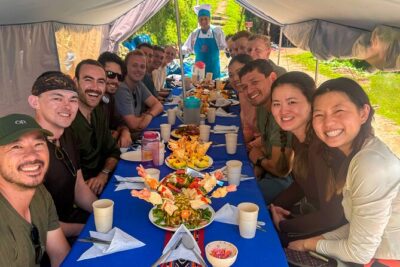
4-Day Inca Trail Trek with Panoramic Train Ride
Read our review →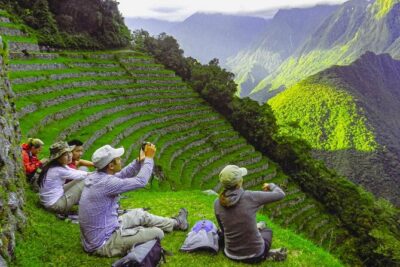
2-Day Inca Trail to Machu Picchu with Panoramic Train
Read our review →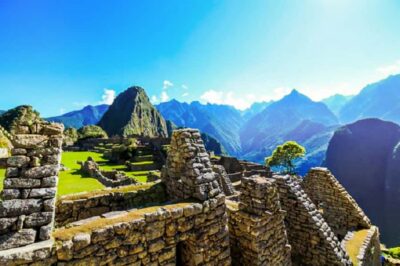

2-Day Tour: Sacred Valley and Machu Picchu by Train
Read our review →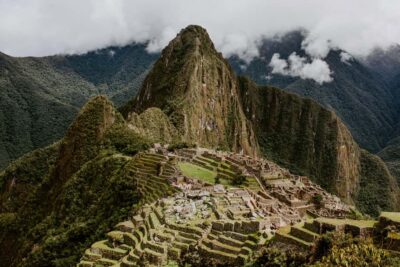
Browse the lists this tour appears in