
Reviewed · SACRED VALLEY
Cusco: The best of The Sacred Valley PRIVATE Tour
This is interesting because it strings together the Sacred Valley’s big hitters in one long day, with private access so you can move at your group’s pace and ask questions without waiting for a crowd to settle. I like that it’s private, so you avoid the mass-group shuffle. I also like the mix of hands-on culture and major archaeological stops, so the day feels varied instead of repetitive.
The main drawback is simple: it’s a 12-hour day starting around 7:00 am, so you’ll want to be comfortable with lots of driving and back-to-back sites. Also, a few stops are short, so come with a clear idea of what you want most.
Key highlights worth planning for

- Private tour, just your group, which cuts down waiting and crowd pressure
- English-speaking guide, so you get real explanations instead of guessing
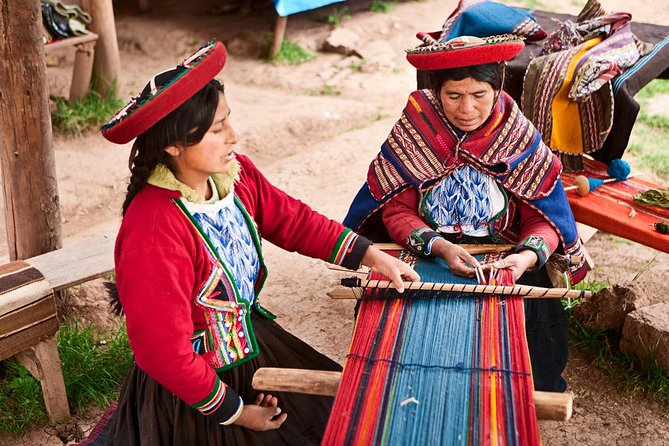
- Chinchero textile workshop, including the full process from materials to natural dyes
- Moray’s circular terraces, famous for the idea that the Incas tested crop conditions
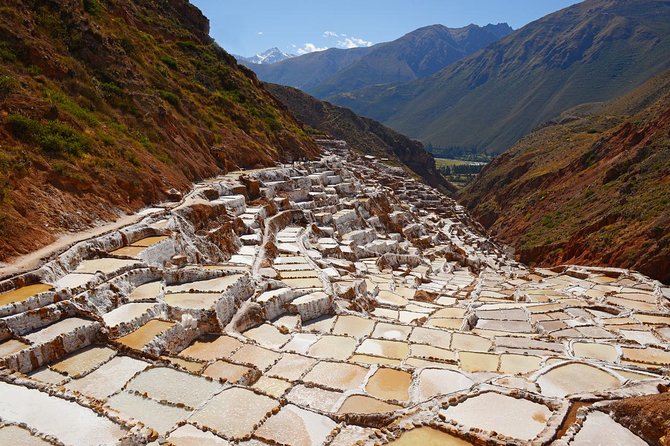
- Maras salt pans, with thousands of shallow evaporation pools used for over 500 years
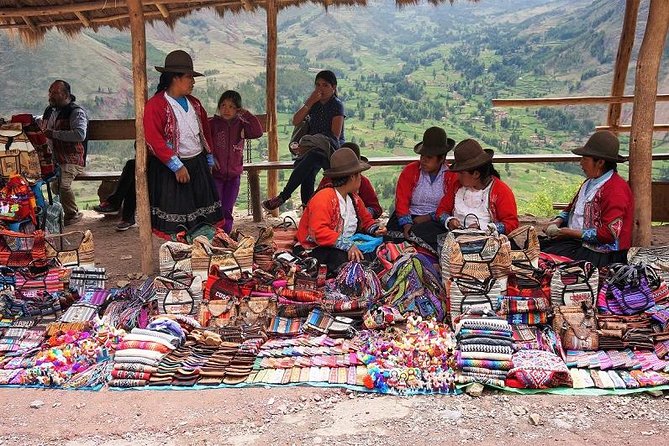
- Pisac ruins plus local market time, with extra room to make your own pace if you want
A private Sacred Valley day that hits the big name sites
This tour is built for people who want maximum return on one day. You’re not just ticking boxes. You’re hopping between places that show different sides of the Sacred Valley: daily life in an Andean community, farming experiments through Inca architecture, and landscape engineering at the salt pans.
Because it’s private, the vibe is calmer. You can linger when something clicks, or speed up when you already get the picture. That matters most at ruins, where it’s easy to feel like you’re being marched through stone.
One more plus: the logistics are designed for you. Pickup and drop-off are hassle-free, and you start at 7:00 am. That early start also helps you spend more of the day sightseeing and less of it waiting in lines.
More Sacred Valley days:
- From Cusco: Sacred Valley & Maras Salt Mines Tour with Lunch
★ 4.8 · 2,227 reviews - 2-Day Tour: Sacred Valley and Machu Picchu by Train
★ 5.0 · 1,127 reviews - Cusco: Sacred Valley, Pisac, Ollantaytambo, Salt Mines Moray
★ 4.6 · 1,058 reviews
7:00 am pickup to a full 12-hour rhythm
Plan for a long day. You’ll be picked up from your hotel at about 7:00 am, then you’ll keep rolling from site to site with only short breaks built in.
This kind of schedule is ideal if you are on a tight Cusco itinerary and you don’t want to spend multiple days just getting around. It’s also ideal for travelers who like structure. You get a route, timing, and an English-speaking guide who can tie it all together.
The trade-off is energy management. A private day can still feel full-throttle if you try to do everything at maximum intensity. My advice: decide what you want your top two or three moments to be before you go. Then let the rest support those highlights.
Chinchero: Inca ruins, a colonial church, and textiles with natural dyes
Your morning begins in Chinchero, an Andean village that blends old and new. You get to see the way Inca ruins sit alongside a colonial church, plus mountain viewpoints and a colorful market scene that’s especially famous on Sundays.
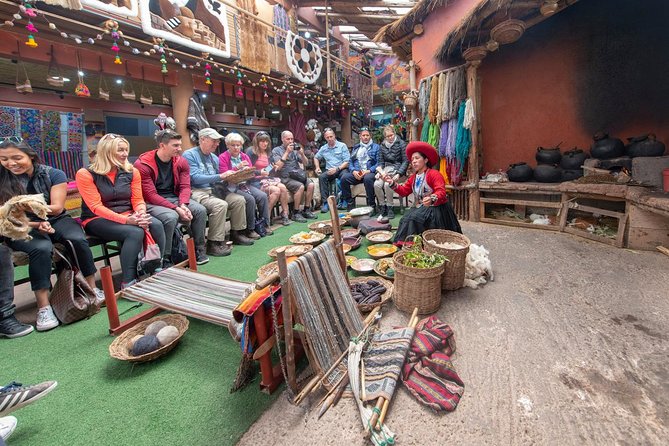
What makes this stop more than a quick photo stop is the textile demonstration. You’ll learn the step-by-step process, from gathering raw materials to the washing stage and then the dying of threads using natural dyes. You’ll watch a master weaver work through the techniques, then you’ll have a chance to buy products at the end.
A free admission ticket is listed for this stop, so this is one of the best value moments of the day. Even if you don’t plan to buy anything, you’ll leave with a real sense of how much skill goes into what you see.
Tip: If you’re curious about textiles, slow down. Ask about what fibers and dyes are used and what changes in the color through the process. This is the kind of stop where a few good questions make the difference.
Moray: Circular terraces and the Inca crop laboratory idea
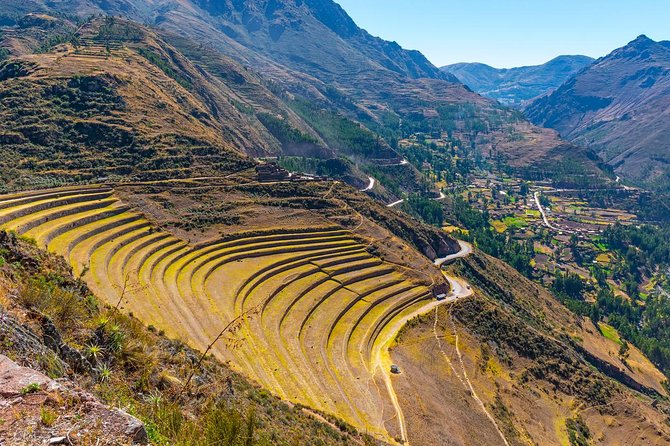
Next up is Moray, known for its circular agricultural terraces. This site sits about 4.5 miles from Maras and around 39 miles from Cusco, and the terraces are described as being up to 330 feet deep.
Why people get excited about Moray is the layout. Those circular depressions create micro-conditions, and some theories say the Incas used it as a kind of laboratory to test optimal growing conditions for different crop species.
Your time here is about 30 minutes, and tickets are included. That’s enough time to understand the overall design and take in the dramatic terraced shape, but it’s not enough time to become a Moray scholar.
So aim for fundamentals: walk the viewpoint angles, look for how the terraces step down, and keep your questions simple. What is the purpose of the circles? How do terraces relate to temperature or moisture? If your guide is strong (and many are), you’ll get better answers than you’ll get from reading alone.
A few more Cusco days worth comparing
- Classic Inca Trail Trek 4D/3N to Machu Picchu (Group Service)
★ 5.0 · 8,653 reviews - Cusco: Rainbow Mountain and Red Valley Day Trip with Meals
★ 4.9 · 4,893 reviews - Machu Picchu: 4-Day Inca Trail Trek with Panoramic Train Ride
★ 5.0 · 4,568 reviews - Salkantay Classic Trek 5 Days from Cusco
★ 5.0 · 4,062 reviews
Maras salt pans: The colonial town church and thousands of shallow pools
After Moray, you’ll move toward Maras, starting with a visit to the colonial town and its church. Then it’s on to the star: the ancient salt pans carved into the mountainside.
This part is surprisingly straightforward. Thousands of shallow pools sit in place, salt water fills them, and then evaporation does the work. As the water disappears, crystallized salt is left behind. The salt-panning tradition is said to have been practiced for more than 500 years.
Your time here is about 1 hour, with admission included. This stop works well in a private tour because you can take your time scanning the pools without feeling like everyone is moving at once. It also helps to have a guide explain the process while you’re standing where it happens.
Practical consideration: salt pans are visual and busy, but they’re also outdoors and active. If your group tends to get restless quickly, this is still usually manageable because the layout holds your attention.
Urubamba buffet lunch: a break that keeps the day moving
In Urubamba, you’ll stop for a buffet lunch. It’s scheduled for about 1 hour, and admission tickets aren’t the focus here.
I like lunch being placed mid-route instead of at the very beginning or end. It breaks the mental rhythm, gives you fuel for the last stretch, and keeps the schedule from feeling like a sprint from sunrise to sunset.
Since the specifics of the buffet menu aren’t listed, focus on practical strategy: eat enough to keep going, but don’t go so heavy that you want to sit down for an hour. You still have major ruins on deck afterward.
Ollantaytambo: temple and fortress energy in the Sacred Valley
Next is Ollantaytambo, described as an ancient Inca temple and fortress at the northwestern end of the Sacred Valley. You’ll spend about 1 hour here, and admission is included.
This is the kind of stop where the stonework and the defensive feel of the layout come through fast. Even with a short visit, you can understand why the Incas chose this kind of stronghold geography.
Because your time is limited, treat this as a choose-your-own path moment. Decide if you want to focus on the temple function, the fortress feel, or the views and terrace lines. Your English-speaking guide can help point out what to look for, so you don’t waste time staring at everything equally.
Pisac ruins and the local market: time well spent if you love exploring
Your final major stop is Pisac, with ruins and a colorful local market. The ruins are described as constructed between the 10th and 11th centuries AD, with buildings like plazas, temples, pools, and other structures.
The Inca architecture here is connected to the sheer scale of the terraces, which run from south to east across a huge mountain. The tour info even gives the elevation band: roughly 3,000 to 3,450 masl (9,843 to 11,319 fasl). That’s helpful context because it explains why the terraces look like they cling to the slope.
Here’s the honest scheduling nuance: the planned time is listed as about 1 hour, but the tour notes recommend reserving several hours to really explore. That tells you Pisac is not the kind of place you rush through without missing details.
So here’s my practical advice. In the hour you have, do a fast circuit first to orient yourself, then pick one area to linger. If you’re the type who could spend an entire morning with ruins, consider planning extra time for Pisac outside this tour as well.
English-speaking guide and private Q&A that makes ruins make sense
A lot of tours promise explanations. This one is set up to deliver them, because it’s explicitly an English-speaking guide experience and it’s private.
That format matters most when you get stuck on the same few questions every traveler has, like how the Inca designed terraces, what the salt pans really do day to day, or why a site like Moray could be seen as an agricultural testing ground. In a group setting, these questions can get lost. In a private setting, you can ask, hear the answer, and move on with clarity.
One detail from a past guest is worth repeating because it captures the difference a good guide can make. An English-speaking guide named Jenny was praised for answering questions and bringing the Sacred Valley culture and history to life. That’s exactly what you want on a long day, where your attention span would otherwise be fighting jet lag.
Price and value: what $225 buys you in the Sacred Valley circuit
At $225 per person, this isn’t a budget snack-sized tour. But it also isn’t just a ride around town.
You’re paying for a private, 12-hour day with:
- Pickup from your hotel and drop-off after the route
- An English-speaking guide
- Multiple stops packed into one day
- A buffet lunch in Urubamba
- Admission tickets included at several major sites (Moray, Salinas de Maras, Ollantaytambo, and Pisac)
- Free admission noted for Chinchero and Urubamba
If you’ve ever priced out a day of taxis plus individual entry tickets plus a guide, the value starts to make sense. The private part is the biggest upgrade. You’re not just paying for sightseeing, you’re paying for smoother timing, fewer crowds, and better use of your limited hours.
Who this tour is best for
This fits best if you:
- Want a single-day Sacred Valley highlights plan instead of spreading it across multiple days
- Prefer privacy over crowded buses and rushed stops
- Like learning, not just photographing ruins
- Are comfortable with a 7:00 am start and a full day schedule
It might be less ideal if you:
- Want very slow, long stops with no pressure at all
- Hate driving time between locations
- Are looking for an ultra-flexible day with zero time limits at each site
Should you book this Cusco Sacred Valley private tour?
If you’re trying to make the most of a trip to Cusco and you want one day that delivers both culture and major Inca sites, I think this is an easy yes. The combination of private touring, an English-speaking guide, included admissions at the key archaeological stops, and a lunch stop makes it a strong value.
The only real reason to hesitate is if a long day from 7:00 am onward sounds draining. If that’s you, you might prefer fewer stops and more time to breathe. But if you can handle a full circuit, you’ll come away with a clear sense of what the Sacred Valley looks like up close, from textiles and salt work to terrace engineering and fortress architecture.
FAQ
What time does the tour start?
The tour starts at 7:00 am with hotel pickup.
How long is the tour?
It runs for about 12 hours.
Is this a private tour?
Yes. It is a private tour, so only your group participates.
What is the price per person?
The price is $225.00 per person.
What stops are included in the day?
The day includes Chinchero, Moray, Salinas de Maras, Urubamba (for lunch), Ollantaytambo, and Pisac.
Are any admission tickets included?
Yes. Moray, Salinas de Maras, Ollantaytambo, and Pisac list admission as included. Chinchero and Urubamba list admission as free.
Is lunch included?
Yes. You’ll have a buffet lunch in Urubamba.
What’s special about Chinchero on this tour?
You’ll visit the village area with Inca ruins and a colonial church, and you’ll also see a textile demonstration showing the steps from raw materials to washing and dying with natural dyes.
What’s special about Moray and Salinas de Maras?
Moray is known for its circular agricultural terraces, and Salinas de Maras features salt pans with thousands of shallow pools where salt crystallizes after evaporation.
What is the cancellation policy?
You can cancel for a full refund up to 24 hours before the experience starts. Free cancellation is available under that window.
Recently reviewed around Cusco
- 6-Day ||All Included|| Excursion – MachuPichu & Rainbow Mountain-Humantay Lake★ 4.5 · 8 reviews
- Horseback Riding thru the Mountains of Cusco★ 5.0 · 8 reviews
- Cuzco City Tour and Archaeological Ruins in Half Day★ 5.0 · 8 reviews
- Full Day – Rainbow Mountain tour – Group Service★ 5.0 · 8 reviews
- Half Day Tour in Cusco: Exploring the City and Four Ruins★ 4.5 · 8 reviews
- Cusco 4 Days Machu Picchu and Sacred Valley | All included★ 5.0 · 8 reviews
- Machu Picchu and Sacred Valley 2 Day Tour★ 5.0 · 8 reviews
- Walking Tour in Legendary & Historical Cusco City★ 4.5 · 8 reviews
Sacred Valley, compared.
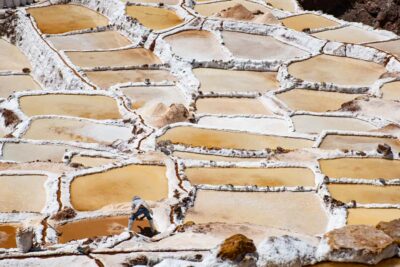
Sacred Valley & Maras Salt Mines Tour with Lunch
Read our review →
2-Day Tour: Sacred Valley and Machu Picchu by Train
Read our review →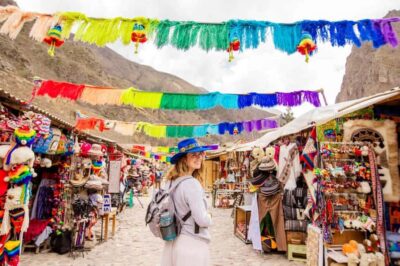
Sacred Valley, Pisac, Ollantaytambo, Salt Mines Moray
Read our review →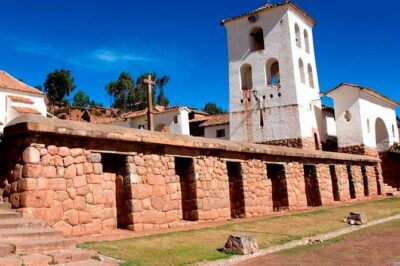
Sacred Valley and Maras Moray Tour with Full Day Buffet Lunch
Read our review →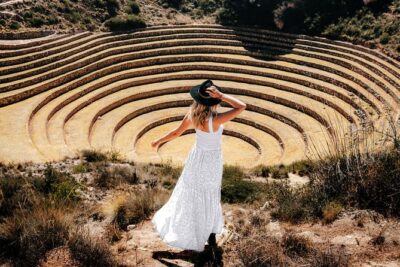

ATV Tour to Moray Maras and Salt Mines in the Sacred Valley
Read our review →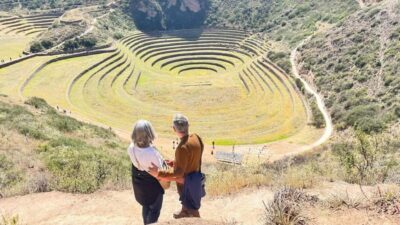
Browse the lists this tour appears in