
Reviewed · LIMA TOURS
Discover Shipibo Women´s Art in Lima
Lima can feel like a stop-and-go city if you only hit the big viewpoints. This experience slows things down by sending you into the Rímac district for a home-workshop day focused on Shipibo-Konibo women’s art. You also get a heritage interpreter who frames what you see in terms of Indigenous peoples, native languages, and cultural resilience.
Two things I really like: you spend most of the time making art yourself, not just watching. And it’s meaningful in a practical way because your visit supports more than 20 women artisans through the sales made directly at the end.
One possible drawback to plan for: it is not a long sightseeing marathon. If you want wall-to-wall monuments and lots of roaming, this is a calmer day centered on craft, learning, and conversation.
Key Highlights You Should Care About
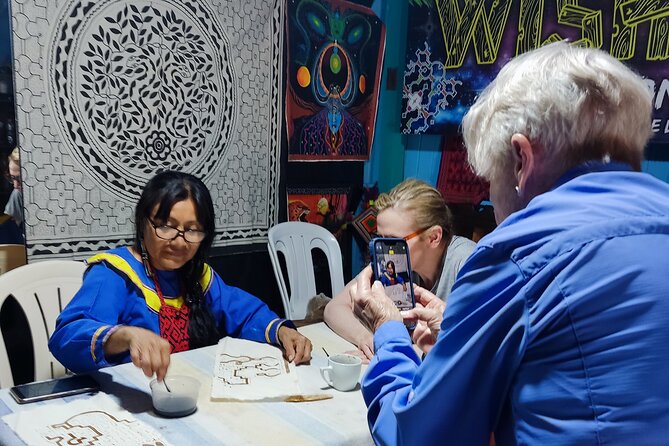
- A small group of up to 8, which means more time with the artisan and guide
- About 4 hours, with most of it inside a home workshop making your own piece
- A heritage interpreter who explains Indigenous identity, languages, and cultural legacy
- Rímac district orientation, plus a look at Amazonian migration and resilience in Lima
- Direct purchase from the artisan at the end, supporting local income for many women
- Hands-on learning with traditional tools and techniques, not a demo-only format
From Miraflores to Rímac, You Start With Context, Not Confusion
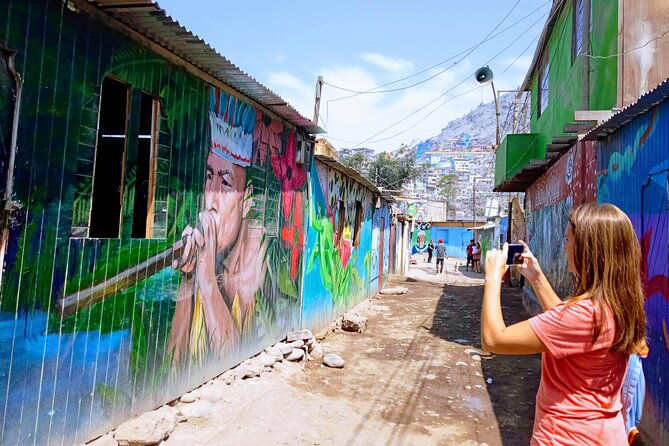
This tour is interesting because it treats art like a living language. You begin in Miraflores, at Parroquia La Virgen Milagrosa (Ca. Lima 345, Miraflores 15074), and then you’re guided away from the bubble most first-time visitors stick to. The first stretch of the experience is about cultural framing, so you land in the right mindset before anyone hands you tools.
I like that the day starts with the human story behind the craft. In the first portion, you travel to Rímac, one of Lima’s older, more traditional areas, while your heritage interpreter gives you clear background on Peru’s Indigenous peoples and their native languages. Even if you’ve read a few blurbs before your trip, this kind of spoken context makes the patterns and symbols feel less random and more intentional.
The other thing I appreciate is that you’re not only shown a style. You’re shown how Amazonian identity continues to persist in the capital. That migration and cultural resilience angle matters, because it turns a craft workshop into a story about continuity, adaptation, and pride.
A few more Lima days worth comparing
- Premium Paracas & Huacachina Day Trip from Lima with Sunset Toast
★ 5.0 · 7,380 reviews - Full Day Tour From Lima: Paracas and Huacachina Oasis
★ 5.0 · 3,694 reviews - Lima Ultimate Peruvian Food Tour
★ 5.0 · 1,845 reviews
The Centro Historico Route and Why It Matters for First-Timers
Your itinerary includes a stop at Centro Historico de Lima, and that helps you orient yourself. Lima’s “center” can feel confusing when you’re new, and having a guide set the scene makes it easier to understand how the older parts of the city connect to modern life.
This is also a subtle benefit for the whole experience. When you visit a home workshop later, you can better grasp why the craft you’re learning sits within a broader Lima reality, not in a separate, tourist-only pocket. In practice, that means you’re likely moving through areas that feel older and more textured, while still staying organized and timed.
Don’t expect this to replace a full city tour on foot. The emphasis stays on craft learning afterward. If you want a lot of walking and photos every few minutes, you might feel like you’re spending a little too much time in transit. If you’re happy with travel-by-conversation, the route works.
Rímac, Amazonian Migration, and the Stories Your Eyes Need
The Rímac part of the day is more than geography. It’s there to move you into a Lima that feels less curated and more lived-in. During the travel and transition time, the heritage interpreter shares insights about Indigenous cultural legacy, and that sets up what you’ll see next.
Then comes the bridge to the Amazon side of the story. You learn about migration and cultural resilience, specifically how Amazonian peoples maintain their identity after moving into Lima. That matters for Shipibo-Konibo art, because the patterns are not just decoration. They’re tied to identity, spirituality, and the daily life of communities where this art has deep roots.
This kind of explanation is worth your attention because it helps you avoid one common mistake: treating symbolism as a simple design quiz. Instead, you can look at motifs and linework as a language that has meaning, even when you don’t know every translation up front.
Inside the Home Workshop: Creating Your Own Shipibo-Konibo Piece
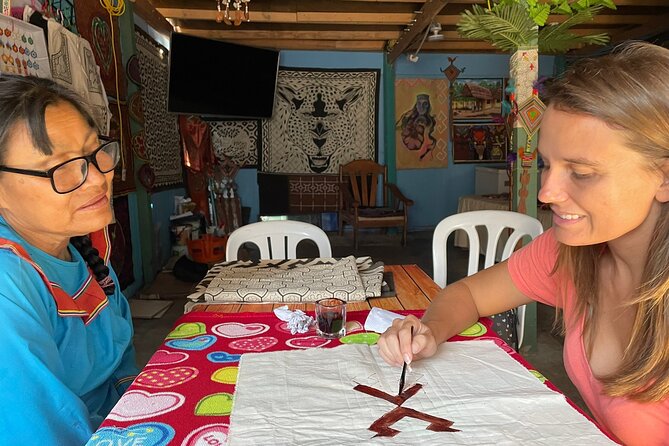
The heart of the experience is a visit to the home workshop of a Shipibo-Konibo master artisan. The workshop is in her home, and you spend most of the time learning and creating together. This is a big deal for value, because you’re not just observing a class. You’re working alongside someone who treats her art as part of her spiritual connection to ancestral creation.
The tour also says you’ll use the same traditional tools and techniques. That’s important because it changes what your finished piece represents to you. A lot of “make art” experiences end with a copy you feel slightly removed from. Here, you’re encouraged to create with the actual process and approach, which makes your learning feel authentic.
And it’s not a sink-or-swim situation. You work with guidance as you build your piece. One of the strongest themes from the experience is the warmth of the teaching. Hosts are welcoming, patient, and focused on helping you do the work instead of rushing you through it.
A different kind of day out of Lima:
- Lima Half-Day City Walking Tour (Small Groups)
★ 5.0 · 1,508 reviews - Paracas and Huacachina Exclusive Sunset Picnic Tour
★ 5.0 · 1,398 reviews - Unmissable Visit To Paracas, Huacachina And Sunset In The Oasis
★ 5.0 · 1,138 reviews - Paracas, Ballestas Islands and Huacachina Guided Tour
★ 5.0 · 1,100 reviews
What You’ll Draw and Why the Symbols Are More Than Pretty Patterns
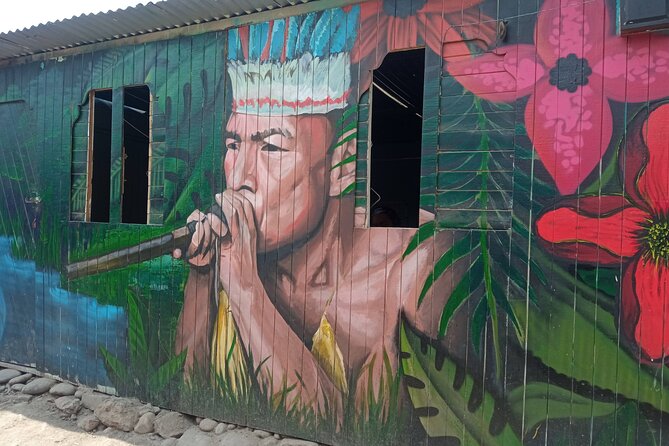
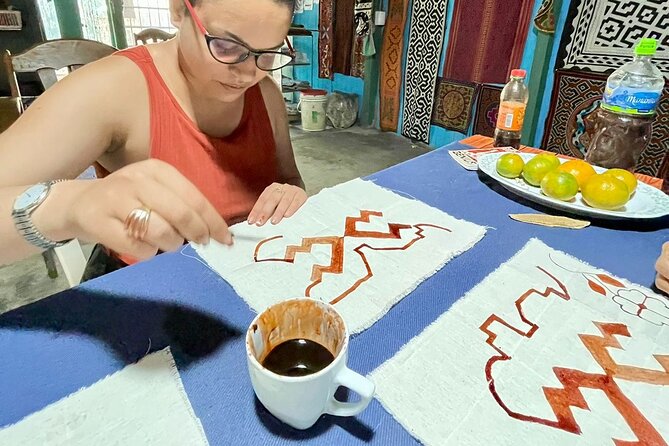
When it comes to the art itself, you can expect linework and filled spaces guided by Shipibo-Konibo visual traditions. In this kind of work, you’re often drawing lines and then adding motifs that represent elements of the world around the community.
From the sessions people describe, you might draw lines and fill areas with symbols that can include roads, trees, plants, and animals. That kind of content is why the earlier cultural context matters. It’s not just that the patterns look structured. They’re tied to ways of seeing, naming, and connecting with nature and everyday reality.
You don’t need to be a trained artist to enjoy this part. The experience is designed for most people to participate, and the time is long enough to get into a rhythm. It can feel relaxing and almost therapeutic because you’re working through repeated steps, and your host keeps you moving forward when you get stuck.
One practical note: your first attempt might not look like what you imagined. That’s normal. The real win is that you’re learning the logic behind the motifs, not trying to manufacture a perfect souvenir on demand.
Buy Direct at the End, Supporting Women Artisans in a Real Way
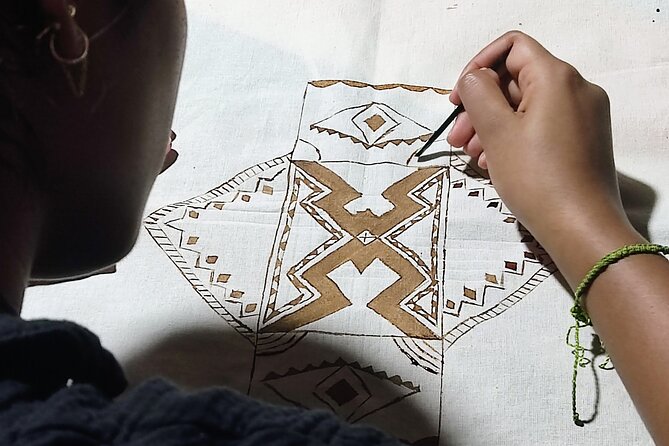
Near the end, you get the chance to purchase artwork directly from the artisan. I like this structure because it doesn’t force shopping while you’re still mid-creation. Instead, you get to earn your understanding first, then choose if you want to take something home.
This visit also has a clear social and economic impact. The experience specifically notes that it strengthens Shipibo-Konibo culture and generates new income for more than 20 women artisans. That is the kind of “impact” I prefer, because it’s tied to direct sales and local livelihoods, not vague promises.
If you buy, treat it as supporting craftsmanship you just learned about. Look closely at the patterns and ask questions. Even if you don’t know the meaning of every motif, you’ll know more than you did when you arrived.
Guide Mila’s Role: Warm Hosts and Clear Explanations
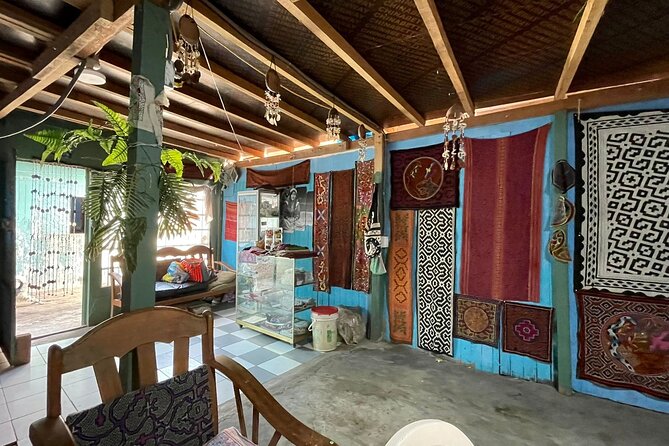
The named tour guide for this experience is Mila. Based on what people consistently highlight, she helps make the day feel welcoming from the start. The guide is part of what turns a workshop into a conversation instead of a lecture.
One reason that matters is pacing. You’re moving from city districts to a home workshop, then settling into creative work. Without a guide to keep things smooth and understandable, the whole day can feel scattered. With Mila and the heritage interpreter, you’re more likely to feel grounded.
There’s also a social warmth factor. People describe the women teaching as friendly and open, and that kind of hospitality changes how you experience the art-making. You’ll likely feel comfortable asking basic questions, and you’ll probably get encouragement during your own piece.
Price, Group Size, and Why This Costs What It Costs
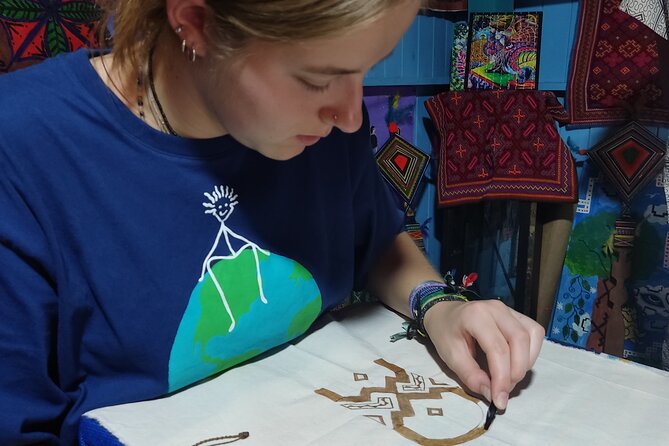
The price is $179 per person for about 4 hours. At first glance, that can sound steep compared to museum tickets. But this is not a museum visit where you passively consume culture. You are paying for a guided transition into Rímac, heritage interpretation, and most importantly, a hands-on workshop in a master artisan’s home.
The group size cap is 8 travelers, which also affects value. Smaller groups mean the artisan can help more directly, and you get time to work without feeling like you’re waiting your turn. That’s a big part of why these experiences tend to be worth it when you care about doing something meaningful, not just watching.
Also, the pace is compact. It’s long enough to learn, create, and finish with buying options. If you only have a day or two in Lima and you want something personal rather than just scenic, this duration is a practical fit.
Practical Tips So You Have a Smooth Workshop Day
A few details will help you get the best out of it.
- Arrive ready to create. This is a hands-on art day, so plan to spend time working. Wear something you don’t mind getting slightly messy.
- Expect most of your time off the main tourist track. The workshop is in a Shipibo-Konibo neighborhood feel, not a Miraflores-only bubble.
- Have a payment plan if you want to buy. The artisan offers artwork for purchase at the end, so bring a payment method you can use.
- Ask questions while you can. Your interpreter and hosts are there for a reason. Even basic questions about motifs or tools will make your finished piece feel more personal.
- Use public transit nearby if that’s your style. The experience notes it’s near public transportation, so you’re not totally dependent on a private taxi.
Who Should Book This, and Who Might Prefer Something Else
I think this is best for you if you want a Lima experience that feels local and hands-on. If you enjoy Indigenous arts, symbolism, and the story behind craft traditions, you’ll probably love how the day connects background and making.
It’s also a great choice if you dislike crowded group tours. With a maximum of 8 people, the experience feels easier to navigate and more personal.
You might want to skip it if your ideal day is mostly sightseeing. This is not built around long lines of major landmarks. It’s centered on learning and creating, with the city route serving as context.
Should You Book Discover Shipibo Women´s Art in Lima?
If you’re choosing between another quick Lima photo stop and a slower, more personal cultural workshop, I’d lean toward booking this. The combination of heritage interpretation, a small group, and time spent making your own Shipibo-Konibo art makes it feel like an experience you carry forward, not just a thing you did.
The price is real, but so is the value. You’re paying for access to a home workshop, traditional tools and techniques, and a direct way to support more than 20 women artisans. If that mix sounds like what you want from Lima, book it and plan to arrive in a learning mood, not a fast-sightseeing one.
FAQ
How long is Discover Shipibo Women´s Art in Lima?
The experience runs about 4 hours.
How much does the tour cost?
It costs $179.00 per person.
Where does the tour start and where does it end?
It starts at Parroquia La Virgen Milagrosa, Ca. Lima 345, Miraflores 15074, Peru, and it ends back at the meeting point.
What group size should I expect?
The tour has a maximum of 8 travelers.
What happens during the visit?
You travel to the Rímac district with a heritage interpreter, then visit the home workshop of a Shipibo-Konibo master artisan to learn and create your own Indigenous art. You can also purchase artwork directly from the artisan at the end.
Is the experience accessible for most people?
Most travelers can participate.
Is there free cancellation?
Yes. You can cancel up to 24 hours in advance for a full refund.
Recently reviewed around Lima
- Lima Highlights! – City Tour & Miraflores, Barranco & San Isidro★ 5.0 · 29 reviews
- Lima Surf Trip★ 5.0 · 29 reviews
- Modern and Colonial Lima City Tour.★ 4.5 · 29 reviews
- Full day Tour Paracas Ica & Huacachina from Lima.★ 5.0 · 29 reviews
- Bohemian and artistic ravine walking tour★ 5.0 · 29 reviews
- Discover Barranco’s Nightlife with Bar Crawl Lima★ 5.0 · 29 reviews
- Cooking Class + Market Tour + City Walking Tour (Full Day).★ 5.0 · 30 reviews
- Machu Picchu, Cusco & Lima 7-Day Tour★ 5.0 · 30 reviews
Lima Tours, compared.

Premium Paracas & Huacachina Day Trip from Lima with Sunset Toast
Read our review →
Full Day Tour From Lima: Paracas and Huacachina Oasis
Read our review →
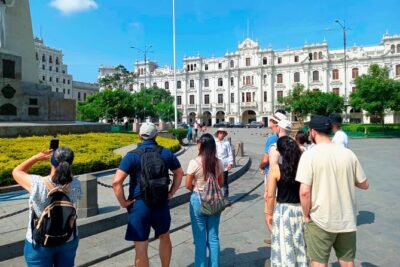
Lima Half-Day City Walking Tour (Small Groups)
Read our review →
Paracas and Huacachina Exclusive Sunset Picnic Tour
Read our review →
Unmissable Visit To Paracas, Huacachina And Sunset In The Oasis
Read our review →
Paracas, Ballestas Islands and Huacachina Guided Tour
Read our review →